Poets and playwrights
Greek poets and playwrights, their lives, verse forms and surviving works.
A guide to the poets' pages
Each poet, or group of poets, has a page of their own. The poets are grouped below by the kind of poetry they wrote. This guide explains the names of the groups, shows how a poet’s page is built, and suggests where to begin.
How a poet’s page is built
Every page has two sets of tabs. The About tabs describe the poet: life and date, the metres used, the dialect, and how the poems reached us. The Works tabs each hold one poem or passage, scanned line by line.
A works tab opens with a short Synopsis: what the work is about, and where the passage stands in it. Then comes the Text and translation, with the Greek beside the site’s own English. The Scansion follows. It marks every syllable long (—) or short (⏑), with the scheme of the metre beside it. Further down, Prosody line by line explains why each syllable has the length it has.
The groups
Epic is long narrative poetry in dactylic hexameters. The hexameter is the metre of Homer and Hesiod and of all later epic.[1] The Homeric Hymns are in the same metre.
Elegy and iambus are the poems of the archaic Ionian poets other than epic.[2] Elegy is written in elegiac couplets: a hexameter followed by a shorter line, the pentameter.[3] Here is a couplet of Theognis:
Κύρνε, σοφιζομένωι μὲν ἐμοὶ σφρηγὶς ἐπικείσθω
— ⏑ ⏑ — ⏑ ⏑ — ¦ ⏑ ⏑ — — — ⏑ ⏑ — ×
τοῖσδ’ ἔπεσιν· λήσει δ’ οὔποτε κλεπτόμενα,
— ⏑ ⏑ — — — ¦ — ⏑ ⏑ — ⏑ ⏑ ⏑
Cyrnus, let a seal be set by me, as I practise my art, on these verses; they will never be stolen unnoticed.
Theognis 19–20: a hexameter, then a pentameter. The pentameter is two equal halves, divided at ¦.
synthetic ∿
Iambus is verse in iambic metres, above all the iambic trimeter, and in the epodes of Archilochus and Hipponax, where a long line alternates with a shorter one.[4]
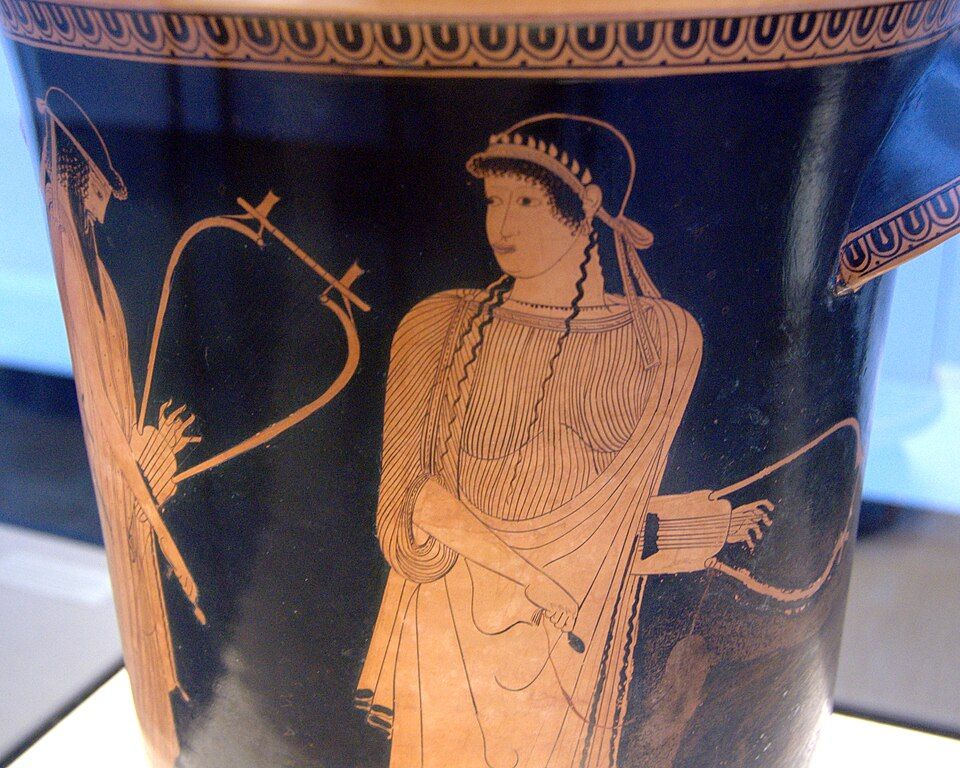
Monody is song for one voice.[5] Lesbian monody is the song of Sappho and Alcaeus, in their own Aeolic dialect and metres.[2] Ionian monody is the song of Anacreon. He was an Ionian, but he used aeolic and ionic cola too.[6]
Choral lyric is song for a chorus that danced as it sang.[7] It belongs to the Dorian tradition, with its longer and more complex strophes.[8] From Stesichorus on, the strophes were often grouped in triads: strophe, antistrophe, and an epode of a different form.[9] Pindar and Bacchylides are the chief poets here.
Late classical lyric is the song of the late fifth century. Late Euripides and Timotheus gave up repeating stanzas for freely composed song.[10] Timotheus’ Persians is the chief example.
Tragedy and Comedy are the drama of Athens. They have spoken parts, in iambic trimeters, and sung parts, mostly in strophes.[11] In the last plays of Euripides and Sophocles the songs often run through many metres without repeating.[12]
Hellenistic poetry belongs to the centuries after the classical age. In them most poetry was written in the three main stichic metres: the hexameter, the elegiac couplet and the iambic trimeter.[13] Imperial and late antique verse carries the story on into the Roman empire.
Women poets gathers women whose verse survives: Erinna, Praxilla, Anyte, Nossis, Moero, Melinno and Julia Balbilla. Sappho stands with the Lesbian poets, and Corinna with the choral poets.
A suggested path
- Begin with Homer: the hexameter is the commonest Greek metre, and Iliad 1.1–52 has a human recording.
- Then Sappho, fr. 1: a whole poem in Sapphic stanzas.
- Then the elegists and Archilochus, for the couplet and the trimeter.
- Then a play: the opening of Sophocles’ Oedipus Tyrannus for spoken verse, and a chorus of Euripides for song.
- Then Pindar or Bacchylides, for triads.
Before a works tab, read Verse forms for the poem’s metre, and Dialects and styles for its dialect.
Notes
Epic
Homer
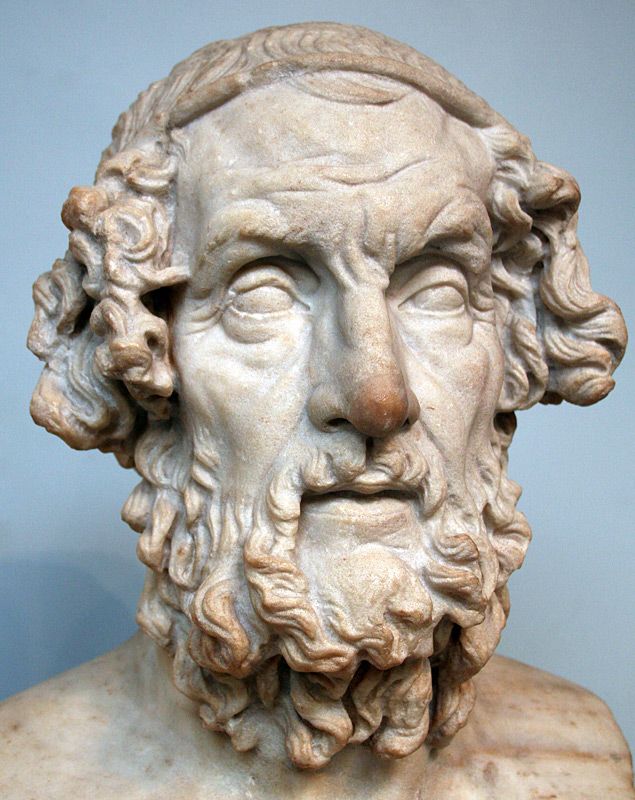
The Iliad and Odyssey: epic language, hexameter rhythm and oral tradition.
Homeric Hymns
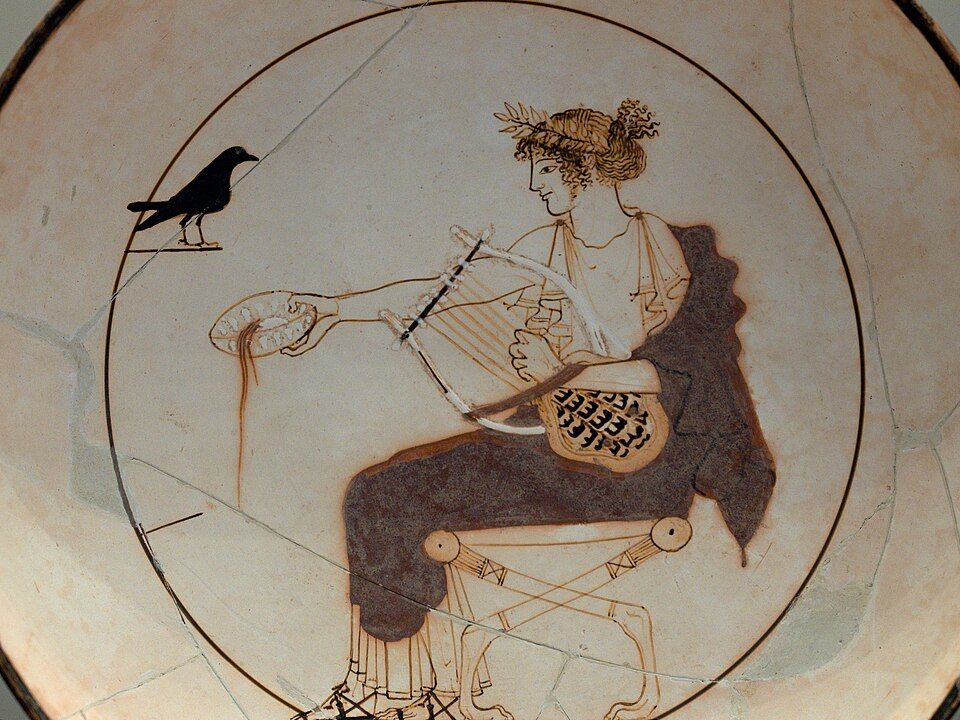
Hexameter hymns to the gods in the traditional language of epic.
Hymns
- To Dionysus (Hymn 1)
- To Demeter (Hymn 2)
- To Apollo (Hymn 3)
- To Hermes (Hymn 4)
- To Aphrodite (Hymn 5)
- To Aphrodite (Hymn 6)
- To Dionysus (Hymn 7)
- To Ares (Hymn 8)
- To Artemis (Hymn 9)
- To Aphrodite (Hymn 10)
- To Athena (Hymn 11)
- To Hera (Hymn 12)
- To Demeter (Hymn 13)
- To the Mother of the Gods (Hymn 14)
- To Heracles the Lion-hearted (Hymn 15)
- To Asclepius (Hymn 16)
- To the Dioscuri (Hymn 17)
- To Hermes (Hymn 18)
- To Pan (Hymn 19)
- To Hephaestus (Hymn 20)
- To Apollo (Hymn 21)
- To Poseidon (Hymn 22)
- To Zeus (Hymn 23)
- To Hestia (Hymn 24)
- To the Muses and Apollo (Hymn 25)
- To Dionysus (Hymn 26)
- To Artemis (Hymn 27)
- To Athena (Hymn 28)
- To Hestia (Hymn 29)
- To Earth the Mother of All (Hymn 30)
- To Helios (Hymn 31)
- To Selene (Hymn 32)
- To the Dioscuri (Hymn 33)
Elegy and iambus
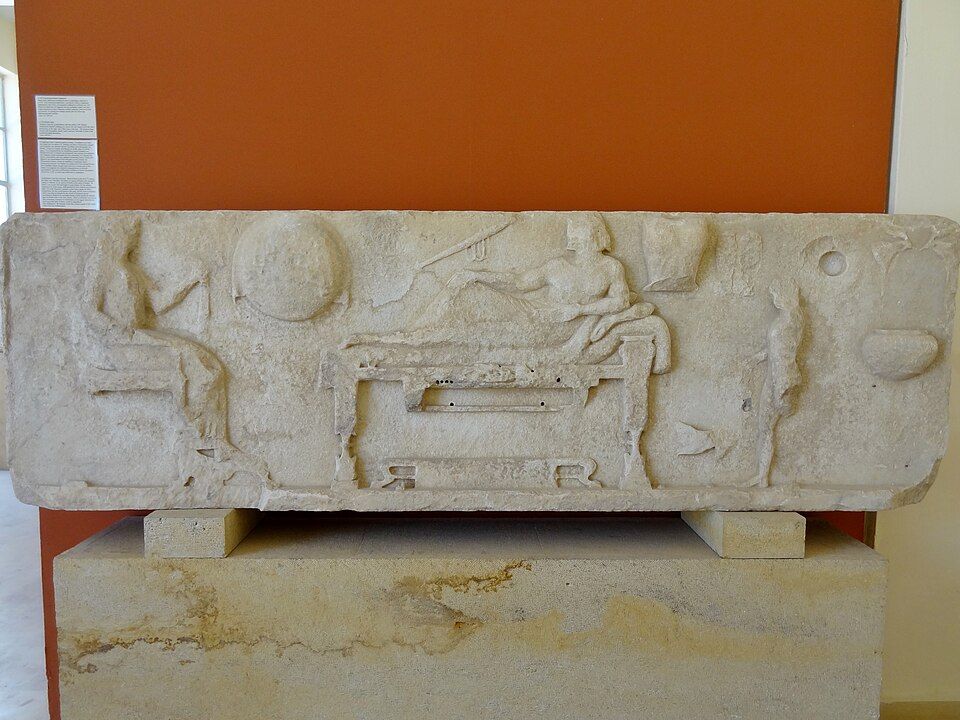
Archilochus
Archilochus’ elegiacs, iambics, trochaics and epodes.
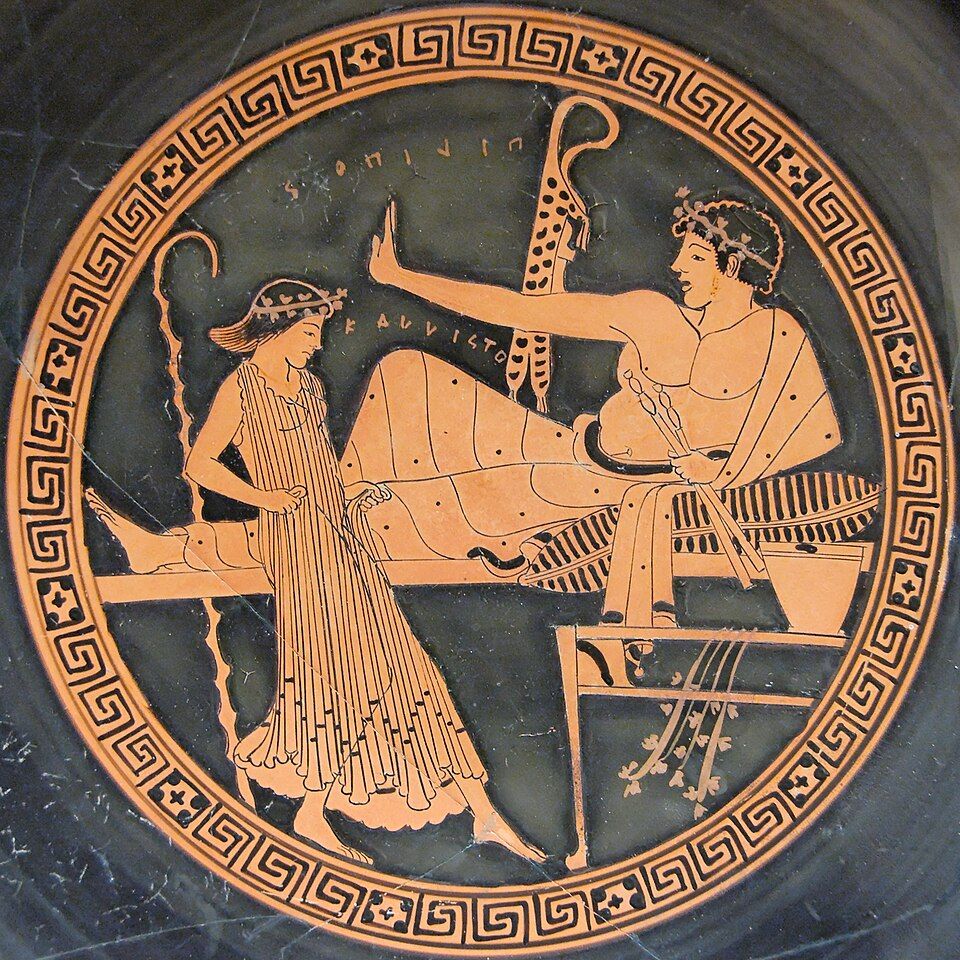
The elegists: Callinus, Tyrtaeus, Mimnermus, Solon, Theognis, Xenophanes
Archaic elegiac poetry: war, politics, love and advice in hexameter–pentameter couplets.
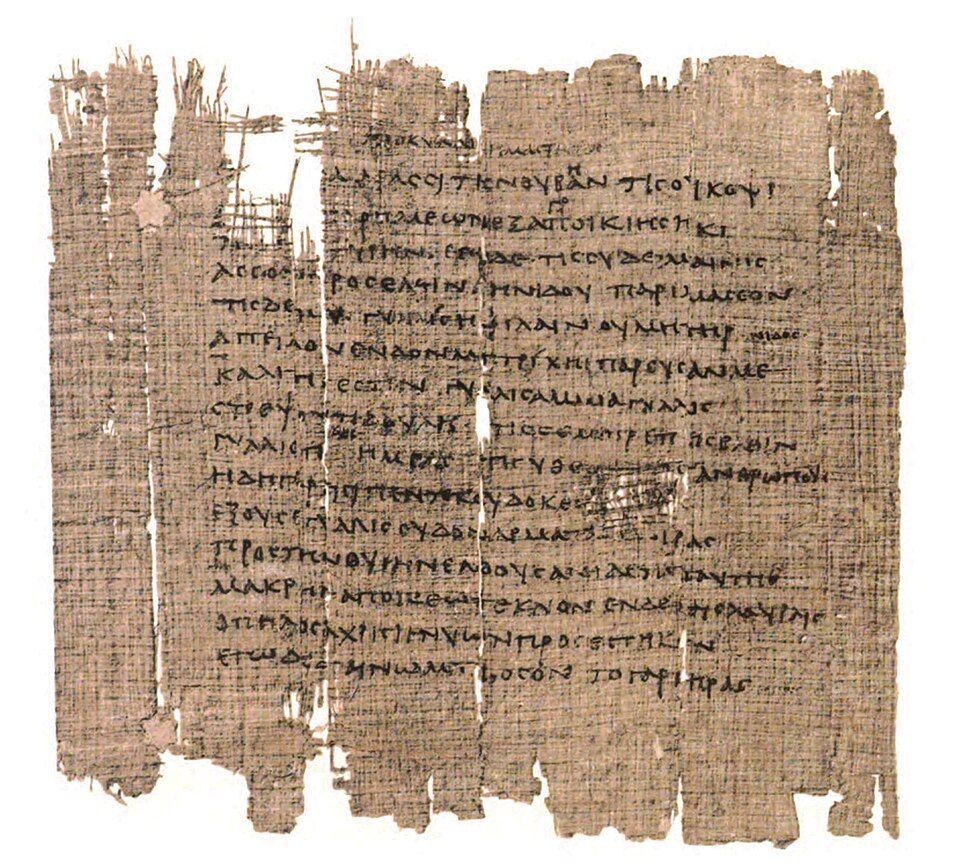
Hipponax, Semonides and the iambographers
The iambic poetry of Hipponax, Semonides and Solon.
Lesbian monody
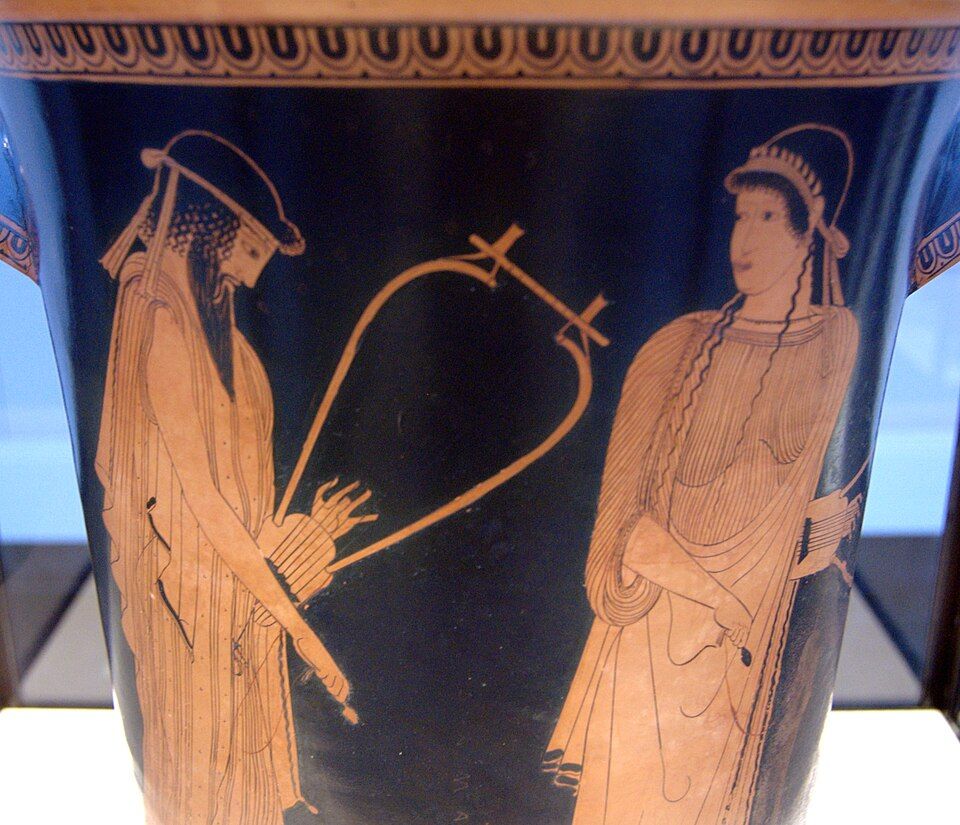
Ionian monody
Anacreon
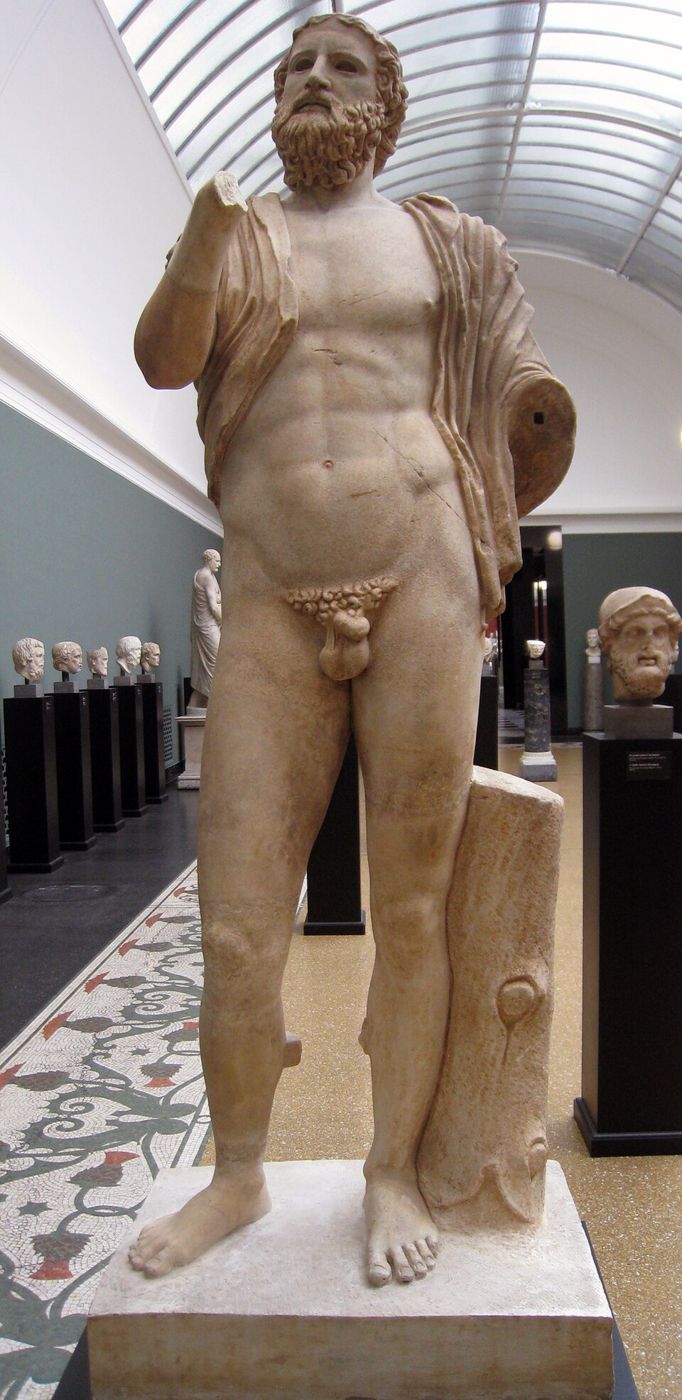
Anacreon of Teos: songs of love and wine, and their lyric metres.
Choral lyric
Alcman
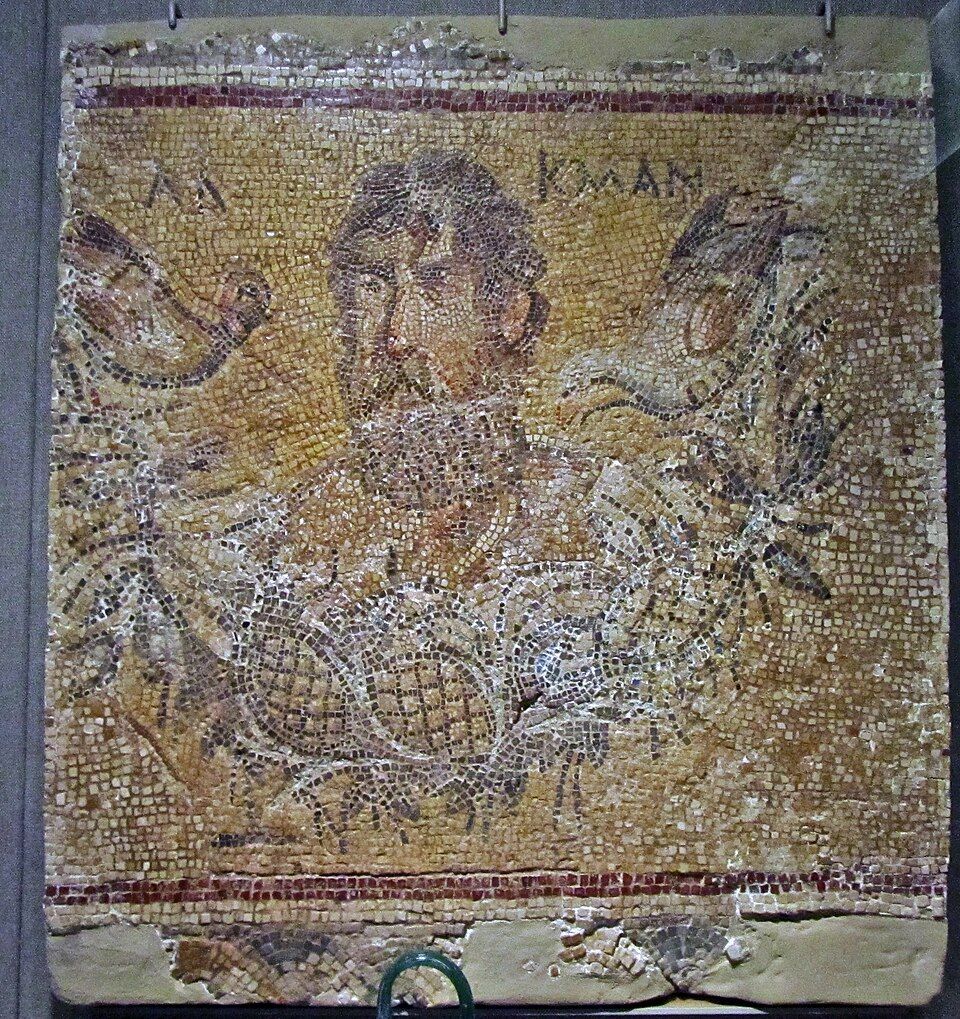
Alcman of Sparta: maiden-songs, Laconian Doric and the Louvre Partheneion.
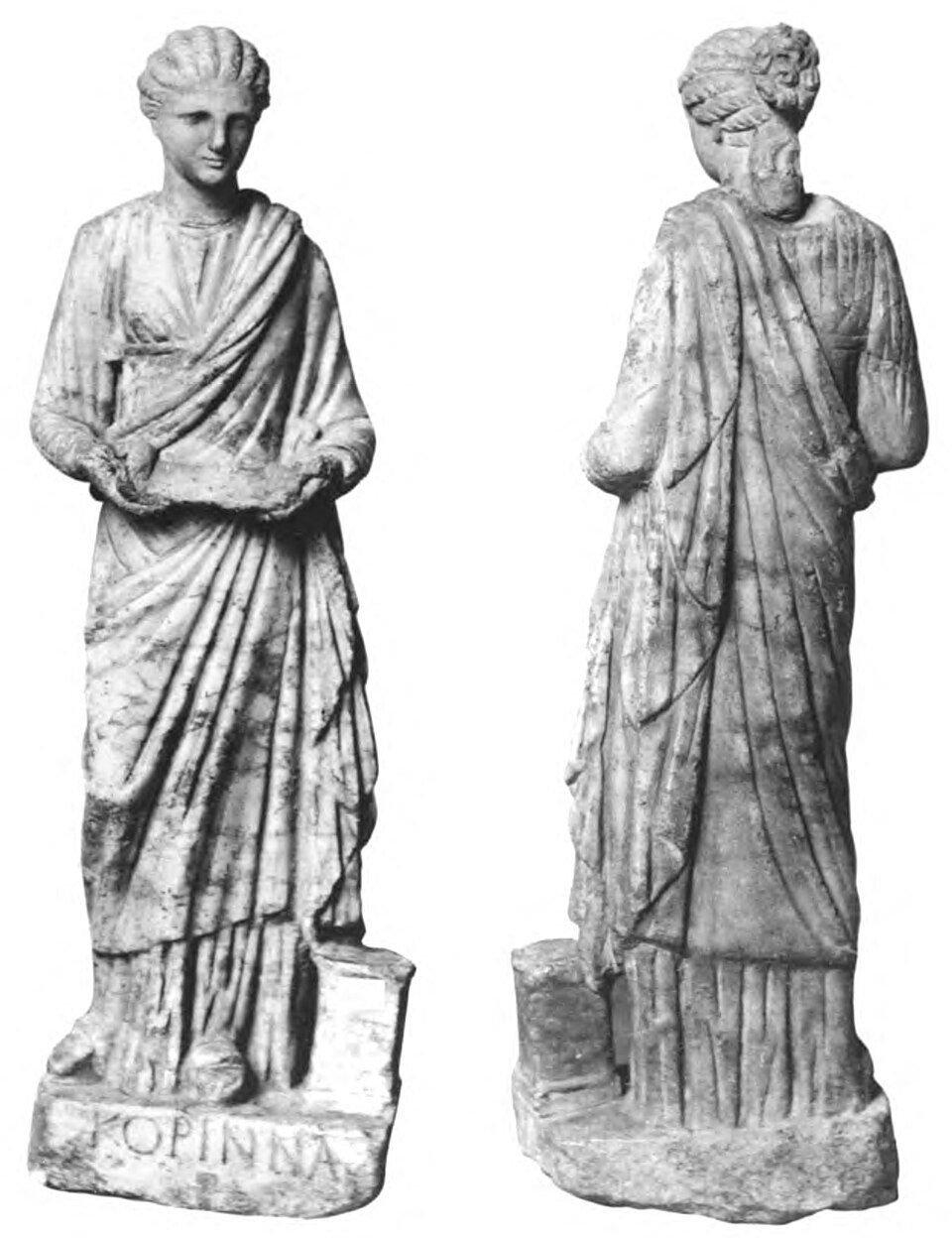
Corinna
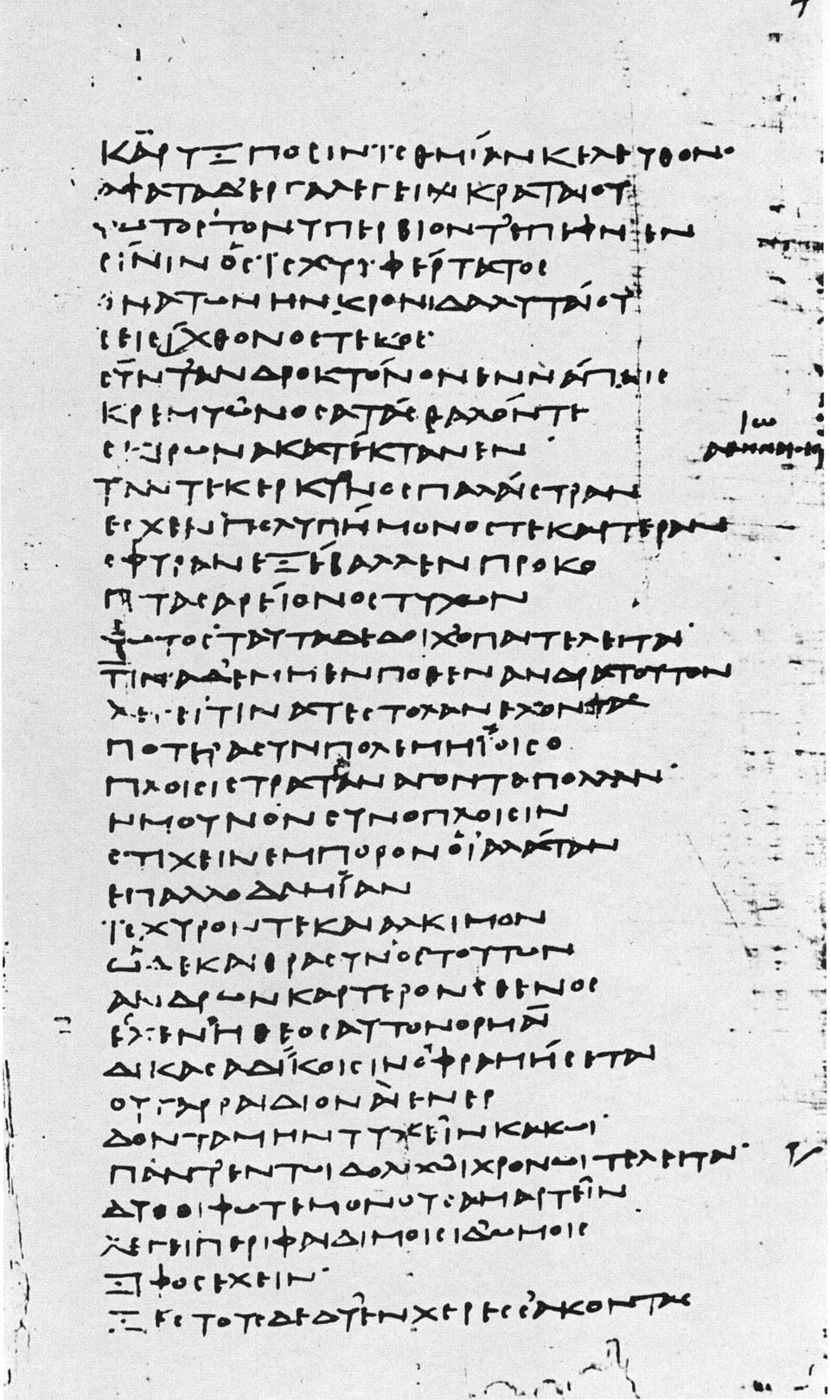
Corinna of Tanagra: Boeotian legends, choral song and a disputed date.
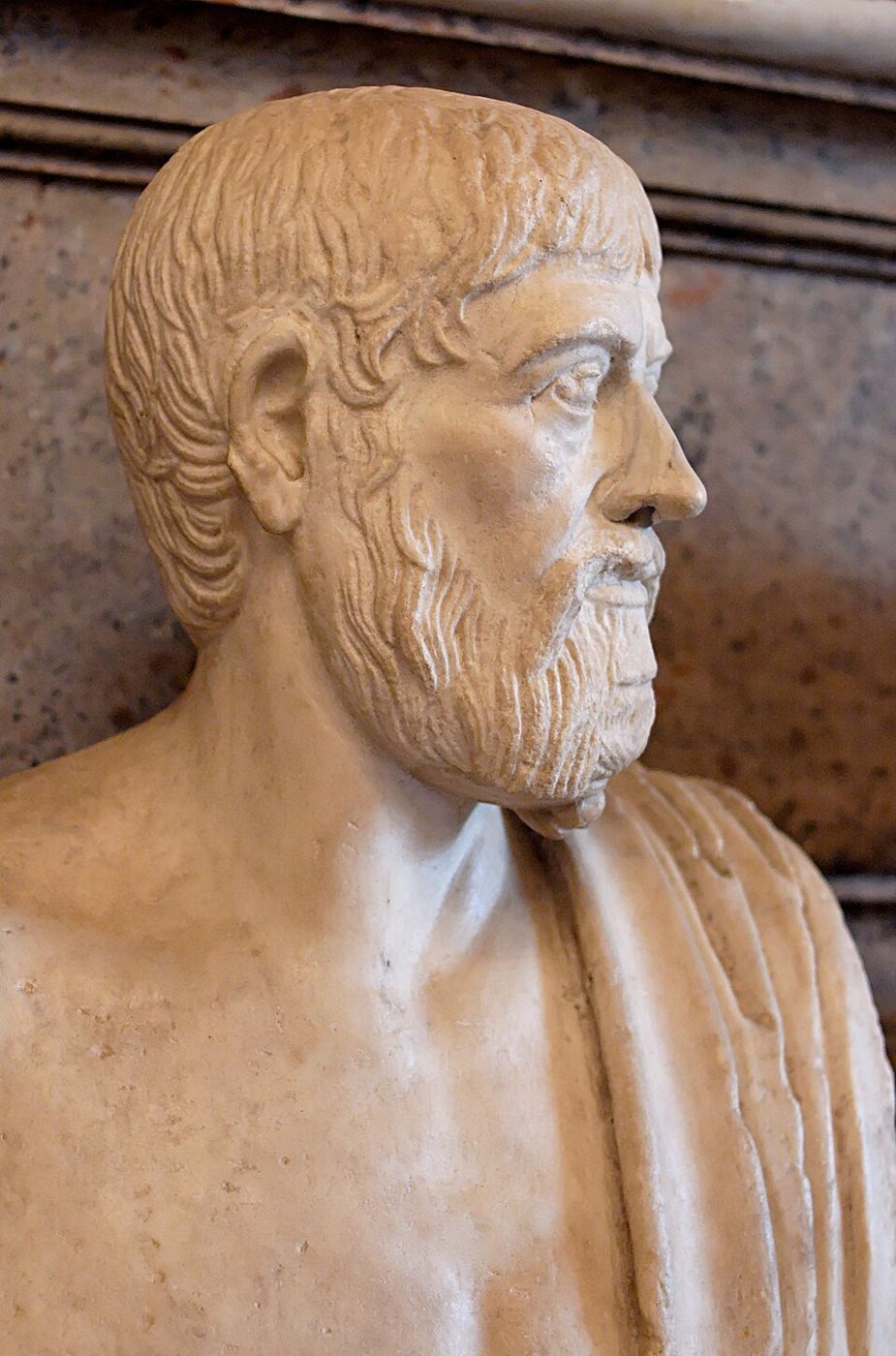
Pindar
Pindar’s victory odes: dactylo-epitrite and aeolic rhythms in choral triads.
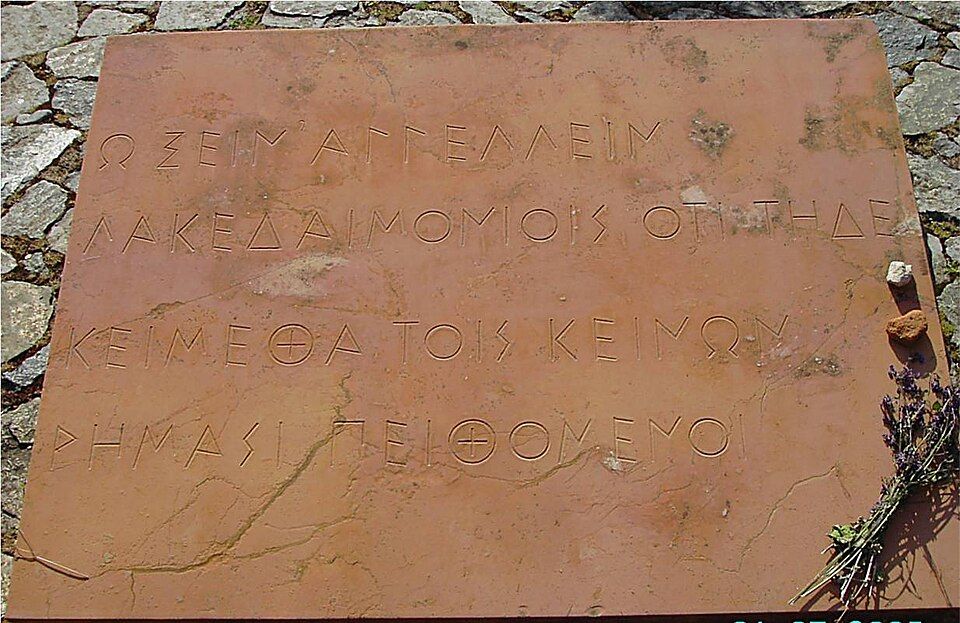
Simonides
Simonides’ choral lyric and elegiac poetry in Doric and Ionic.
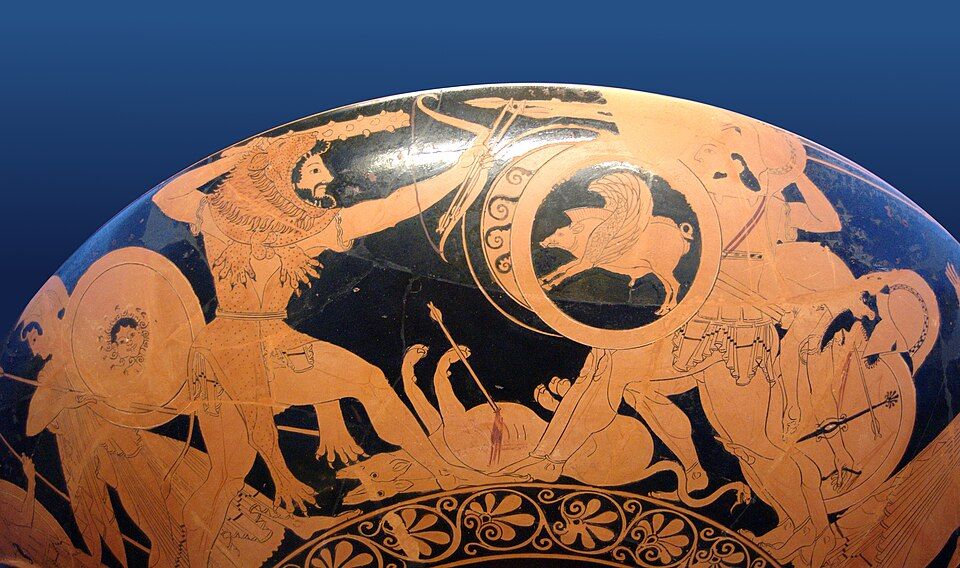
Stesichorus and Ibycus
Stesichorus and Ibycus: epic stories and lyric song in sixth-century Greece.
Late classical lyric
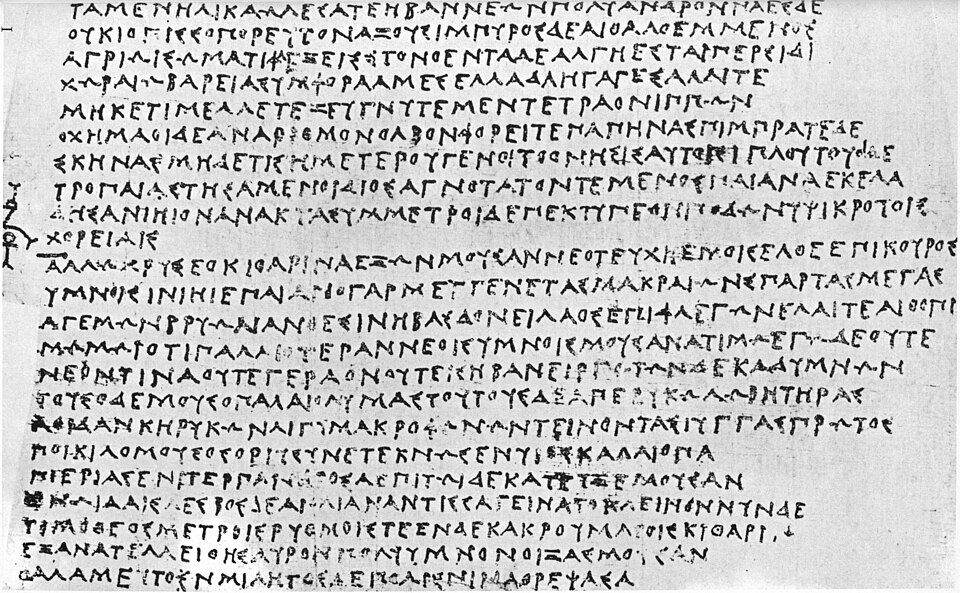
Timotheus and the New Music
Timotheus of Miletus, the Persians and the changing forms of the New Music.
Works
Tragedy
Comedy
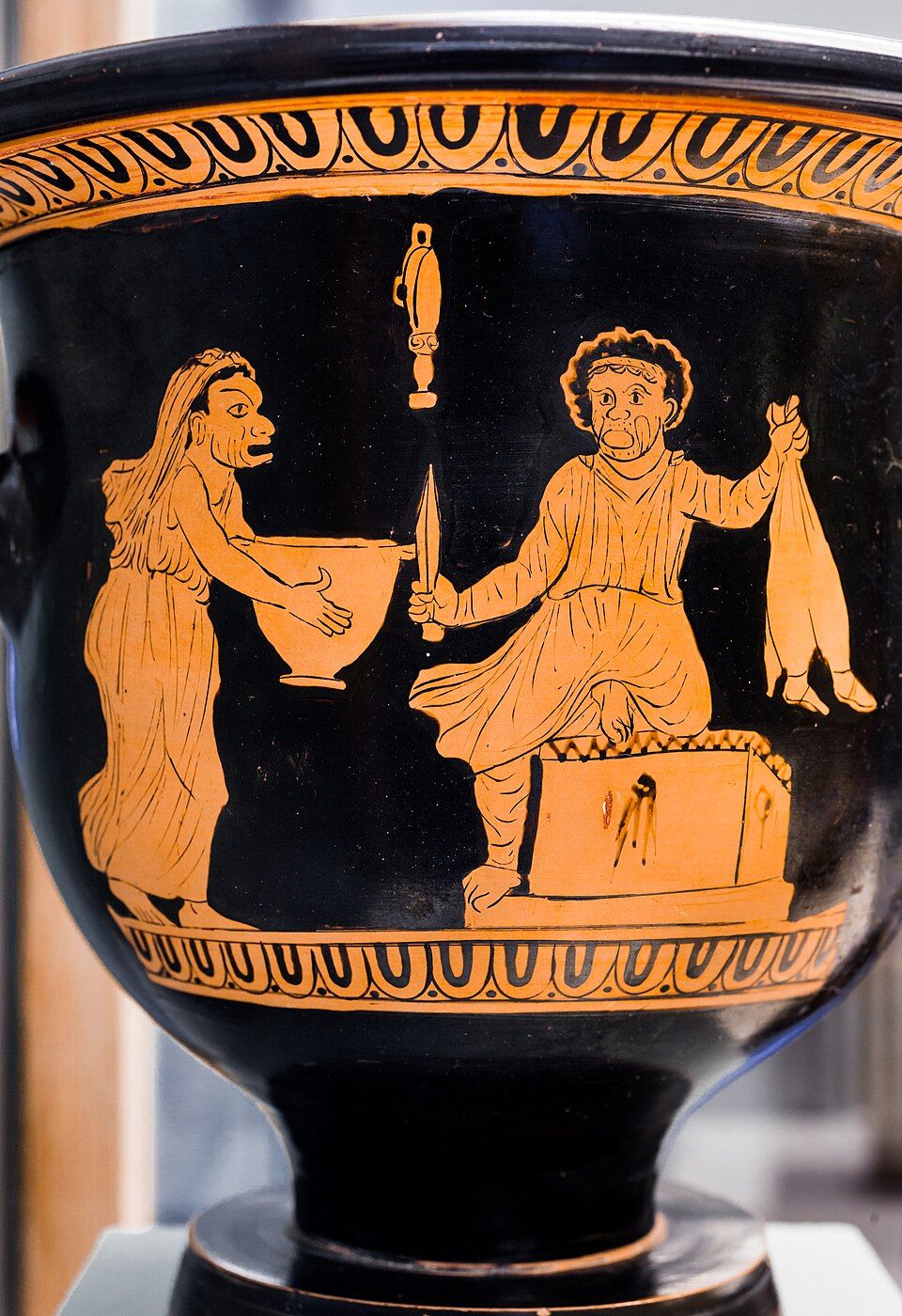
Aristophanes
Aristophanes’ comedies: dialogue, choral song and their metrical licences.
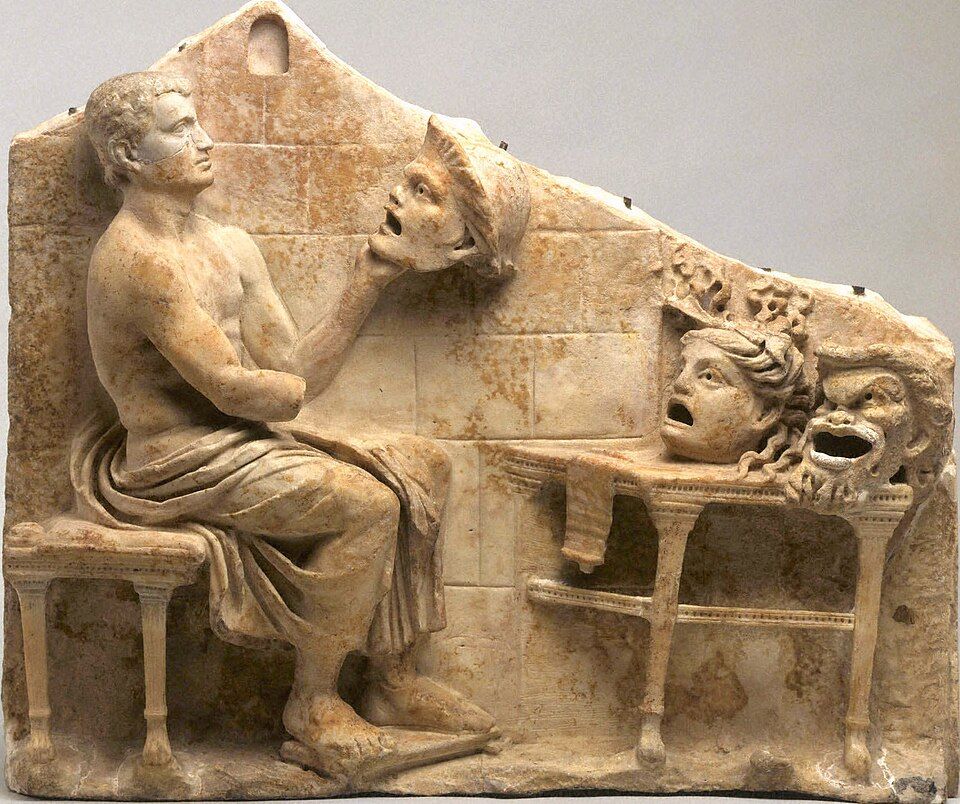
Hellenistic
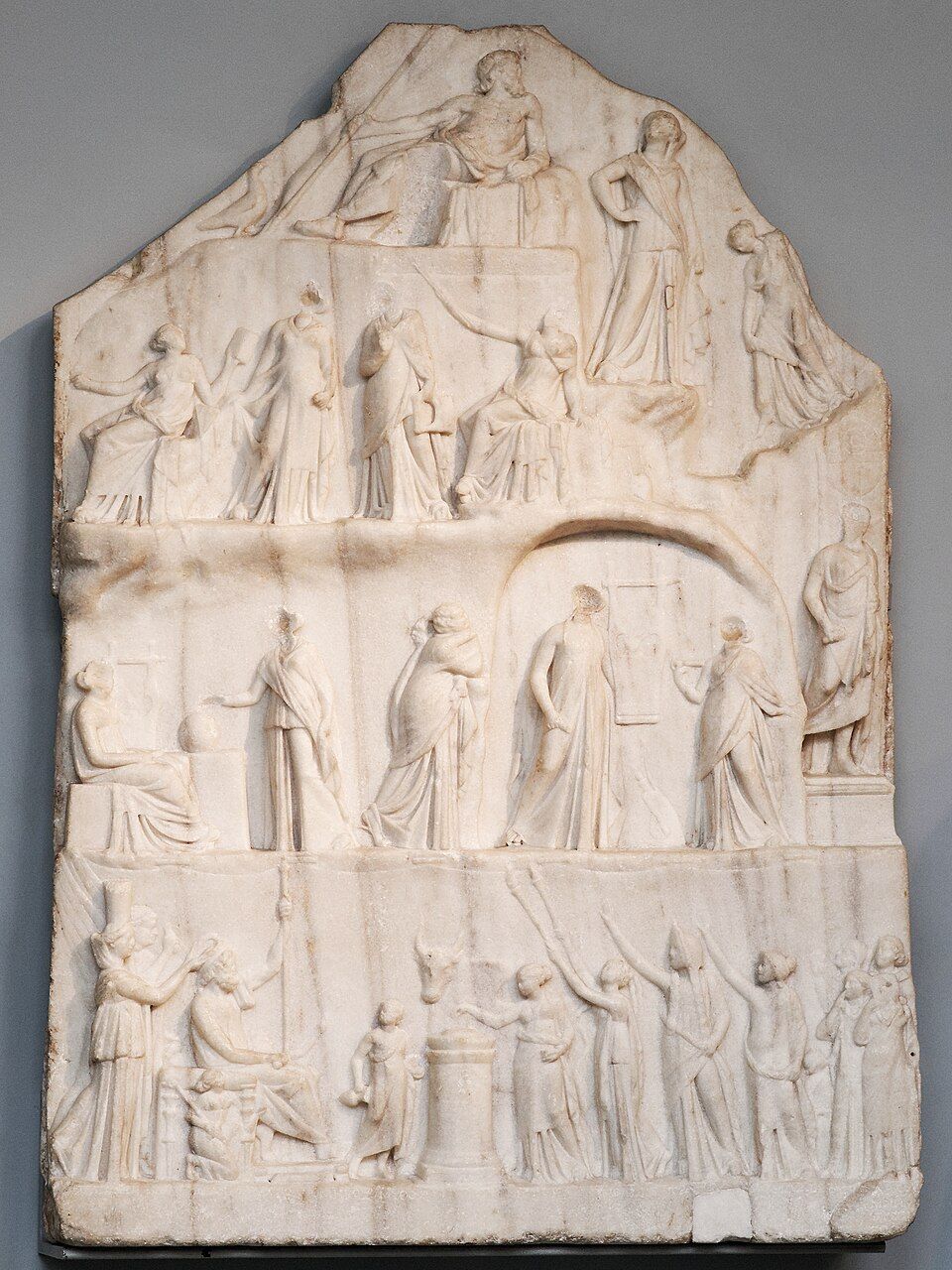
Callimachus, Theocritus and Hellenistic poets
Callimachus, Theocritus, Apollonius and Herodas: the forms of Hellenistic poetry.
Imperial and late antique verse
Andromachus: the theriac poem (in Galen)
Andromachus’ elegiac recipe for theriac, preserved in Galen’s writings.
Women poets
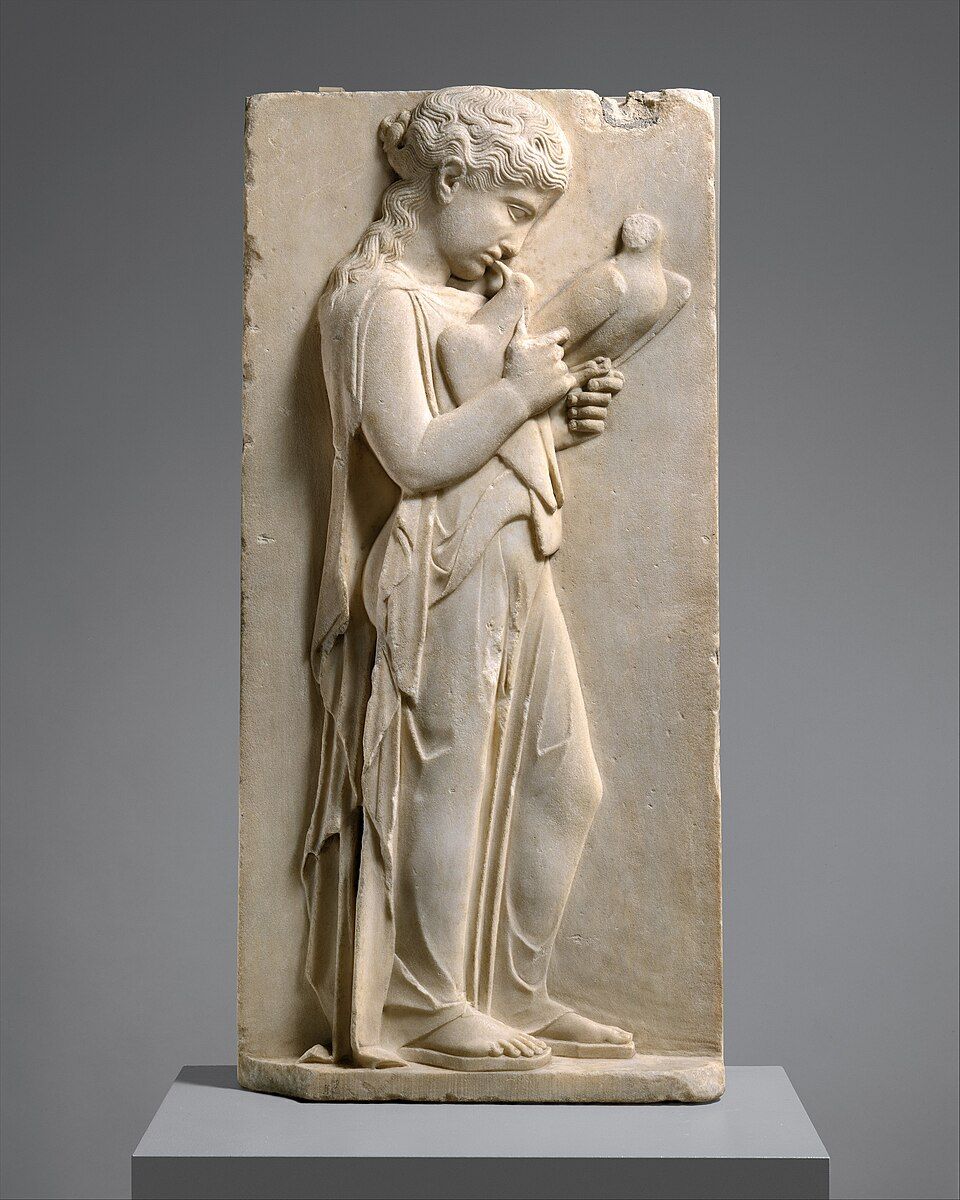
Anyte
Anyte of Tegea: dedications, epitaphs and pastoral scenes in elegiac verse.
Julia Balbilla
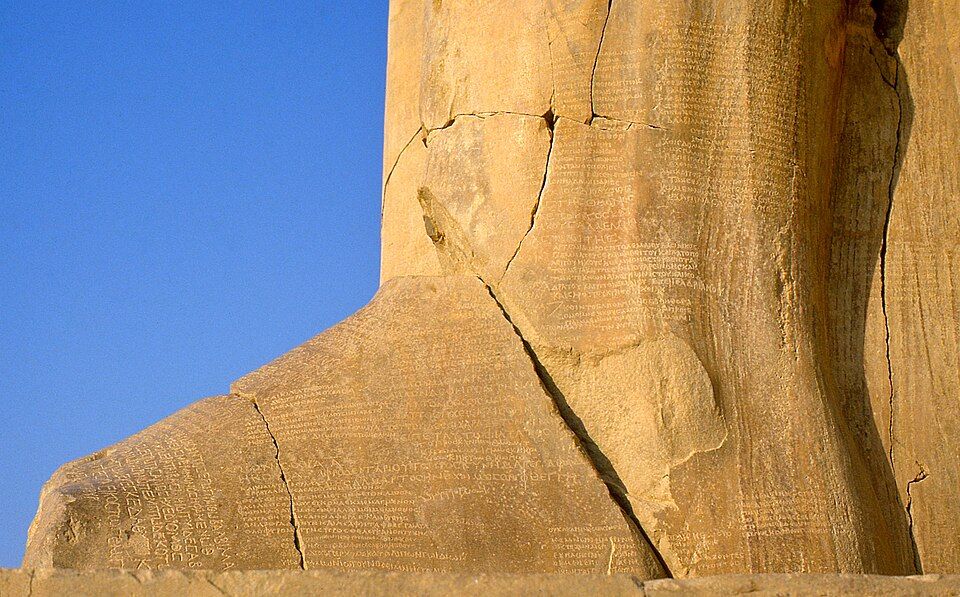
Julia Balbilla’s Aeolic epigrams on the Colossus of Memnon.
Moero of Byzantium
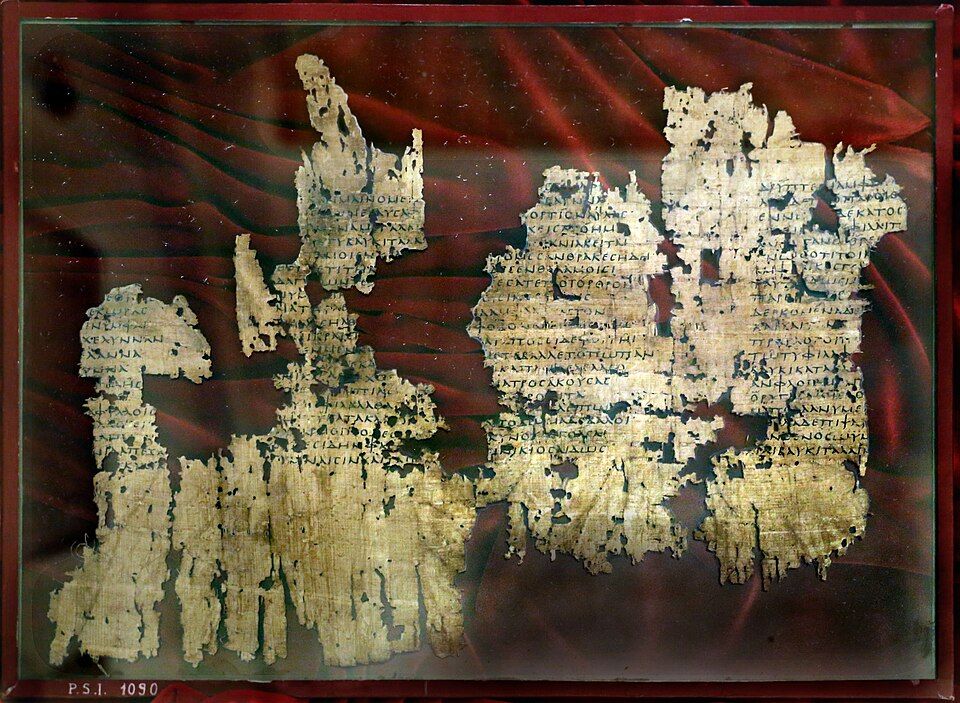
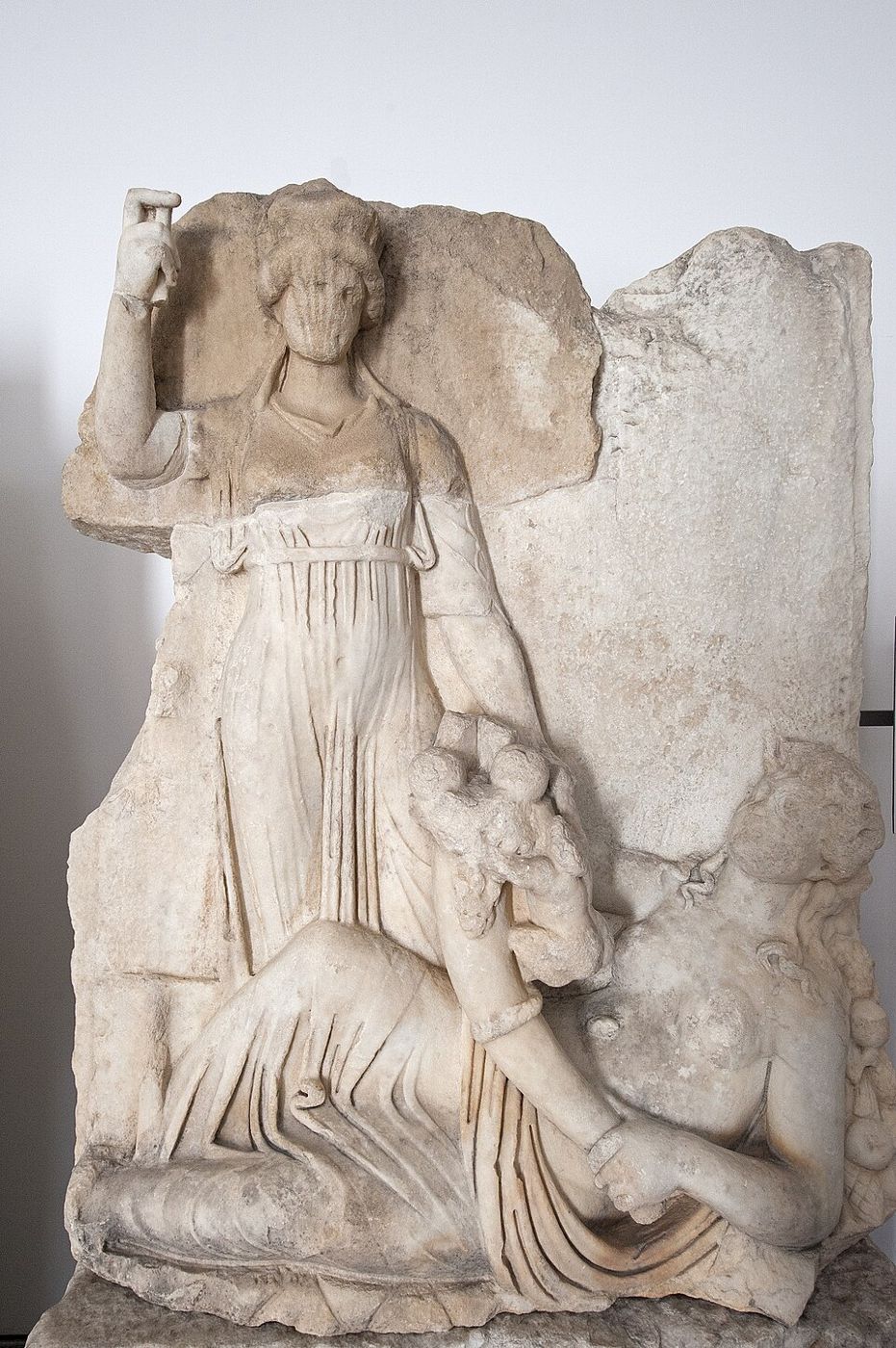
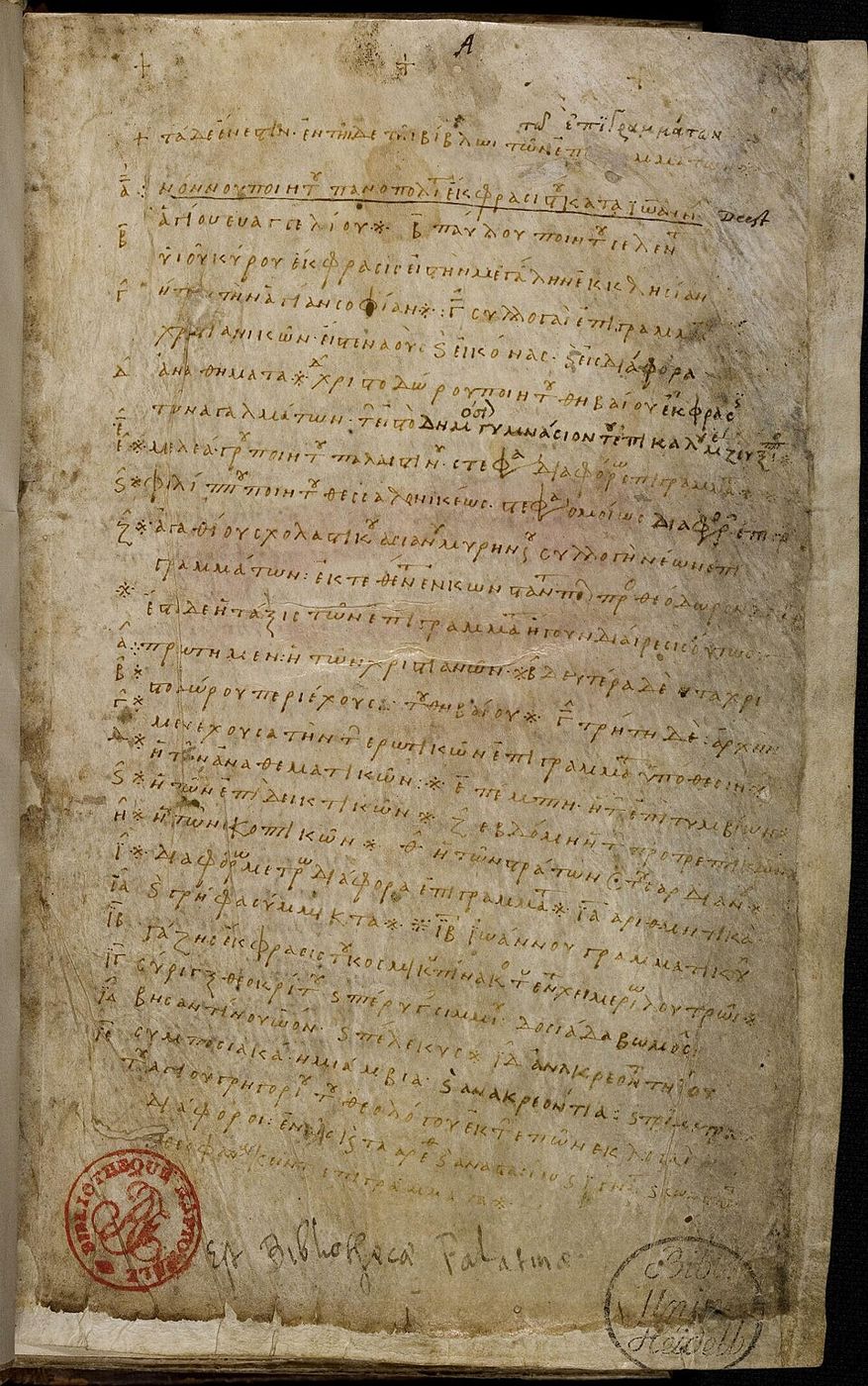
Moero of Byzantium: dedicatory epigrams and the hexameters of Mnemosyne.
Praxilla
Praxilla of Sicyon: hymns, dithyrambs and the surviving fragments of her songs.


