
The metrical families one by one: dactylic, iambic, trochaic, aeolic, ionic, anapaestic, dochmiac and the rest.
Verse forms: a guide to this section
This section describes the metres of Greek poetry, one family at a time. Each page takes one family. It shows the family’s basic pattern, says who used it and for what, and ends with a worked example scanned syllable by syllable. This guide explains the words the menu uses, shows how the pages are arranged, and suggests an order for reading them.
What a family of metres is
A Greek line of verse is a pattern of long and short syllables. A long syllable is written —, and a short one ⏑. The pattern that a poet follows is the poem’s metre. Telling long syllables from short is explained under Metre › Introduction.
A family of metres is a group of patterns built from the same basic unit. Each family is named after its unit. The dactylic family, for instance, is built from the dactyl, a long syllable followed by two shorts: — ⏑ ⏑. Its name comes from δάκτυλος (daktylos), “finger”.[1] Other names describe the effect of a rhythm, or the region and the poets it came from. “Trochaic” comes from τροχαῖος (trochaios), “running”, and “dochmiac” from δόχμιος (dochmios), “askew”. The Ionic metre is linked with Ionia, and the aeolic metres are found in poetry in the Aeolic dialect.[2]
A unit such as the dactyl is called a foot. A dactyl groups a long syllable with two short ones.[3] The bracket gathers its three positions into one foot:
The metron (μέτρον, metron, “measure”) is the unit of three to six syllables that repeats through a regular line. In dactylic verse, one foot makes one metron.[3] Here the same unit appears twice:
In iambic, trochaic and anapaestic verse, two feet make one metron.[3] Each pair of small brackets shows the two feet. The larger bracket joins them into one metron:
The sign × marks an anceps position: a place in the pattern that can take a long or a short syllable.[3] In the iambic metron, × — ⏑ —, it is the first position. Either choice fills that position; the other three stay the same:
A longer phrase, of up to about twelve syllables, is called a colon (κῶλον, kōlon; plural cola). Greek poets drew on a common stock of cola. The same cola turn up in poem after poem, and that is how we recognise them.[4]
Some cola cannot be cut into feet at all. The glyconic, ○ ○ — ⏑ ⏑ — ⏑ —, is the commonest of them. Its first two positions are free, so long as both are not short (○ ○). Such fixed, uneven shapes are typical of the Lesbian poets Sappho and Alcaeus. Wherever they are used, the verse is called aeolic.[5]
The rule in one line: a family is named after its unit, and its pages show how the unit is repeated, varied and combined.
Stichic metres
The menu groups the pages under three headings. The first is Stichic metres.
A stichic metre repeats one verse-pattern line after line, with no stanzas. Such verse is also said to run κατὰ στίχον (kata stichon), “line by line”.[6] Most Greek poetry is stichic, above all the dactylic hexameter of epic and the iambic trimeter of drama.[7]
Here are the first two lines of the Iliad. Each line is a hexameter of six feet, and each repeats the same pattern:
μῆνιν ἄειδε θεὰ Πηληϊάδεω Ἀχιλῆος
οὐλομένην, ἣ μυρί’ Ἀχαιοῖς ἄλγε’ ἔθηκε
Sing, goddess, the wrath of Achilles son of Peleus, the accursed wrath, which laid countless woes on the Achaeans.
Homer, Iliad 1.1–2. The numbers are the six feet; the dashed bar is the caesura. Both lines have the same six-foot pattern.
David Chamberlain, Iliad 1.1–2 · CC BY 4.0
The stichic pages are Dactylic (the hexameter), Elegiac, Iambic and Trochaic. The elegiac couplet is a hexameter followed by a shorter line, the so-called pentameter. It repeats in pairs of lines, not single lines. So, strictly, it is a stanza of two lines.[8]
Lyric metres
The second heading is Lyric metres.
Lyric poetry was poetry for singing. The word means song to the lyre or an instrument like it.[9] Some lyric was sung by one singer. That is called monody (μονῳδία, monōidia, “singing alone”). Some was sung by a dancing chorus. That is called choral lyric.[10]
Sung verse is normally not stichic. It is mostly strophic.[11] A strophe (στροφή, strophē), or stanza, is a group of lines that recurs in the same form. When it recurs only once, the second one is called the antistrophe (ἀντιστροφή, antistrophē). The metrical agreement between the two is called responsion.[4]
Sappho’s Hymn to Aphrodite is strophic. Its first stanza has three lines of eleven syllables and a short closing line. Each of the six stanzas that follow repeats the pattern:
Ποικιλόθρον’ ἀθανάτ’ Ἀφρόδιτα,
παῖ Δίος δολόπλοκε, λίσσομαί σε,
μή μ’ ἄσαισι μηδ’ ὀνίαισι δάμνα,
πότνια, θῦμον.
Immortal Aphrodite of the ornate throne, child of Zeus, weaver of wiles, I beg you: do not with pains and griefs crush my heart, lady.
Sappho, fr. 1.1–4: the first stanza. Three lines of eleven syllables and a short closing line; the dashed bars divide each long line into the three parts the ancient metrician Hephaestion saw in it. Every stanza of the poem repeats this pattern.
synthetic ∿
The lyric pages are Aeolic, Ionic, Anapaestic, Cretic and paeonic, Dochmiac and Dactylo-epitrite. The table below gives each family’s unit with a line or colon from its page.
Composite forms
The third heading, Composite forms, is this site’s own grouping. Its pages are not about one family. They show how the units were put together into larger wholes.
- Stanzas and epodes. The stanza-forms of the lyric poets. An epode (ἐπῳδός, epōidos) is, in Archilochus and the Ionian poets, a shorter line that follows a longer one.[12] In choral lyric it is a third stanza of a different form. Strophe, antistrophe and epode together make a triad, and the poet repeats the triad as often as he wishes.[13]
- Lyric in drama. The sung parts of tragedy and comedy. Their strophes usually come in pairs: A A, then B B, then C C, sometimes with an epode at the end.[14]
- Later metres. Greek verse after the fifth century BC, from the Hellenistic poets to late antiquity.[15]
- Greek metres in Latin. Compare a hexameter of Virgil, a glyconic stanza of Catullus and a Sapphic stanza of Horace, with scanned syllables and sound.
- Verse in the magical papyri. The hymns, in hexameters and iambics, that stand in the Greek magical papyri.
The diagram sets the four arrangements side by side:
The families at a glance
Each family has a basic unit, and each unit has a sign of its own in the scheme.[16] Here is one line or colon for each family, as it is scanned on its page:
| Family | Basic unit | An example, scanned |
|---|---|---|
| Dactylic | — ⏑ ⏑ | μῆνιν ἄειδε θεὰ — ⏑ ⏑ — ⏑ ⏑ — Sing, goddess, … (Homer, Iliad 1.1) |
| Elegiac | a hexameter, then a pentameter | τοῖσδ’ ἔπεσιν· λήσει δ’ οὔποτε κλεπτόμενα — ⏑ ⏑ — — — ¦ — ⏑ ⏑ — ⏑ ⏑ ⏑ … these verses; they will never be stolen unnoticed (Theognis 20, a pentameter) |
| Iambic | × — ⏑ — | ὦ τέκνα, Κάδμου τοῦ πάλαι νέα τροφή — — ⏑ — — ¦ — ⏑ — ⏑ — ⏑ — Children, young brood of ancient Cadmus (Sophocles, Oedipus Tyrannus 1) |
| Trochaic | — ⏑ — × | Ἐρξίη πῆ δηῦτ’ ἄνολβος ἀθροΐζεται στρατός — ⏑ — — — ⏑ — ⏑ ¦ — ⏑ — ⏑ — ⏑ — Erxies, where is the hapless army mustering this time? (Archilochus, quoted by Hephaestion) |
| Aeolic | ○ ○ — ⏑ ⏑ — ⏑ — | κάπρος ἡνίχ’ ὁ μαινόλης × ⏑ — ⏑ ⏑ — ⏑ — when the raging boar … (a glyconic quoted by Hephaestion) |
| Ionic | ⏑ ⏑ — — | Ἑκατὸν μὲν Διὸς υἱὸν τάδε Μῶσαι κροκόπεπλοι ⏑ ⏑ — — ⏑ ⏑ — — ⏑ ⏑ — — ⏑ ⏑ — — Of the Far-shooter, son of Zeus, the saffron-robed Muses [sang] these things … (Alcman, quoted by Hephaestion) |
| Anapaestic | ⏔ — ⏔ — | πότε δ’ Ἄρτεμις οὐκ ἐχόρευσεν; ⏑ ⏑ — ⏑ ⏑ — ⏑ ⏑ — — When did Artemis not dance? (a proverb in the paroemiac, quoted by Hephaestion) |
| Cretic and paeonic | — ⏑ — | Ἀφροδίτα μὲν οὐκ ἔστι, μάργος δ’ Ἔρως … — ⏑ — ¦ — ⏑ — ¦ — ⏑ — ¦ — ⏑ — … It is not Aphrodite: it is wild Eros … (Alcman, quoted by Hephaestion) |
| Dochmiac | ⏑ — — ⏑ — | μεθεῖται στρατός· στρατόπεδον λιπὼν ⏑ — — ⏑ — ¦ ⏑ ⏑ ⏑ — ⏑ — The army is let loose; leaving its camp … (Aeschylus, Seven against Thebes 79) |
| Dactylo-epitrite | units D and e, joined by links | αἰτέω σε, φιλάγλαε, καλλίστα βροτεᾶν πολίων — ¦ — ⏑ ⏑ — ⏑ ⏑ — ¦ — ¦ — ⏑ ⏑ — ⏑ ⏑ — I ask you, lover of splendour, fairest of mortal cities (Pindar, Pythian 12.1) |
Two of the names need a word more. Dactylo-epitrite is a modern name. It joins the dactyl to the epitrite, from ἐπίτριτος (epitritos), “four thirds”.[17] Its pieces are written D (— ⏑ ⏑ — ⏑ ⏑ —) and e (— ⏑ —). Cretic and paeonic verse uses the five-time unit — ⏑ —; when one of its longs is split into two shorts, the result is called a paeon.[18]
The pages
Stichic metres
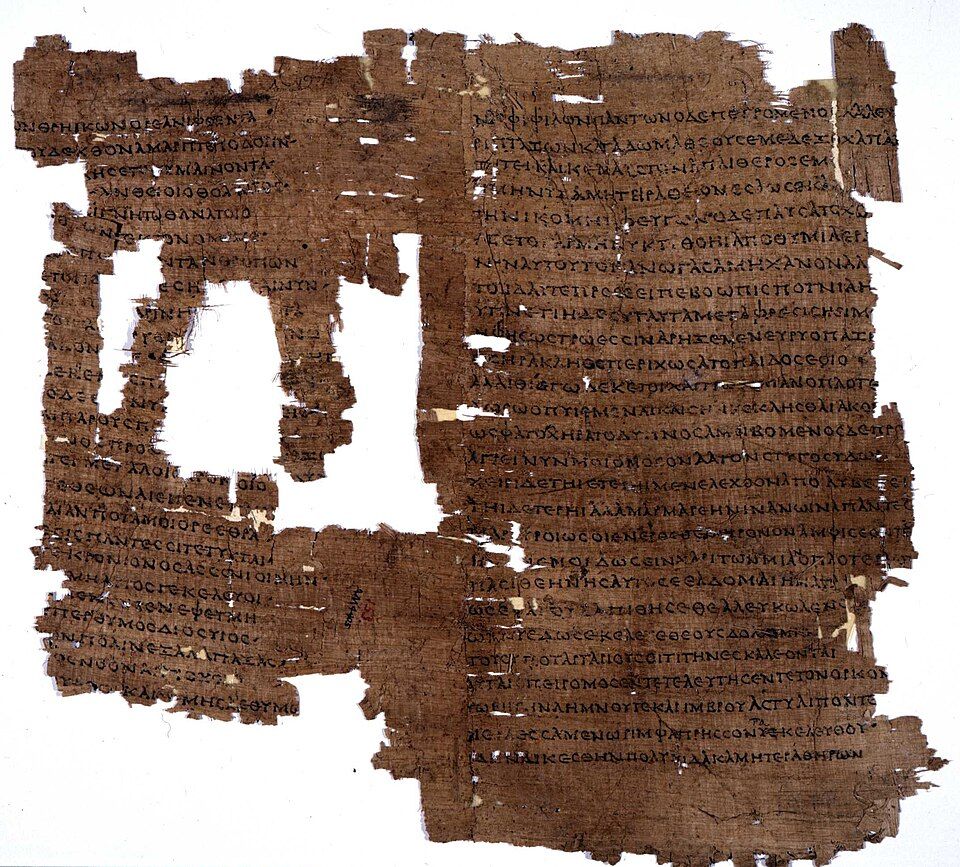 DactylicThe six-foot line of Greek epic: its rhythm, word breaks and changes from Homer to Nonnus.
Tabs: Scheme · Prosody of epic · Development · Worked example · Contraction
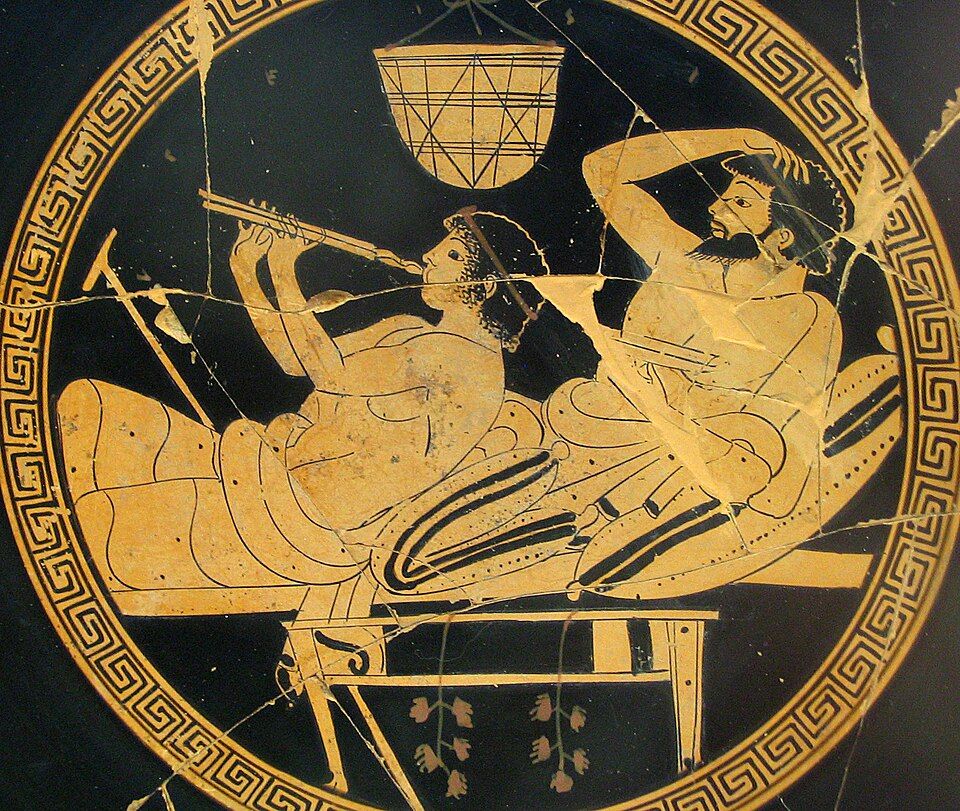 ElegiacThe elegiac couplet: a hexameter followed by the shorter line traditionally called a pentameter.
Tabs: Scheme · Usage and poets · Rules and later refinements · Worked example
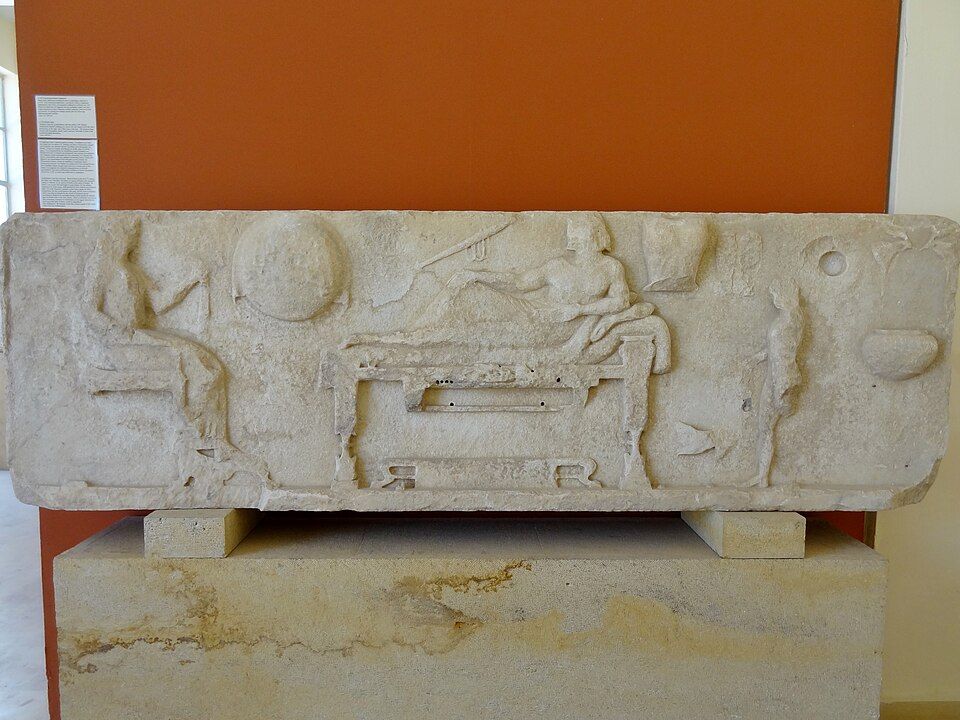 IambicThe trimeter of Greek dialogue, its variations and the related metres of lyric.
Tabs: The trimeter · Tragedy and comedy · The choliamb and other variants · Worked example
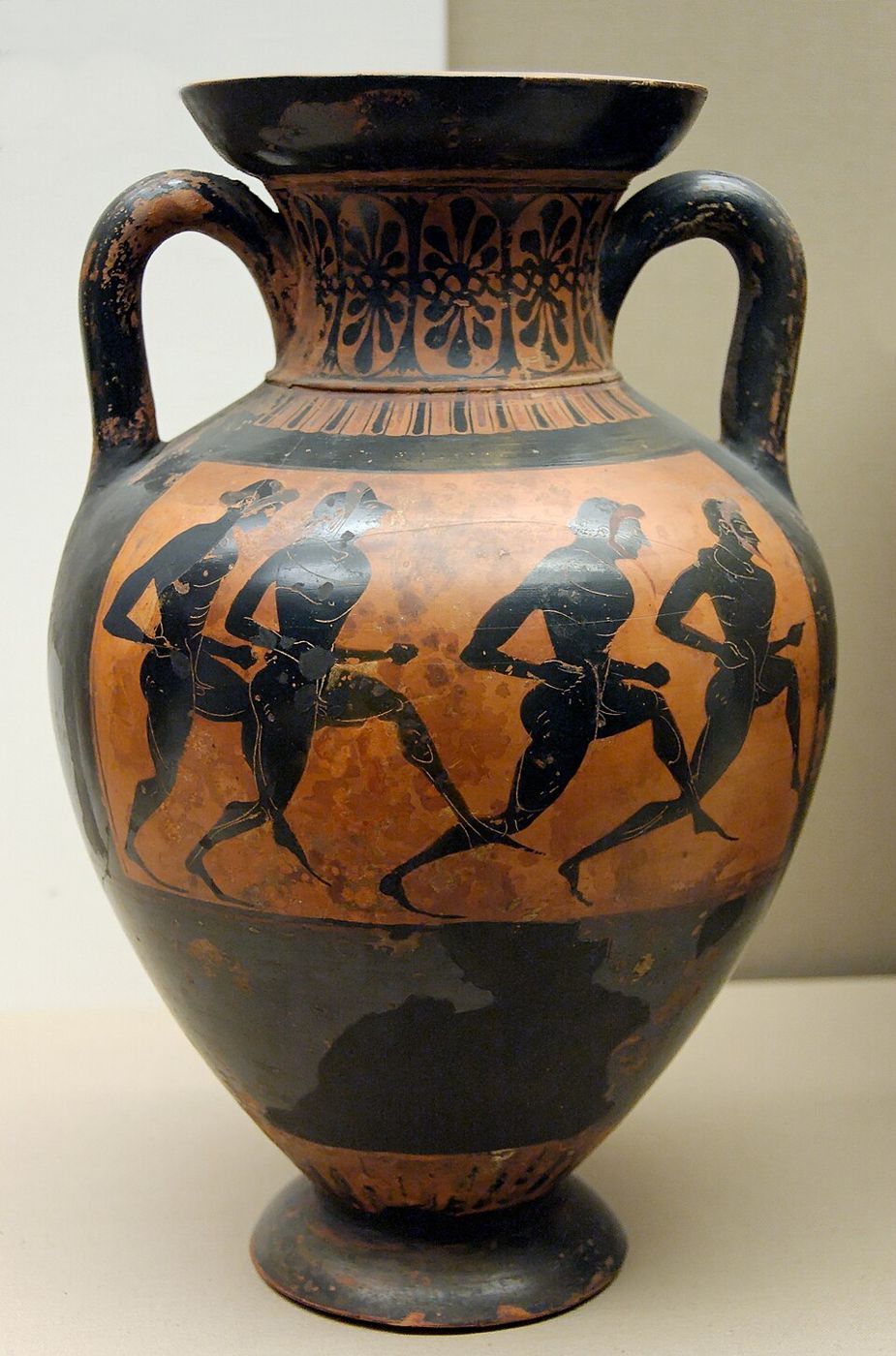 TrochaicThe trochaic tetrameter of drama and the shorter trochaic rhythms of song.
Tabs: The tetrameter catalectic · Trochaic in lyric · Worked example
Lyric metres
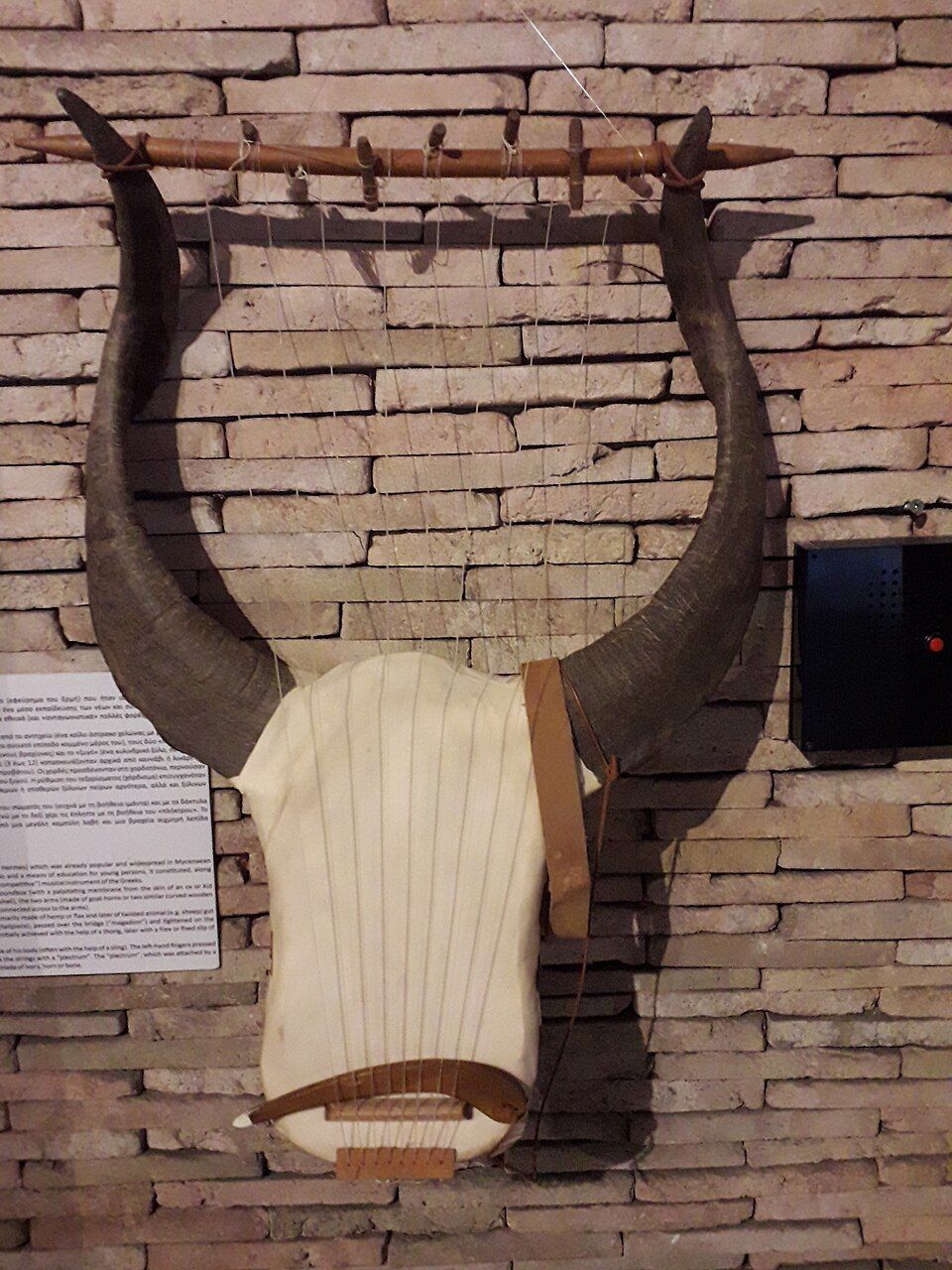 AeolicThe fixed-syllable rhythms of Sappho and Alcaeus, and their later use in song and drama.
Tabs: Base and choriamb · Expansion · Lesbian stanzas · Anacreon and Pindar · Worked example · Drama and after
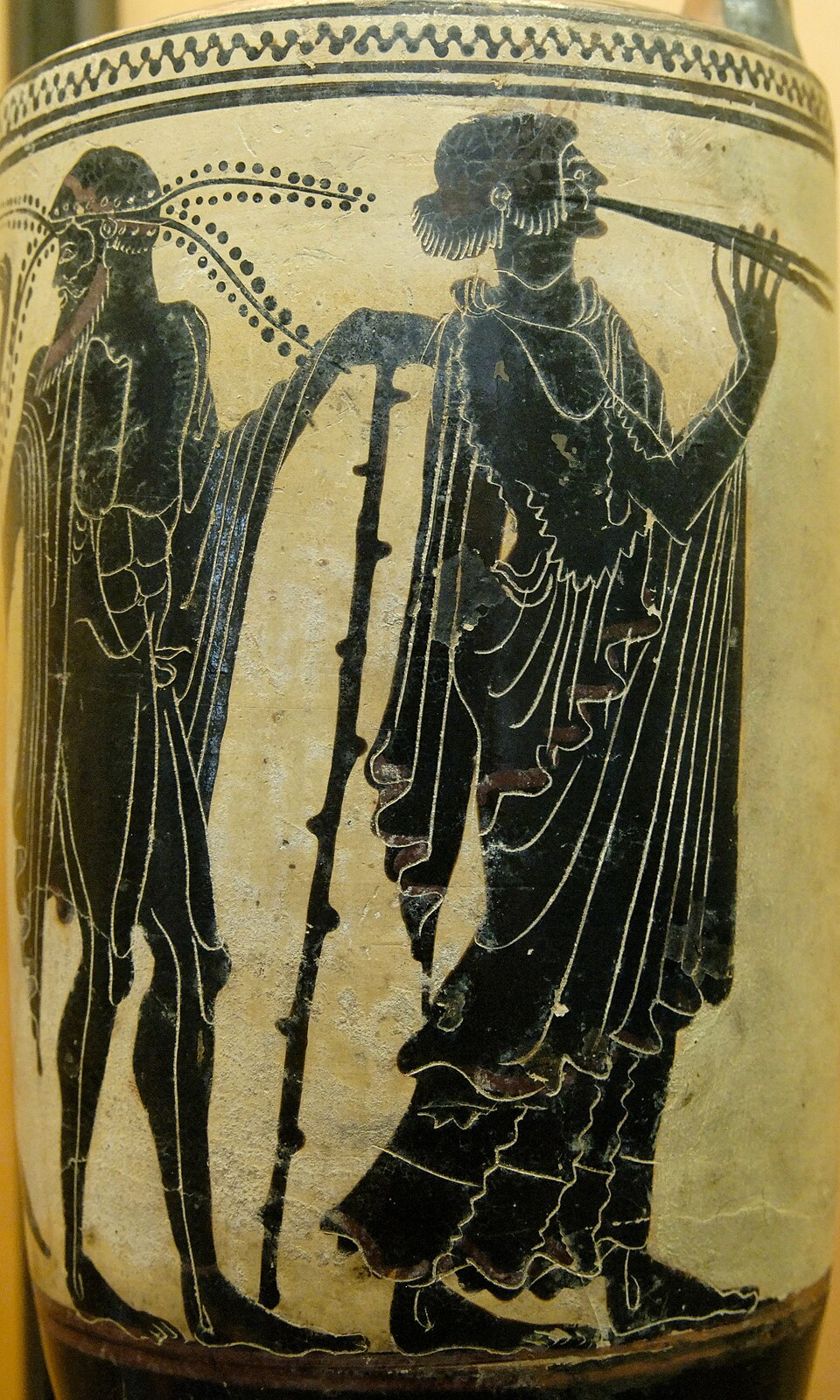 IonicIonic rhythms, the anacreontic and the galliambic, from early lyric to later song.
Tabs: The metron · Usage · Worked example · Later ionic
 AnapaesticThe anapaests of choral entries, exits and sung laments.
Tabs: Marching anapaests · Lyric anapaests · Worked example
 Cretic and paeonicCretic and paeonic rhythms in lyric and comedy, and their relation to iambic verse.
Tabs: The cretic and the paeons · Usage · Worked example
 DochmiacThe dochmiac rhythms of tragic agitation and their many variations.
Tabs: The dochmius · Usage · Worked example · Second example
 Dactylo-epitriteThe dactylic and iambo-trochaic units that combine in Pindar and Bacchylides.
Tabs: The elements · Usage · Worked example · Second example · Bacchylides
Composite forms
 Lyric in dramaThe sung metres of tragedy and comedy, from paired stanzas to the New Music.
Tabs: How tragic lyric works · The families in tragedy · Worked example · Comedy · Polymetry · The New Music
 Later metresGreek metres in Hellenistic and later poetry, and the change from quantity to stress.
Tabs: Hellenistic book lyric · Stichic refinement · Worked example · Accentual verse
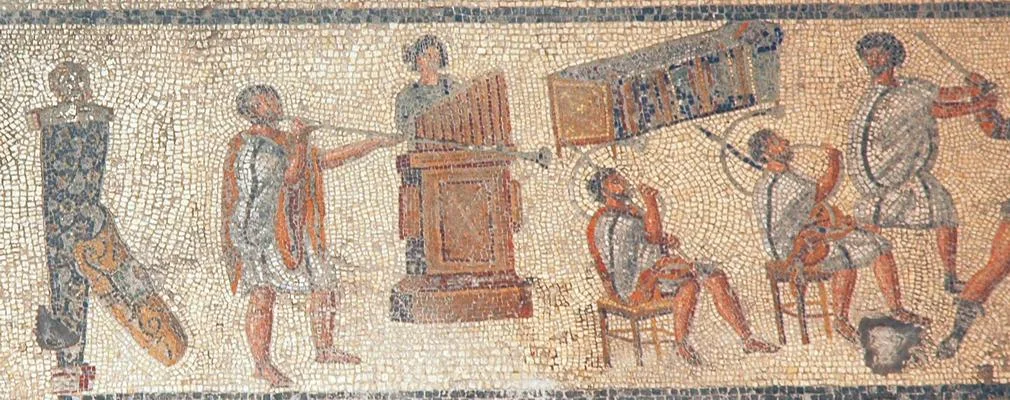 Greek metres in LatinGreek hexameters, glyconics and Sapphic stanzas adapted by Virgil, Catullus and Horace.
Tabs: Greek metres in Latin
Other
A suggested path
- If the signs — and ⏑ are new to you, begin with Metre › First steps, then Metre › Introduction. Hear the sounds first, under Phonology › First steps.
- Read Dactylic. The hexameter is the commonest Greek metre and the easiest to hear.
- Go on to the other stichic lines: Elegiac, Iambic and Trochaic.
- Then Aeolic, the songs of Sappho and Alcaeus.
- Then the shorter lyric units that drama uses most: Ionic, Anapaestic, Cretic and paeonic and Dochmiac.
- Then Dactylo-epitrite, the metre of many of Pindar’s and Bacchylides’ odes.
- Finish with the composite forms: Stanzas and epodes, Lyric in drama and Later metres.
Every page ends with a worked example. Read it with the poem’s own page open beside it, under Poets and playwrights.
Notes
- ^ D’Angour 2022, p. 132.
- ^ D’Angour 2022, p. 134.
- ^ a b c d West 1987, p. 5.
- ^ a b West 1987, p. 4.
- ^ West 1987, pp. 32–33.
- ^ Battezzato 2009, p. 132.
- ^ West 1987, p. 19.
- ^ West 1987, pp. 23–24, 31.
- ^ Landels 1999, c. pp. 11–12.
- ^ Landels 1999, c. pp. 11–13.
- ^ West 1987, p. 48.
- ^ West 1987, p. 31.
- ^ West 1987, p. 36.
- ^ West 1987, p. 50.
- ^ West 1987, p. 68.
- ^ West 1987, pp. ix–x.
- ^ Battezzato 2009, p. 141.
- ^ West 1987, pp. 39, 55.


