Image credits
Every picture on this site, with its author, licence and source. All are from Wikimedia Commons or another site whose licence allows reuse.
Bibliography, a glossary of every term, work and name, licences, how to cite this site, and the credits for every picture.
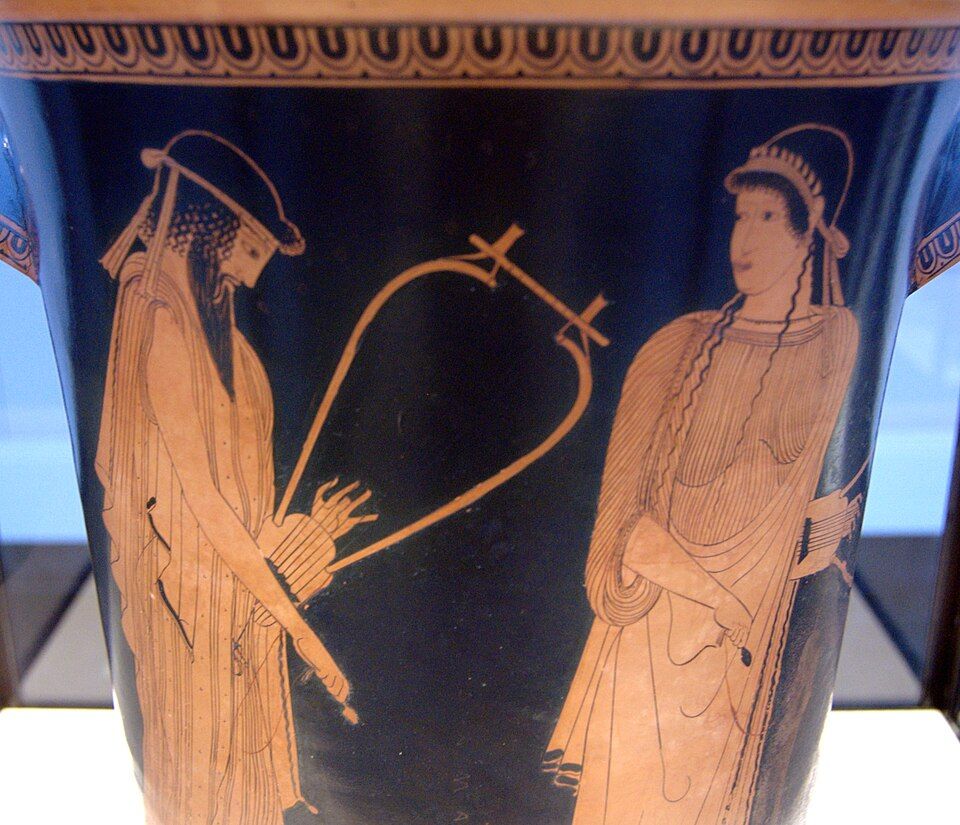
Alcaeus and Sappho, side A of an Attic red-figure kalathos by the Brygos Painter, c. 470 BC, from Akragas (Sicily). Munich, Staatliche Antikensammlungen 2416.
Brygos Painter; photo: Bibi Saint-Pol · Public domain · via Wikimedia Commons
File:Alkaios Sappho Staatliche Antikensammlungen 2416 n1.jpg
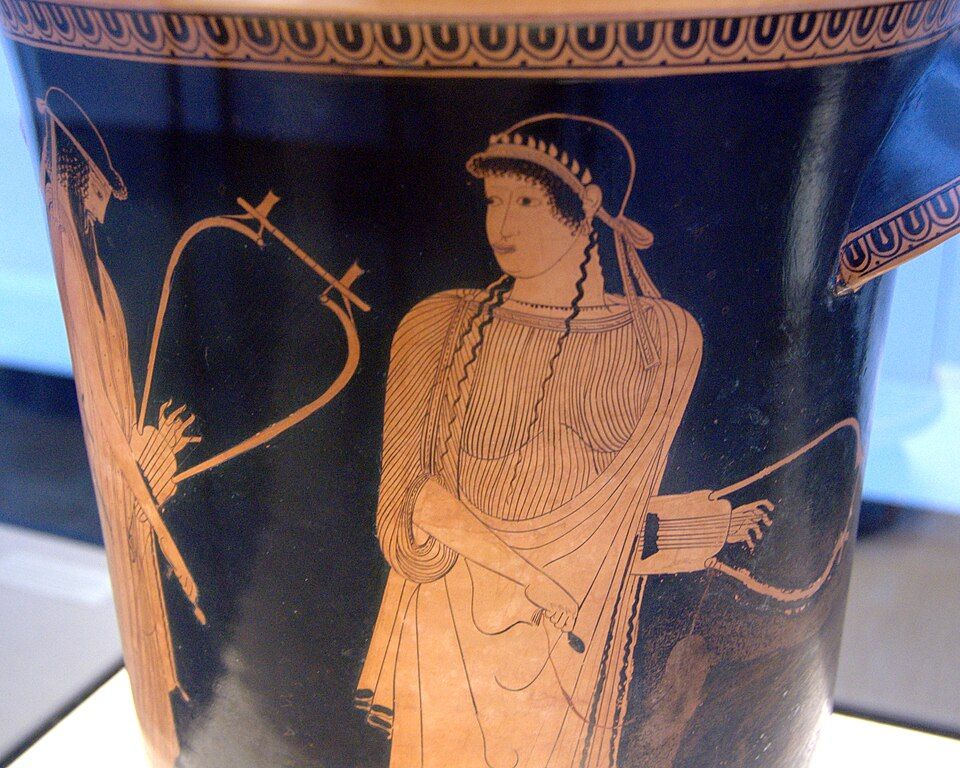
Alcaeus and Sappho, side A of an Attic red-figure kalathos by the Brygos Painter, c. 470 BC, from Akragas (Sicily). Munich, Staatliche Antikensammlungen 2416.
Brygos Painter; photo: Bibi Saint-Pol · Public domain · via Wikimedia Commons
File:Alkaios Sappho Staatliche Antikensammlungen 2416 n2.jpg
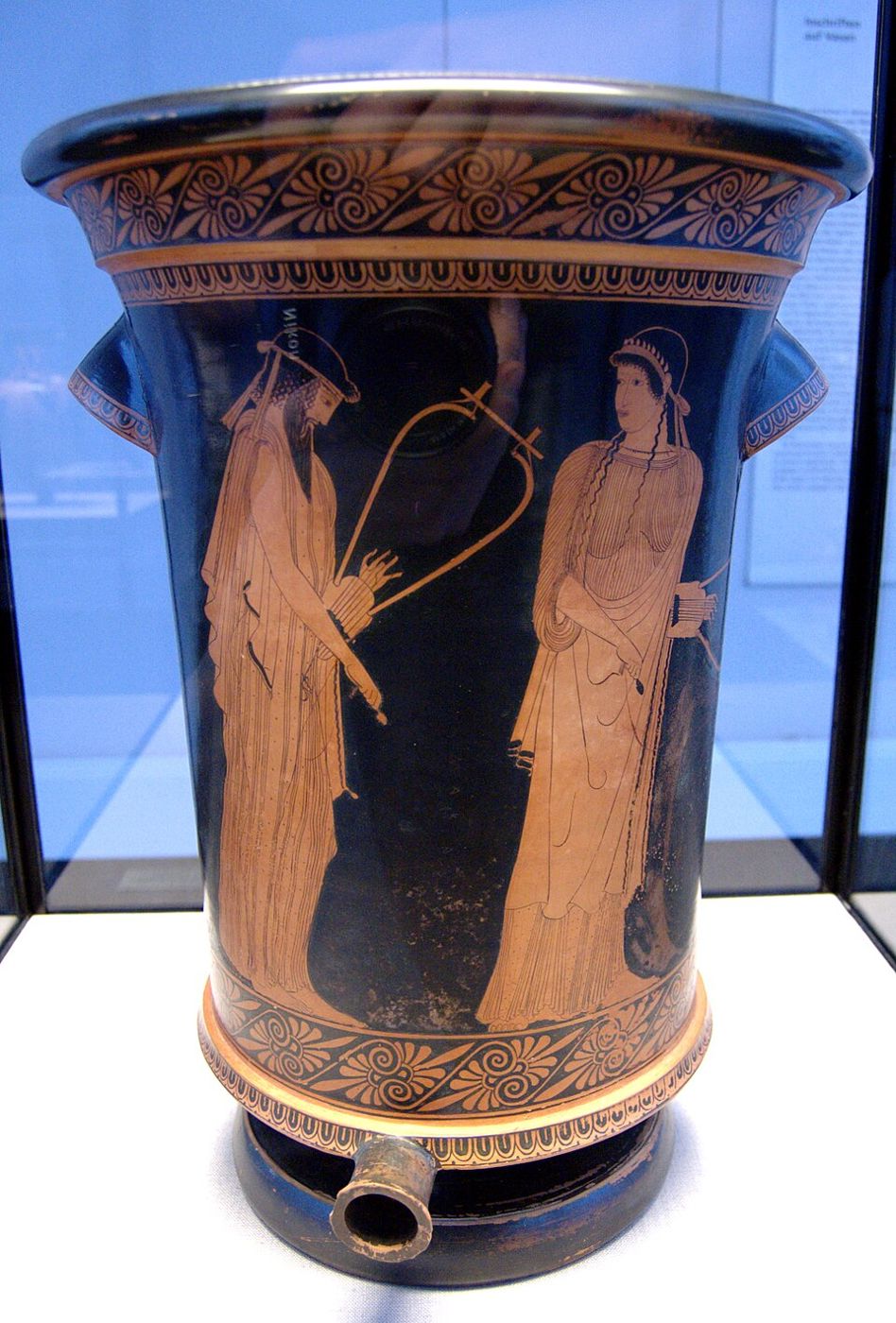
Alcaeus and Sappho, side A of an Attic red-figure kalathos by the Brygos Painter, c. 470 BC, from Akragas (Sicily). Munich, Staatliche Antikensammlungen 2416.
Brygos Painter; photo: Bibi Saint-Pol · Public domain · via Wikimedia Commons · background removed
File:Alkaios Sappho Staatliche Antikensammlungen 2416 full.jpg
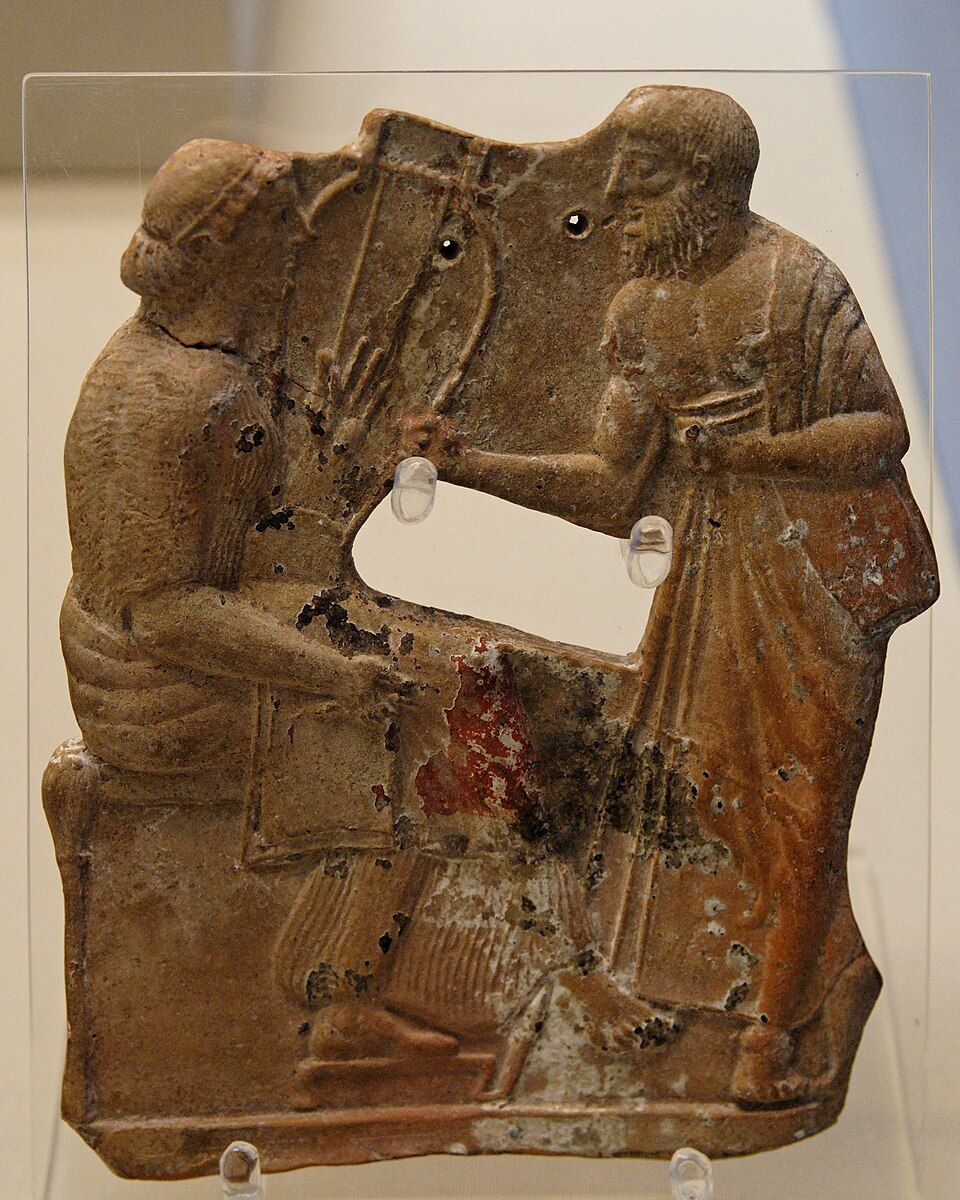
Man and woman conversing, perhaps Alcaeus and Sappho: Melian terracotta relief plaque, c. 460 BC, from a tomb on Melos. London, British Museum GR 1842.7-28.1132.
Marie-Lan Nguyen (Jastrow) · CC BY 2.5 · via Wikimedia Commons · background removed
File:Alkaios Sappho BM GR1842.7-28.1132.jpg
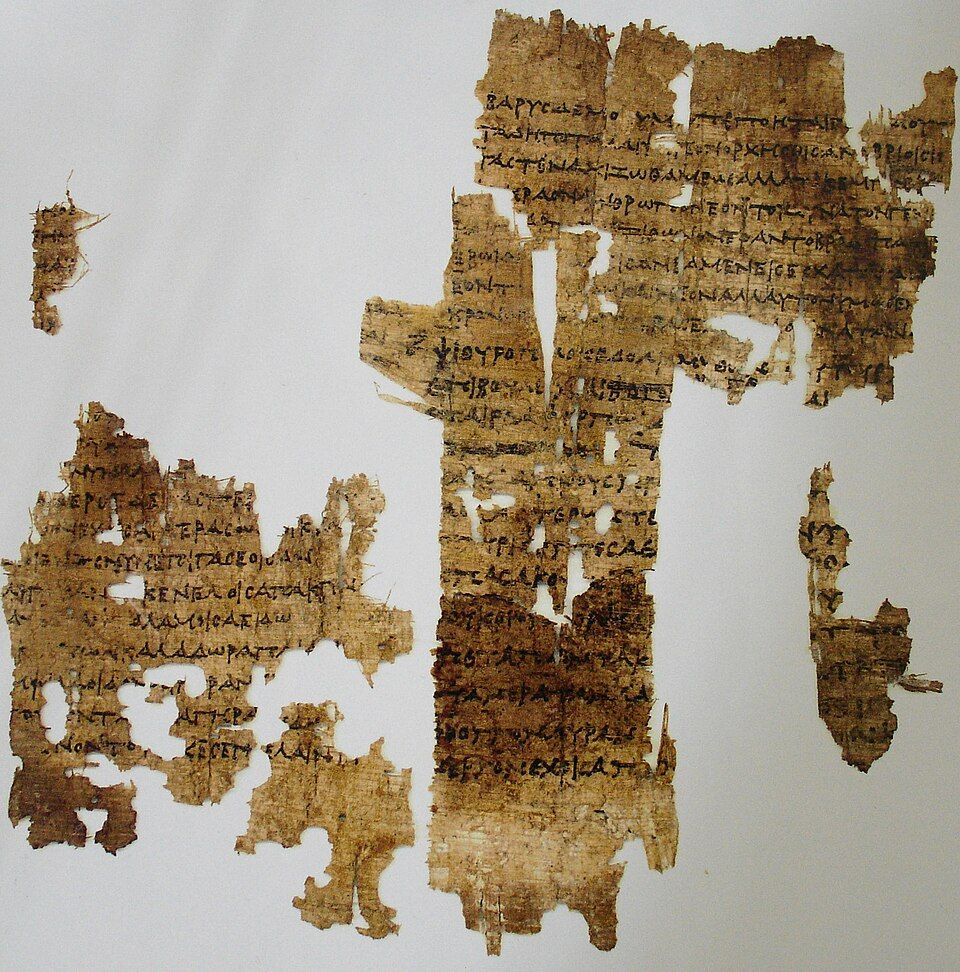
Sappho's poem on old age (the 'Tithonus poem'), lines 9–20, on the Cologne papyrus P.Köln XI 429, 3rd century BC: a copy of the Cologne exhibit shown in the Altes Museum, Berlin.
Masur · CC BY-SA 2.5 · via Wikimedia Commons · background removed
File:P.Köln XI 429.jpg
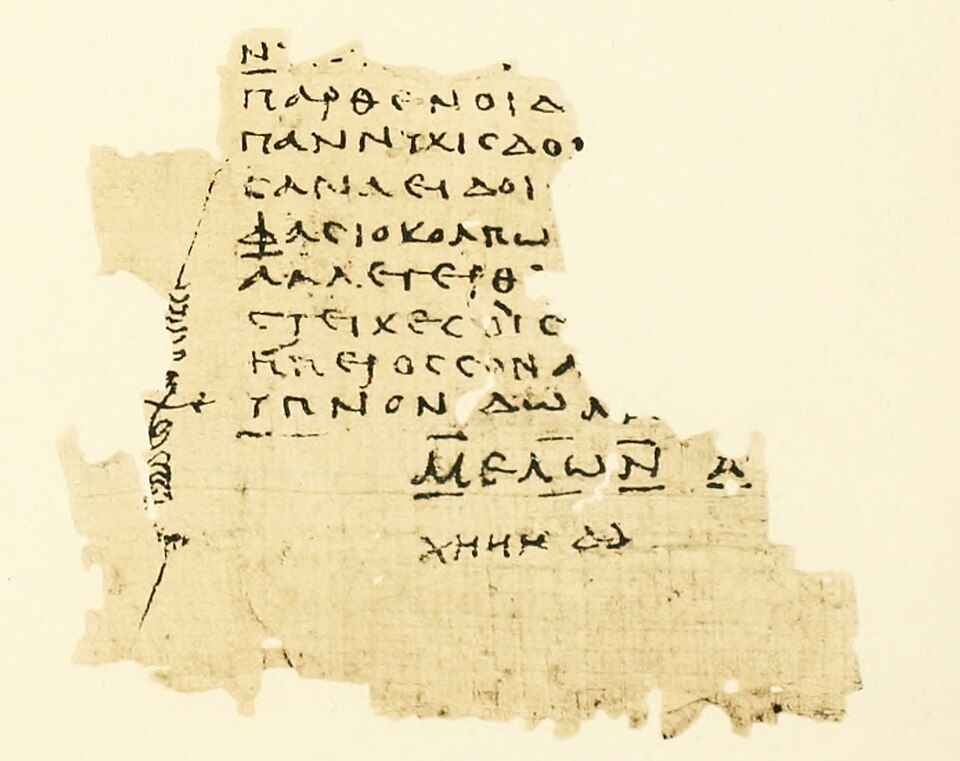
P.Oxy. X 1231 fr. 56, 2nd century AD: the end of the first book of Sappho's collected poems, with a coronis. Plate from Grenfell and Hunt, The Oxyrhynchus Papyri X (1914).
Egypt Exploration Fund (B. P. Grenfell and A. S. Hunt, 1914) · Public domain · via Wikimedia Commons · background removed
File:P.Oxy. X 1231 fr. 56.jpg
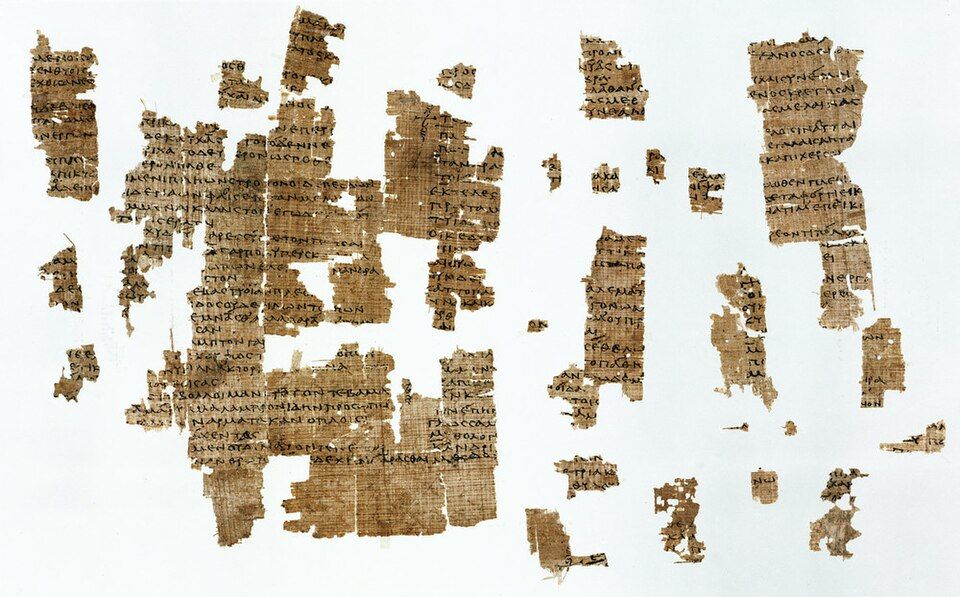
Papyrus Oxyrhynchus 1231 (Oxford, Bodleian Library, MS. Gr. class. c. 76(P)1/2), 2nd century AD: parts of Sappho frr. 15, 16, 17, 18 and 30 (Voigt), from Book I of the Alexandrian edition.
Bodleian Libraries, Oxford (source of the photograph) · Public domain · via Wikimedia Commons · background removed
File:P. Oxy. 1231.jpg
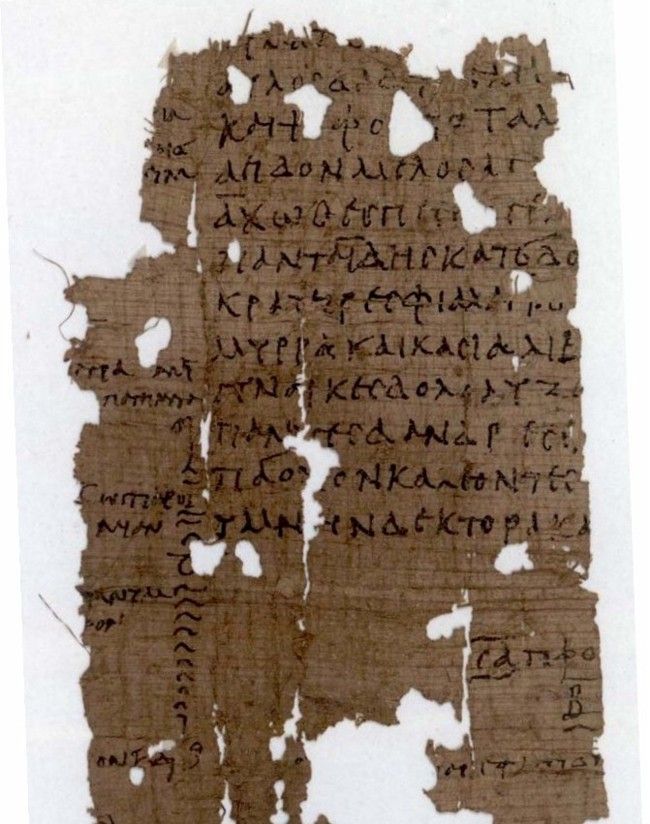
P.Oxy. XVII 2076, 2nd century AD (Oxford, Sackler Library): Sappho, Book II, part of fr. 44 (Voigt).
Oxyrhynchus Papyri online database, Oxford (source of the image) · Public domain · via Wikimedia Commons · background removed
File:Sappho poem POxyXVII 2076.jpg
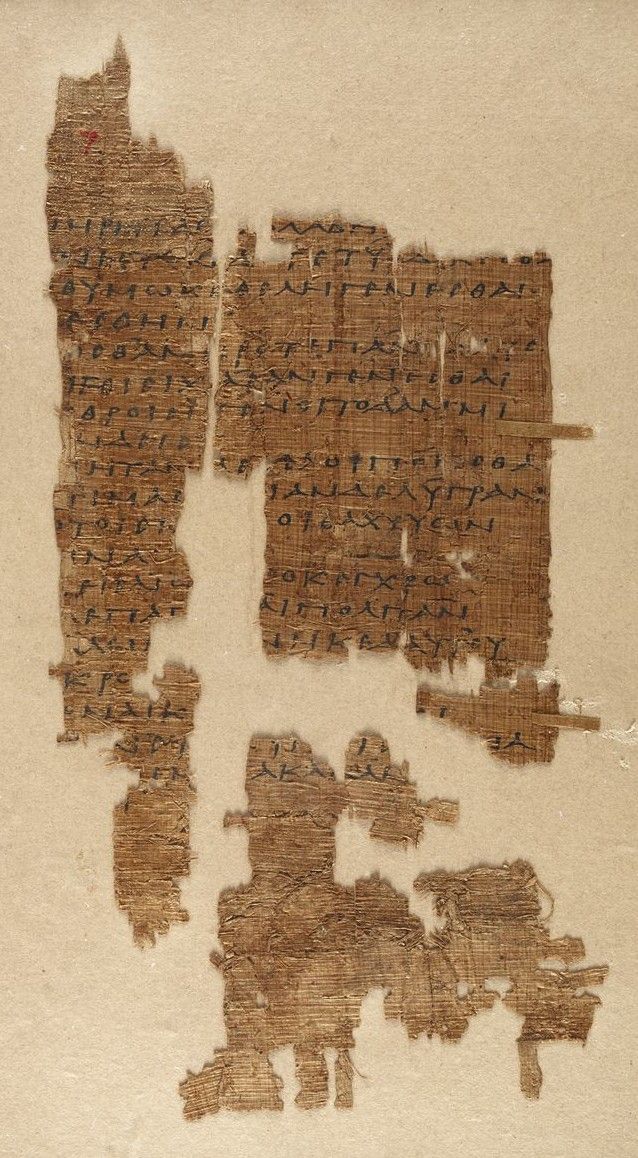
Papyrus Oxyrhynchus 7 (British Library Papyrus 739), 3rd century AD, found at Oxyrhynchus in 1897: part of Sappho fr. 5 (Voigt).
British Library (source of the photograph) · Public domain · via Wikimedia Commons · background removed
File:British Library papyrus 739.jpg
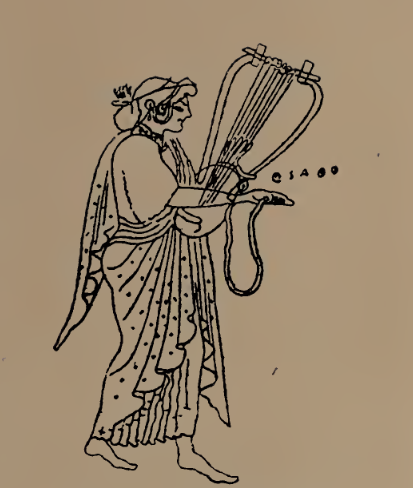
Sappho holding a barbitos: drawing of a Six's-technique kalpis by the Sappho Painter, c. 510 BC (Warsaw, National Museum), the earliest surviving depiction of Sappho; from D. M. Robinson, Sappho and Her Influence (1924).
D. M. Robinson (1924), after the Sappho Painter · Public domain · via Wikimedia Commons
File:Warsaw sappho vase.png
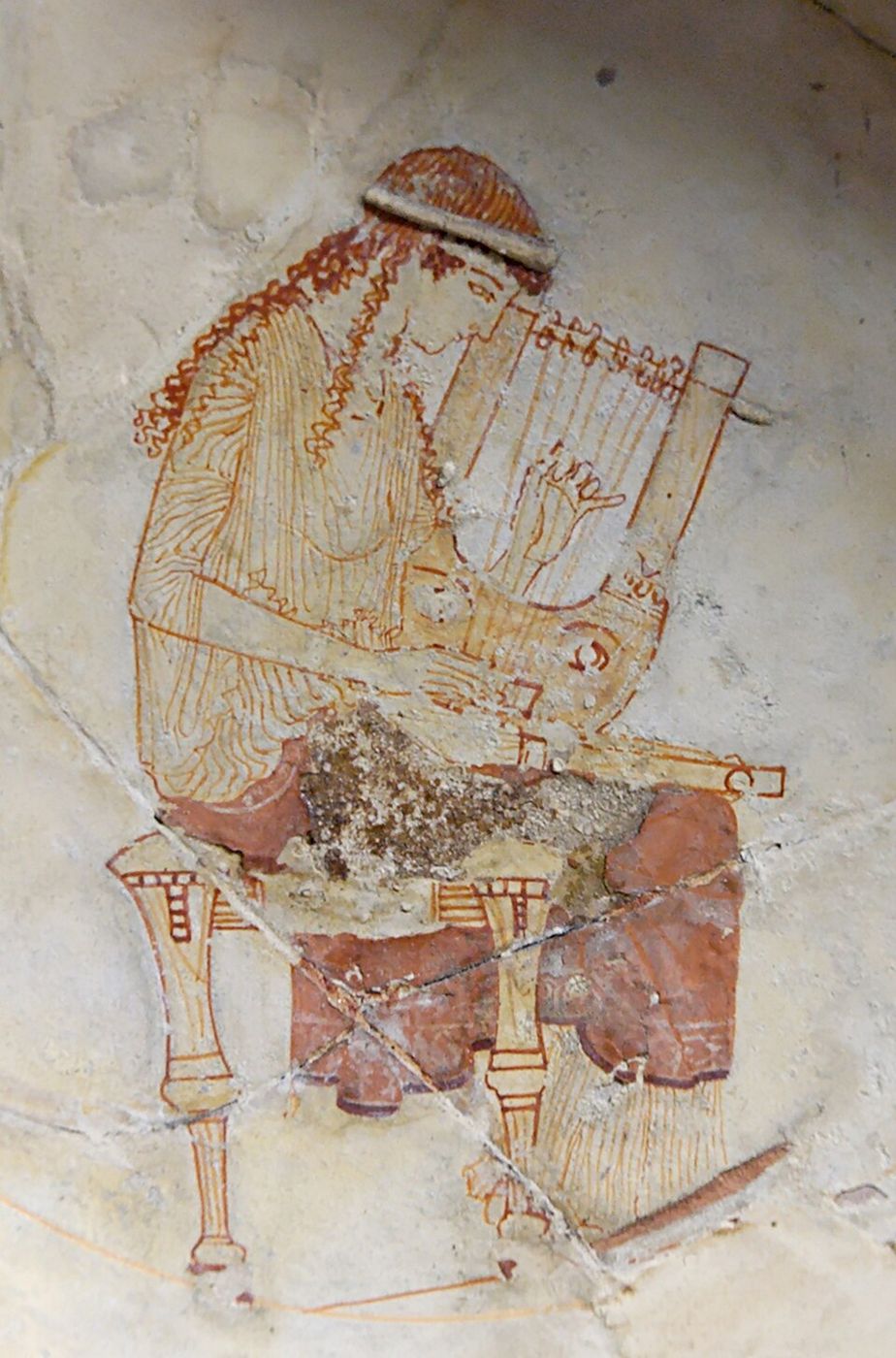
Muse tuning two kitharai: interior of an Attic white-ground cup by the Hesiod Painter, c. 470–460 BC, from Eretria. Paris, Louvre CA 482.
Hesiod Painter; photo: Jastrow · Public domain · via Wikimedia Commons
File:Muse lyre Louvre CA482.jpg
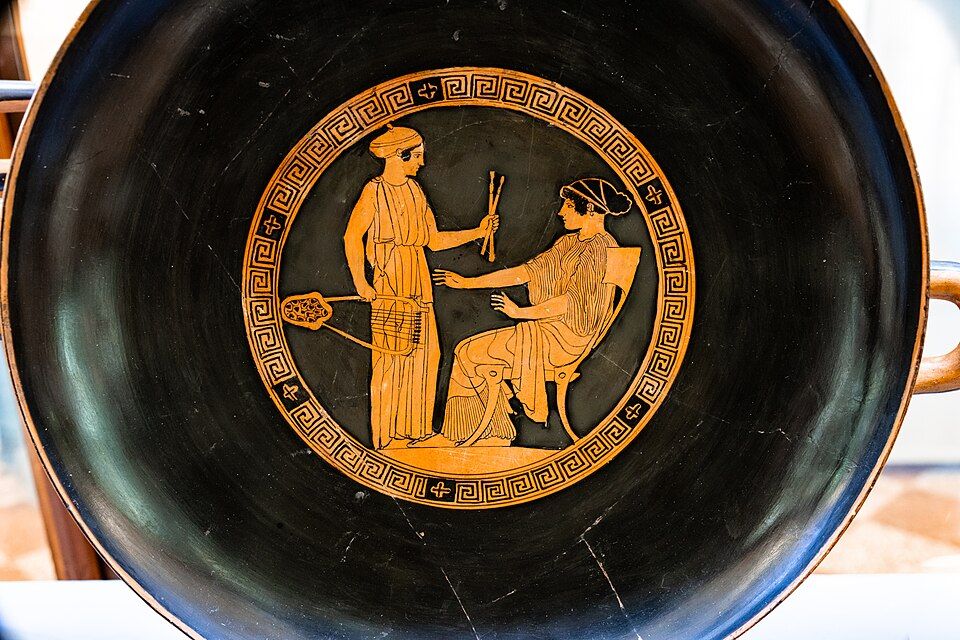
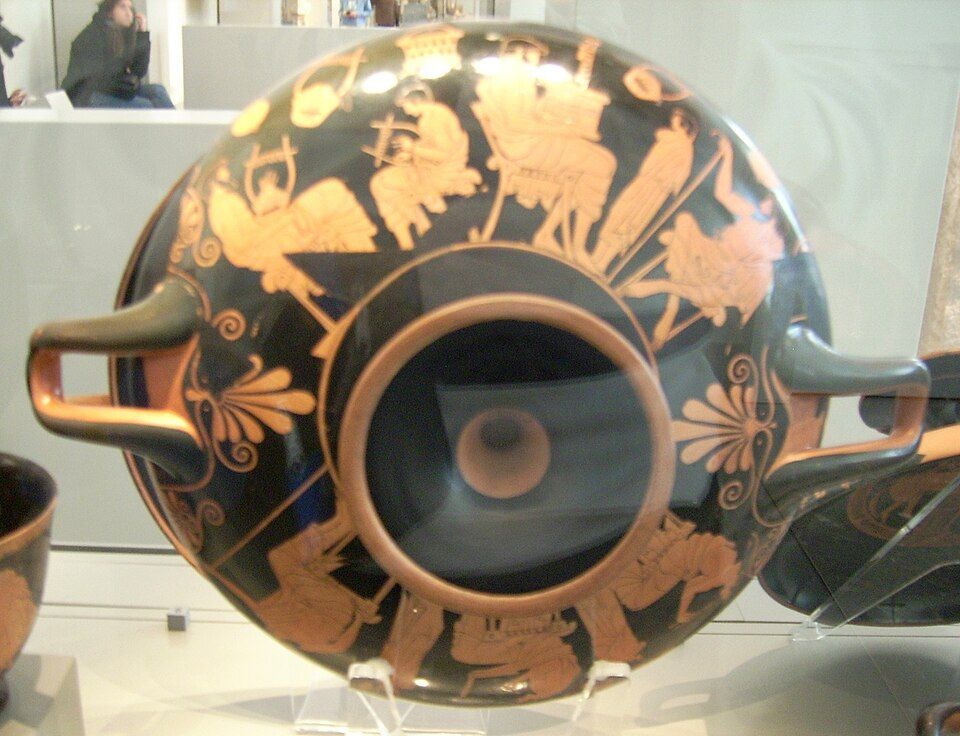
Women with lyres and auloi: interior of an Attic red-figure kylix by the Painter of Louvre G 456, c. 450 BC, from Vulci. Bologna, Museo Civico Archeologico PU 271.
Painter of Louvre G 456; photo: ArchaiOptix · CC BY-SA 4.0 · via Wikimedia Commons
File:Painter of Louvre G 456 - ARV 825 19 - women with lyrai and auloi - Bologna MCA PU 271 - 01.jpg
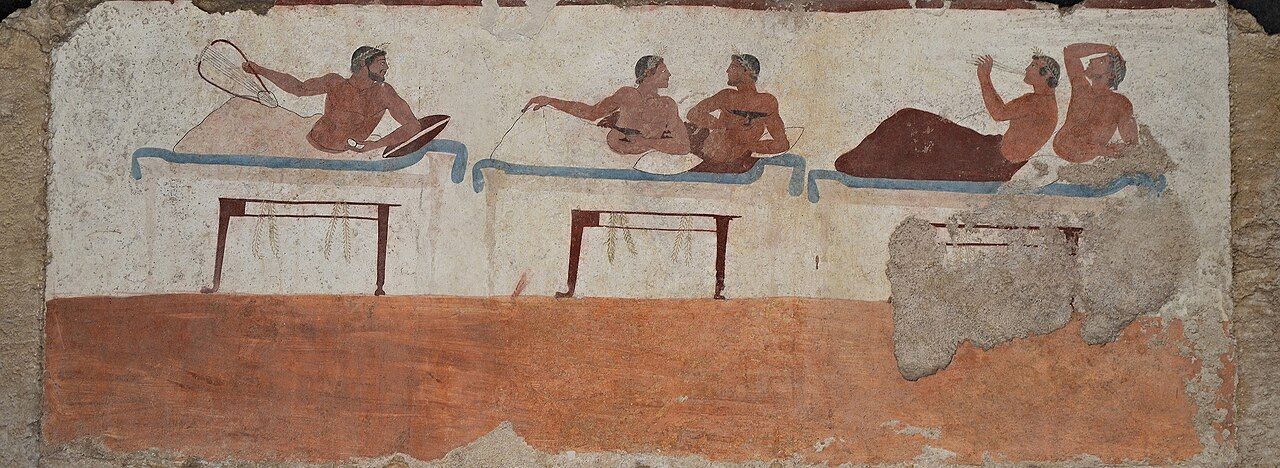
Symposium: fresco from a side wall of the Tomb of the Diver, Paestum, 5th century BC. Paestum, Archaeological Museum.
Carole Raddato · CC BY-SA 2.0 · via Wikimedia Commons
File:Fresco painting from lateral walls of the Tomb of the Diver depicting a symposium scene, 5th century BC, Paestum Archaeological Museum.jpg
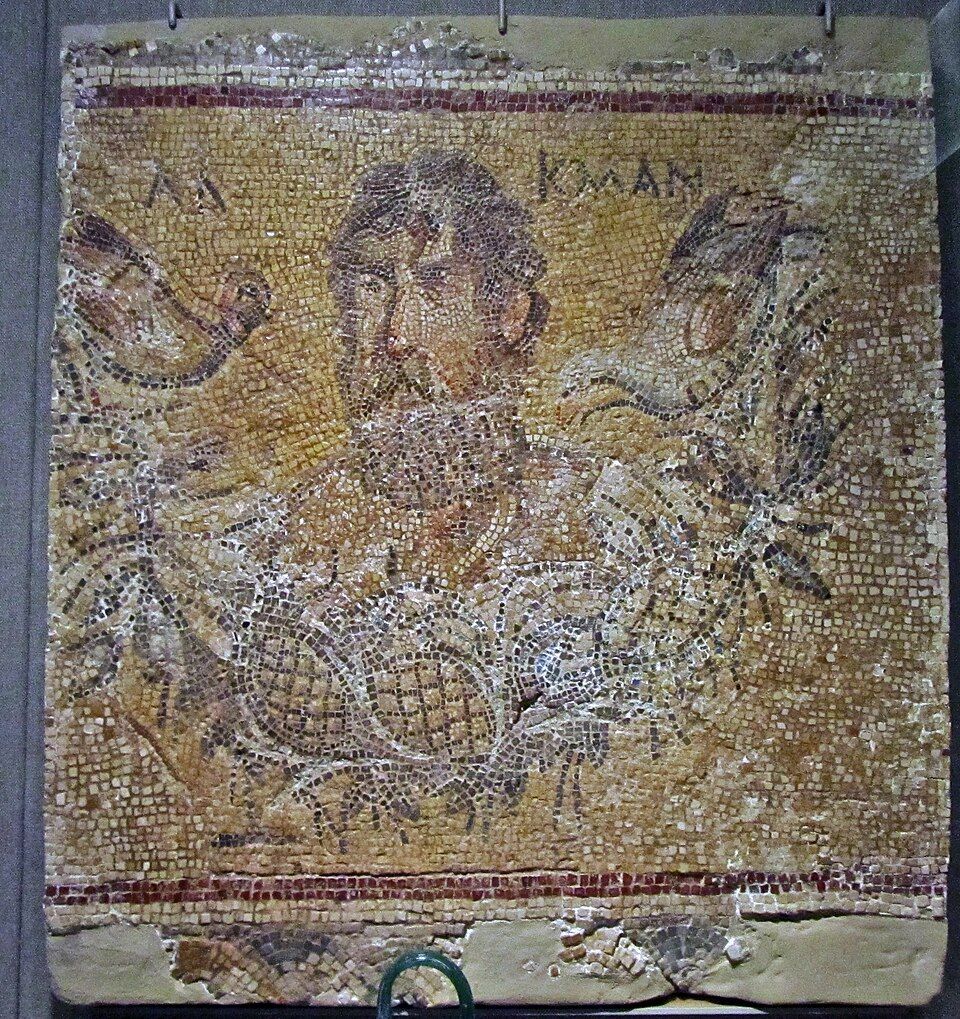
Imaginary portrait of the poet Alcman, from the border of a Roman floor mosaic at Gerasa (Jerash, Jordan), late 2nd–3rd century AD, which also showed other Greek authors, the Seasons and the Muses.
ellenm1 (Flickr) · CC BY 2.0 · via Wikimedia Commons
File:Mosaic Portrait of the Poet Alcman.jpg
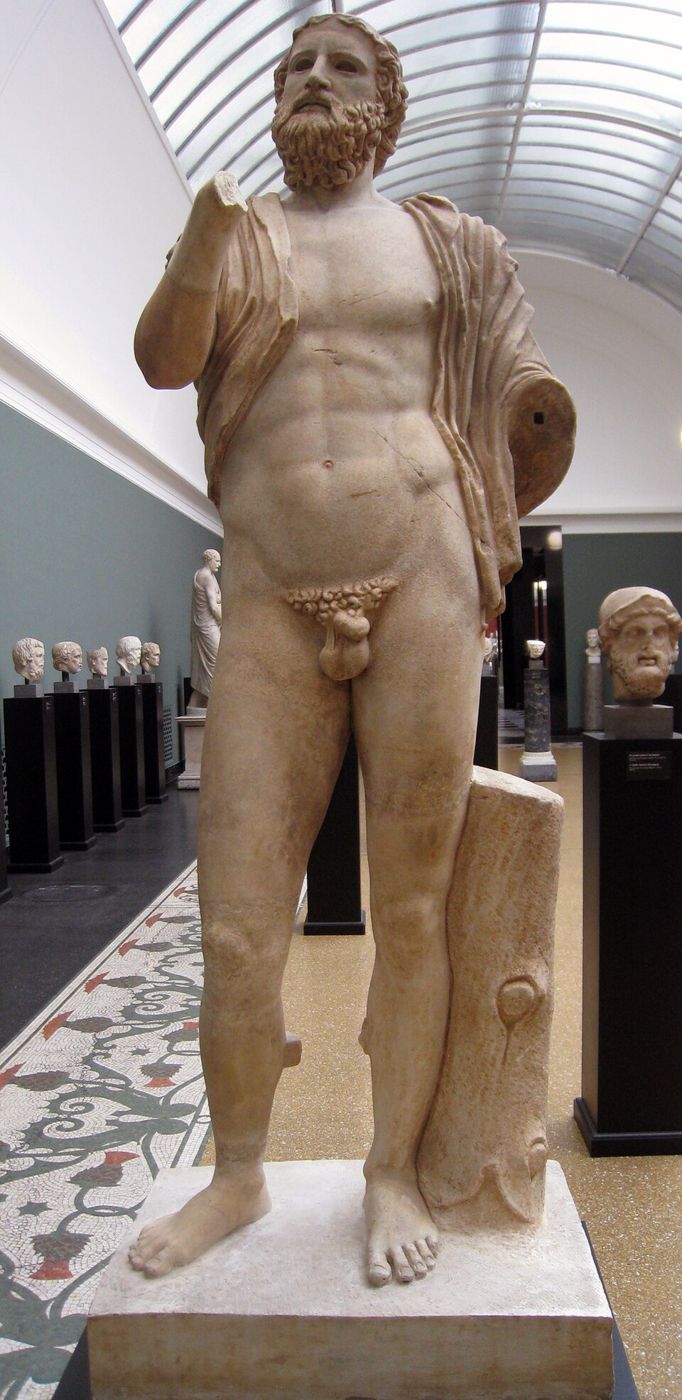
Statue of Anacreon from Monte Calvo, 2nd century AD. Copenhagen, Ny Carlsberg Glyptotek IN 491.
ChrisO · CC BY-SA 3.0 · via Wikimedia Commons · background removed
File:Anacreon monte calvo.jpg
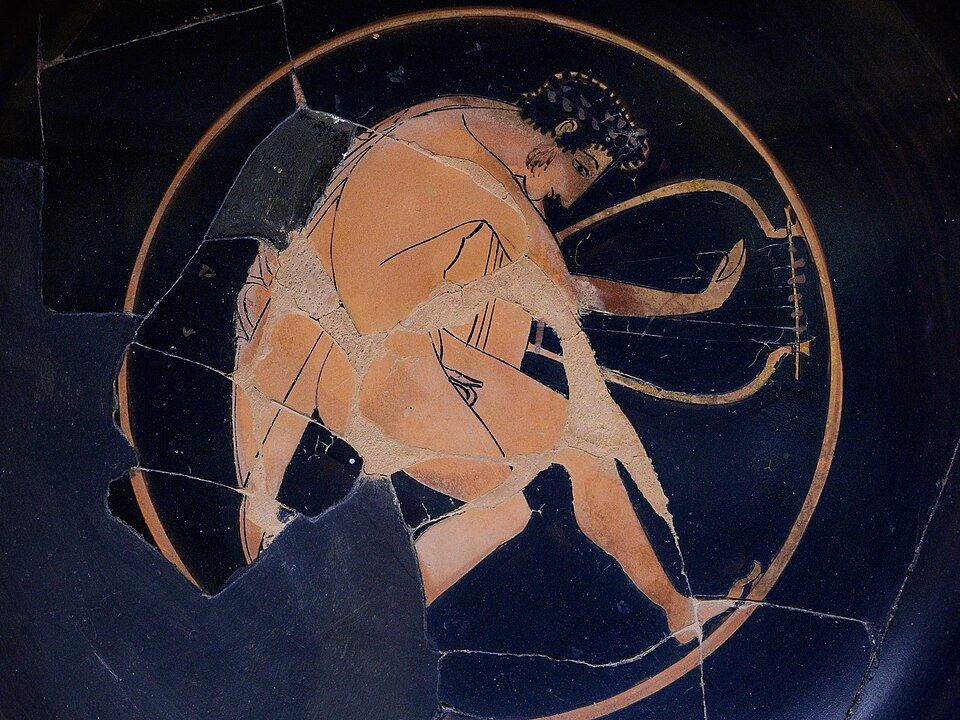
Komast with a barbitos: Attic red-figure kylix by the Chairias Painter, c. 510–500 BC. Athens, Ancient Agora Museum P 24115.
Chairias Painter; photo: Zde · CC BY-SA 4.0 · via Wikimedia Commons
File:Red-figure kylix, Chairias Painter, Komast with barbiton, AGMA, 225321x.jpg
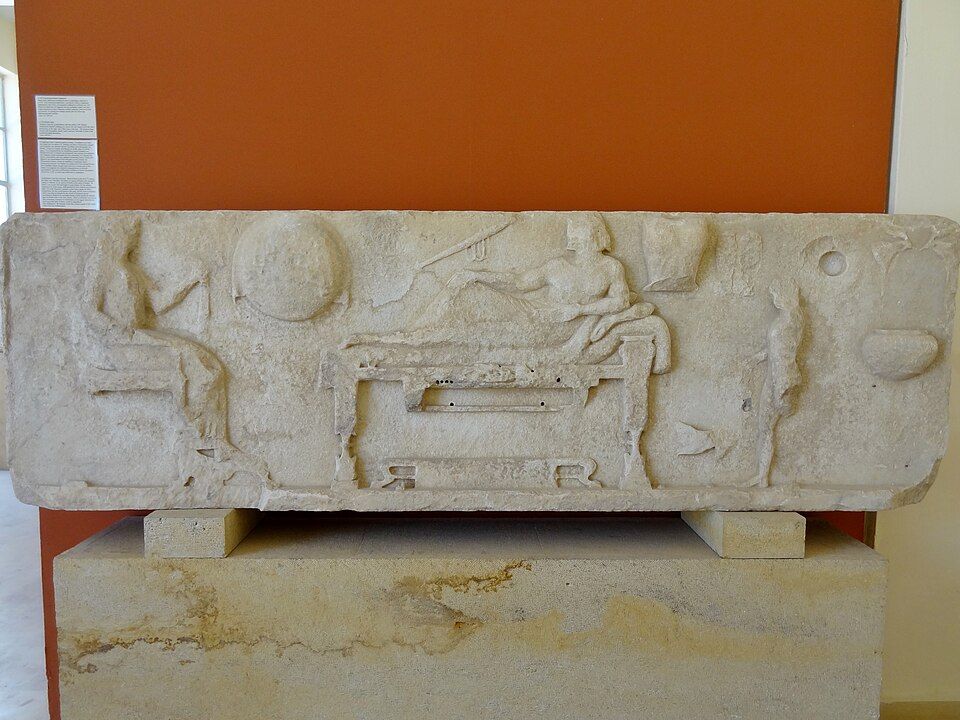
Relief stele, c. 500 BC, showing the poet Archilochus on a couch with his seated wife, as the museum identifies it. Paros, Archaeological Museum A 758.
Olaf Tausch · CC BY 3.0 · via Wikimedia Commons · background removed
File:Parikia Archäologisches Museum Relief Archilochos 01.jpg
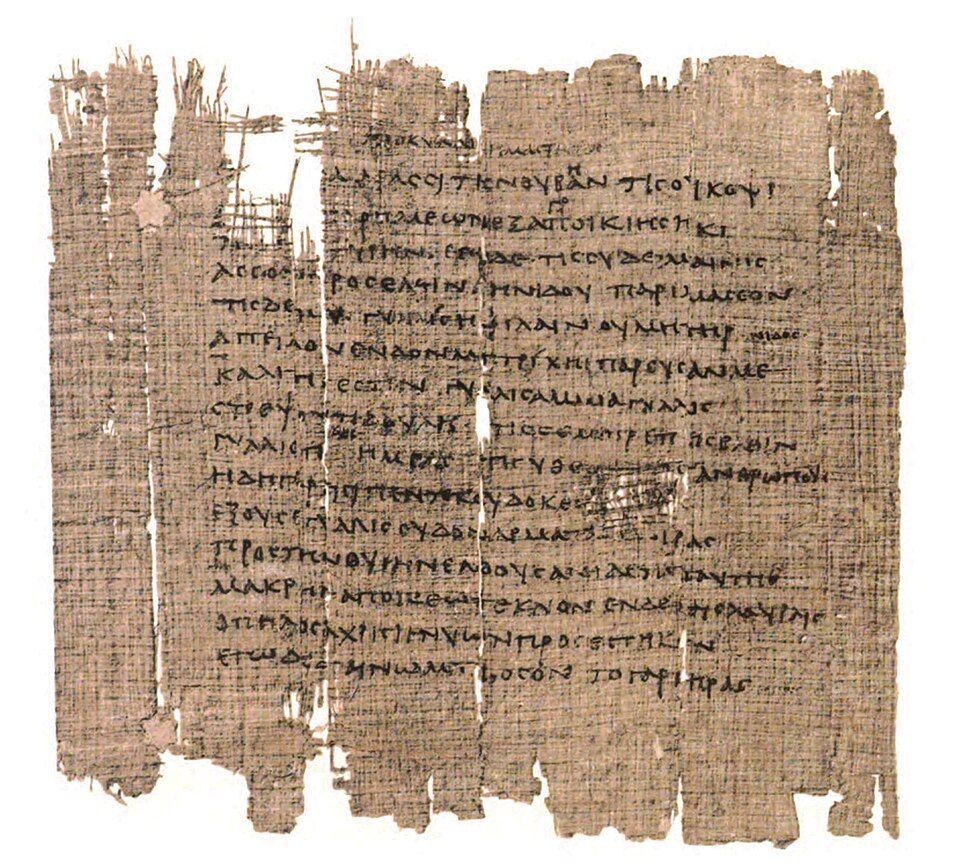
Herodas, Mimiamb 1.1–15, in choliambs, Hipponax's metre: column i of the London papyrus (P.Lit.Lond. 96 = British Museum Papyrus CXXXV), from E. Scott's facsimile (1892).
E. Scott (facsimile, 1892) · Public domain · via Wikimedia Commons · background removed
File:000 P.Lit.Lond. 96 col. i.jpg
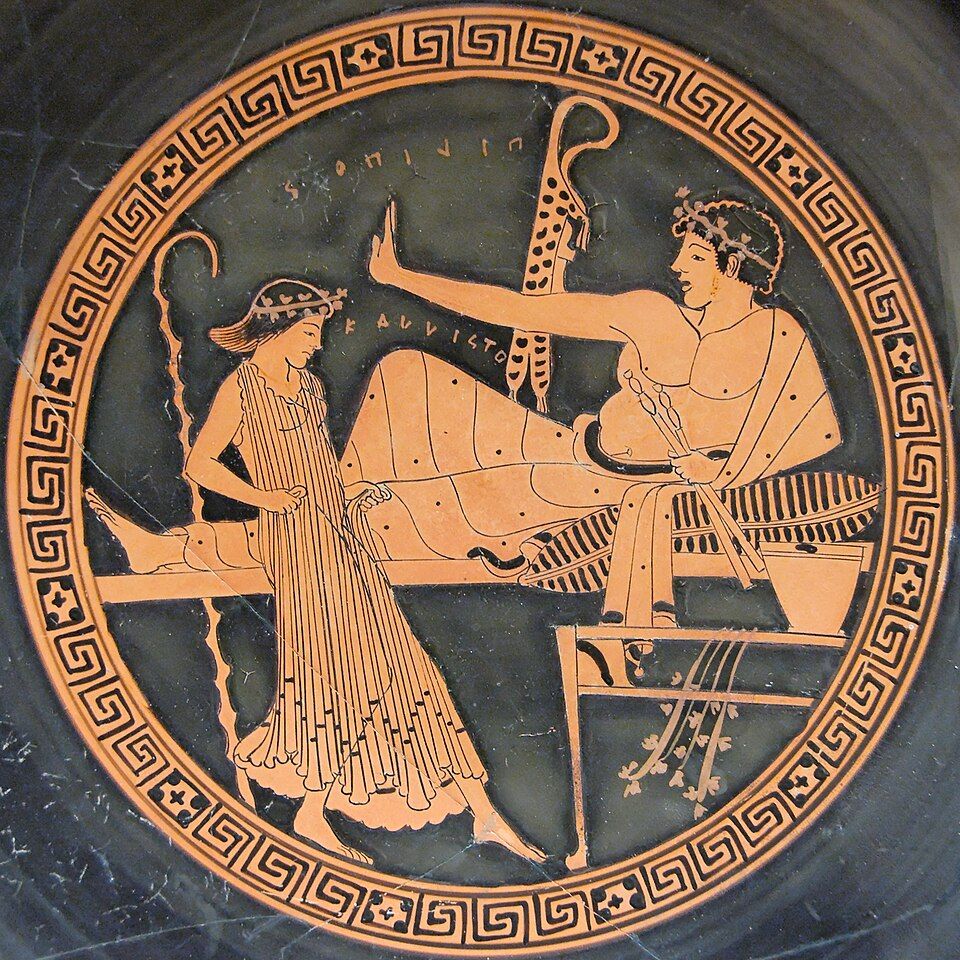
Symposium: a reclining youth holds one aulos and hands another to a female dancer; kalos inscription 'Philip is the most beautiful'. Tondo of an Attic red-figure kylix by the Brygos Painter, c. 490–480 BC, from Vulci. London, British Museum E 68.
Brygos Painter; photo: Jastrow · Public domain · via Wikimedia Commons
File:Symposium BM E68.jpg
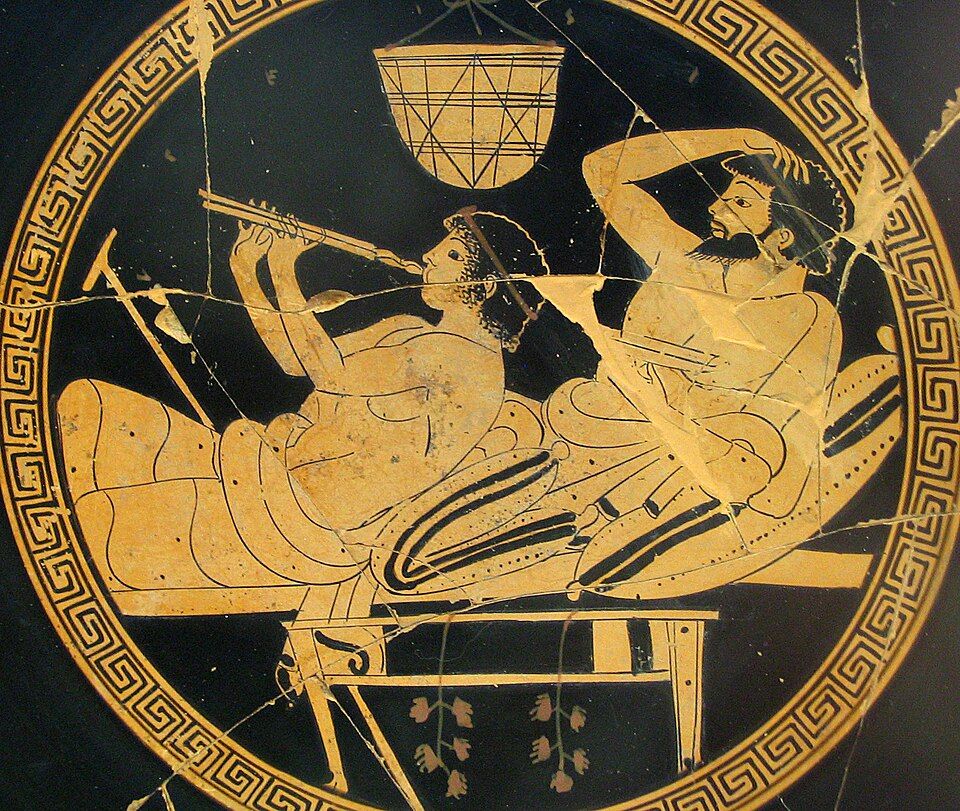
Symposium: tondo of an Attic red-figure kylix by the Brygos Painter, from Vulci. Vatican, Museo Gregoriano Etrusco 16582.
Brygos Painter; photo: Mark Landon · CC BY 4.0 · via Wikimedia Commons
File:Vatican Mus 16582 Brygos Painter kylix symposium.jpg
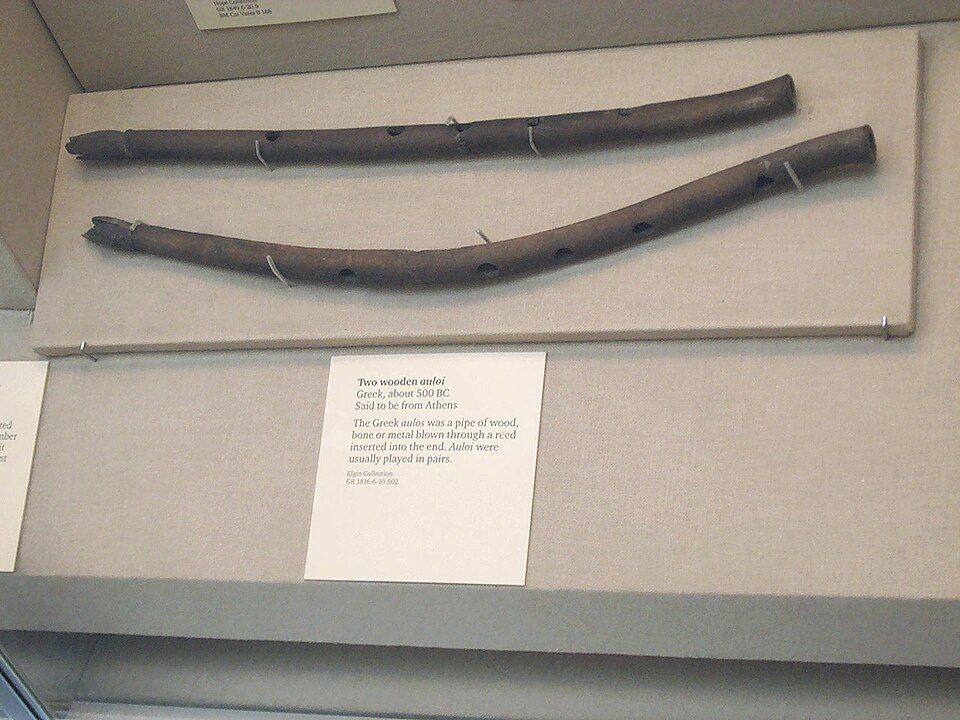
Two auloi of sycamore wood, c. 500 BC, said to be from Athens. London, British Museum 1816,0610.502.
Simon Speed · Public domain · via Wikimedia Commons
File:2AuloiBritishMuseum.JPG
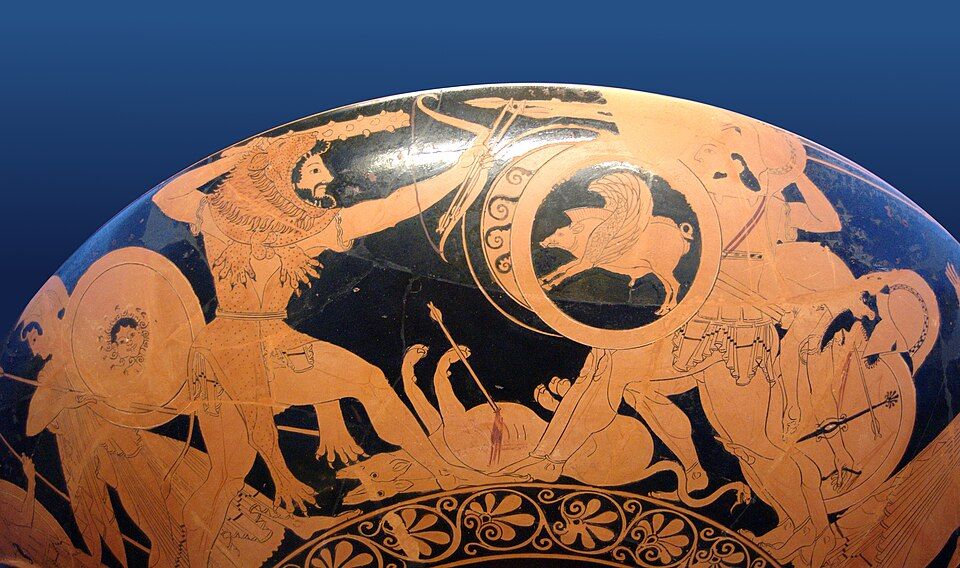
Heracles fighting Geryon, the subject of Stesichorus' Geryoneis: side A of an Attic red-figure kylix painted by Euphronios (potter Kachrylion), 510–500 BC, from Vulci. Munich, Staatliche Antikensammlungen 2620.
Euphronios (painter), Kachrylion (potter); photo: Bibi Saint-Pol · Public domain · via Wikimedia Commons
File:Herakles Geryon Staatliche Antikensammlungen 2620.jpg
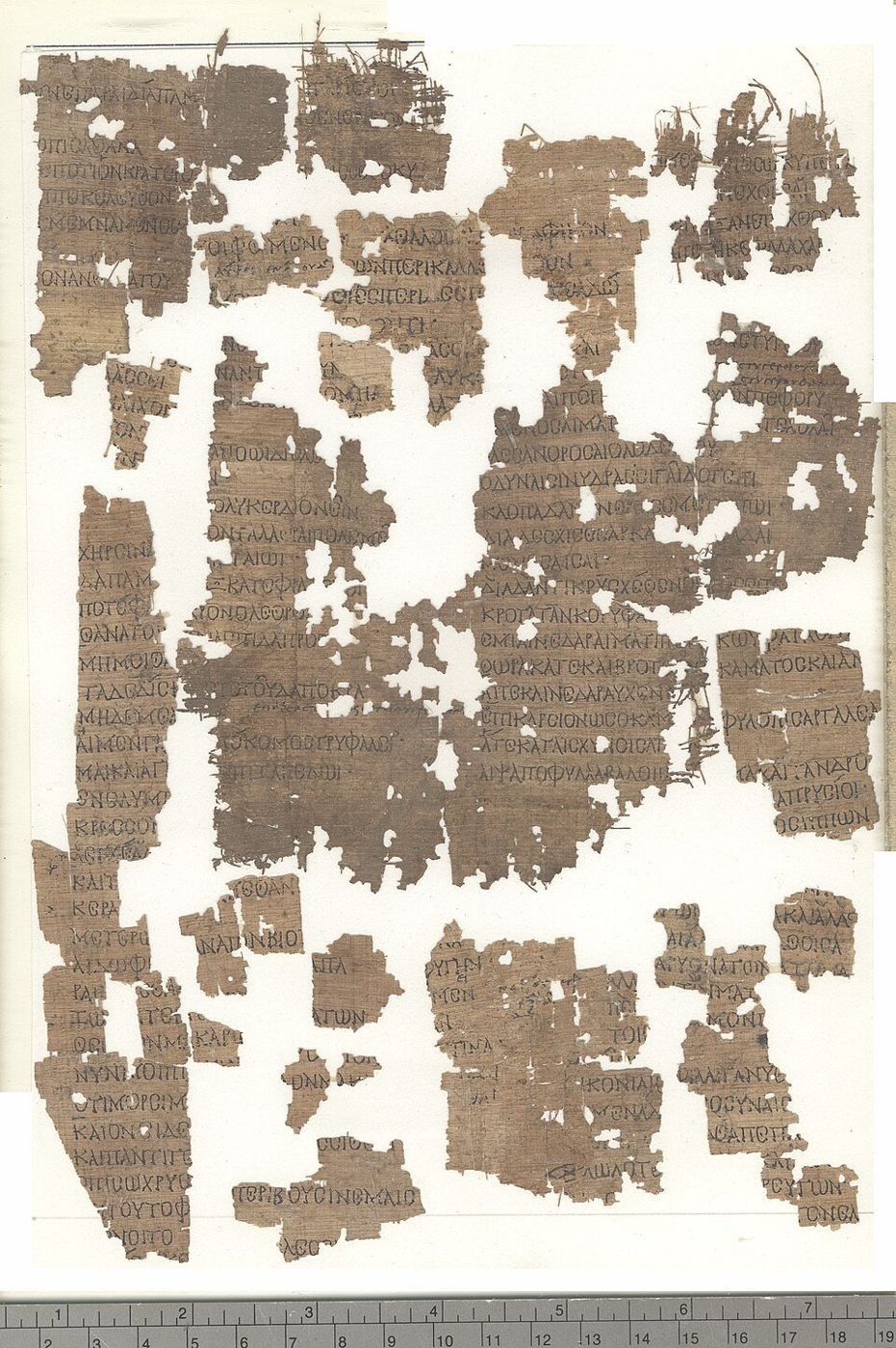
P.Oxy. XXXII 2617: fragments of Stesichorus' Geryoneis.
Oxyrhynchus Papyri online database, Oxford (source of the image) · Public domain · via Wikimedia Commons · background removed
File:POxy XXXII 2617.jpg
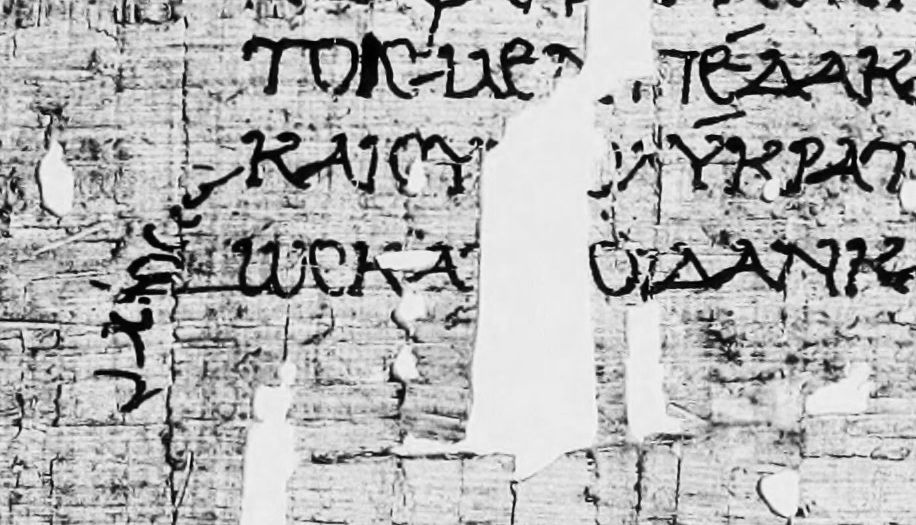
P.Oxy. XV 1790 frr. 2+3, late 2nd or early 1st century BC: Ibycus, with a coronis that probably marks the end of a book. Plate from Grenfell and Hunt, The Oxyrhynchus Papyri XV (1922).
Egypt Exploration Society (B. P. Grenfell and A. S. Hunt, 1922) · Public domain · via Wikimedia Commons
File:P.Oxy. XV 1790 fr. 2+3 detail.jpg
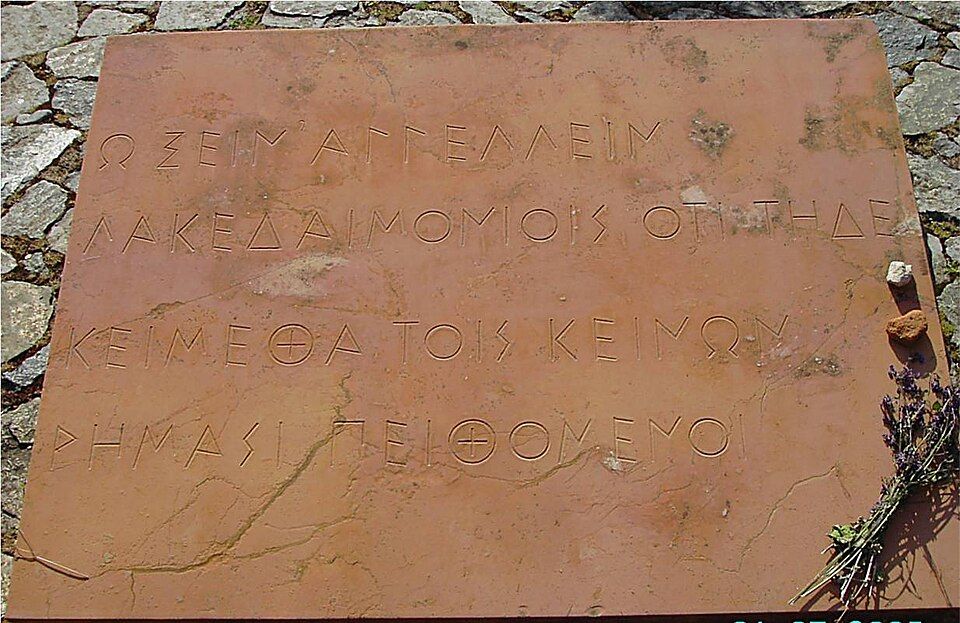
Memorial stone at Thermopylae inscribed with the epitaph for the Spartans, words of Simonides: Ὦ ξεῖν’, ἀγγέλλειν Λακεδαιμονίοις ὅτι τῇδε / κείμεθα, τοῖς κείνων ῥήμασι πειθόμενοι.
Sofie Debognies (uploaded by Napoleon Vier, Dutch Wikipedia) · CC BY-SA 3.0 · via Wikimedia Commons
File:InscriptieTherm.jpg
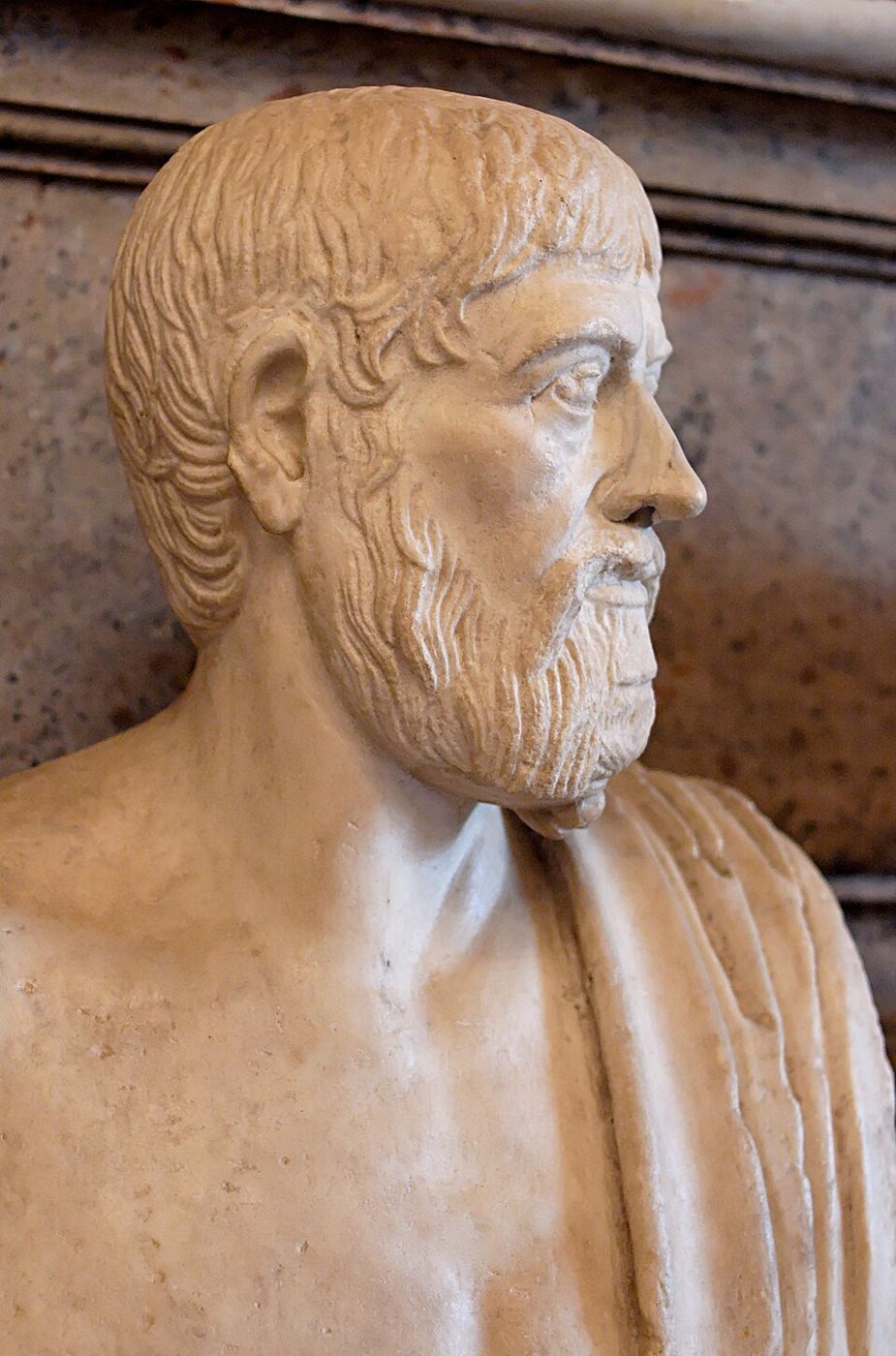
Bust of Pindar: marble, Roman copy after a Greek original of the 5th century BC. Rome, Musei Capitolini MC 586.
photo: Jastrow · Public domain · via Wikimedia Commons
File:Pindar Musei Capitolini MC586.jpg
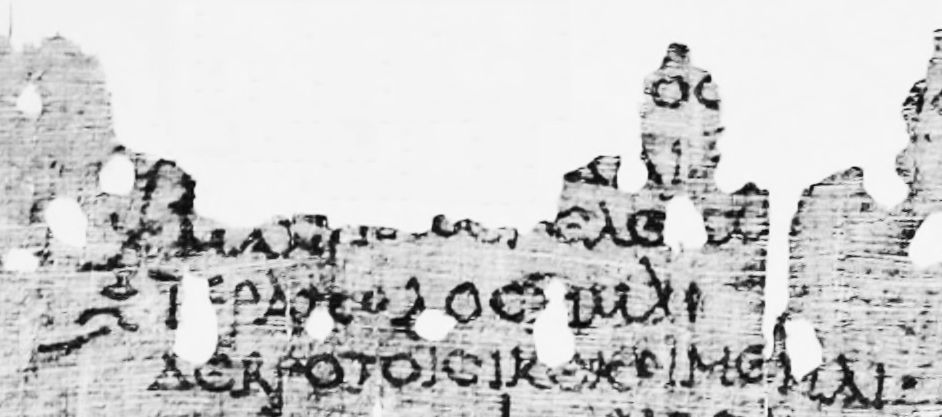
P.Oxy. IV 659 col. i: Pindar, Partheneion, with a coronis marking the end of a strophe. Plate from Grenfell and Hunt, The Oxyrhynchus Papyri IV (1904).
Egypt Exploration Fund (B. P. Grenfell and A. S. Hunt, 1904) · Public domain · via Wikimedia Commons
File:P.Oxy. IV 659 col. i detail.jpg
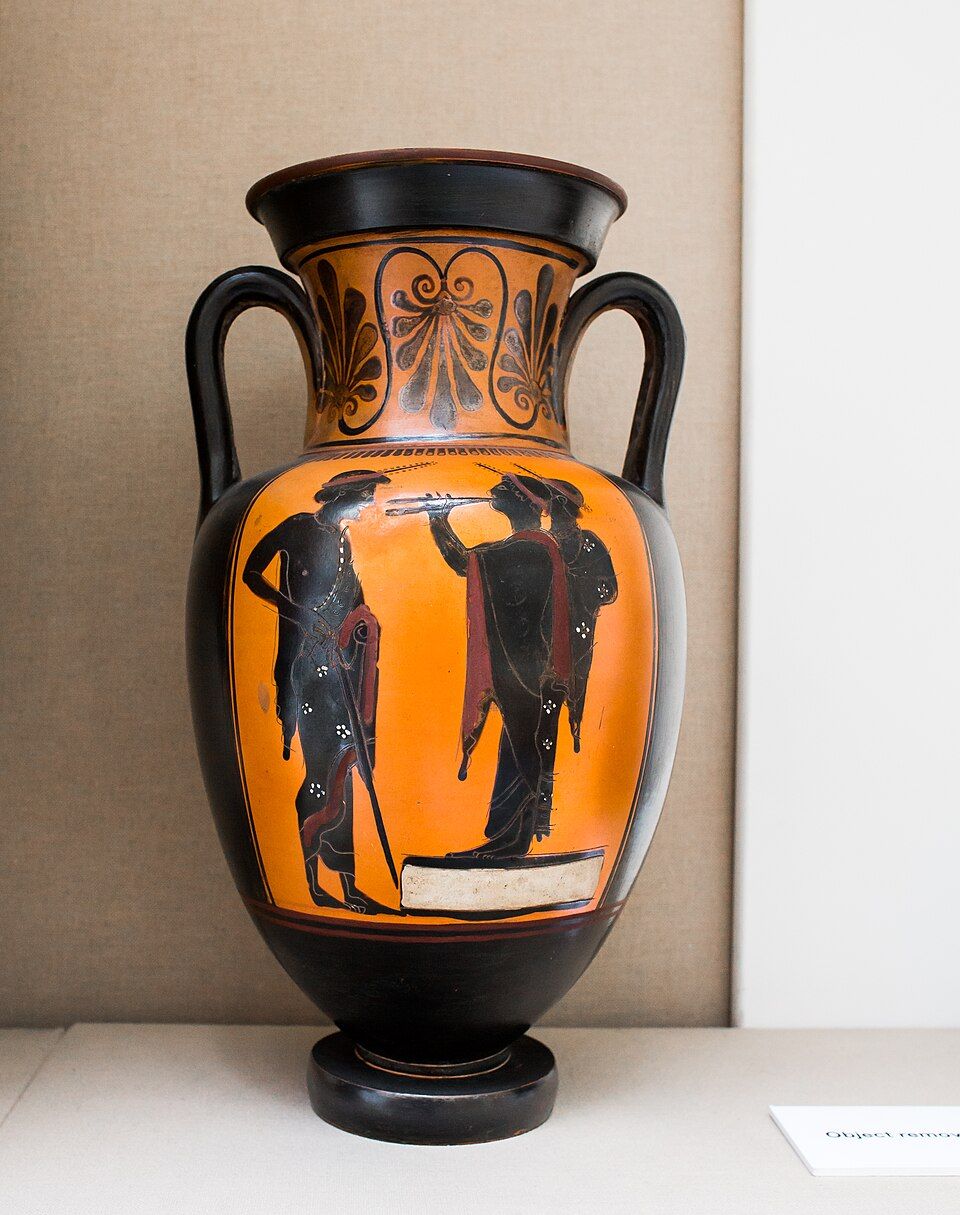
Musical contest: on a platform a youth plays the auloi before a draped man (judge or trainer). Attic black-figure amphora by the Edinburgh Painter, c. 490 BC, from Nola. London, British Museum 1849,0620.9.
Edinburgh Painter; photo: ArchaiOptix · CC BY-SA 4.0 · via Wikimedia Commons · background removed
File:Edinburgh Painter - ABV 477 - youths playing auloi - London BM 1849-0620-9.jpg
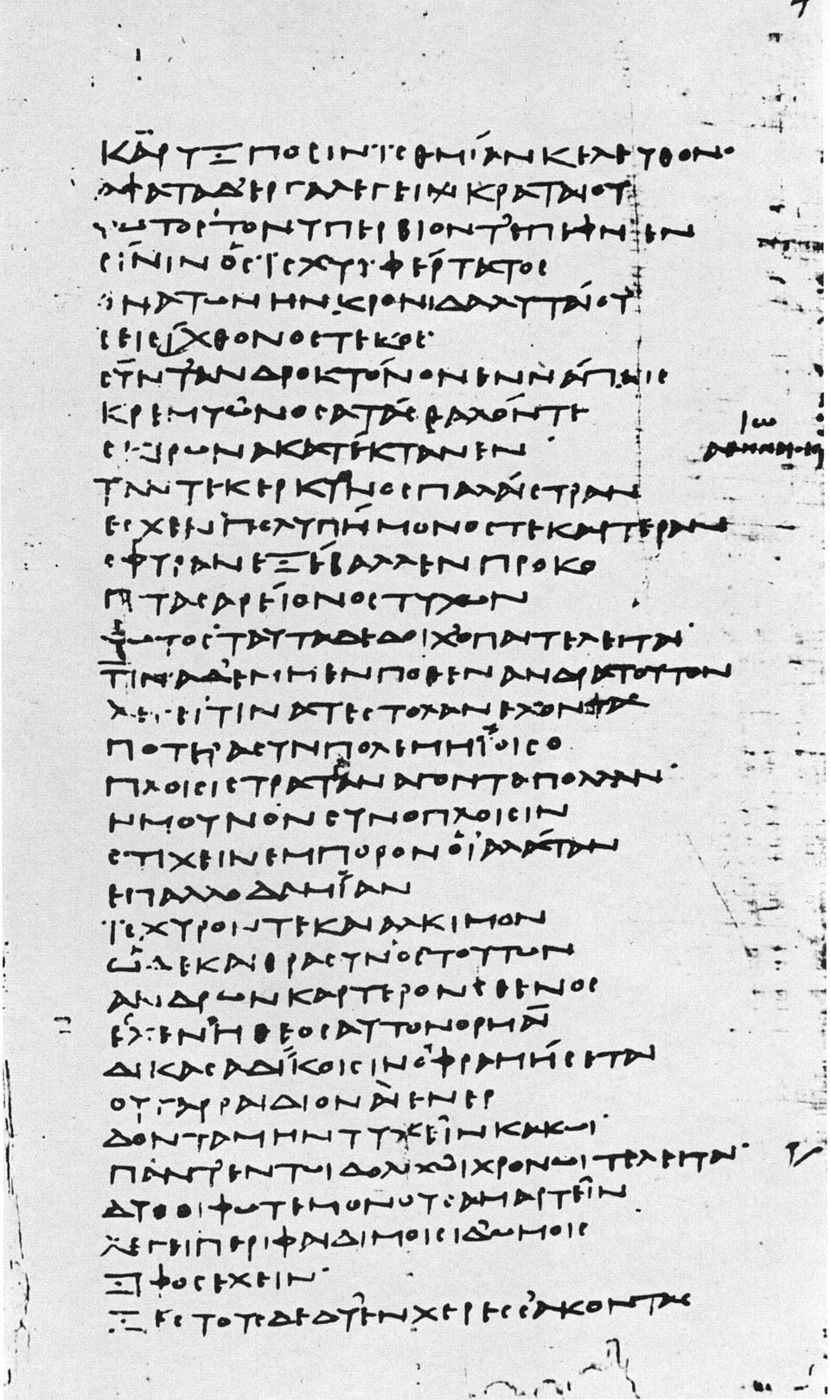
Bacchylides, Dithyramb XVIII lines 17–49, in London, British Library, Papyrus 733 (2nd century AD).
British Library Papyrus 733 (reproduction) · Public domain · via Wikimedia Commons
File:Bacchylides, Dithyrambs, Papyrus 733.jpg
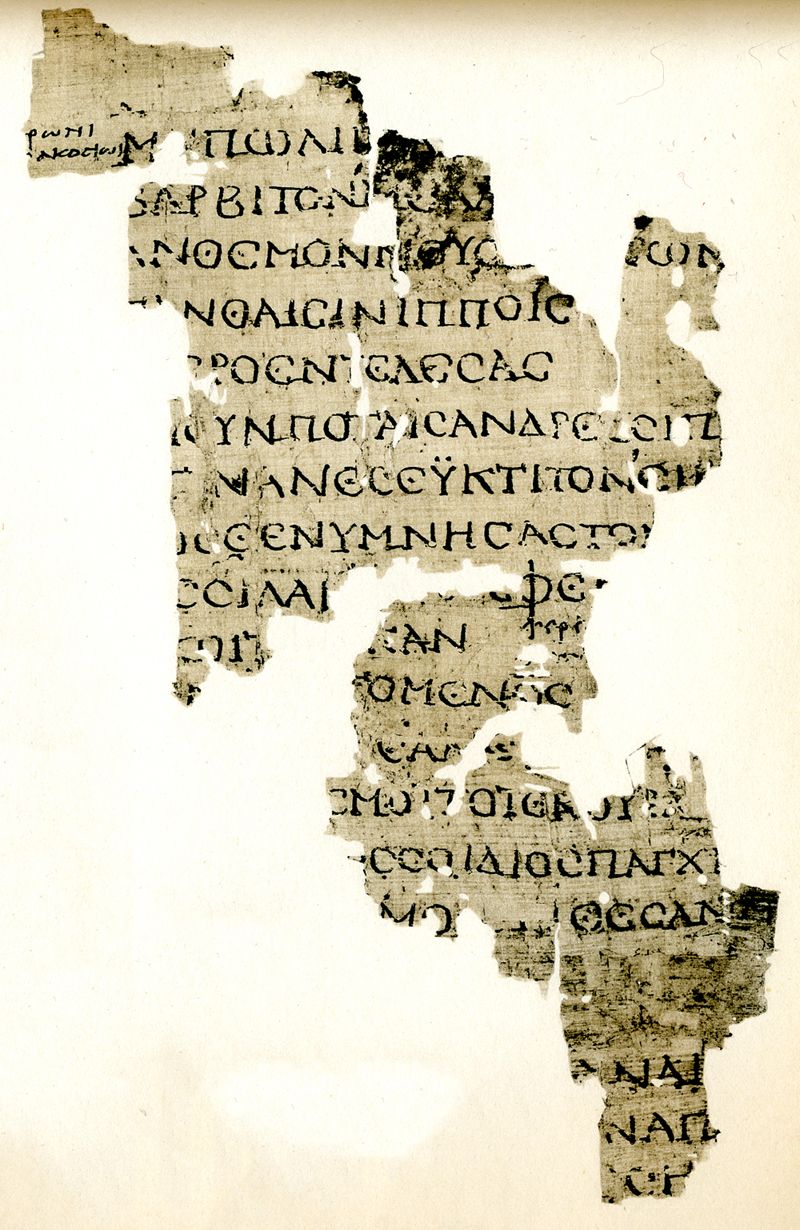
P.Oxy. XI 1361 fr. 4: Bacchylides. Plate from Grenfell and Hunt, The Oxyrhynchus Papyri XI (1915).
Egypt Exploration Society (B. P. Grenfell and A. S. Hunt, 1915) · Public domain · via Wikimedia Commons · background removed
File:P.Oxy. XI 1361 fr. 4.jpg
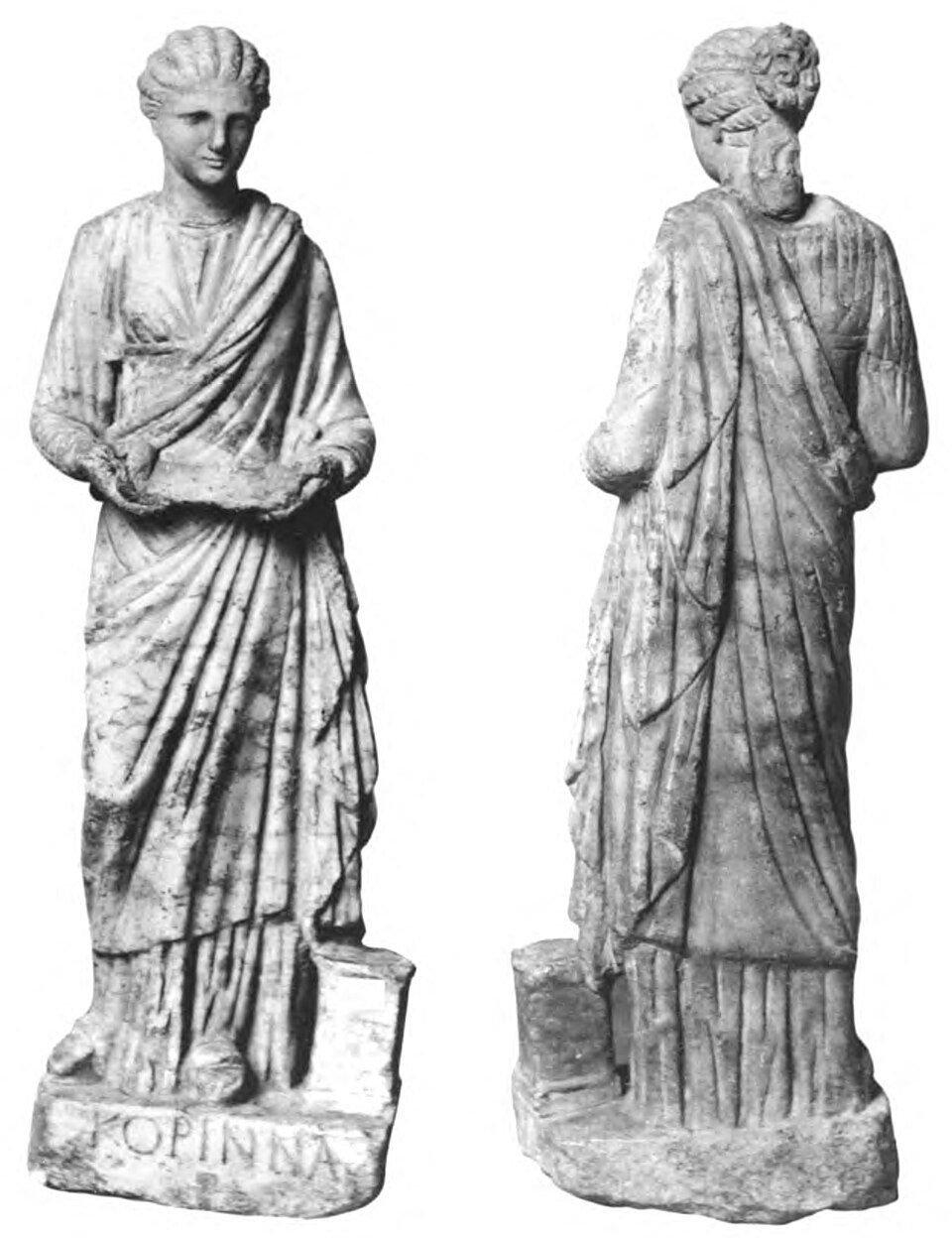
Statuette of Corinna, her name ΚΟΡΙΝΝΑ inscribed on the base (Museum of Compiègne): plate from Revue archéologique 32 (1898), pl. V.
Phototypie Berthaud, Paris (Revue archéologique, 1898) · Public domain · via Wikimedia Commons · background removed
File:Statue of Corinna (Revue archéologique 1898 32,V).jpg
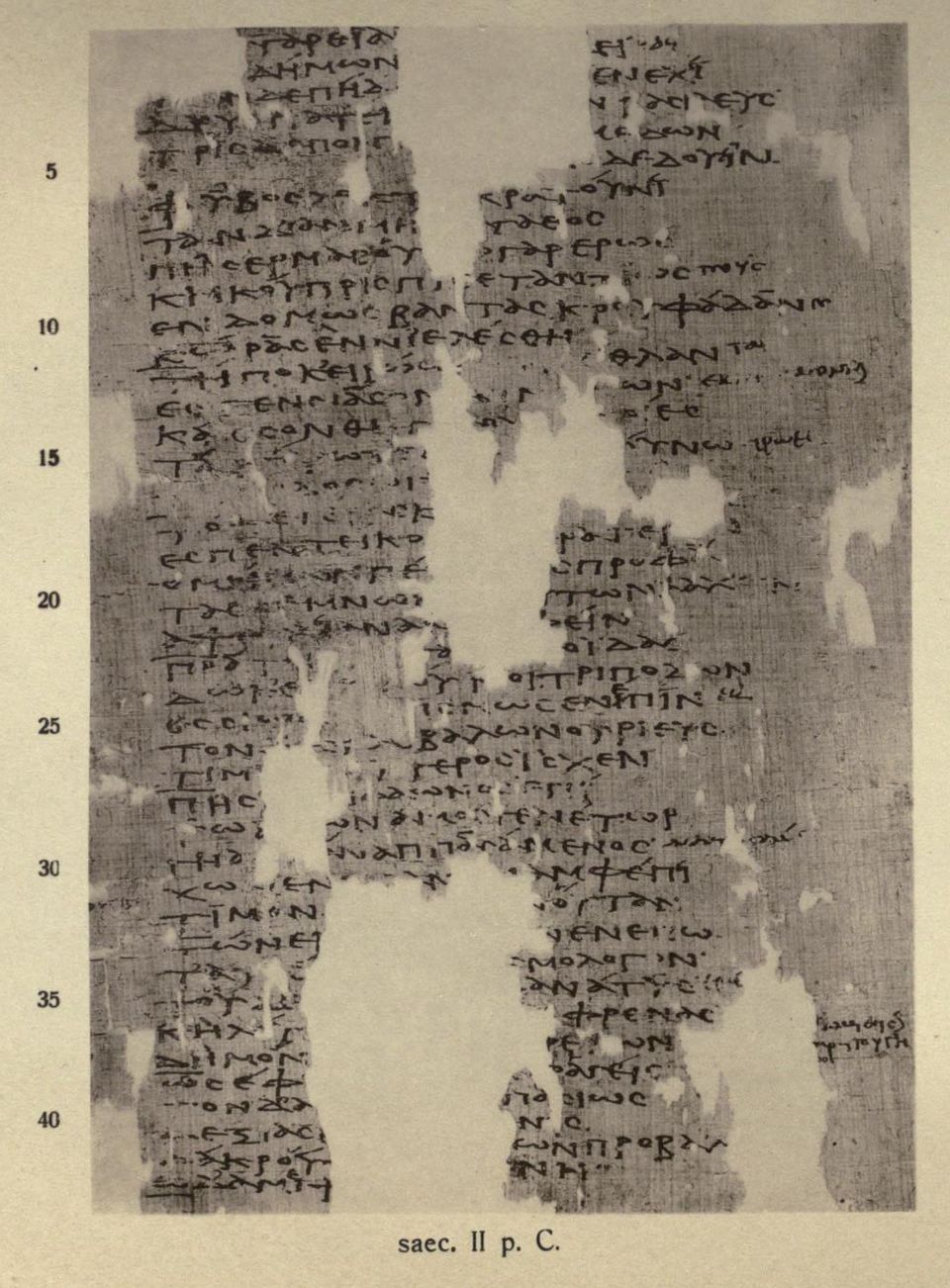
P.Berol. 13284, col. iii, 1st or 2nd century AD, from Hermopolis: Corinna's 'Contest of Helicon and Cithaeron' and 'Daughters of Asopus' (PMG 654). Plate from W. Schubart, Papyri Graecae Berolinenses (1911), pl. 29a.
W. Schubart (plate, 1911) · Public domain · via Wikimedia Commons
File:P. Berol. 13284.png
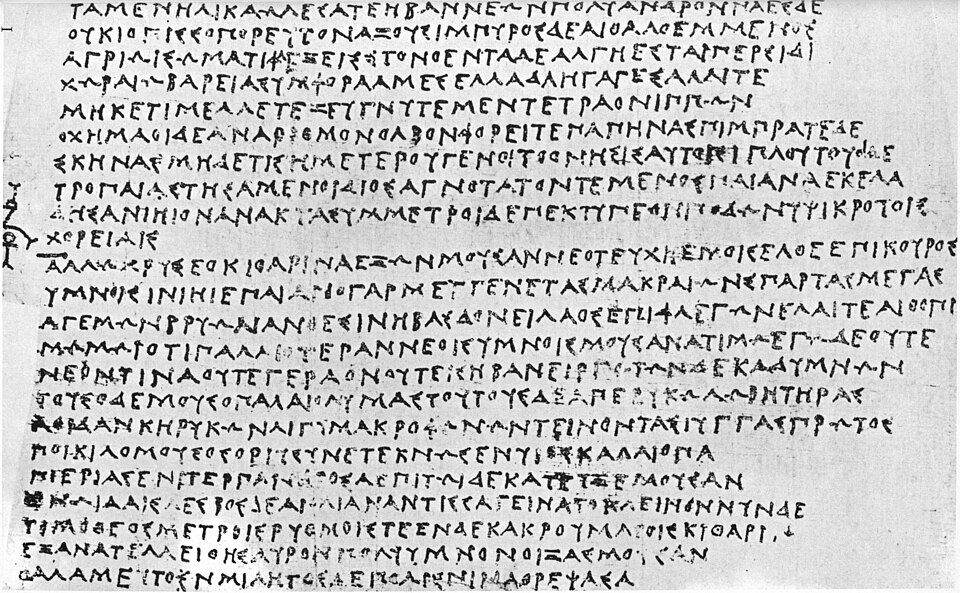
Timotheus, Persians, lines 193–247: Berlin, Ägyptisches Museum, Papyrus 9875, 4th century BC.
Berlin Papyrus 9875 (reproduction) · Public domain · via Wikimedia Commons
File:Timotheus of Miletus, Persians, Papyrus 9875.jpg

Papyrus Berlin 9875, with part of Timotheus' Persians: scan by the Staatliche Museen zu Berlin.
Sandra Steiß (scan), Staatliche Museen zu Berlin · CC BY-SA 4.0 · via Wikimedia Commons
File:Papyrus Berlin 9875.jpg
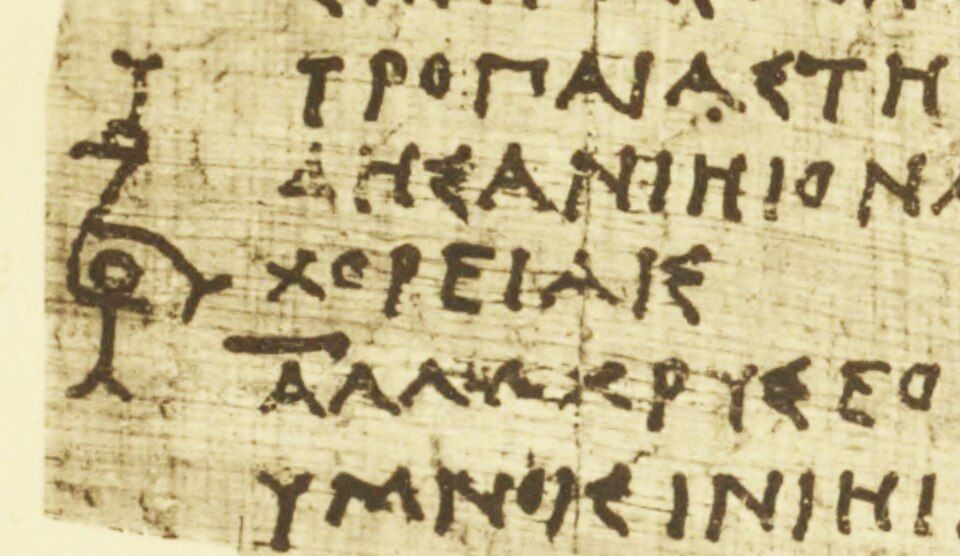
Column v of the Berlin Timotheus papyrus (P.Berol. inv. 9875), with a coronis. Plate from W. Schubart, Papyri Graecae Berolinenses (1911).
W. Schubart (plate, 1911) · Public domain · via Wikimedia Commons
File:P.Berol. inv. 9875 col. v coronis.jpg
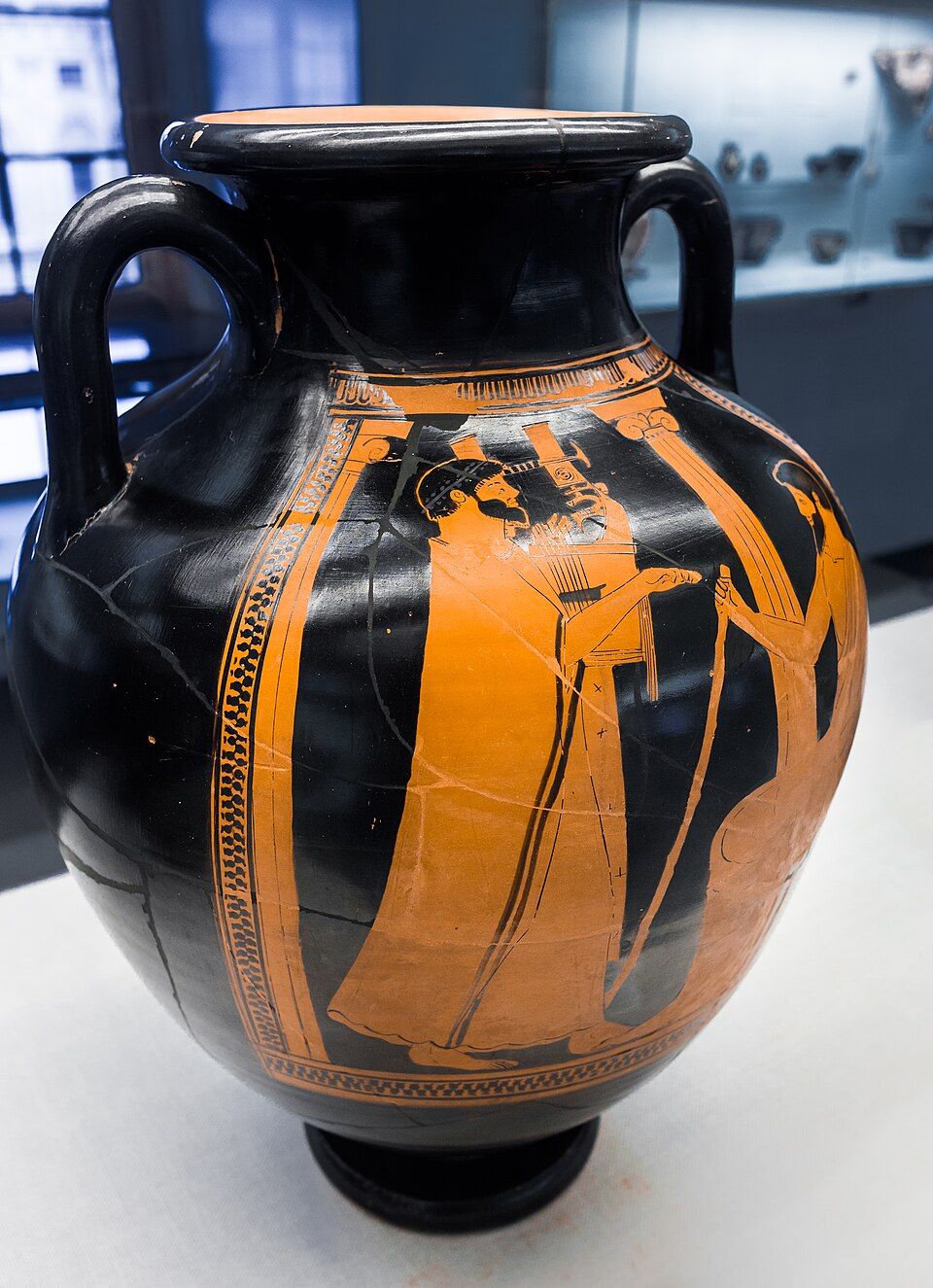
A bearded kitharode stands between two columns before a seated man with a staff (judge or listener): Attic red-figure amphora by the Syleus Painter, c. 470 BC. Würzburg, Martin von Wagner Museum L 509.
Syleus Painter; photo: ArchaiOptix · CC BY-SA 4.0 · via Wikimedia Commons
File:Syleus Painter ARV 249 5 kitharode and man - trainer and jumper 01.jpg
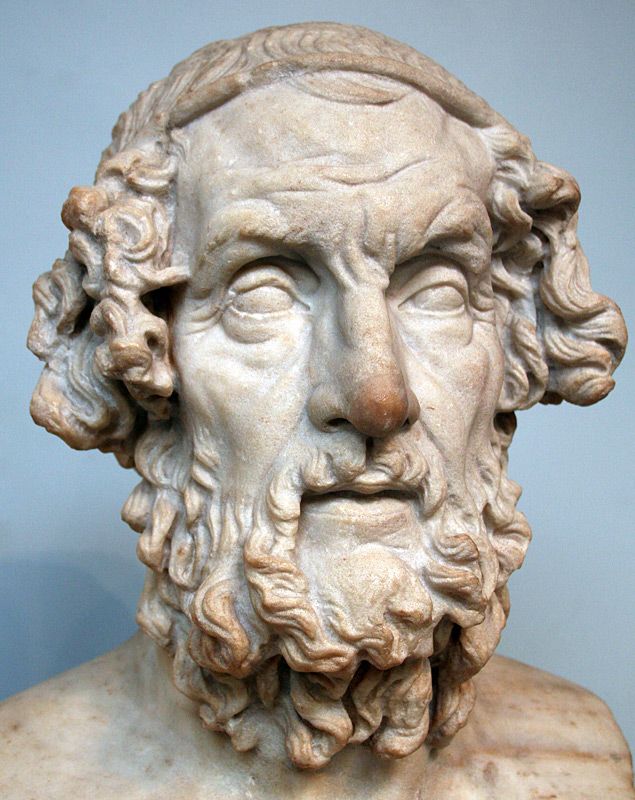
Marble bust of Homer: Roman copy of a lost Hellenistic original of the 2nd century BC, from Baiae. London, British Museum.
JW1805 (English Wikipedia) · Public domain · via Wikimedia Commons
File:Homer British Museum.jpg
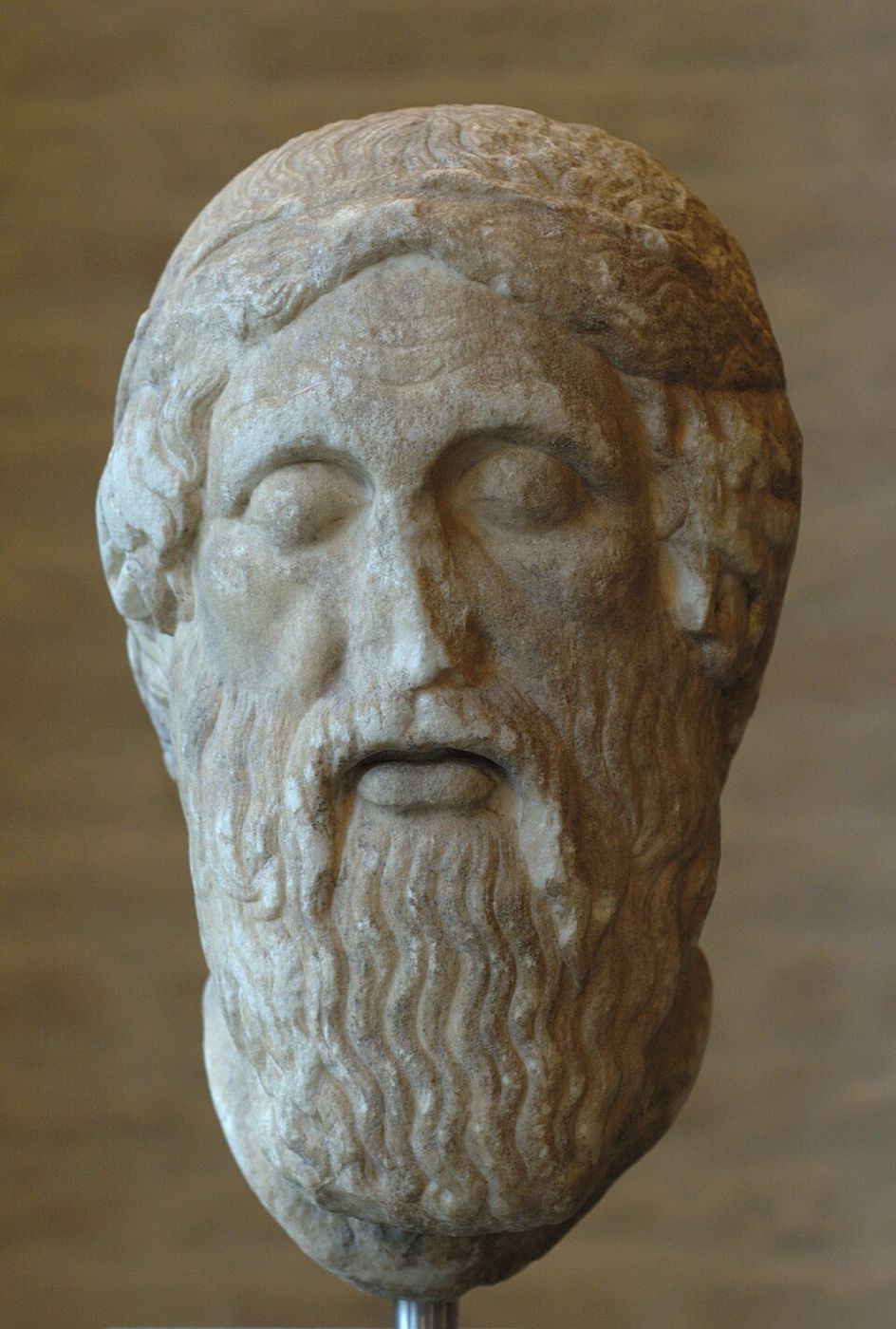
Head of Homer, 'Epimenides type': Roman copy after a Greek original of the 5th century BC. Munich, Glyptothek 273.
Bibi Saint-Pol · Public domain · via Wikimedia Commons · background removed
File:Homeros Glyptothek Munich 273.jpg

The Bankes Homer, a papyrus roll of the 2nd century AD. London, British Library, Papyrus 114 (P.Lond.Lit. 28).
British Library (digitised image) · Public domain · via Wikimedia Commons
File:The Bankes Homer (Papyrus 114 = P. Lond. Lit. 28).jpg
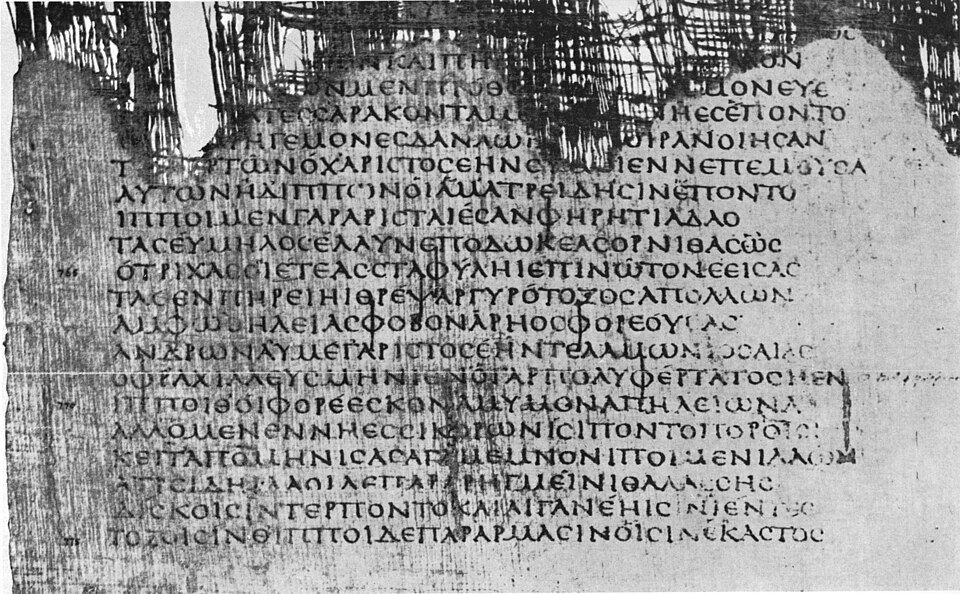
Homer, Iliad 2.757–775: Oxford, Bodleian Library, Papyrus Hawara 24–28, 2nd century AD.
Bodleian Library papyrus (reproduction) · Public domain · via Wikimedia Commons
File:Homer, Iliad, Papyrus Hawara 24-28.jpg
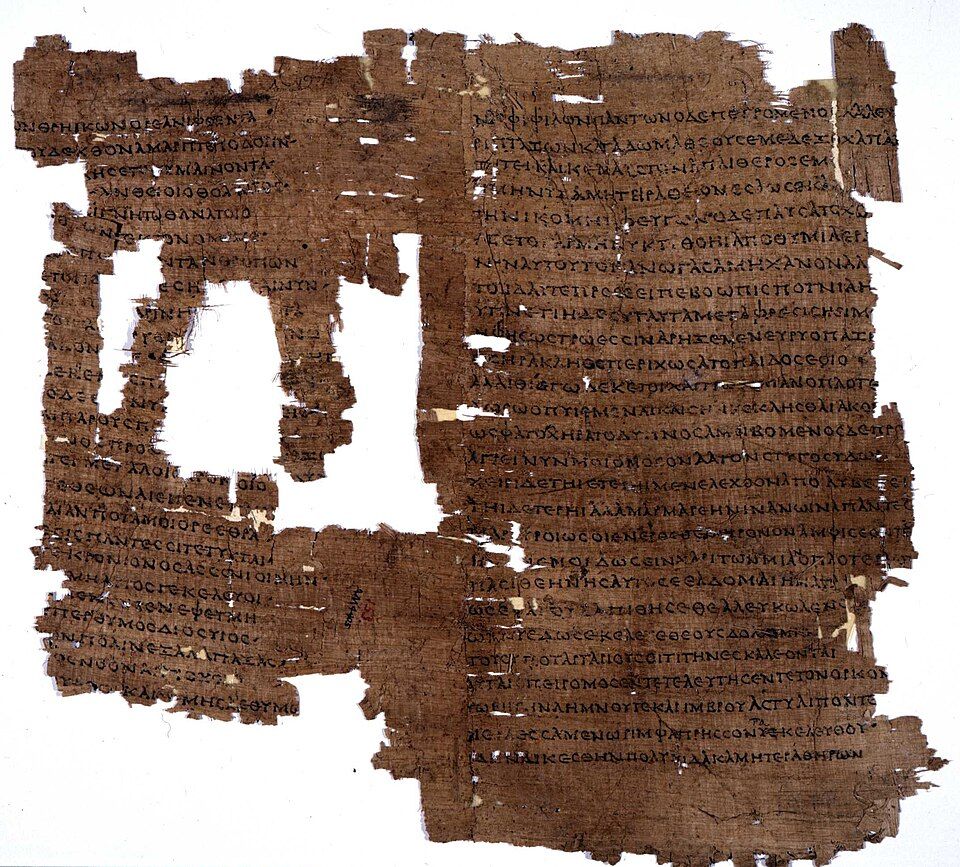
Papyrus Oxyrhynchus 551 (Princeton University Library, AM 4405), 2nd century AD: Homer, Iliad 14.227–253 and 256–263.
Princeton University Library (source of the image) · Public domain · via Wikimedia Commons · background removed
File:Papyrus Oxyrhynchus 551 - Princeton University Library, AM 4405 - Homer, Iliad XIV,227–253,256–263.jpg
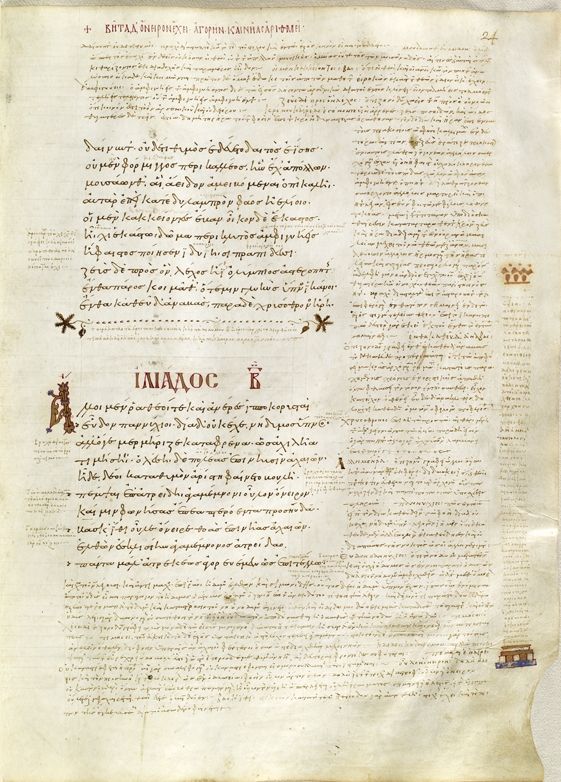
Folio 24 recto of the Venetus A (Venice, Biblioteca Marciana, Marcianus Graecus Z. 454 = 822), the Iliad with its scholia.
Homer Multitext project (source of the image) · Public domain · via Wikimedia Commons
File:VA024RN-0025.jpg
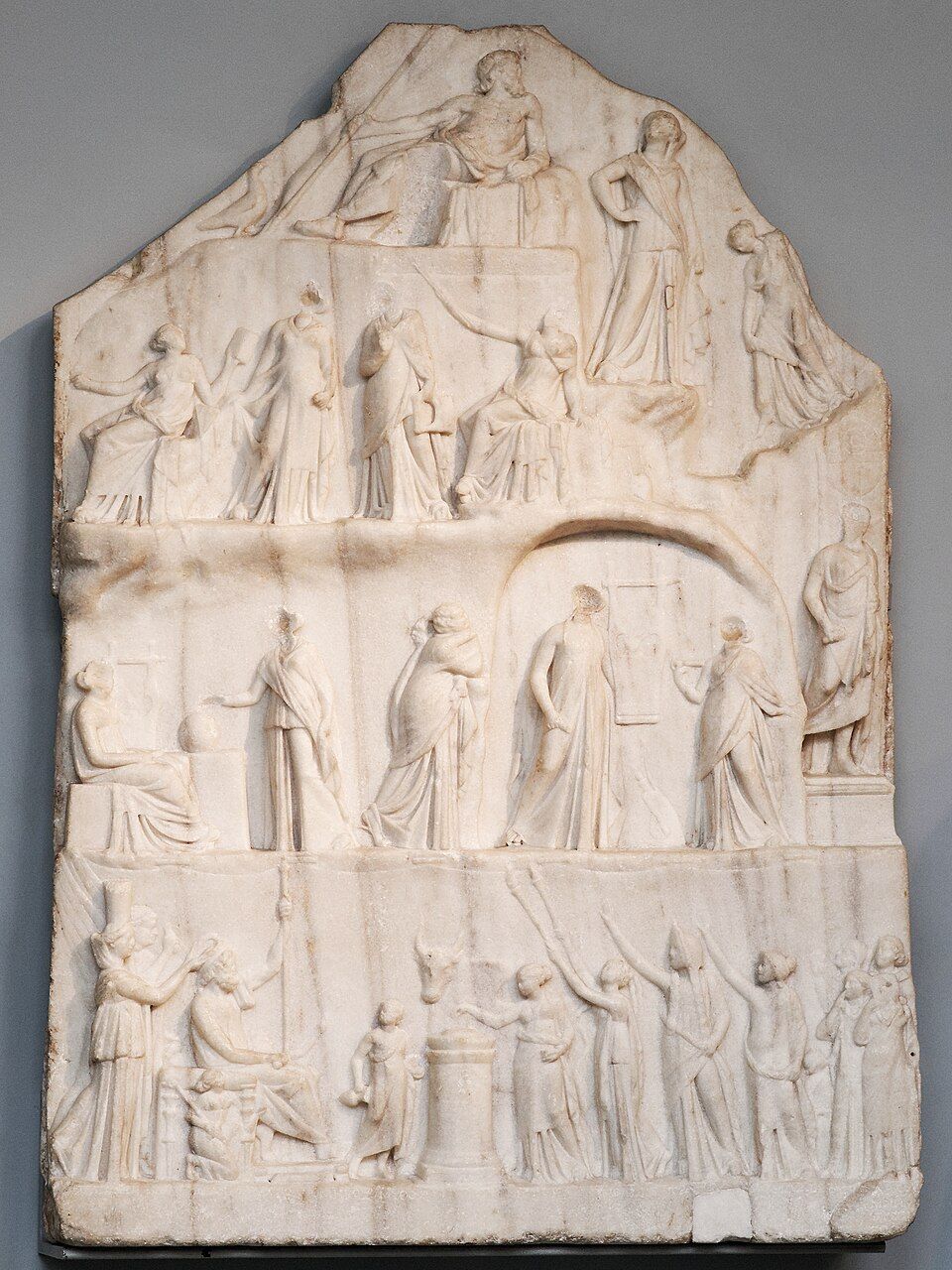
The 'Apotheosis of Homer', relief signed by Archelaos of Priene, c. 225–205 BC, probably made in Alexandria: Homer enthroned at the bottom, with History, Poetry, Tragedy and Comedy approaching; Muses in the middle tiers, Zeus at the top. London, British Museum 2191.
Archelaos of Priene (signed); photo: Marie-Lan Nguyen · Public domain · via Wikimedia Commons · background removed
File:Apotheosis Homer BM 2191.jpg
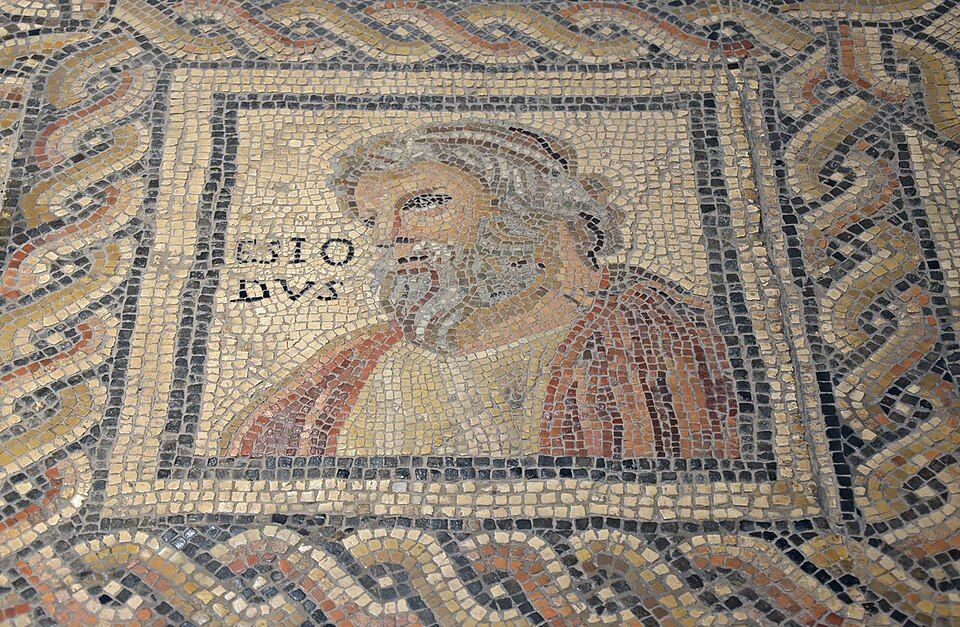
Hesiod, labelled ESIODVS, on the Monnus mosaic from a Roman house in Trier, late 3rd century AD, with literary figures, Muses, theatre masks and the months. Trier, Rheinisches Landesmuseum, inv. 10703–10724.
Carole Raddato · CC BY-SA 2.0 · via Wikimedia Commons
File:Monnus Mosaic, detail of Hesiod (ESIO-DVS) from a Roman Domus in Augusta Treverorum (Trier), end of the 3rd century AD, Rheinisches Landesmuseum Trier, Germany (30038562895).jpg
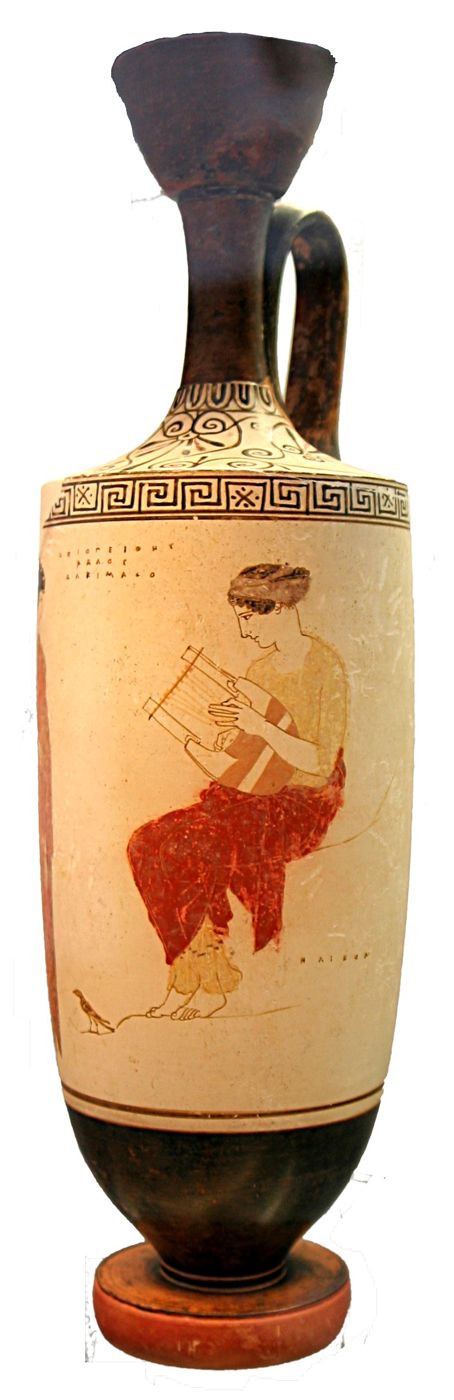
A Muse playing the lyre, seated on a rock inscribed ΗΛΙΚΟΝ (Helicon): Attic white-ground lekythos by the Achilles Painter, 440–430 BC. Munich, Staatliche Antikensammlungen S 80.
Achilles Painter; photo: Matthias Kabel · CC BY 2.5 · via Wikimedia Commons · background removed
File:Mousai Helikon Staatliche Antikensammlungen Schoen80 full.jpg
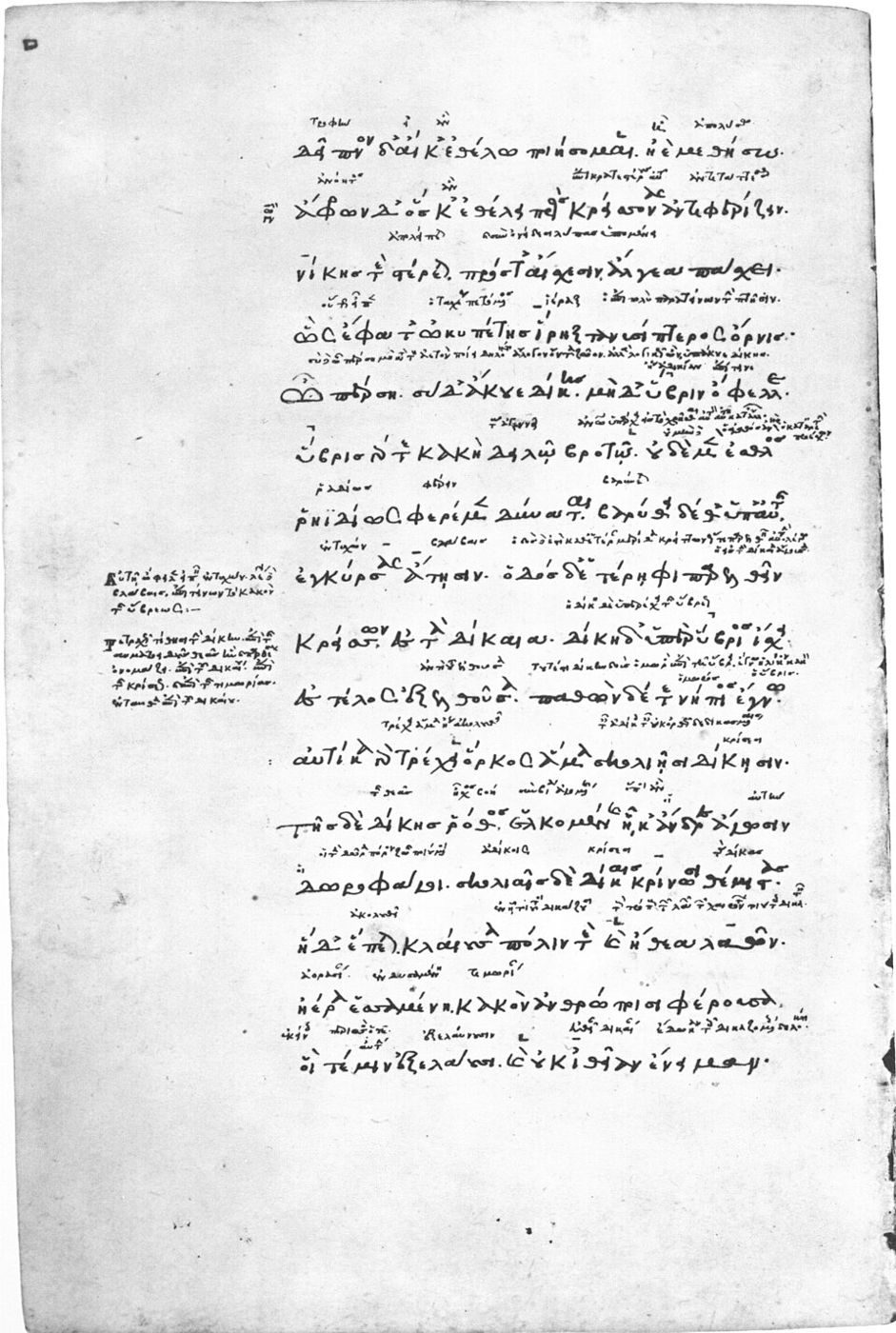
Hesiod, Works and Days 209–224, with scholia by Manuel Moschopoulos: Venice, Biblioteca Marciana, gr. 464, fol. 26v (1316).
Biblioteca Marciana manuscript (reproduction) · Public domain · via Wikimedia Commons
File:Hesiod, Works and Days, Venice, Gr. 464.jpg
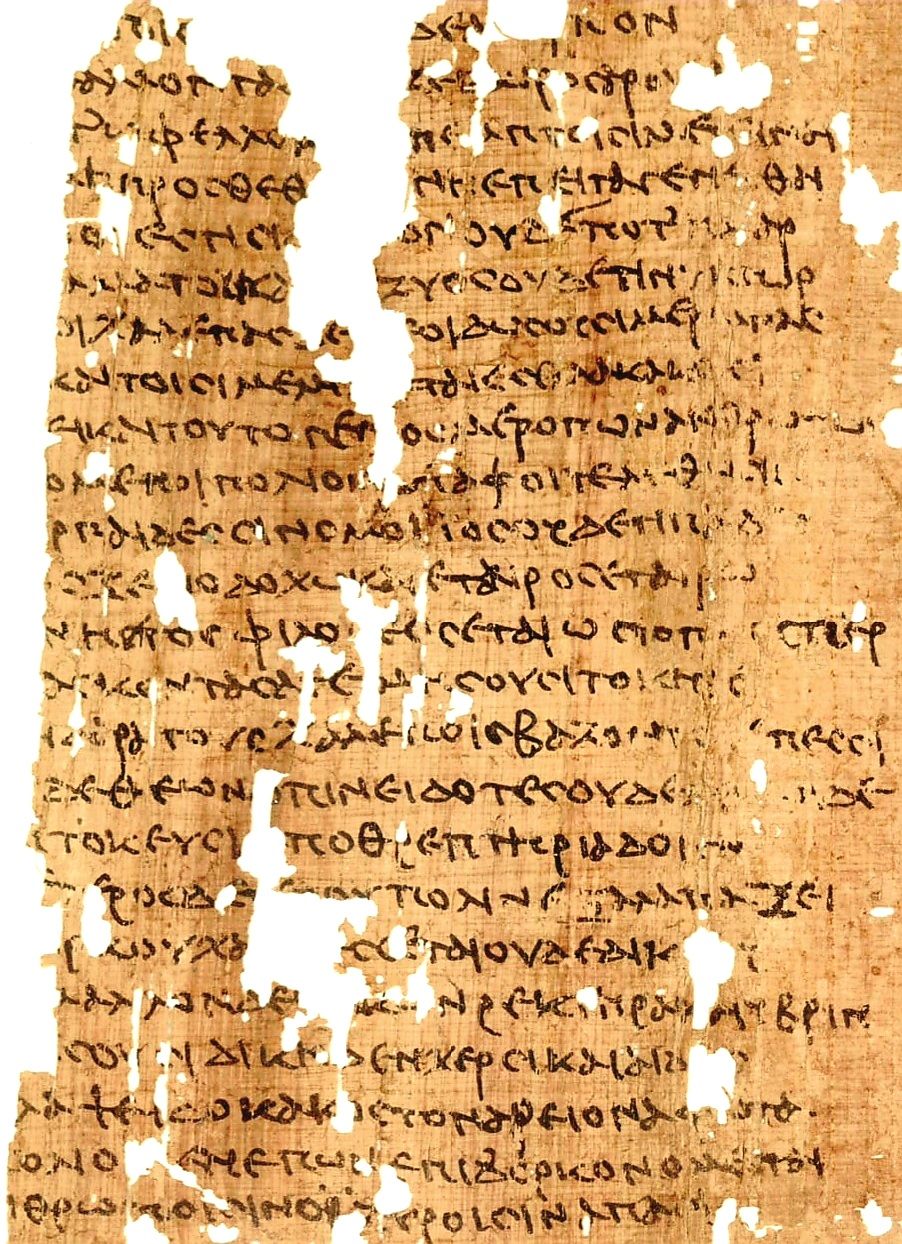
Hesiod, Works and Days 172–195 (detail): Papyrus Oxyrhynchus 3223.
Monsieursven · CC0 · via Wikimedia Commons · background removed
File:Oxy45.n3223.Détail.jpg
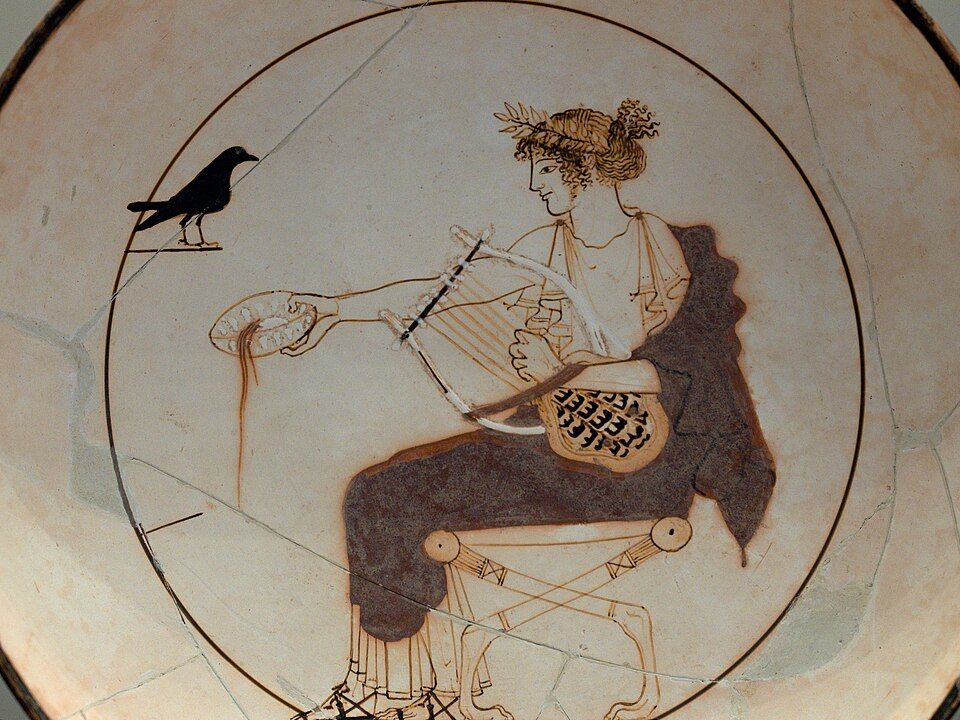
Apollo, wreathed, seated on a lion-footed stool, holds a lyre and pours a libation; a black bird faces him. Tondo of an Attic white-ground kylix attributed to the Pistoxenos Painter (or the Berlin Painter, or Onesimos), from a tomb at Delphi. Delphi, Archaeological Museum 8140.
photo: Zde · CC BY-SA 4.0 · via Wikimedia Commons
File:Kylix with Apollo, AM of Delphi 8140, 201390.jpg
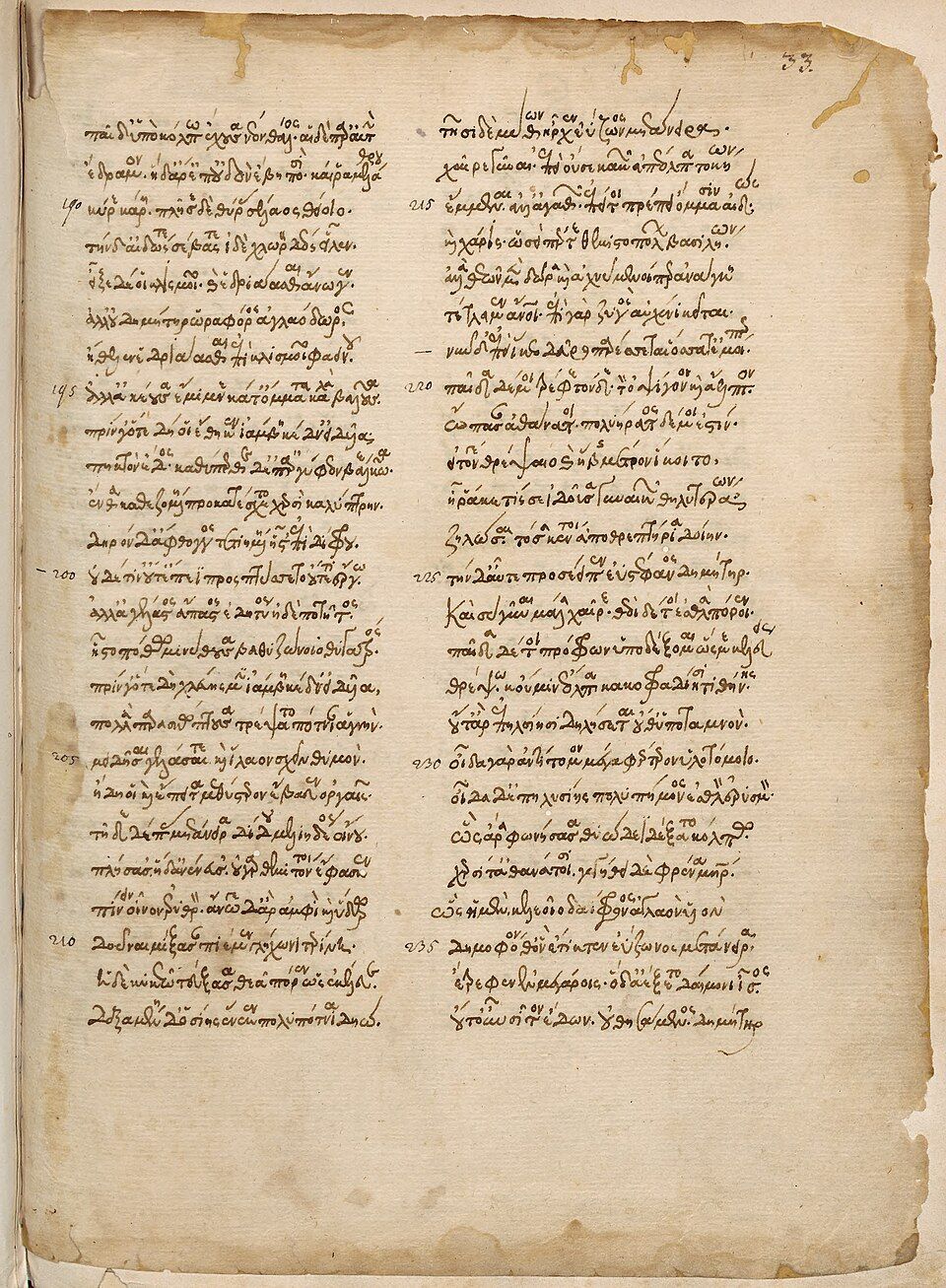
Homeric Hymn to Demeter 187–236: Leiden University Libraries, BPG 33 H, fol. 33r (15th-century manuscript).
Leiden University Libraries · Public domain · via Wikimedia Commons
File:Leiden BPG 33 H fol 33r - Homeric Hymn to Demeter 187-236.jpg
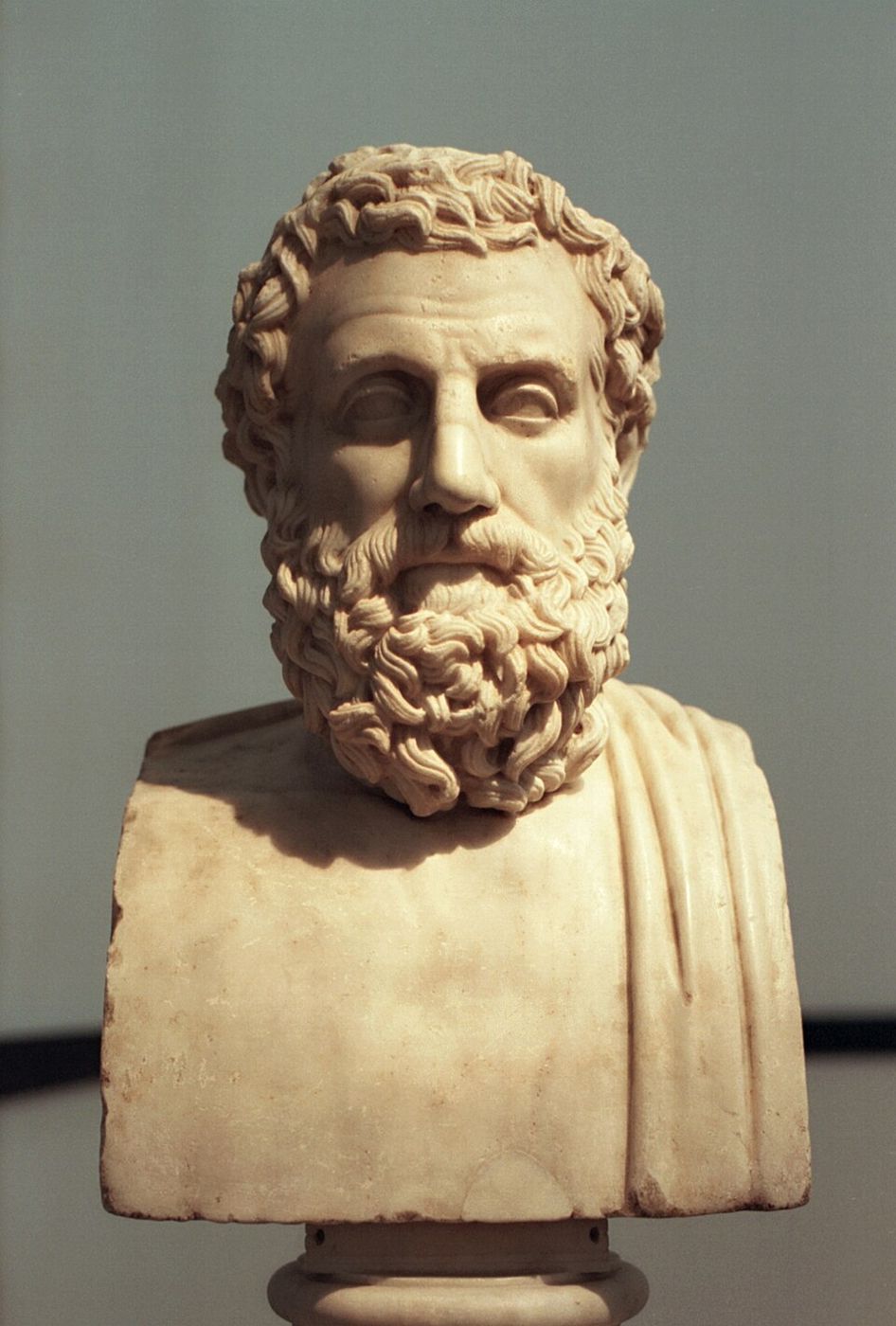
Herm of Aeschylus: Roman marble of about 30 BC after a Greek bronze of 340–320 BC. Naples, Museo Archeologico Nazionale (photographed at the exhibition 'Klassik', Berlin, 2002).
Zde · CC BY-SA 4.0 · via Wikimedia Commons · background removed
File:Herma of Aeschylus, Klas08.jpg
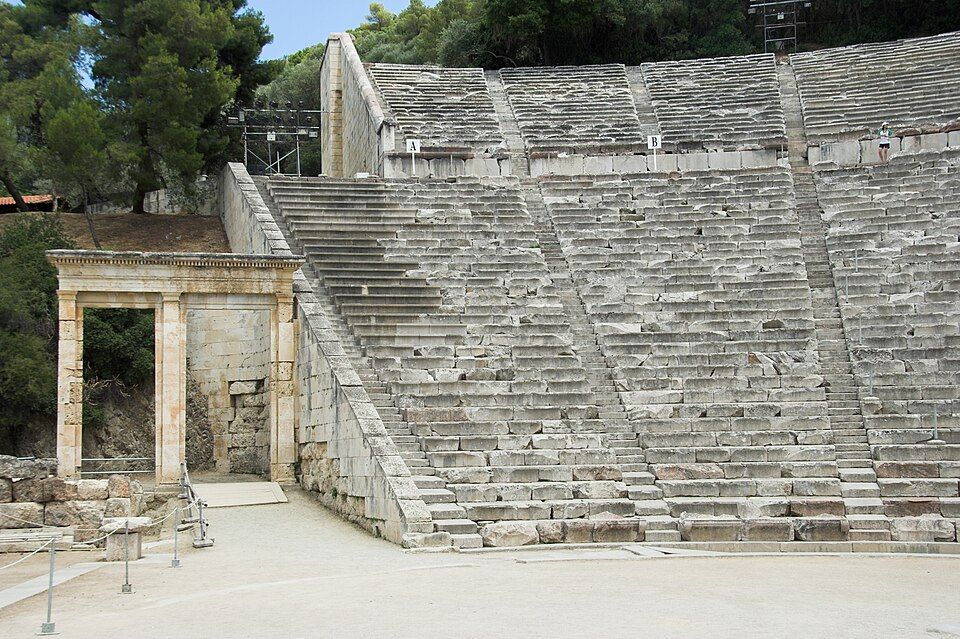
The ancient theatre of Epidaurus.
Zde · CC BY-SA 4.0 · via Wikimedia Commons
File:Theatre of Epidaurus, 091172.jpg
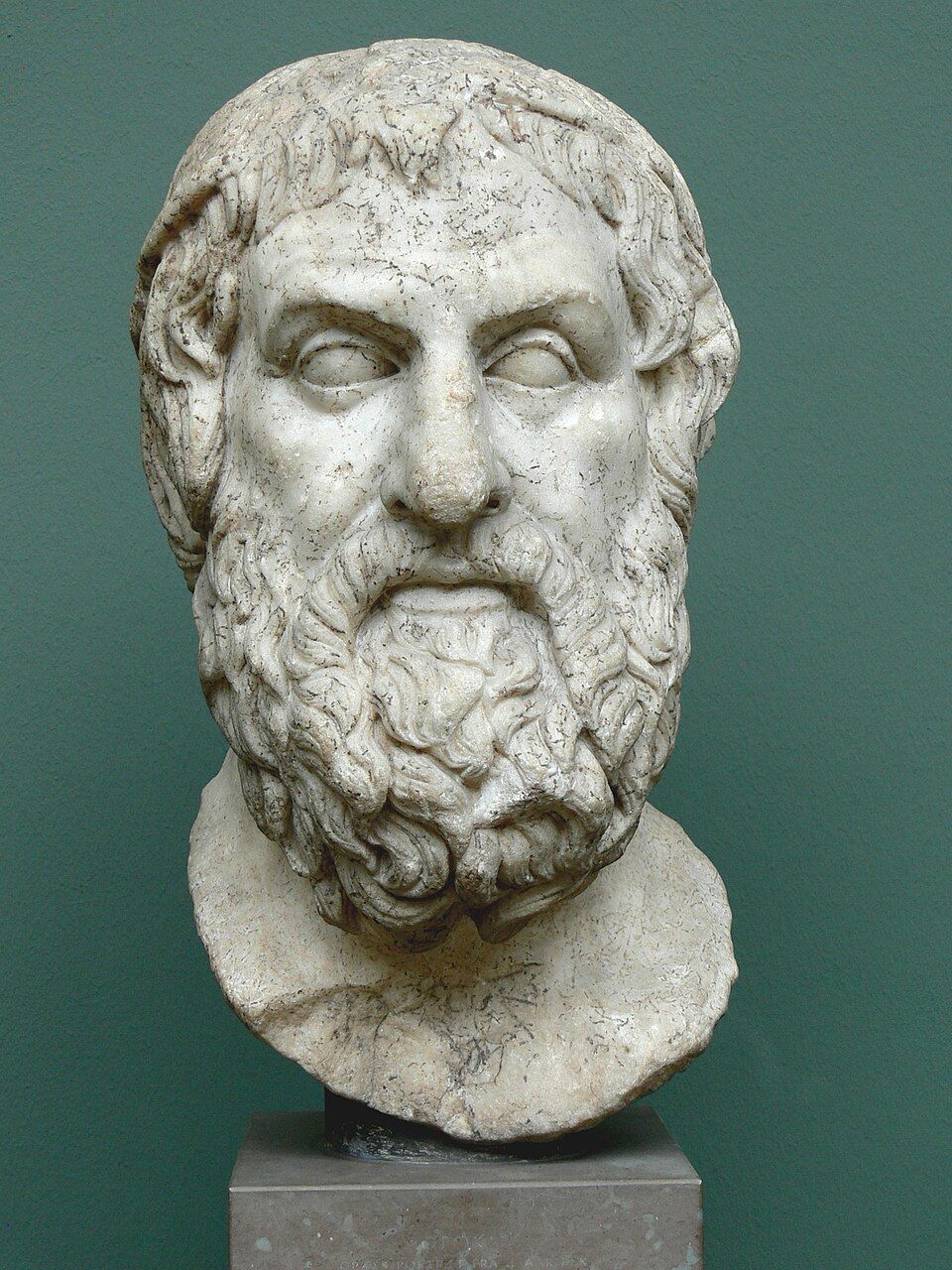
Bust of Sophocles, Roman copy after a Greek original of 270 BC (date as the file page gives it). Copenhagen, Ny Carlsberg Glyptotek IN 608.
Wolfgang Sauber · CC BY-SA 3.0 · via Wikimedia Commons
File:Ny Carlsberg Glyptothek - Sophokles.jpg
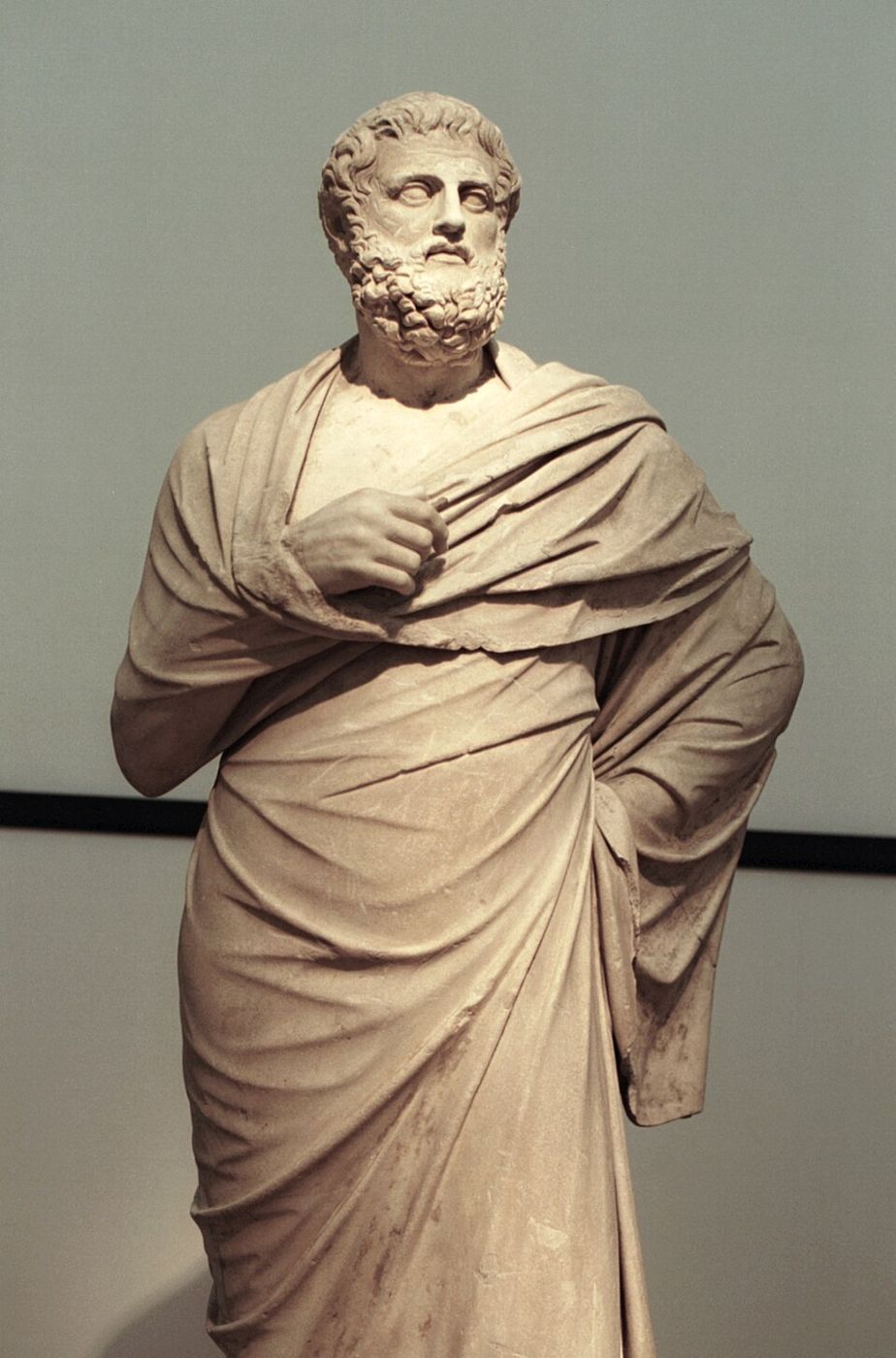
Statue of Sophocles from Terracina: Roman marble of about 30 BC after a Greek bronze of 340–330 BC (photographed at the exhibition 'Klassik', Berlin, 2002).
Zde · CC BY-SA 4.0 · via Wikimedia Commons
File:Sophocles, Roman Age marble statue after Greek original, Klas07.jpg
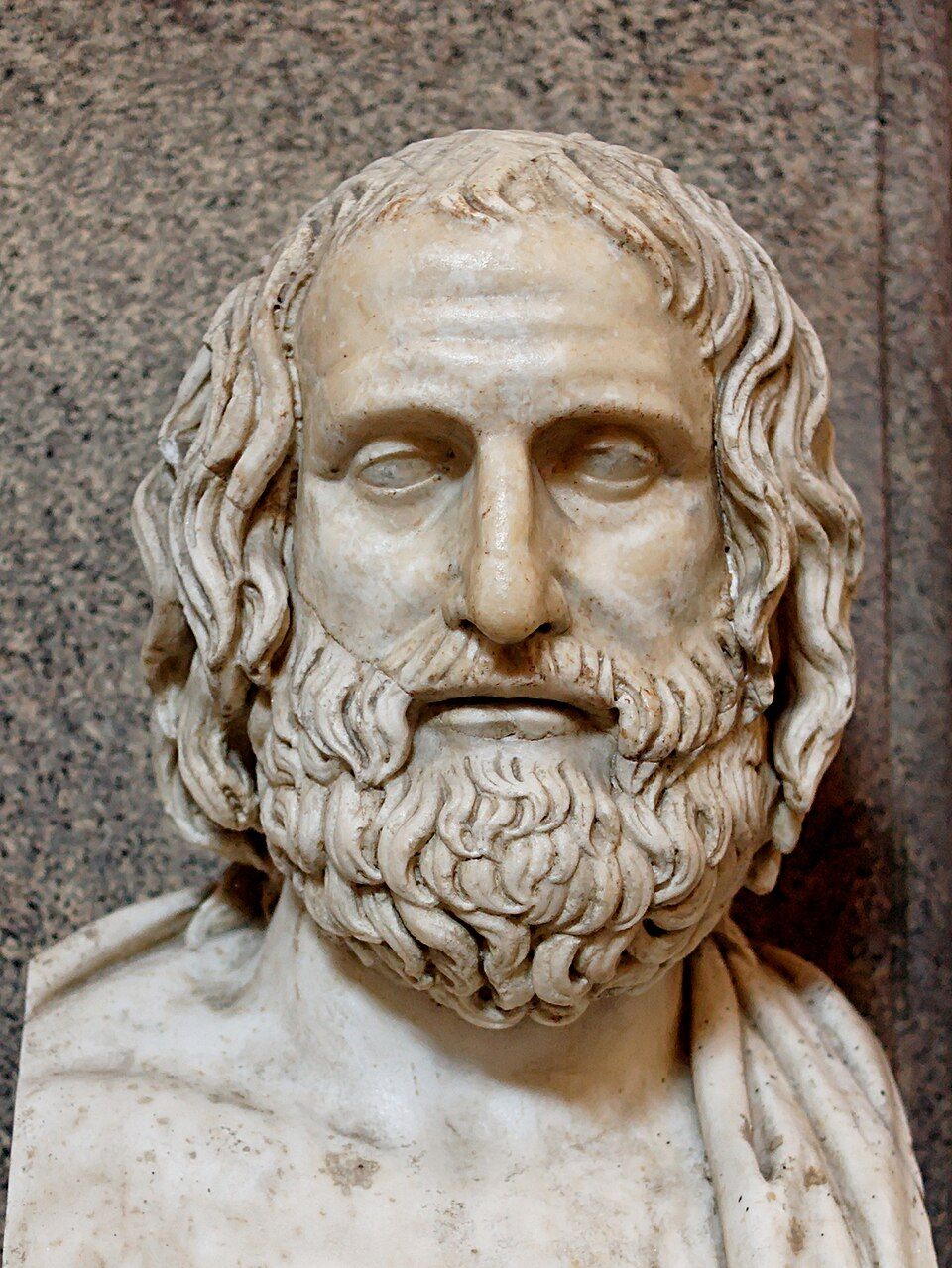
Bust of Euripides: Roman copy after a Greek original of about 330 BC. Vatican, Museo Pio-Clementino (Hall of the Muses), inv. 302.
Marie-Lan Nguyen · Public domain · via Wikimedia Commons
File:Euripides Pio-Clementino Inv302.jpg
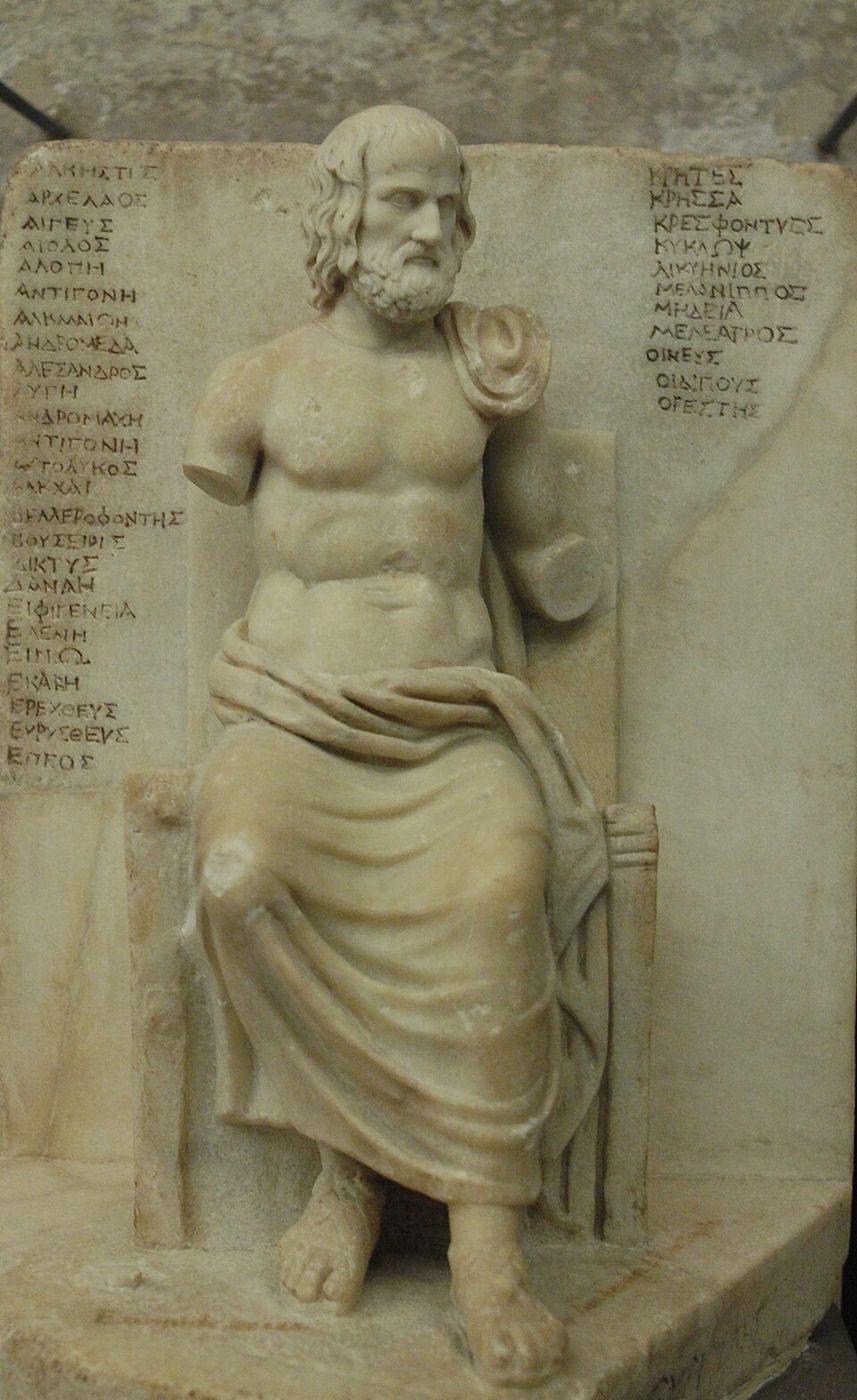
Seated statuette of Euripides, identified by an inscription on the base; on the panel behind are listed some of his plays. Marble, 2nd century AD, found on the Esquiline, Rome, in 1704; the head is restored after a bust in Naples. Paris, Louvre Ma 343.
photo: Jastrow · Public domain · via Wikimedia Commons
File:Seated Euripides Louvre Ma343.jpg
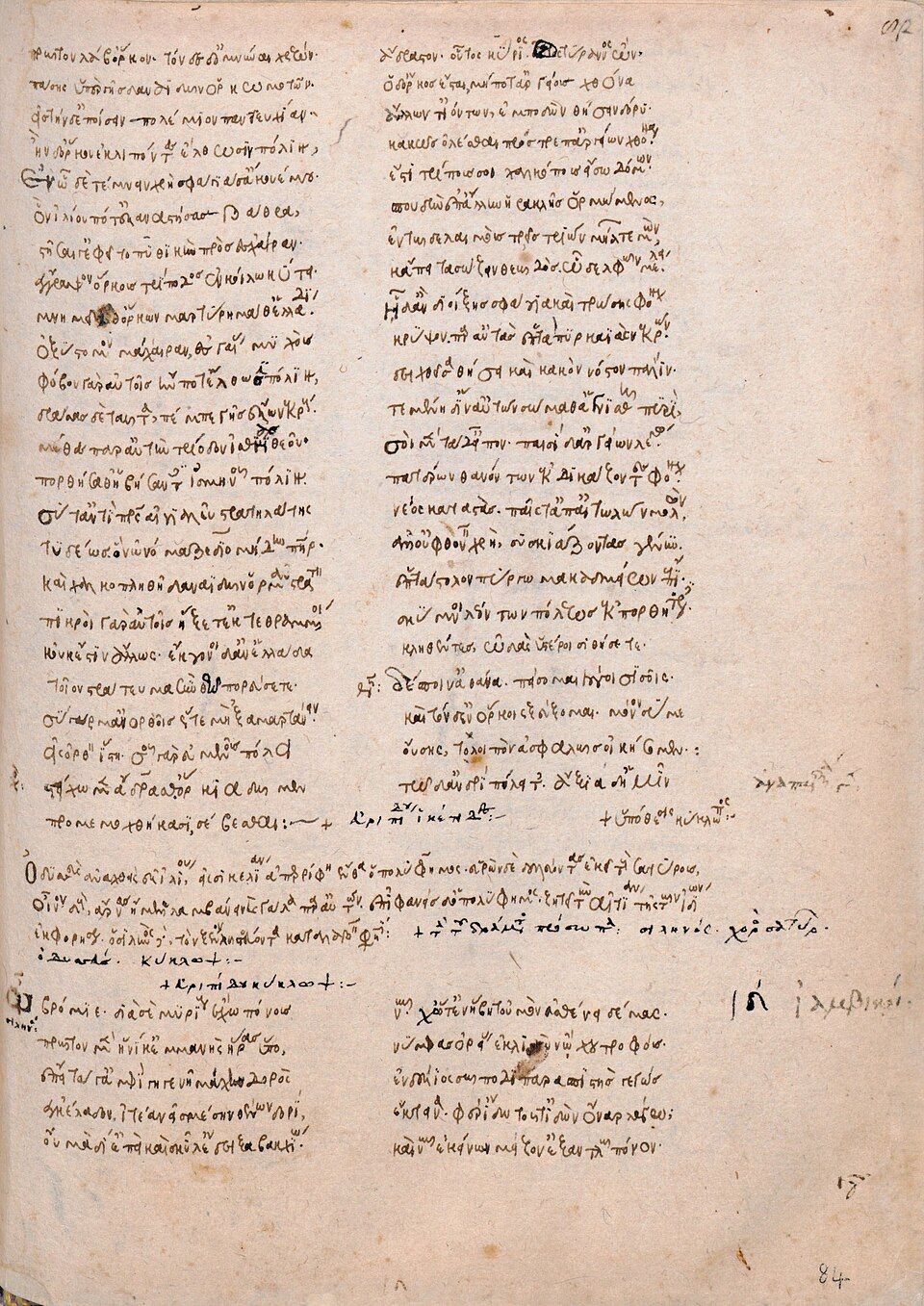
Euripides, Cyclops, with its hypothesis: Florence, Biblioteca Medicea Laurenziana, Plut. 32.2, fol. 84r (14th century).
Biblioteca Medicea Laurenziana (digitised image) · Public domain · via Wikimedia Commons
File:Euripides - Cyclops - Biblioteca Medicea Laurenziana (Plut.32.2 (84r)).jpg
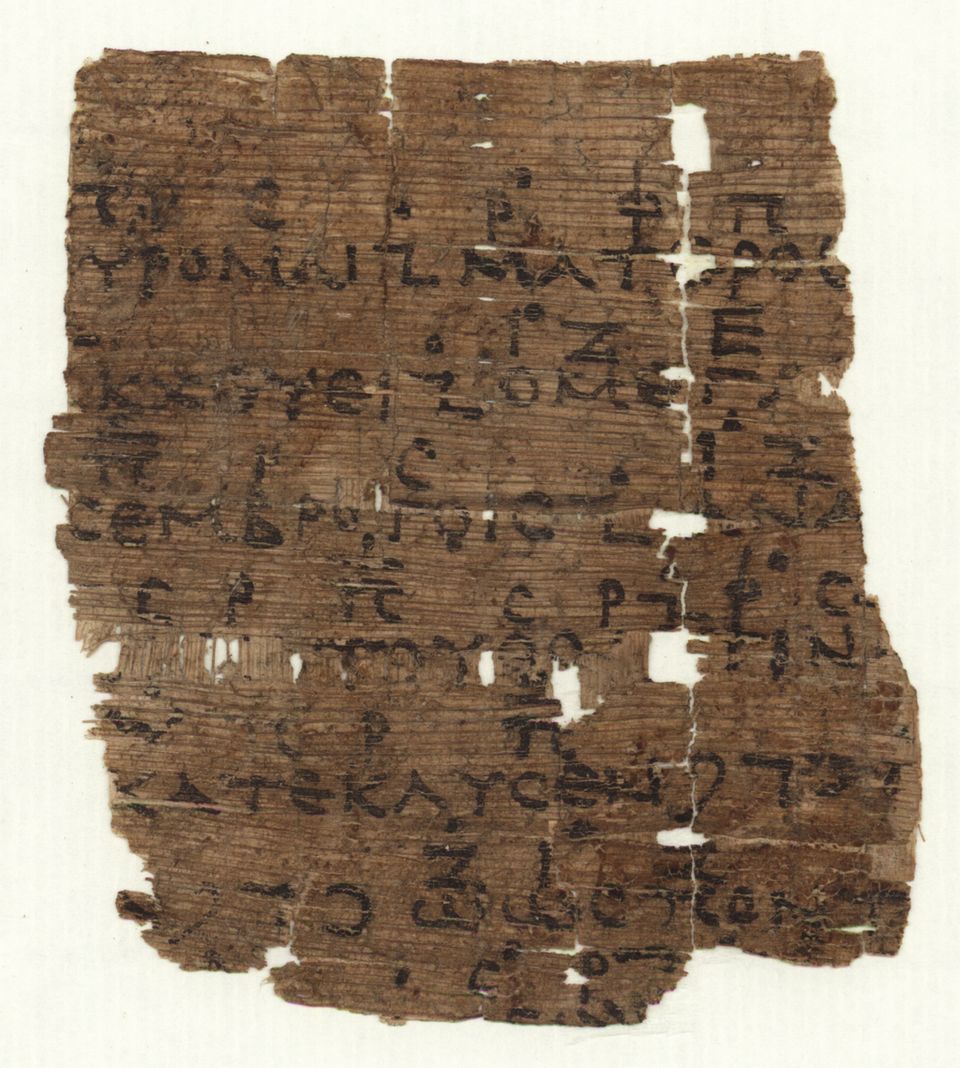
Euripides, Orestes 338–344, from a choral song, with vocal and instrumental notation above the words: papyrus written around 200 BC at Hermopolis. Vienna, Austrian National Library.
Austrian National Library, via the World Digital Library · Public domain · via Wikimedia Commons · background removed
File:Orestes 338-44 WDL4309.png
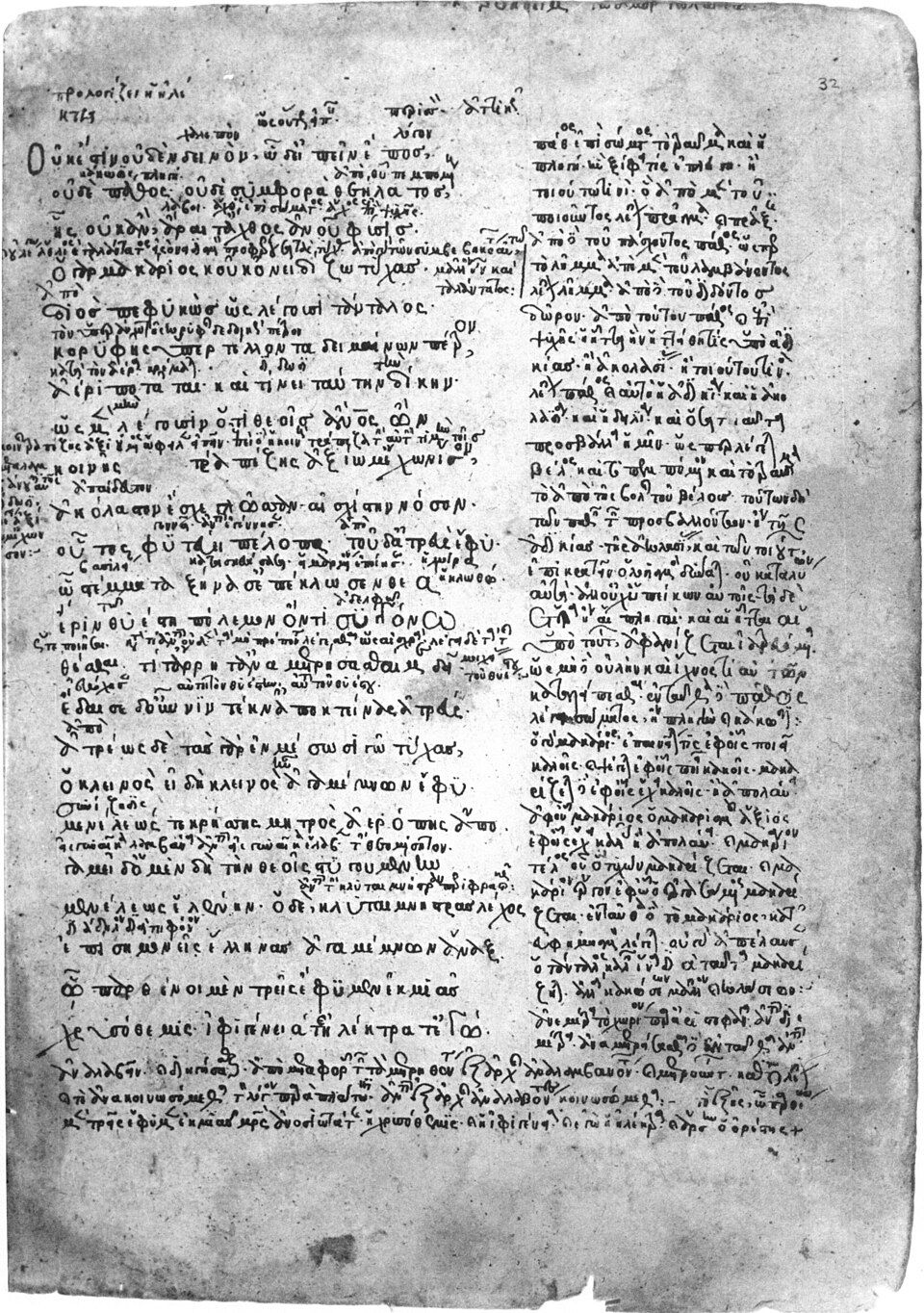
Euripides, Orestes 1–23 with scholia: Oxford, Bodleian Library, MS. Barocci 120, fol. 32r (early 14th century).
Bodleian Library manuscript (reproduction) · Public domain · via Wikimedia Commons
File:Euripides, Orestes, Oxford, MS. Barocci 120.jpg
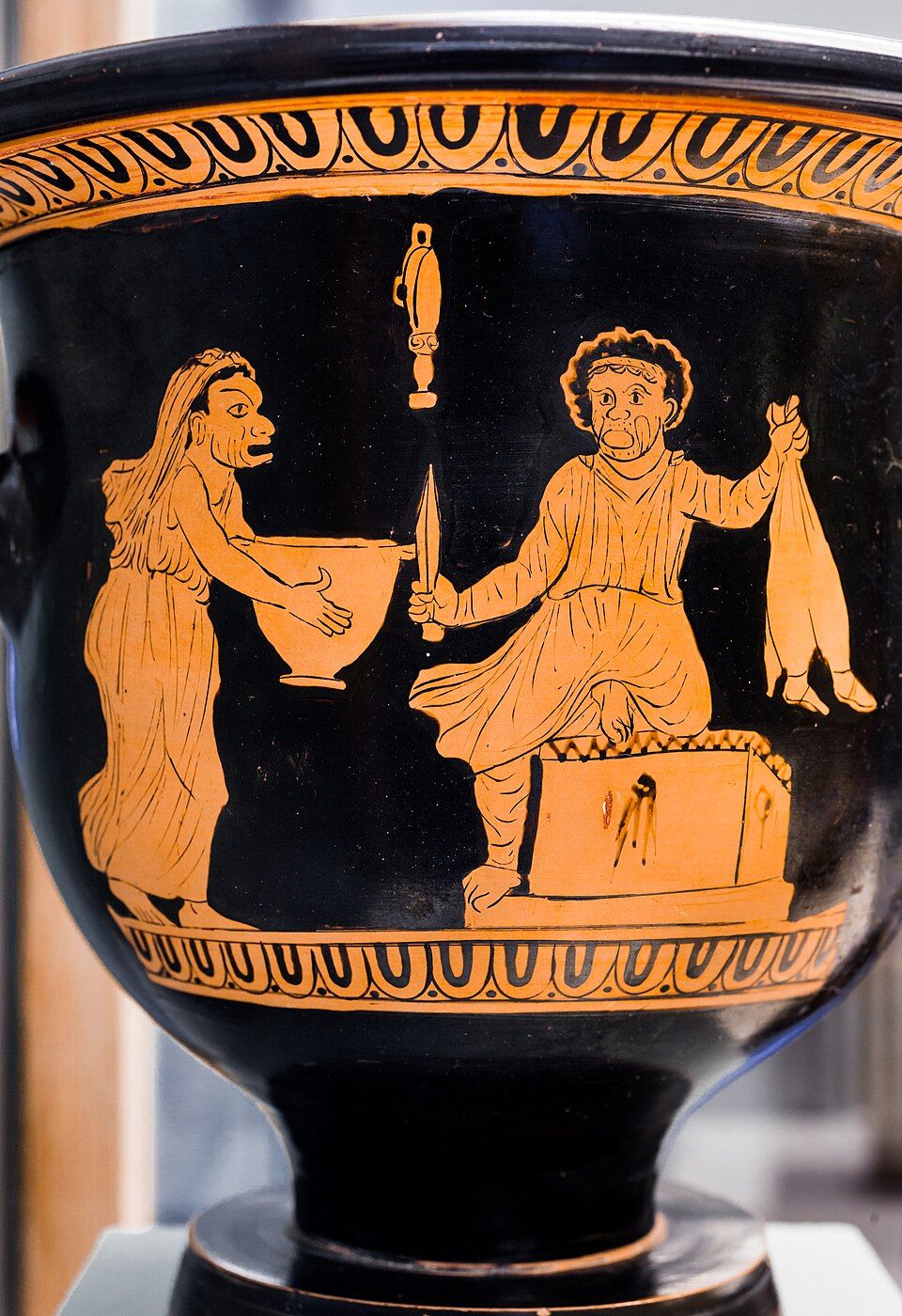
Parody of Euripides' Telephos as in Aristophanes' Thesmophoriazusae, played as a phlyax farce: a man kneeling on an altar threatens a wineskin dressed as a baby; an old woman holds a cup. Apulian red-figure bell-krater by the Schiller Painter, c. 370 BC. Würzburg, Martin von Wagner Museum H 5697.
Schiller Painter; photo: ArchaiOptix · CC BY-SA 4.0 · via Wikimedia Commons
File:Schiller Painter - RVAp 4-4a - Thesmophoriazousai as phlyax play - youths - Würzburg MvWM H 5697 - 04.jpg
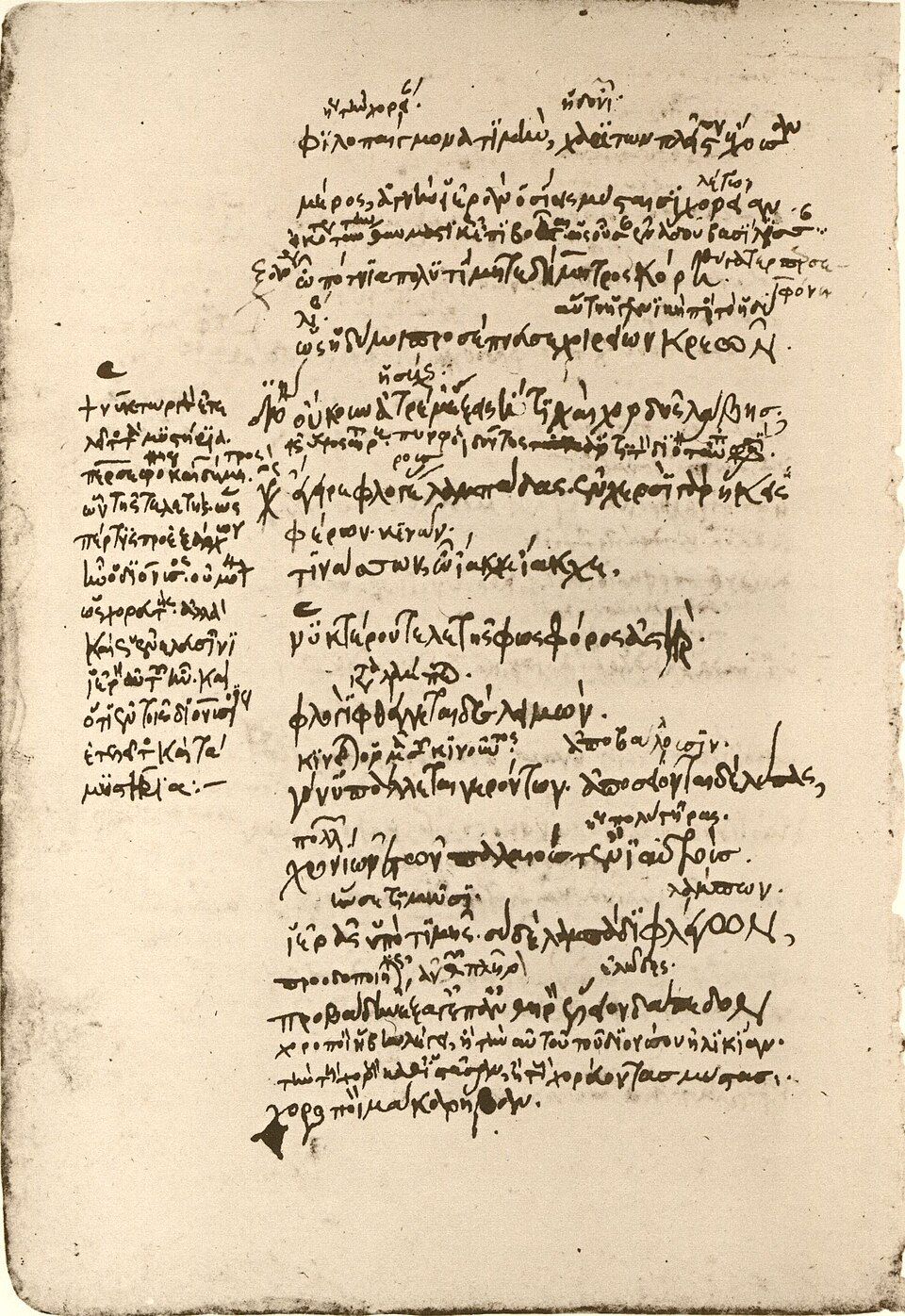
Aristophanes, Frogs, with scholia: Vatican, Biblioteca Apostolica Vaticana, Vat. gr. 918, fol. 116v (1362).
Biblioteca Apostolica Vaticana manuscript (reproduction) · Public domain · via Wikimedia Commons
File:Aristophanes, The Frogs, Vaticanus graecus 918.jpg
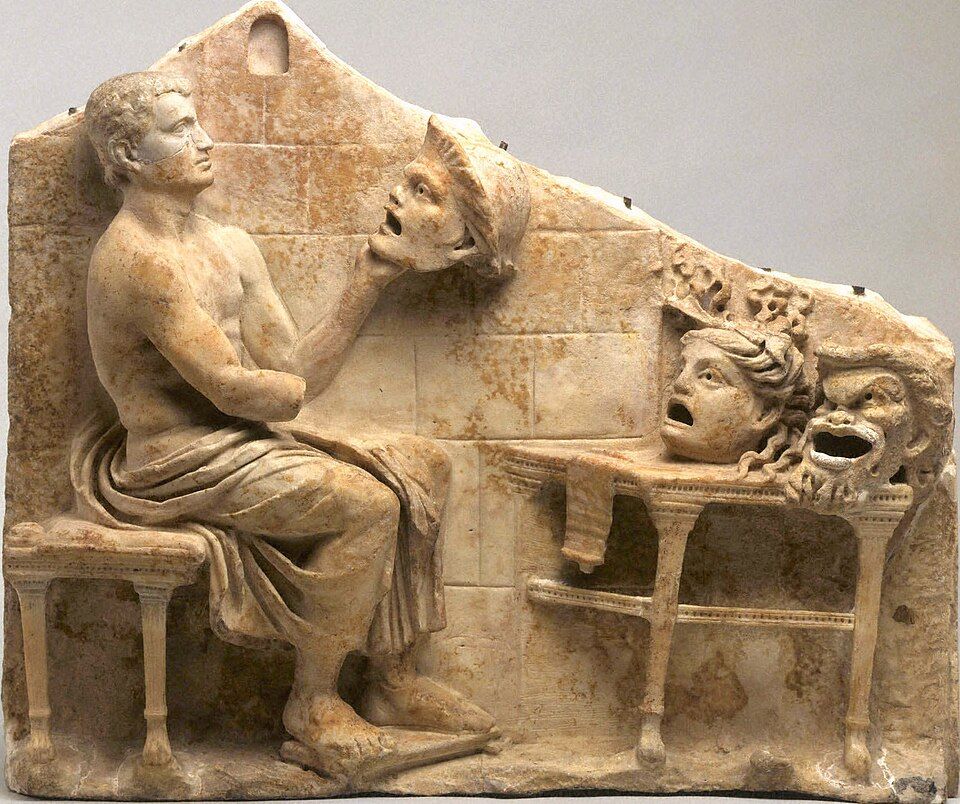
Relief of a seated poet (Menander) with masks of New Comedy (youth, false maiden, old man): Roman, 1st century BC – early 1st century AD. Princeton University Art Museum y1951-1.
Dave & Margie Hill / Kleerup · Public domain · via Wikimedia Commons
File:Relief with Menander and New Comedy Masks - Princeton Art Museum.jpg
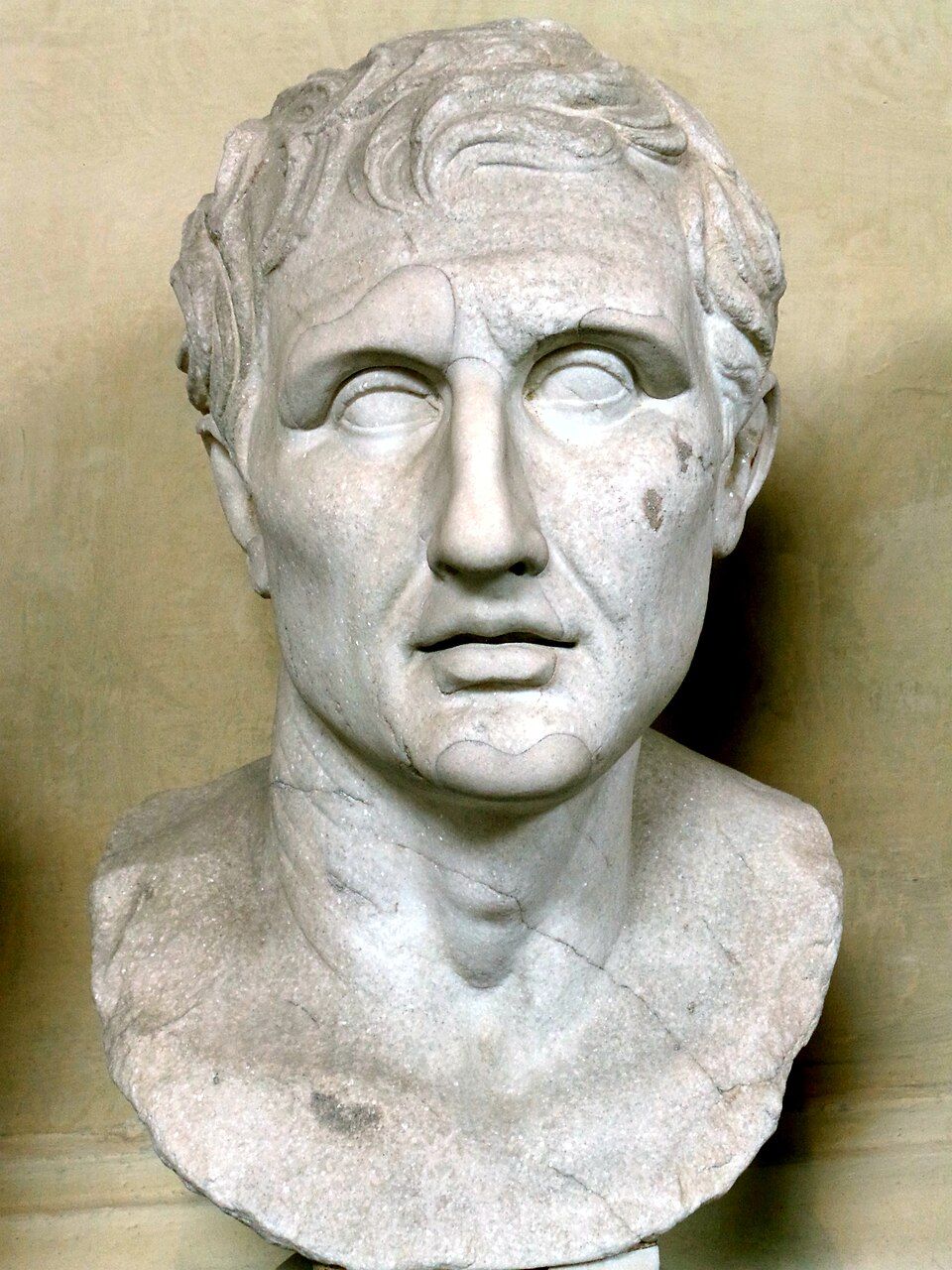
Portrait of Menander, Roman copy of the early 2nd century AD. Vatican Museums, inv. 1453.
Rabax63 · CC BY-SA 4.0 · via Wikimedia Commons · background removed
File:Menander (Vatikanische Museen).jpg
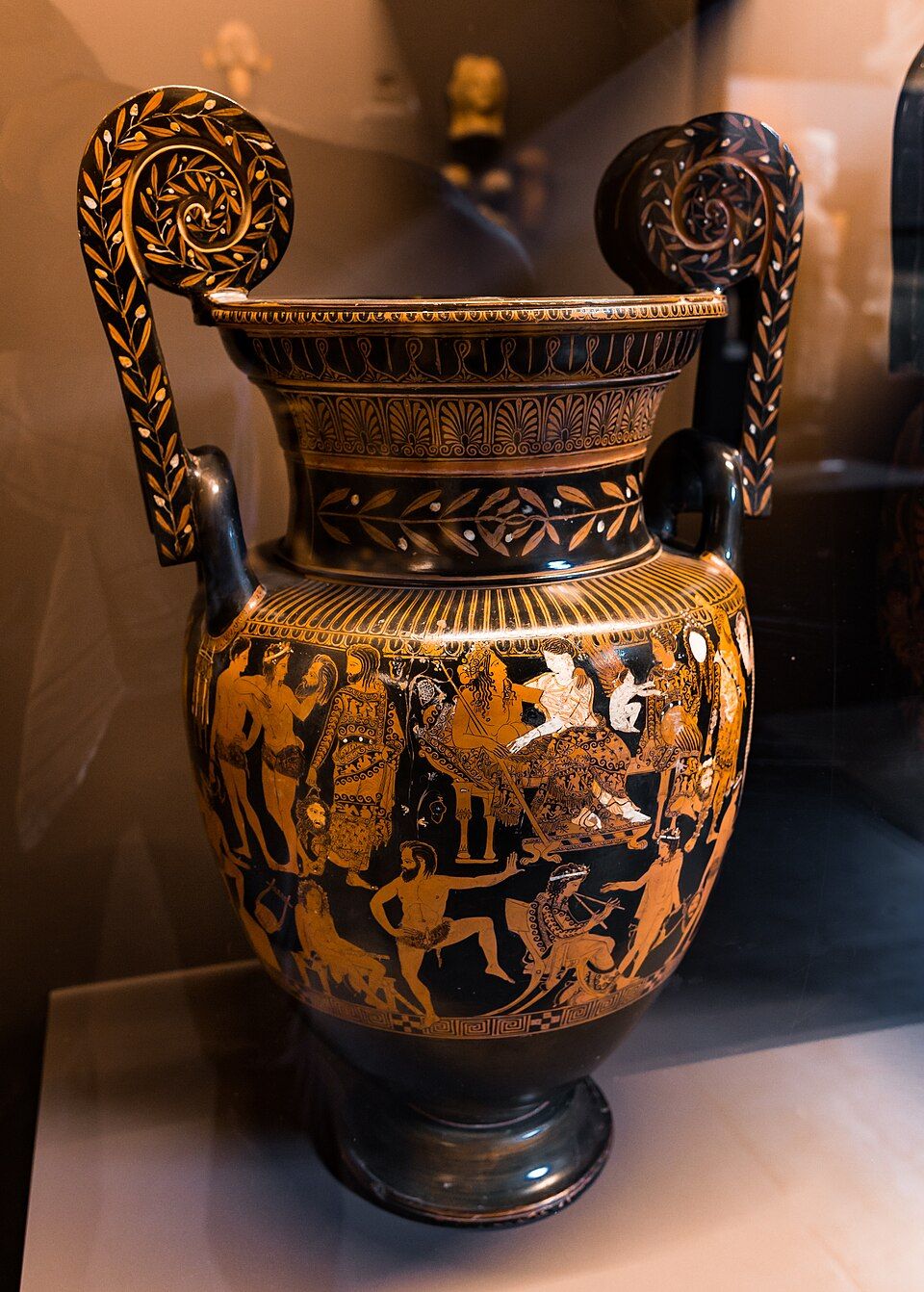
The Pronomos vase: the cast of a satyr play with Dionysos and Ariadne, actors holding their masks, and the aulos-player Pronomos seated playing. Attic red-figure volute-krater by the Pronomos Painter, c. 410–400/390 BC, from Ruvo. Naples, Museo Archeologico Nazionale 81673.
Pronomos Painter; photo: ArchaiOptix · CC BY-SA 4.0 · via Wikimedia Commons · background removed
File:Pronomos Painter - ARV 1336 1 - satyr play with Herakles - Dionysos and Ariadne with satyrs and maenads - Napoli MAN 81673 - 01.jpg
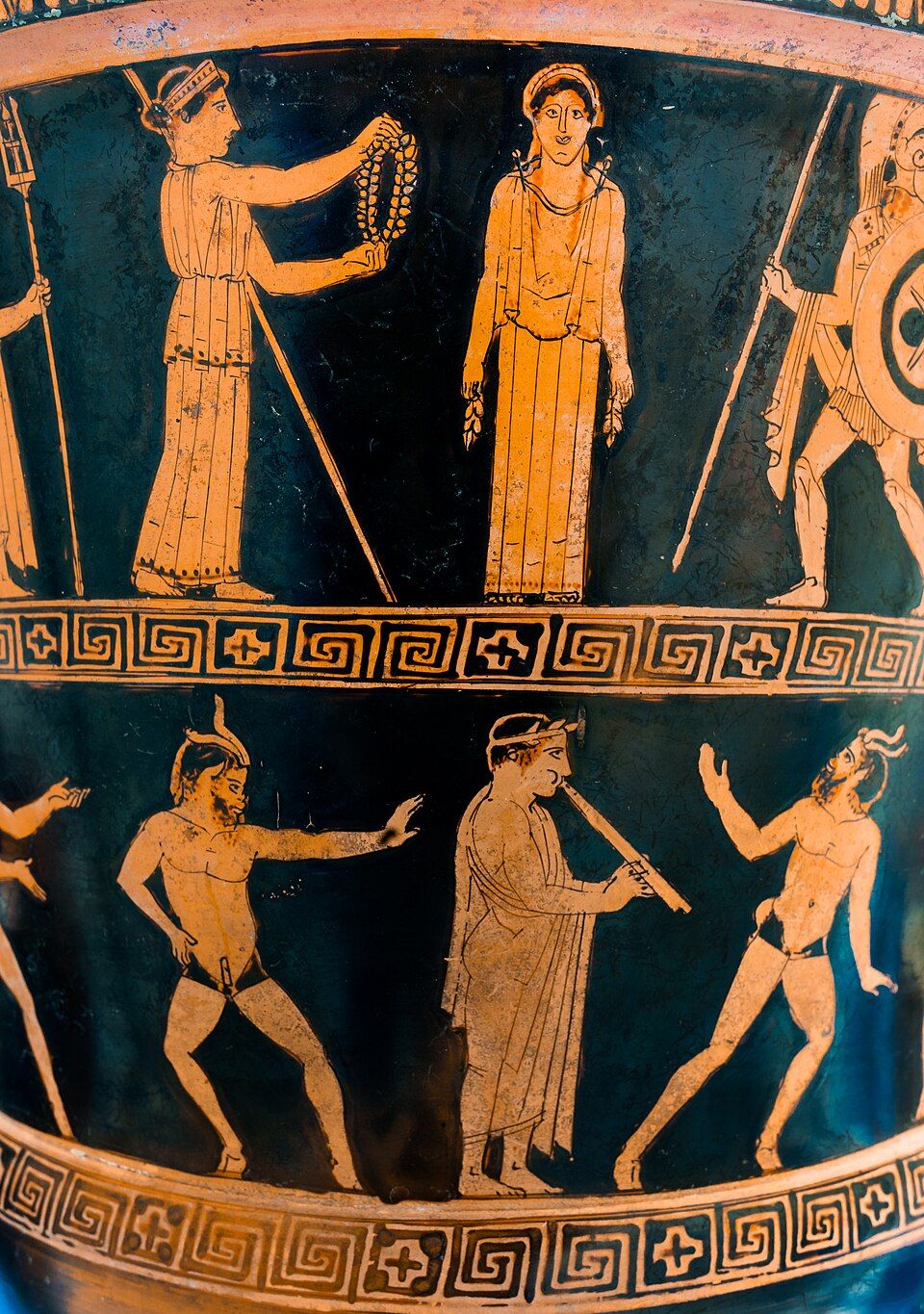
Attic red-figure calyx-krater by the Niobid Painter, c. 460–450 BC: the creation of Pandora above; below, an aulos-player and a dancing chorus. London, British Museum 1856,1213.1.
Niobid Painter; photo: ArchaiOptix · CC BY-SA 4.0 · via Wikimedia Commons
File:Niobid Painter ARV 601 23 creation of Pandora - chorus of women - Pans - satyrs and maenad (01).jpg
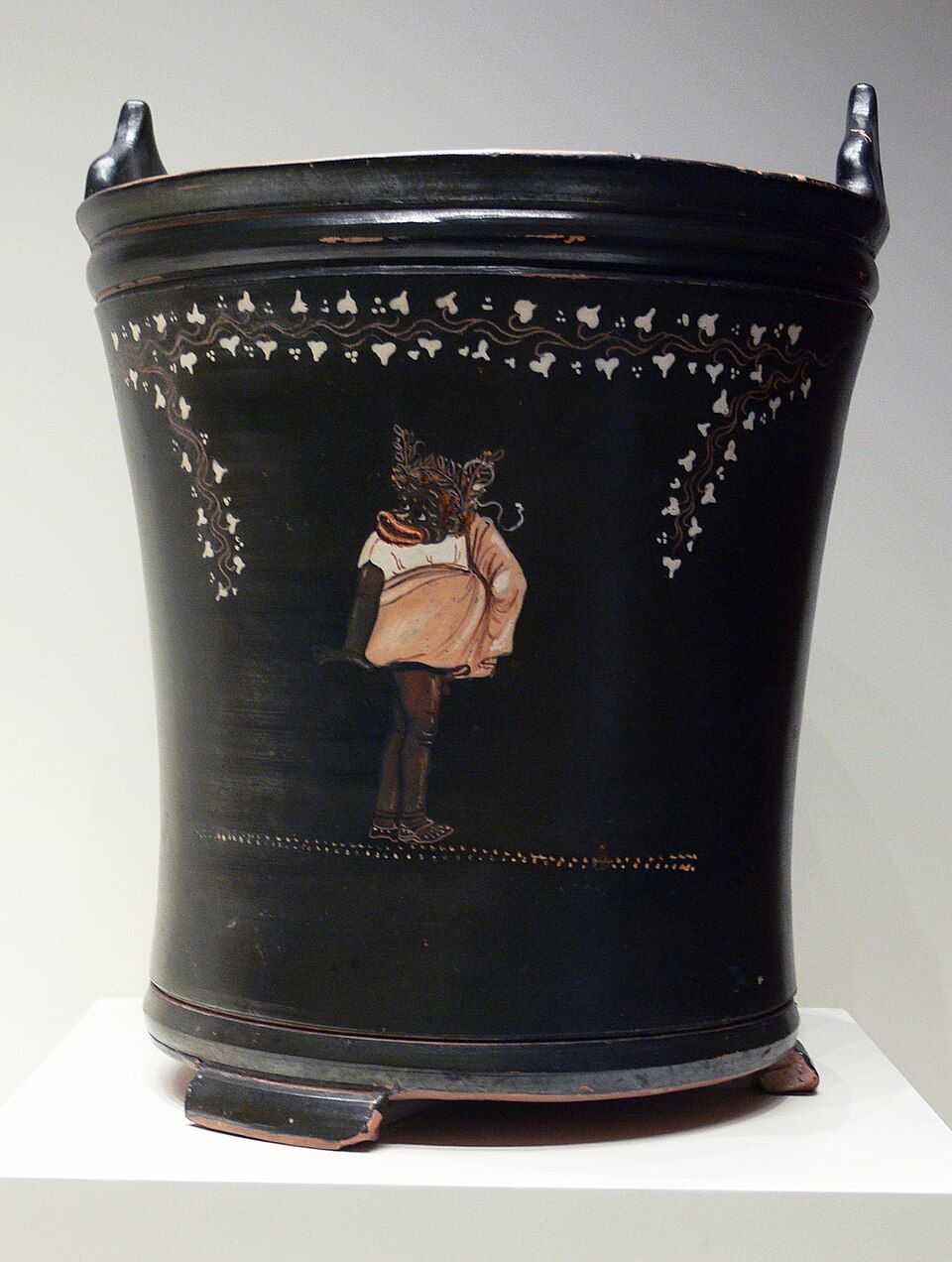
Gnathian situla with a comic actor, attributed to the workshop of the Konnakis Painter, 360–350 BC. Malibu, J. Paul Getty Museum 96.AE.118.
Workshop of the Konnakis Painter; photo: Rémi Mathis · CC BY-SA 3.0 · via Wikimedia Commons · background removed
File:Getty Villa - Comic with a comic actor - inv. 96.AE.118.jpg
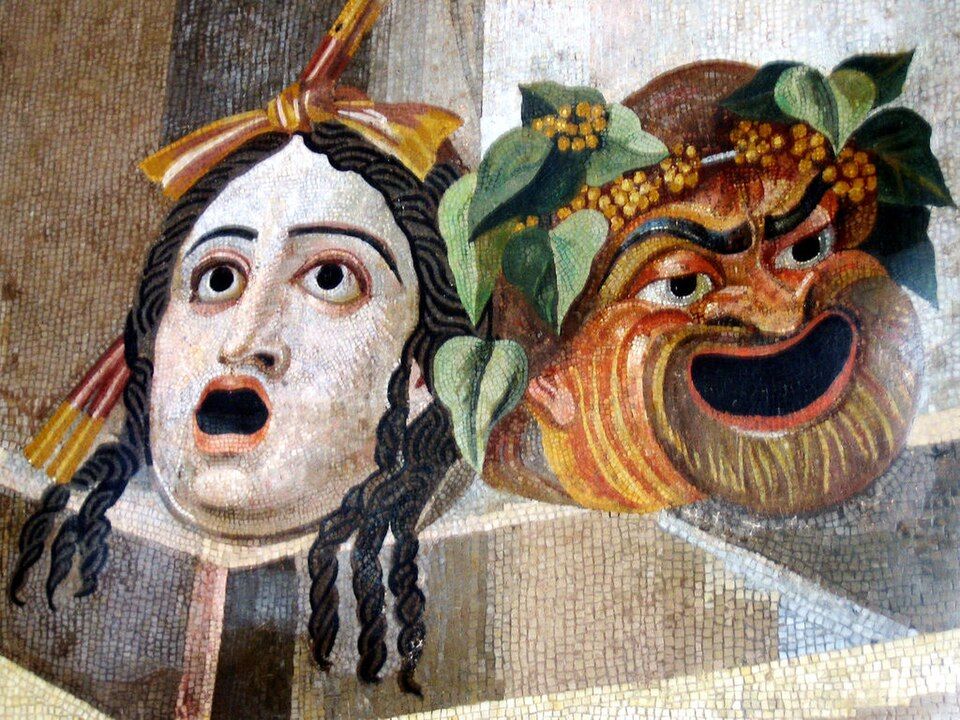
Mosaic with masks of tragedy and comedy, Roman, 2nd century AD. Rome, Musei Capitolini.
antmoose (photo; uploaded by Wetman) · Public domain · via Wikimedia Commons
File:Tragic comic masks - roman mosaic.jpg
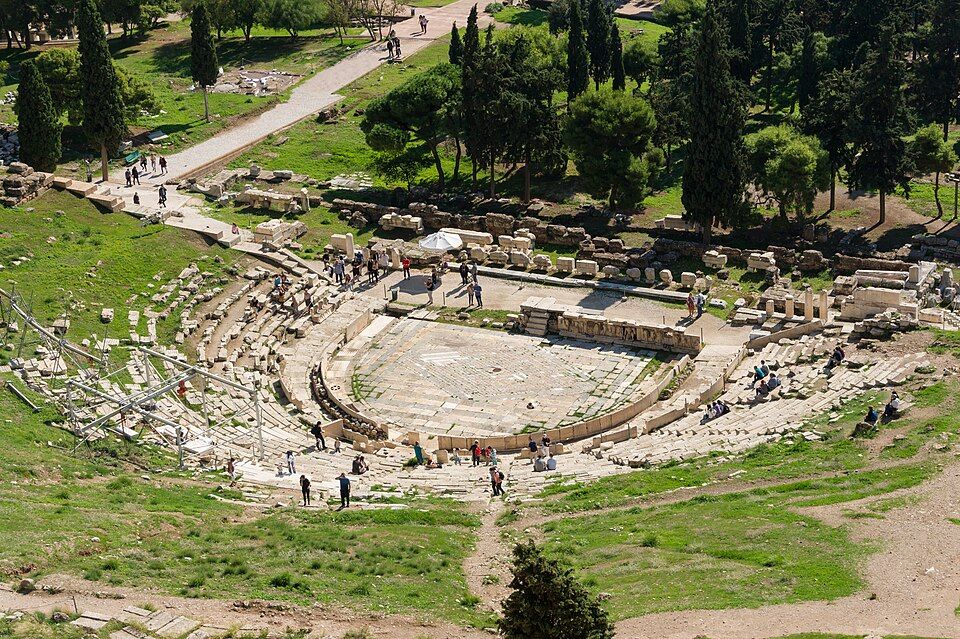
The theatre of Dionysus on the south slope of the Acropolis, Athens.
Jebulon · CC0 · via Wikimedia Commons
File:Theatre of Dionysus Acropolis Athens Greece.jpg
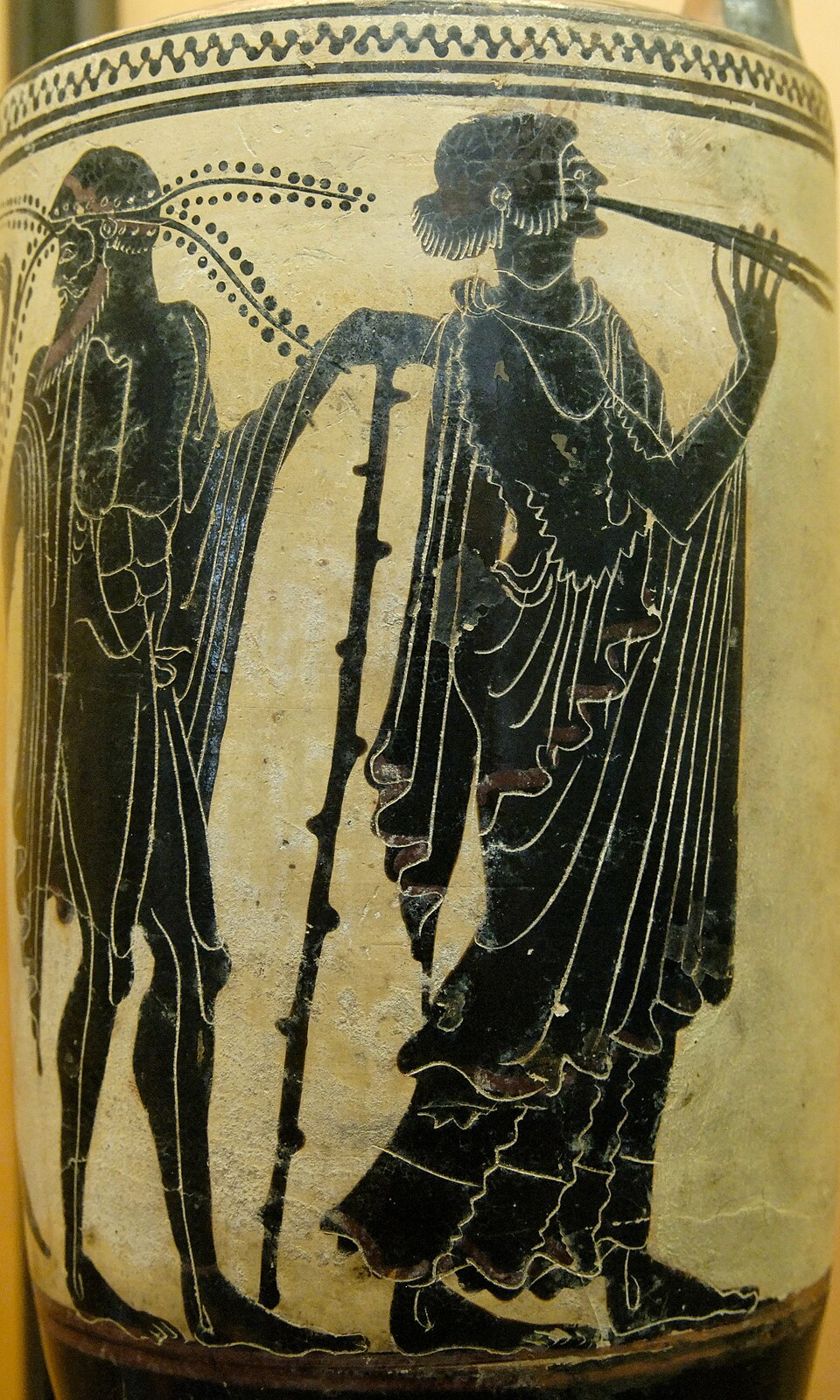
Maenad playing the aulos: Attic black-figure white-ground lekythos. Palermo, Museo archeologico regionale NI 1883.
Marie-Lan Nguyen · Public domain · via Wikimedia Commons
File:Maenad aulos MAR Palermo NI1883.jpg
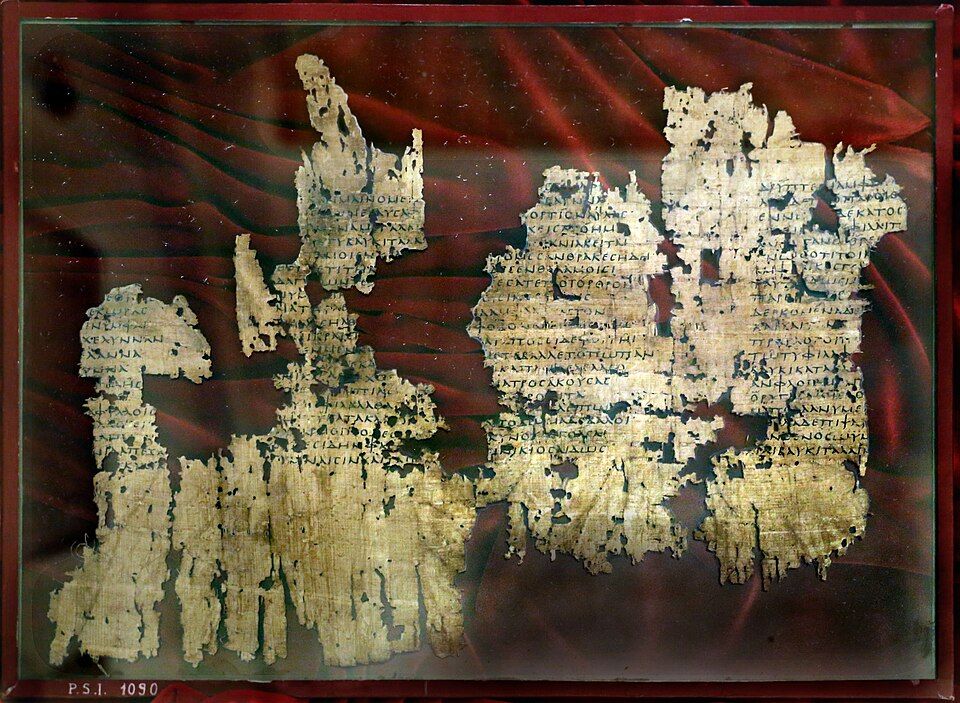
Papyrus from Oxyrhynchus with Erinna's Distaff, c. AD 190: Florence, Biblioteca Medicea Laurenziana, PSI IX 1090.
Sailko · CC BY 3.0 · via Wikimedia Commons
File:Ossirinco, frammento di papiro con alakata (conocchia) di erinna, 190 dc ca. (psi IX 1090).jpg
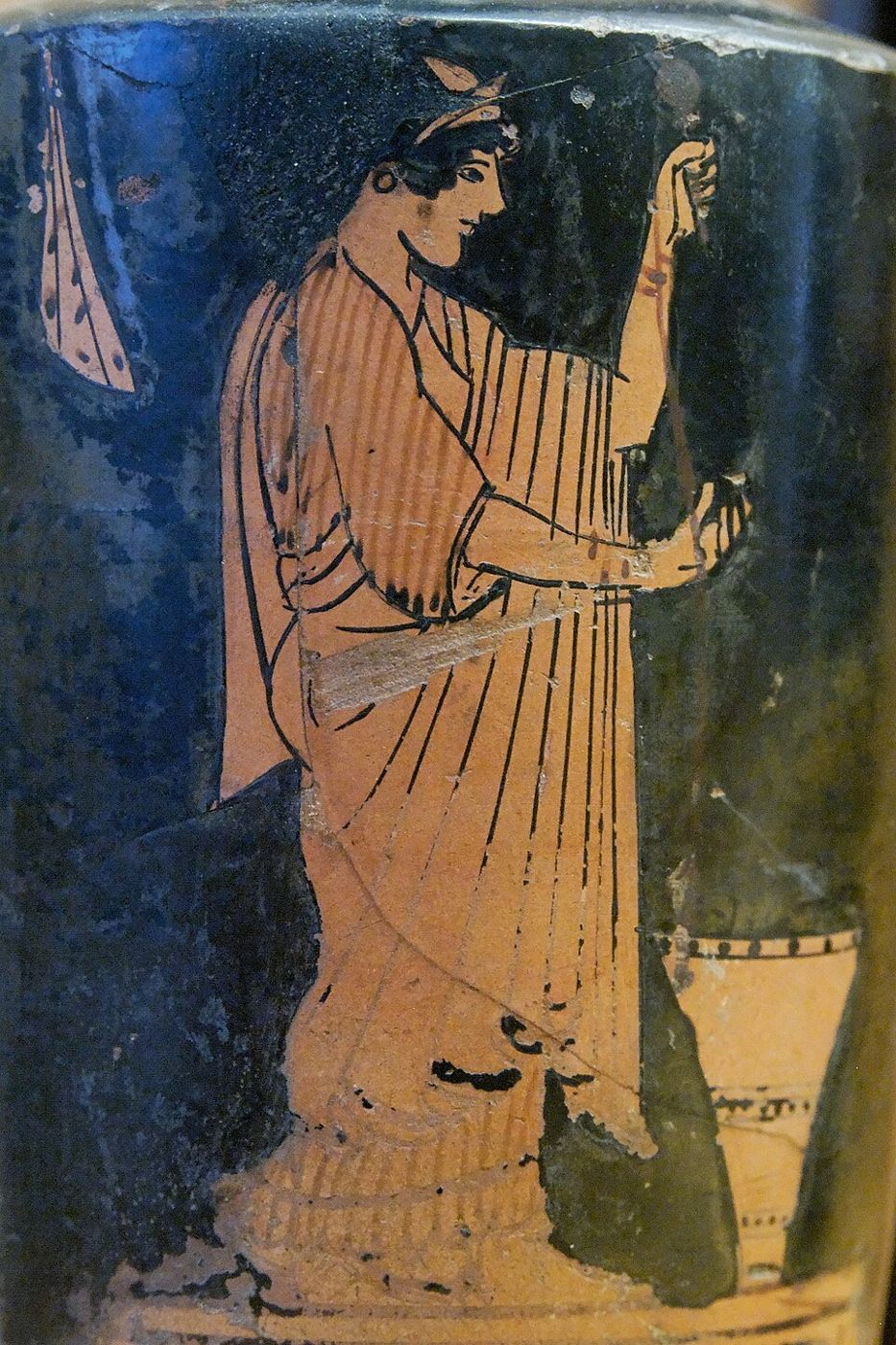
Woman spinning, with a wool basket (kalathos) on the ground: Attic red-figure lekythos by the Triptolemos Painter, 480–470 BC. Palermo, Museo archeologico regionale NI 2149.
Triptolemos Painter; photo: Marie-Lan Nguyen (Jastrow) · CC BY 2.5 · via Wikimedia Commons
File:Woman spinning MAR Palermo NI2149.jpg
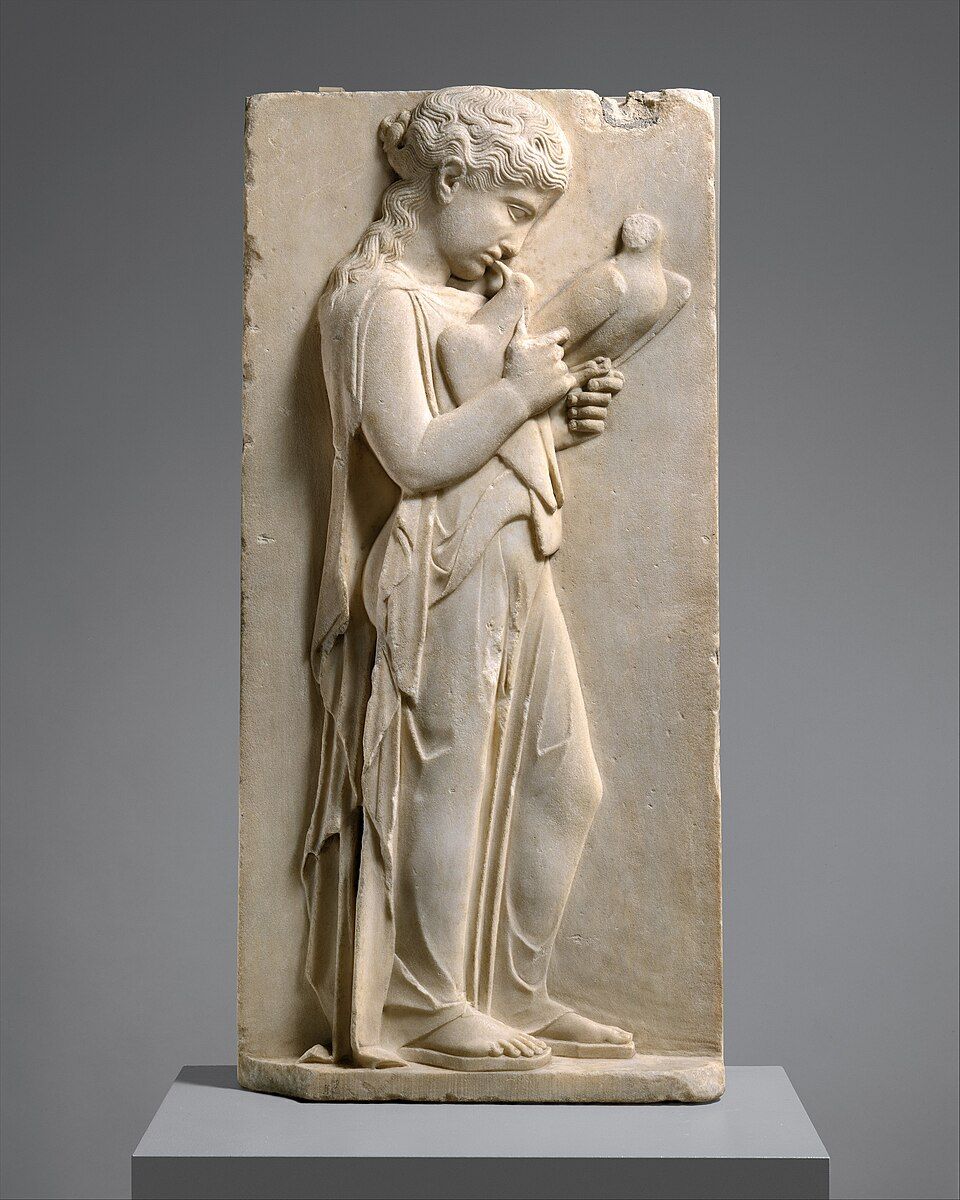
Grave stele of a little girl with doves, Greek, c. 450–440 BC. New York, Metropolitan Museum of Art 27.45.
Metropolitan Museum of Art · CC0 · via Wikimedia Commons · background removed
File:Marble grave stele of a little girl MET DT279.jpg
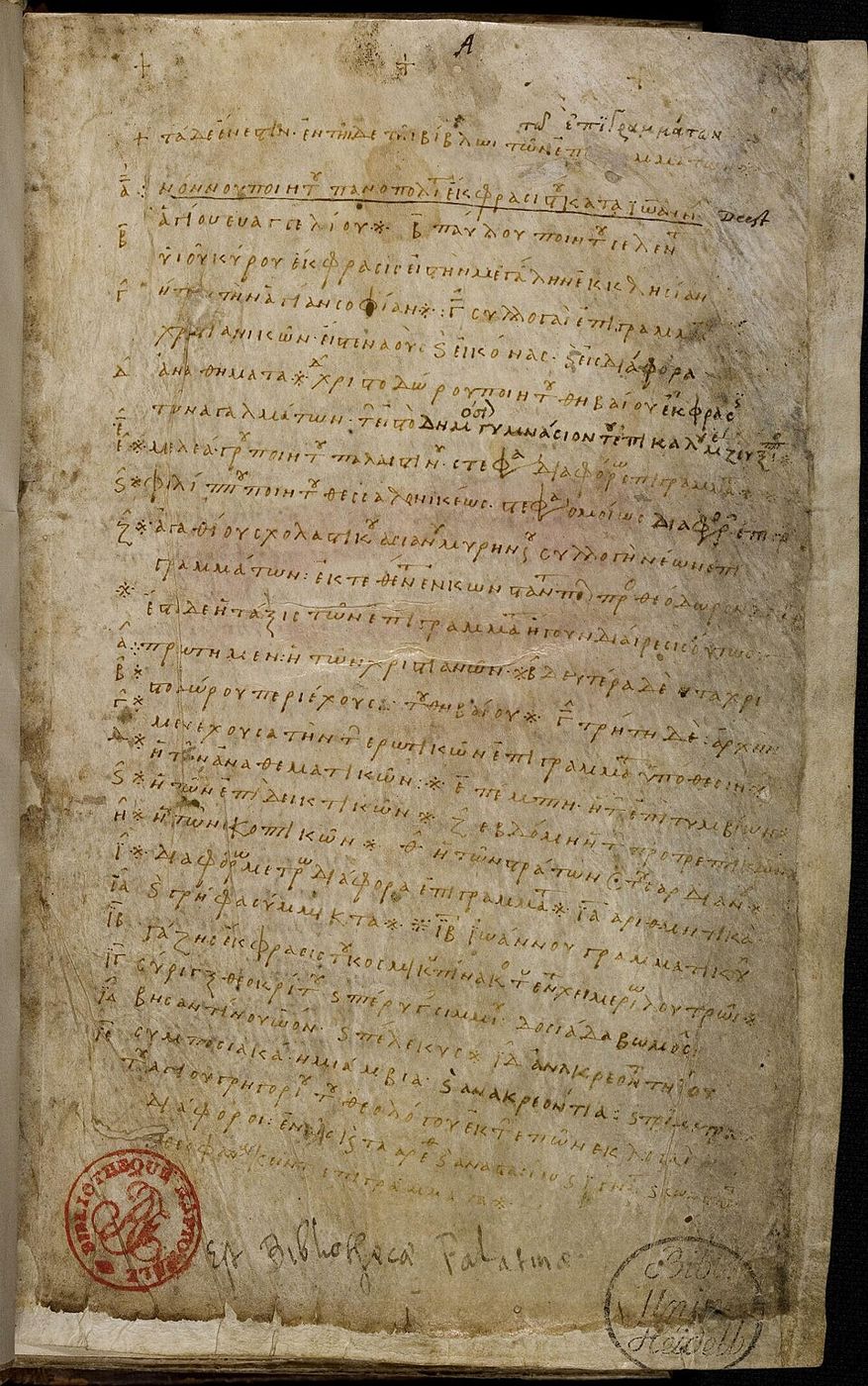
Heidelberg, Universitätsbibliothek, Cod. Pal. graec. 23, fol. 5r: the Palatine Anthology, the Byzantine collection of Greek epigrams (2nd half of the 9th – 1st half of the 10th century) in which Moero's epigrams survive.
Universitätsbibliothek Heidelberg (digitisation) · CC BY-SA 3.0 de · via Wikimedia Commons
File:Cod. Pal. graec. 23, Anthologia Palatina, 5r.jpg
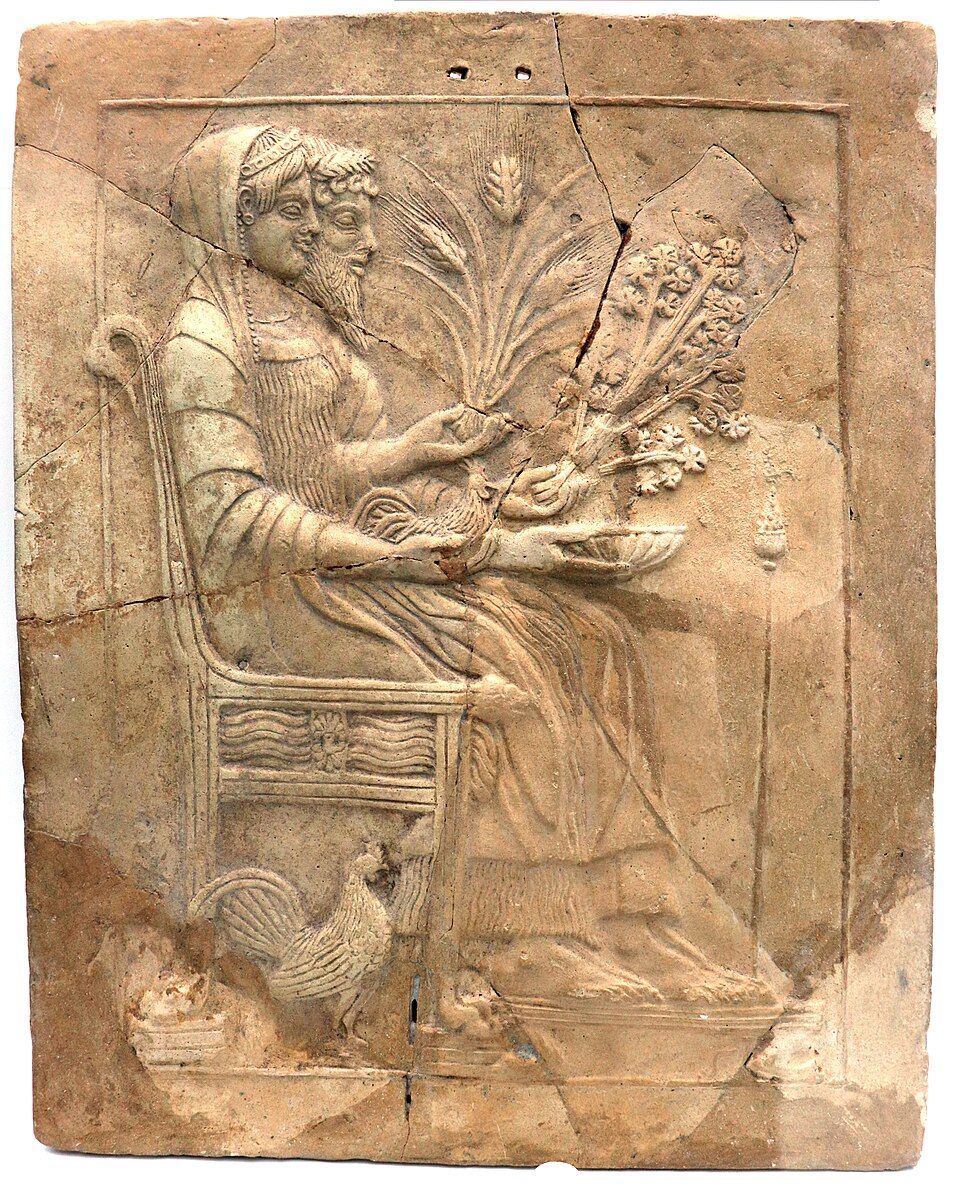
Terracotta pinax with Hades and Persephone, from Locri (Mannella), first half of the 5th century BC. Reggio Calabria, Museo Archeologico Nazionale.
Fabien Bièvre-Perrin · CC BY-SA 4.0 · via Wikimedia Commons · background removed
File:Pinax con Ade e Persefone, da Locri - MARC.jpg
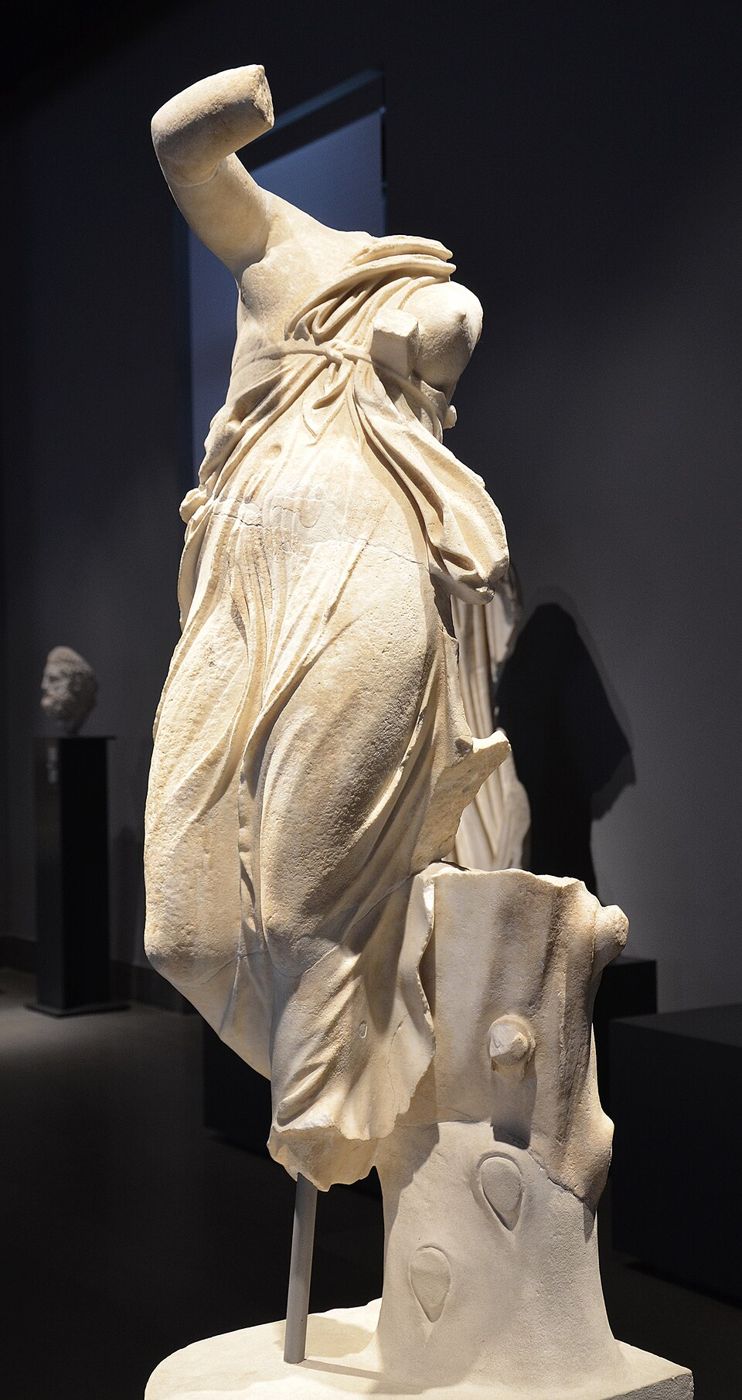
Dancing female figure, thought to be a portrait of Praxilla of Sicyon, from the portico of the Triclinium of the Three Exedras at Hadrian's Villa, AD 117–138. Rome, Palazzo Massimo alle Terme.
Carole Raddato · CC BY-SA 2.0 · via Wikimedia Commons · background removed
File:Dancing female figure, thought to be a portrait of Praxilla of Sikyon (a Greek lyric poet), from the portico of the Triclinium of the Three Exedras at Hadrian's Villa, 117 - 138 AD, Palazzo Massimo alle Terme, Rome (22573628774).jpg
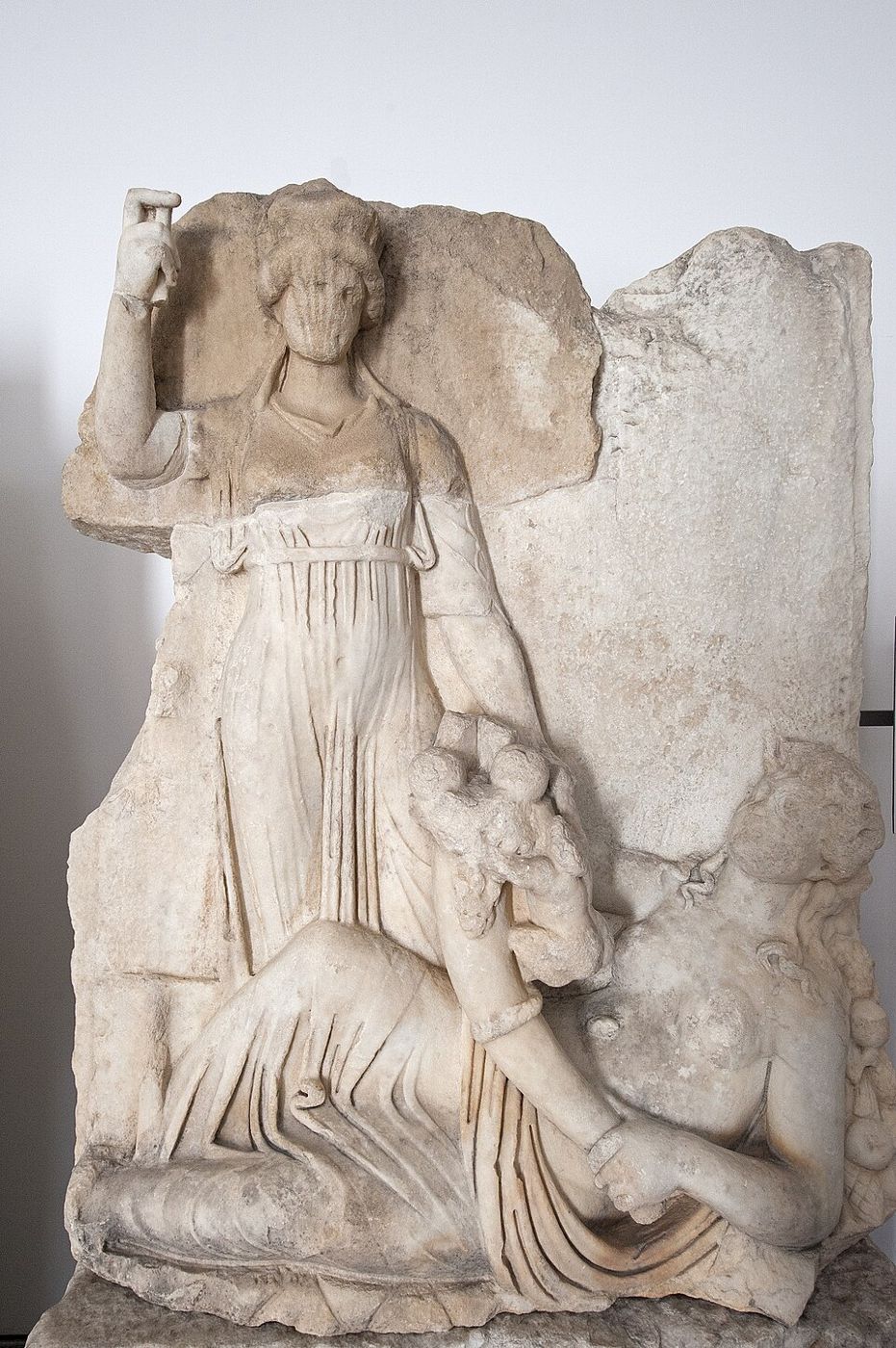
Roma and Ge: relief from the Sebasteion at Aphrodisias, 1st century AD. Aphrodisias Museum.
Dosseman · CC BY-SA 4.0 · via Wikimedia Commons · background removed
File:Aphrodisias Museum Roma and Gea 4635.jpg
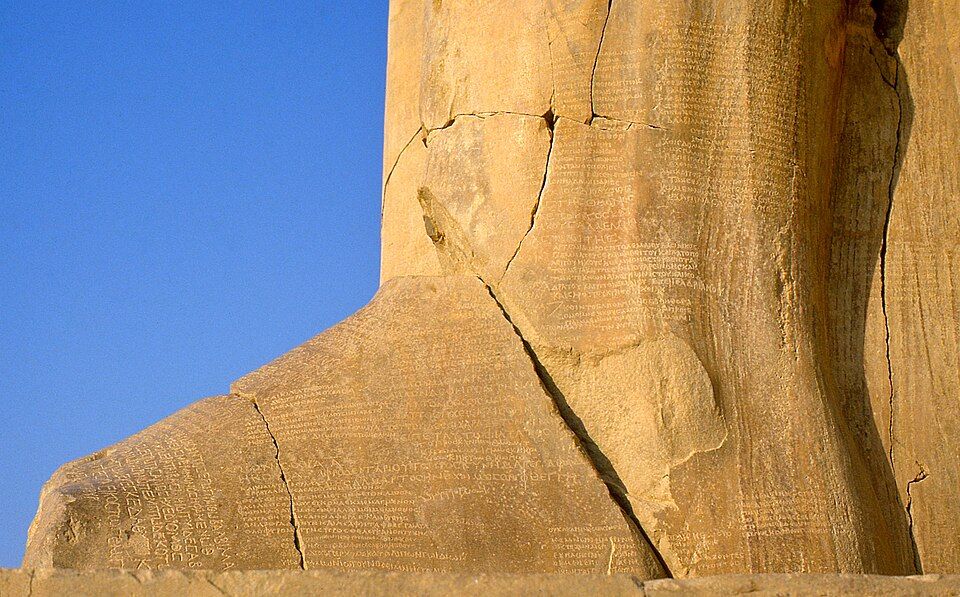
Greek inscriptions carved on the Colossi of Memnon at western Thebes (Luxor), the statues on which Balbilla's epigrams are inscribed. Scanned slide, August 1985.
Bernard Dupont · CC BY-SA 2.0 · via Wikimedia Commons
File:Ancient Greek Graffiti ... (36688175375).jpg
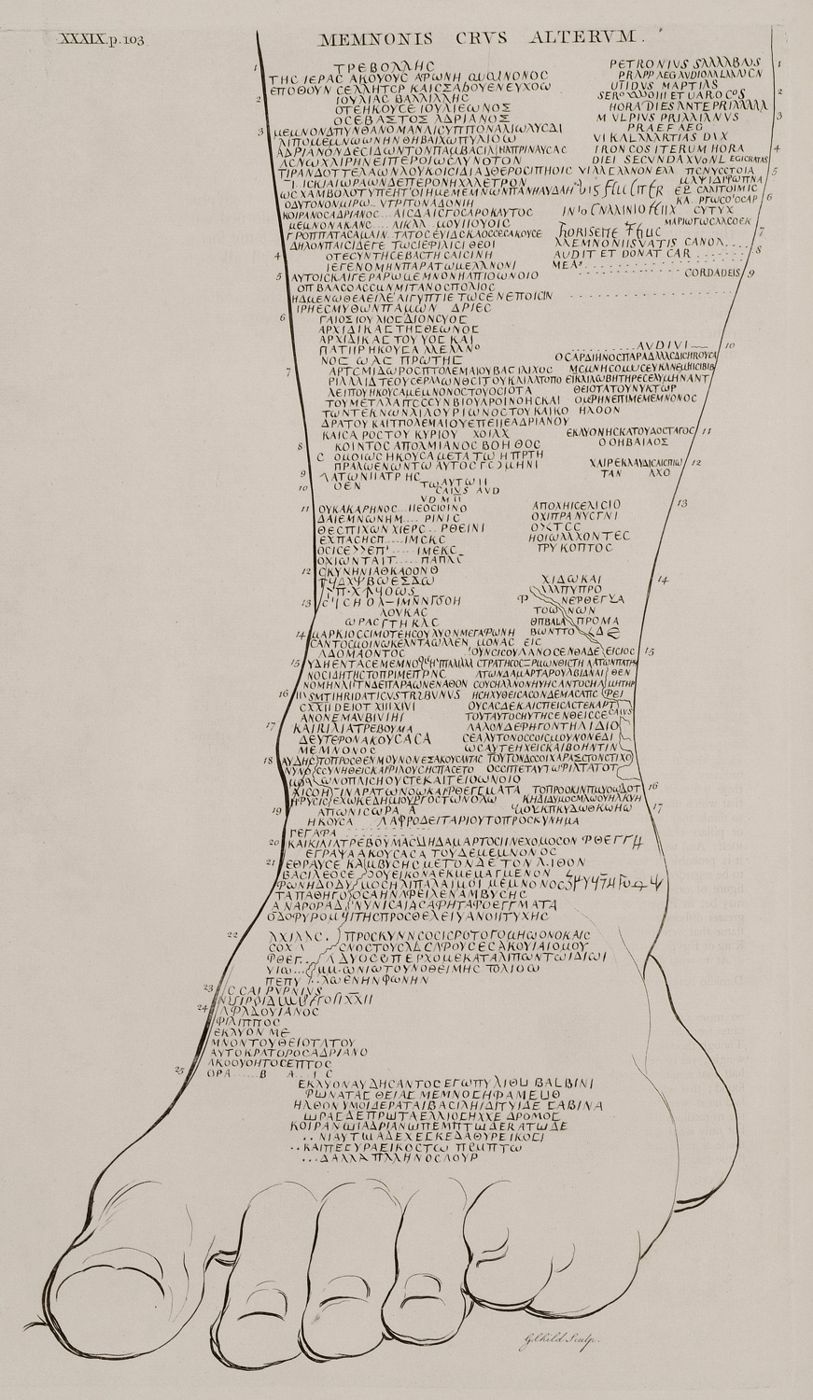
The inscribed left leg of one of the two colossal statues of Amenhotep III (the Colossi of Memnon) at Luxor, with its inscriptions copied: from Richard Pococke, A Description of the East (London, 1743–1745).
Richard Pococke · Public domain · via Wikimedia Commons
File:Memnonis crus alterum - Pococke Richard - 1743.jpg
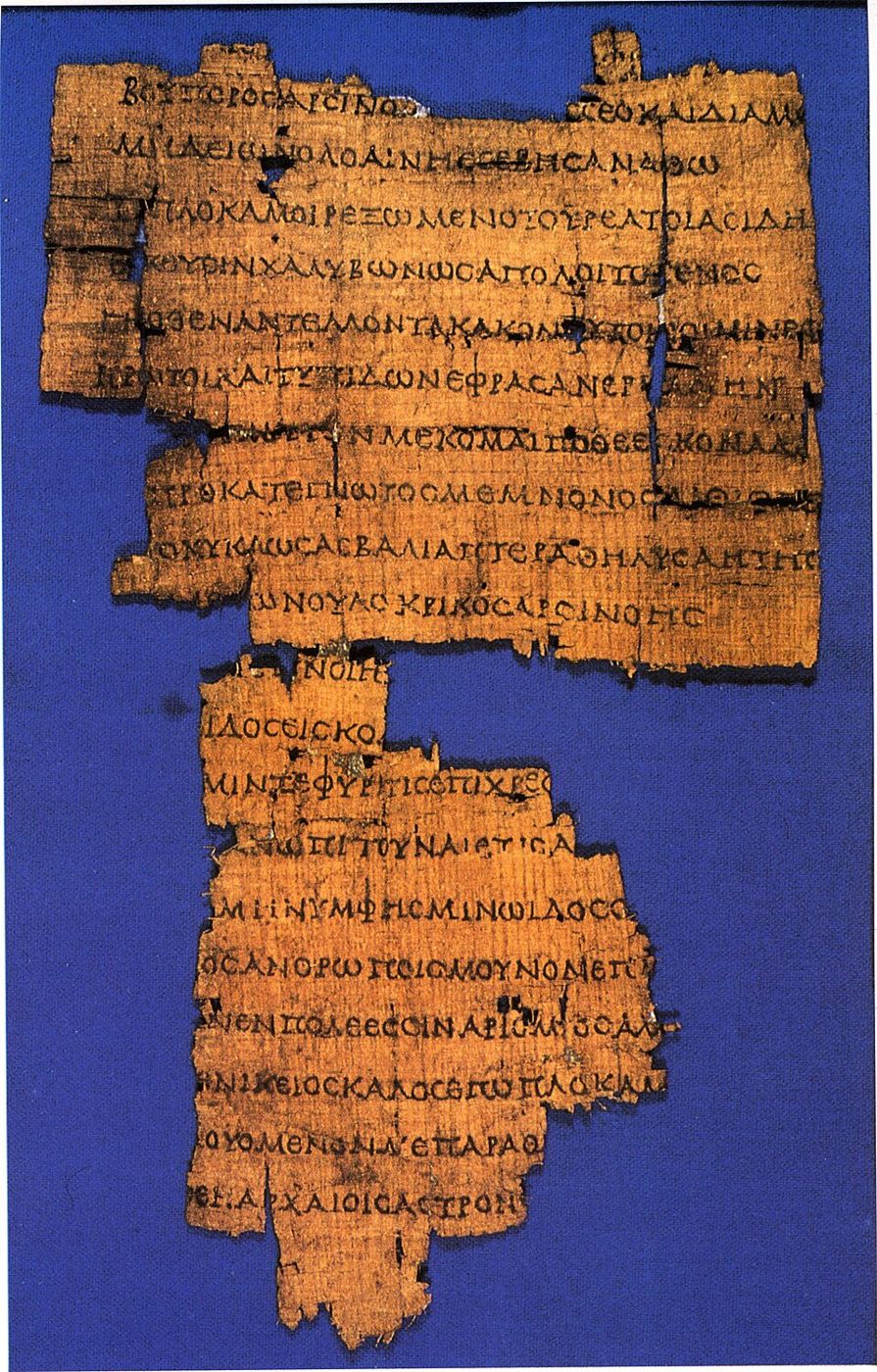
Callimachus, Coma Berenices: papyrus fragment, 1st century BC. Florence, Biblioteca Medicea Laurenziana, PSI 1092.
Biblioteca Medicea Laurenziana papyrus (reproduction) · Public domain · via Wikimedia Commons
File:Callimachus, Coma Berenices, papyrus.jpg
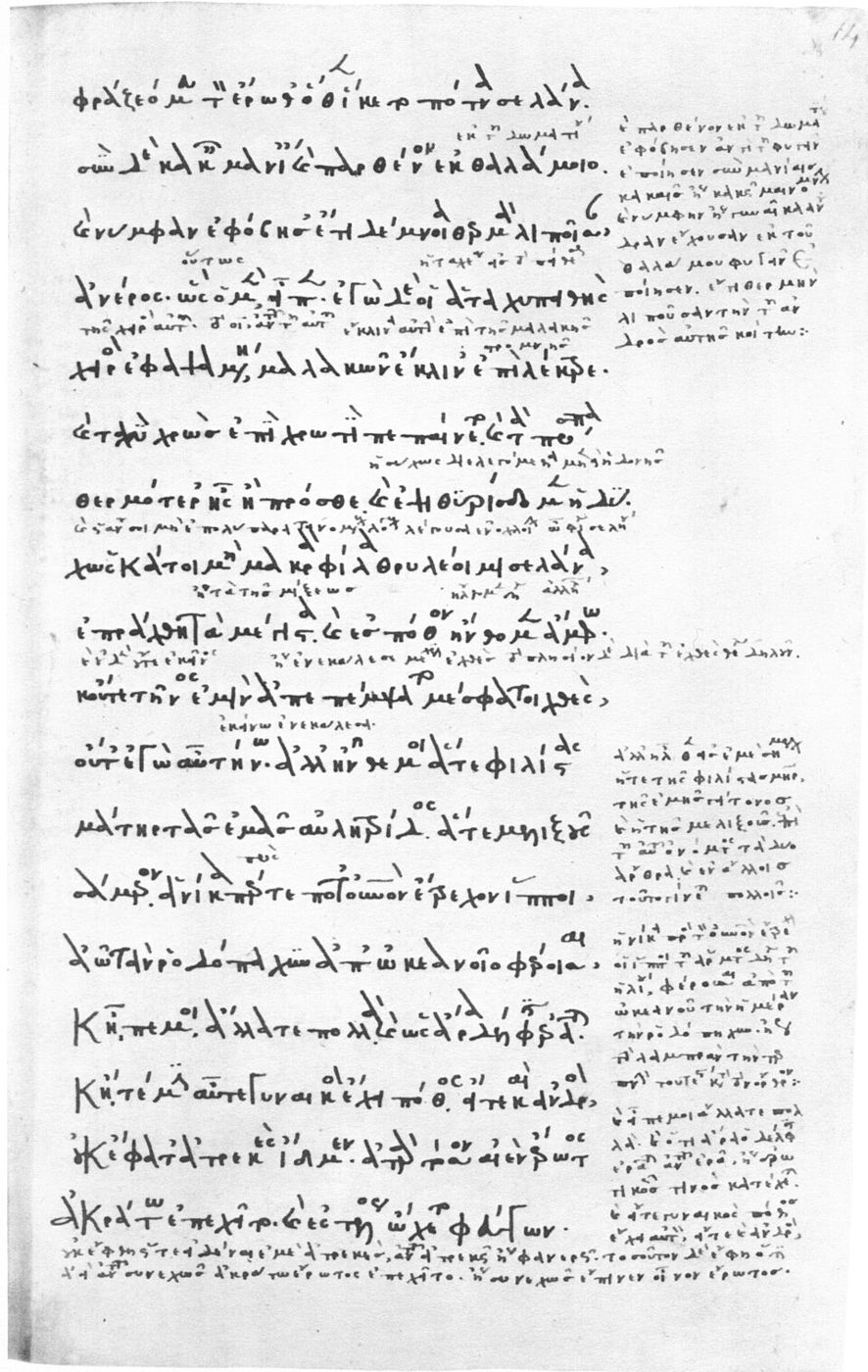
Theocritus, Poems, with scholia by Manuel Moschopoulos: Ferrara, Biblioteca Comunale Ariostea, Cod. II 155, fol. 14r (1336/1337).
Biblioteca Comunale Ariostea manuscript (reproduction) · Public domain · via Wikimedia Commons
File:Theocritus, Ferrara, II,155.jpg
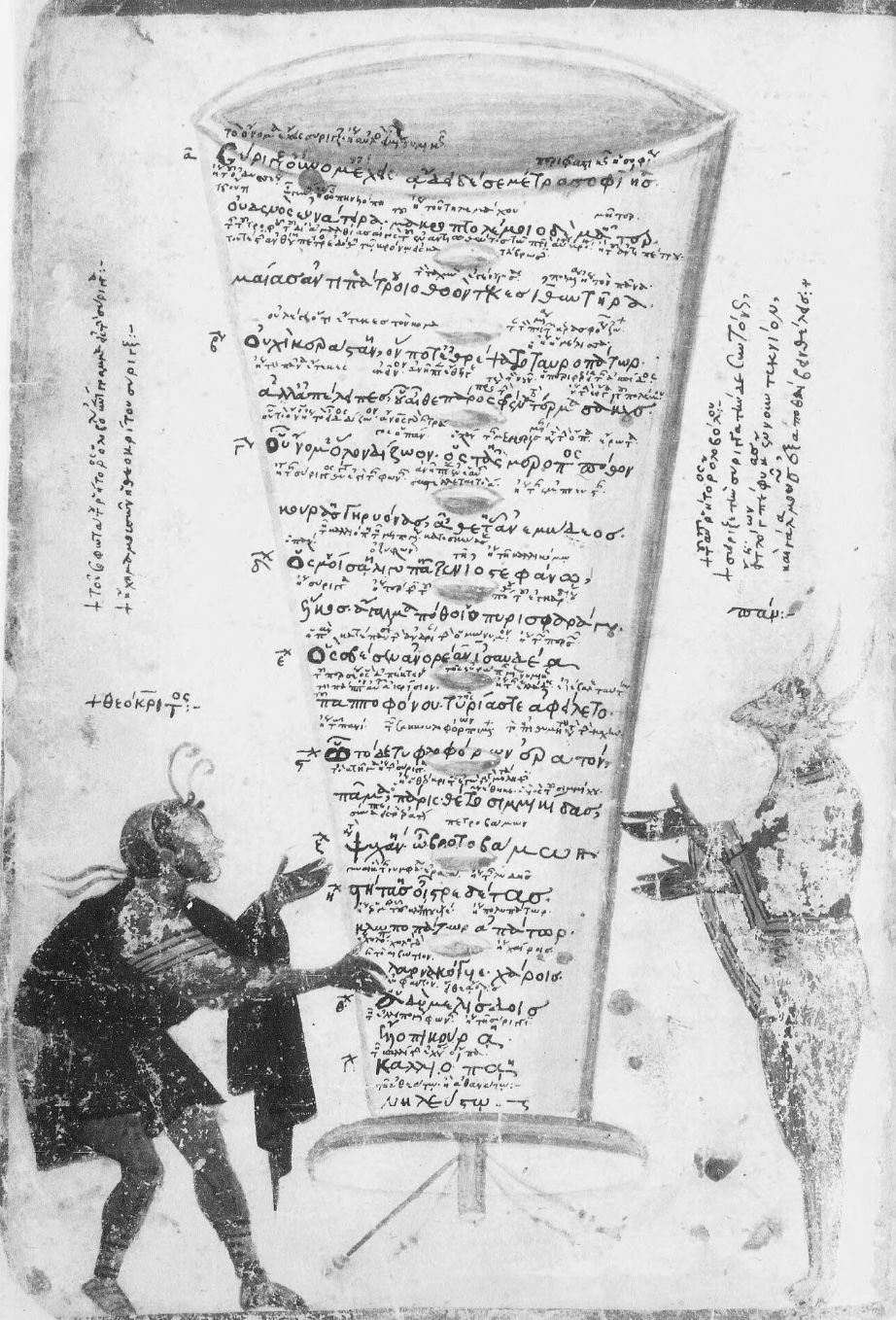
The Syrinx of Theocritus, a pattern poem written in lines of shrinking length like the pipes of a panpipe: Paris, Bibliothèque nationale de France, gr. 2832, fol. 46r (before 1500).
Bibliothèque nationale de France (Gallica) · Public domain · via Wikimedia Commons
File:Theocritus - Syrinx (Parisinus Graecus 2832).jpg
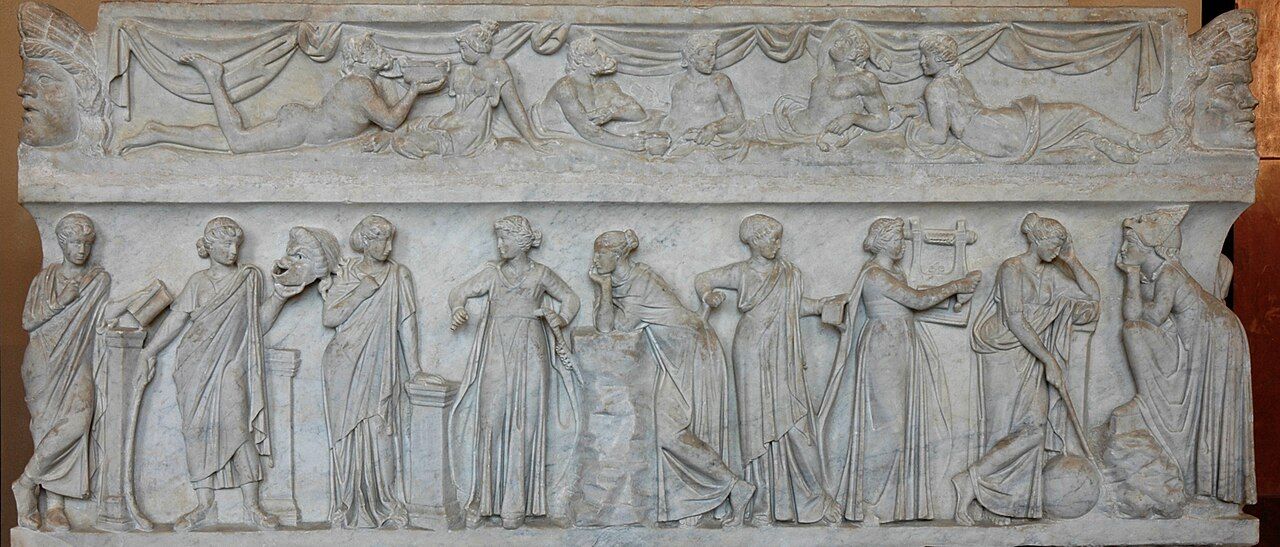
The 'Muses Sarcophagus', with the nine Muses and their attributes: marble, first half of the 2nd century AD, found by the Via Ostiense. Paris, Louvre MR 880.
photo: Jastrow · Public domain · via Wikimedia Commons
File:Muses sarcophagus Louvre MR880.jpg
School scenes on an Attic red-figure kylix by Douris, c. 480 BC, found at Cerveteri. Berlin, Antikensammlung (Altes Museum) F 2285.
Douris; photo: Marcus Cyron · CC BY-SA 3.0 · via Wikimedia Commons · background removed
File:School cup by Douris Antikensammlung Berlin.jpg
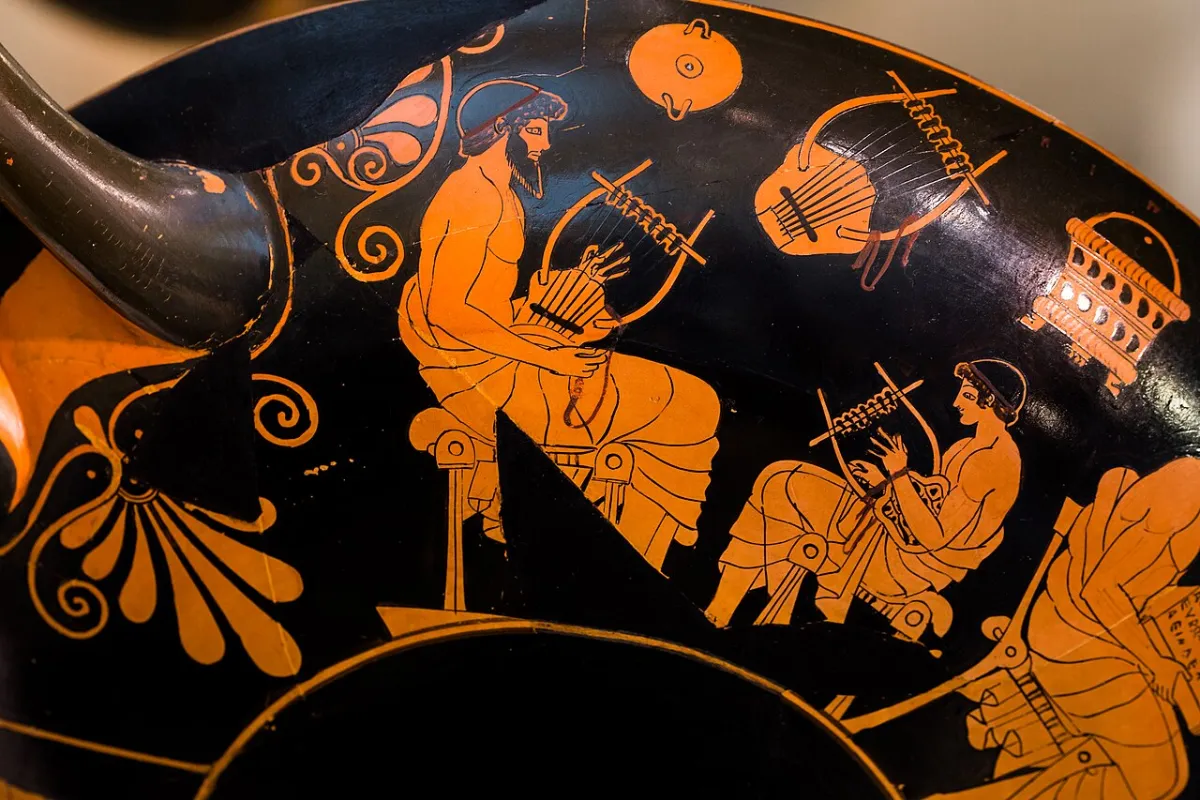
A lyre lesson: a bearded man and a boy, each with a lyre, on the outside of the school cup by Douris (potter Python), c. 485–480 BC, from Cerveteri. Berlin, Antikensammlung F 2285.
Douris; photo: ArchaiOptix · CC BY-SA 4.0 · via Wikimedia Commons
File:Douris ARV 431 48 athlete - school scenes (04).jpg
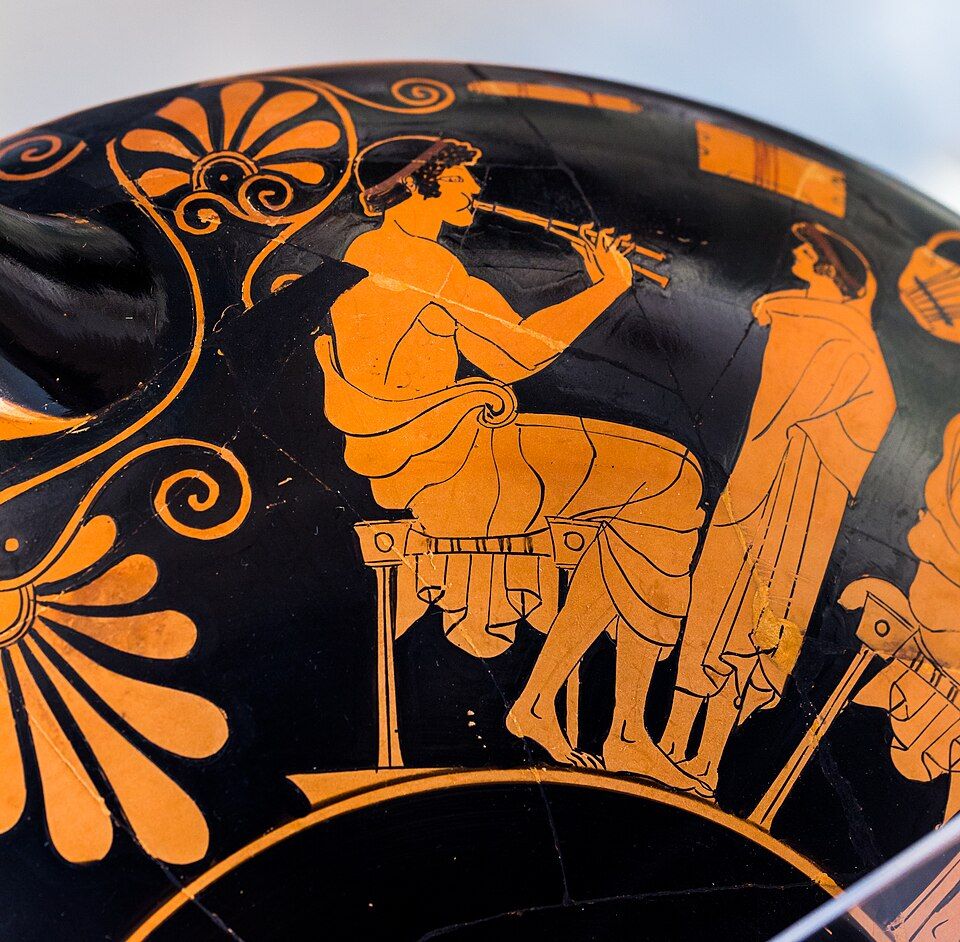
A lesson on the auloi: detail of the school cup by Douris (potter Python), c. 485–480 BC, whose outside shows lessons in reading and writing, singing, and playing the lyre and the auloi. Berlin, Altes Museum F 2285.
Douris; photo: ArchaiOptix · CC BY-SA 4.0 · via Wikimedia Commons
File:Douris ARV 431 48 athlete - school scenes (05).jpg
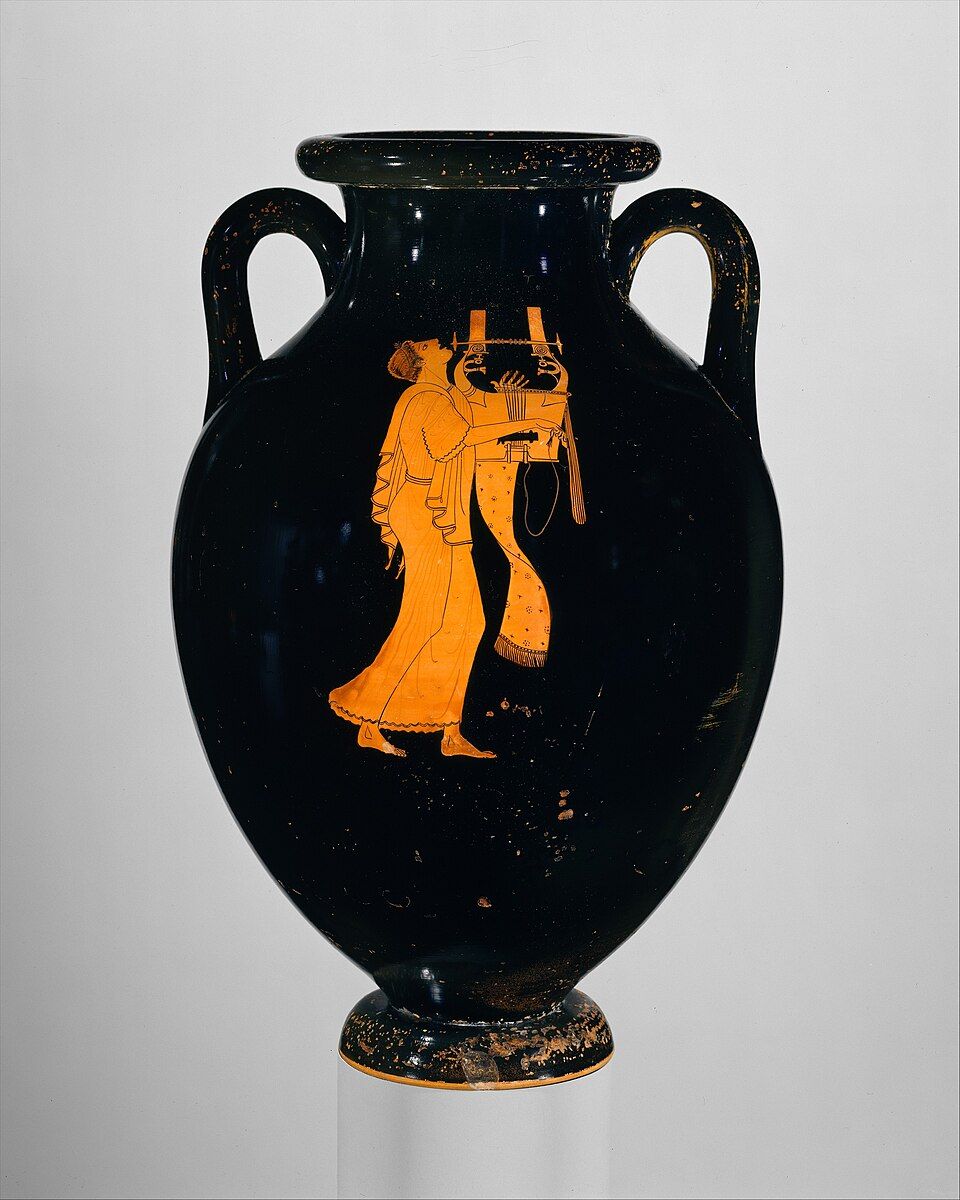
Young man singing and playing the kithara: Attic red-figure amphora by the Berlin Painter, c. 490 BC. New York, Metropolitan Museum of Art 56.171.38.
Berlin Painter; Metropolitan Museum of Art · CC0 · via Wikimedia Commons · background removed
File:Terracotta amphora (jar) MET DT272.jpg
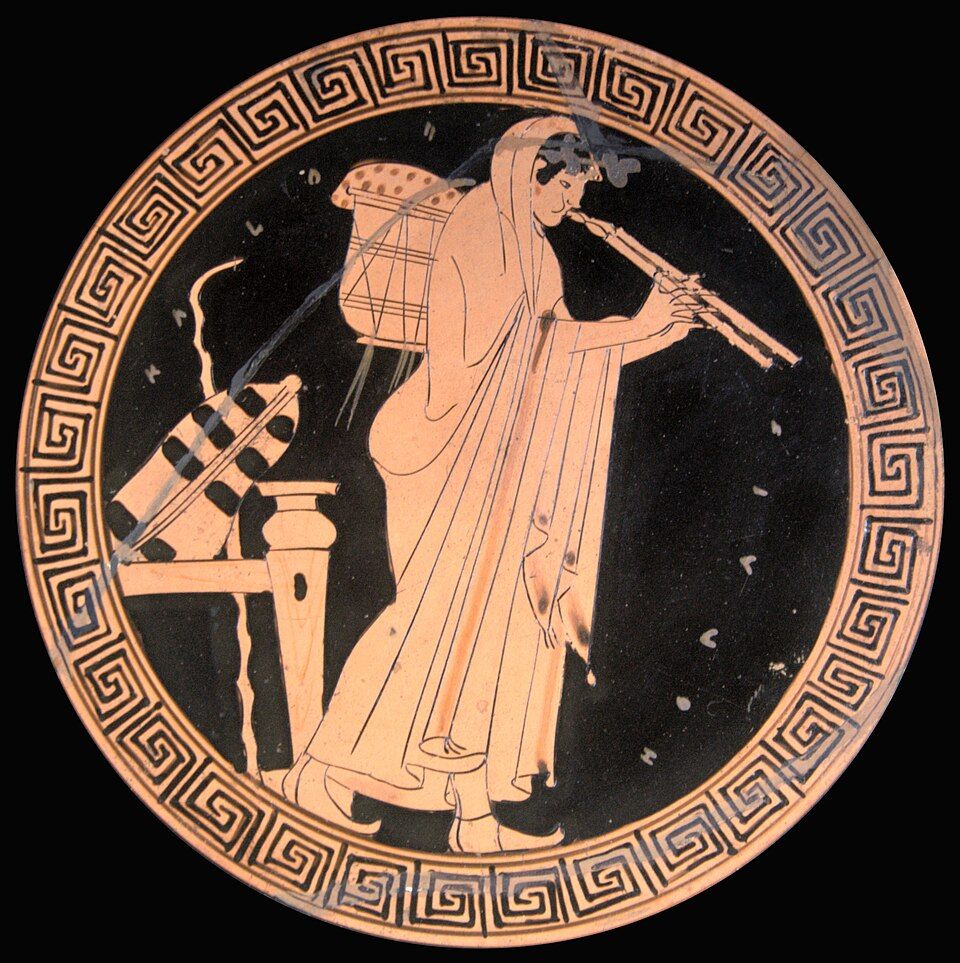
Aulos player: tondo of an Attic red-figure kylix signed by Brygos as potter and painted by the Brygos Painter, c. 490 BC, from Vulci. Paris, Louvre G 313.
Brygos Painter; photo: Bibi Saint-Pol · Public domain · via Wikimedia Commons · background removed
File:Aulos player Louvre G313.jpg
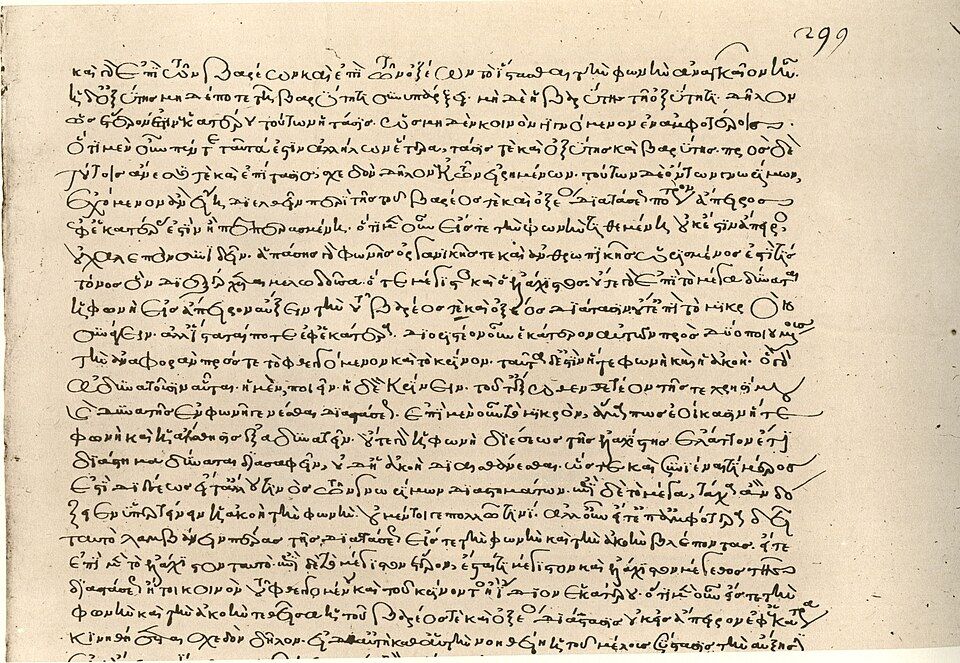
Aristoxenus, Elements of Harmony: Vatican, Biblioteca Apostolica Vaticana, Vat. gr. 191, fol. 299r (1296).
Biblioteca Apostolica Vaticana manuscript (reproduction) · Public domain · via Wikimedia Commons
File:Aristoxenus, Elements of Harmony, Vaticanus graecus 191.jpg
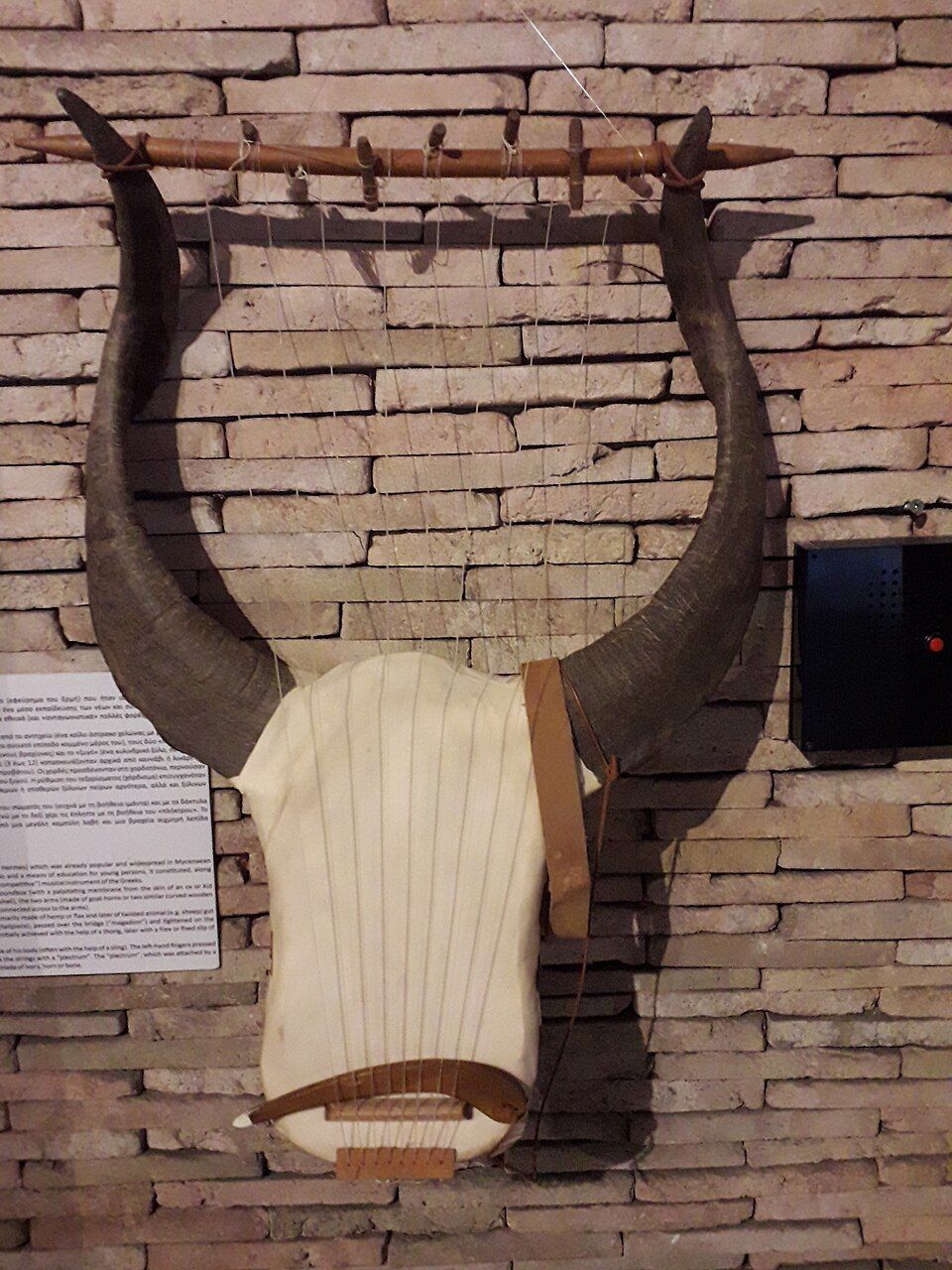
Replica of a chelys, the tortoise-shell lyre, built by Kostas Kotsanas: Museum of Ancient Greek Technology (shown at Heraklion, Crete, July 2022).
Eunostos · CC BY-SA 4.0 · via Wikimedia Commons
File:Chelys, ancient Greek lyra, Museum of ancient Greek technology 01.jpg
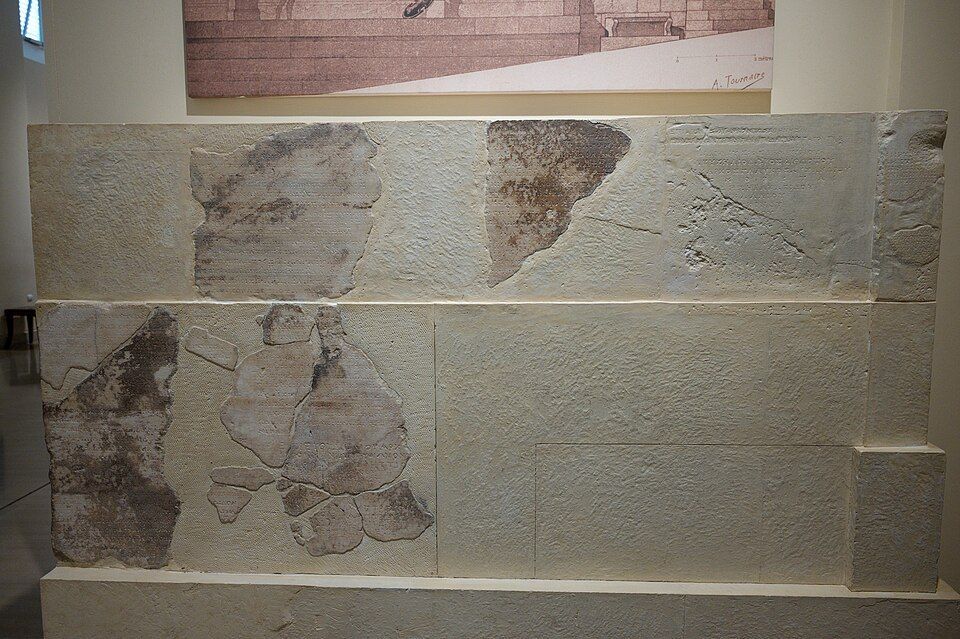
Blocks from the south wall of the Athenian Treasury at Delphi, inscribed with the two hymns to Apollo by Athenaios and Limenios (128/127 BC) and their musical notation. Delphi, Archaeological Museum.
Zde · CC BY-SA 4.0 · via Wikimedia Commons
File:Delphic hymns to Apollo, 128 BC, inscription in AM of Delphi, 201386.jpg
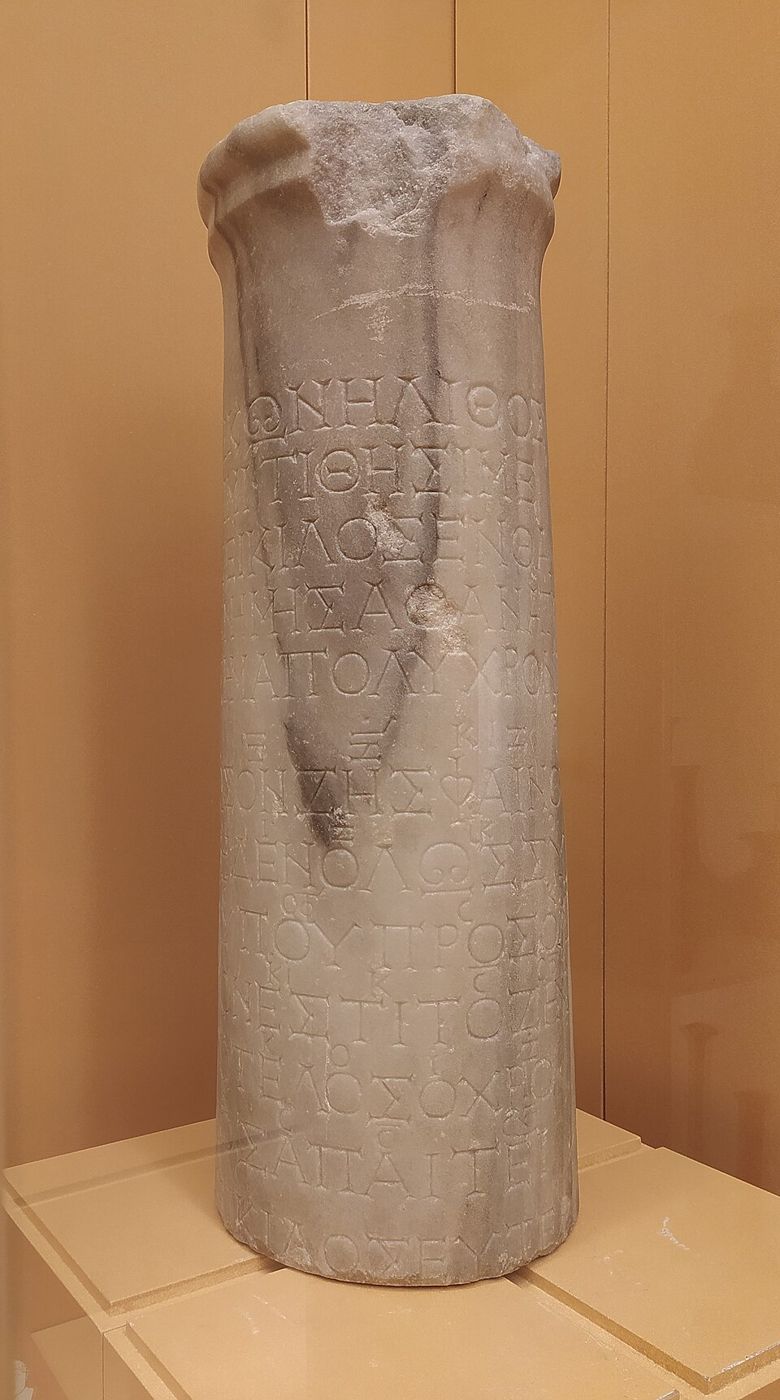
The Seikilos epitaph, a funerary column inscribed with a short song and its musical notation. Copenhagen, National Museum of Denmark.
Artem.G · CC BY-SA 4.0 · via Wikimedia Commons · background removed
File:Seikilos epitaph 04.jpg
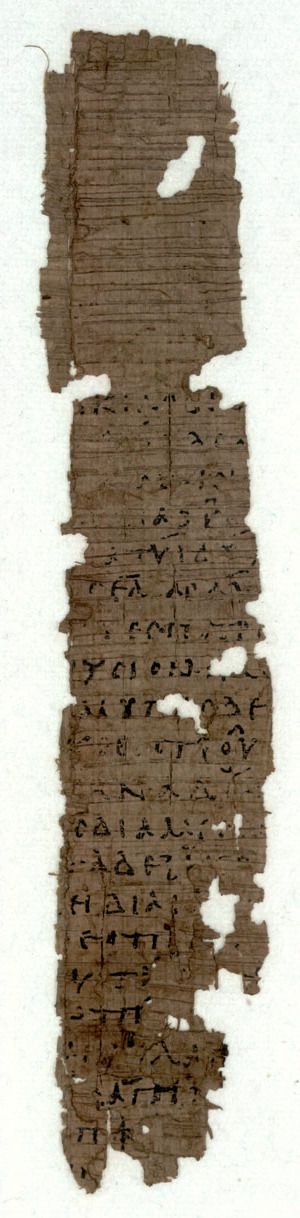
Papyrus Oxyrhynchus 2288, 2nd century AD: part of Sappho's Hymn to Aphrodite (fr. 1).
Oxyrhynchus Papyri online database, Oxford (source of the image) · Public domain · via Wikimedia Commons · background removed
File:P.Oxy.v0021.n2288.jpg
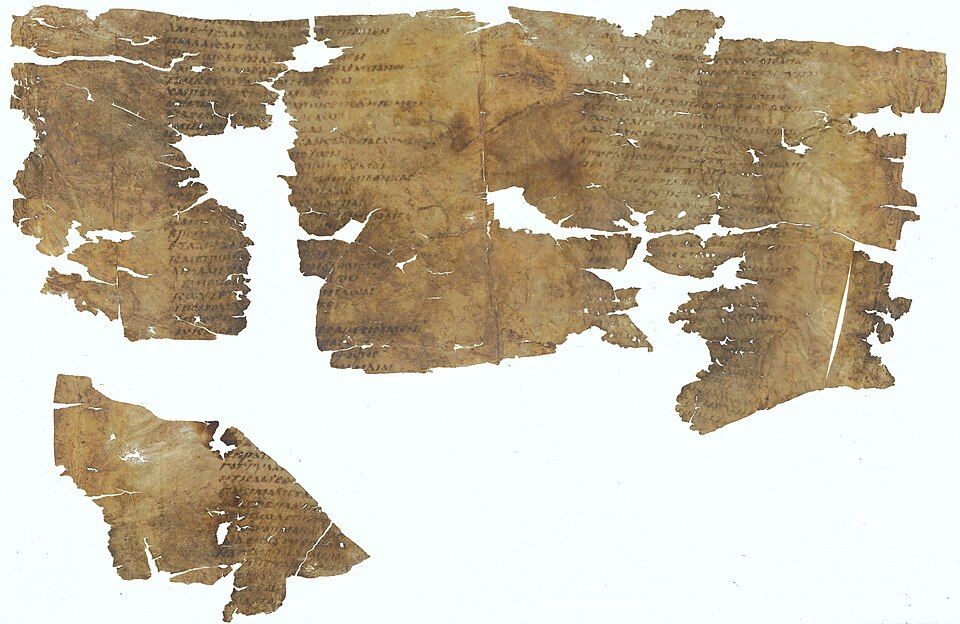
P.Berol. 9722, a parchment of the 6th or 7th century AD preserving parts of several poems by Sappho (frr. 92–97 Voigt), among them frr. 94 and 96.
Berliner Papyrusdatenbank, Staatliche Museen zu Berlin (source of the image) · Public domain · via Wikimedia Commons · background removed
File:P. Berol. 9722 side1.jpg
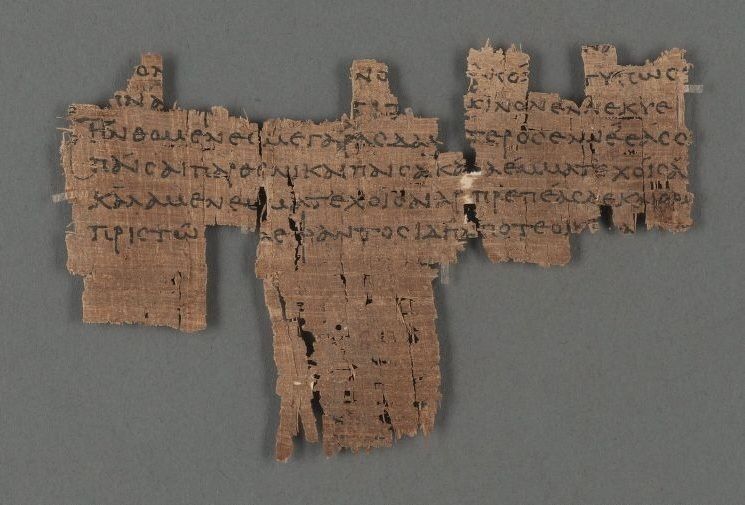
Papyrus Oxyrhynchus 8, 2nd century AD: a fragment of a poem in hexameters ascribed to Alcman.
Unknown (photograph of the papyrus) · Public domain · via Wikimedia Commons
File:P. Oxy. 8.jpg
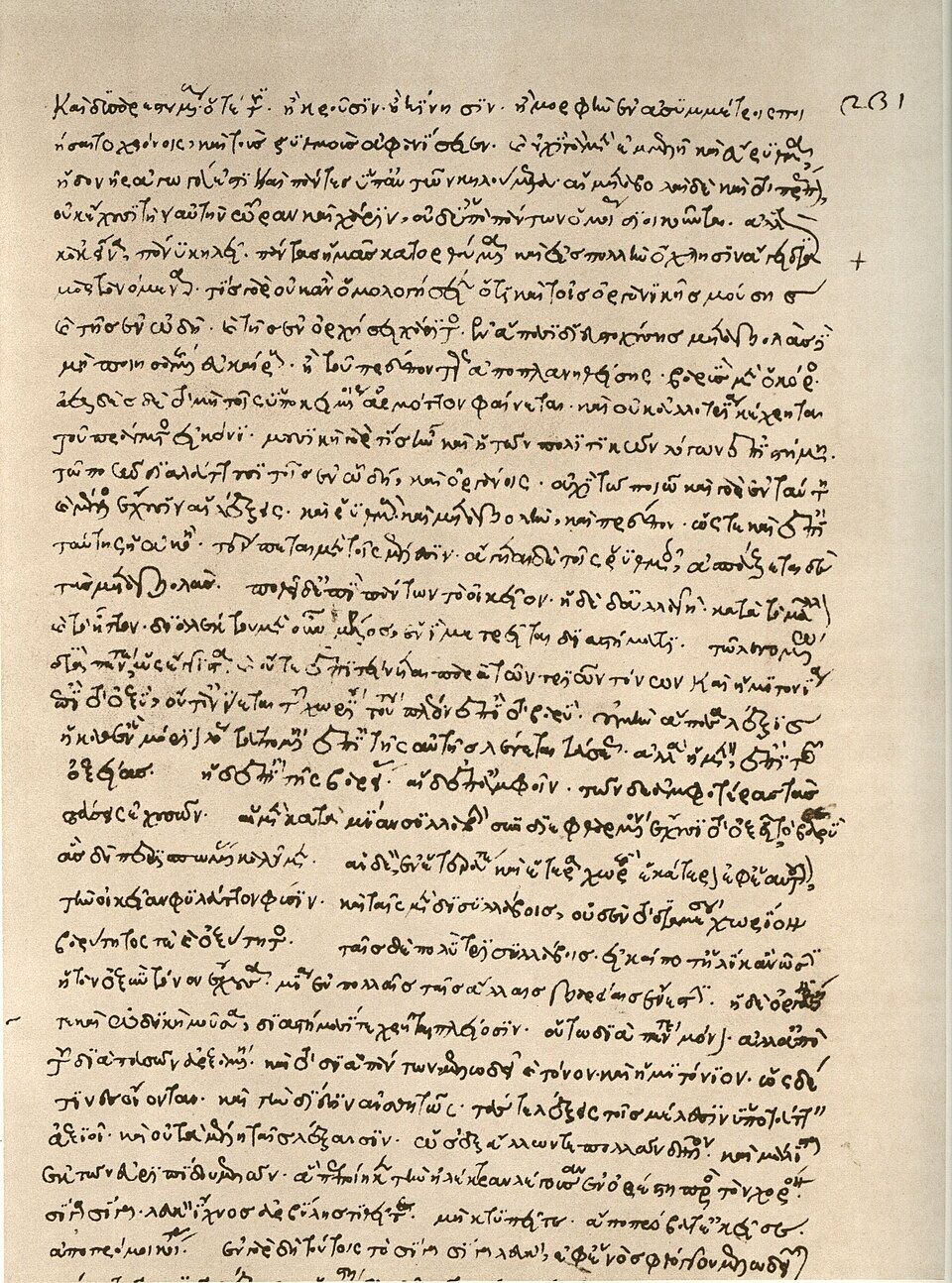
Dionysius of Halicarnassus, On the Arrangement of Words (De compositione verborum): Vatican, Biblioteca Apostolica Vaticana, Vat. gr. 64, fol. 231r (1269/1270).
Biblioteca Apostolica Vaticana manuscript (reproduction) · Public domain · via Wikimedia Commons
File:Dionysius of Halicarnassus, De compositione verborum, Vaticanus graecus 64.jpg
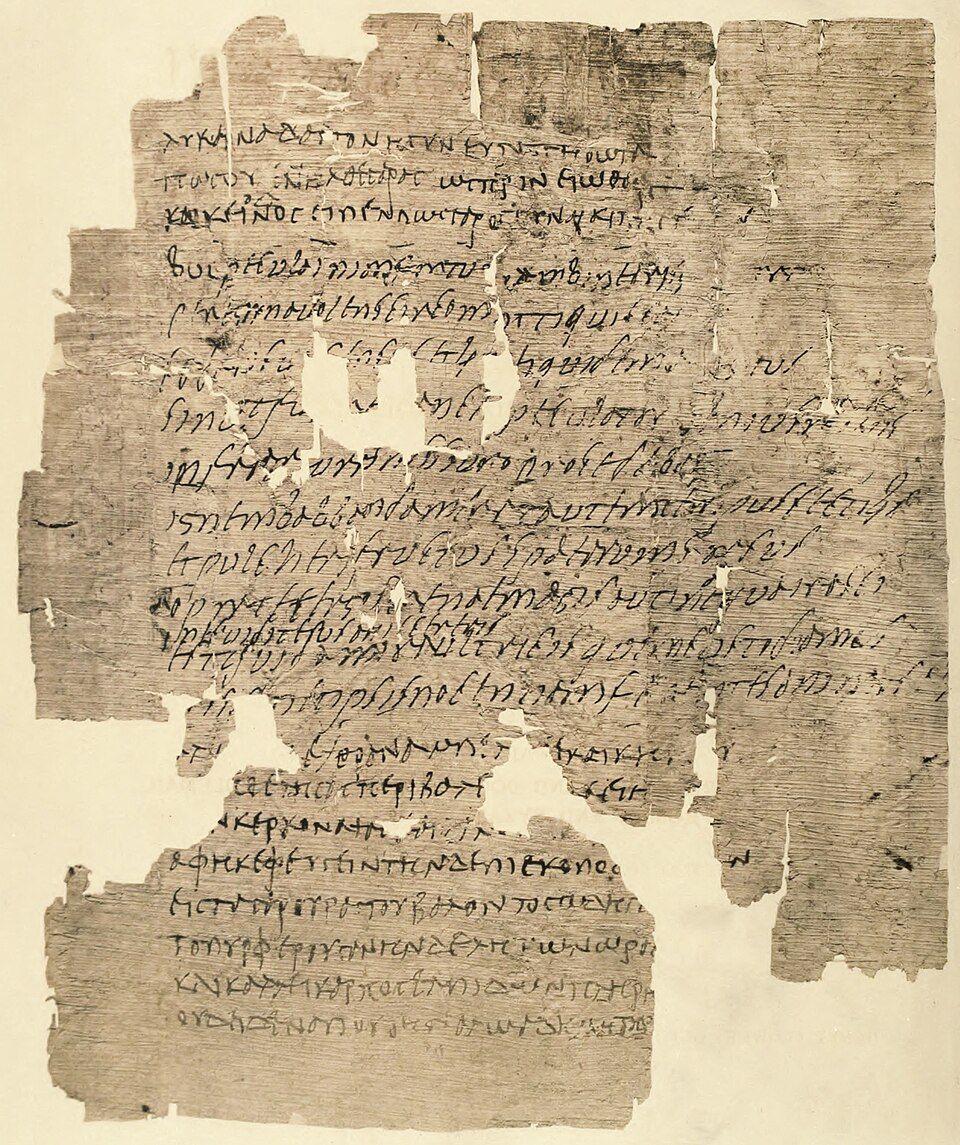
Babrius, with a Latin translation: papyrus of the 3rd or 4th century AD (P.Amherst II 26, Morgan Library). Plate from B. P. Grenfell and A. S. Hunt, The Amherst Papyri II (1901).
B. P. Grenfell and A. S. Hunt (plate, 1901) · Public domain · via Wikimedia Commons · background removed
File:PAmherst II 26.jpg
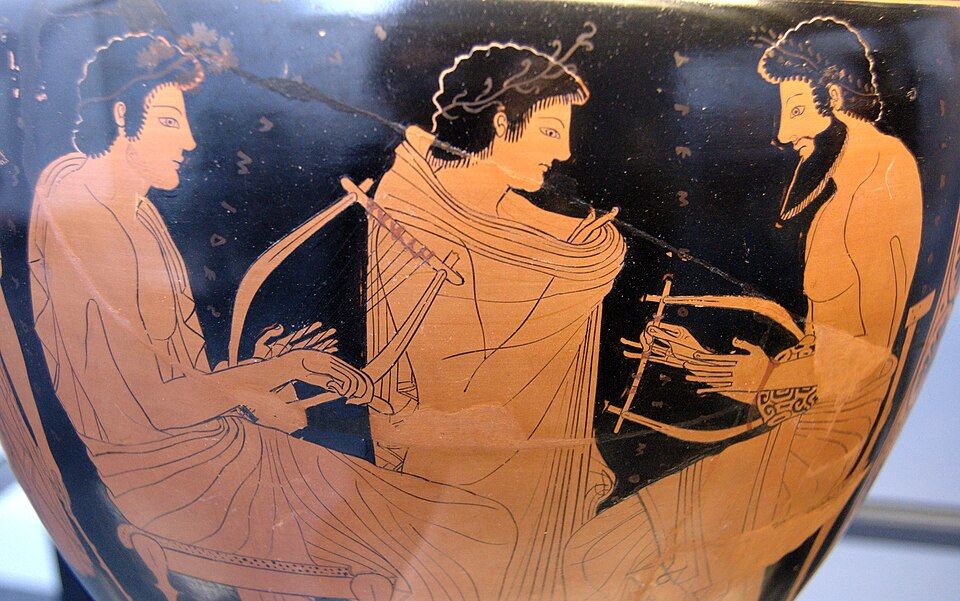
A music lesson: the teacher (inscribed ΣΜΙΚΥΔΟΣ, right) and his pupil (ΕΥΔΥΜΙΔΕΣ, left), both with lyres; between them a boy (ΤΛΕΜΠΟΜΕΝΟΣ) recites a text. Attic red-figure hydria by Phintias, c. 510 BC, from Vulci. Munich, Staatliche Antikensammlungen SH 2421.
Phintias; photo: Bibi Saint-Pol · Public domain · via Wikimedia Commons
File:Music lesson Staatliche Antikensammlungen 2421.jpg
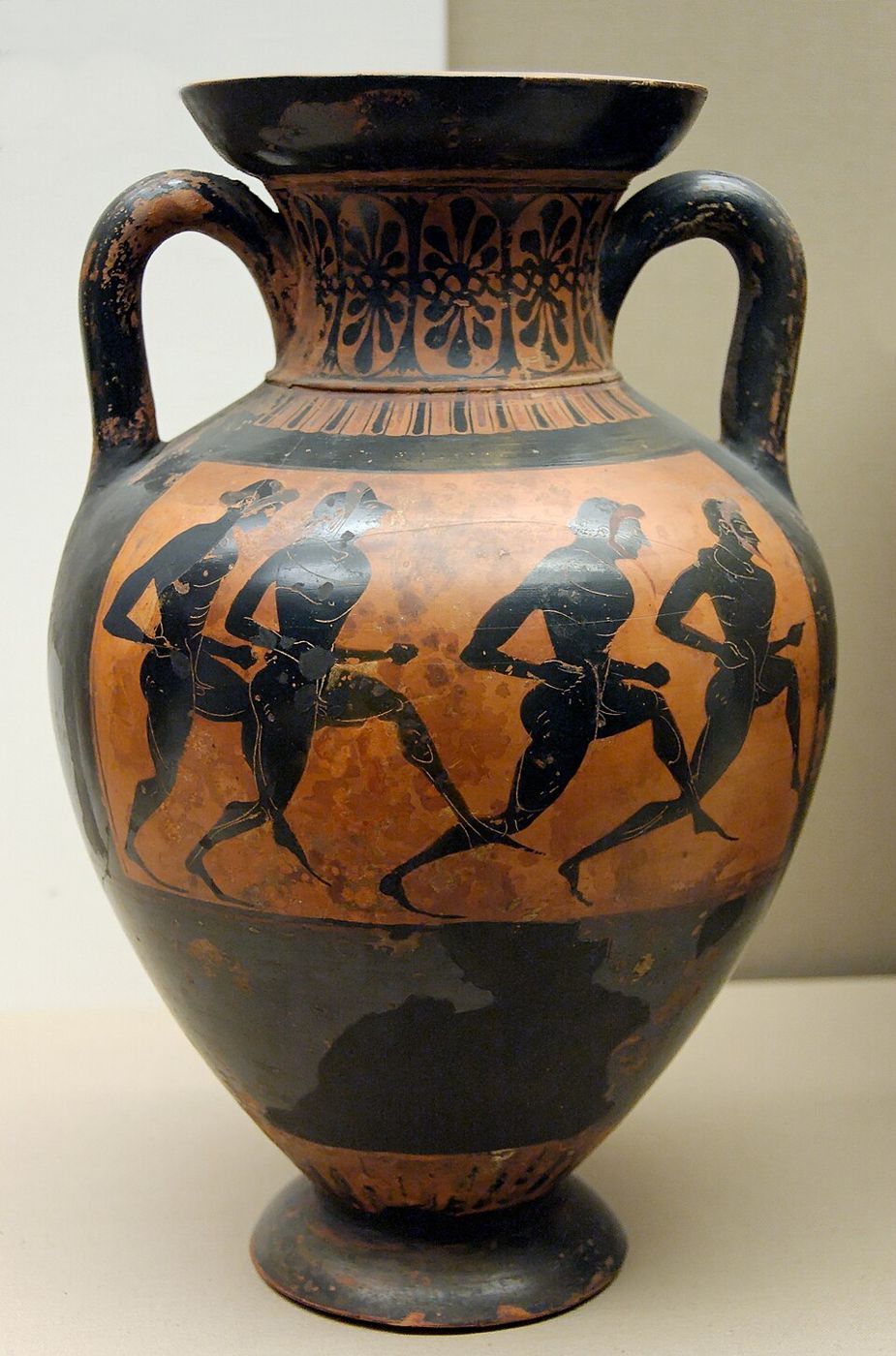
Foot-race with four runners: side B of a black-figure Panathenaic amphora attributed to the Euphiletos Painter, from southern Italy or Sicily. London, British Museum B 137 (1836,0224.177).
Euphiletos Painter (attributed); photo: Jastrow · Public domain · via Wikimedia Commons · background removed
File:Panathenaic amphora BM B137.jpg
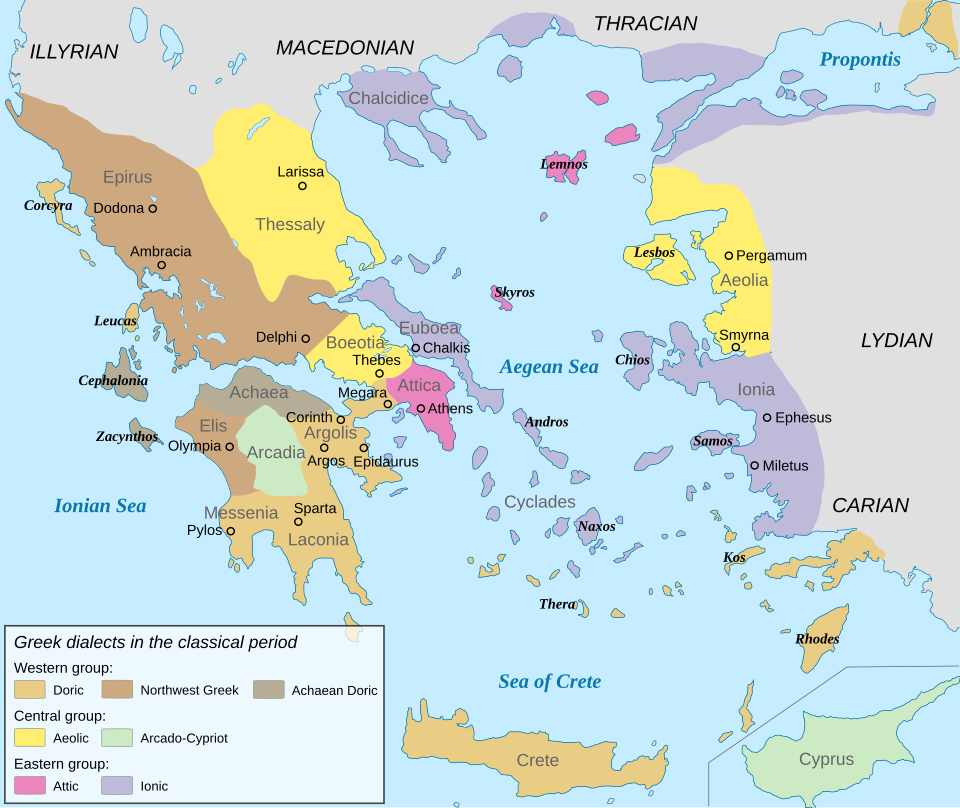
The dialects of ancient Greek in the classical period (the western colonies are not shown): map by Future Perfect at Sunrise after R. D. Woodard (2008).
Future Perfect at Sunrise (Wikimedia Commons) · Public domain · via Wikimedia Commons
File:AncientGreekDialects (Woodard) en.svg
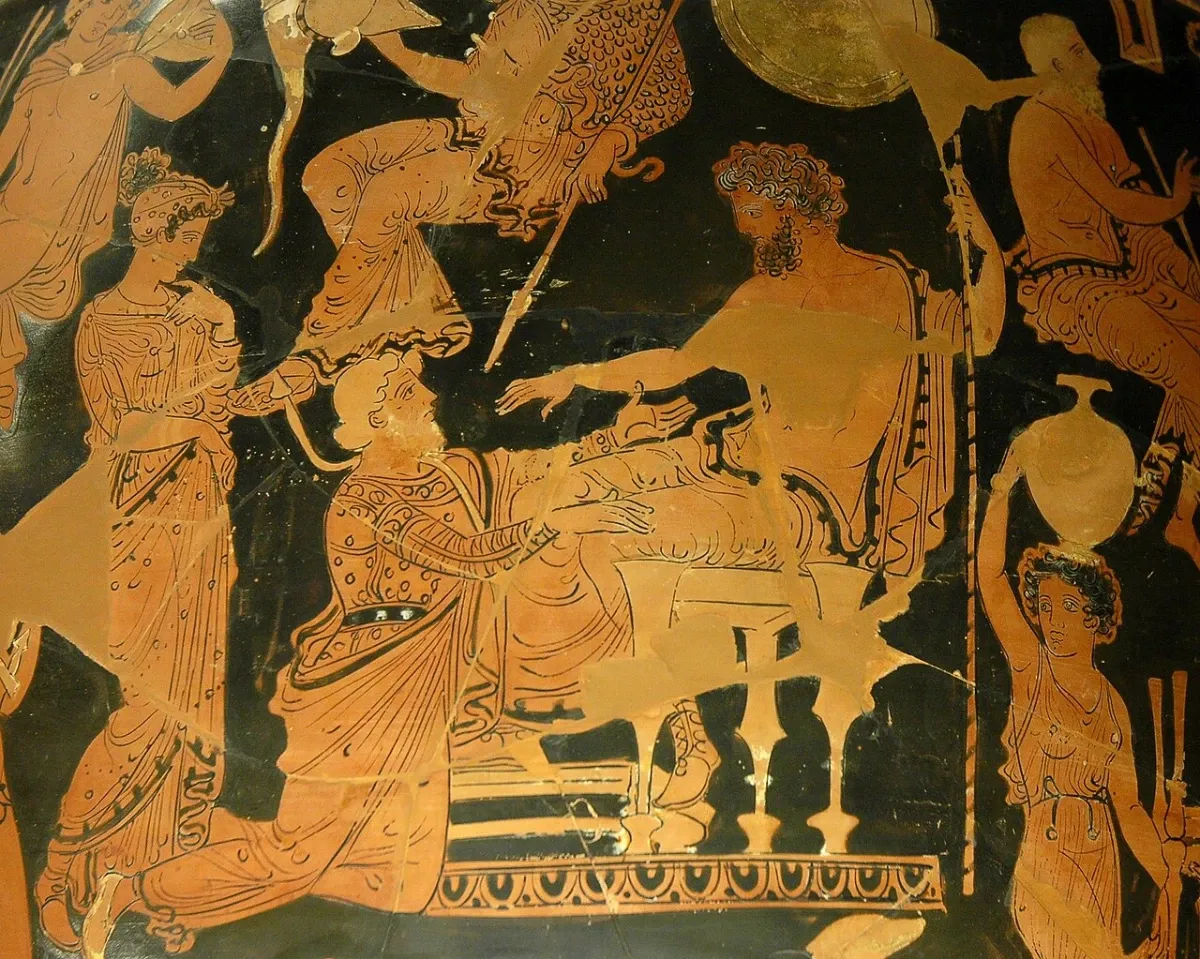
Chryses tries to ransom his daughter Chryseis from Agamemnon: side A of an Apulian red-figure volute-krater by the Painter of Athens 1714, c. 360–350 BC, found at Taranto. Paris, Louvre K 1.
Painter of Athens 1714; photo: Jastrow · Public domain · via Wikimedia Commons
File:Chryses Agamemnon Louvre K1.jpg
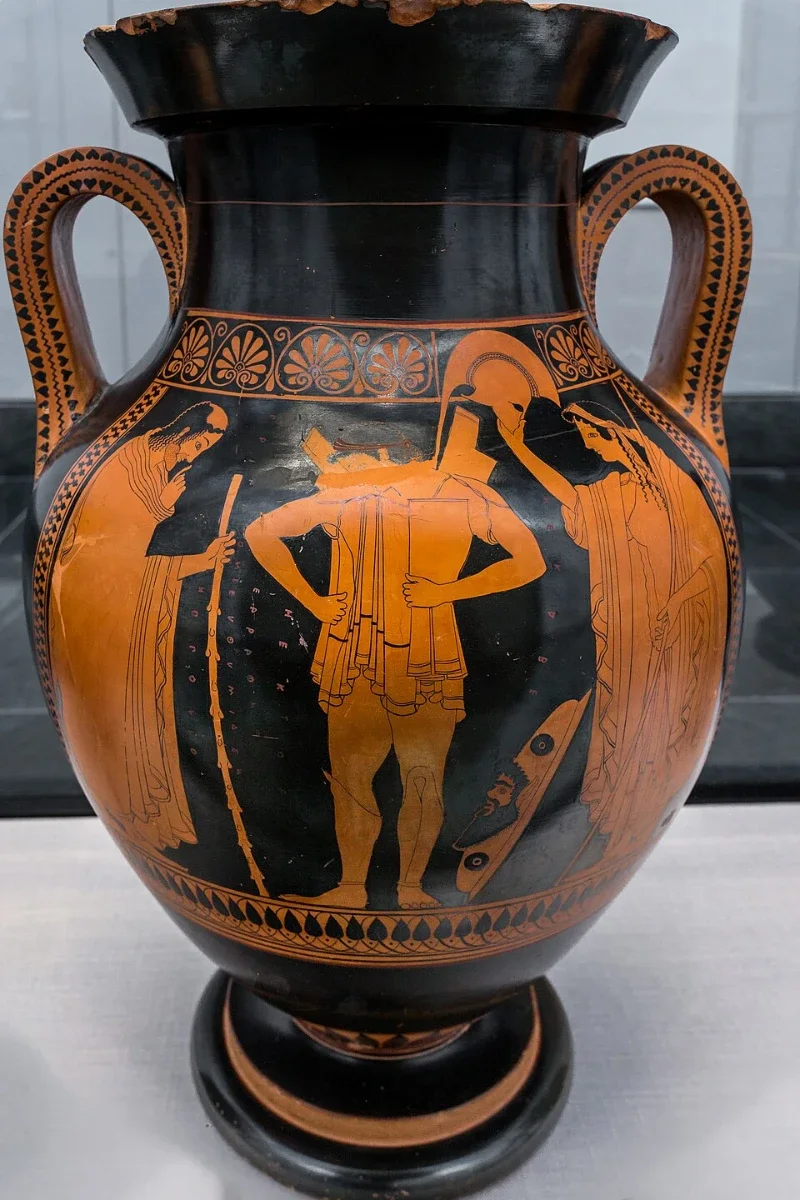
Hector arming for battle between his father Priam and his mother Hecabe, each named in an inscription; Attic red-figure amphora signed by Euthymides, c. 510–500 BC, from Vulci. Munich, Staatliche Antikensammlungen 2307.
Euthymides (painter); photo: ArchaiOptix · CC BY-SA 4.0 · via Wikimedia Commons · background removed
File:Euthymides ARV 26 1 Hector arming - komos (02).jpg
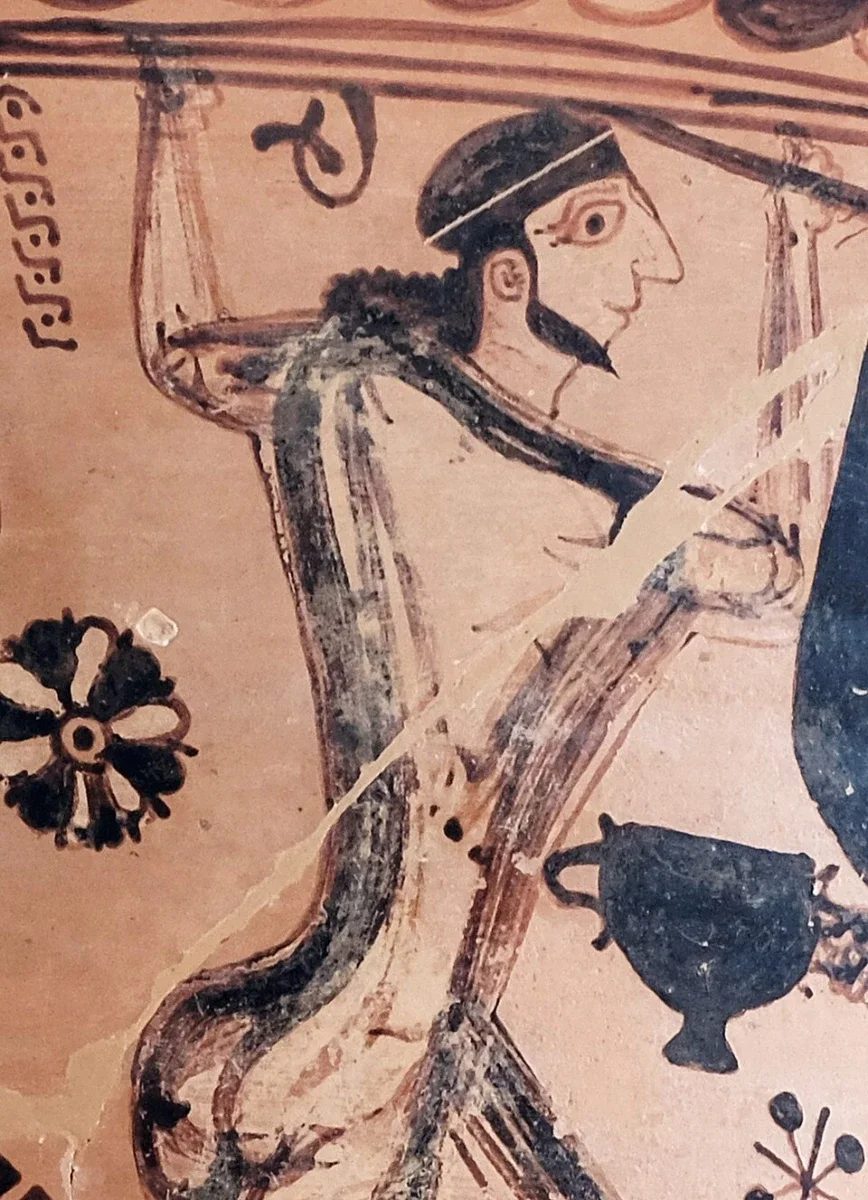
The Polyphemus amphora (detail): Odysseus raising the stake to blind Polyphemus.
Davide Mauro · CC BY 3.0 · via Wikimedia Commons
File:Polyphemus amphora (detail).jpg
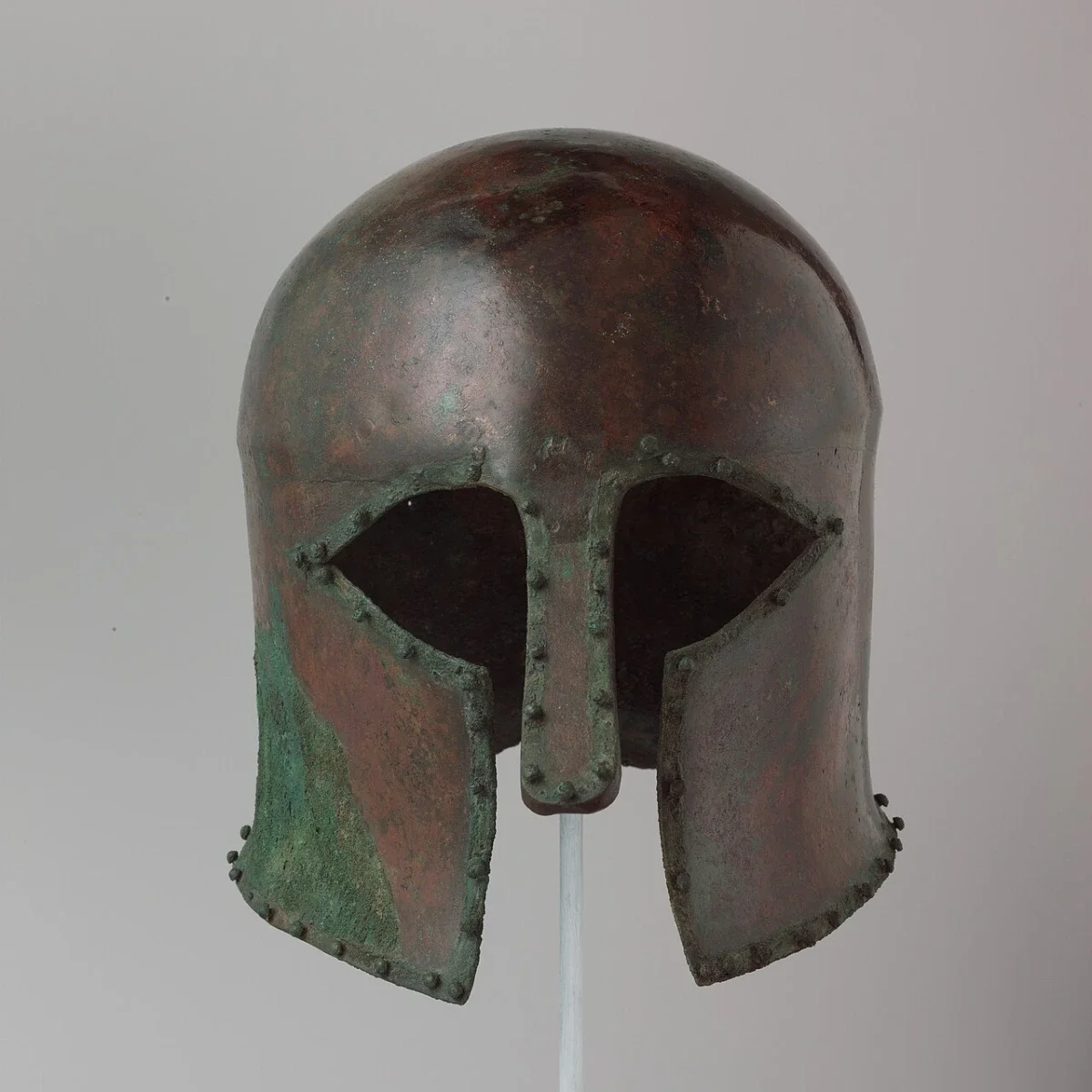
Bronze helmet of Corinthian type, Greek, early 6th century BC. New York, Metropolitan Museum of Art.
Metropolitan Museum of Art (Open Access) · CC0 · via Wikimedia Commons · background removed
File:Bronze helmet of Corinthian type MET DP105637.jpg
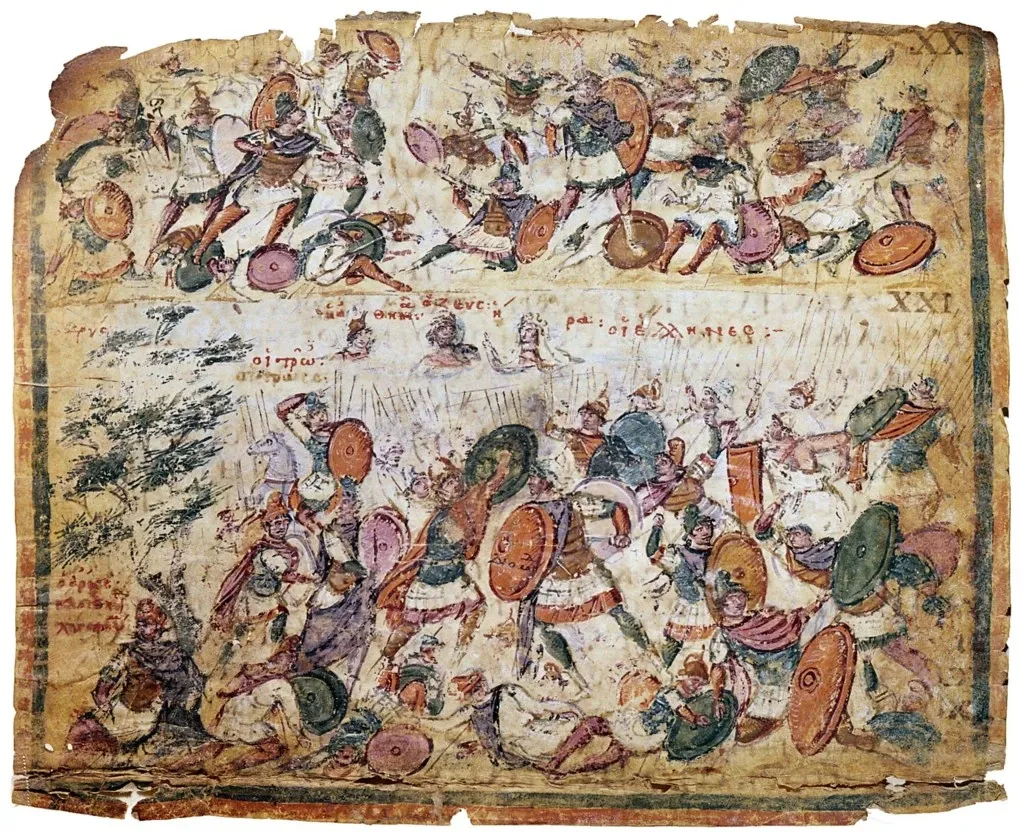
Fighting scenes from the Ambrosian Iliad, an illustrated manuscript of the Iliad of about AD 500. Milan, Biblioteca Ambrosiana, Cod. F. 205 Inf.
Unknown illustrator (c. AD 500) · Public domain · via Wikimedia Commons
File:Ambrosian Iliad (Milan, Biblioteca Ambrosiana, Cod. F. 205 Inf.).jpg
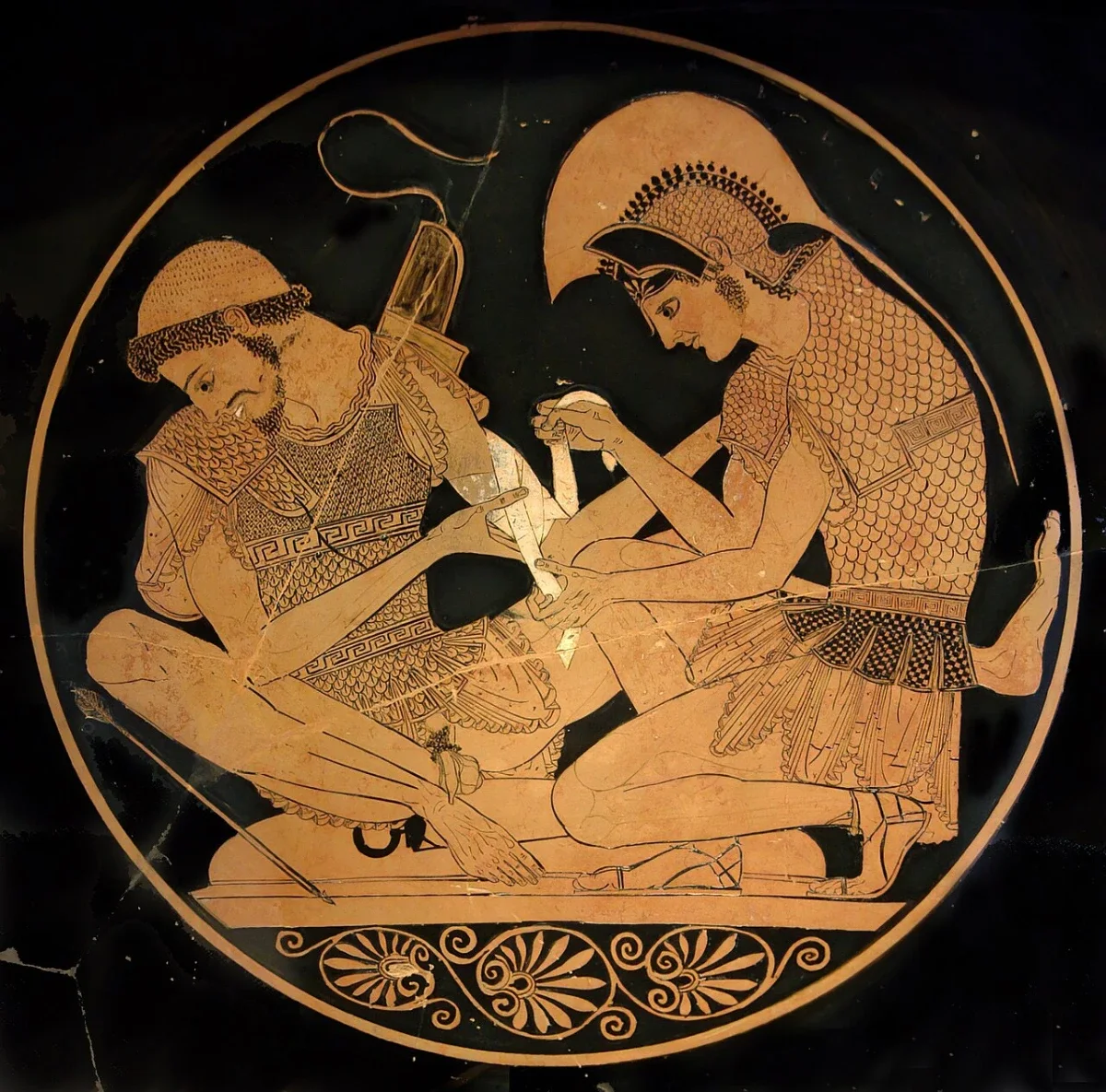
Achilles bandaging Patroclus, wounded by an arrow, both named by inscriptions: tondo of an Attic red-figure kylix signed by Sosias as potter, c. 500 BC, from Vulci. Berlin, Antikensammlung F 2278.
Sosias (potter); Sosias Painter; photo: Bibi Saint-Pol · Public domain · via Wikimedia Commons
File:Akhilleus Patroklos Antikensammlung Berlin F2278.jpg
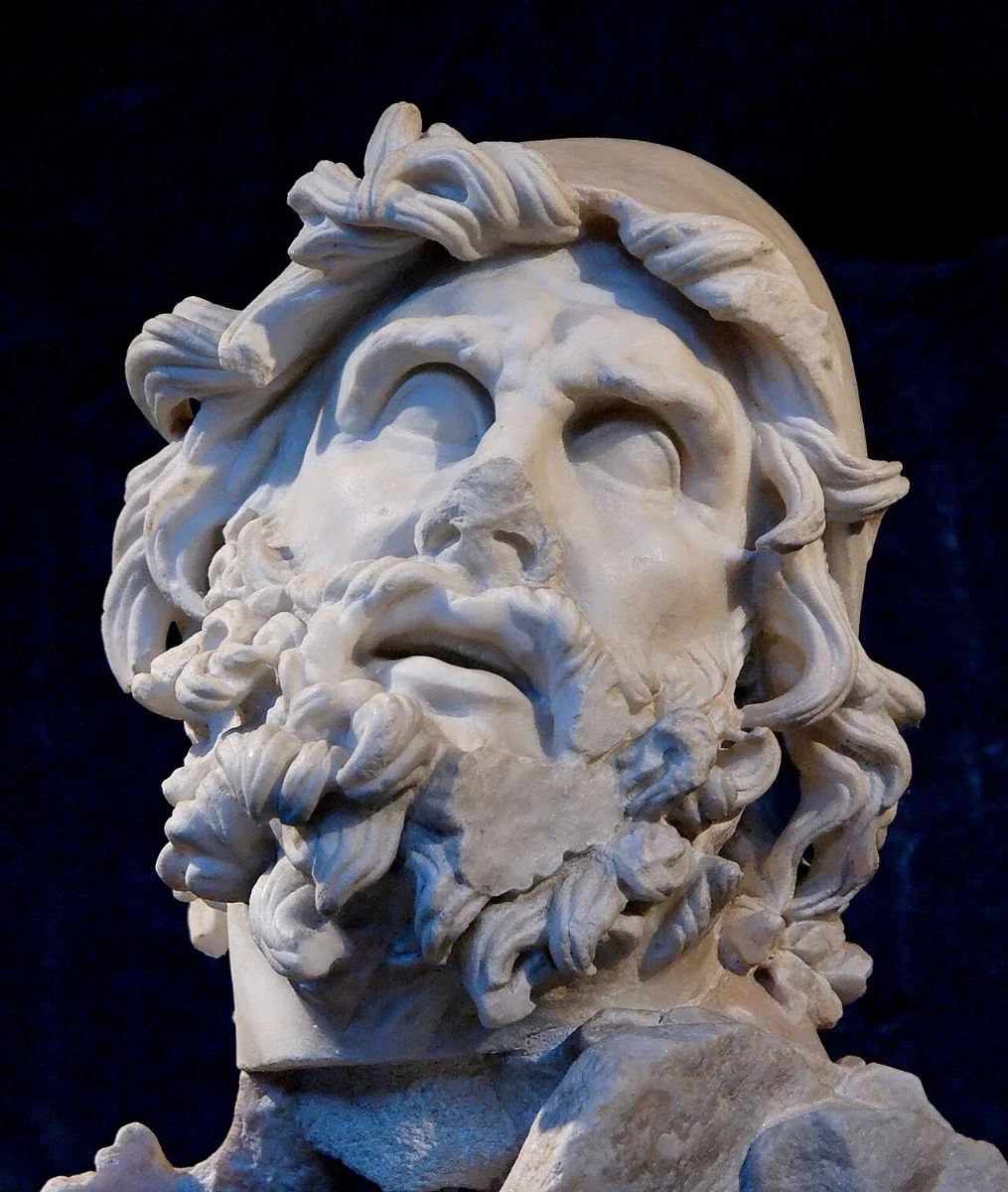
Head of Odysseus from the marble group of the blinding of Polyphemus, probably 1st century AD, from the villa of Tiberius at Sperlonga. Sperlonga, Museo Archeologico Nazionale.
Jastrow · Public domain · via Wikimedia Commons
File:Head Odysseus MAR Sperlonga.jpg
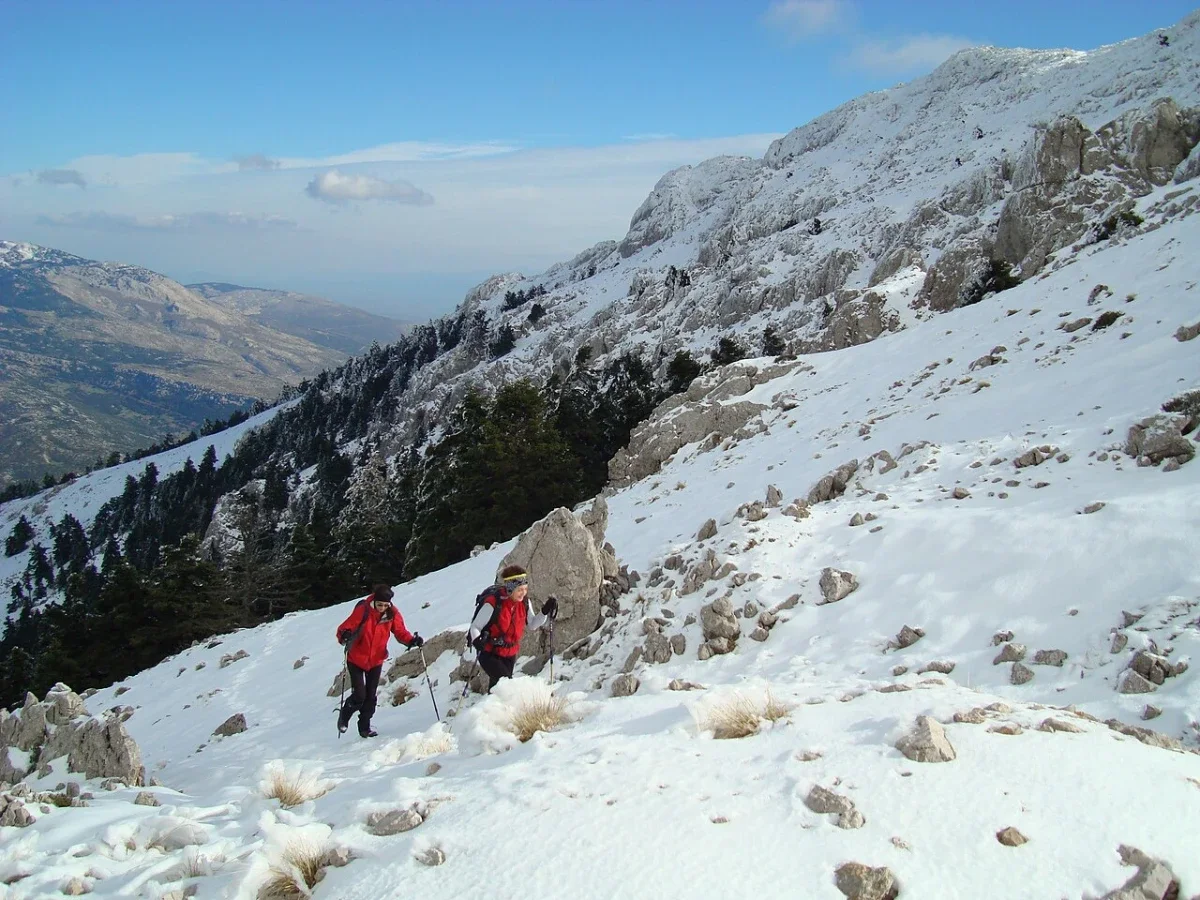
Ascent on Mount Helicon in Boeotia, in winter.
Constantinos Gofas · CC BY 3.0 · via Wikimedia Commons
File:Helikonmountainascent.JPG
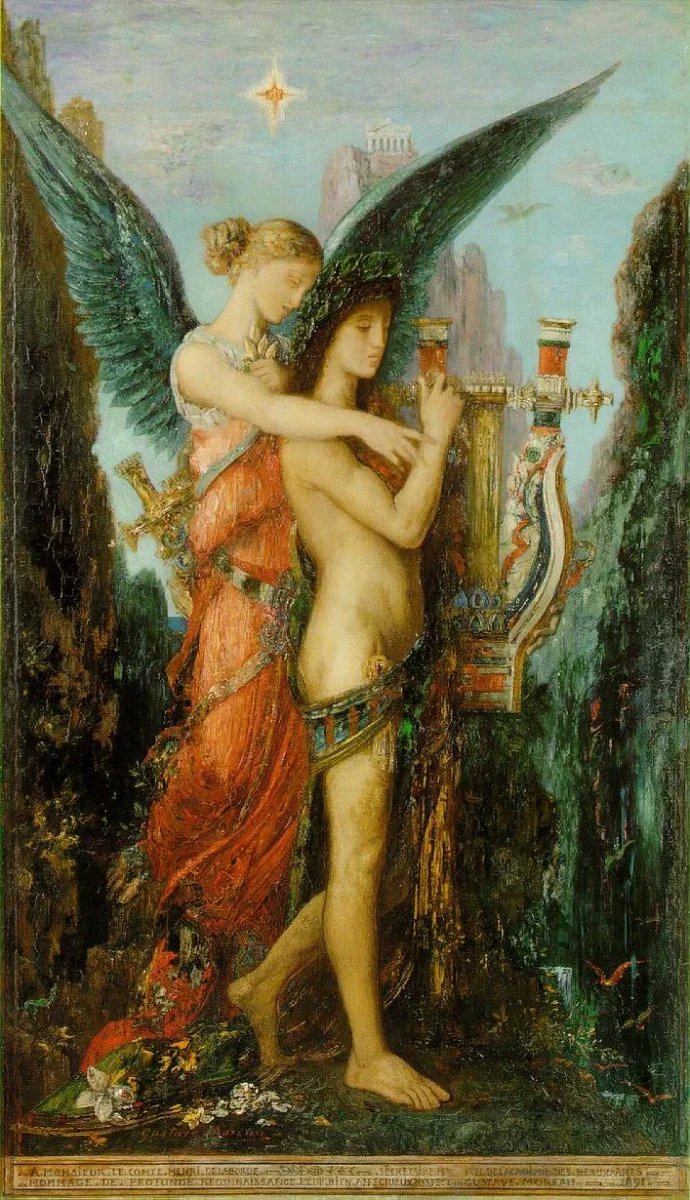
Gustave Moreau, Hesiod and the Muse, 1891.
Gustave Moreau · Public domain · via Wikimedia Commons
File:Moreau, Gustave - Hésiode et la Muse - 1891.jpg
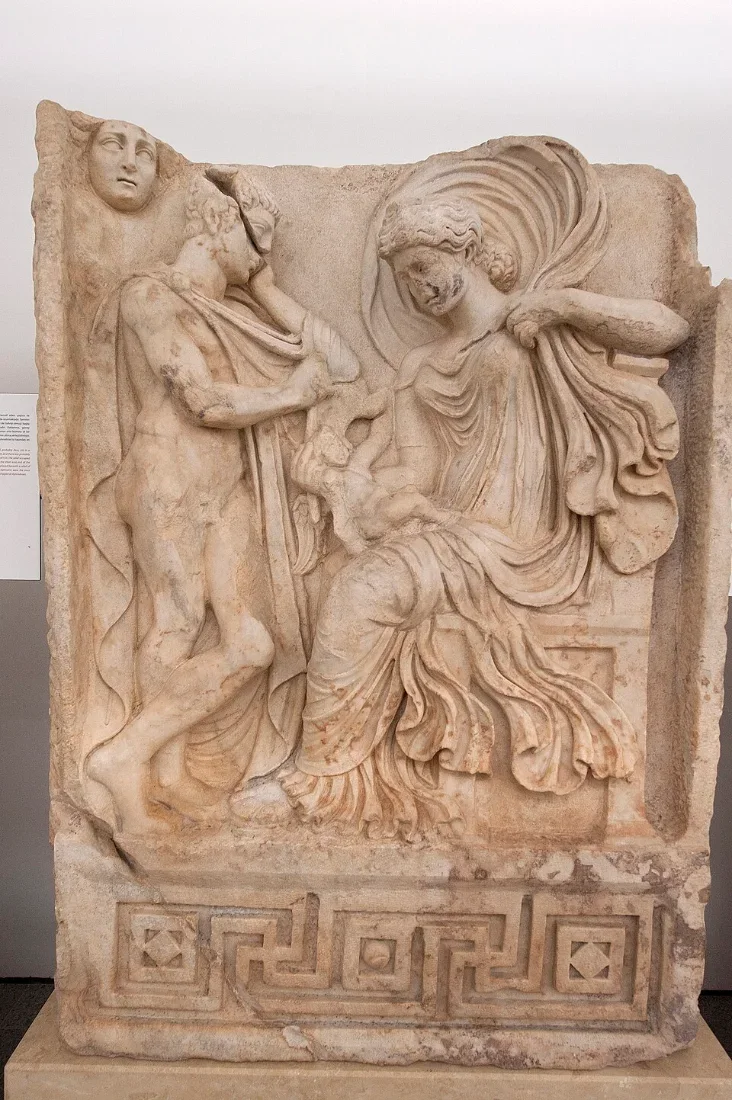
Aphrodite and Anchises: a relief from the Sebasteion at Aphrodisias. Aphrodisias Museum.
Dosseman · CC BY-SA 4.0 · via Wikimedia Commons · background removed
File:Aphrodisias Museum Anchises and Aphrodite 4649.jpg
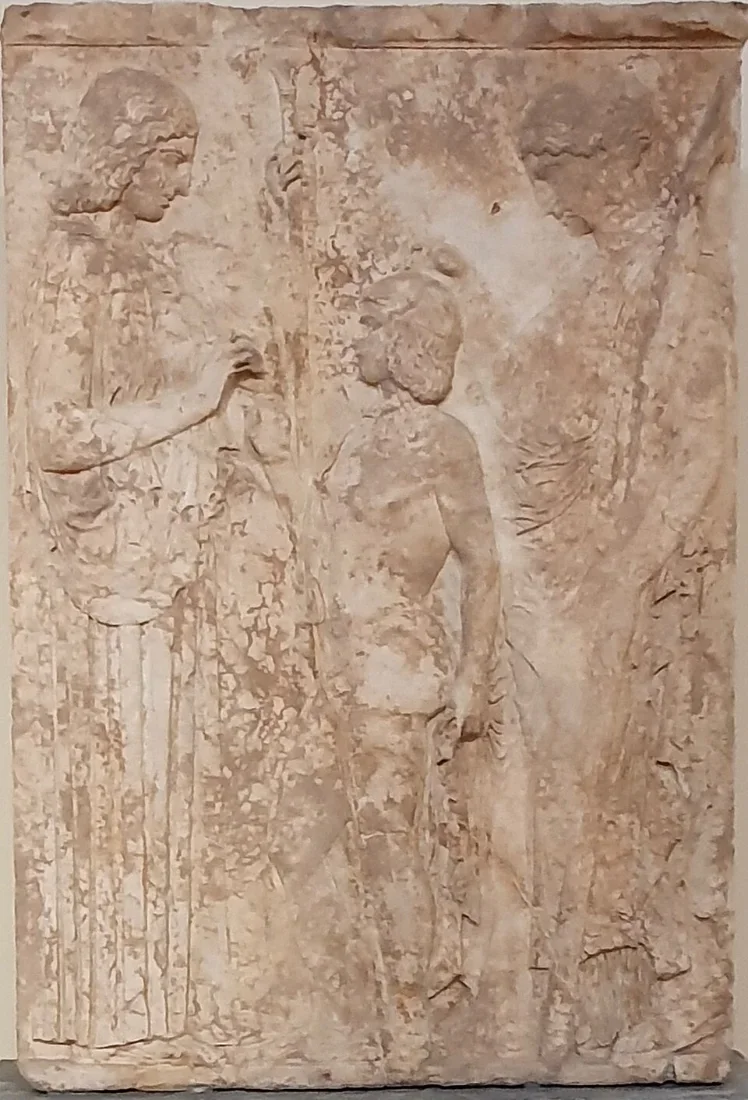
The Great Eleusinian Relief: Demeter and Persephone with the boy Triptolemus, 5th century BC. Athens, National Archaeological Museum 126.
Yair Haklai · CC BY-SA 4.0 · via Wikimedia Commons
File:Great Eleusinian relief (NAMA 126).jpg
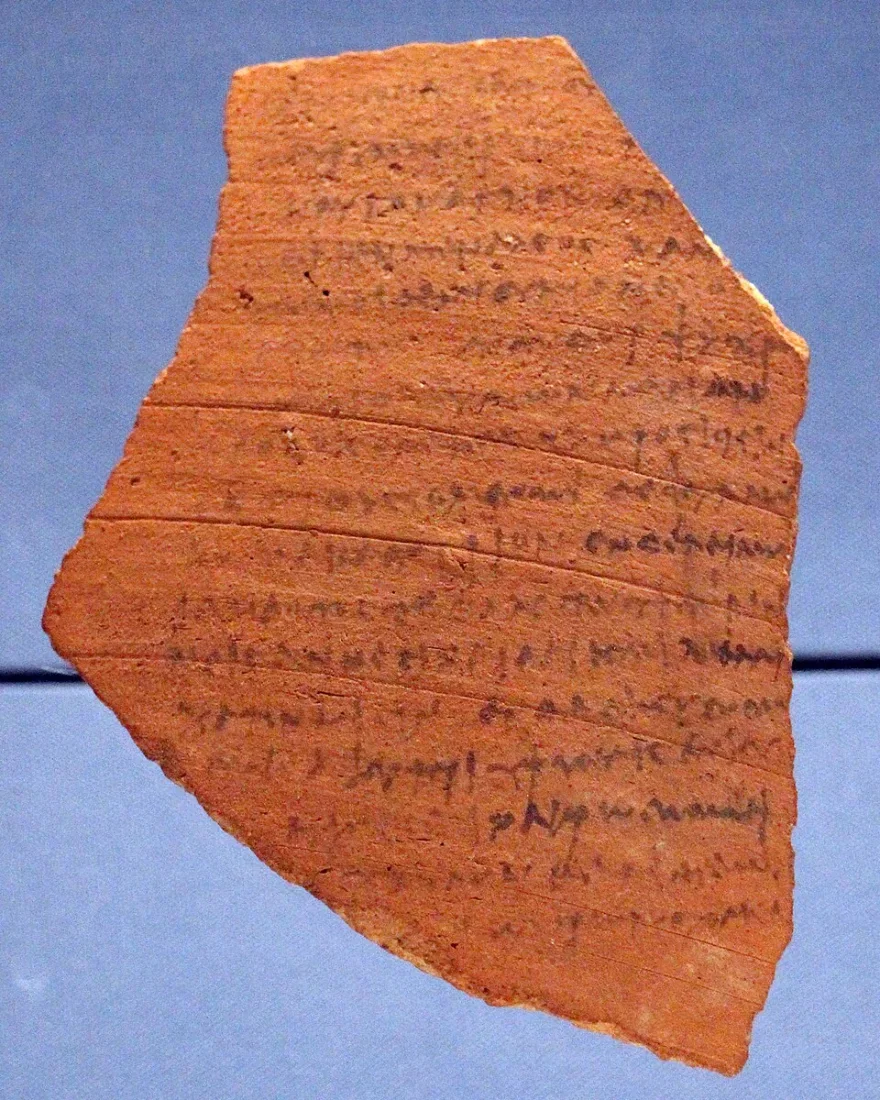
PSI XIII 1300: an ostrakon (potsherd) of the 3rd–2nd century BC from Egypt, preserving four stanzas of Sappho fr. 2. Florence, Biblioteca Medicea Laurenziana.
Sailko · CC BY 3.0 · via Wikimedia Commons · background removed
File:Ostrakon PSI XIII 1300, II sec. ac, frammento di un'ode di saffo sul culto di afrodite.JPG
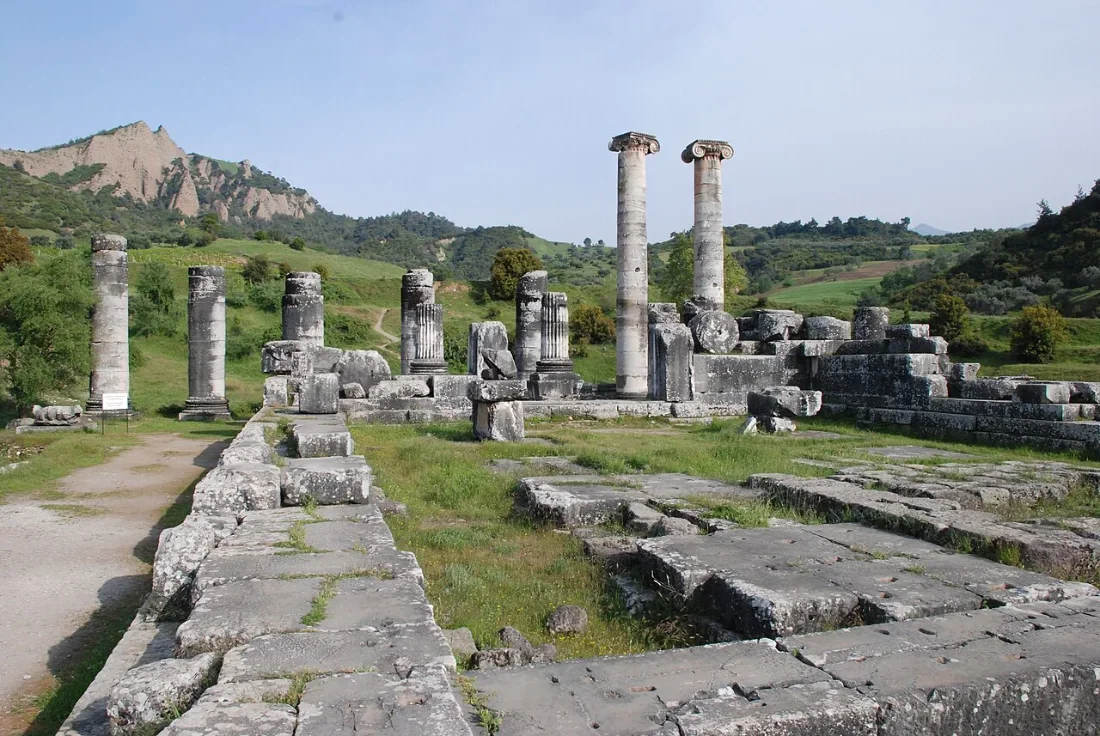
The temple of Artemis at Sardis (modern Sart, Turkey).
simonjenkins (Flickr) · CC BY-SA 2.0 · via Wikimedia Commons
File:Temple of Artemis Sardis Turkey.jpg
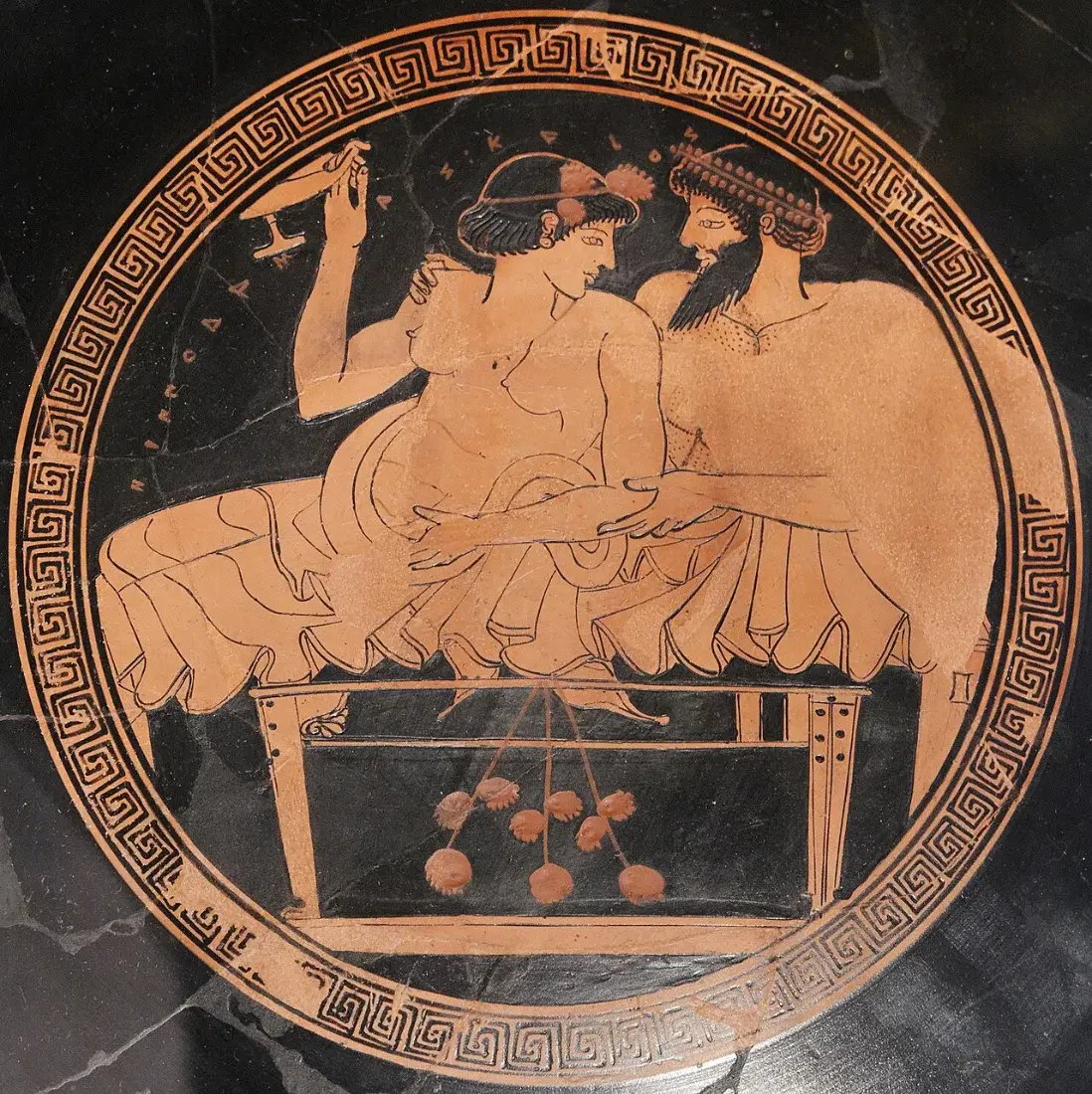
A man and a woman reclining on a couch at a banquet: tondo of an Attic red-figure kylix signed by Hieron as potter, attributed to Makron, c. 490 BC. New York, Metropolitan Museum of Art 1979.11.8.
Hieron (potter); Makron (painter); photo: Marie-Lan Nguyen · CC BY 2.5 · via Wikimedia Commons
File:Banqueters Met 1979.11.8.jpg
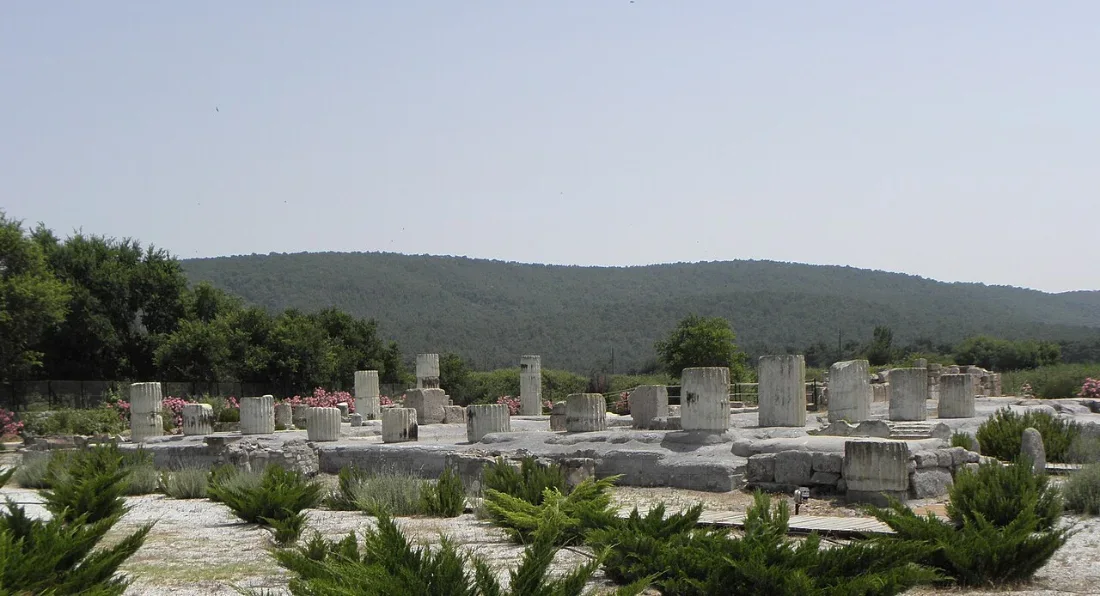
Remains of an ancient temple at Messa (Mesa), Lesbos.
Tedmek · Public domain · via Wikimedia Commons
File:Lesbos Messa01.JPG
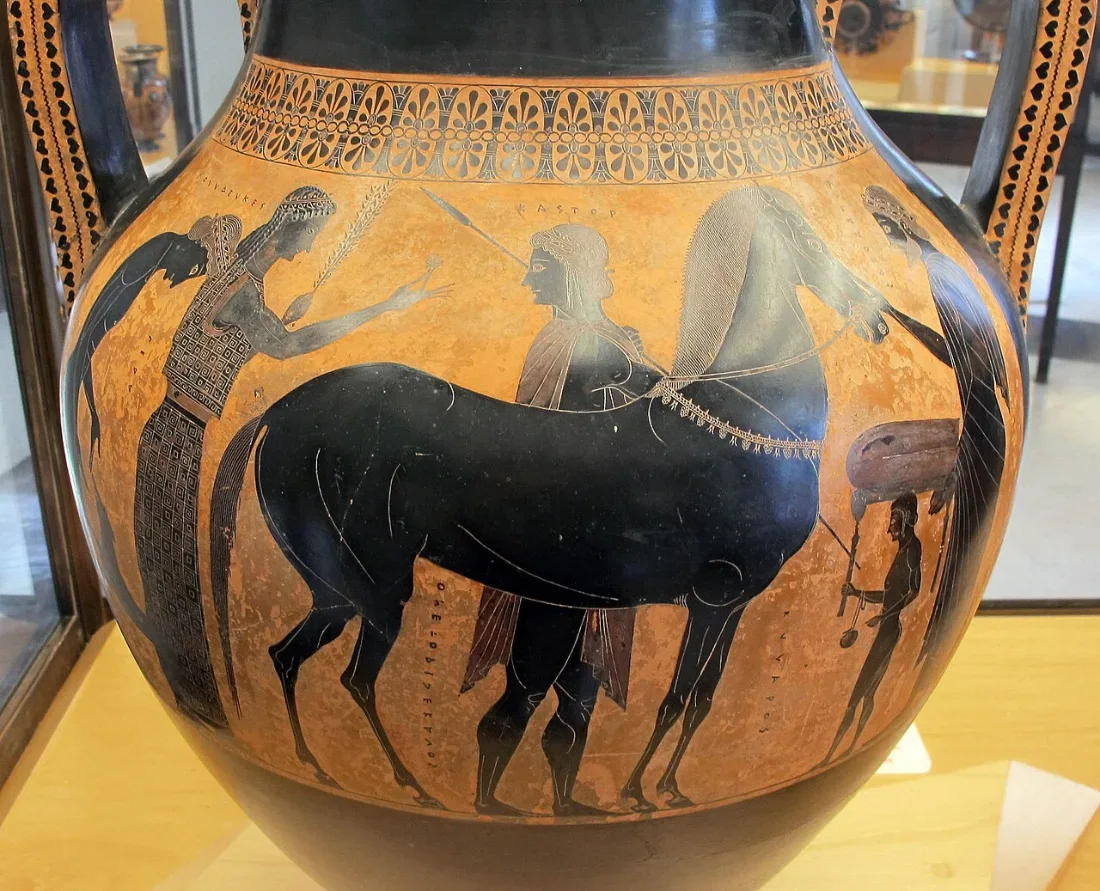
Castor and Pollux, the Dioscuri: Attic black-figure amphora by Exekias, c. 540–530 BC, from Vulci (the other side shows Achilles and Ajax playing a board game). Vatican, Museo Gregoriano Etrusco.
Exekias; photo: Sailko · CC BY-SA 3.0 · via Wikimedia Commons
File:Exekias, anfora con achille e aiace che giocano a dai, castore e polluce, da vulci, 540-30 ac ca. 05.JPG
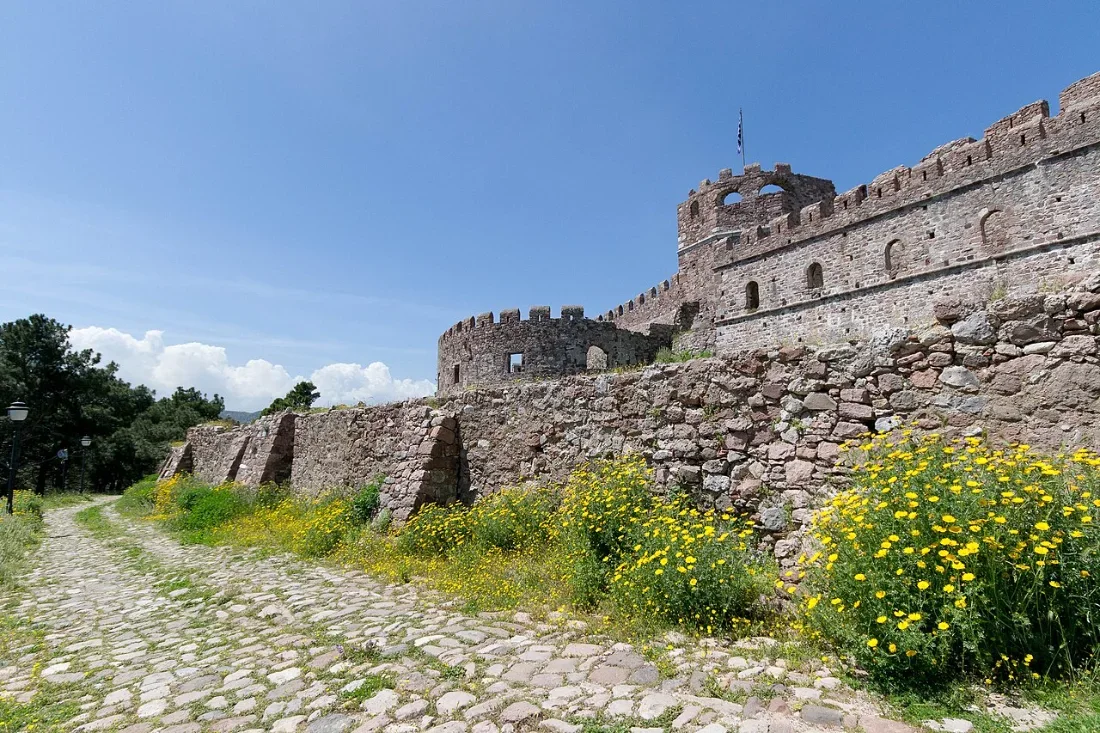
The outer walls of the fortress of Mytilene, Lesbos.
Katsiaryna Naliuka · CC BY-SA 3.0 · via Wikimedia Commons
File:Fortress of Mytilini, Lesvos 1.jpg
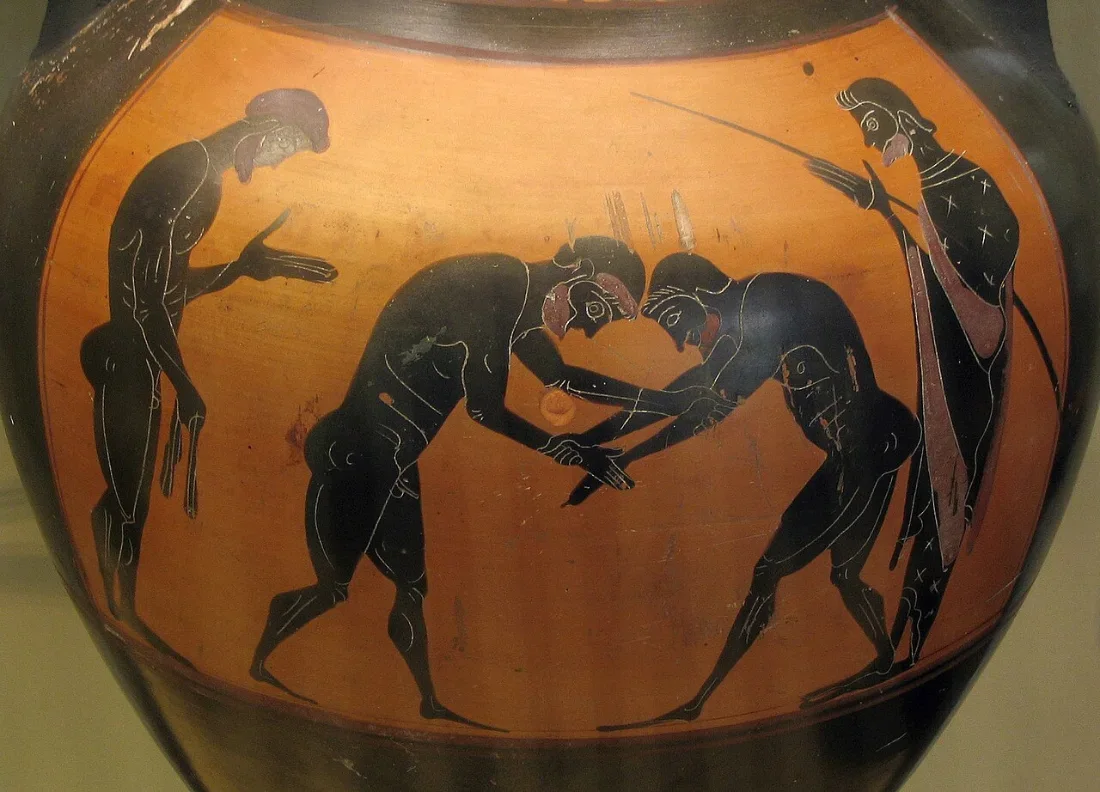
Wrestlers on a pseudo-Panathenaic amphora. Madrid, Museo Arqueológico Nacional 32647.
Mark Landon · CC BY 4.0 · via Wikimedia Commons
File:Pseudo-Panathenaic amphora - wrestlers (Madrid MAN 32647).jpg
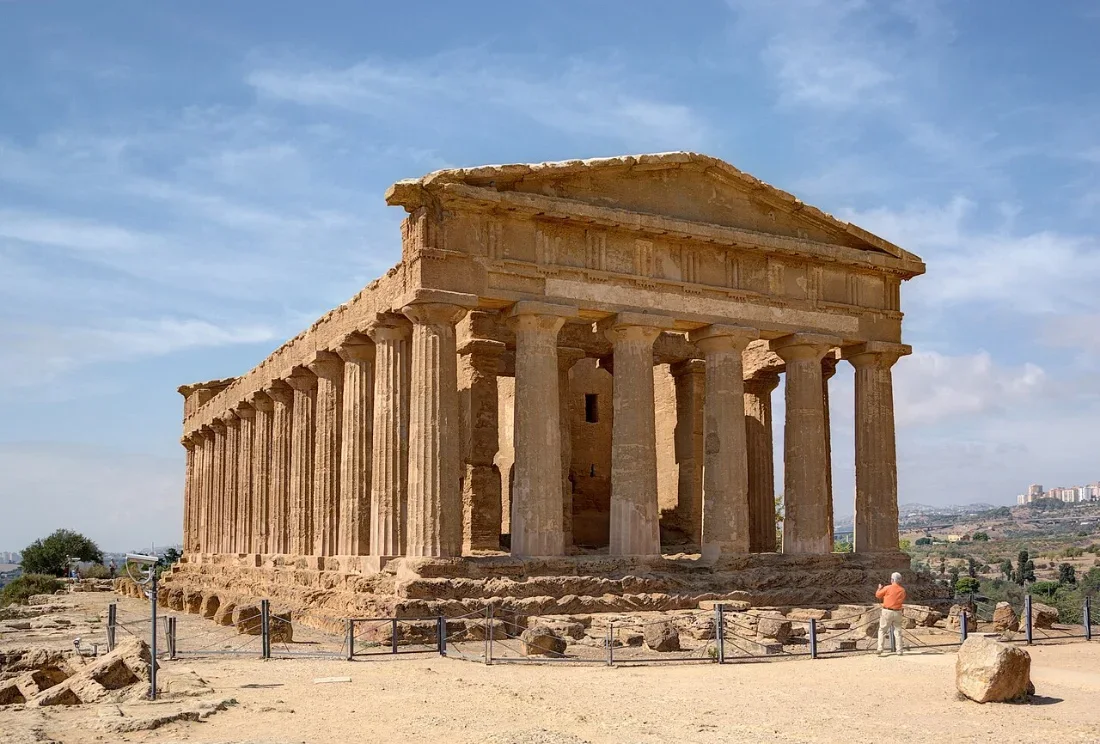
The 'Temple of Concordia' at Agrigento (ancient Acragas), Sicily.
Berthold Werner · CC BY-SA 3.0 · via Wikimedia Commons
File:Temple of Concordia, Agrigento BW 2012-10-07 13-09-13.jpg
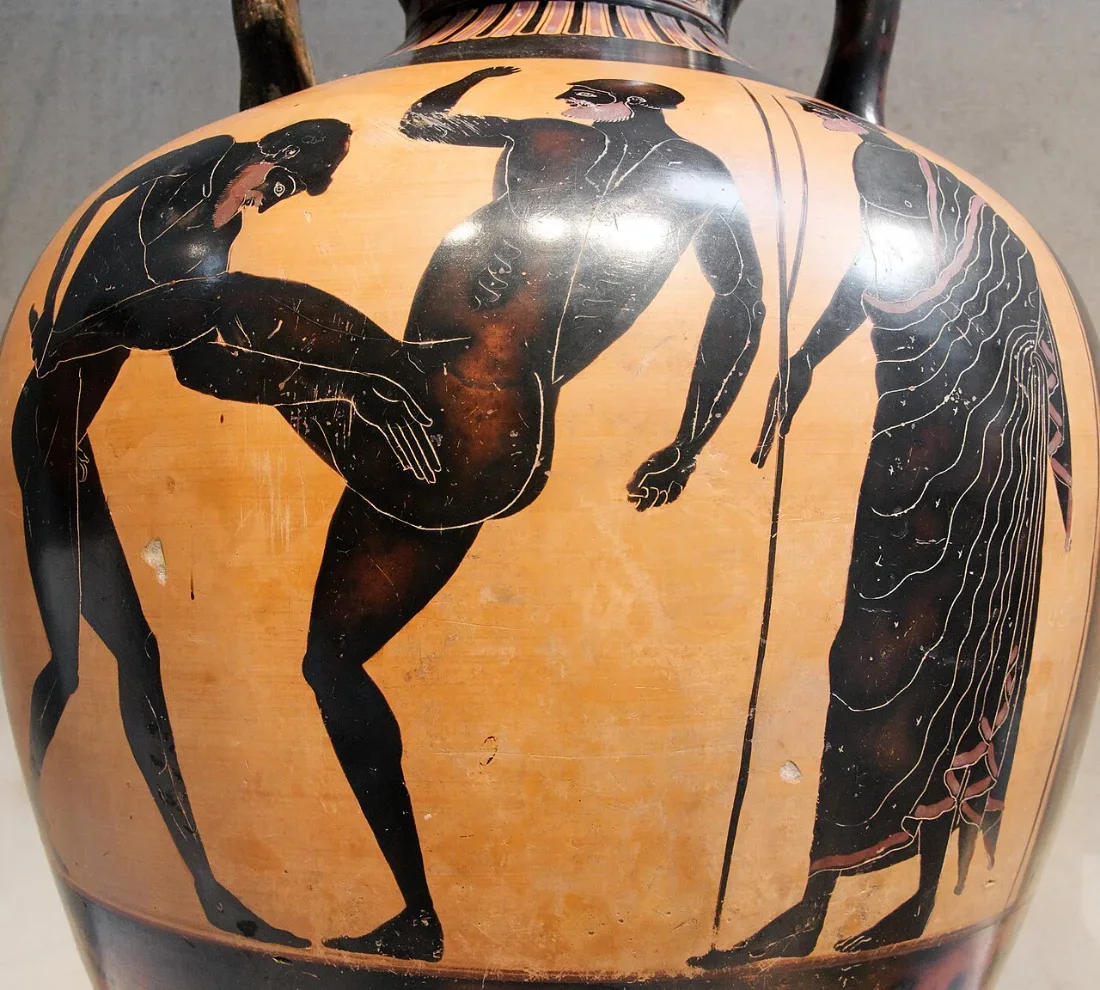
Pankratiasts fighting under the eyes of a judge: side B of a Panathenaic prize amphora by the Kleophrades Painter, c. 500 BC. New York, Metropolitan Museum of Art 16.71.
Kleophrades Painter; photo: Marie-Lan Nguyen · CC BY 2.5 · via Wikimedia Commons
File:Pankration Met 16.71.jpg
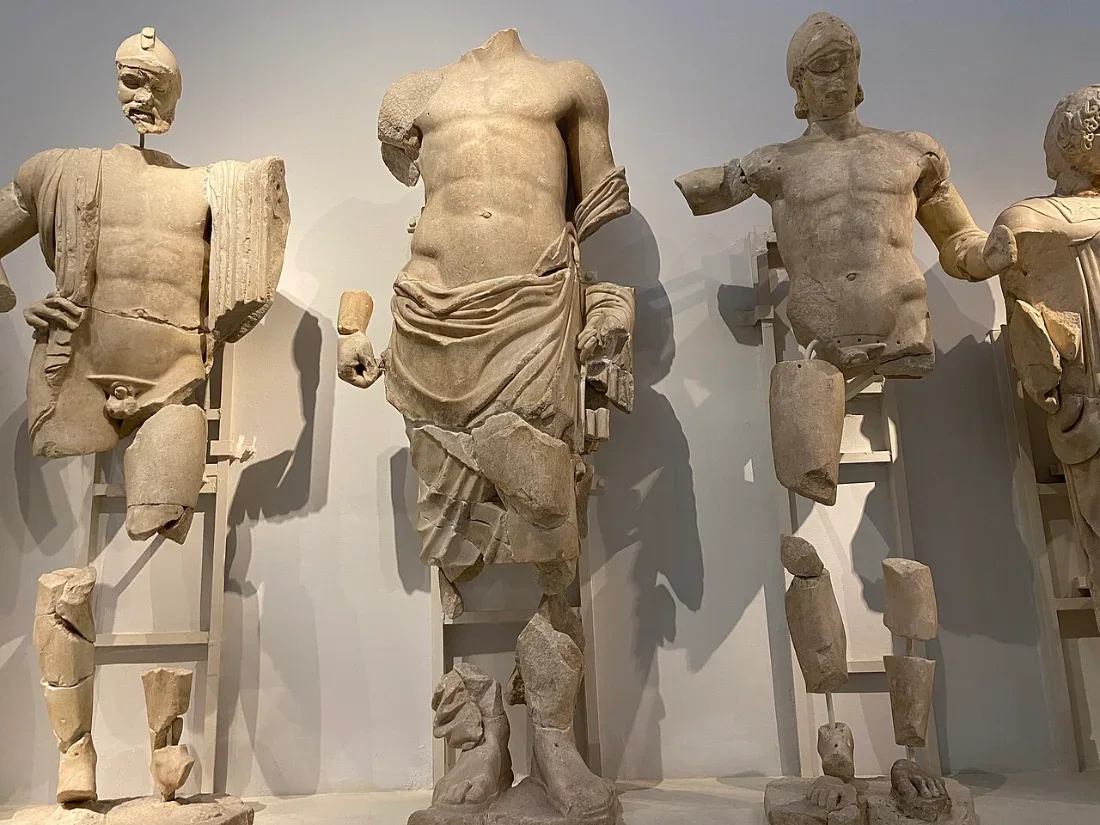
The central figures of the east pediment of the temple of Zeus at Olympia: Zeus between Pelops and Oenomaus before their chariot race.
Melissopetra · CC BY-SA 4.0 · via Wikimedia Commons
File:Central figures of the east pediment of the Temple of Zeus at Olympia.jpg
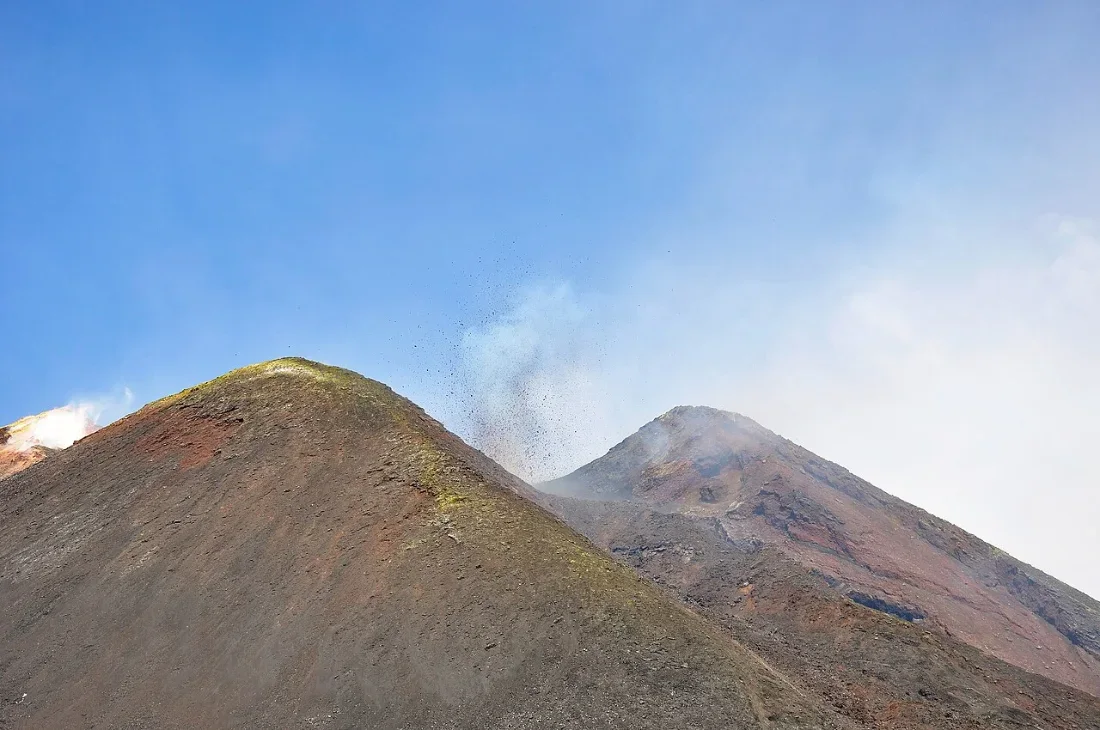
A weak Strombolian eruption of Etna, 12 April 2012.
Walter Isack · CC BY-SA 3.0 at · via Wikimedia Commons
File:Etna eruptions April 2012.JPG
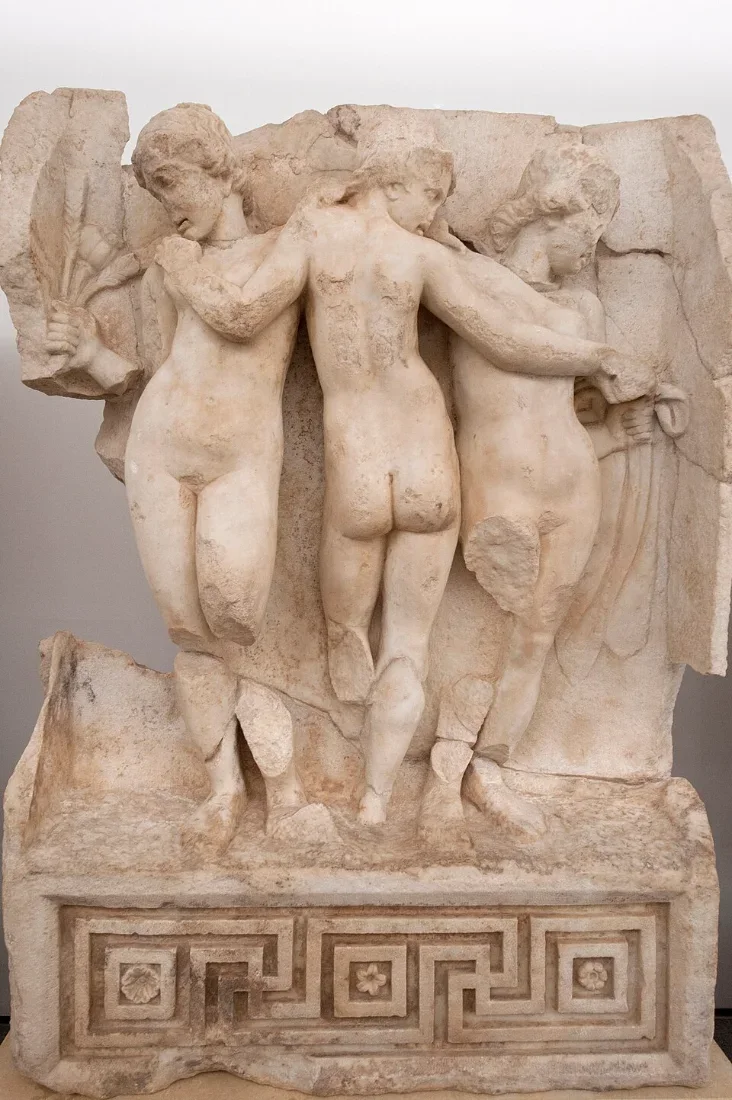
The Three Graces (Charites): a relief from the Sebasteion at Aphrodisias, 1st century AD. Aphrodisias Museum.
Dosseman · CC BY-SA 4.0 · via Wikimedia Commons
File:Aphrodisias Museum Three Graces 4652.jpg
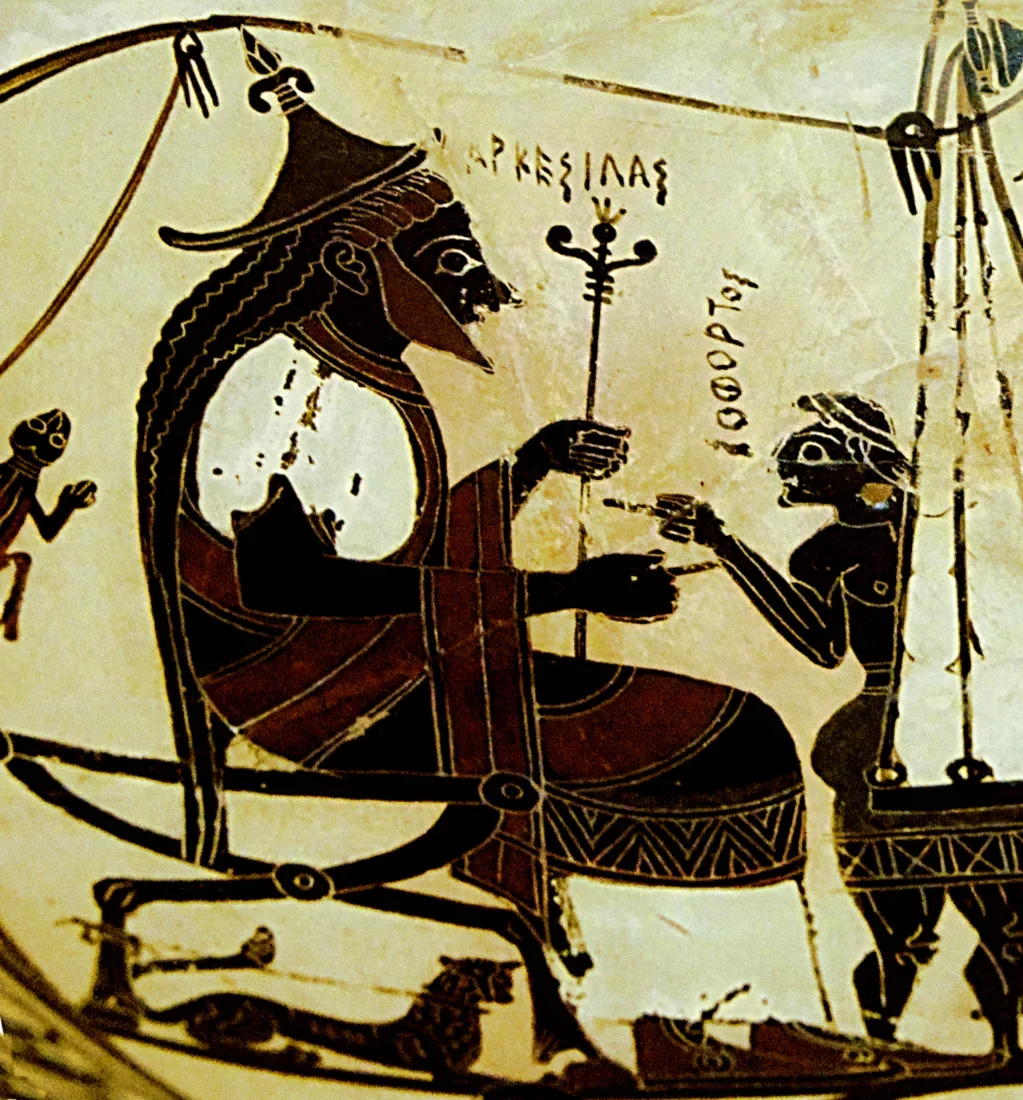
King Arkesilas of Cyrene watching the weighing and storing of goods (wool or silphium): tondo of a Laconian black-figure cup by the Arkesilas Painter, c. 565–560 BC, found at Vulci. Paris, Cabinet des Médailles 189.
Arkesilas Painter; photo: Marie-Lan Nguyen (cropped, colours adjusted on Commons) · CC BY-SA 2.5 · via Wikimedia Commons
File:Arkesilas Cup Cdm Paris DeRidder189 n2 cropped white balanced colors lightly enhanced.png
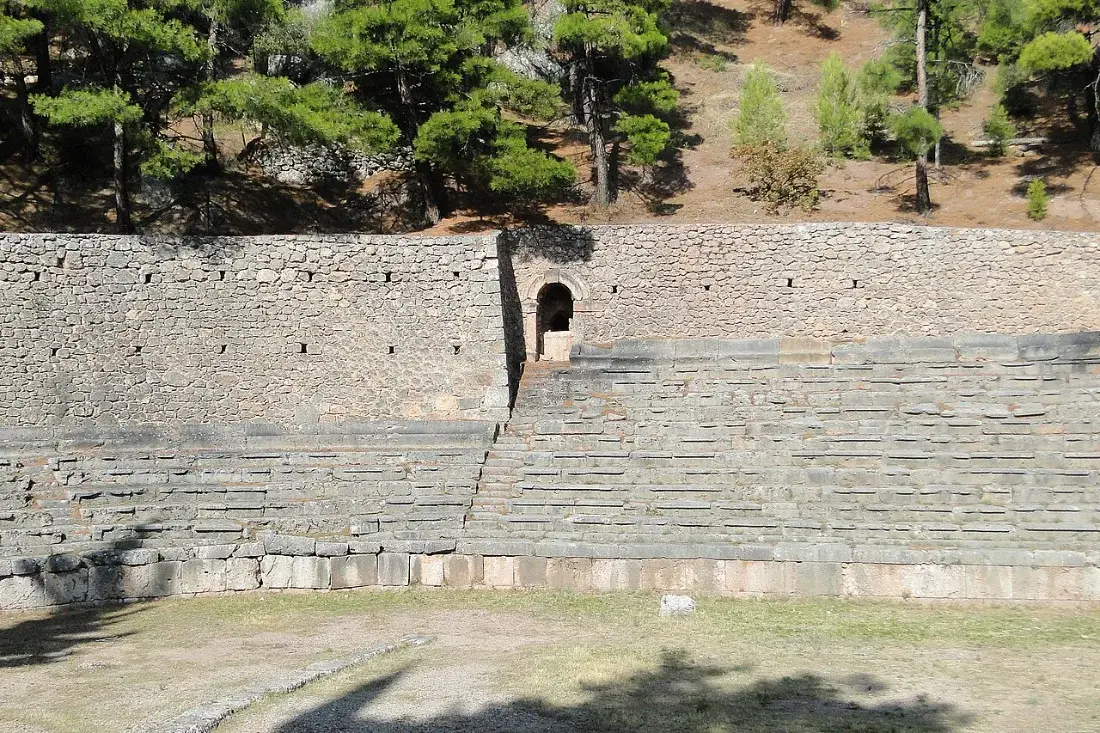
The stadium at Delphi.
Bernard Gagnon · CC BY-SA 4.0 · via Wikimedia Commons
File:Stadium of Delphi 02.jpg
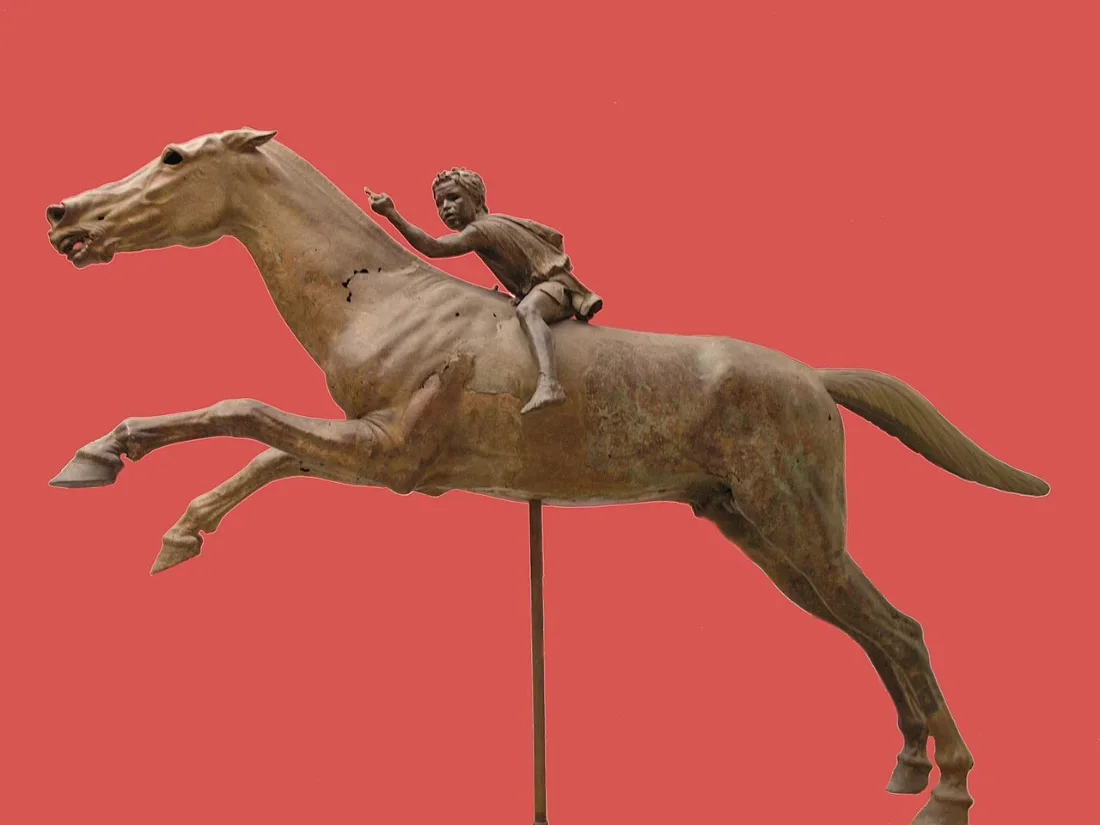
The Artemision jockey, bronze, recovered from the sea off Cape Artemision in Euboea. Athens, National Archaeological Museum.
Marsyas · CC BY 2.5 · via Wikimedia Commons · background removed
File:NAMA Jockey Artémision.jpg
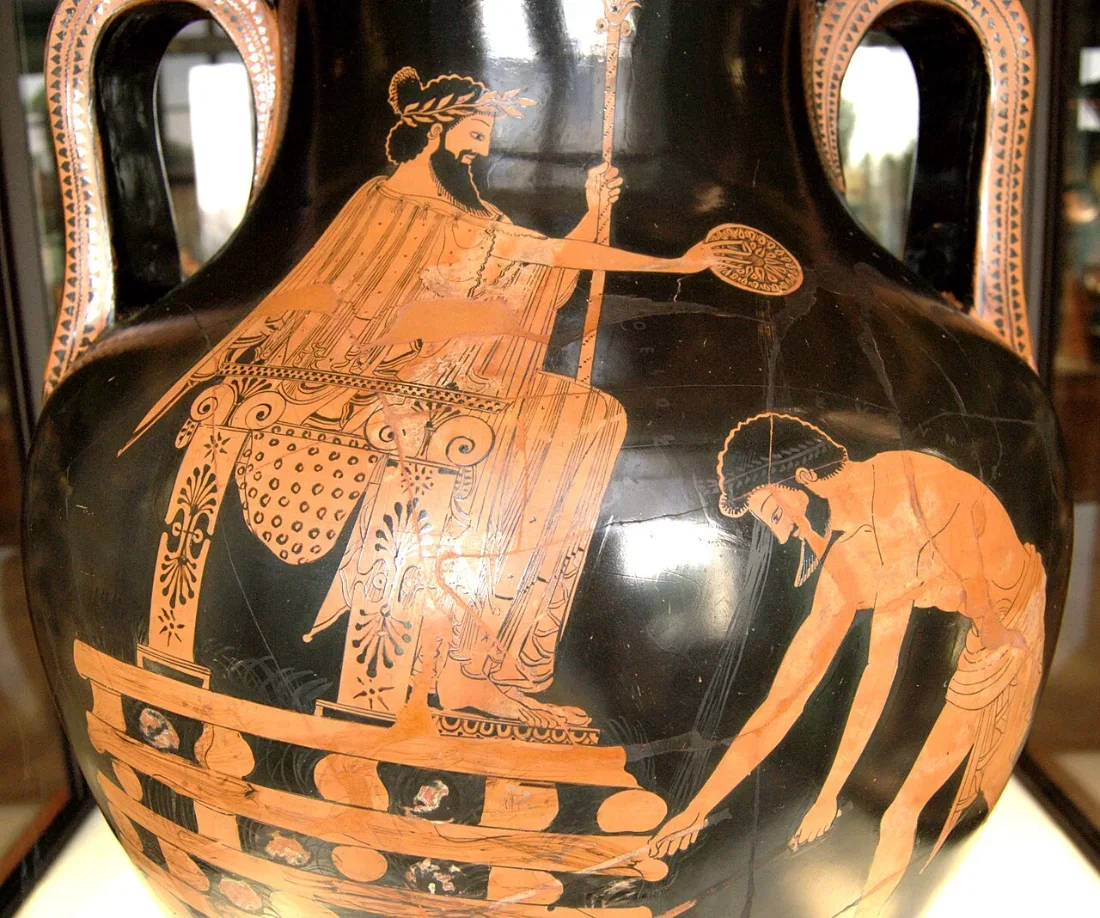
Croesus on the pyre: side A of an Attic red-figure amphora by Myson, c. 500–490 BC, from Vulci. Paris, Louvre G 197.
Myson; photo: Bibi Saint-Pol · Public domain · via Wikimedia Commons
File:Kroisos stake Louvre G197.jpg
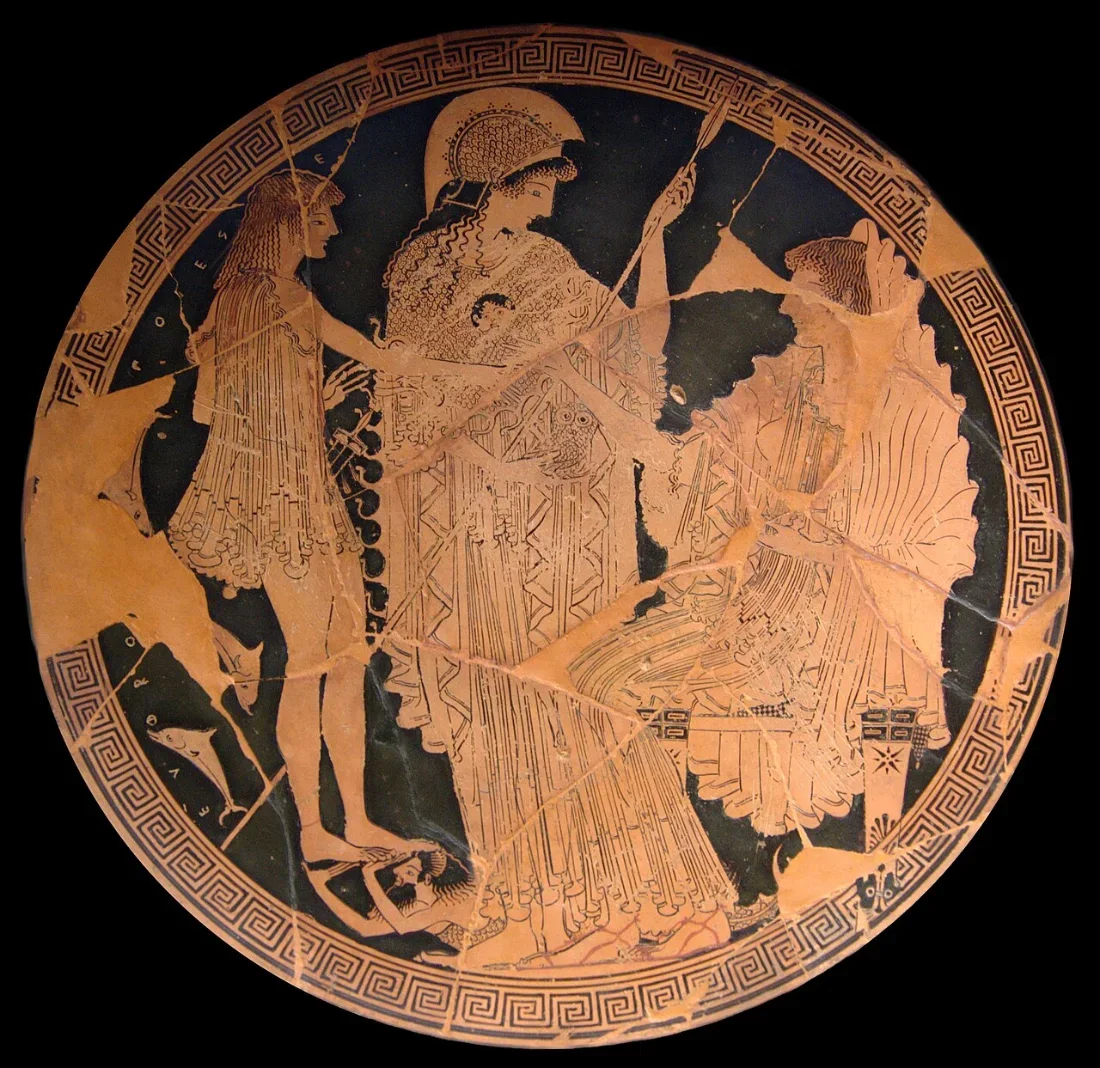
Theseus and Amphitrite, with Athena looking on: interior of an Attic red-figure cup signed by Euphronios as potter, painted by Onesimos, 500–490 BC, from Cerveteri. Paris, Louvre G 104.
Euphronios (potter); Onesimos (painter); photo: Bibi Saint-Pol · Public domain · via Wikimedia Commons
File:Theseus Athena Amphitrite Louvre G104.jpg
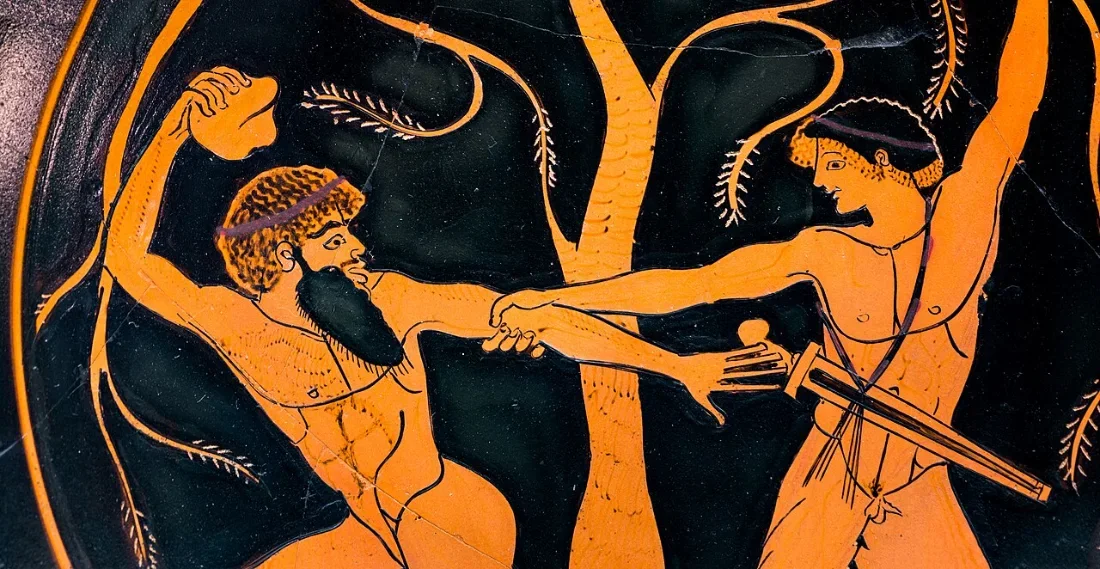
Theseus and Sinis: interior of an Attic red-figure cup by the Elpinikos Painter, c. 490 BC. Munich, Staatliche Antikensammlungen 8771.
Elpinikos Painter; photo: ArchaiOptix · CC BY-SA 4.0 · via Wikimedia Commons
File:Elpinikos Painter ARV 119 3extra Theseus and Sinis 07.jpg
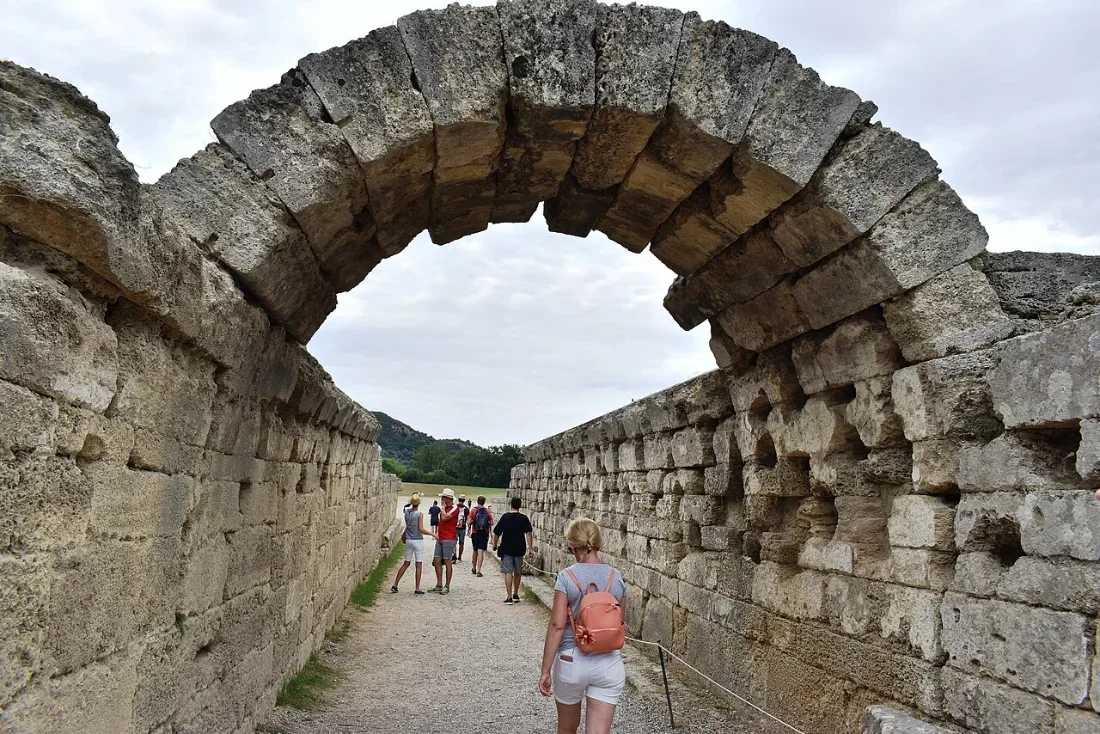
The vaulted entrance to the stadium at Olympia.
Annatsach · CC BY-SA 4.0 · via Wikimedia Commons
File:Olympia - Stadium - 1 (entrance).jpg
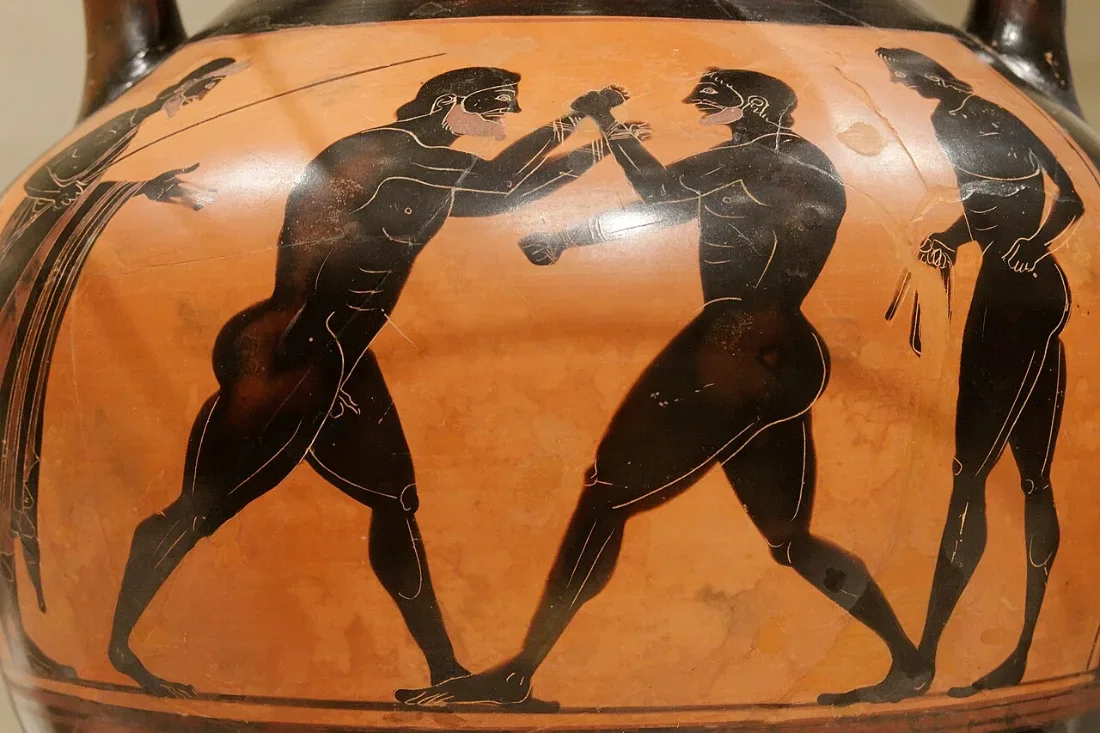
Boxers: side B of an Attic black-figure amphora of Panathenaic shape by the Antimenes Painter, c. 520 BC. New York, Metropolitan Museum of Art 06.1021.51.
Antimenes Painter; photo: Marie-Lan Nguyen · CC BY 2.5 · via Wikimedia Commons
File:Boxers Panathenaic Met 06.1021.51.jpg
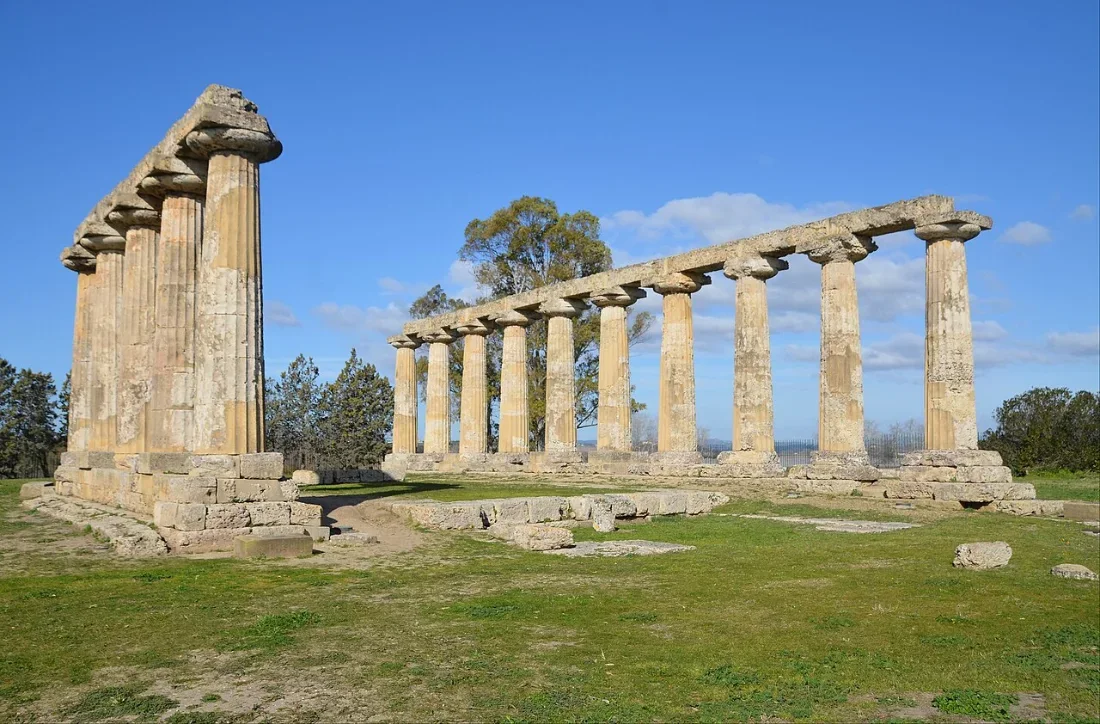
The Tavole Palatine at Metapontum (Metaponto).
Carole Mage · CC BY-SA 2.0 · via Wikimedia Commons
File:Tavole Palatine (Metaponto).jpg
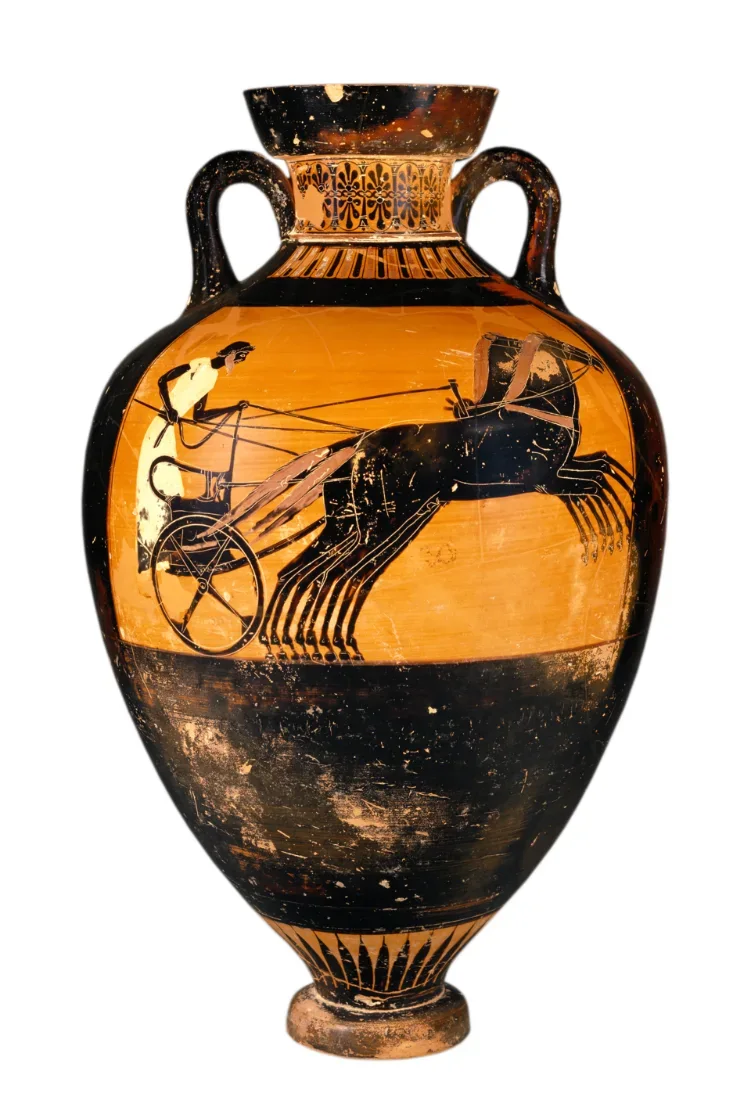
A four-horse chariot race: Panathenaic prize amphora by the Kleophrades Painter, 490–480 BC. Los Angeles, J. Paul Getty Museum.
Kleophrades Painter; image: J. Paul Getty Museum (Open Content) · CC0 · via Wikimedia Commons · background removed
File:Getty Open Image kleophrades-painter-attic-panathenaic-amphora-greek-attic-490-480-bc depicting four horse chariot race 00871101.png
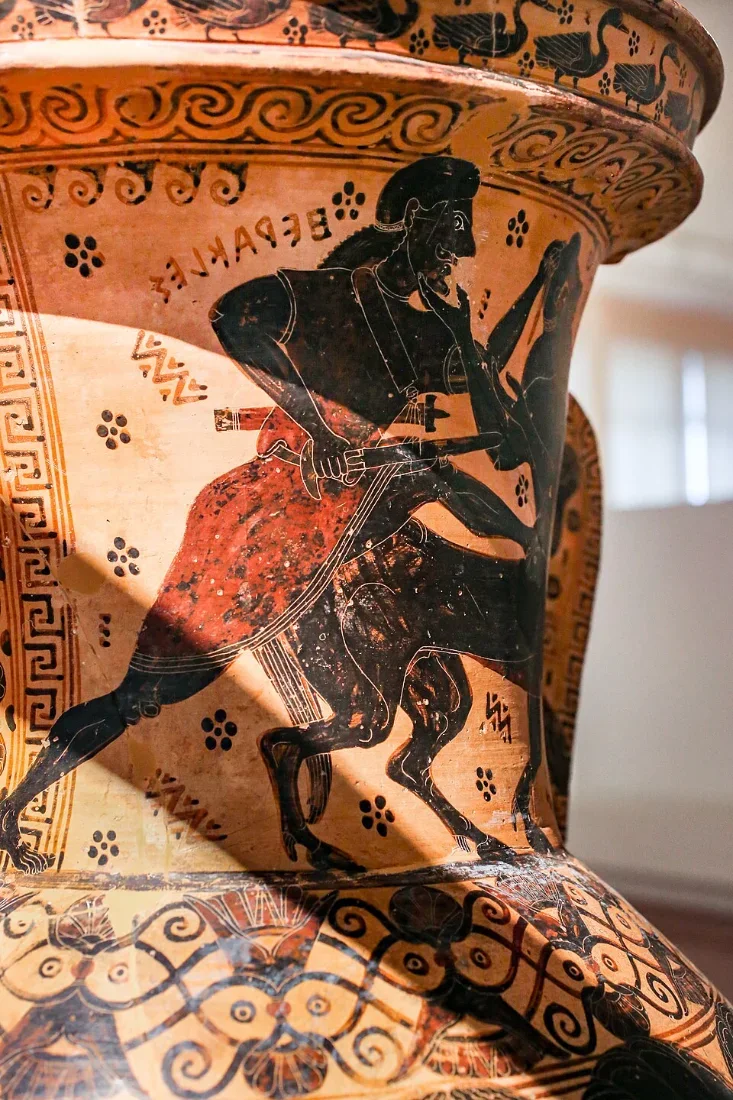
Heracles killing the centaur Nessus, both named: neck of the Nessos amphora, Attic black-figure, c. 620–600 BC, from Athens. Athens, National Archaeological Museum 1002.
Nessos Painter; photo: ArchaiOptix · CC BY-SA 4.0 · via Wikimedia Commons
File:Nessos Painter - ABV 4 1 - Herakles and Nessos - the three Gorgons - Athens NM 1002 - 03.jpg
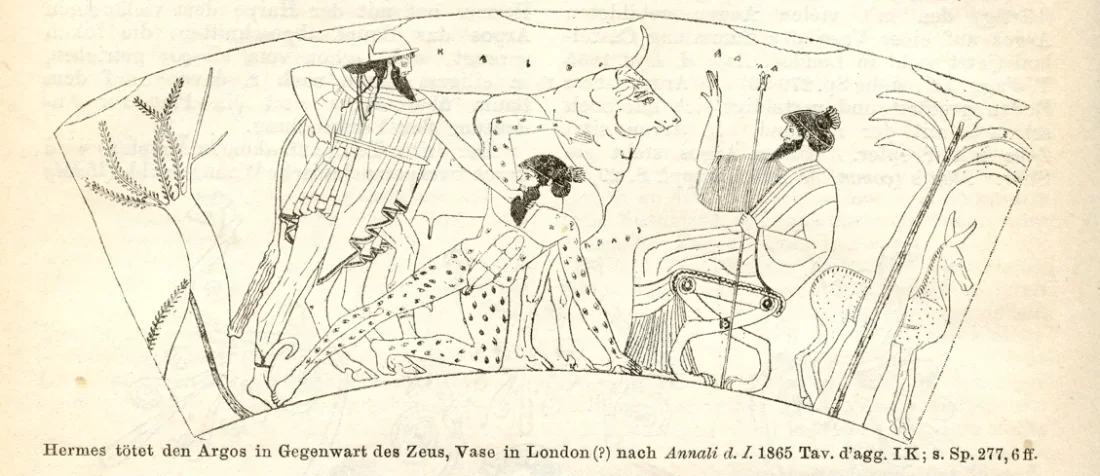
Hermes kills Argus, the many-eyed guard of Io: drawing of an Athenian red-figure vase of the 5th century BC, from W. H. Roscher's Lexikon (1890).
W. H. Roscher (1890) · Public domain · via Wikimedia Commons
File:Hermes Io Argus.jpg
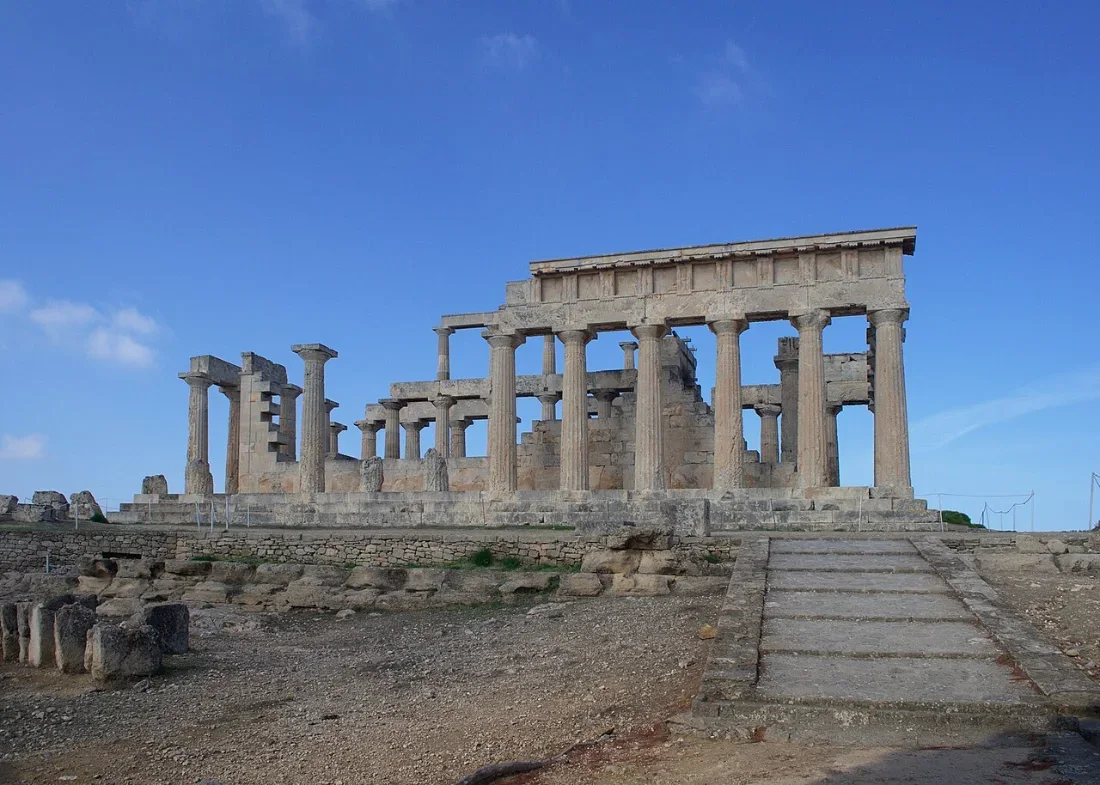
The temple of Aphaia on Aegina.
Paweł Szubert · CC BY-SA 3.0 · via Wikimedia Commons
File:Aegina - Temple of Aphaia 01.jpg
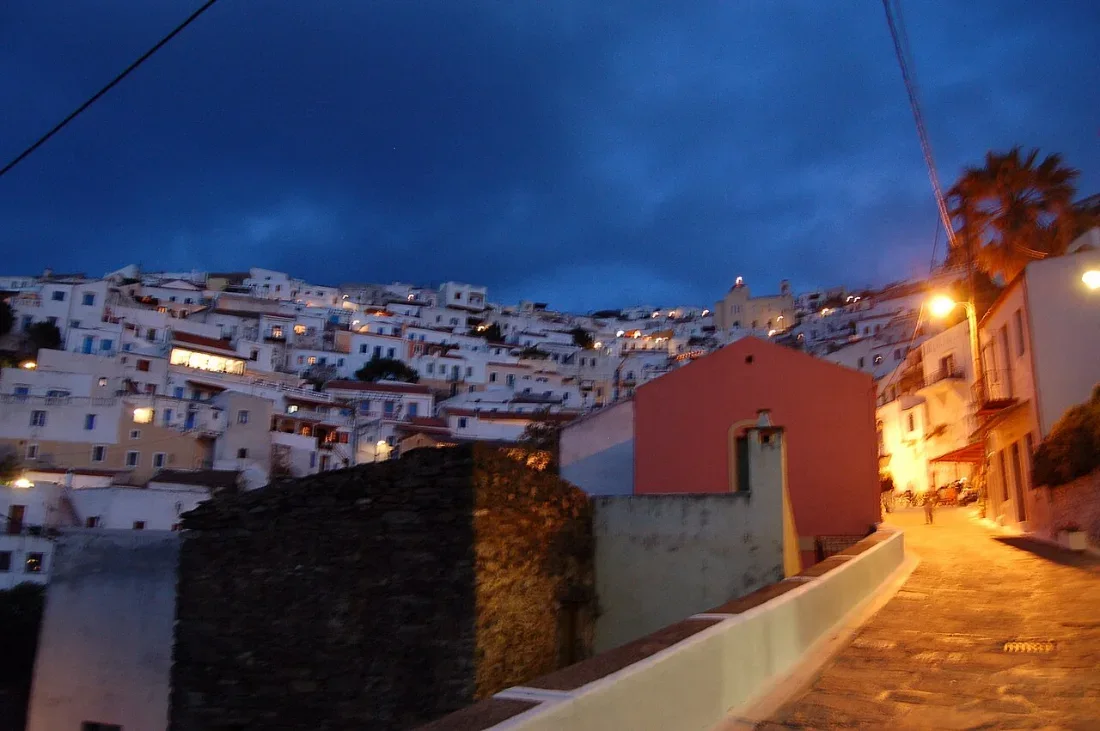
Ioulis (Iulis) on the island of Kea (Ceos).
Michael Paraskevas · CC BY-SA 3.0 · via Wikimedia Commons
File:Ioulis at Kea (Tzia) Island - panoramio.jpg
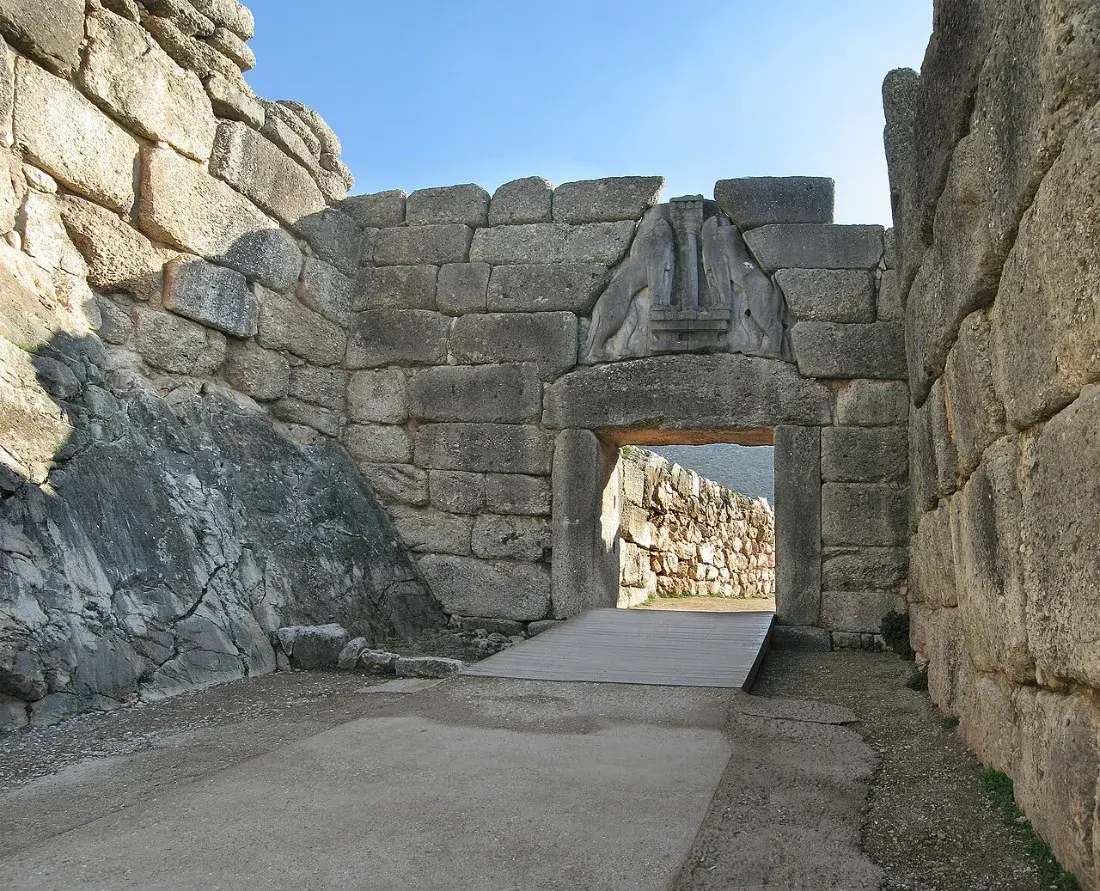
The Lion Gate at Mycenae.
Andreas Trepte · CC BY-SA 2.5 · via Wikimedia Commons
File:Lions-Gate-Mycenae.jpg
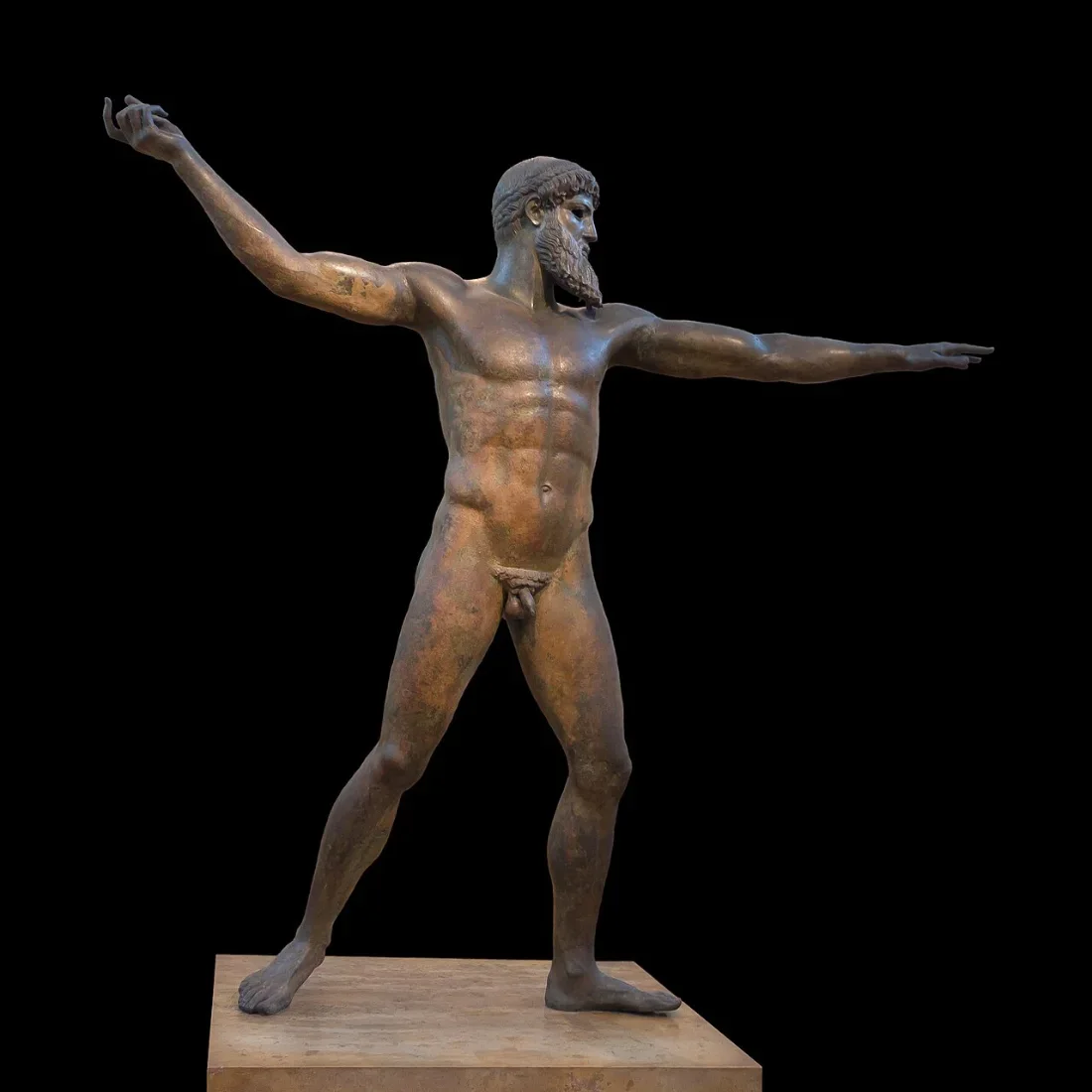
Bronze statue of Zeus (or Poseidon), c. 460 BC, found in the sea off Cape Artemision. Athens, National Archaeological Museum X 15161.
Jebulon · CC0 · via Wikimedia Commons · background removed
File:Bronze Zeus or Poseidon NAMA X 15161 Athens Greece.jpg
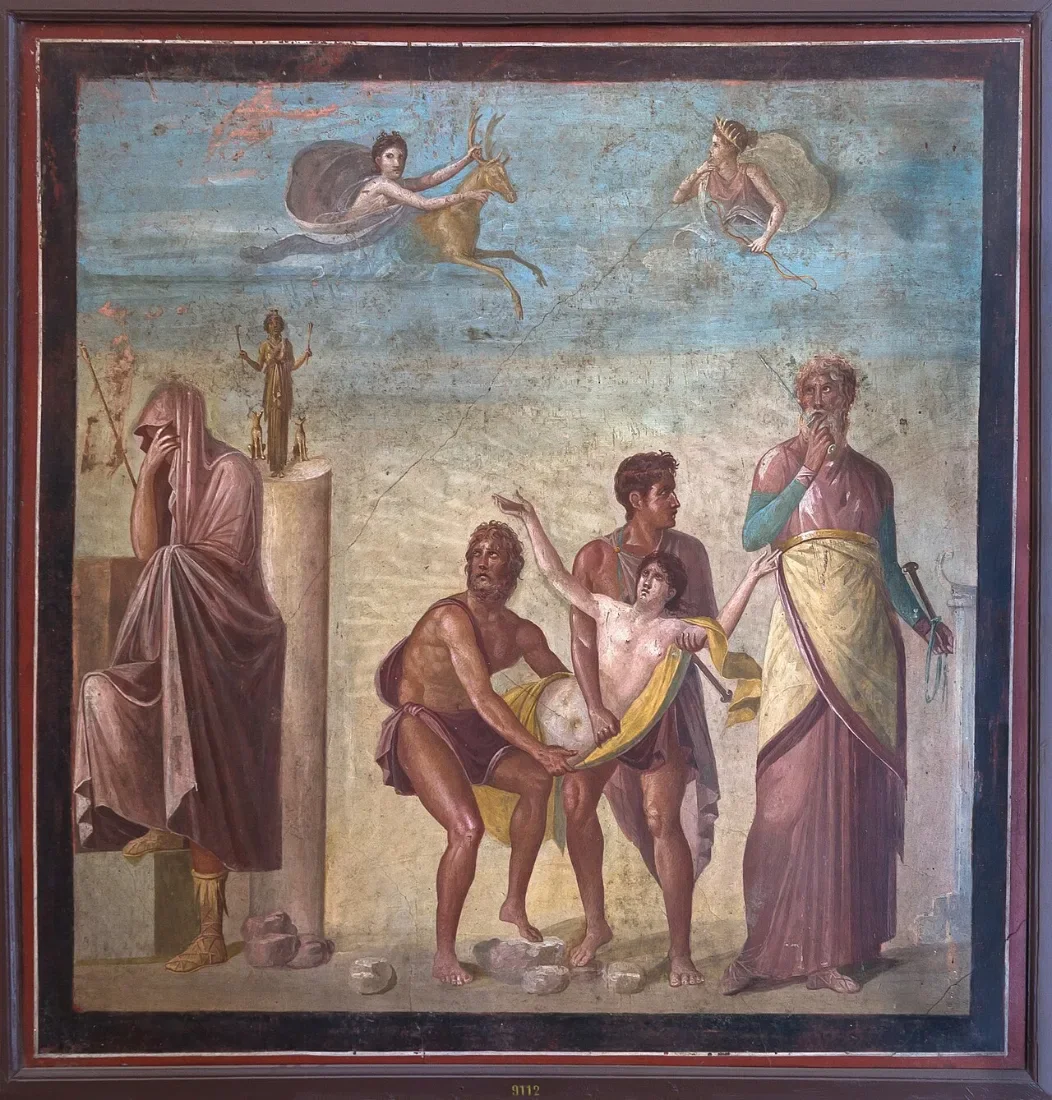
The sacrifice of Iphigenia: Calchas watches, Agamemnon covers his head, Artemis appears with the hind. Roman wall painting, 1st century AD. Naples, Museo Archeologico Nazionale 9112.
Unknown painter; photo: Jebulon · Public domain · via Wikimedia Commons
File:MANNapoli 9112 Sacrifice Iphigenia painting.jpg
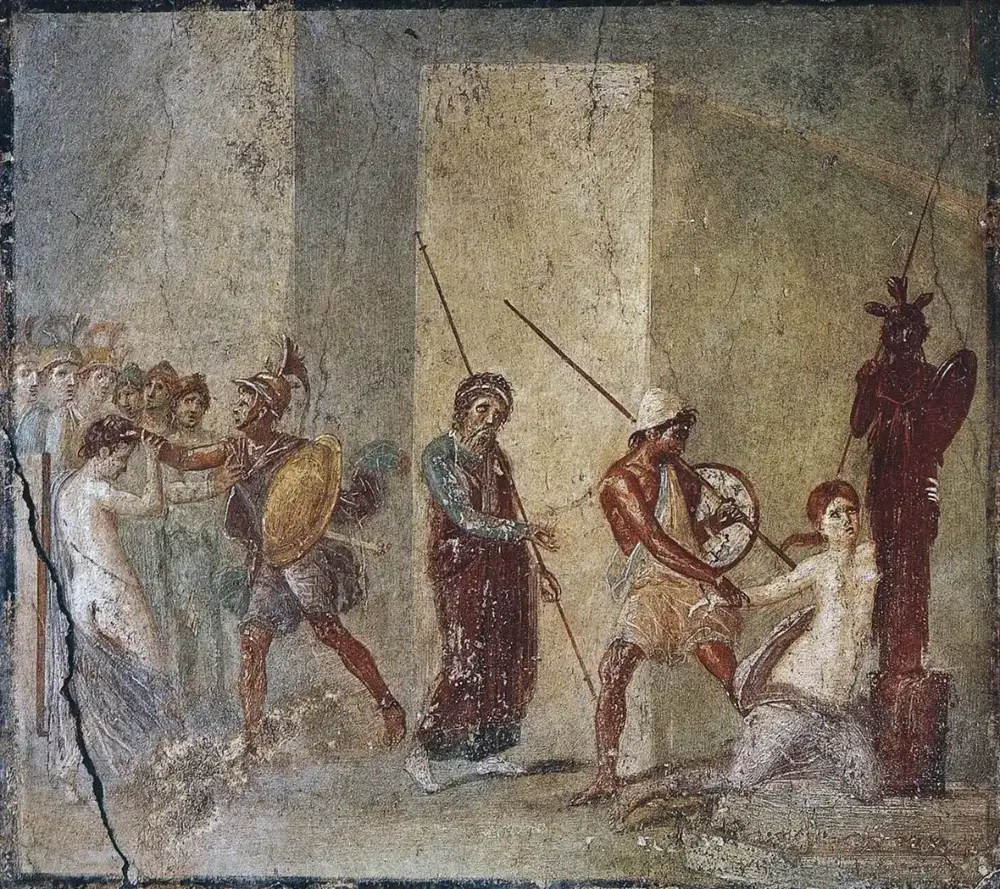
Ajax drags Cassandra from the Palladium before the eyes of Priam: Roman wall painting.
Unknown painter · Public domain · via Wikimedia Commons
File:Ajax drags Cassandra from Palladium.jpg
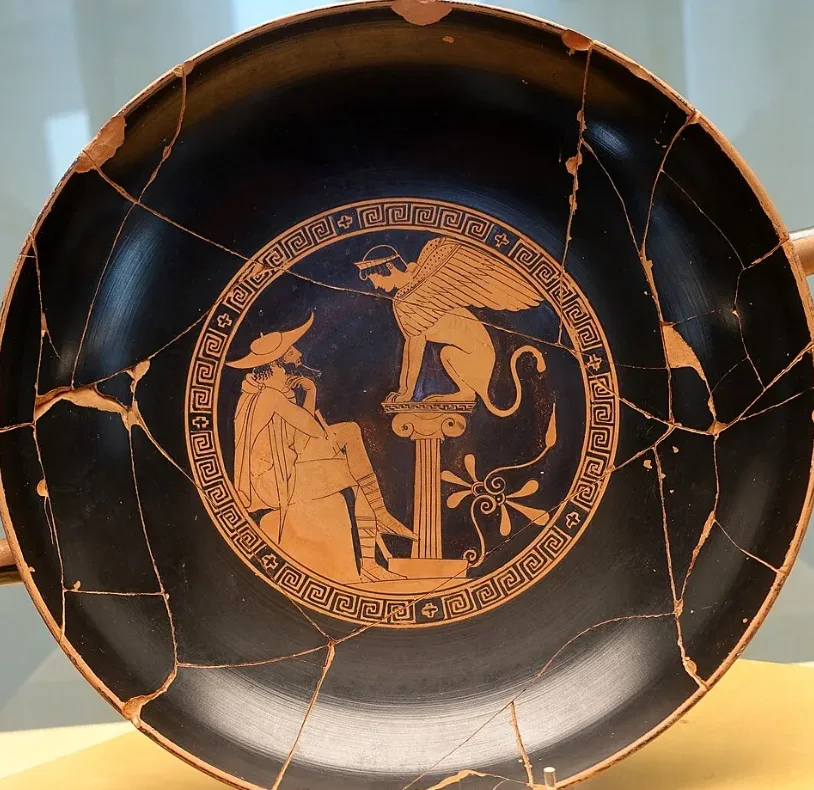
Oedipus questioned by the Sphinx: Attic red-figure kylix by the Oedipus Painter, 470–460 BC. Vatican, Museo Gregoriano Etrusco 16541.
Oedipus Painter; photo: Daderot · Public domain · via Wikimedia Commons
File:Oedipus being questioned by the Sphinx, Attic red-figured kylix, by the Oedipus Painter, 470-460 BC, inv. 16541 - Museo Gregoriano Etrusco - Vatican Museums - DSC01041.jpg
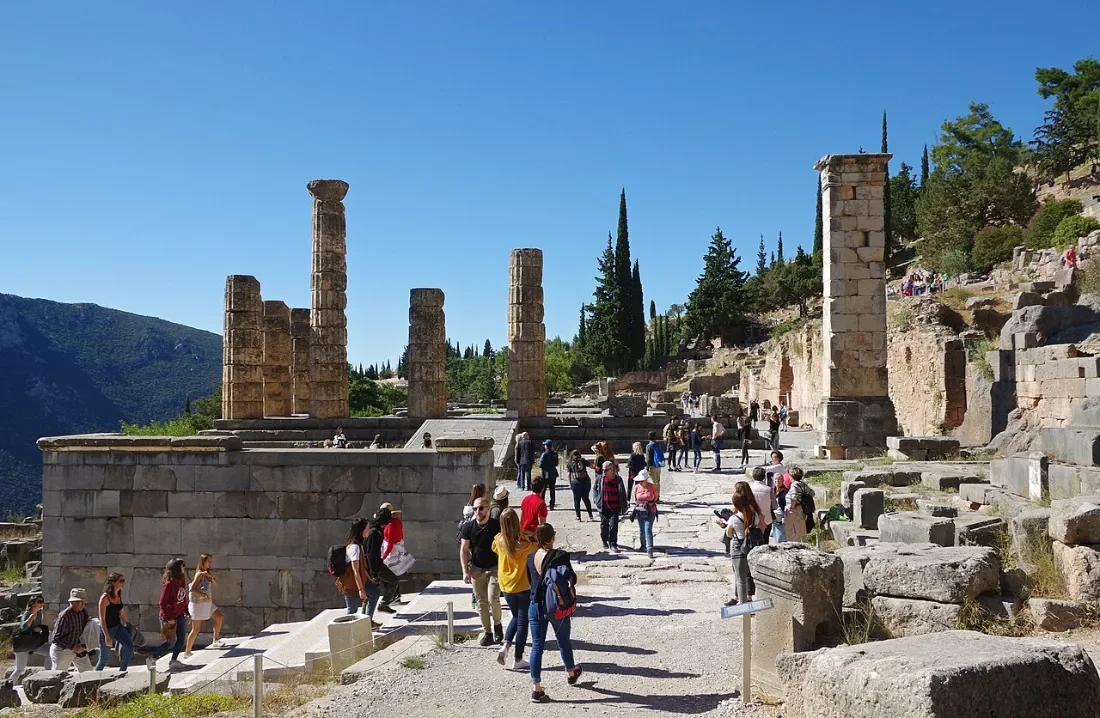
The temple of Apollo at Delphi.
Berthold Werner · CC BY-SA 3.0 · via Wikimedia Commons
File:Delphi BW 2017-10-08 11-38-38.jpg
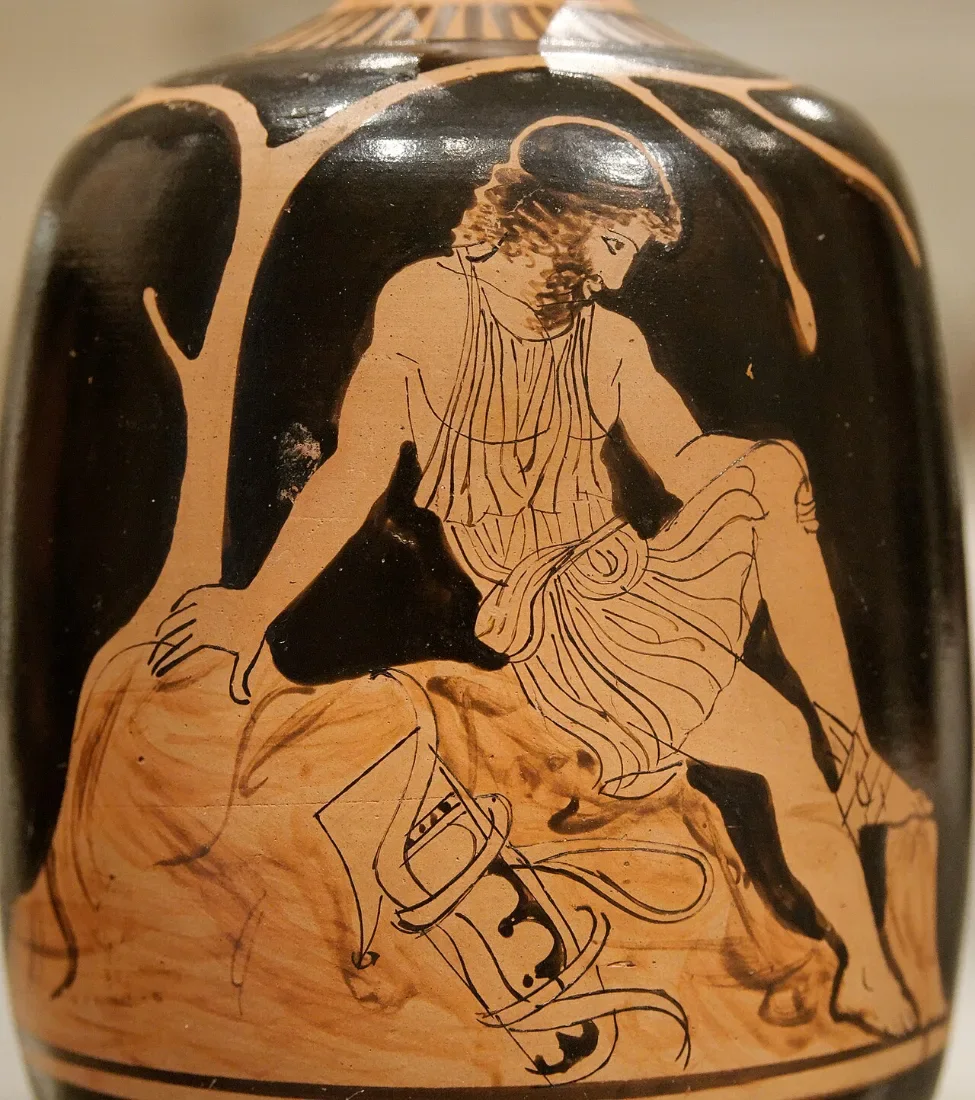
Philoctetes on Lemnos: Attic red-figure squat lekythos, c. 420 BC. New York, Metropolitan Museum of Art 56.171.58.
Photo: Marie-Lan Nguyen · CC BY 2.5 · via Wikimedia Commons
File:Philoktetes Lemnos Met 56.171.58.jpg
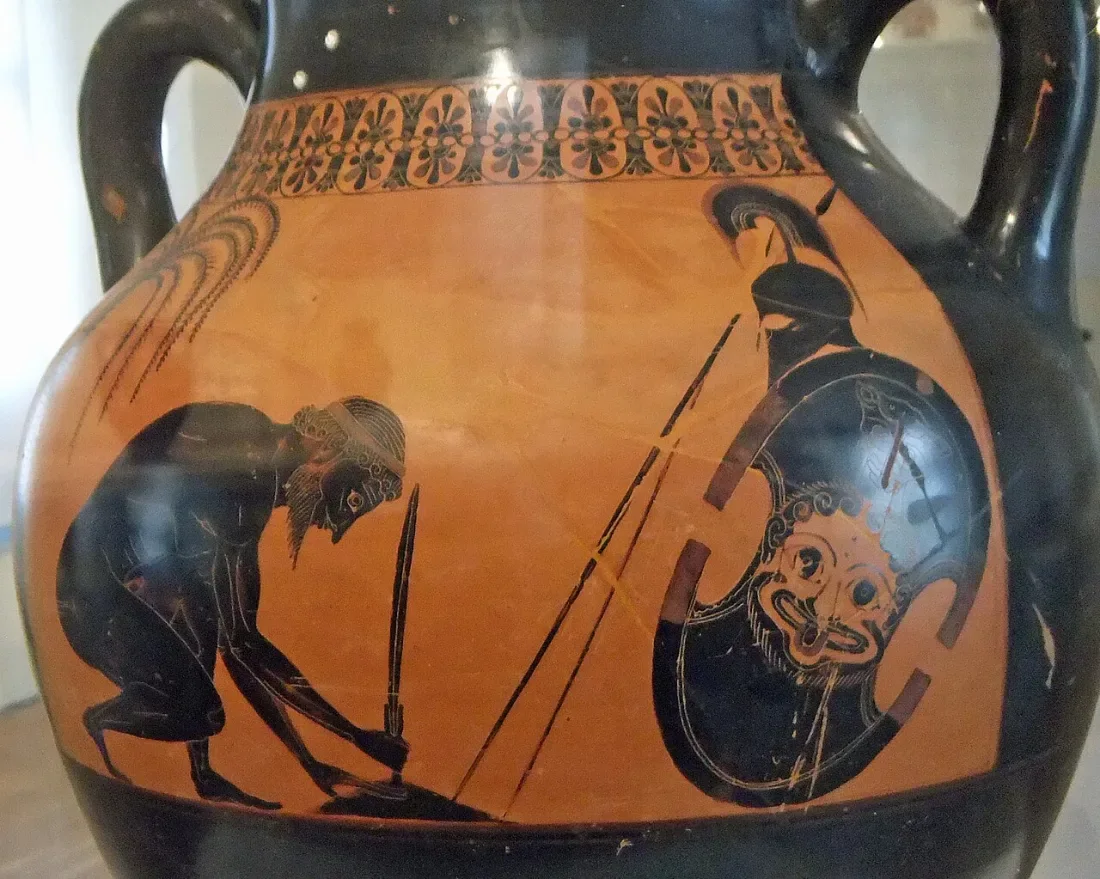
Ajax preparing his suicide: Attic black-figure amphora by Exekias, c. 530–525 BC. Boulogne-sur-Mer, Château-musée.
Exekias; photo: Ptyx · CC BY-SA 3.0 · via Wikimedia Commons
File:Exekias Suicide d Ajax 01.jpg
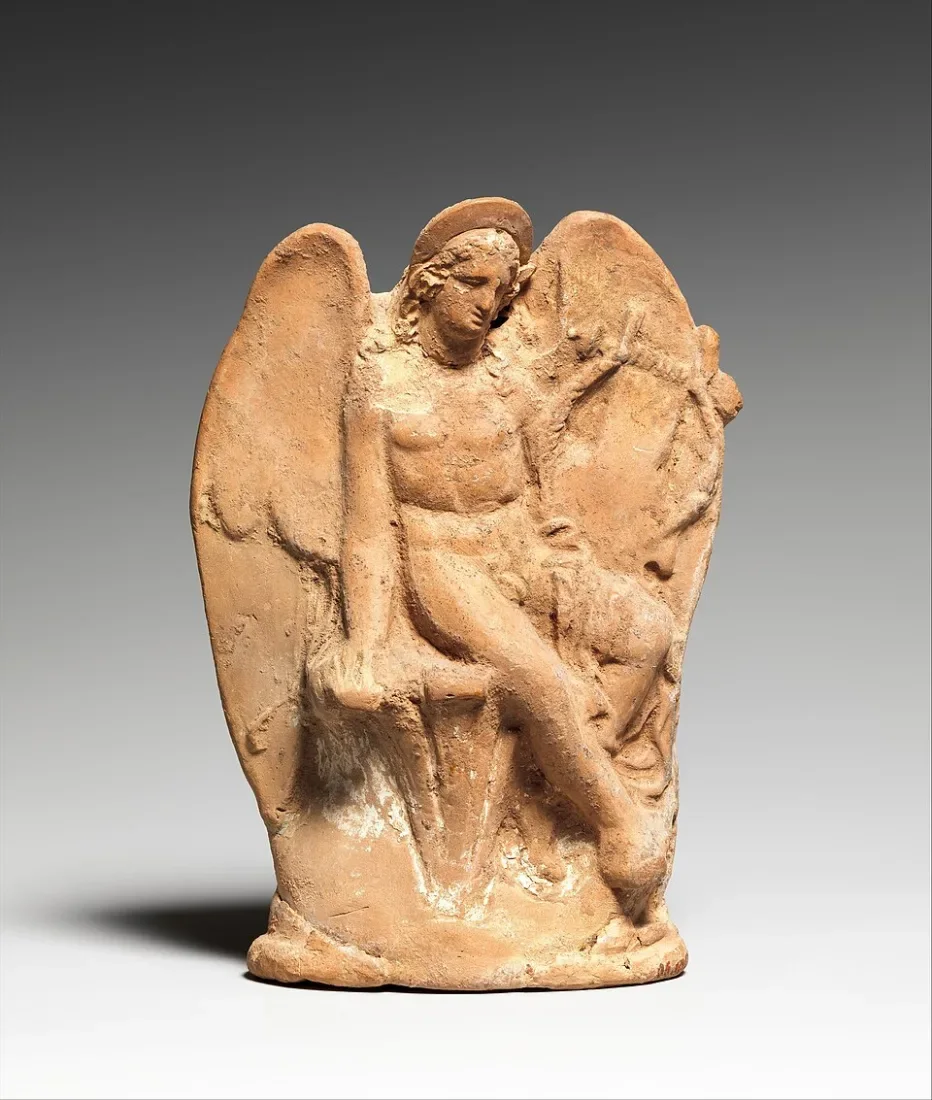
Seated Eros, terracotta, Greek, probably Attic, first half of the 4th century BC. New York, Metropolitan Museum of Art.
Metropolitan Museum of Art (Open Access) · CC0 · via Wikimedia Commons · background removed
File:Terracotta Eros MET DP339424.jpg
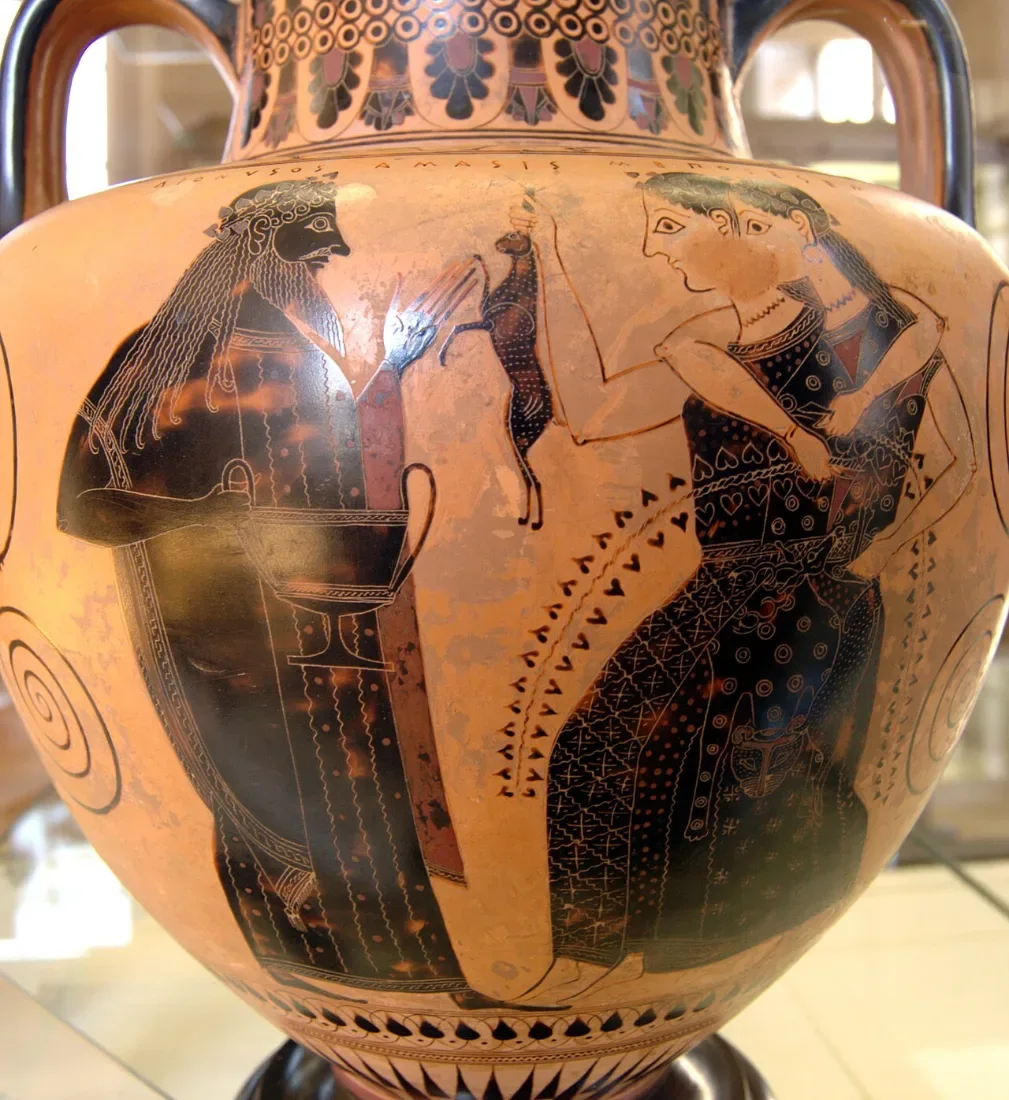
Dionysus (named) and two maenads, one holding a hare: Attic black-figure amphora signed by Amasis as potter, c. 540 BC. Paris, Cabinet des Médailles 222.
Amasis (potter); Amasis Painter; photo: Bibi Saint-Pol · Public domain · via Wikimedia Commons
File:Dionysos Mainades Cdm Paris 222.jpg
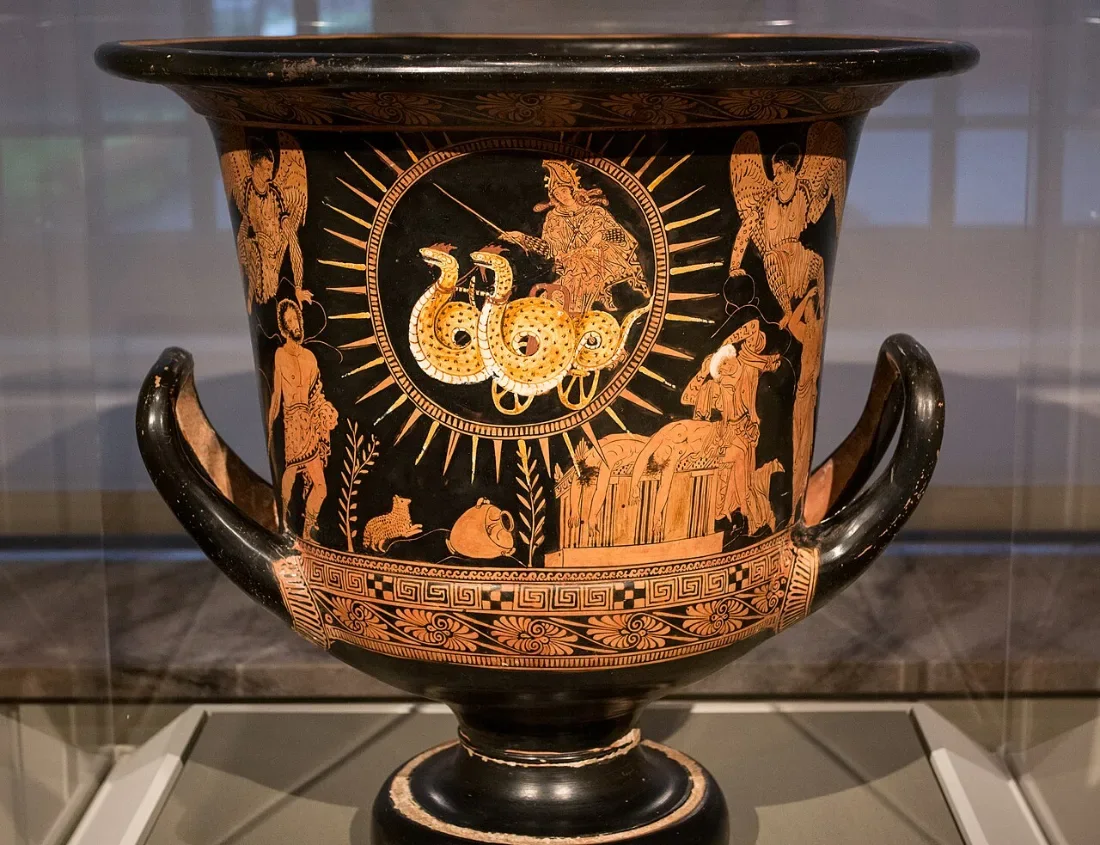
Medea escapes in a chariot drawn by serpents, her dead sons on the altar below and Jason looking on: red-figure calyx-krater attributed to near the Policoro Painter, c. 400 BC. Cleveland Museum of Art.
Near the Policoro Painter; photo: Tim Evanson · CC BY-SA 2.0 · via Wikimedia Commons · background removed
File:Calyx-Krater - Cleveland Museum of Art - 2014-11-26 (17743590402).jpg
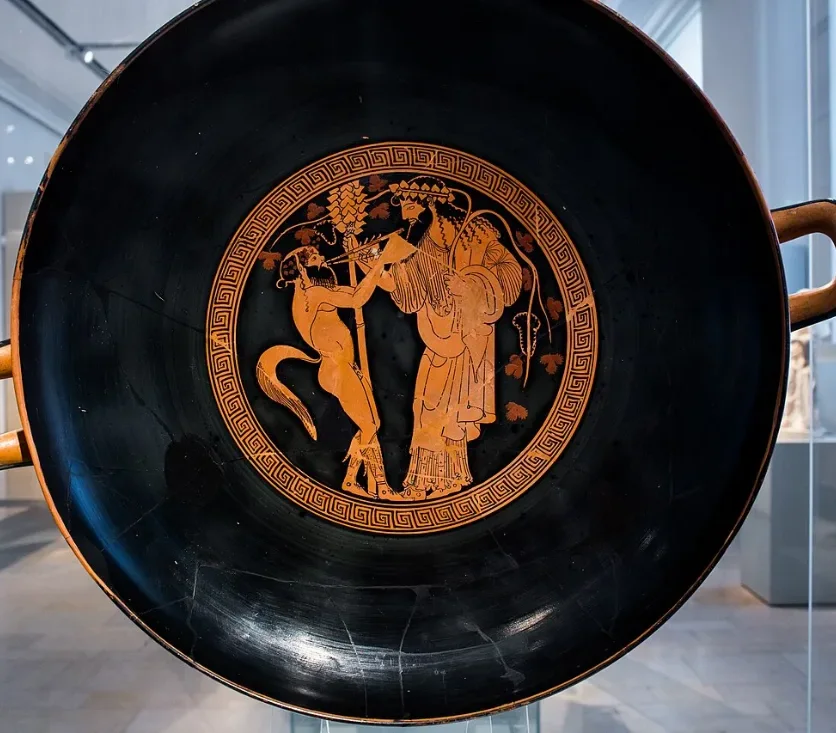
Kylix by Makron, signed by Hieron as potter, c. 490–480 BC: inside, a satyr playing the auloi and Dionysus; outside, women dancing round the image of Dionysus. Berlin, Antikensammlung F 2290.
Hieron (potter); Makron (painter); photo: ArchaiOptix · CC BY-SA 4.0 · via Wikimedia Commons
File:Makron ARV 462 48 satyr and Dionysos - women or maenads at the Lenaia (01).jpg
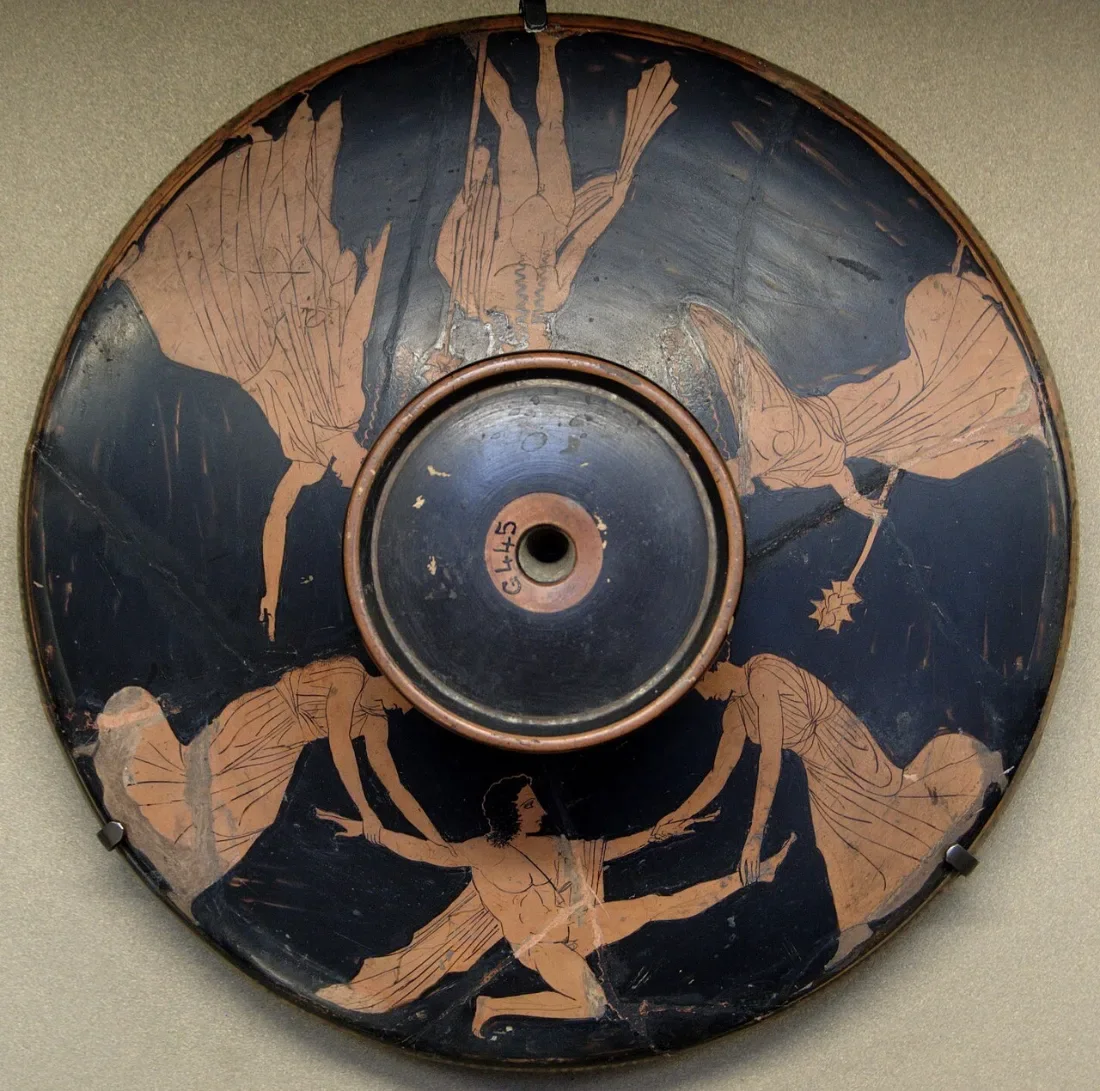
Pentheus torn apart by Agave and Ino: lid of an Attic red-figure lekanis, c. 450–425 BC. Paris, Louvre G 445.
Photo: Bibi Saint-Pol · Public domain · via Wikimedia Commons · background removed
File:Death Pentheus Louvre G445 full.jpg
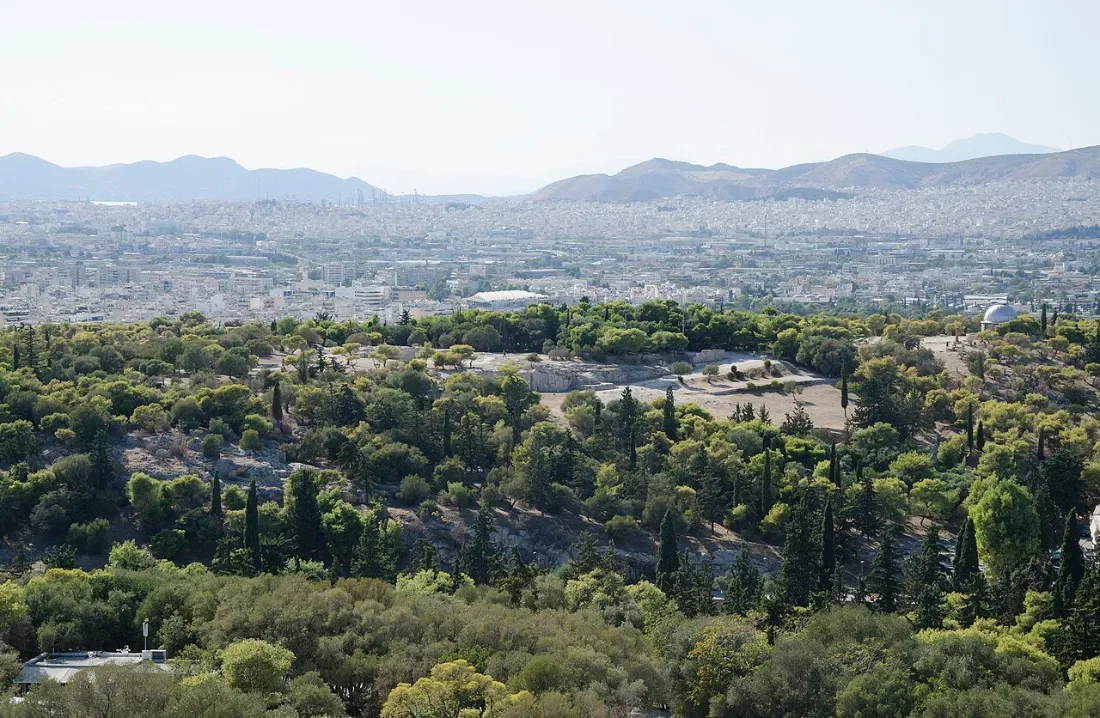
The Pnyx, Athens, seen from the Acropolis.
Peulle · CC BY-SA 4.0 · via Wikimedia Commons
File:Pnyx seen from Acropolis in 2017 (2).jpg
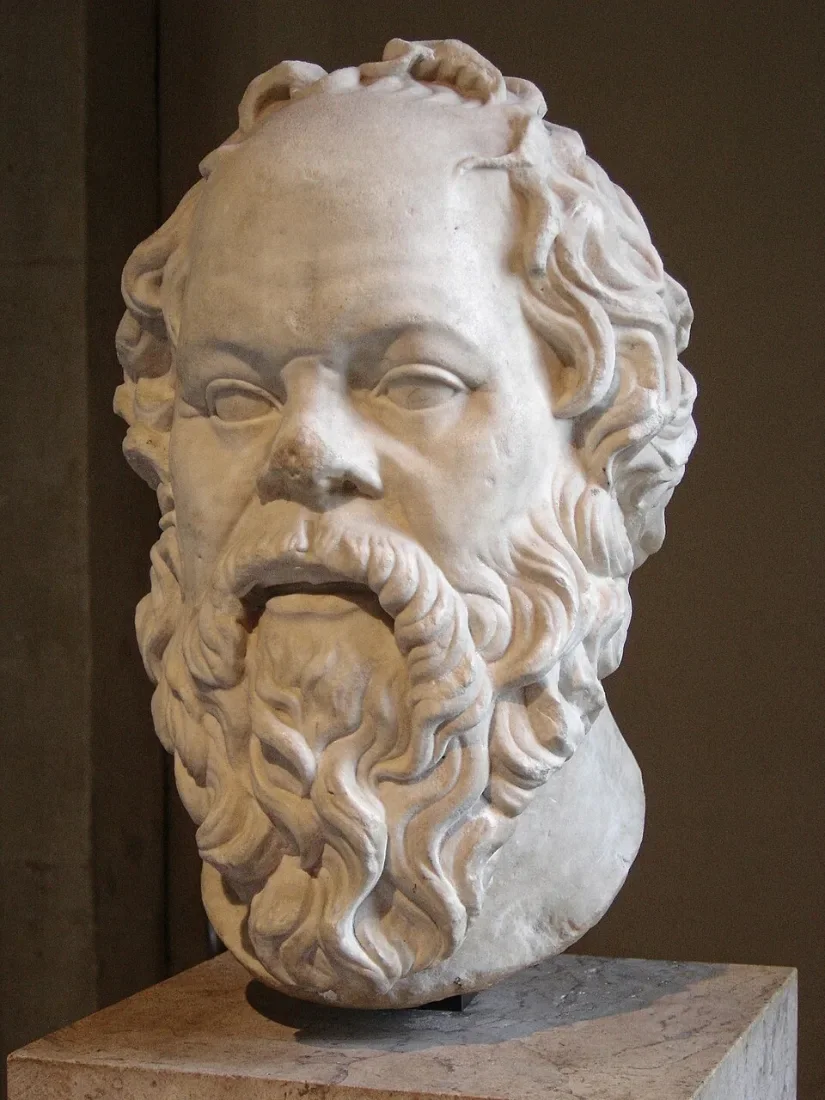
Portrait of Socrates, marble, Roman, 1st century AD, perhaps a copy of a bronze by Lysippus. Paris, Louvre.
Photo: Eric Gaba (Sting) · CC BY-SA 2.5 · via Wikimedia Commons
File:Socrates Louvre.jpg
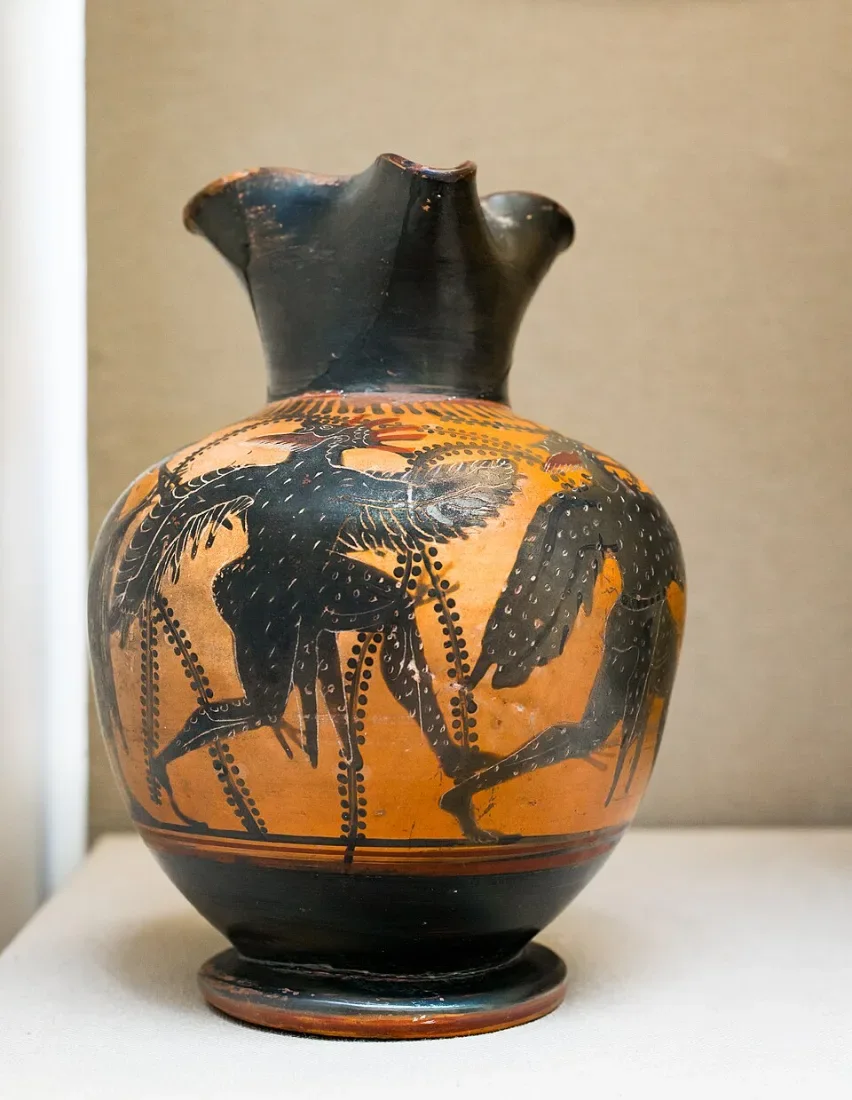
A bearded man playing the auloi and two performers dressed as birds: Attic black-figure oinochoe by the Gela Painter, c. 510–480 BC. London, British Museum B 509.
Gela Painter; photo: ArchaiOptix · CC BY-SA 4.0 · via Wikimedia Commons · background removed
File:Gela Painter - ABV 473 - theatrical chorus of birds - London BM 1842-0728-787 - 01.jpg
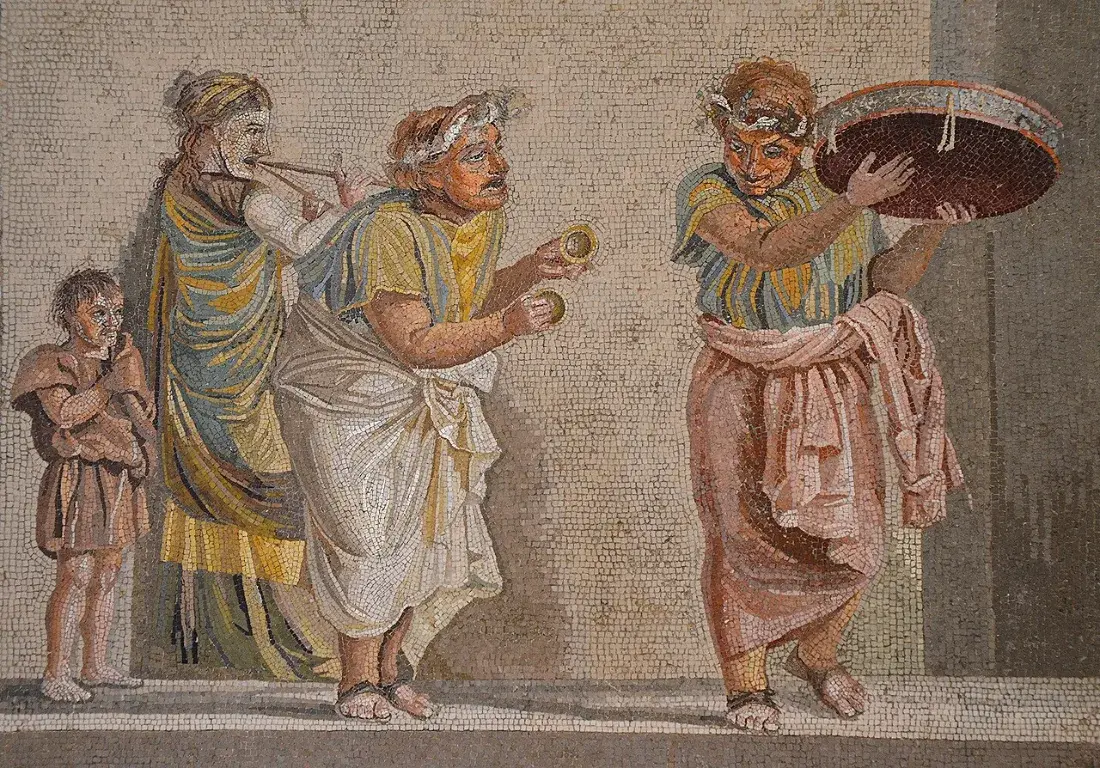
Street musicians in theatrical masks, a scene from a comedy: mosaic signed by Dioskourides of Samos, 1st century BC, from the 'Villa of Cicero' at Pompeii. Naples, Museo Archeologico Nazionale.
Dioskourides of Samos; photo: Carole Raddato · CC BY-SA 2.0 · via Wikimedia Commons
File:Mosaic depicting street musicians, signed by Dioskourides of Samos, it was found in the so-called Villa of Cicero near the ancient city of Pompeii, 1st century BC, Naples National Archaeological Museum.jpg
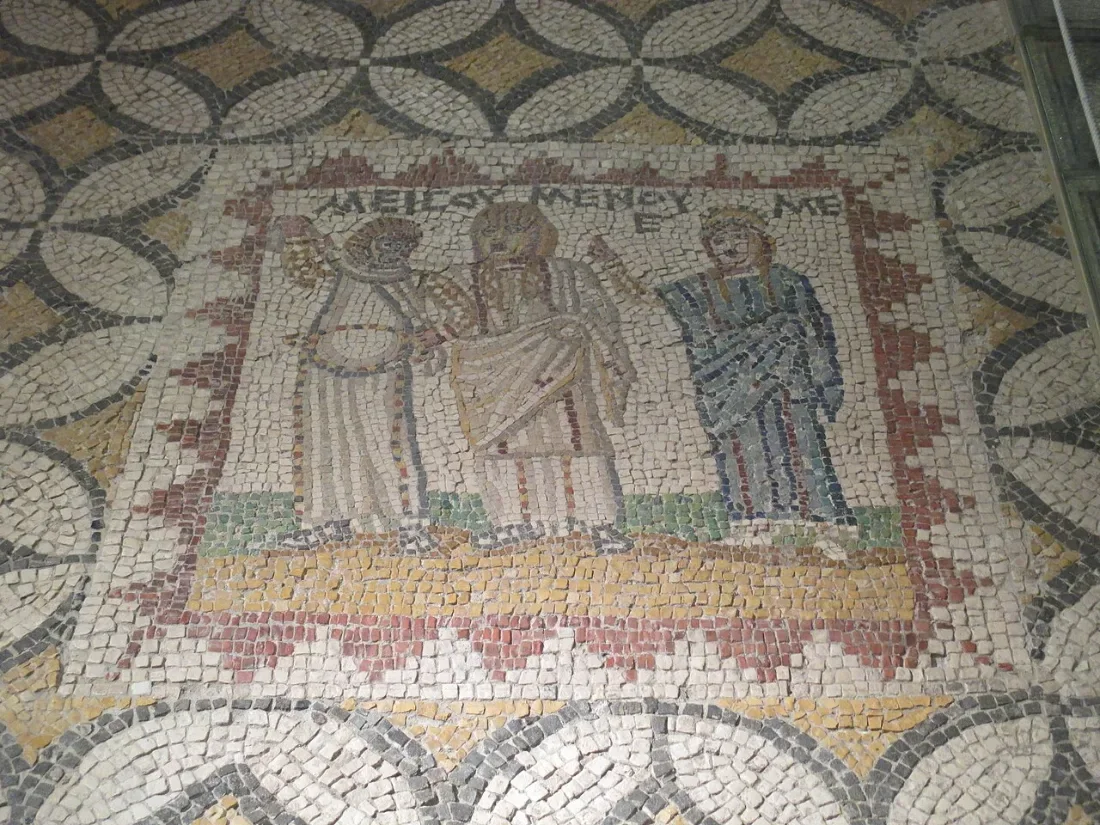
Mosaics from the House of Menander at Mytilene. Mytilene, Archaeological Museum.
Tomisti · CC BY-SA 4.0 · via Wikimedia Commons
File:Archaeological Museum of Mytilene - House of Menander 03.jpg
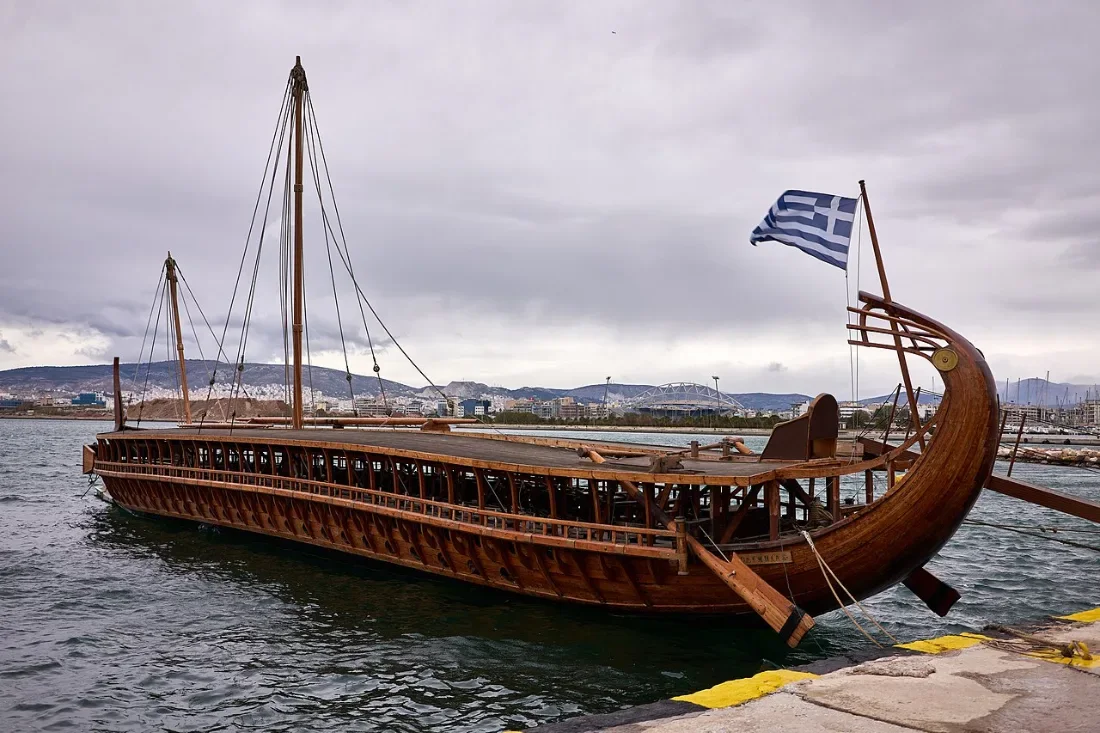
The Olympias, a reconstruction of an ancient Athenian trireme. Flisvos marina, Palaio Faliro.
George E. Koronaios · CC BY-SA 4.0 · via Wikimedia Commons
File:The trireme Olympias on 23 February 2019.jpg
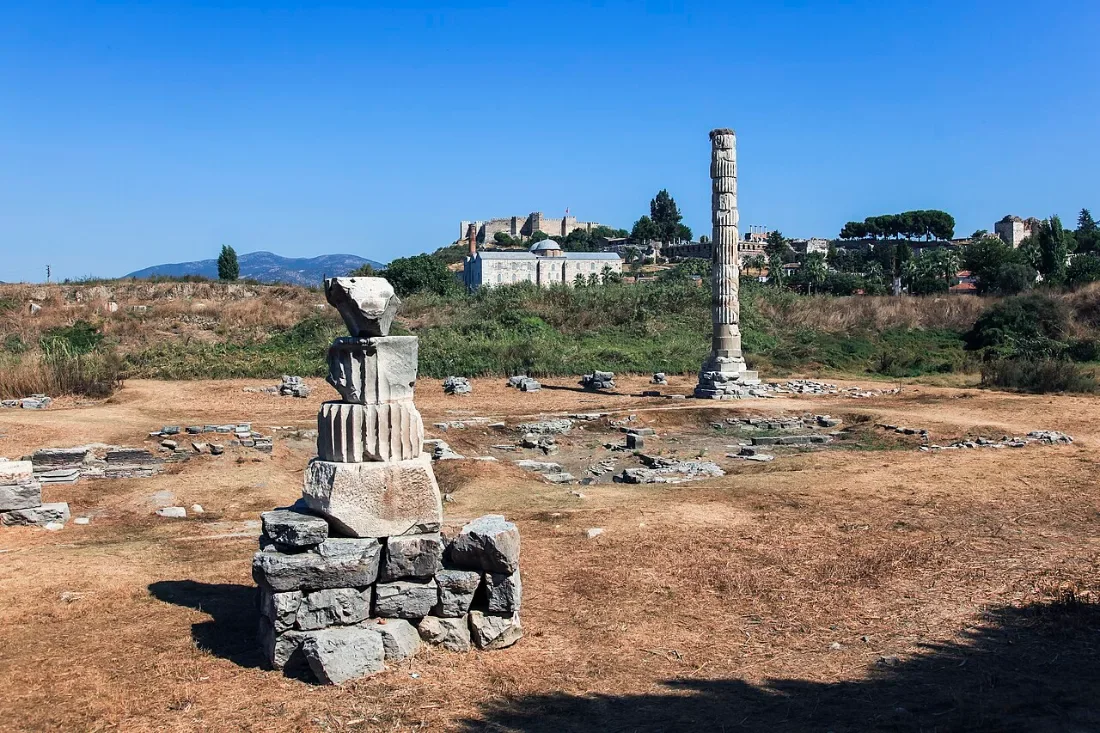
The site of the temple of Artemis at Ephesus (Selçuk); behind, the İsa Bey mosque and the citadel of Ayasuluk.
Roy Egloff · CC BY-SA 4.0 · via Wikimedia Commons
File:TR.IZ.Selcuk Ephesus 2011-10-04 Temple-of-Artemis 07 3x2-R 5K.jpg
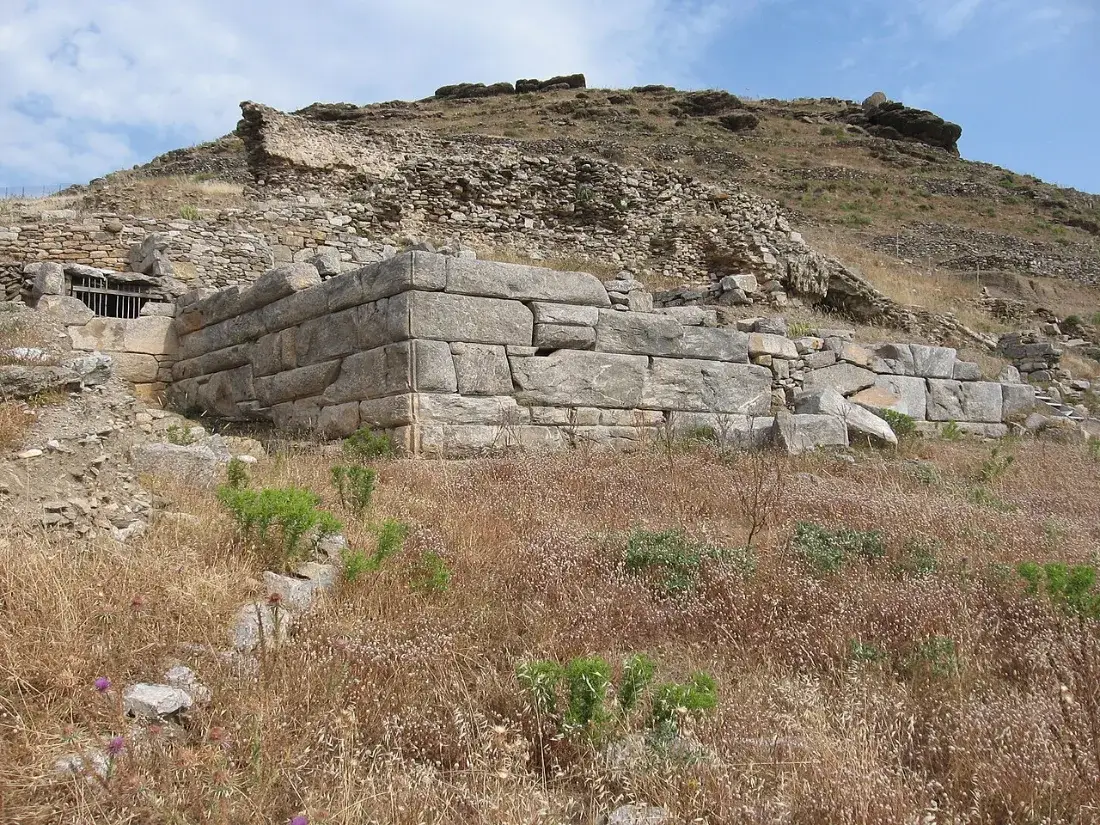
Hellenistic fortifications of Minoa, Katapola, Amorgos.
Phso2 · CC BY 3.0 · via Wikimedia Commons
File:Ruins of Minoa (Amorgos).JPG
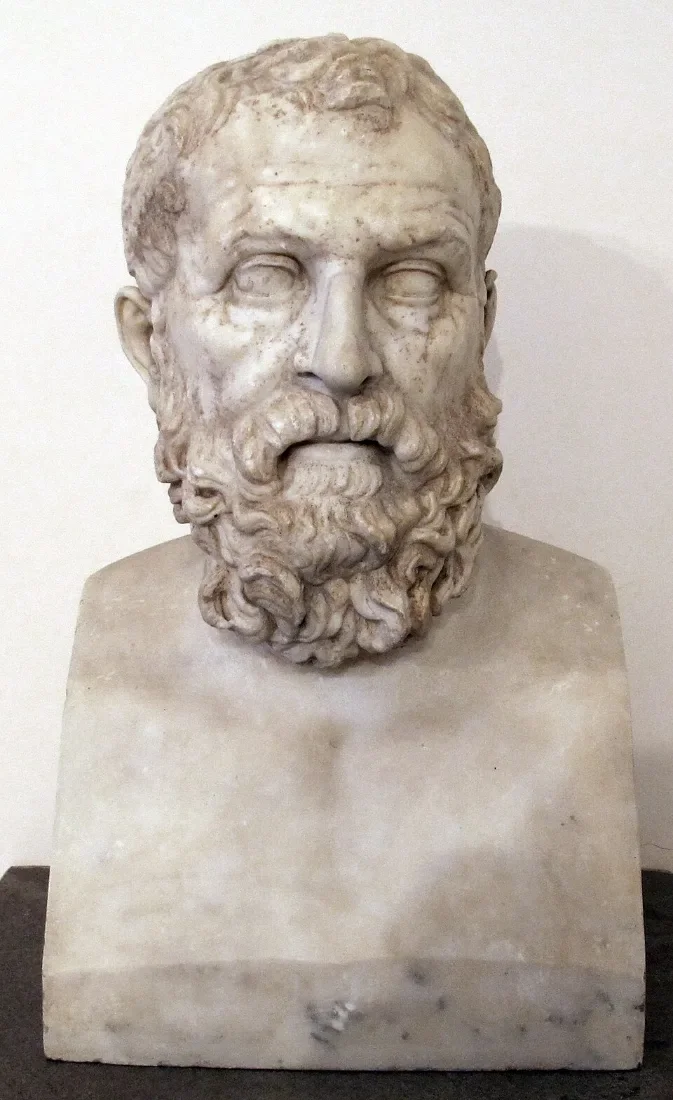
The so-called 'Solon': Roman marble bust, from the Farnese collection. Naples, Museo Archeologico Nazionale.
Photo: Sailko · CC BY-SA 3.0 · via Wikimedia Commons · background removed
File:Ignoto, c.d. solone, replica del 90 dc ca da orig. greco del 110 ac. ca, 6143.JPG
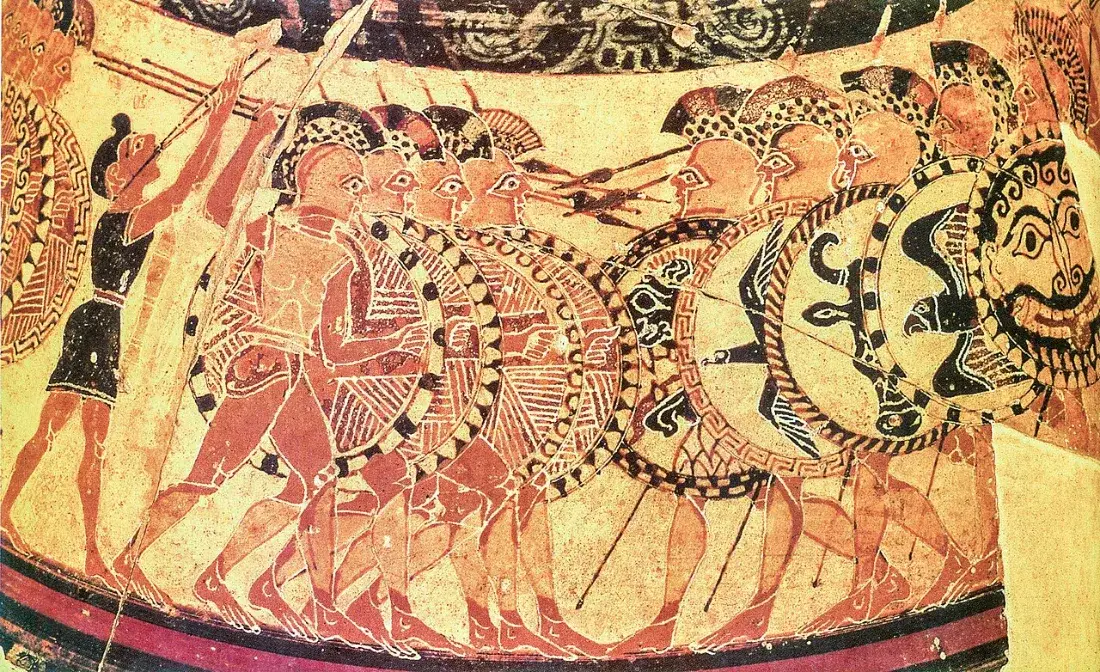
Hoplites go into battle to the music of the auloi: detail of the Chigi vase, 7th century BC.
Chigi Painter · Public domain · via Wikimedia Commons
File:Detail from the Chigi-vase.jpg
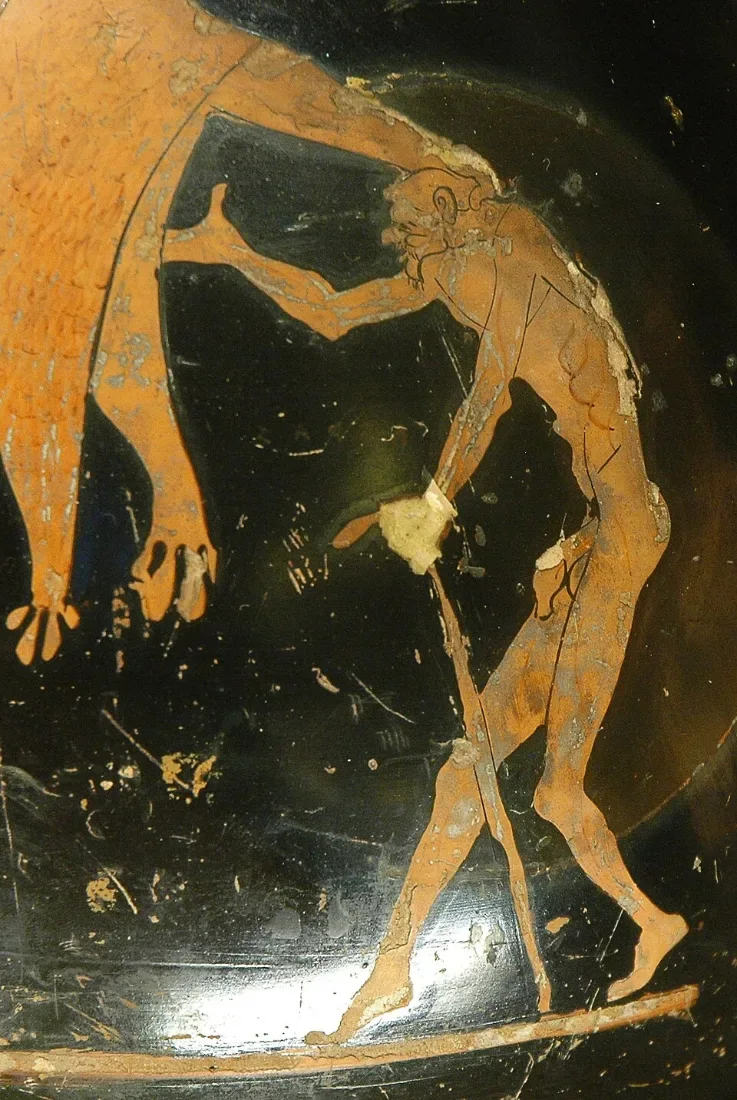
Geras, Old Age personified, son of Night: detail of an Attic red-figure pelike by the Geras Painter, c. 480–470 BC. Paris, Louvre G 234.
Geras Painter; photo: Jastrow · Public domain · via Wikimedia Commons
File:Pelike Geras Louvre G234.jpg
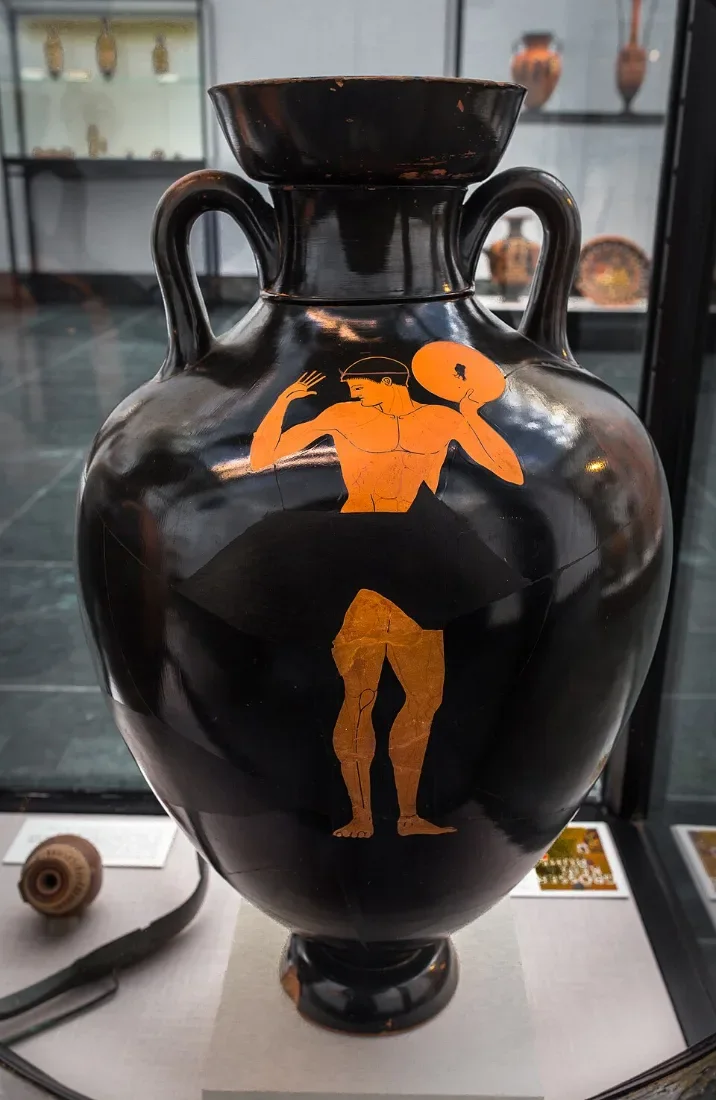
A discus-thrower: amphora of Panathenaic shape by the Berlin Painter, c. 500–490 BC, from Vulci. Munich, Staatliche Antikensammlungen 2310.
Berlin Painter; photo: ArchaiOptix · CC BY-SA 4.0 · via Wikimedia Commons
File:Berlin Painter ARV 197 6 discus thrower - jumper (01).jpg
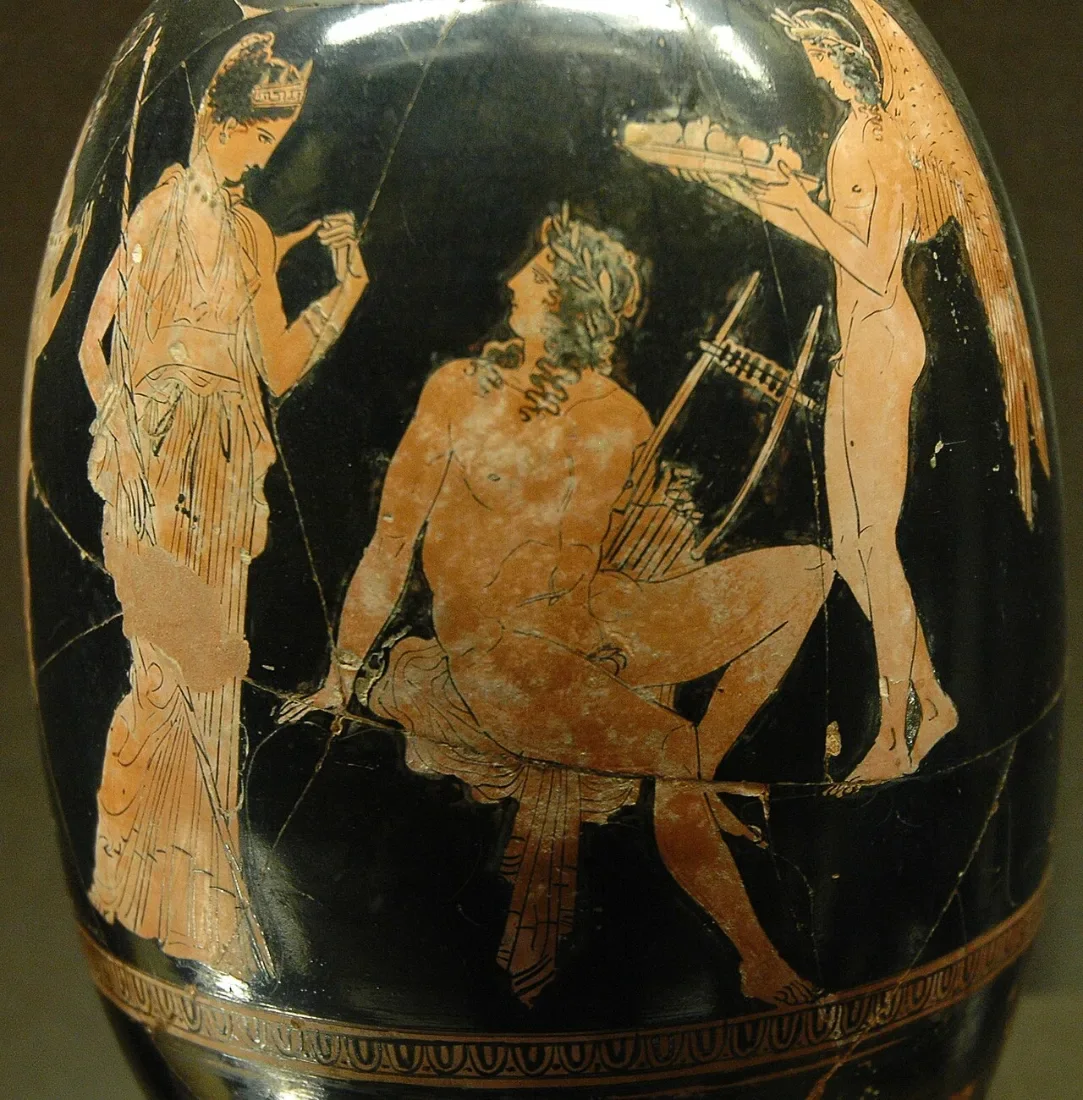
Aphrodite and Adonis: Attic red-figure squat lekythos by Aison, c. 410 BC. Paris, Louvre MNB 2109.
Aison; photo: Jastrow · Public domain · via Wikimedia Commons
File:Aphrodite Adonis Louvre MNB2109.jpg
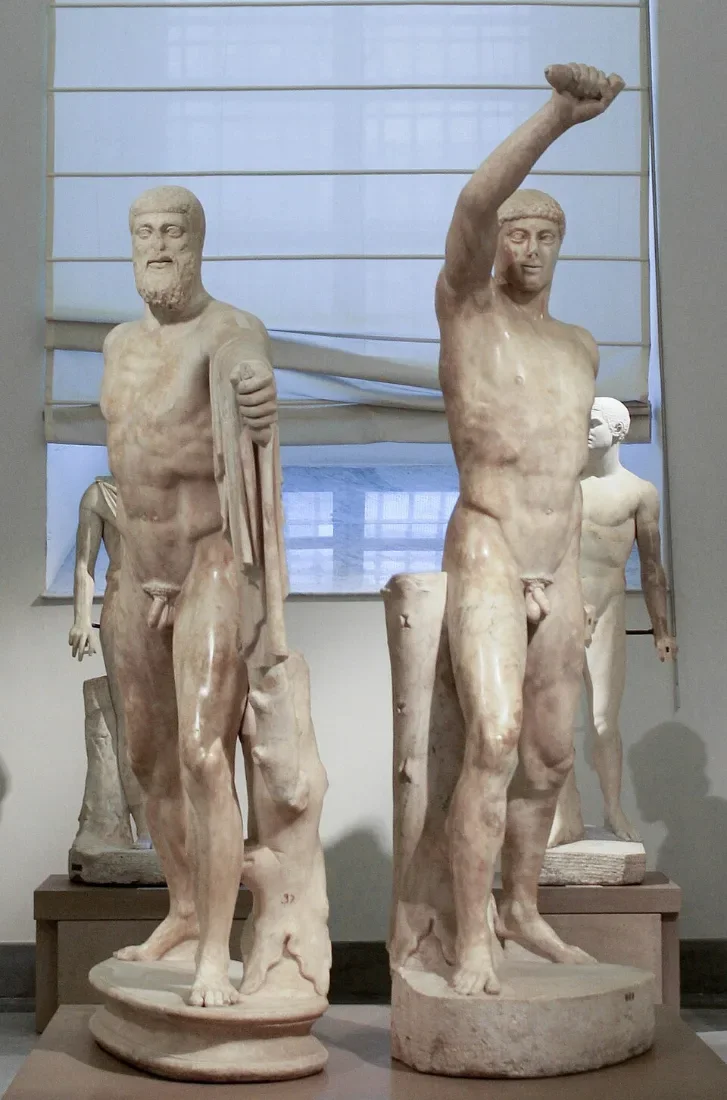
The Tyrannicides, Harmodius and Aristogeiton: Roman copy of a group of about 475 BC, from Hadrian's villa at Tivoli. Naples, Museo Archeologico Nazionale.
Ismoon · CC BY-SA 4.0 · via Wikimedia Commons
File:Harmodius and Aristogeiton group (Naples).jpg
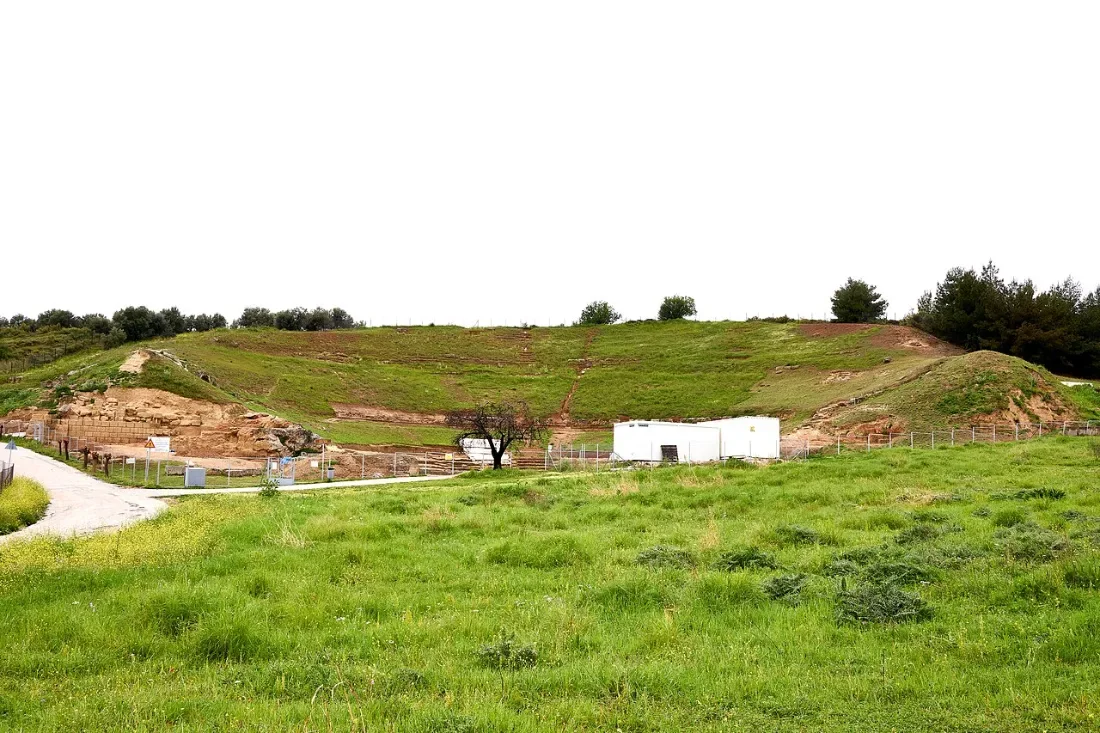
The ancient theatre of Sicyon, as excavated.
George E. Koronaios · CC0 · via Wikimedia Commons
File:The Theatre of Sicyon on April 8, 2019.jpg
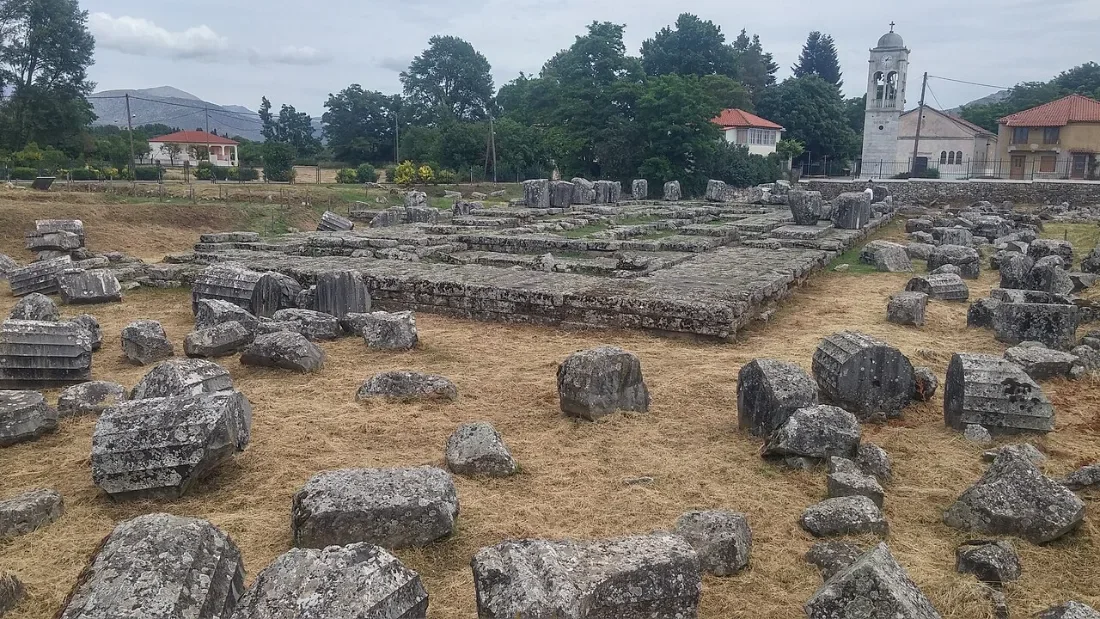
The site of the temple of Athena Alea at Tegea.
Gregor Hagedorn · CC BY-SA 4.0 · via Wikimedia Commons
File:Archaeological site of the Temple of Athena Alea at Tegea (2017, image 1).jpg
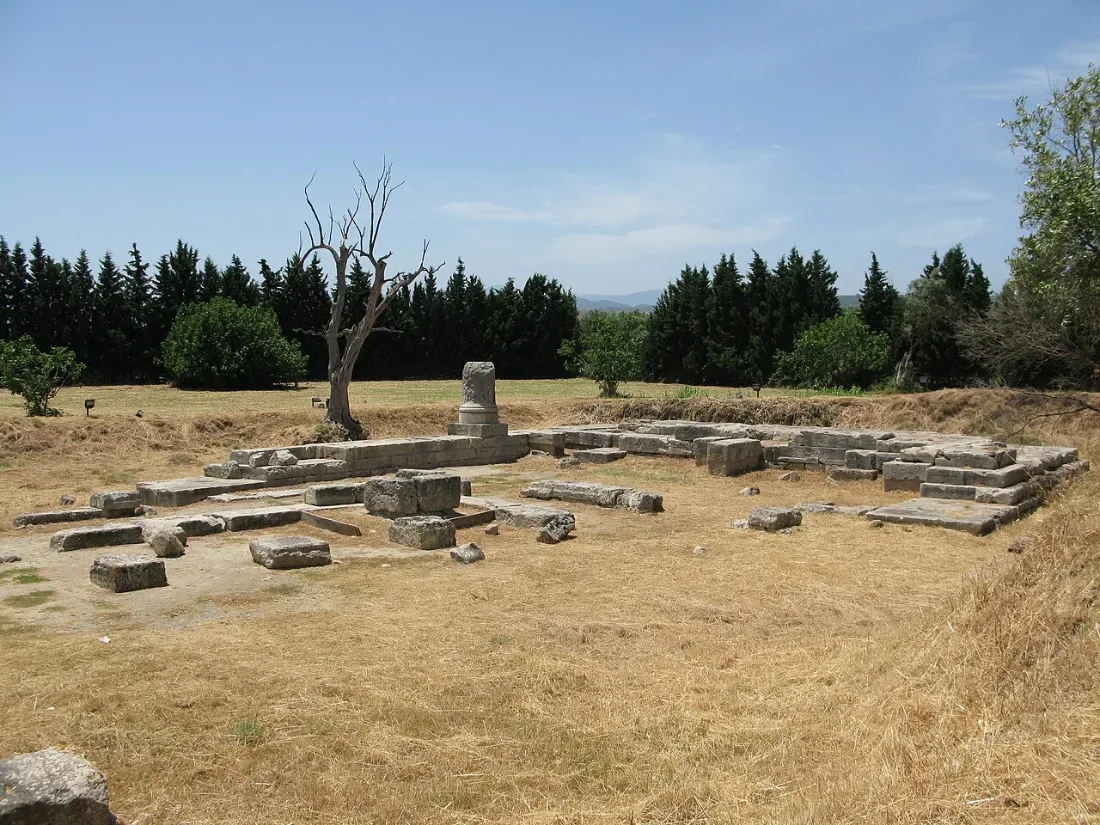
The Ionic temple at Marasà, Locri Epizephyrii, first half of the 5th century BC.
Jacopo Werther · CC BY-SA 4.0 · via Wikimedia Commons
File:Tempio Ionico di Marasà (Locri Epizefiri) - Locri (Reggio Calabria) - 6 June 2009.jpg
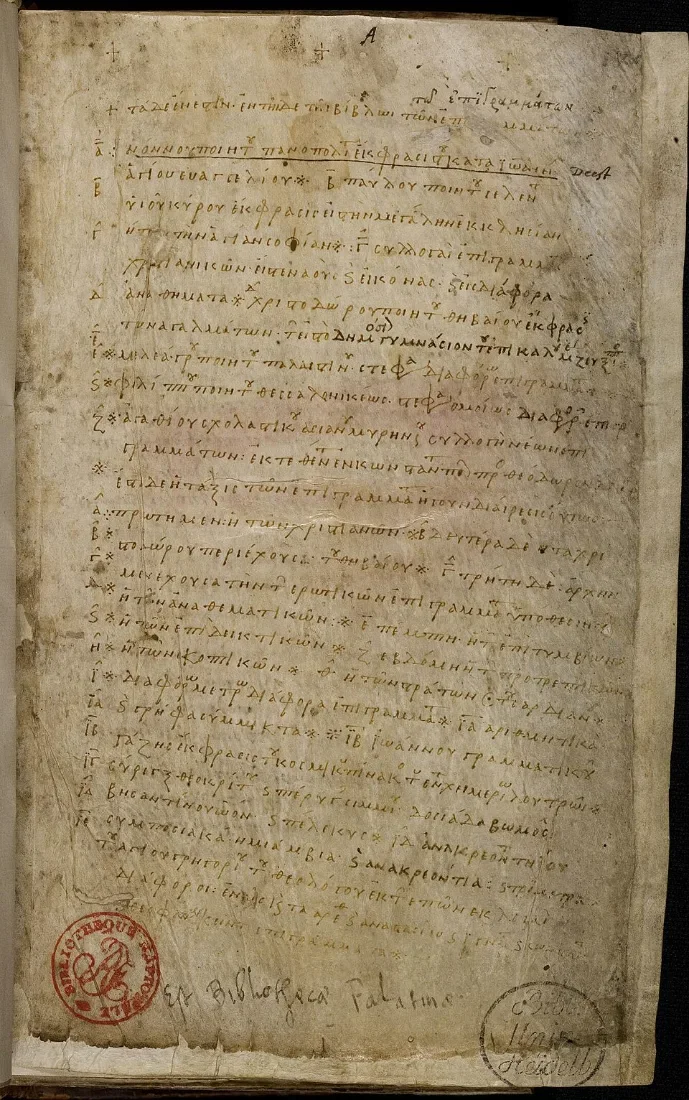
The Palatine Anthology: Codex Palatinus graecus 23, folio 5 recto, 9th–10th century. Heidelberg, Universitätsbibliothek.
Byzantine copyist; digitisation: Universitätsbibliothek Heidelberg · CC BY-SA 3.0 de · via Wikimedia Commons
File:Cod. Pal. graec. 23, Anthologia Palatina, 5r.jpg
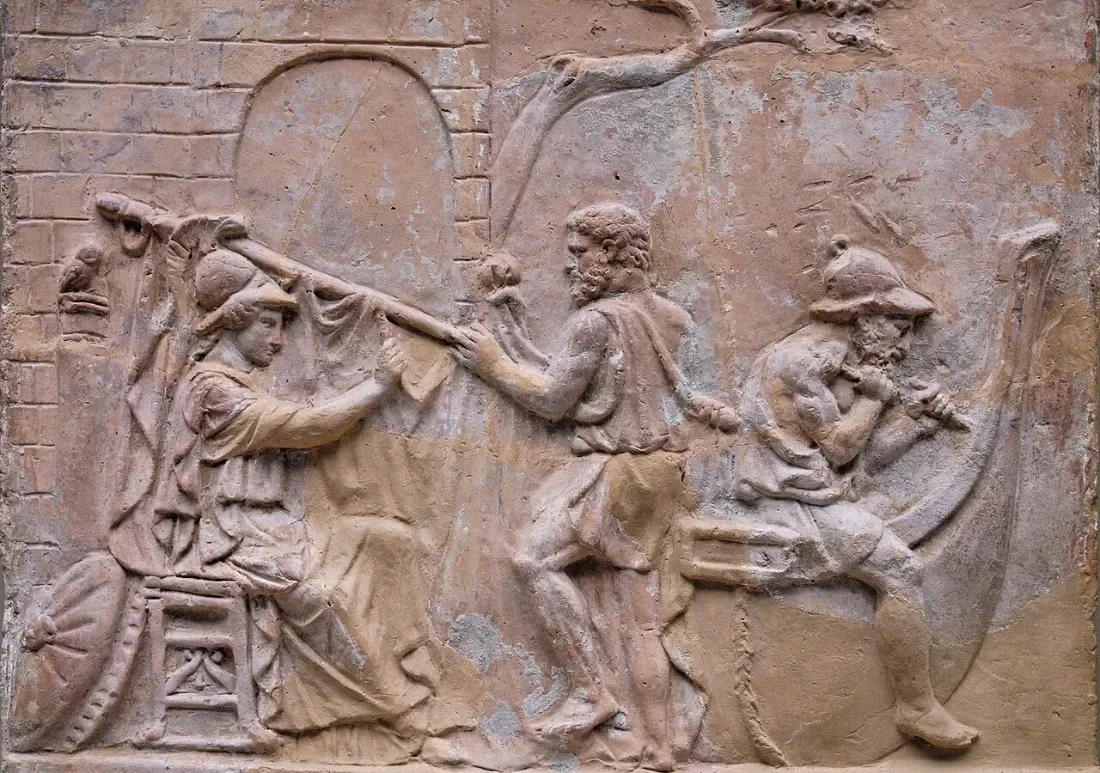
The building of the Argo: Athena adjusts the sail, Tiphys holds the yard, Argus works on the stern. Roman terracotta relief, probably 1st century AD. London, British Museum.
Photo: Jastrow · CC BY 2.5 · via Wikimedia Commons
File:Building Argo BM TerrD603.jpg
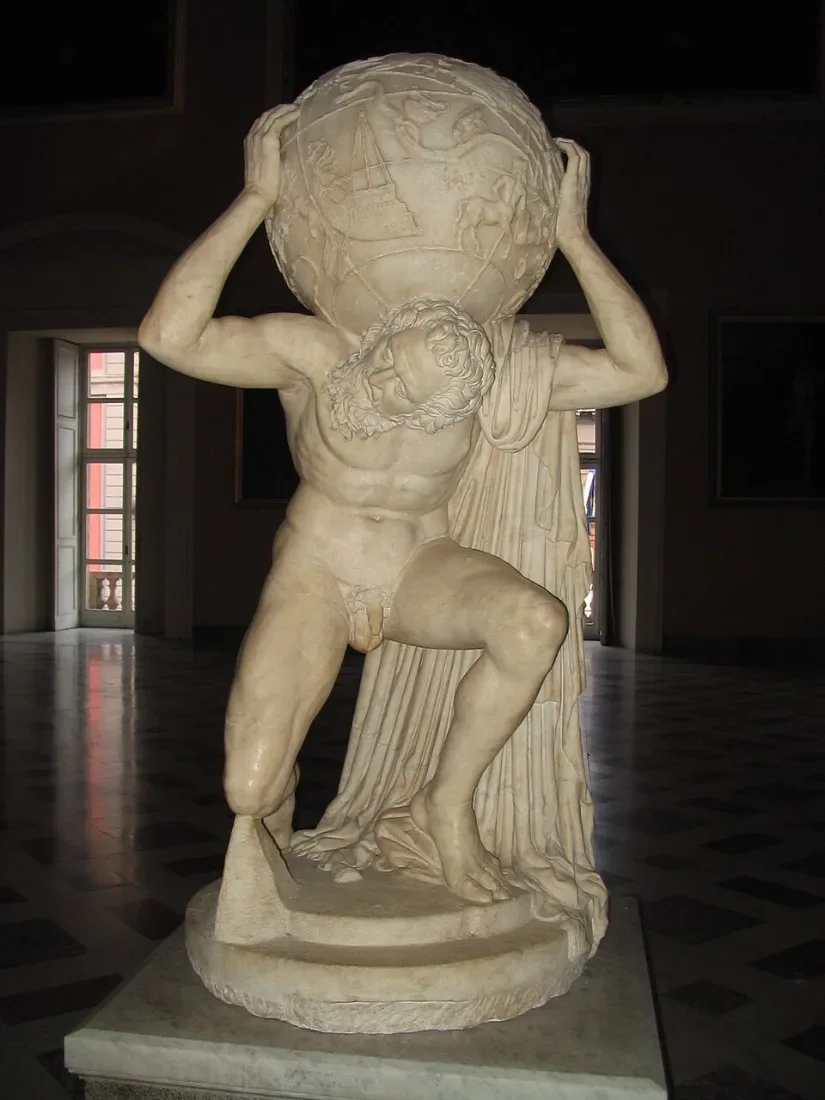
The Farnese Atlas: Roman copy, 2nd century AD, of a Hellenistic original. Naples, Museo Archeologico Nazionale.
Gabriel Seah · CC BY-SA 3.0 · via Wikimedia Commons
File:Atlas (Farnese Globe).jpg
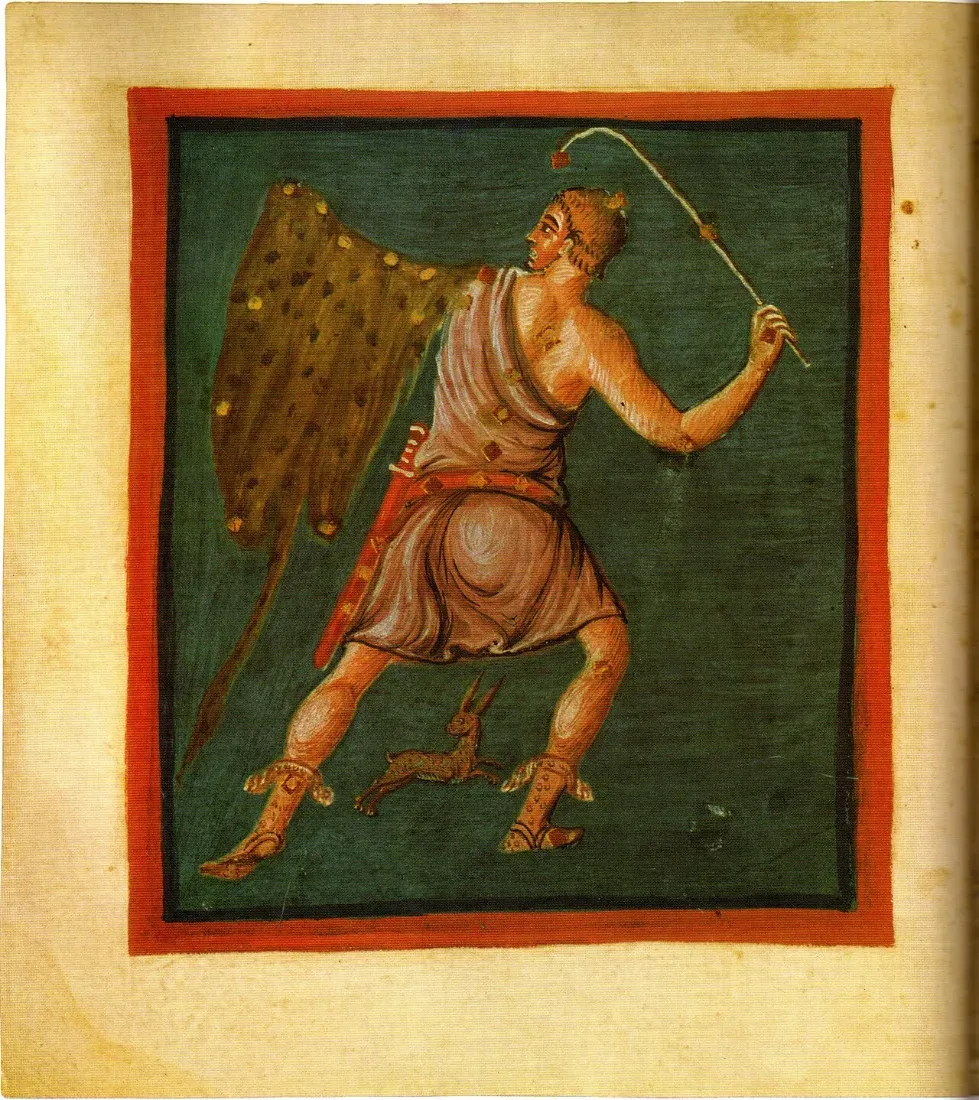
Orion, from the Leiden Aratea, a Carolingian manuscript of the Latin version of Aratus (after 825), folio 58v. Leiden, Universiteitsbibliotheek, Voss. lat. Q 79.
Carolingian illuminator; scan: David Stapleton · Public domain · via Wikimedia Commons
File:LeidenArateaFOlio48vOrion.jpg
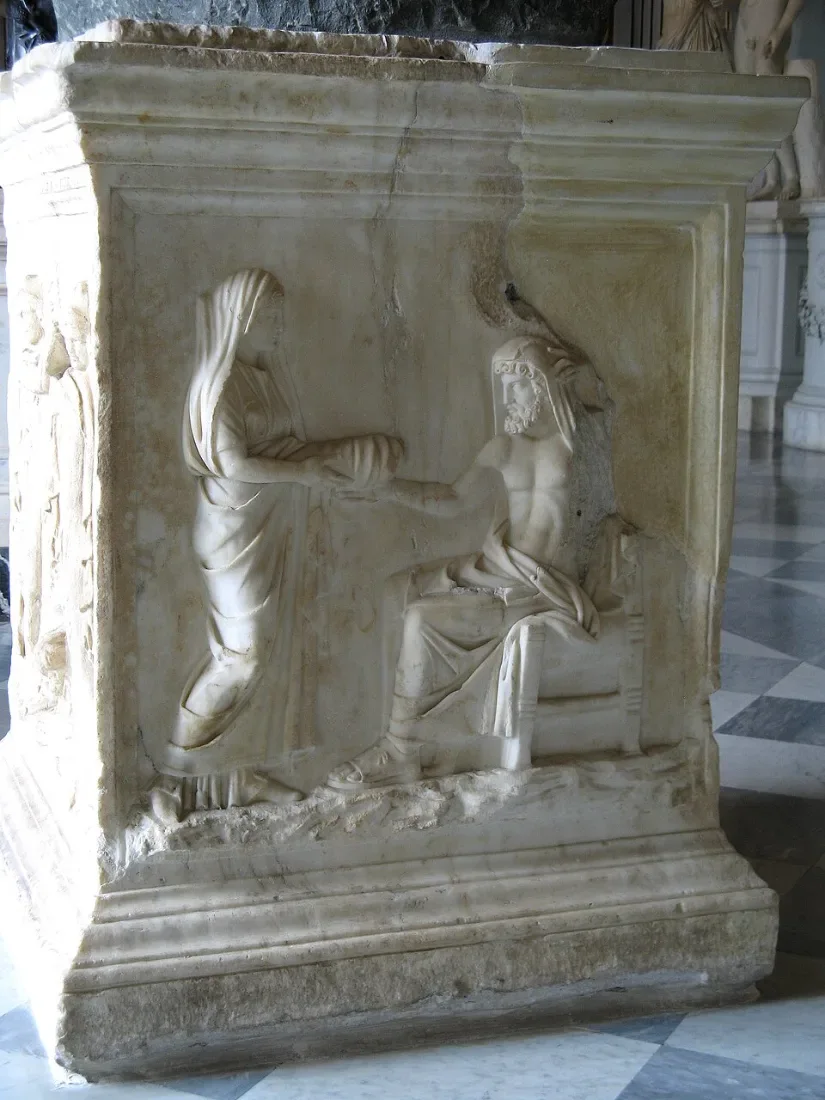
Base with reliefs of the birth of Zeus. Rome, Musei Capitolini 1944.
Mark Landon · CC BY 4.0 · via Wikimedia Commons
File:Base with reliefs of the birth of Zeus (Rome Mus Cap 1944) 03.jpg
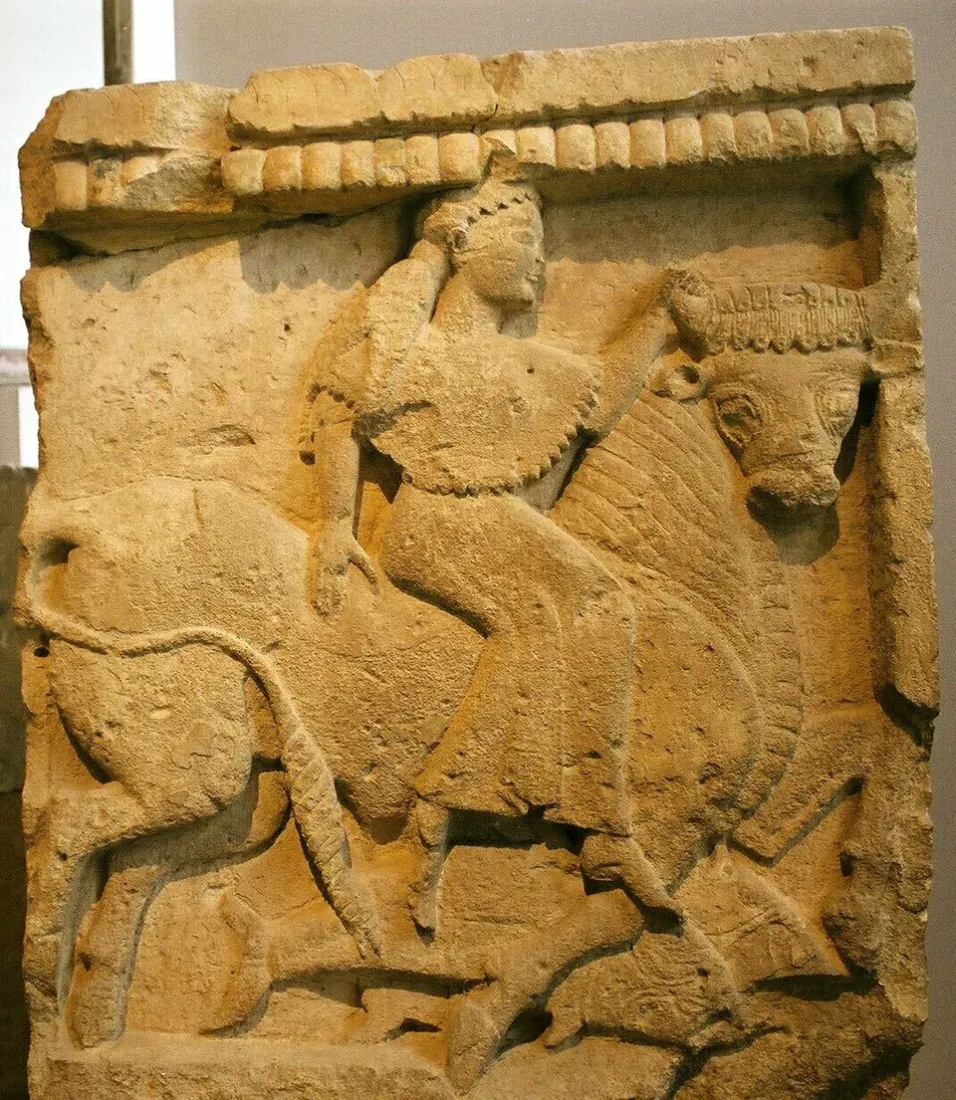
Europa on the bull, with two dolphins for the sea beneath: metope from Selinunte, Sicily, 6th–7th century BC. Palermo, Museo Archeologico.
Bjs · CC0 · via Wikimedia Commons · background removed
File:Europa on the bull, Palermo Museo Archeologico.jpg
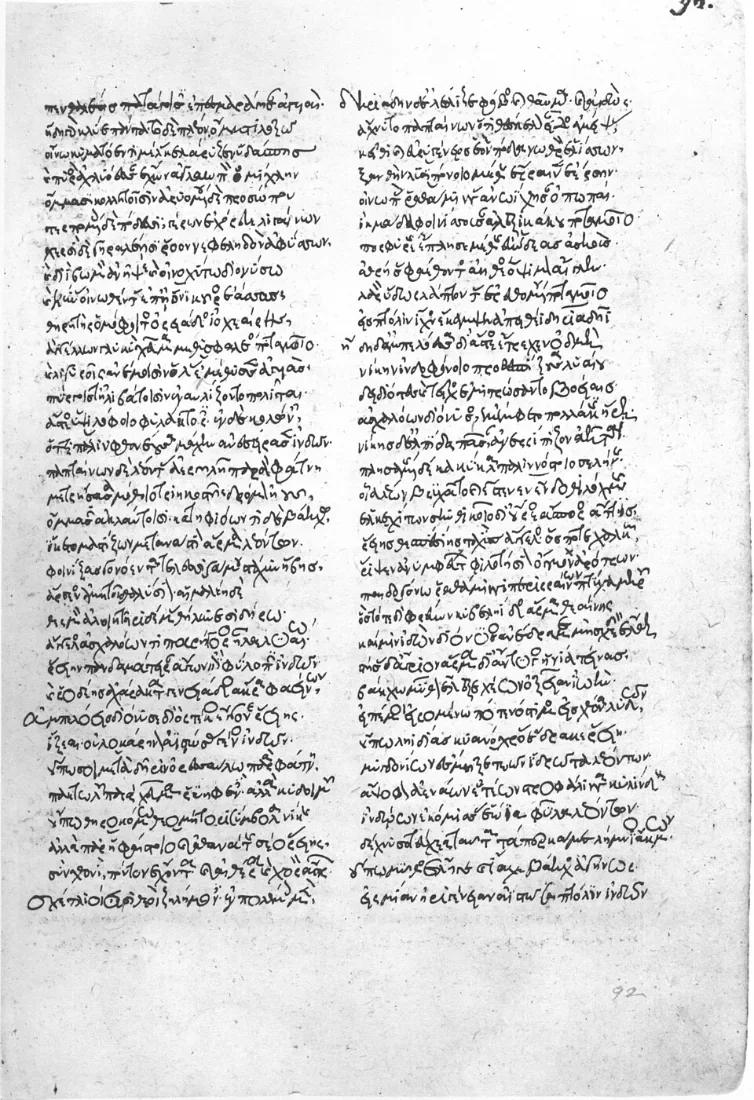
Nonnus, Dionysiaca, in the manuscript Florence, Biblioteca Medicea Laurenziana, Plut. 32.16, fol. 92r (1280).
Biblioteca Medicea Laurenziana (scan) · Public domain · via Wikimedia Commons
File:Nonnus, Dionysiaca, Florence, Plut. 32,16.jpg
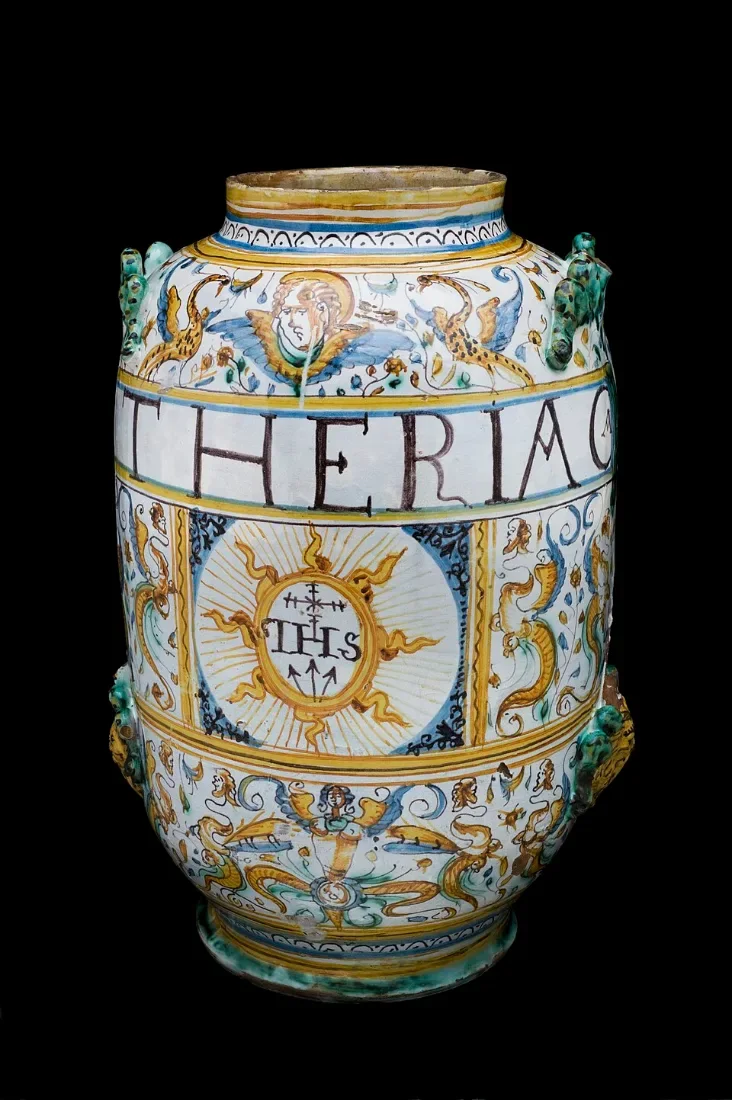
Albarello (drug jar) for theriac, Italy, 1641. Wellcome Collection.
Wellcome Collection · CC BY 4.0 · via Wikimedia Commons · background removed
File:Albarello vase for theriac, Italy, 1641 Wellcome L0057175.jpg
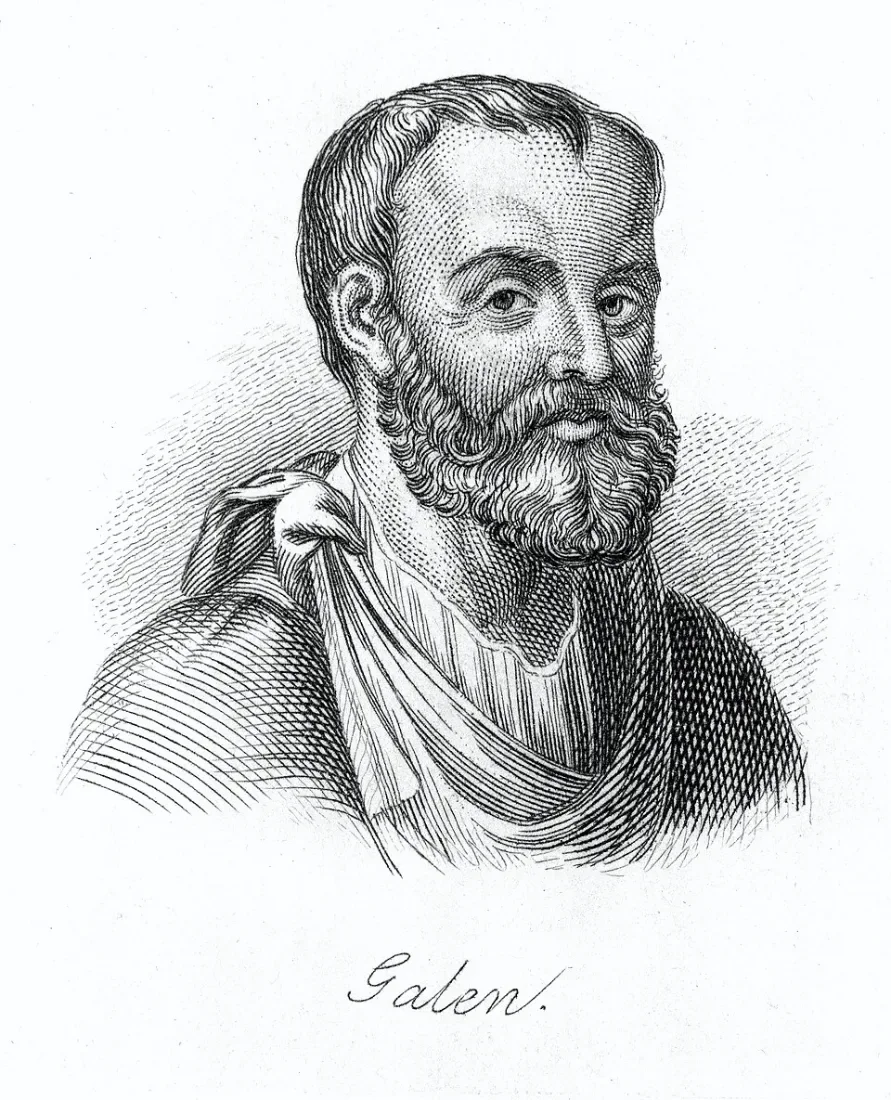
Galen: line engraving. Wellcome Collection.
Wellcome Collection · CC BY 4.0 · via Wikimedia Commons
File:Galen. Line engraving. Wellcome L0012587.jpg
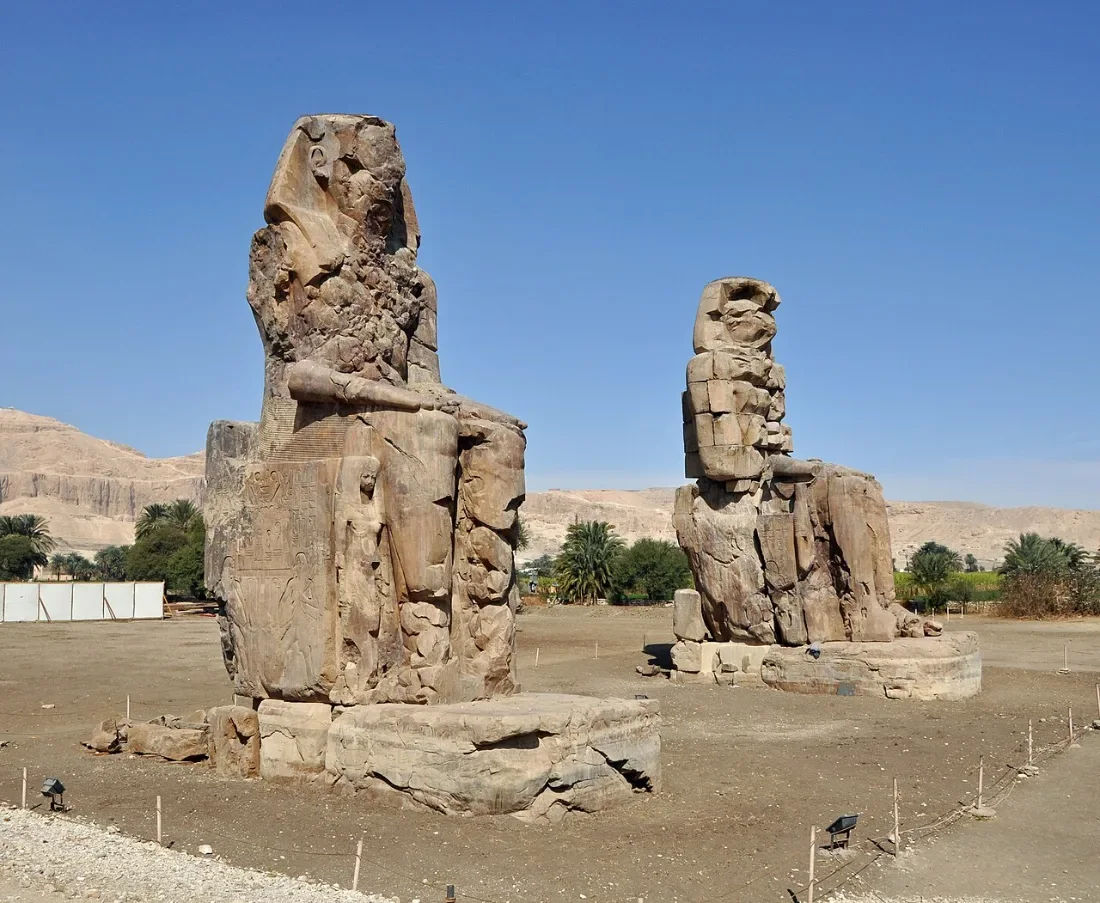
The Colossi of Memnon at Thebes (Luxor), Egypt.
Marc Ryckaert · CC BY 3.0 · via Wikimedia Commons
File:Colossi of Memnon R02.jpg
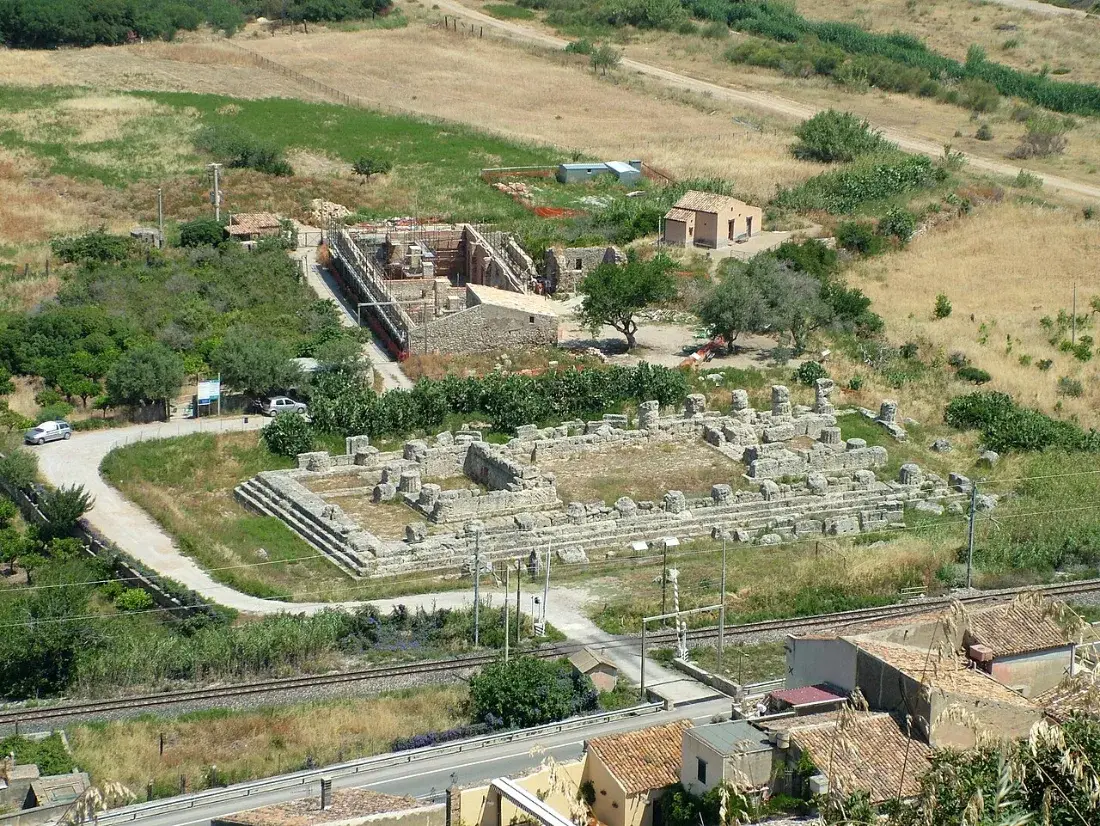
Himera, Sicily: the Temple of Victory seen from the Antiquarium.
Clemensfranz · CC BY 2.5 · via Wikimedia Commons
File:Himera Viktoriatempel.jpg
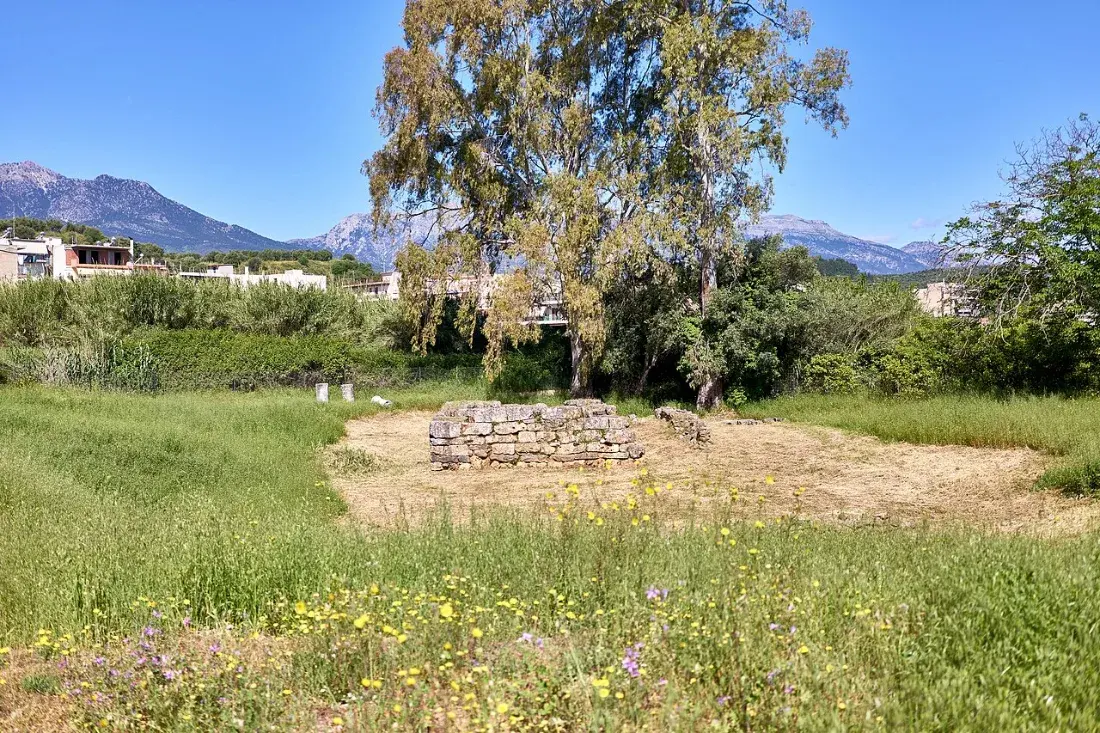
The remains of the temple of Artemis Orthia at Sparta.
George E. Koronaios · CC0 · via Wikimedia Commons
File:The remains of the Temple of Artemis Orthia in Sparta on 15 May 2019.jpg
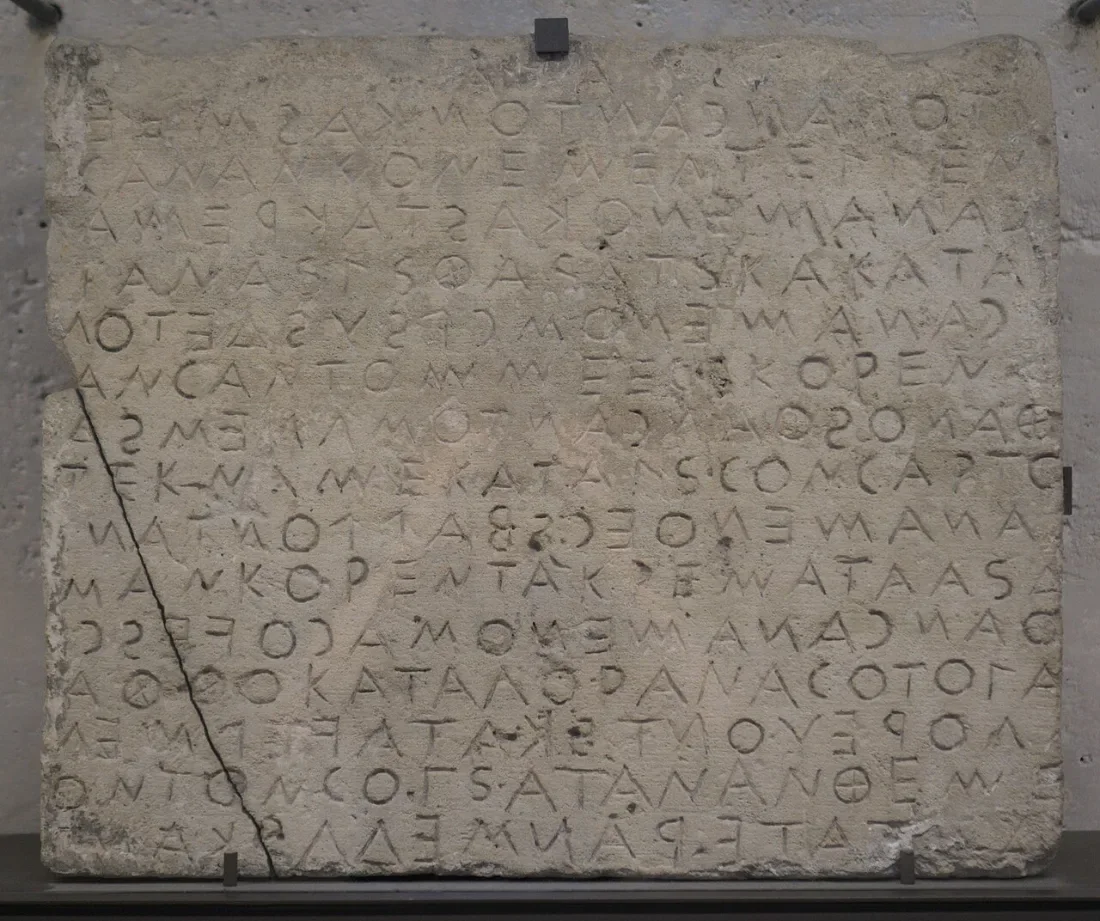
A fragment of the Gortyn law code inscription. Paris, Louvre.
Caeciliusinhorto · CC BY-SA 4.0 · via Wikimedia Commons
File:Gortyn Code fragment.jpg
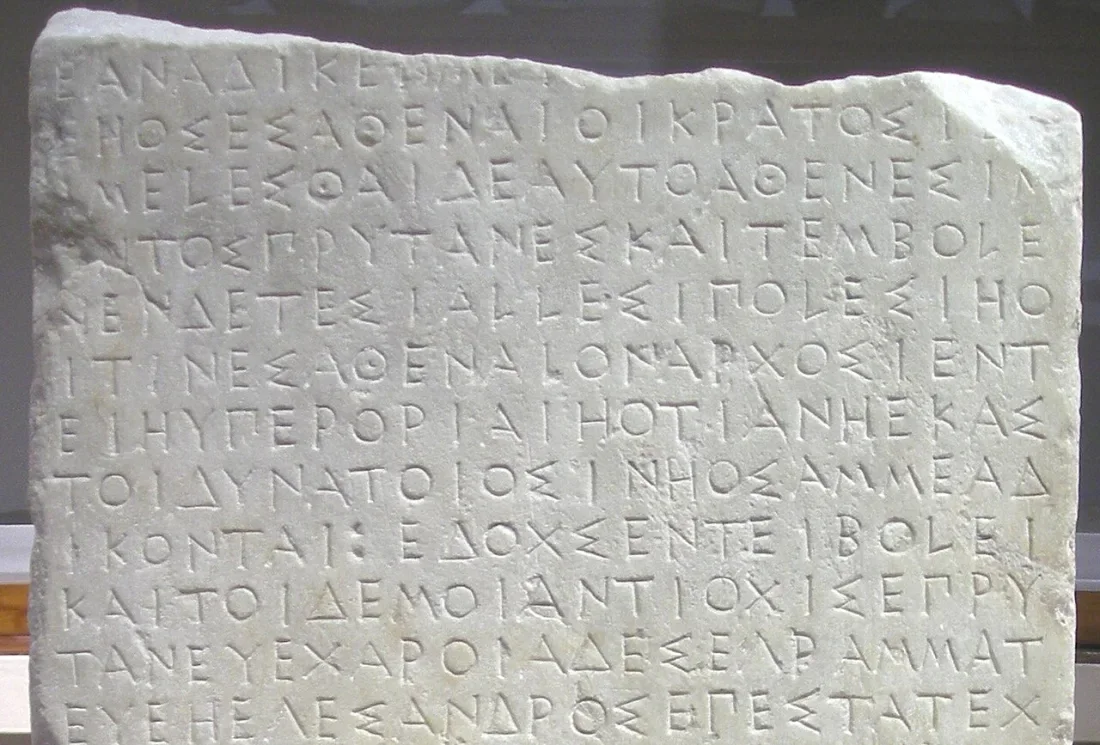
Marble stele with a decree of the Athenian Council (boulē), c. 440–425 BC (IG I³ 156). Athens, Epigraphic Museum.
Future Perfect at Sunrise · Public domain · via Wikimedia Commons
File:Athenian decree.jpg
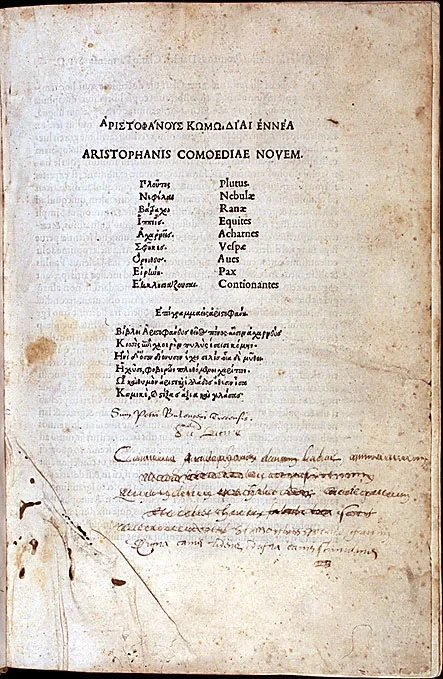
Title page of the Aldine Aristophanes (Venice, 1498), the first edition of nine of the comedies, edited by Marcus Musurus and Aldus Manutius.
Aldus Manutius (printer) · Public domain · via Wikimedia Commons
File:Title page of one of the first editions of Aristophanes (1498). Aldine Aristophanes.jpg
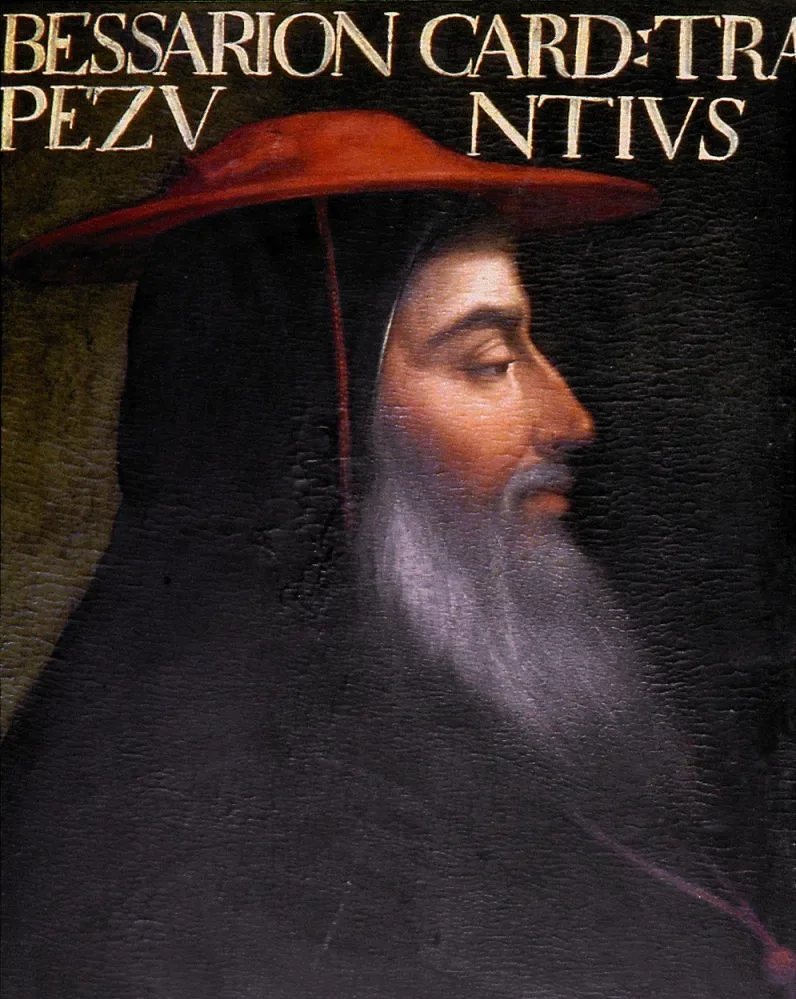
Cardinal Bessarion: portrait by Cristofano dell'Altissimo, 1556.
Cristofano dell'Altissimo · Public domain · via Wikimedia Commons
File:Ritratto-di-Basilio-Bessarione.jpg
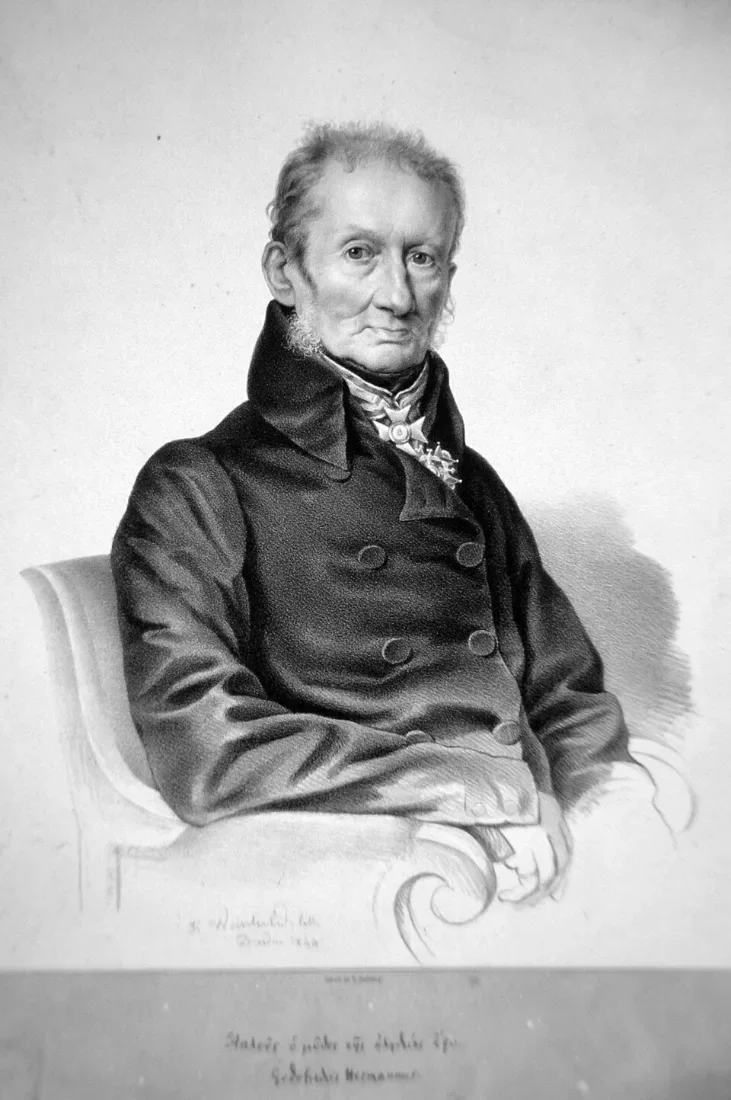
Gottfried Hermann (1772–1848), lithograph by Weinhold, 1844.
Weinhold; photo: Peter Geymayer · Public domain · via Wikimedia Commons
File:Gottfried Hermann Litho.jpg
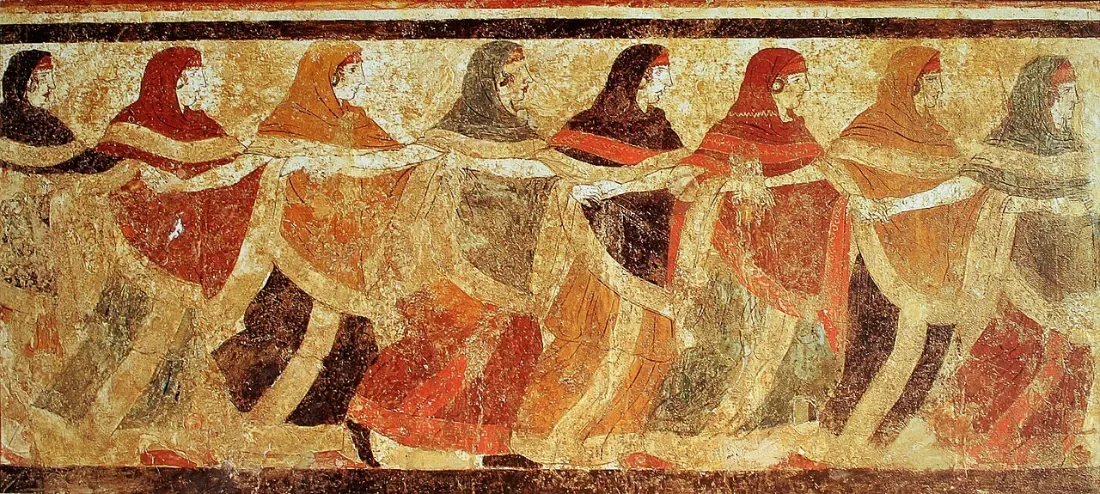
Dancing women from the Tomb of the Dancers at Ruvo di Puglia, end of the 5th or 4th century BC.
Unknown painter · Public domain · via Wikimedia Commons
File:Femmes peucètes dansant, fresque.jpg
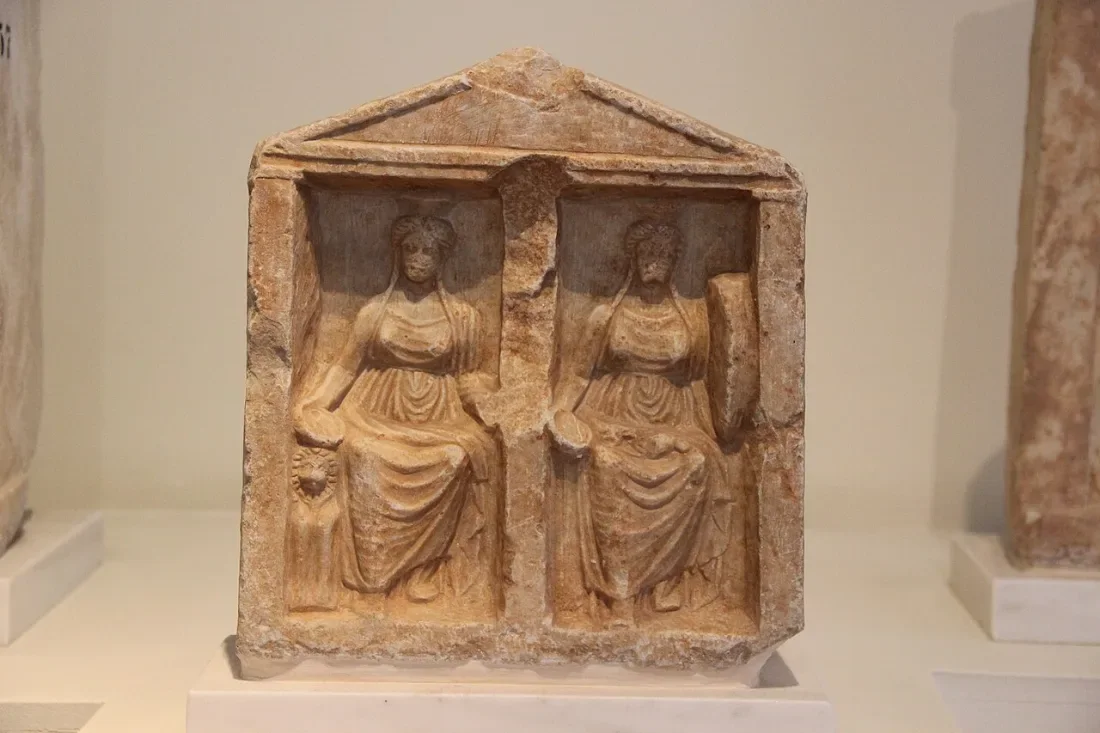
Marble relief of Cybele. Athens, National Archaeological Museum.
Gary Todd · CC0 · via Wikimedia Commons
File:Ancient Greece Marble Cybele Relief (27879063034).jpg
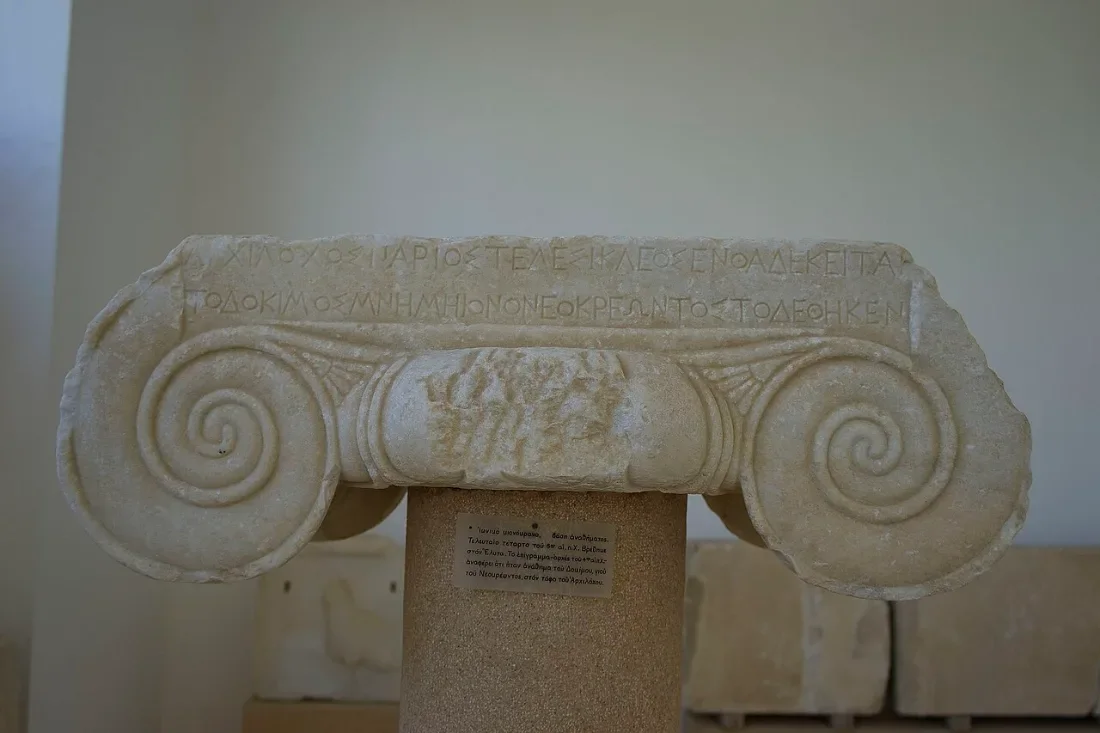
Ionic capital from the grave of Archilochus. Paros, Archaeological Museum.
Parapher · CC BY-SA 4.0 · via Wikimedia Commons
File:ArchilochusCapital.jpg
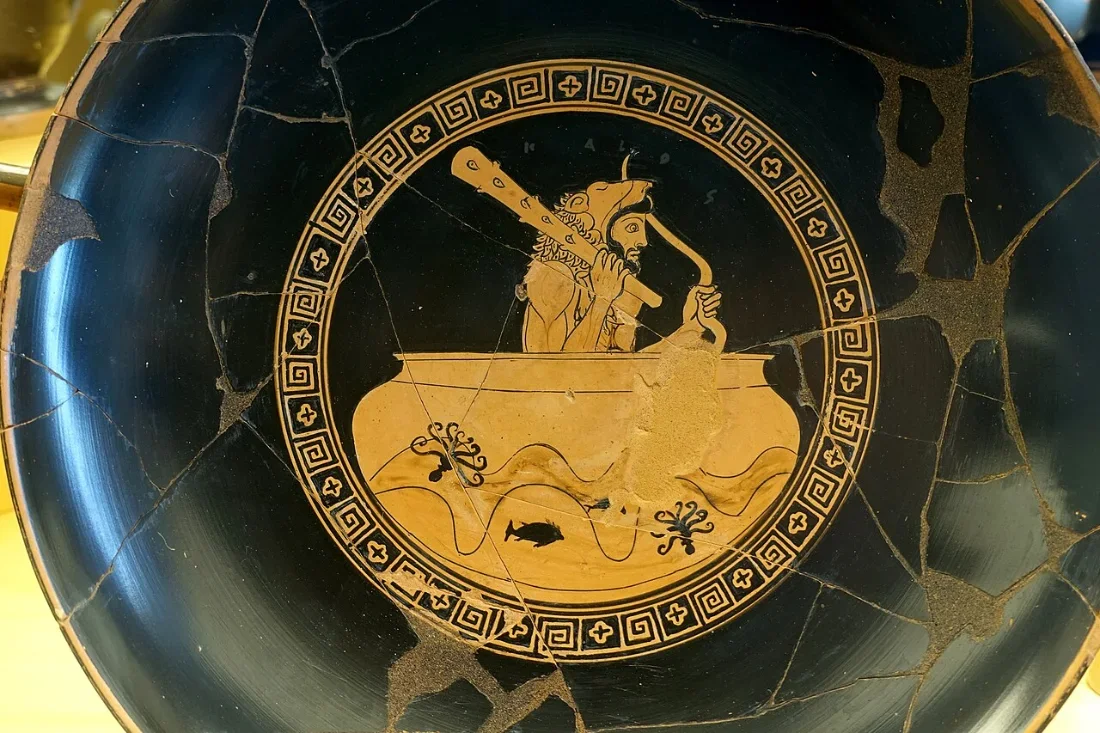
Heracles sailing in the cup (of the Sun): Attic red-figure kylix in the manner of Douris, c. 480 BC. Vatican, Museo Gregoriano Etrusco 16563.
Manner of Douris; photo: Daderot · Public domain · via Wikimedia Commons
File:Herakles sailing in a cup, Attic red-figured kylix, in the manner of Douris, c. 480 BC, inv. 16563 - Museo Gregoriano Etrusco - Vatican Museums - DSC01035.jpg
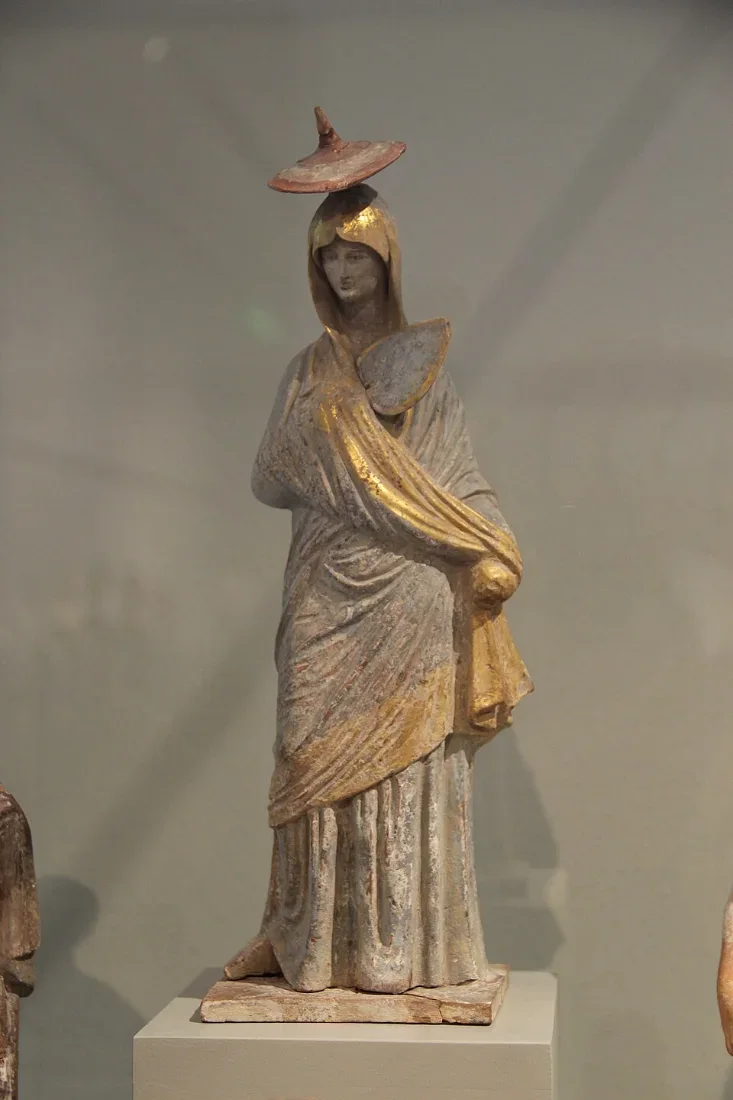
Terracotta 'Tanagra' figurine of a woman with a sun hat and fan, from Tanagra, Boeotia, 325–300 BC. Berlin, Altes Museum.
Gary Todd · CC0 · via Wikimedia Commons · background removed
File:Ancient Greek Terracotta "Tanagra" Figurine of Woman with sun hat and fan, Tanagra, Boeotia, 325-300 BC (28706275576).jpg
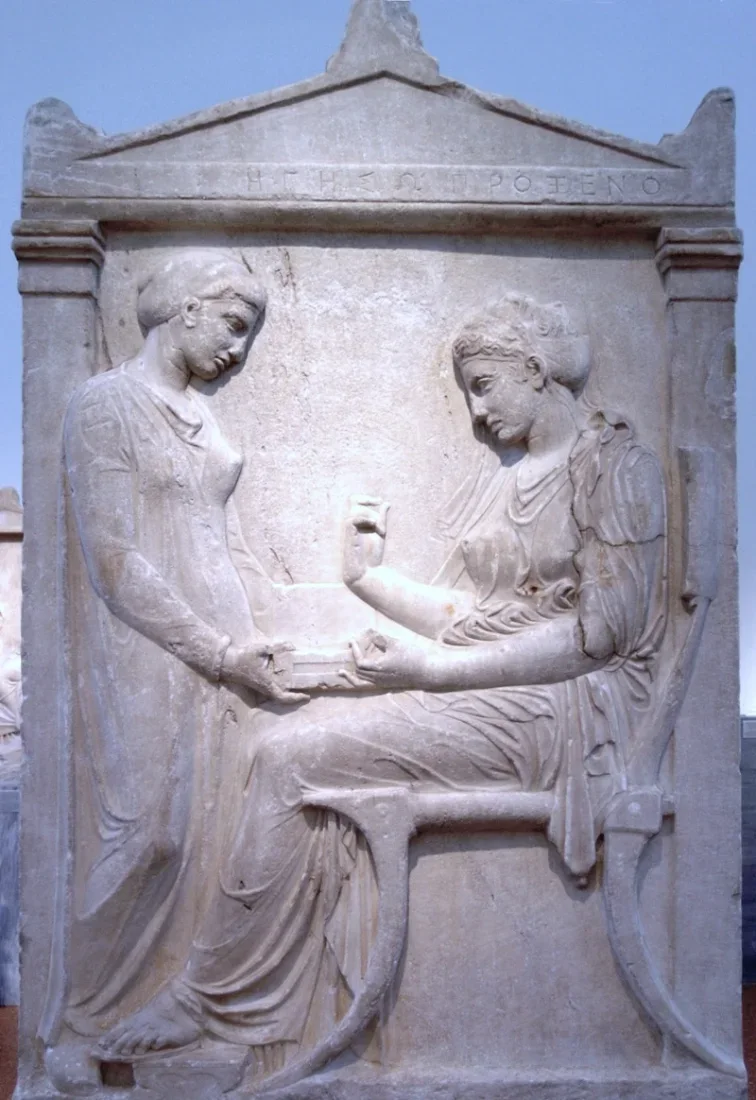
The funerary stele of Hegeso. Athens, National Archaeological Museum.
Photo: Marsyas · CC BY 2.5 · via Wikimedia Commons
File:NAMA Stèle d'Hègèsô.jpg
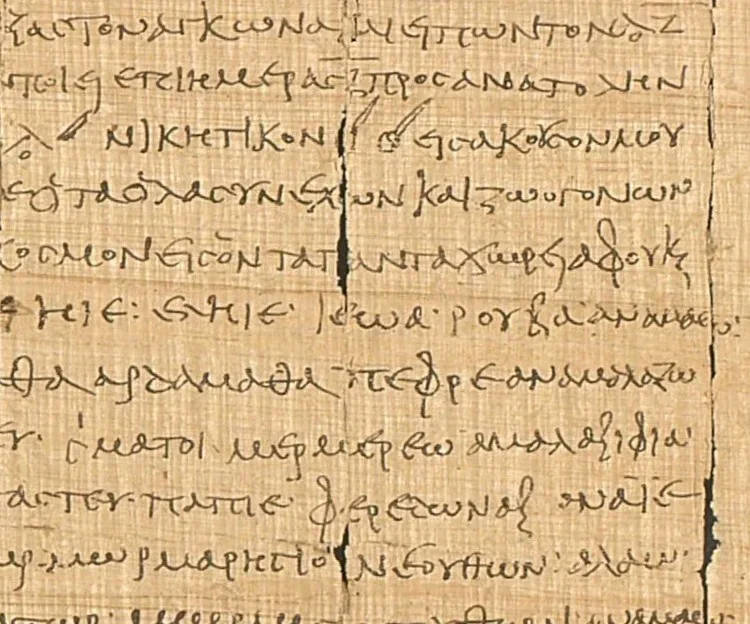
A Greek magical papyrus of the 3rd century AD: British Library Papyrus 121 (PGM VII).
British Library (reproduction) · Public domain · via Wikimedia Commons
File:Papyri Graecae Magicae 121.jpg
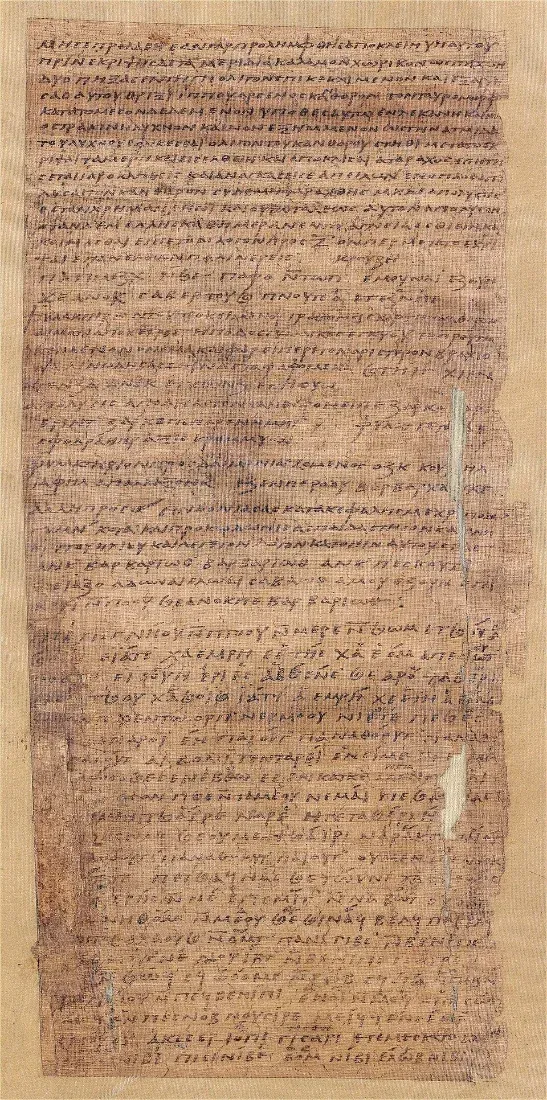
The Great Magical Papyrus of Paris (PGM IV), a page of the codex. Paris, Bibliothèque nationale de France, Supplément grec 574.
Bibliothèque nationale de France (digitisation) · Public domain · via Wikimedia Commons
File:Grand papyrus magique (PGM IV) - btv1b525030475 (05 of 73).jpg
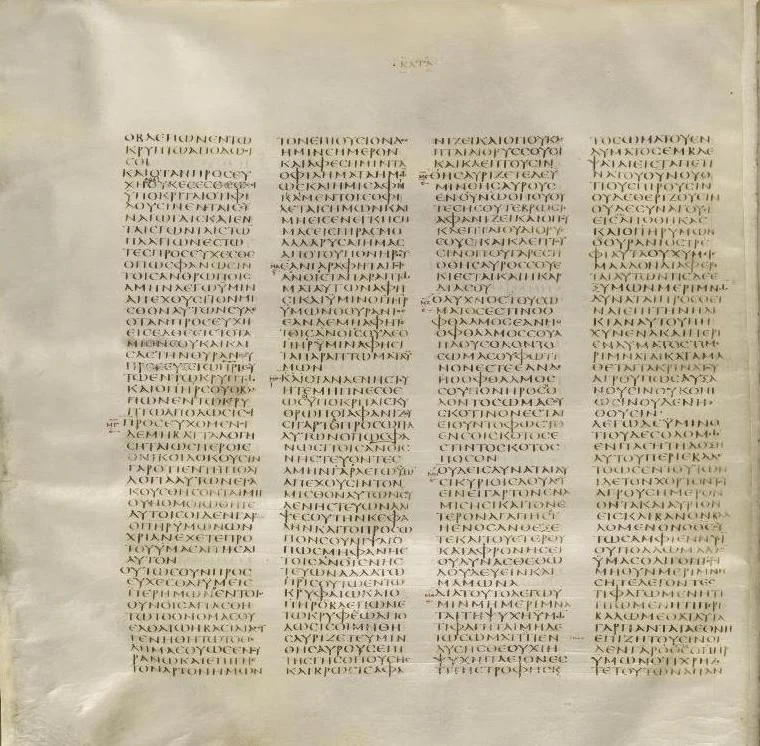
Codex Sinaiticus, a Greek uncial manuscript of the fourth century: a page with Matthew 6:4–32. London, British Library.
Unknown scribe; reproduction via Wikimedia Commons · Public domain · via Wikimedia Commons
File:Codex Sinaiticus Matthew 6,4-32.JPG
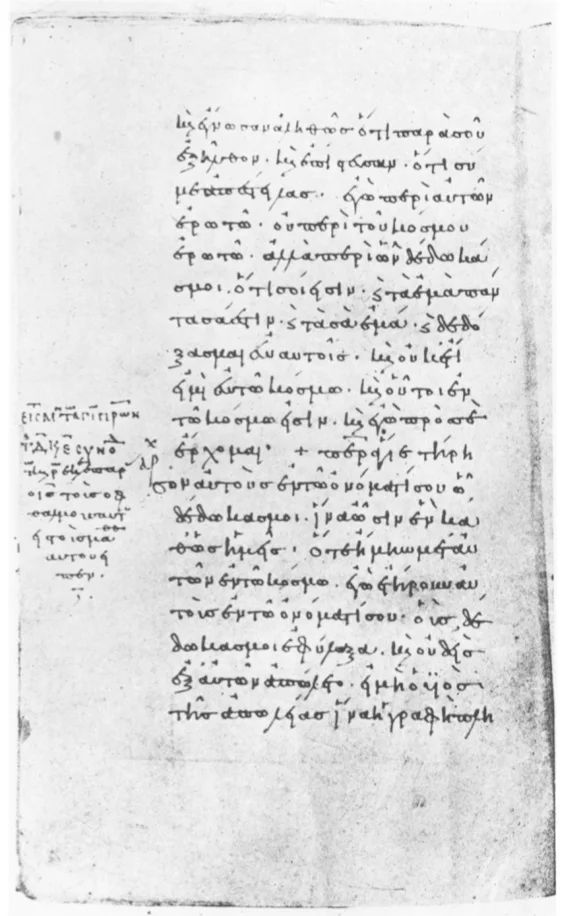
The Uspensky Gospels (Gregory-Aland minuscule 461), dated 835: a page of the codex in minuscule script.
Unknown scribe; reproduction via Wikimedia Commons · Public domain · via Wikimedia Commons
File:Uspensky gospels.jpg
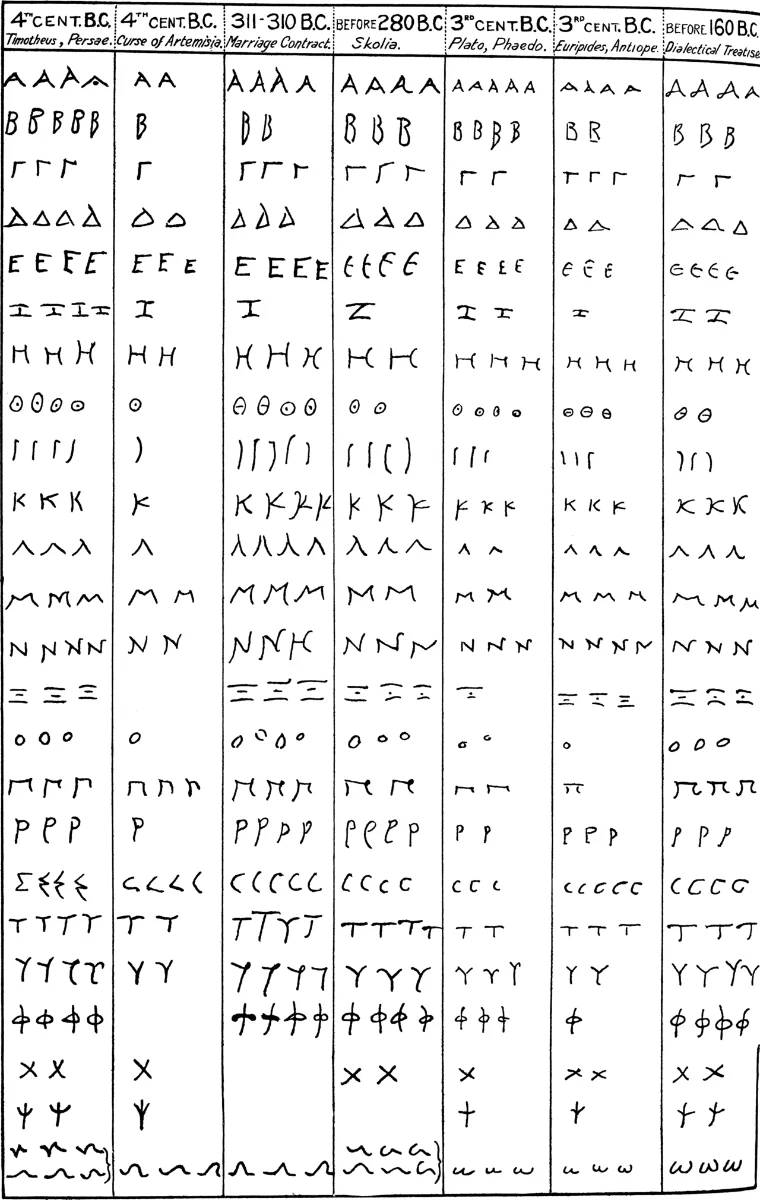
Greek literary alphabets: the forms of the letters in dated manuscripts, a table from E. M. Thompson, An Introduction to Greek and Latin Palaeography (Oxford, 1912), p. 144.
Edward Maunde Thompson · Public domain · via Wikimedia Commons
File:Greek Literary Alphabets 1.png
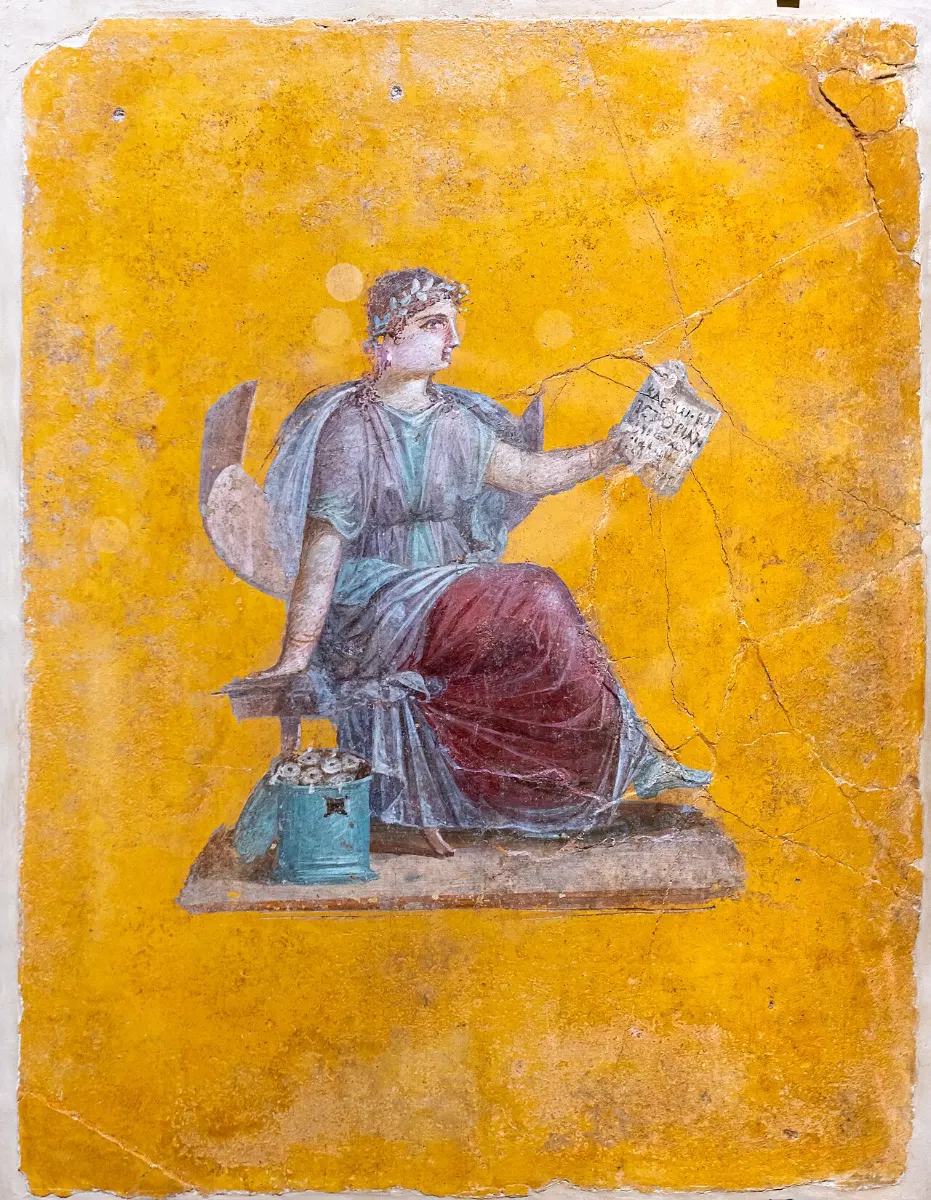
Clio seated, reading an unrolled papyrus roll, with a cylindrical case of rolls beside her: wall painting from the Praedia of Julia Felix at Pompeii, c. AD 62–79. Paris, Musée du Louvre ED 2752 (P 5).
ArchaiOptix · CC BY-SA 4.0 · via Wikimedia Commons
File:Wall painting - Klio reading papyrus roll - Pompeii - villa di Iulia Felix - Paris Louvre ED 2752.jpg
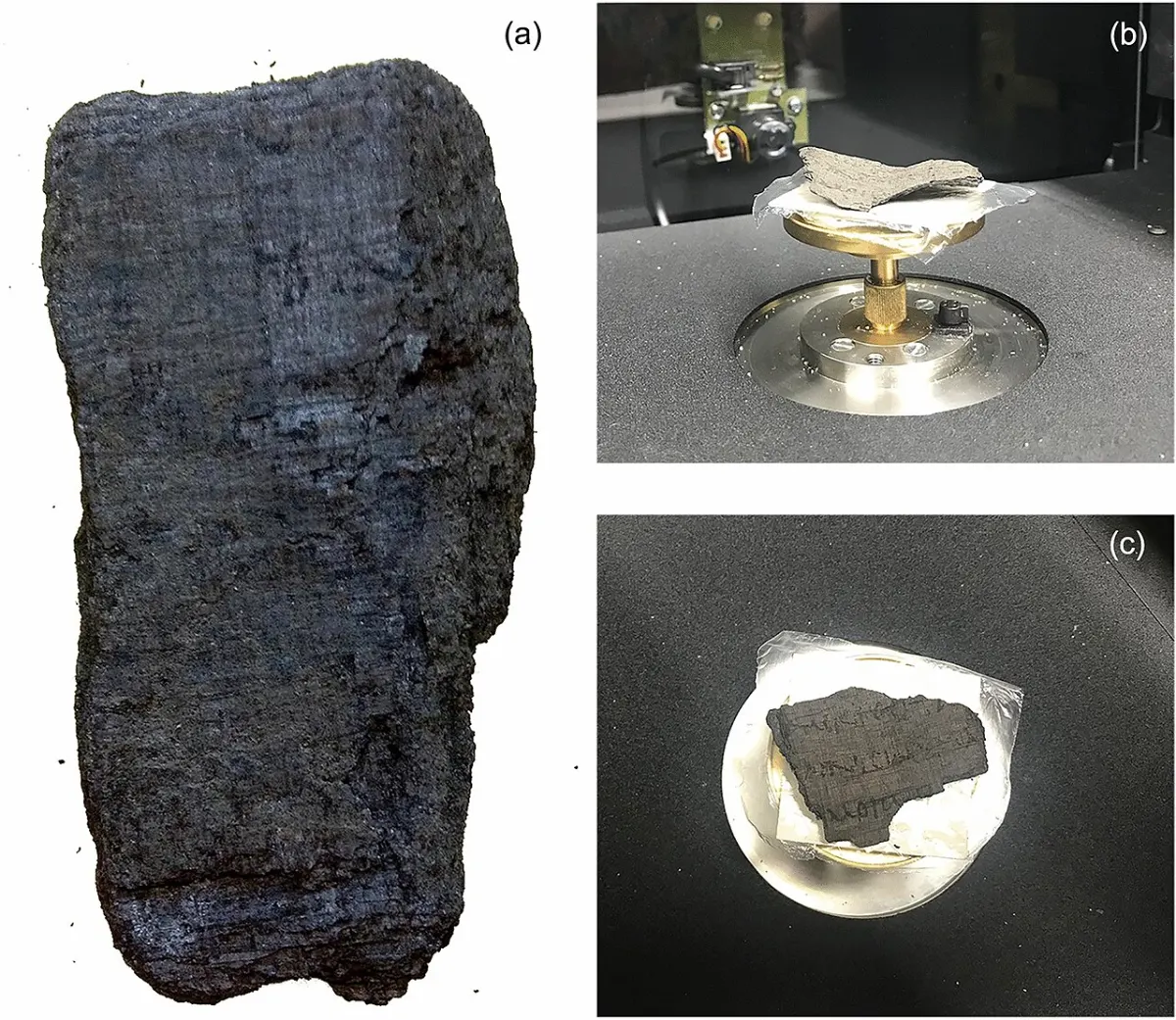
Charred papyrus rolls from Herculaneum, PHerc. 1103 and PHerc. 110: photographs from Stabile et al. 2021, Scientific Reports (contrast enhanced by the authors).
Sara Stabile, Francesca Palermo, Inna Bukreeva, Daniela Mele, Vincenzo Formoso, Roberto Bartolino and Alessia Cedola · CC BY 4.0 · via Wikimedia Commons
File:Herculaneum papyri.jpg
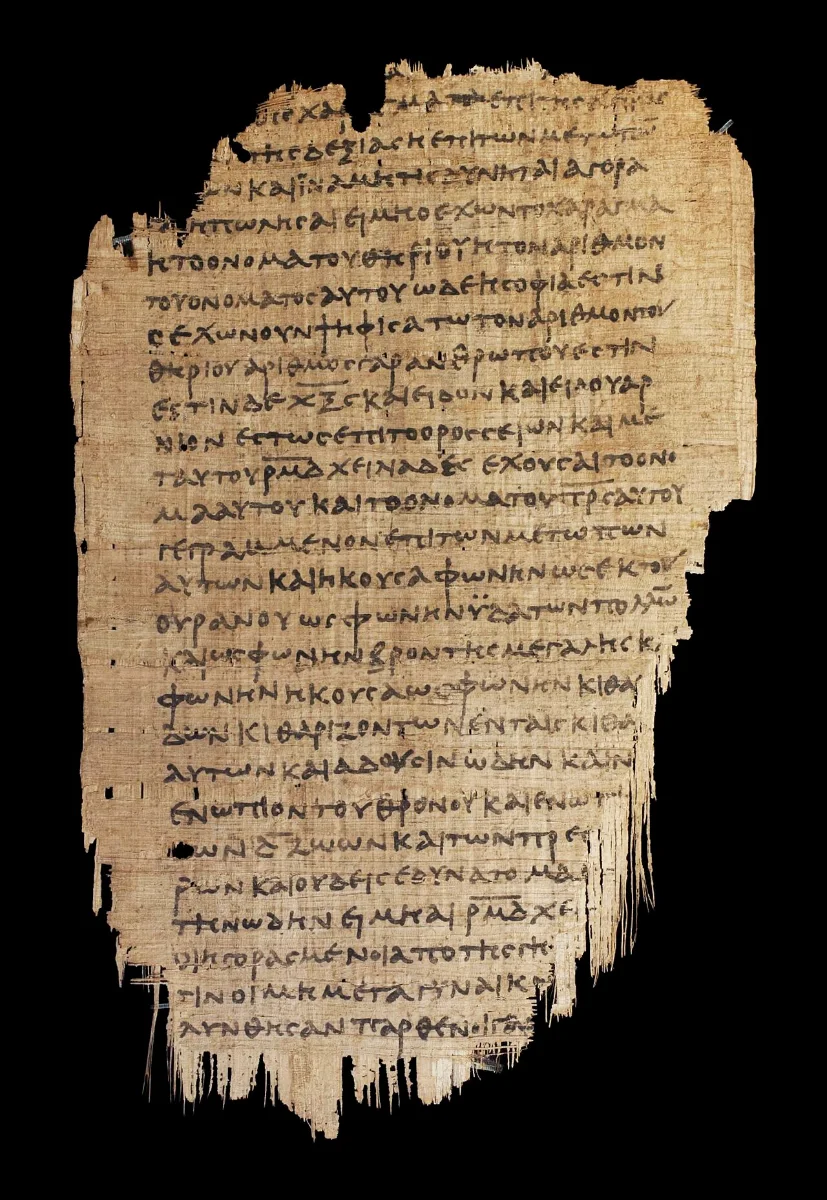
A leaf of a papyrus codex of the third century AD: Chester Beatty III (Papyrus 47), fol. 7r, Revelation 13:16–14:4. Dublin, Chester Beatty Library.
Unknown scribe; reproduction via Wikimedia Commons · Public domain · via Wikimedia Commons
File:Dublin, Chester Beatty Ms Chester Beatty III Papyrus 47 fol. 7r Rev 13,16-14.jpg
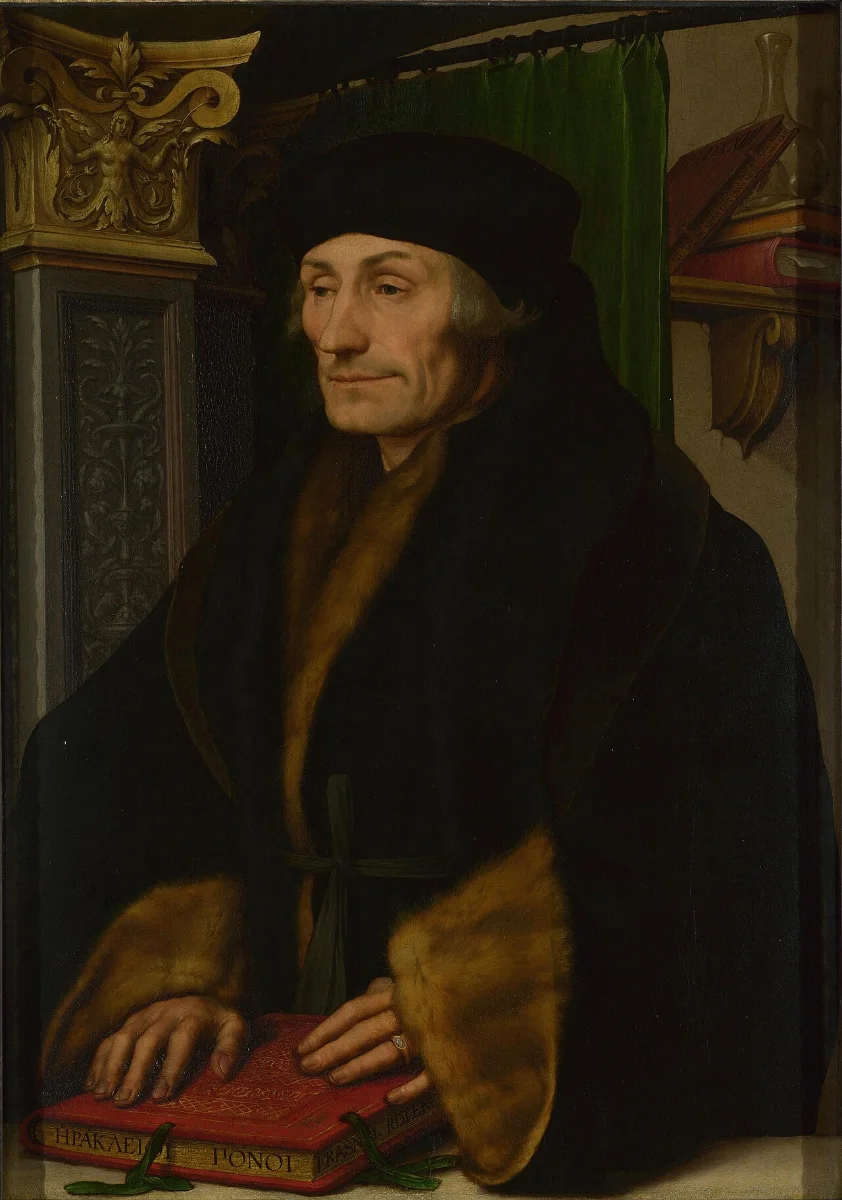
Desiderius Erasmus of Rotterdam, by Hans Holbein the Younger, 1523. London, National Gallery.
Hans Holbein the Younger · Public domain · via Wikimedia Commons
File:Holbein, Hans (II) - Erasmus - National Gallery.jpg
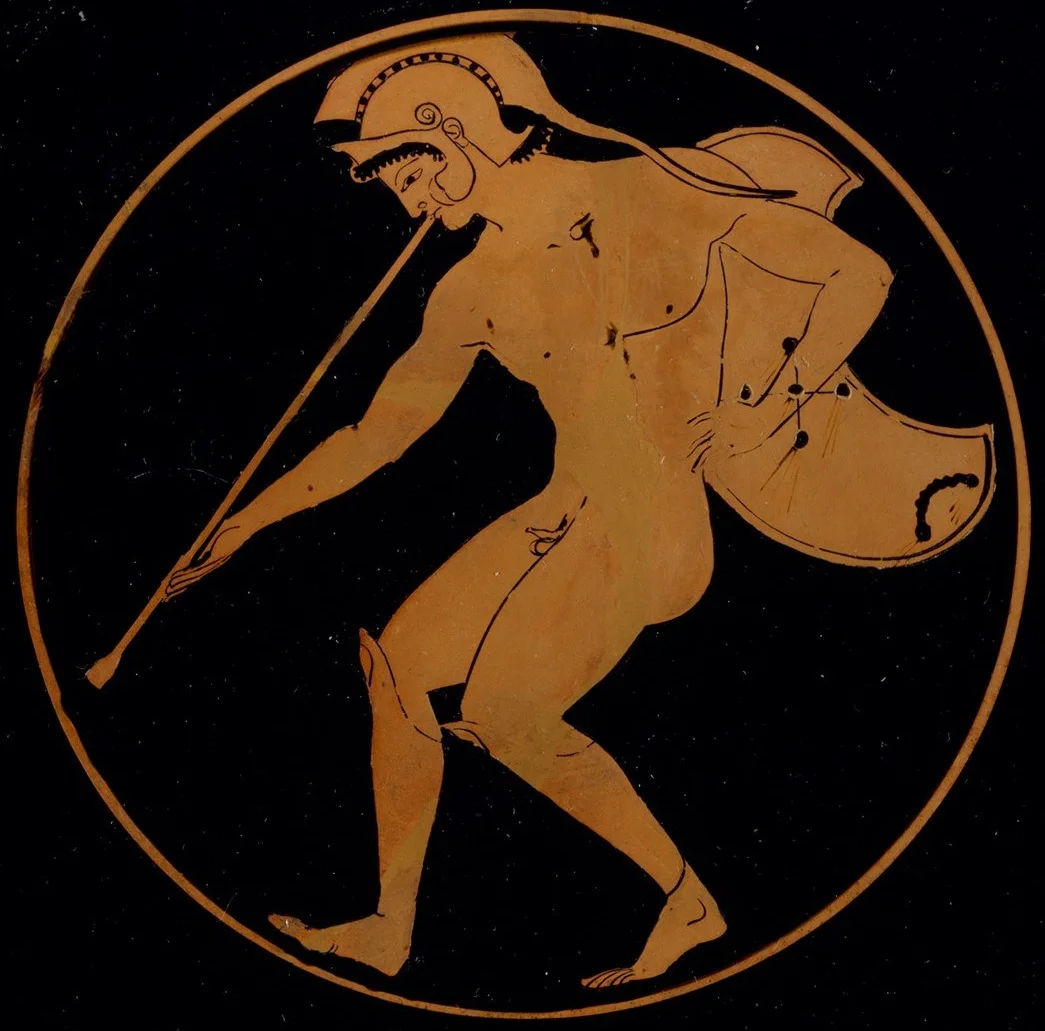
A salpinx player: tondo of an Attic terracotta kylix, c. 500 BC. New York, Metropolitan Museum of Art.
Unknown Greek painter; photo: Metropolitan Museum of Art (Open Access) · CC0 · via Wikimedia Commons
File:Salpinx player, on Terracotta kylix (drinking cup) MET DT5482, cropped.jpg
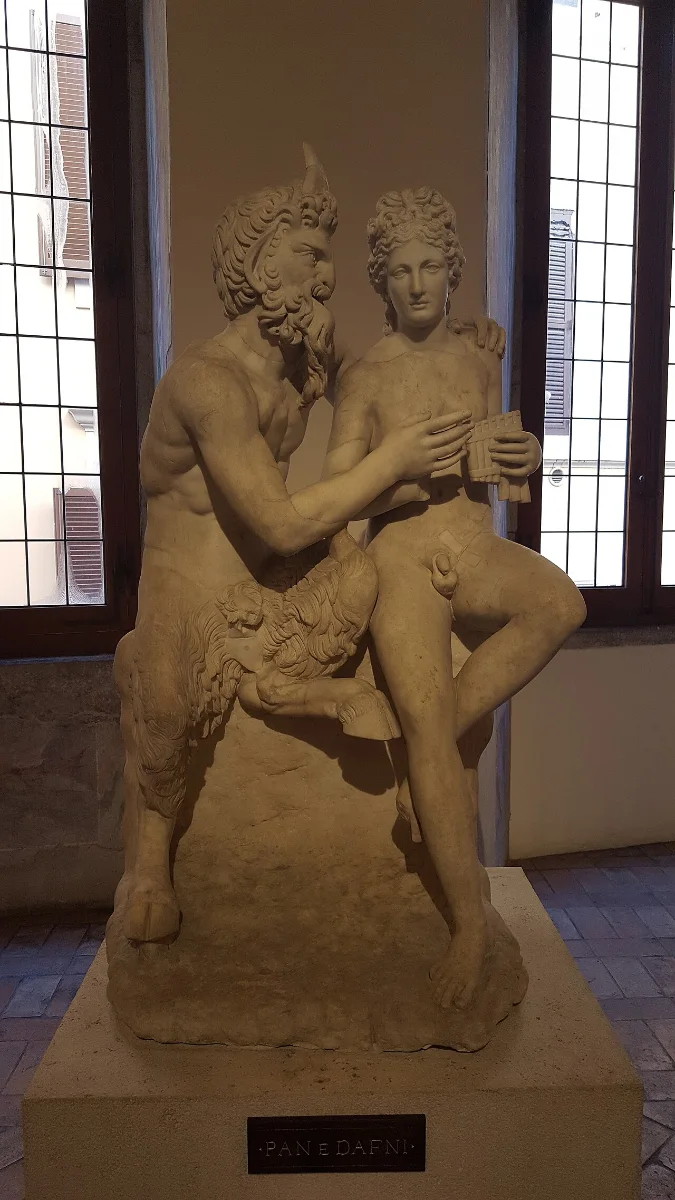
Pan teaching the shepherd Daphnis to play the syrinx: Roman marble copy of an original by Heliodorus of Rhodes, c. 100 BC. Rome, Palazzo Altemps, Boncompagni Ludovisi collection (inv. 8571).
MumblerJamie (Flickr) · CC BY-SA 2.0 · via Wikimedia Commons
File:Statue of Pan and Daphnis 01.jpg
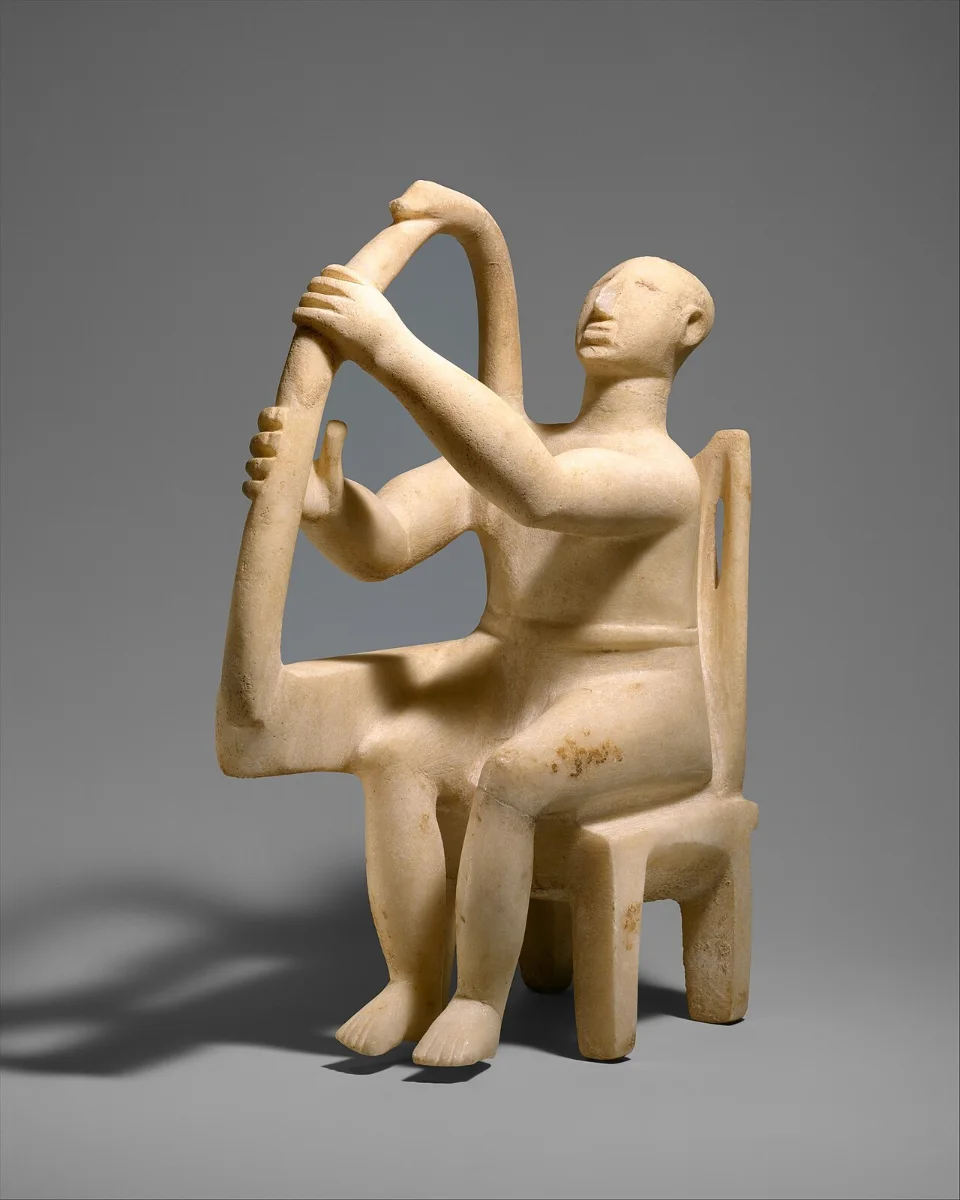
Seated harp player, Cycladic marble statuette, 2800–2700 BC. New York, Metropolitan Museum of Art 47.100.1.
Metropolitan Museum of Art (Open Access) · CC0 · via Wikimedia Commons
File:Marble seated harp player MET DT252.jpg
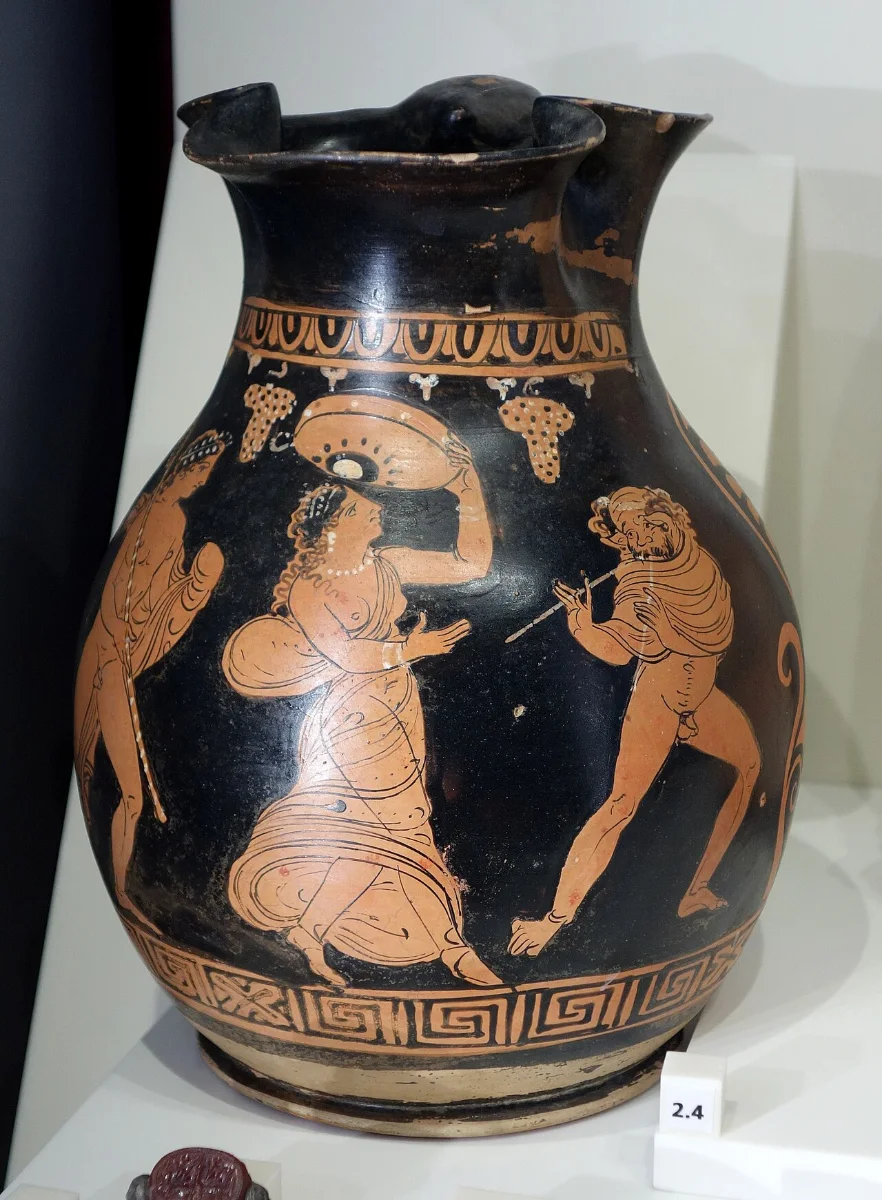
Dancing maenad with a tympanon: Apulian red-figure oinochoe attributed to the Felton Painter, 4th century BC. Taranto, Museo Archeologico Nazionale 4661.
Felton Painter; photo: Mark Landon · CC BY 4.0 · via Wikimedia Commons
File:Apulian red-figure oinochoe - dancing maenad (Taranto, MARTA 4661).jpg
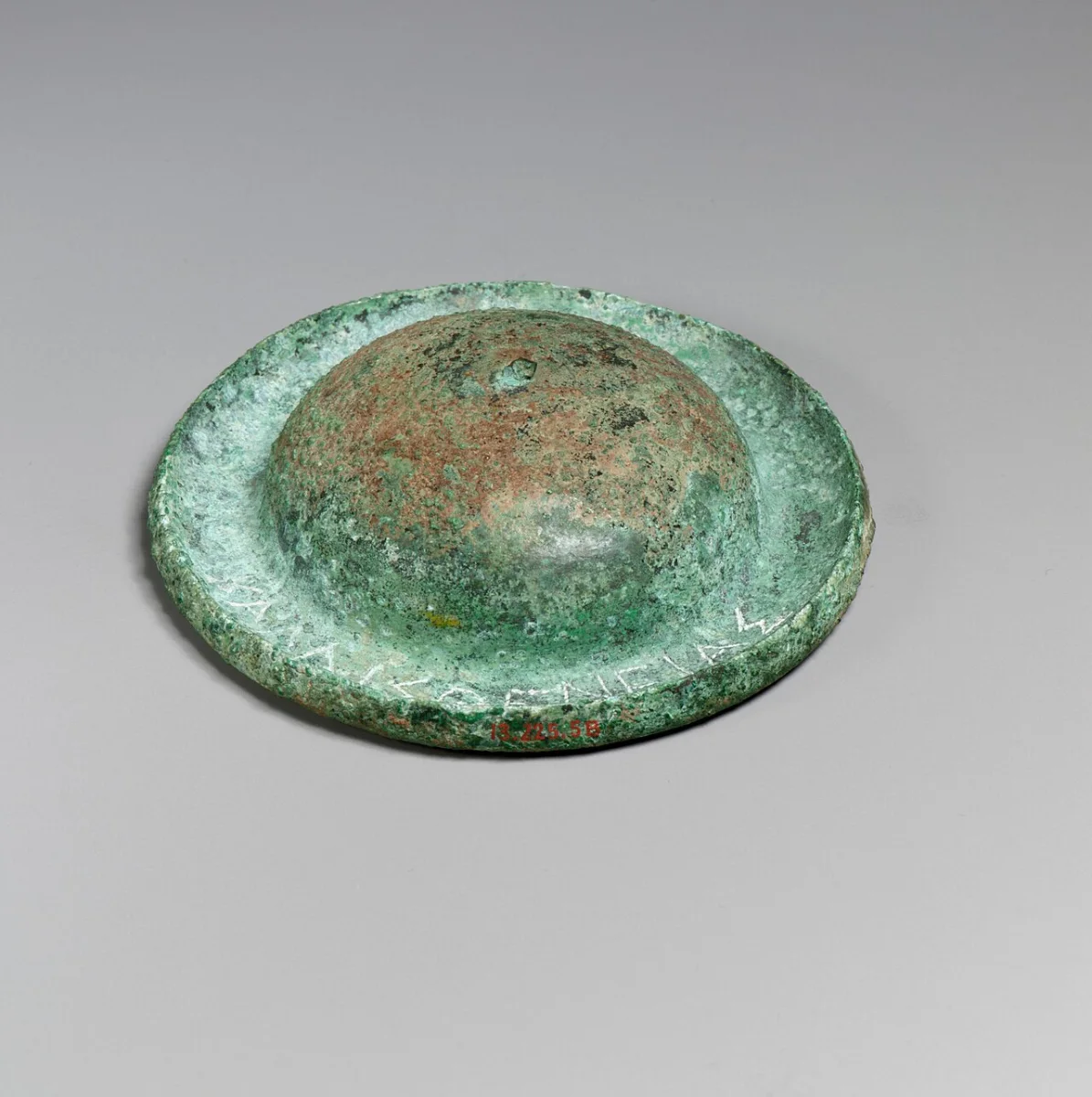
Pair of bronze cymbals, Greek (Peloponnesian), 5th–4th century BC. New York, Metropolitan Museum of Art.
Metropolitan Museum of Art (Open Access) · CC0 · via Wikimedia Commons
File:Pair of bronze cymbals MET DP20973.jpg
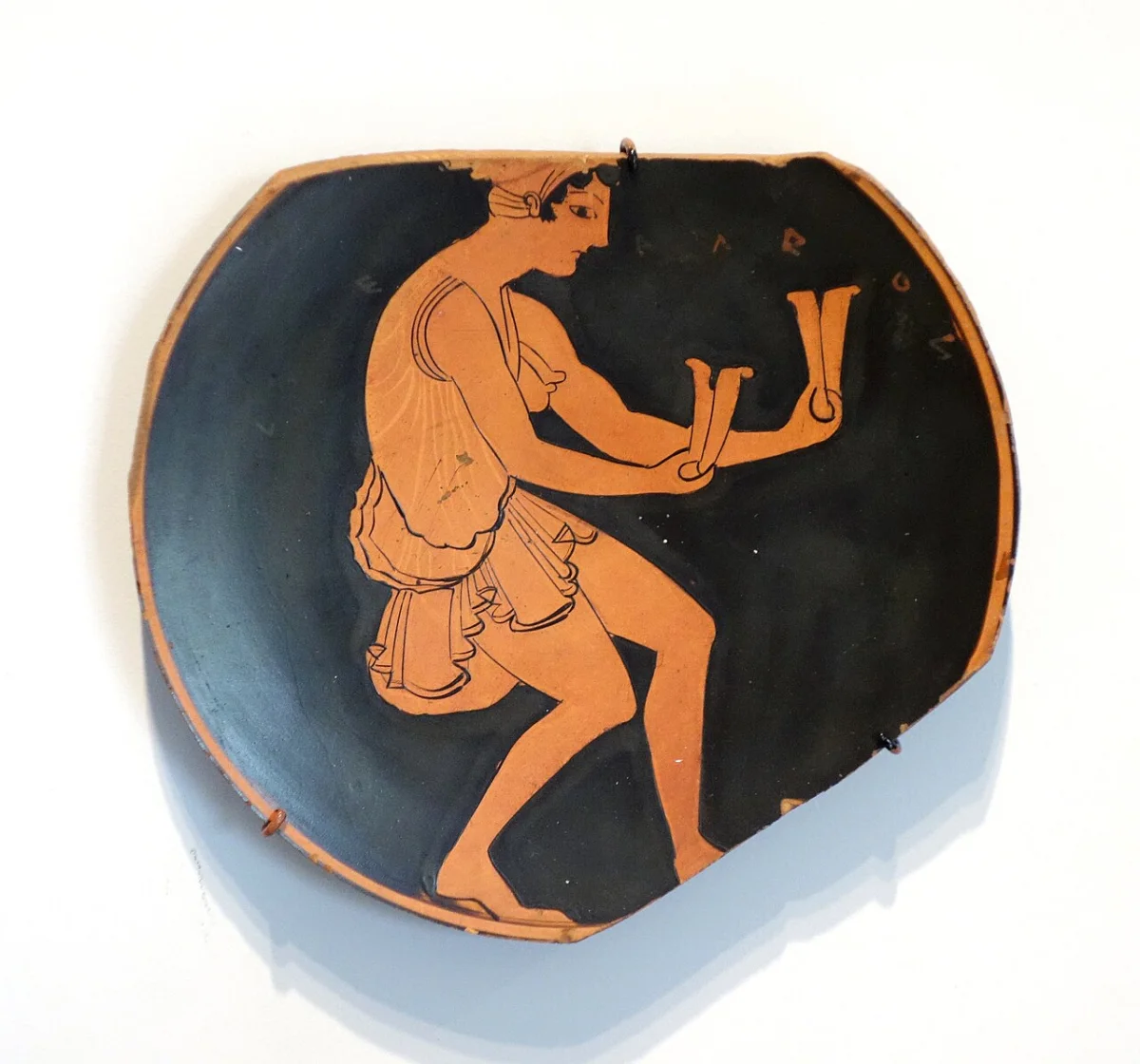
Woman dancing with krotala: tondo of an Attic red-figure kylix by the Euergides Painter. Cambridge, Mass., Harvard Art Museums (Arthur M. Sackler Museum) 1977.216.2388.
Euergides Painter; photo: Mark Landon · CC BY 4.0 · via Wikimedia Commons
File:Red-figure kylix tondo woman with krotala (Harvard, Sackler Mus 1977.216.2388).jpg
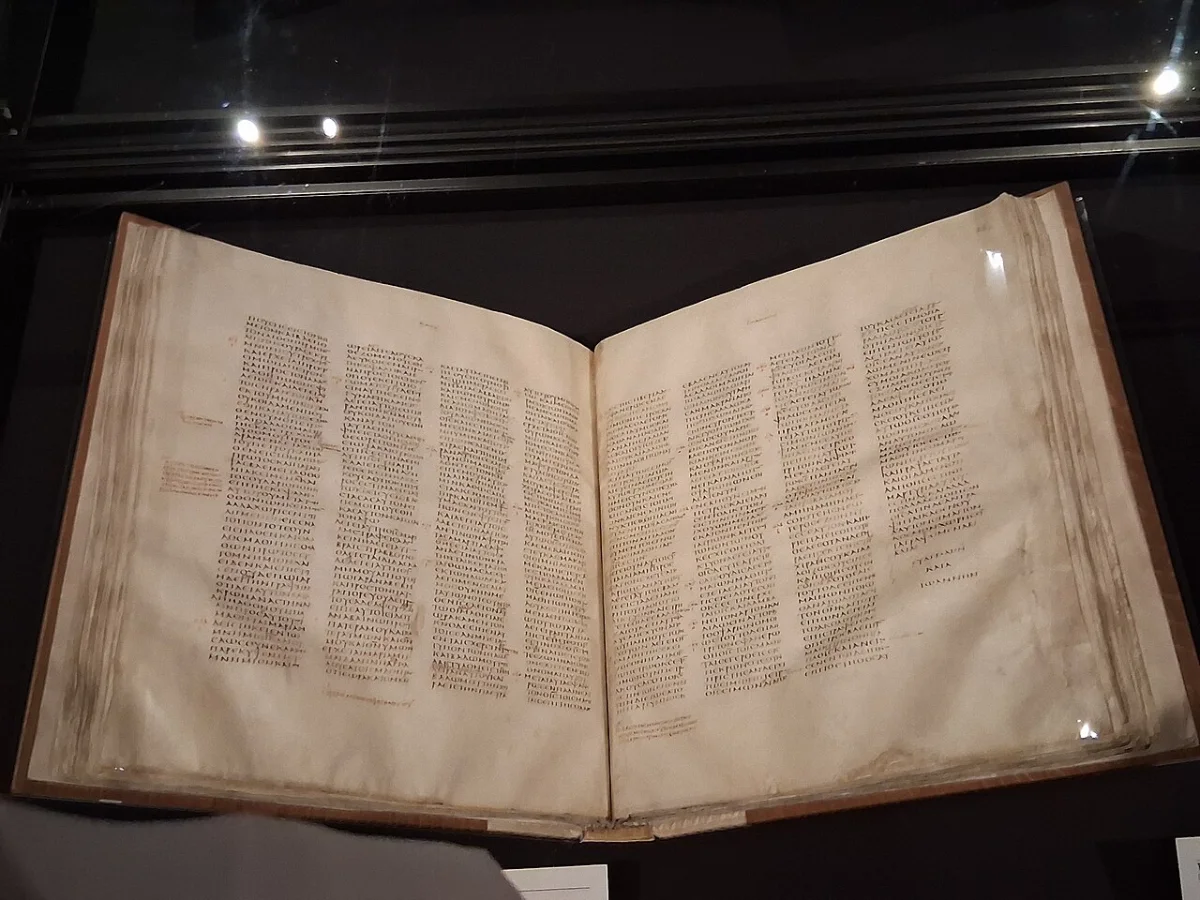
Codex Sinaiticus open in its display case in the British Library, London.
PotatoCow25 · CC0 · via Wikimedia Commons
File:Codex Sinaiticus.jpg
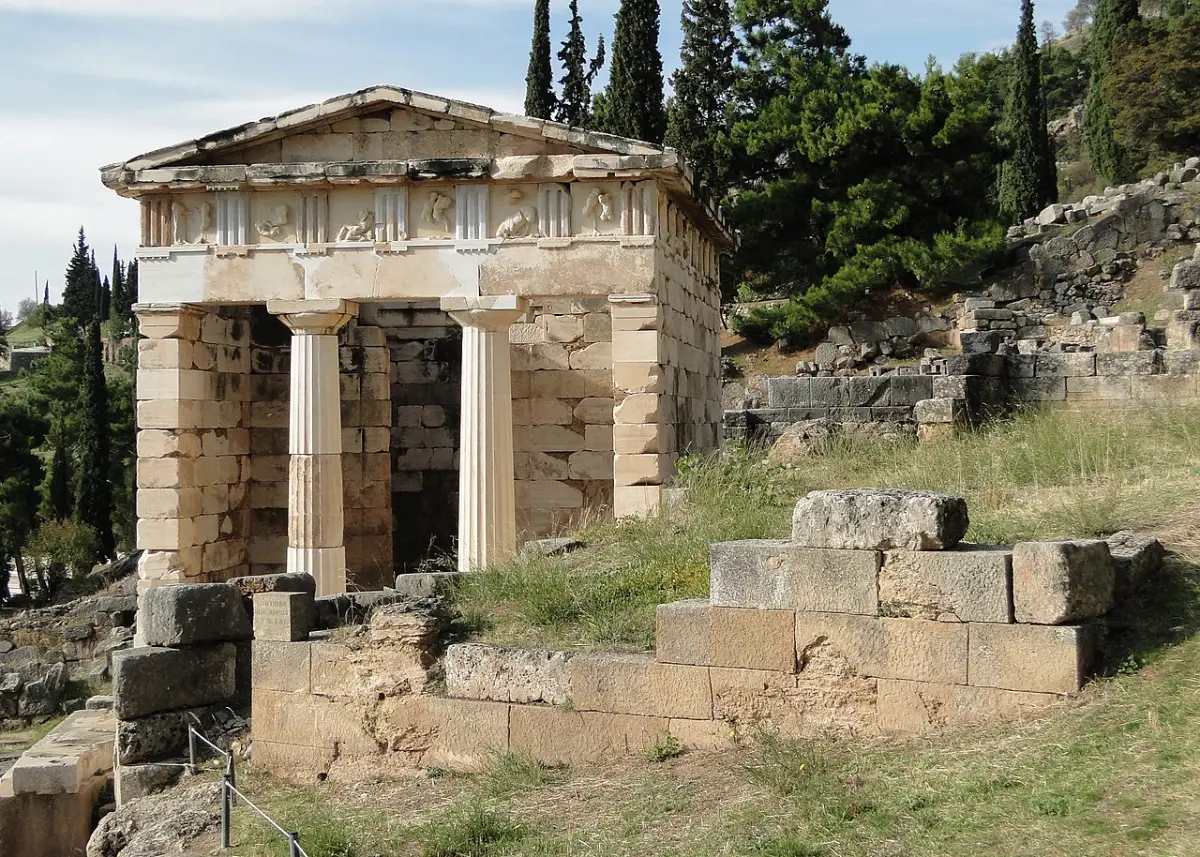
The Treasury of the Athenians at Delphi, Greece.
Bernard Gagnon · CC BY-SA 4.0 · via Wikimedia Commons
File:Treasury of the Athenians at Delphi.jpg
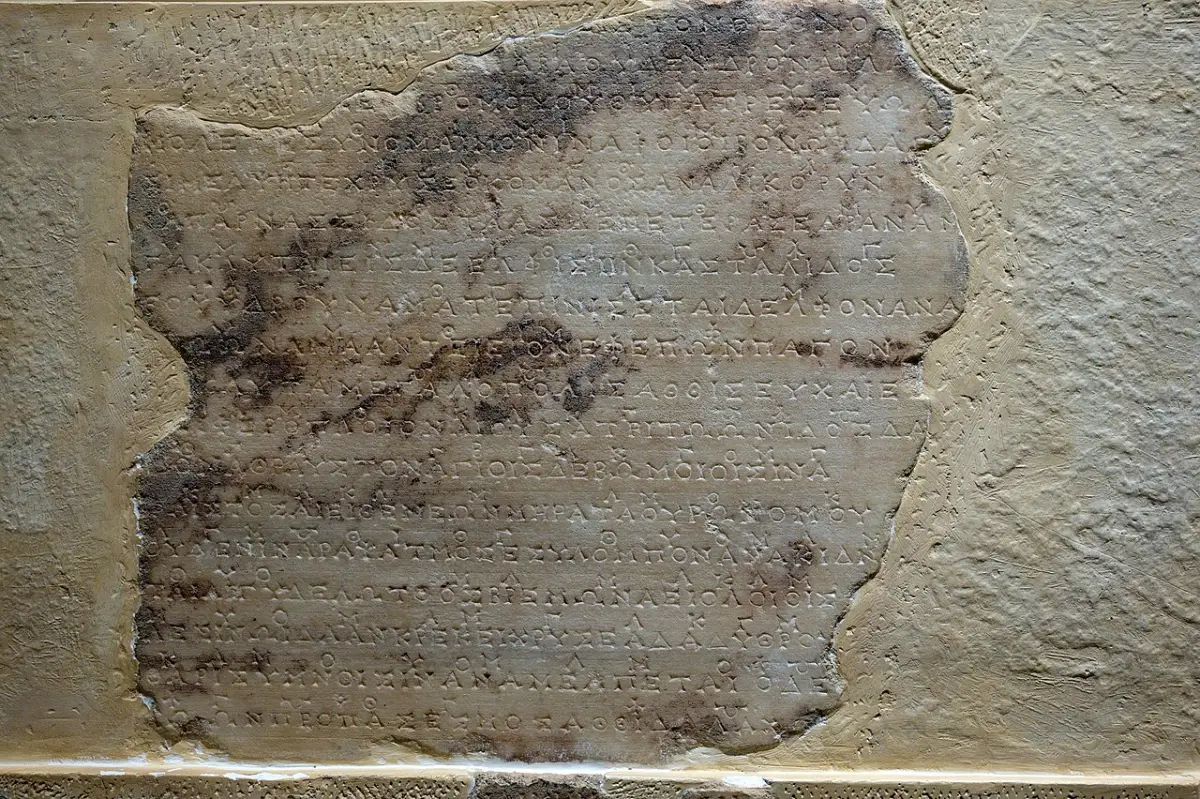
A block from the southern wall of the Treasury of the Athenians at Delphi, incised with the hymns to Apollo composed by Athenaios and Limenios and carved in 128 BC. Archaeological Museum of Delphi.
Zde · CC BY-SA 4.0 · via Wikimedia Commons
File:Delphic hymns to Apollo, 128 BC, inscription in AM of Delphi, 201388.jpg
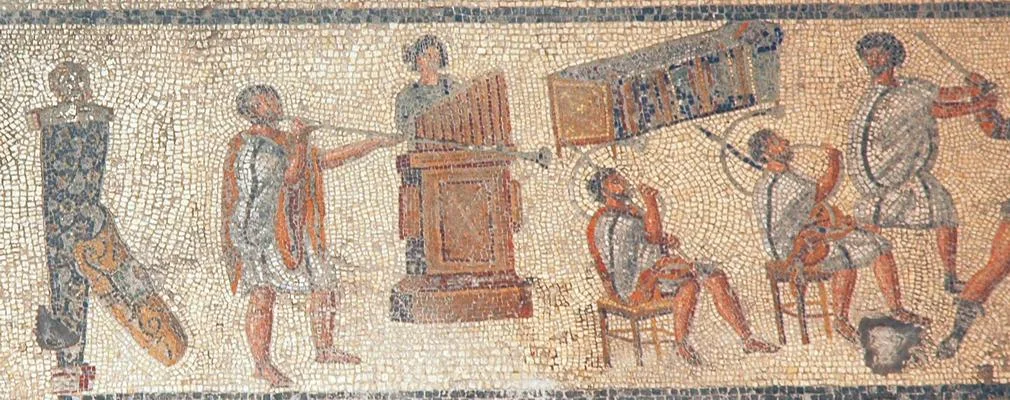
Musicians from the Zliten mosaic, c. AD 200: players of the water organ (hydraulis) and the horn.
Unknown Roman mosaicist · Public domain · via Wikimedia Commons
File:Musicians from Zliten mosaic.JPG
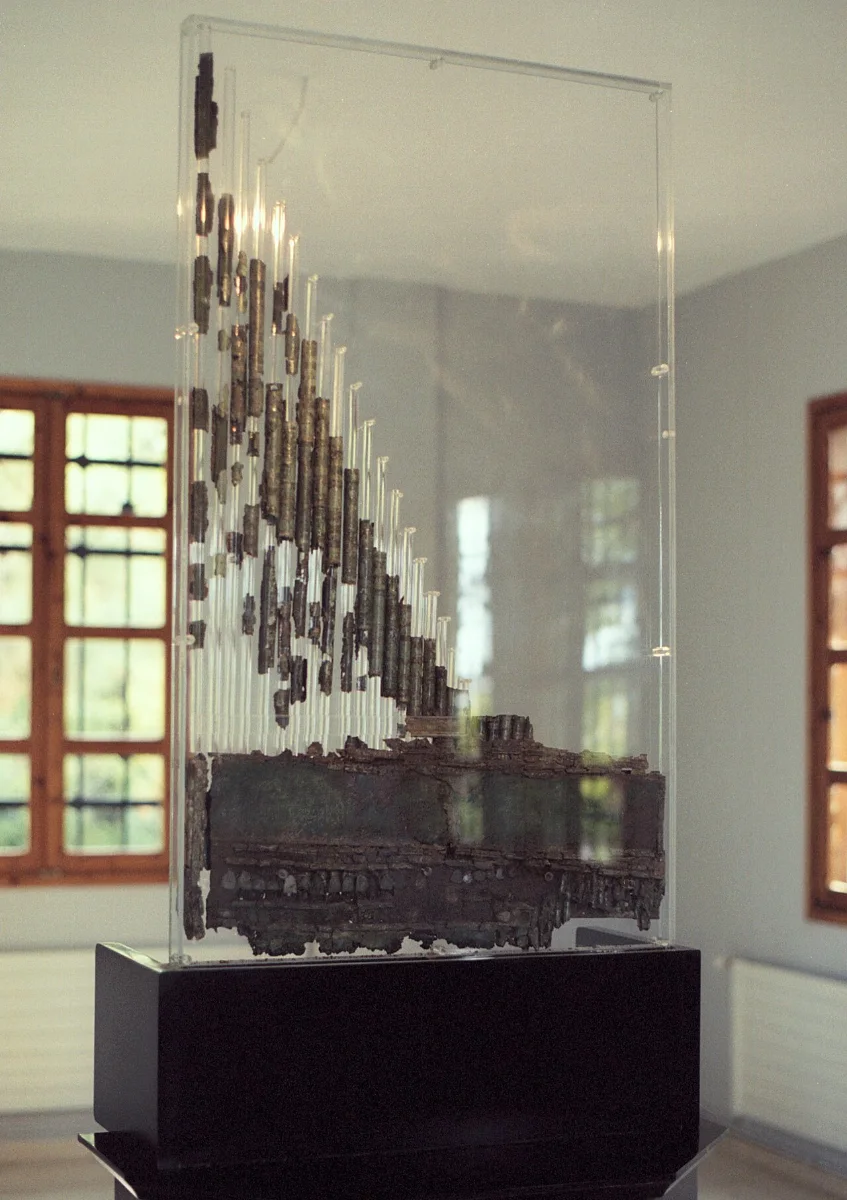
The water organ (hydraulos) from Dion, perhaps the oldest preserved organ. Archaeological Museum of Dion.
Zde · CC BY-SA 4.0 · via Wikimedia Commons
File:Hydraulos, 2nd century AD, AM Dion, Diom435.jpg
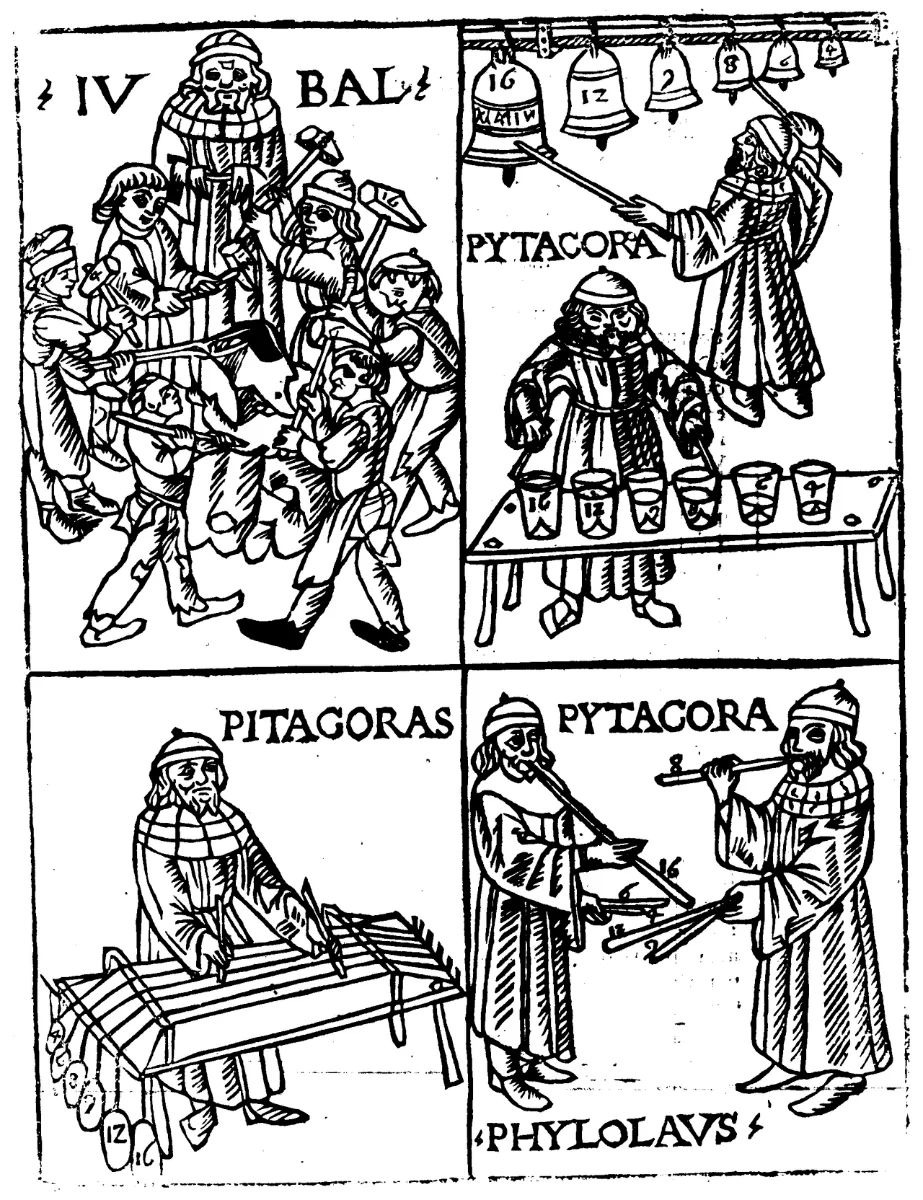
Woodcut showing Pythagoras with bells, glasses, a monochord and pipes in Pythagorean tuning. From Theorica musicae by Franchino Gaffurio, 1492.
Franchino Gaffurio (publisher); woodcut by an unknown artist · Public domain · via Wikimedia Commons
File:Gaffurio Pythagoras.png
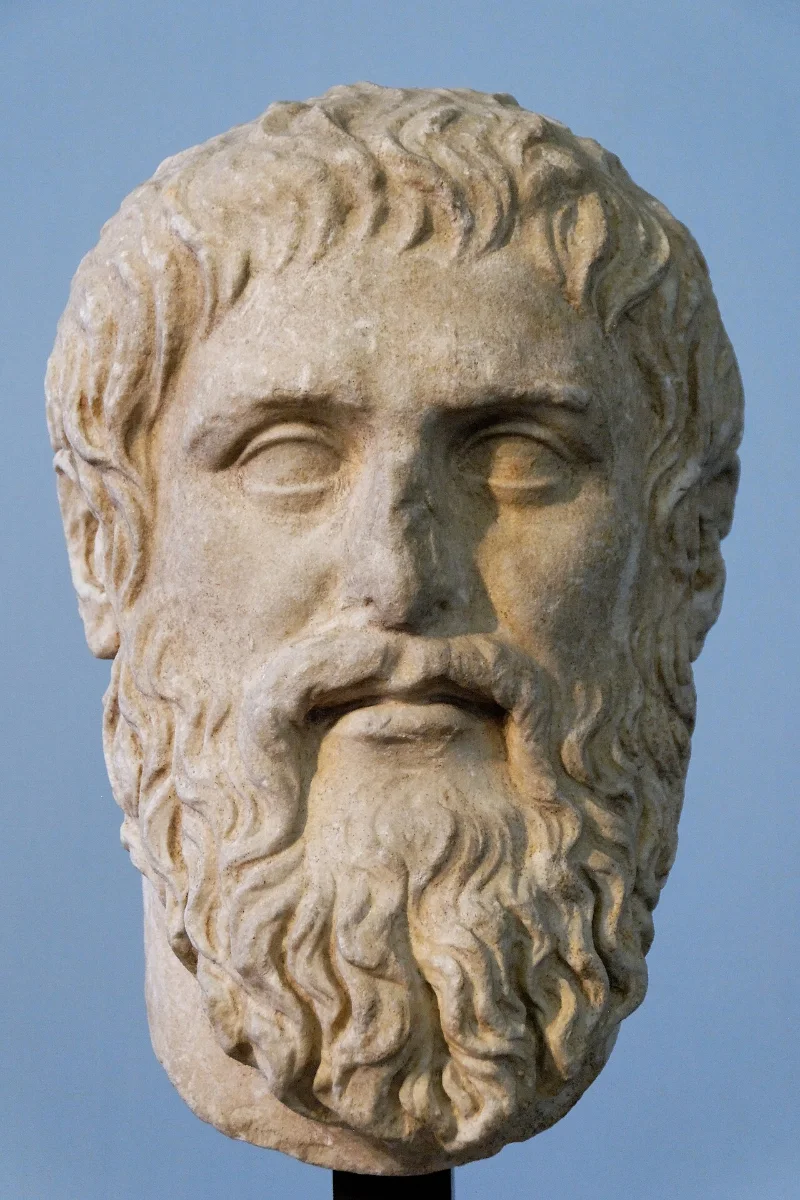
Plato: Roman copy of the portrait made by Silanion c. 370 BC for the Academy in Athens. Rome, Musei Capitolini MC 1377.
Marie-Lan Nguyen · CC BY 2.5 · via Wikimedia Commons · background removed
File:Plato Silanion Musei Capitolini MC1377.jpg
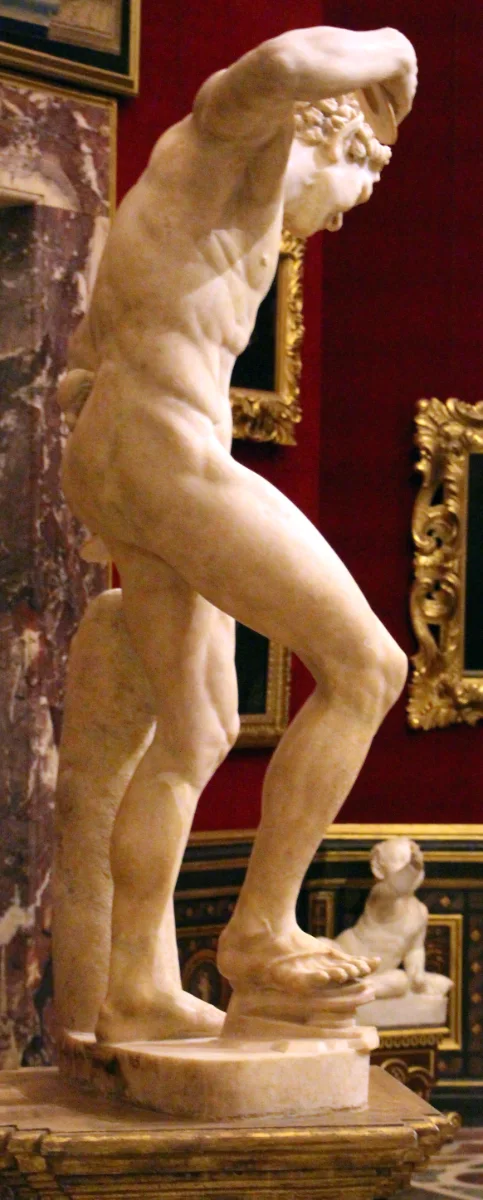
Roman statue of a satyr with the kroupezion (foot-clapper), c. AD 1–100, after an original of the second century BC. Florence, Uffizi, Tribuna.
Francesco Bini (Sailko) · CC BY-SA 4.0 · via Wikimedia Commons
File:Arte romana, Satiro col kroupèzion, 1-100 circa da un originale del II sec. a.C. 01.jpg
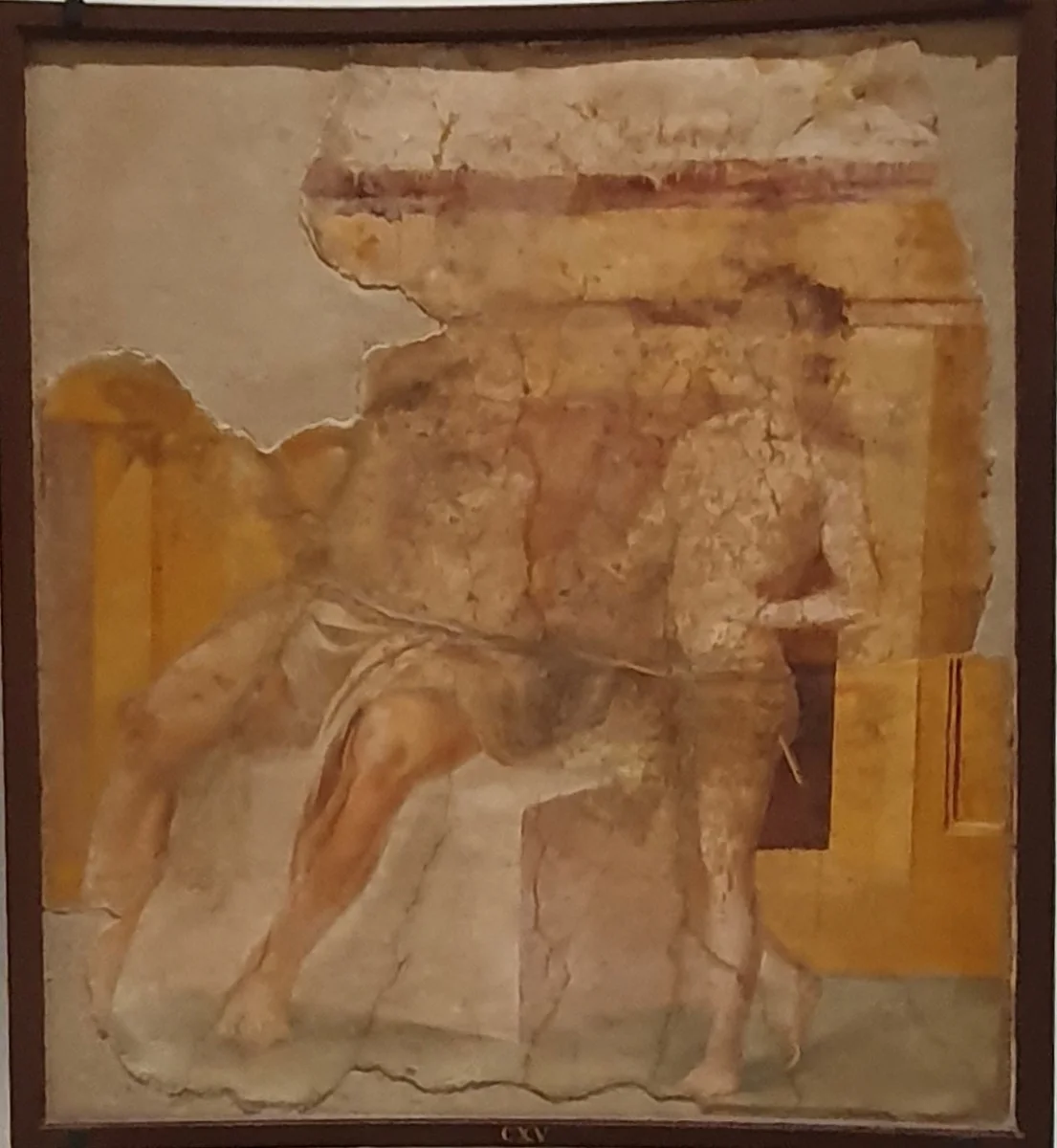
The musical education of Olympus by Marsyas: fresco from the Augusteum at Herculaneum. Naples, Museo Archeologico Nazionale.
Yair Haklai · CC BY-SA 4.0 · via Wikimedia Commons
File:Fresco of the musical education of Olympus by Marsyas from Herculaneum Augusteum.jpg
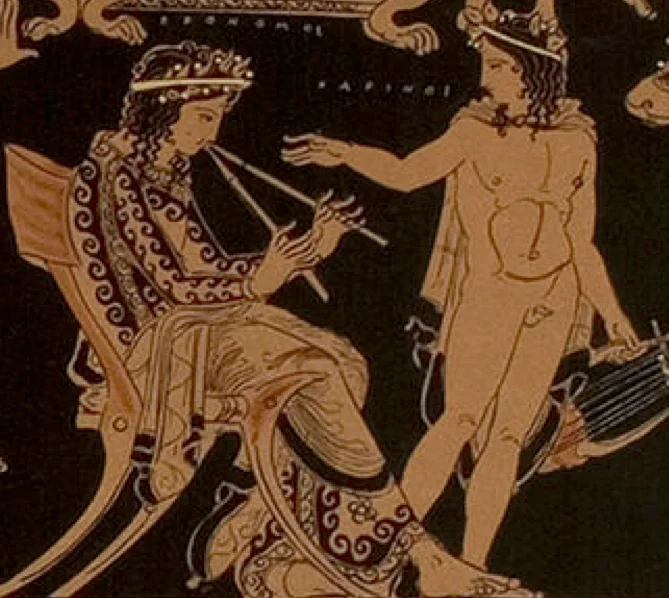
Pronomos playing the aulos, with a young man: detail of the Pronomos vase, engraving from Furtwängler, Griechische Vasenmalerei (1932).
A. Furtwängler (engraving) · CC BY-SA 4.0 · via Wikimedia Commons
File:Pronomos vase aulos.jpg
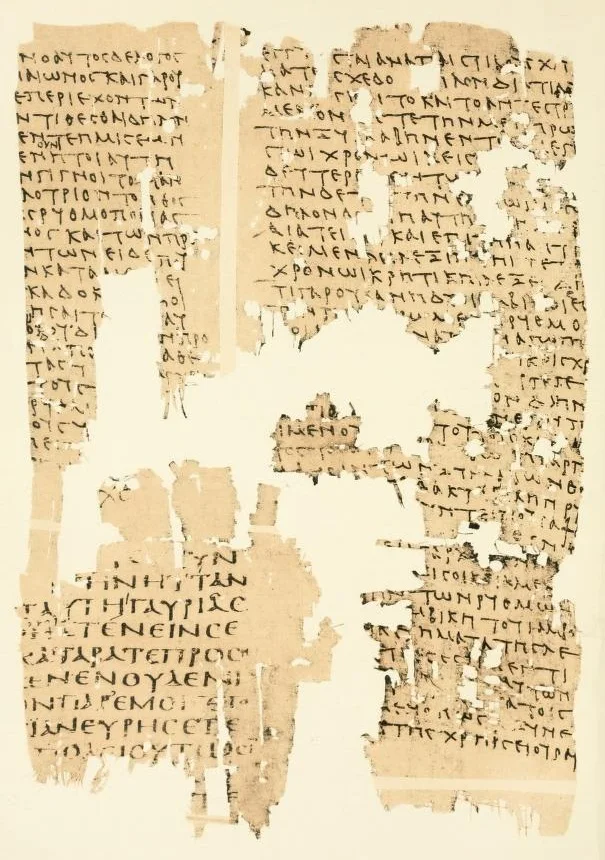
Papyrus Oxyrhynchus 9, third century AD: a fragment of a copy of Aristoxenus, Elements of Rhythm (Rhythmica stoicheia).
Unknown scribe; reproduction via Wikimedia Commons · Public domain · via Wikimedia Commons
File:P. Oxy. 9.jpg
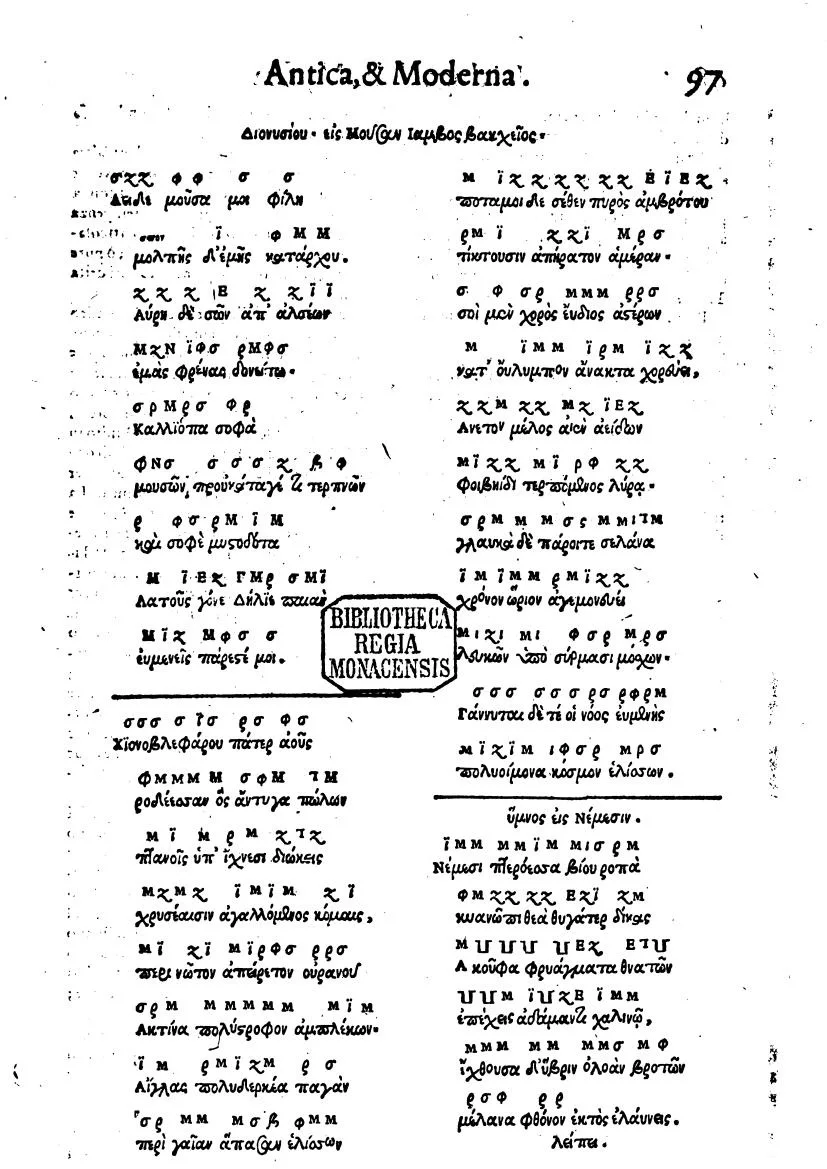
The page of Vincenzo Galilei’s Dialogo della musica antica e della moderna (1581) that prints the three hymns of Mesomedes with their notation.
Vincenzo Galilei (book); scan via Google Books · Public domain · via Wikimedia Commons
File:Mesomede's Hymns.jpg
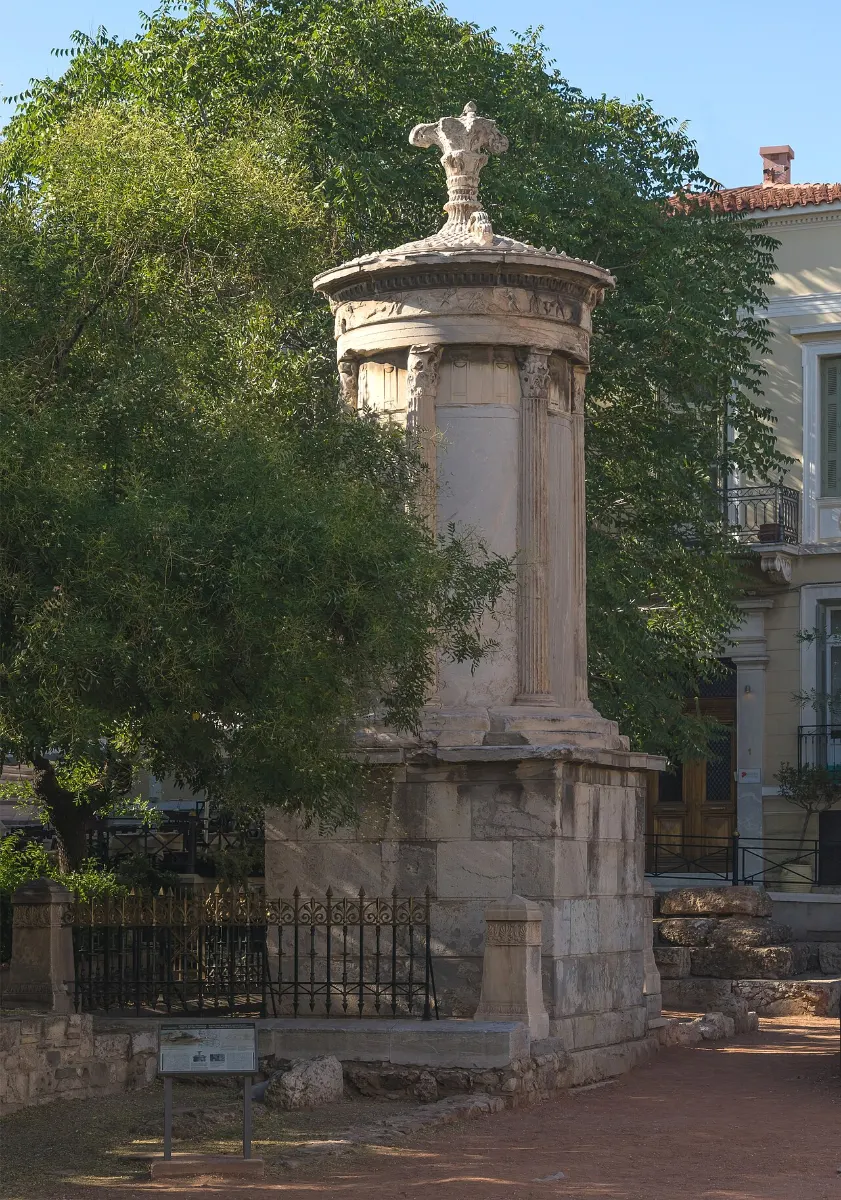
The choragic monument of Lysicrates, Athens.
Jebulon · CC0 · via Wikimedia Commons
File:Choragic Monument to Lysicrates, Athens, Greece.jpg
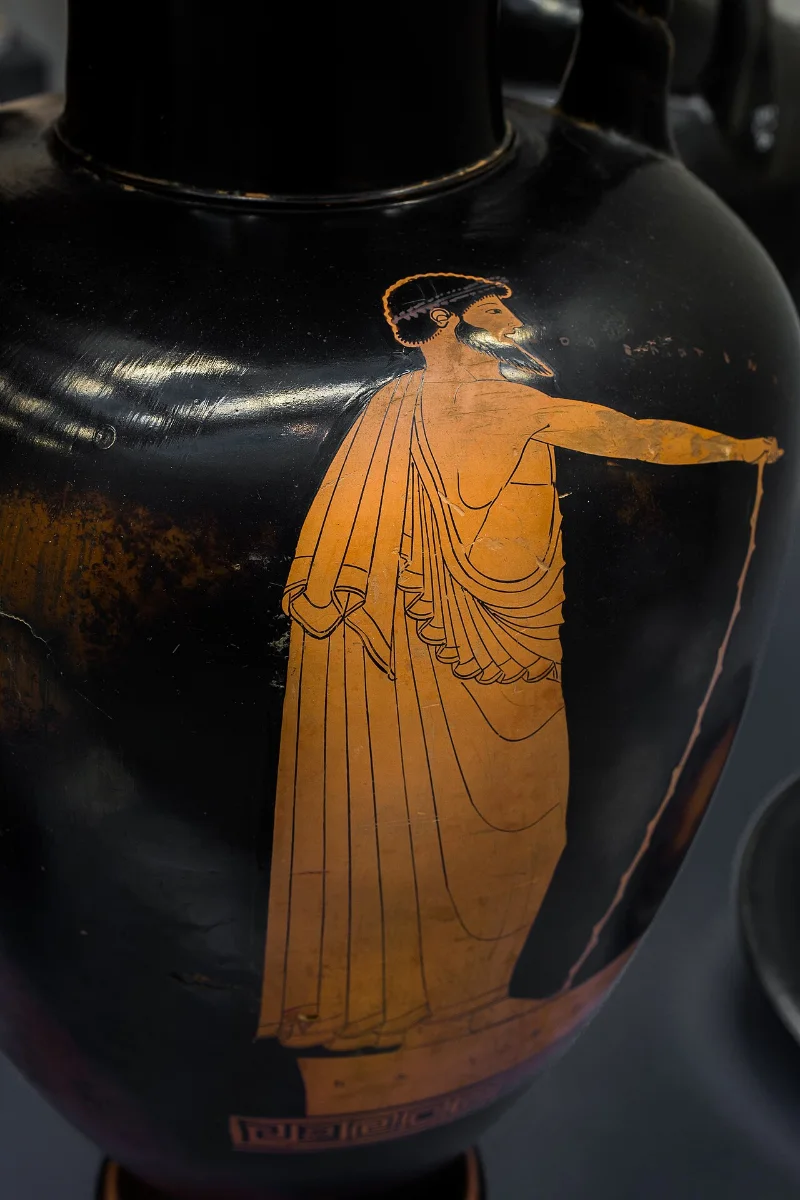
A rhapsode reciting, standing on a bema: Attic red-figure neck-amphora by the Kleophrades Painter, late archaic. London, British Museum 1843,1103.34.
Kleophrades Painter; photo: ArchaiOptix · CC BY-SA 4.0 · via Wikimedia Commons
File:Kleophrades Painter ARV 183 15 flute-player and rhapsode (02).jpg
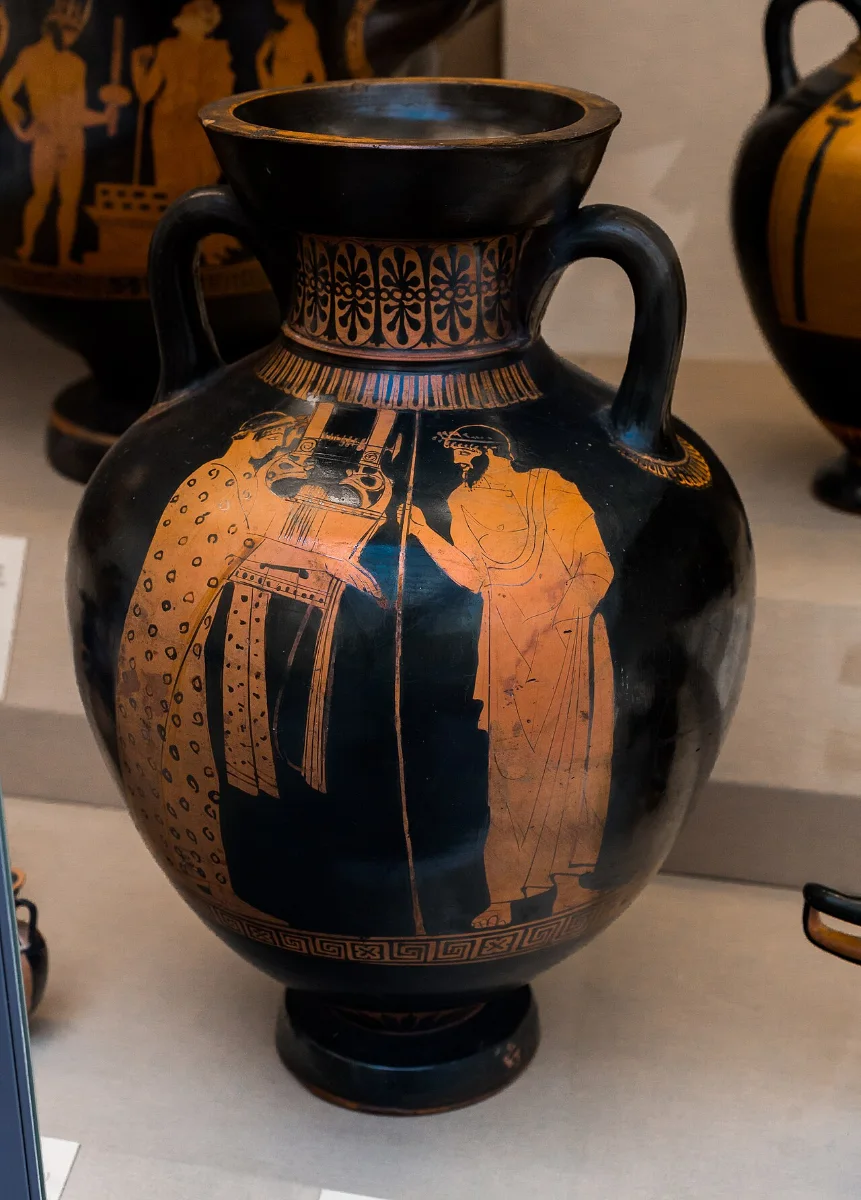
A young kitharode in rich dress before a bearded judge with a staff: Attic red-figure amphora of Panathenaic shape by the Aegisthus Painter, c. 470–460 BC. London, British Museum 1998,0121.1.
Aegisthus Painter; photo: ArchaiOptix · CC BY-SA 4.0 · via Wikimedia Commons · background removed
File:Aegisthus Painter ARV 506 25extra - kitharode and judge - two bearded men (01).jpg
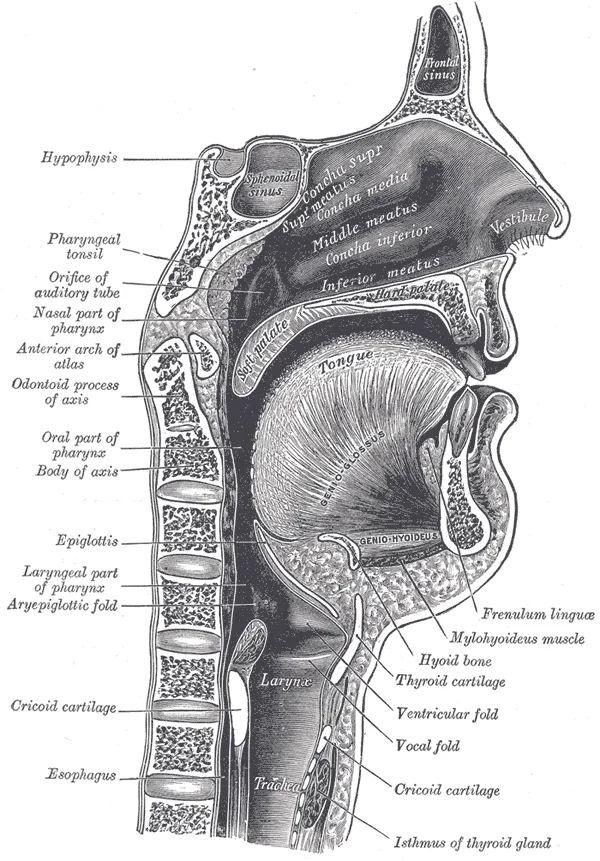
Sagittal section of nose, mouth, pharynx and larynx: figure from Gray’s Anatomy, drawn by Henry Vandyke Carter (before 1858).
Henry Vandyke Carter (Gray’s Anatomy) · Public domain · via Wikimedia Commons
File:Gray994.png
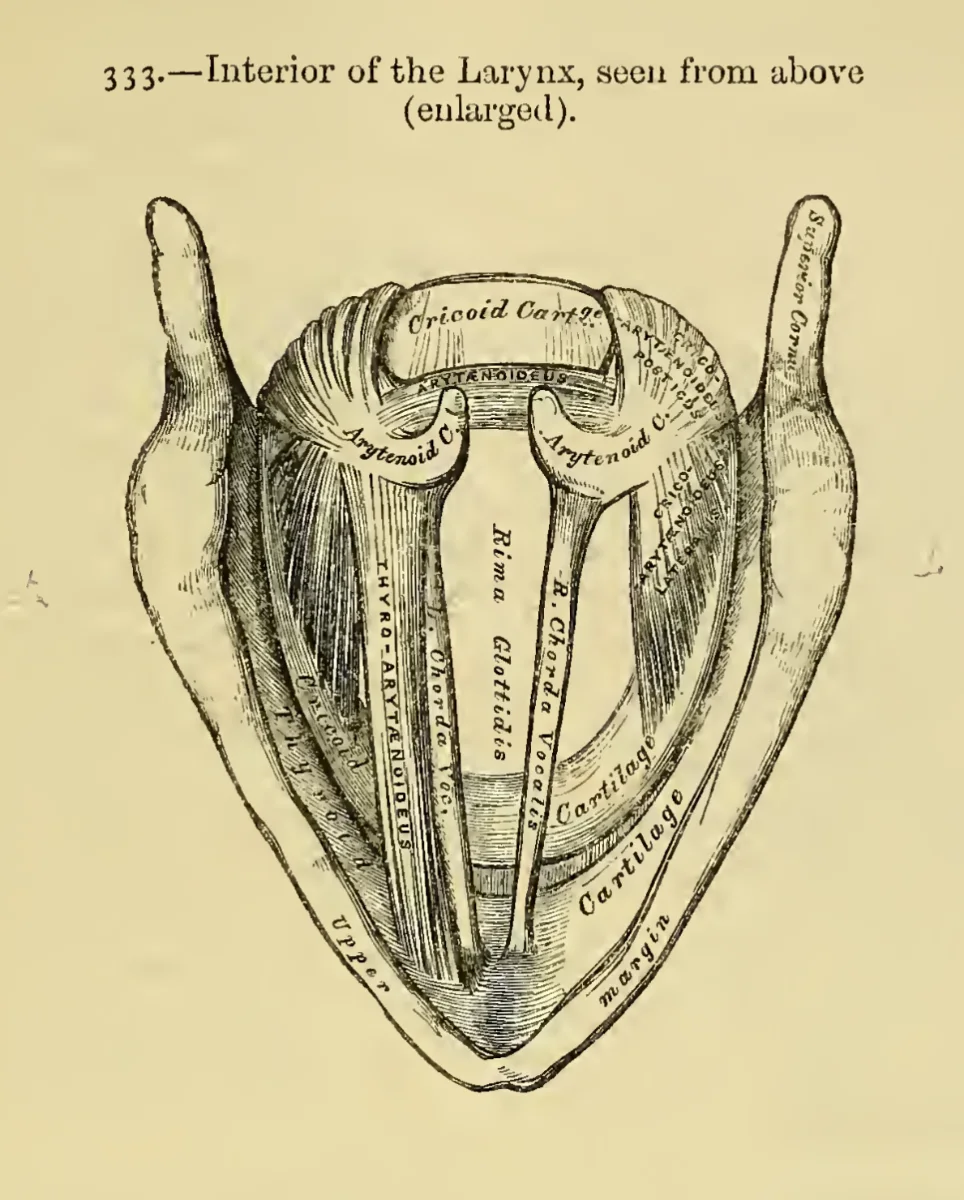
Interior of the larynx seen from above (enlarged): plate 333 of Gray’s Anatomy (1858), after Robert Willis, “On the mechanism of the larynx” (1833).
Robert Willis; Henry Gray, Anatomy (1858) · Public domain · via Wikimedia Commons
File:Larynx Willis Gray 1858 681.png
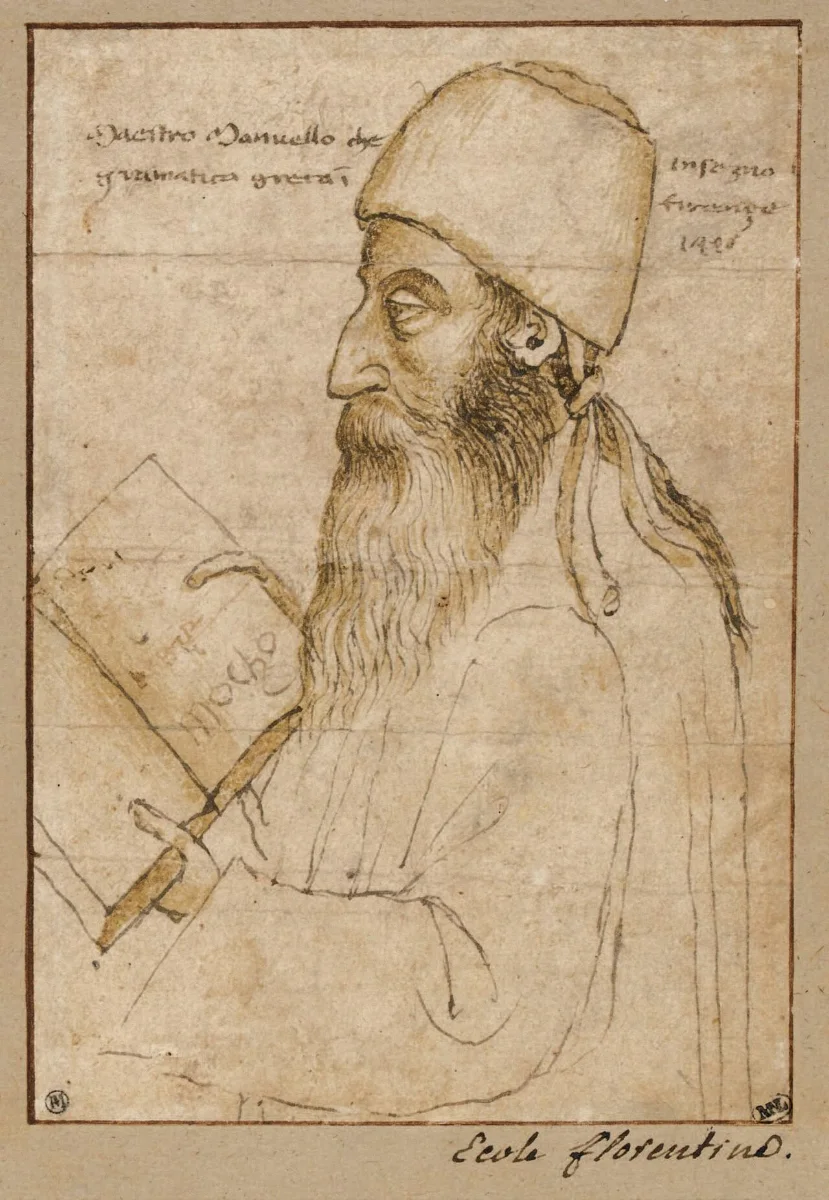
Manuel Chrysoloras (1355–1415), professor of Greek in Italy, holding a book: drawing by Paolo Uccello, fifteenth century. Paris, Louvre Inv. 9849.
Paolo Uccello · Public domain · via Wikimedia Commons
File:Manuel-chrysoloras-paolo-uccello-louvre-15th.jpg
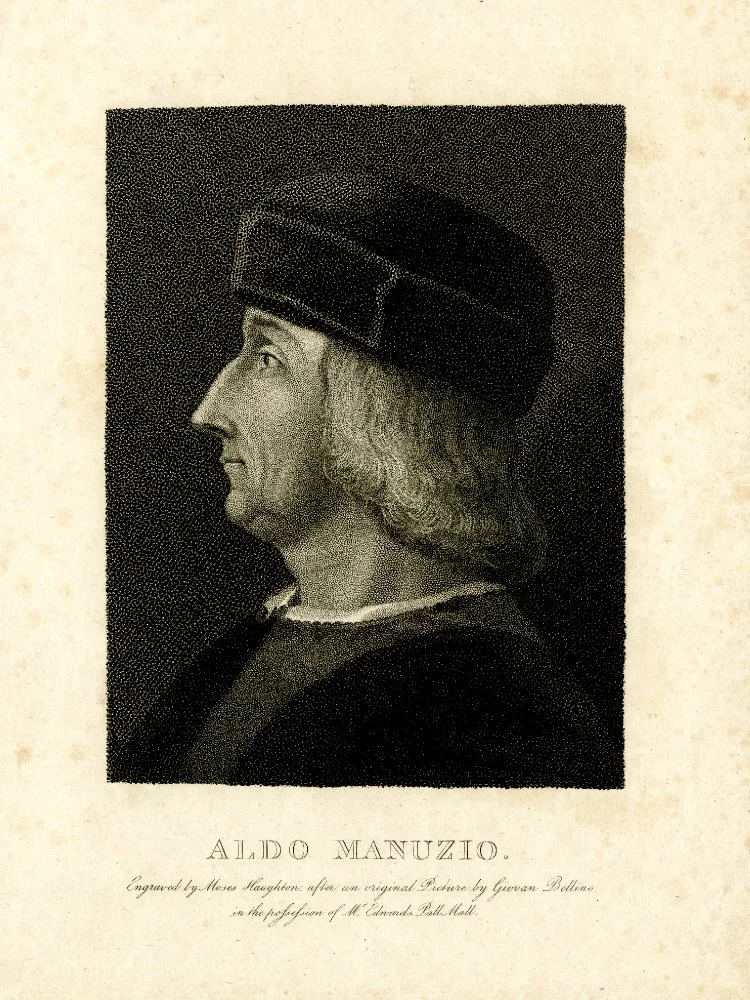
Portrait of Aldus Manutius: engraving by Moses Haughton the younger.
Moses Haughton the younger · Public domain · via Wikimedia Commons
File:Aldus Manutius 2.jpg
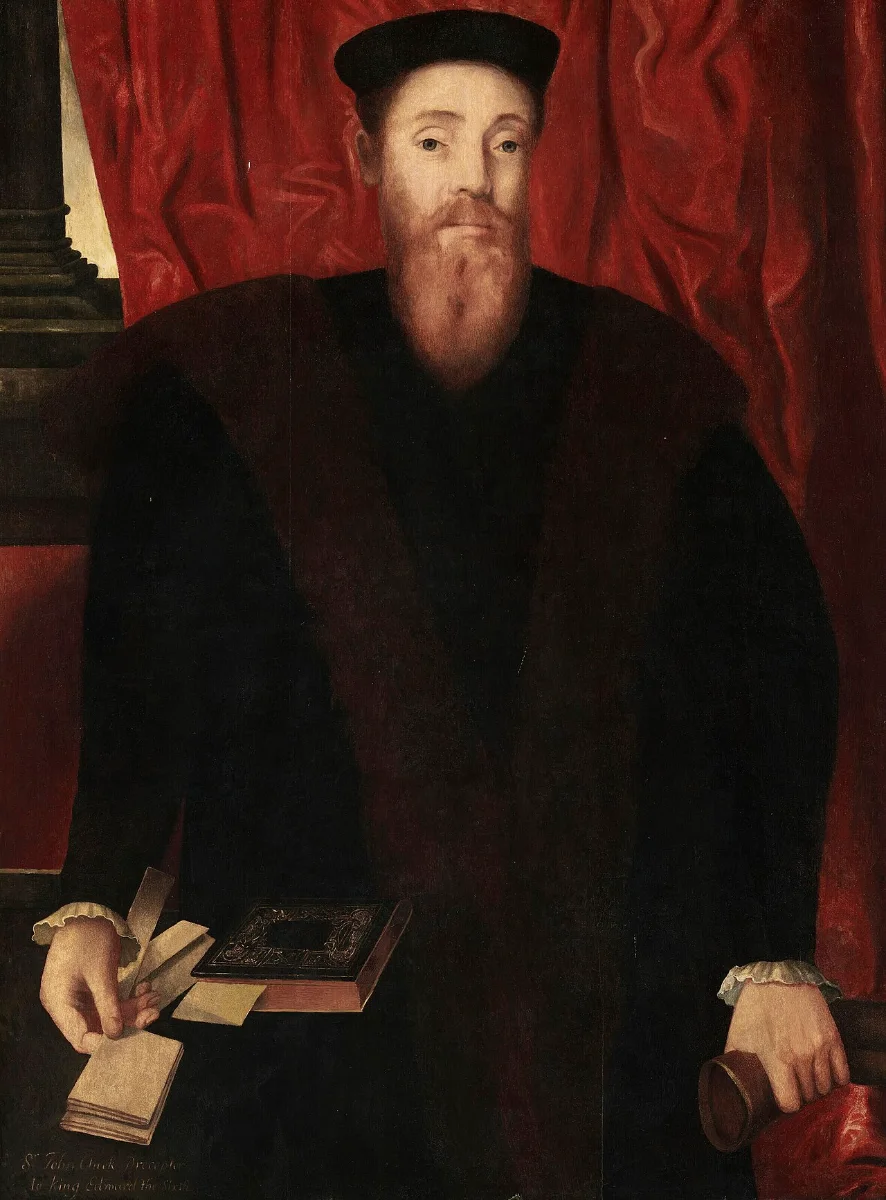
Sir John Cheke (1514–1557): portrait by the circle of Gerlach Flicke, c. 1545–1550.
Circle of Gerlach Flicke · Public domain · via Wikimedia Commons
File:Circle of Gerlach Flicke portrait of Sir John Cheke.jpg
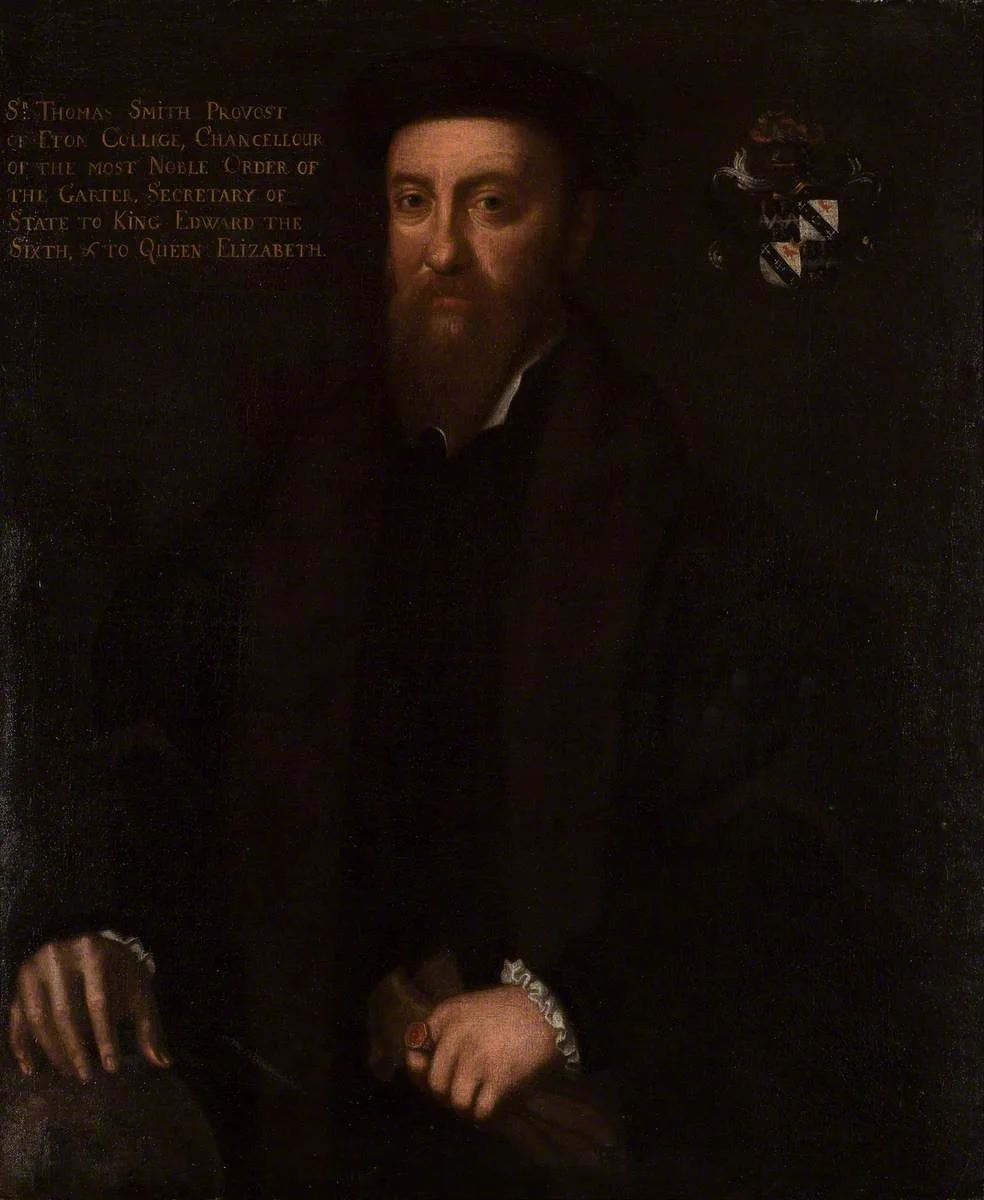
Sir Thomas Smith (1513–1577): copy after Hans Holbein the Younger, 1554. Eton College.
After Hans Holbein the Younger · Public domain · via Wikimedia Commons
File:Hans Holbein the younger (c.1497-1543) (copy of) - Sir Thomas Smith (1513–1577) - FDA-P.4-2010 - Eton College.jpg
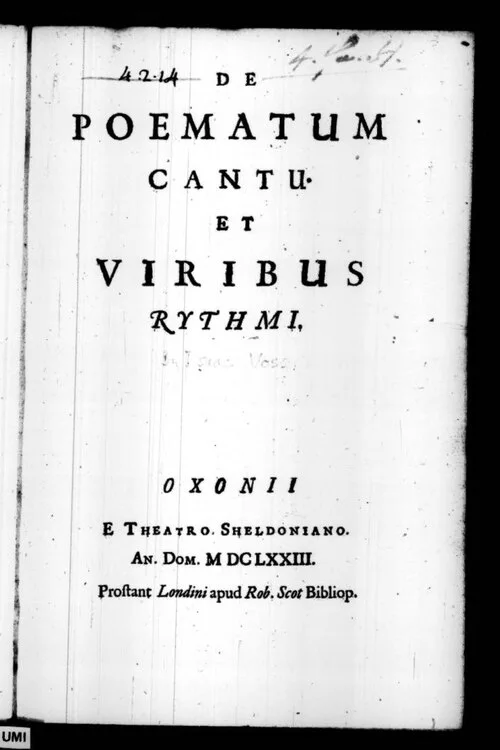
Title page of Isaac Vossius, De poematum cantu et viribus rythmi (Oxford, Sheldonian Theatre, 1673), from a microfilm copy.
Isaac Vossius (author); microfilm scan · Public domain · via Wikimedia Commons
File:De poematum cantu. Oxonii, e theatro Sheldoniano ... 1673 (IA bim early-english-books-1641-1700 de-poematum-cantu-oxoni voss-isaac 1673).pdf
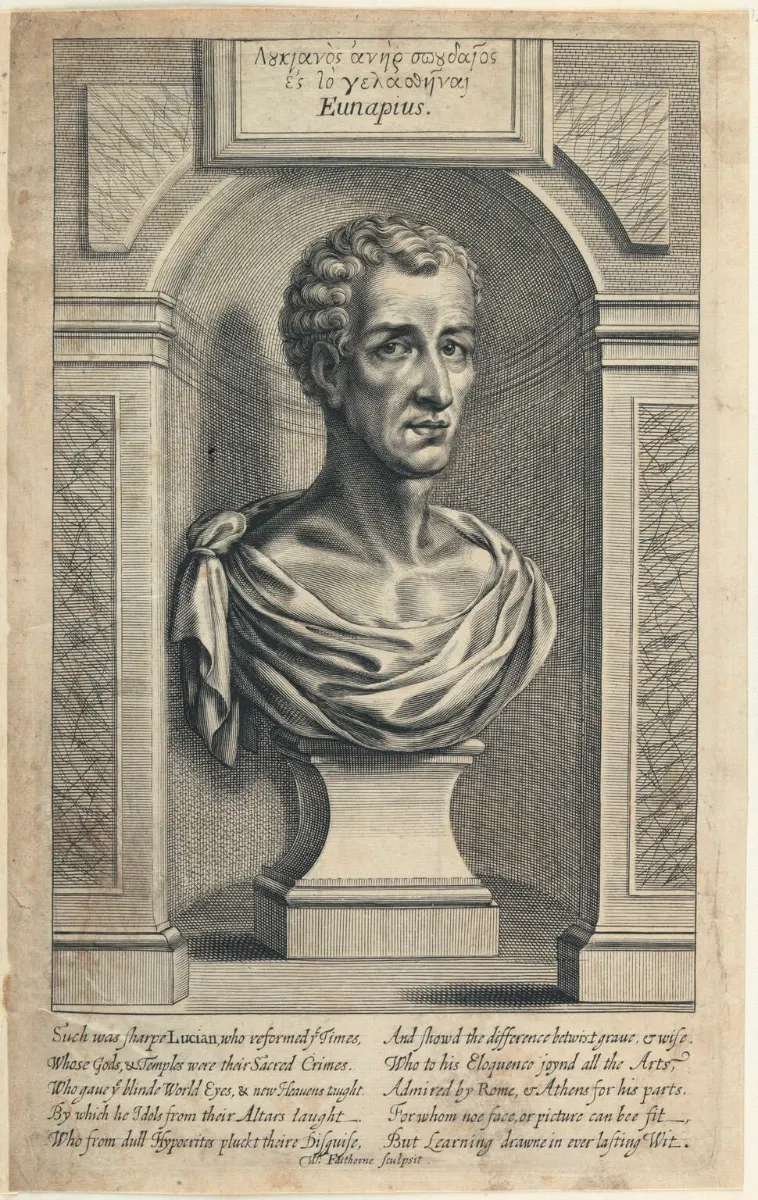
Lucian, the satirist: an imagined portrait, engraving by William Faithorne. Washington, Library of Congress, Prints and Photographs Division, LC-USZ6-71.
William Faithorne · Public domain · via Wikimedia Commons
File:Lucian of Samosata.png
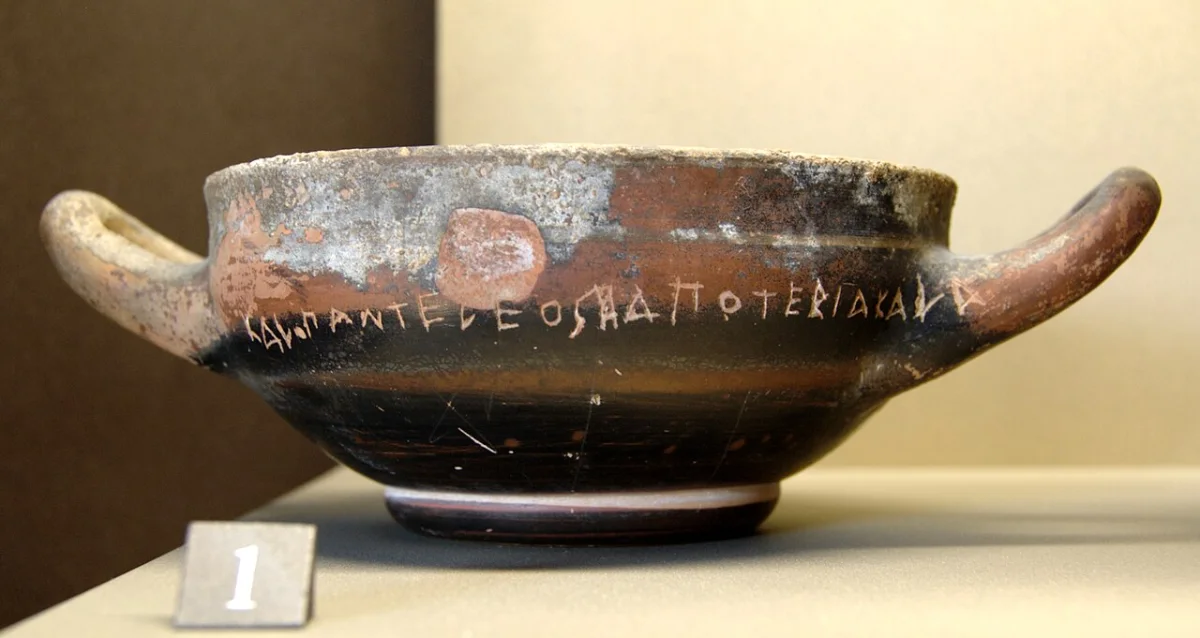
Black-glaze Boeotian cup with a drinking inscription in the Boeotian alphabet, fifth century BC(?), from Cynos (Livanatas, Locris). Paris, Louvre MNC 671.
Unknown Boeotian potter · Public domain · via Wikimedia Commons · background removed
File:Boeotian cup Louvre MNC671.jpg
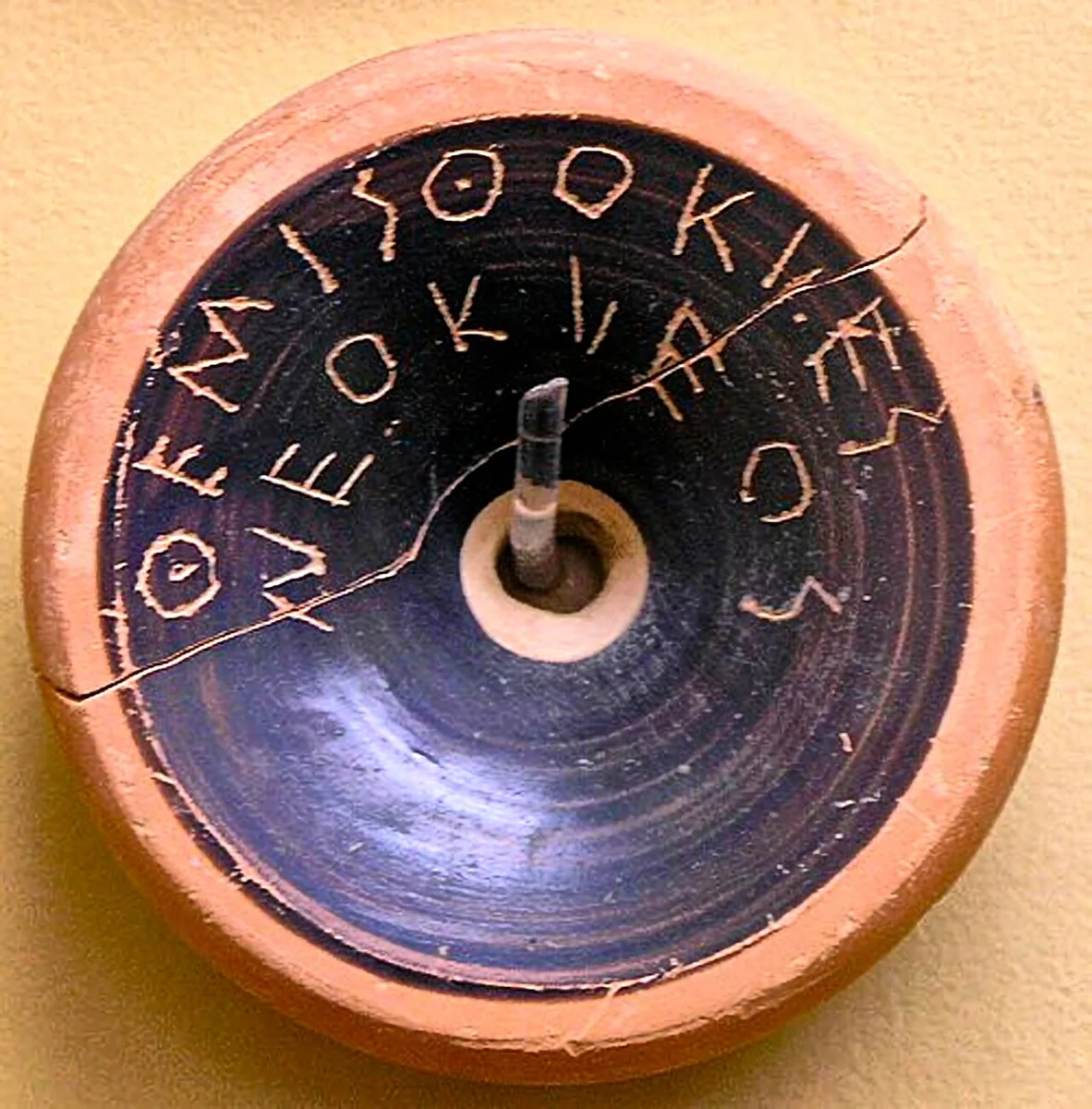
Ostracon with the name of Themistocles, son of Neocles. Athens, Ancient Agora Museum.
Marsyas · CC BY 4.0 · via Wikimedia Commons · background removed
File:Ostracon with the name of Themistocles.jpg
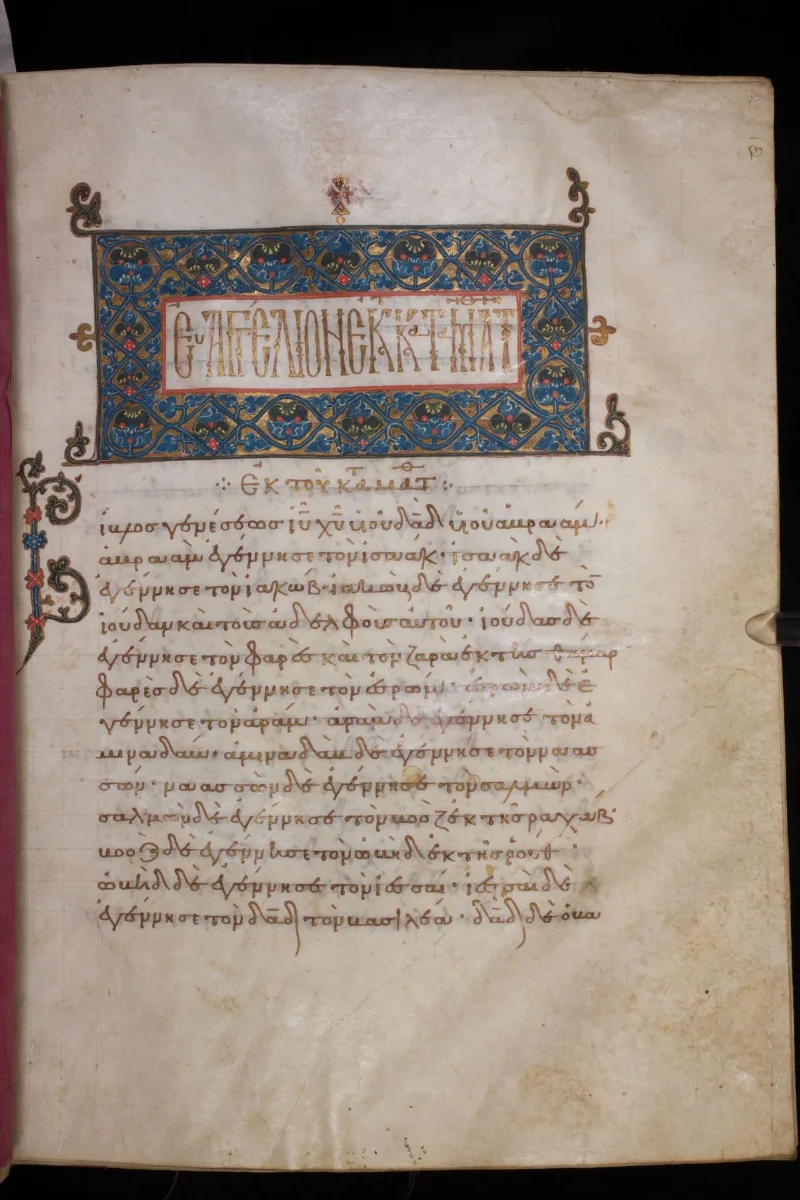
Byzantine Gospel Book (minuscule 106), 11th or 12th century. Dublin, Chester Beatty Library W 135, f. 10r.
Unknown Byzantine scribe · Public domain · via Wikimedia Commons
File:Byzantine Gospel Book (Minuscule 106) (CBL W 135, f.10r).jpg
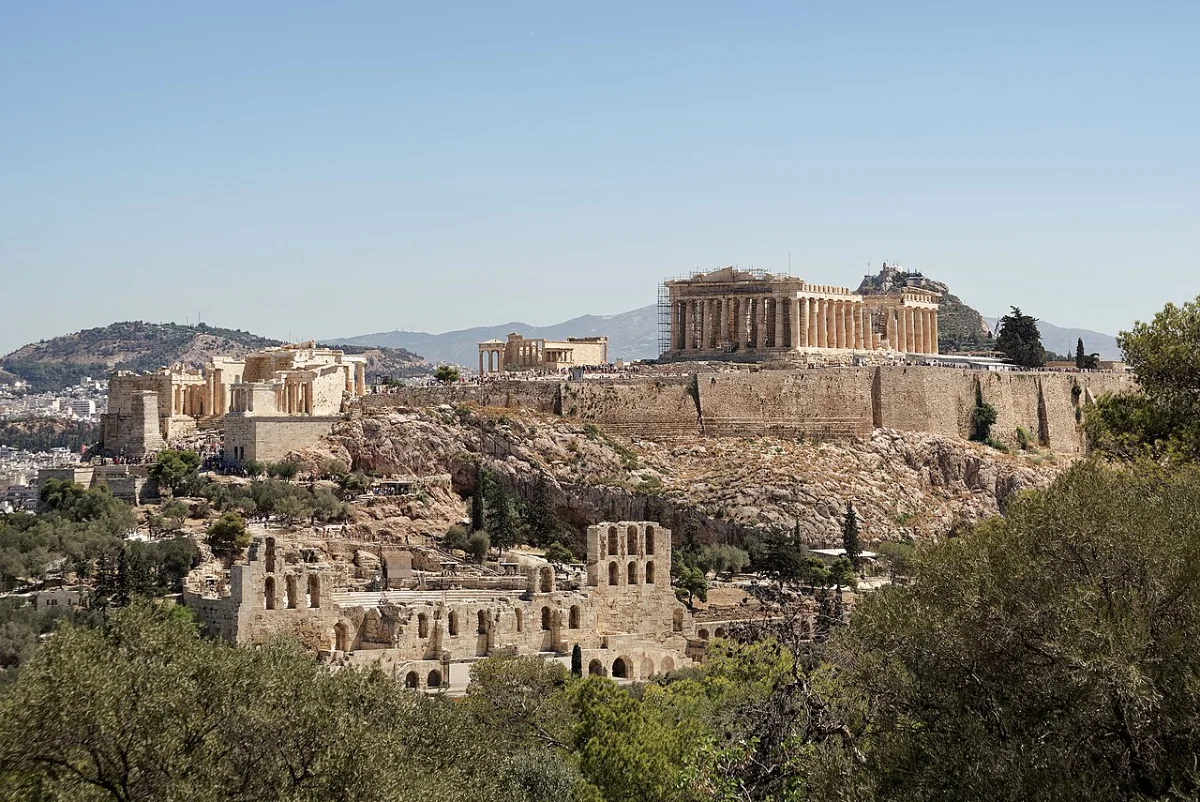
View of the Acropolis from Philopappos Hill, Athens.
Jakub Hałun · CC BY 4.0 · via Wikimedia Commons
File:View of the Acropolis from Philopappos Hill, Athens, 20240601 1137 0117.jpg
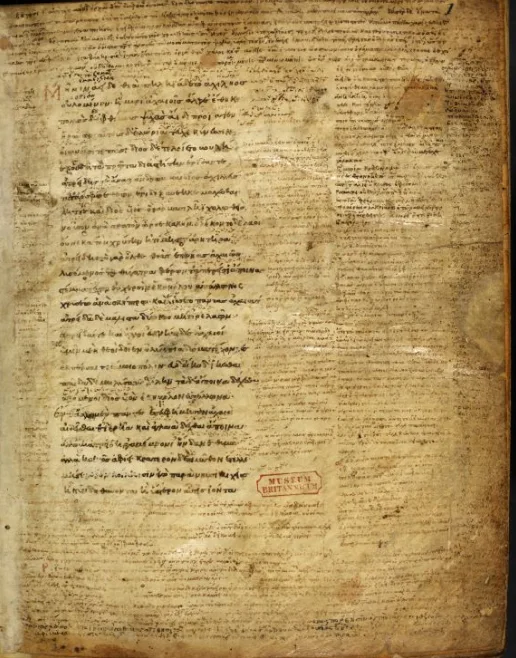
The Townley Homer (London, British Library, MS Burney 86), dated 1059, fol. 1r: the beginning of the Iliad with its commentary.
Unknown Byzantine scribe · Public domain · via Wikimedia Commons
File:Townley Homer f 1r.png
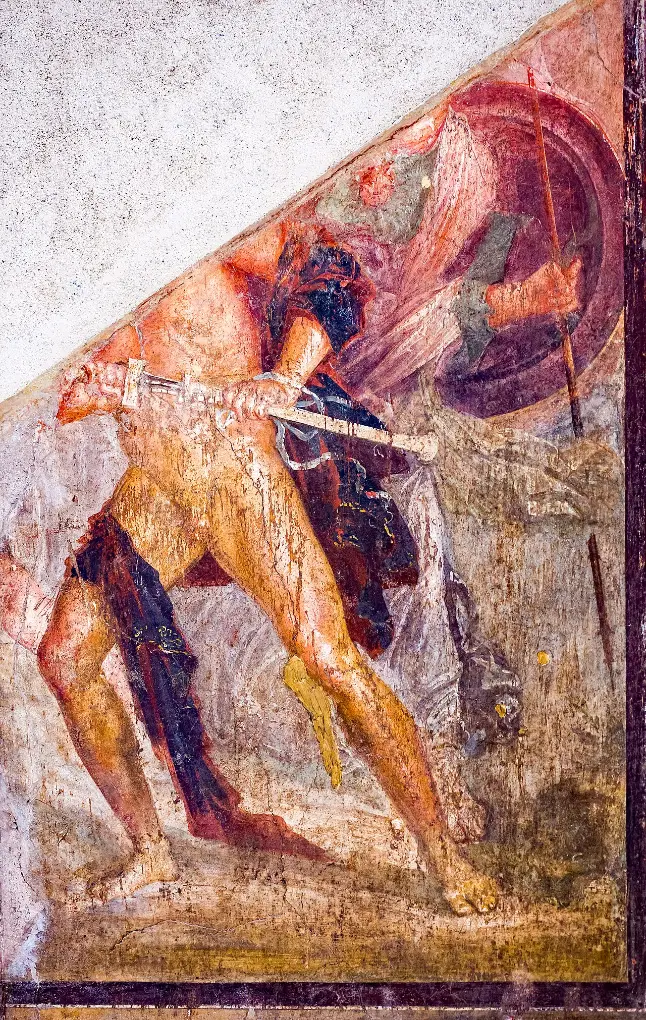
Achilles drawing his sword against Agamemnon and restrained by Athena: wall painting of the fourth Pompeian style from the House of the Dioscuri, Pompeii VI 9, 6–7. Naples, Museo Archeologico Nazionale 9104.
Unknown Roman painter; photo: ArchaiOptix · CC BY-SA 4.0 · via Wikimedia Commons
File:Wall painting - Achilles restrained by Athena - Pompeii (VI 9 6-7) - Napoli MAN 9104.jpg
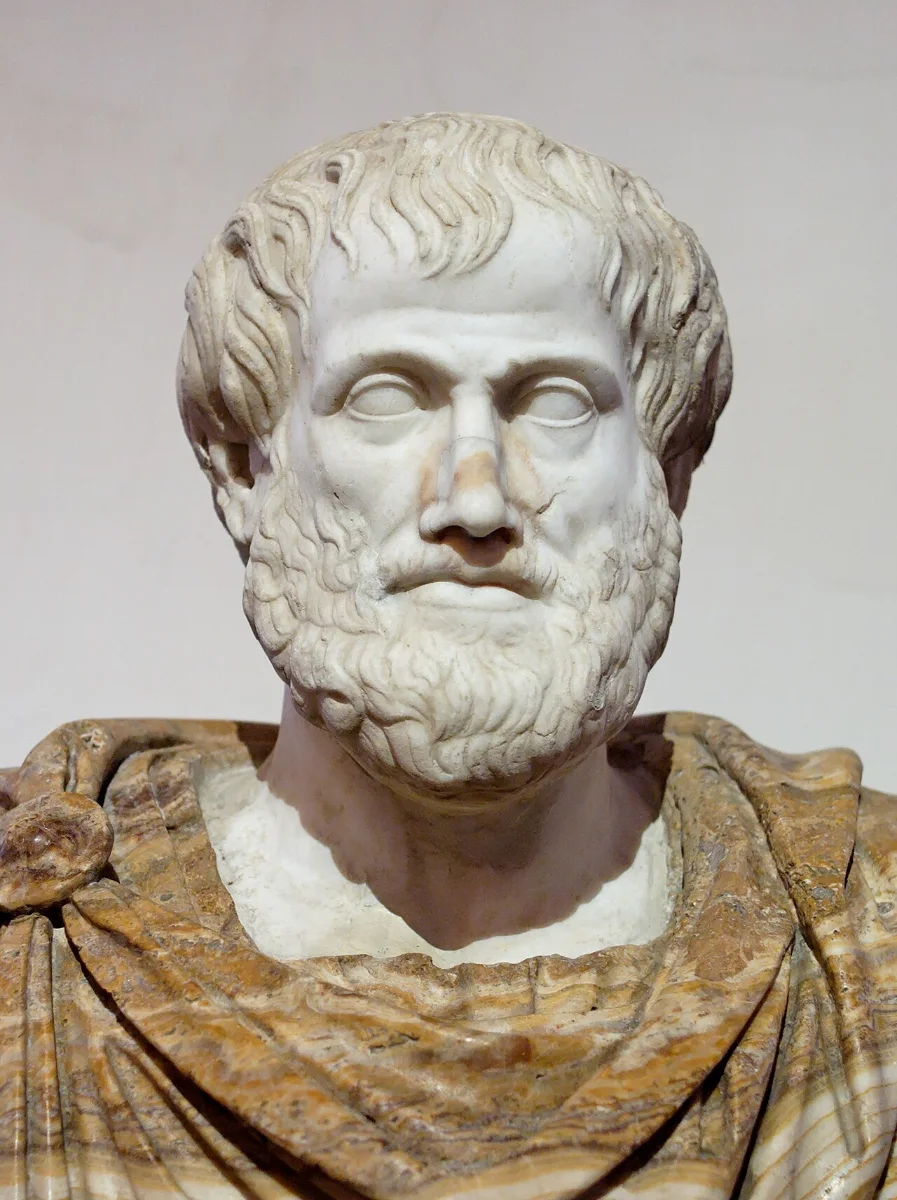
Bust of Aristotle: Roman marble copy after a bronze original by Lysippos of c. 330 BC; the alabaster mantle is a modern addition. Rome, Palazzo Altemps Inv. 8575.
After Lysippos; photo: Jastrow (2006) · Public domain · via Wikimedia Commons
File:Aristotle Altemps Inv8575.jpg
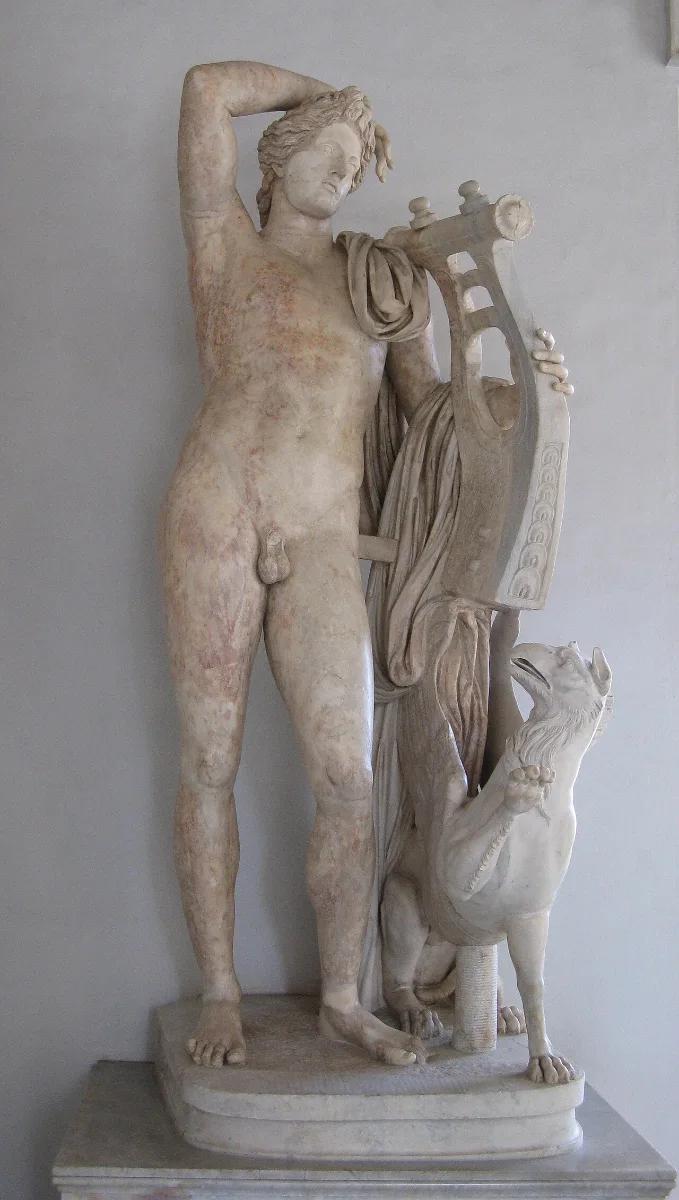
Apollo Citharoedus with the griffin. Rome, Musei Capitolini, Palazzo Nuovo.
Yair Haklai · CC BY-SA 4.0 · via Wikimedia Commons · background removed
File:Apollo Citharoedus with the Griffin.jpg
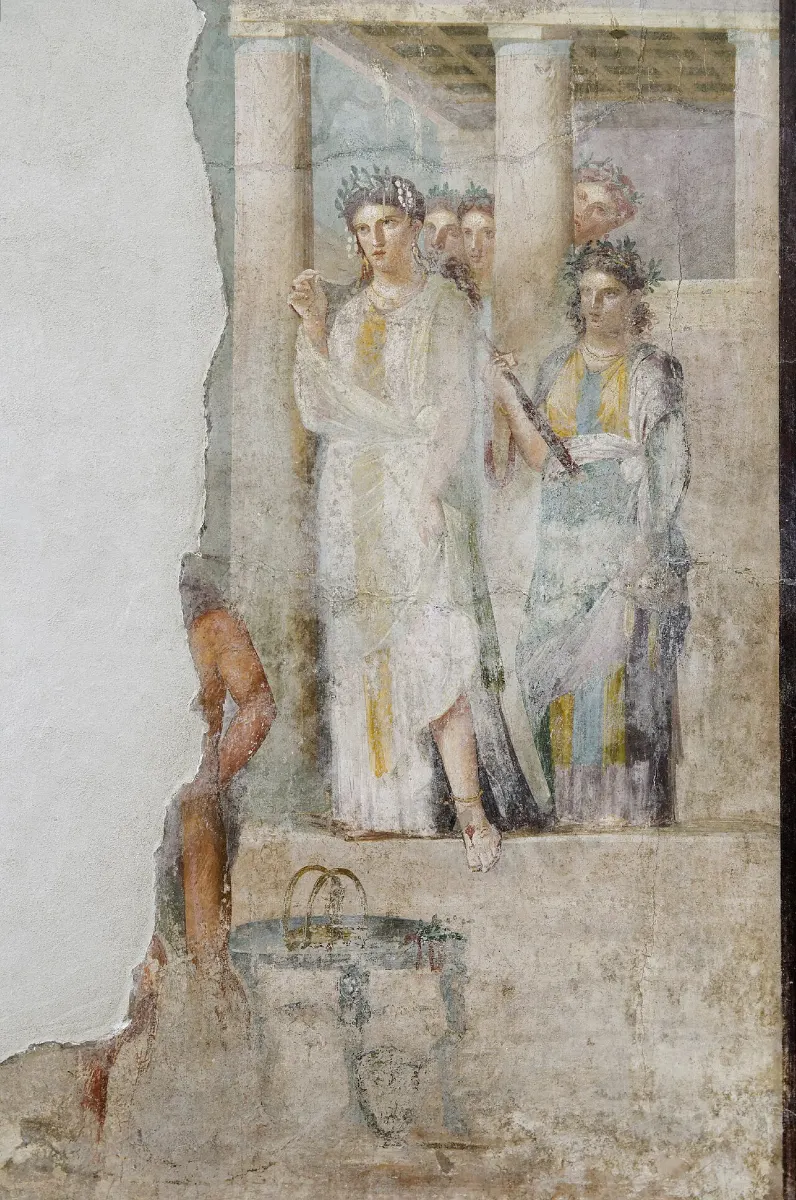
Iphigenia as priestess of Artemis in Tauris sets out to greet the prisoners, among them her brother Orestes and his friend Pylades: Pompeian wall painting, 1st century AD. Naples, Museo Archeologico Nazionale Inv. 111439.
Unknown Roman painter; photo: Marie-Lan Nguyen · Public domain · via Wikimedia Commons
File:Iphigenia in Tauris MAN Napoli Inv111439.jpg
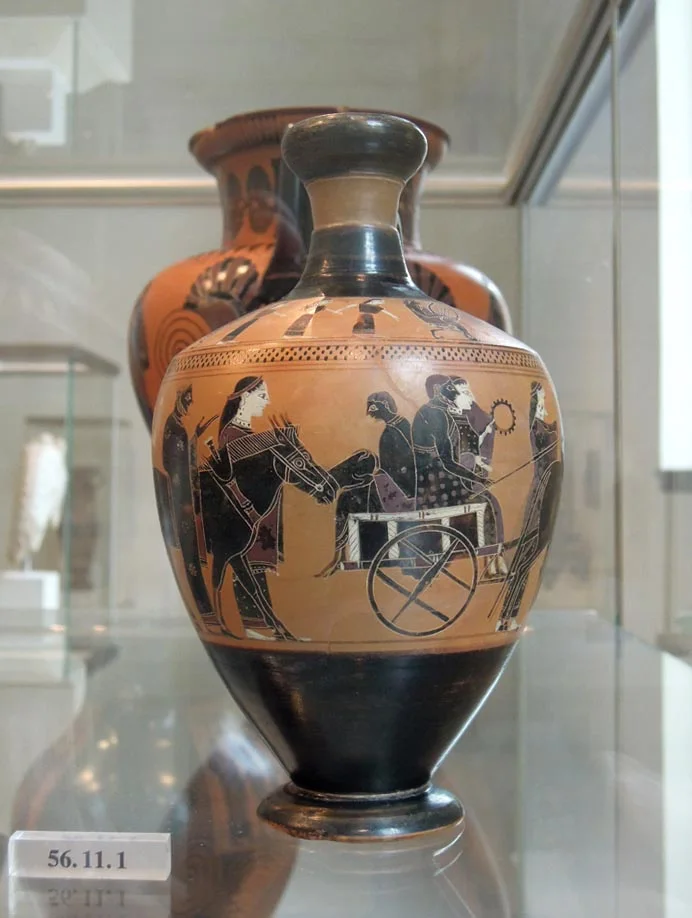
Attic black-figure lekythos attributed to the Amasis Painter, depicting a wedding procession, mid-6th century BC. New York, Metropolitan Museum of Art 56.11.1.
Amasis Painter; photo: E. S. V. Leigh · CC BY-SA 3.0 · via Wikimedia Commons
File:Amasis Ptr cat 47 lekythos MMA 56.11.1 wedding procession 2.JPG
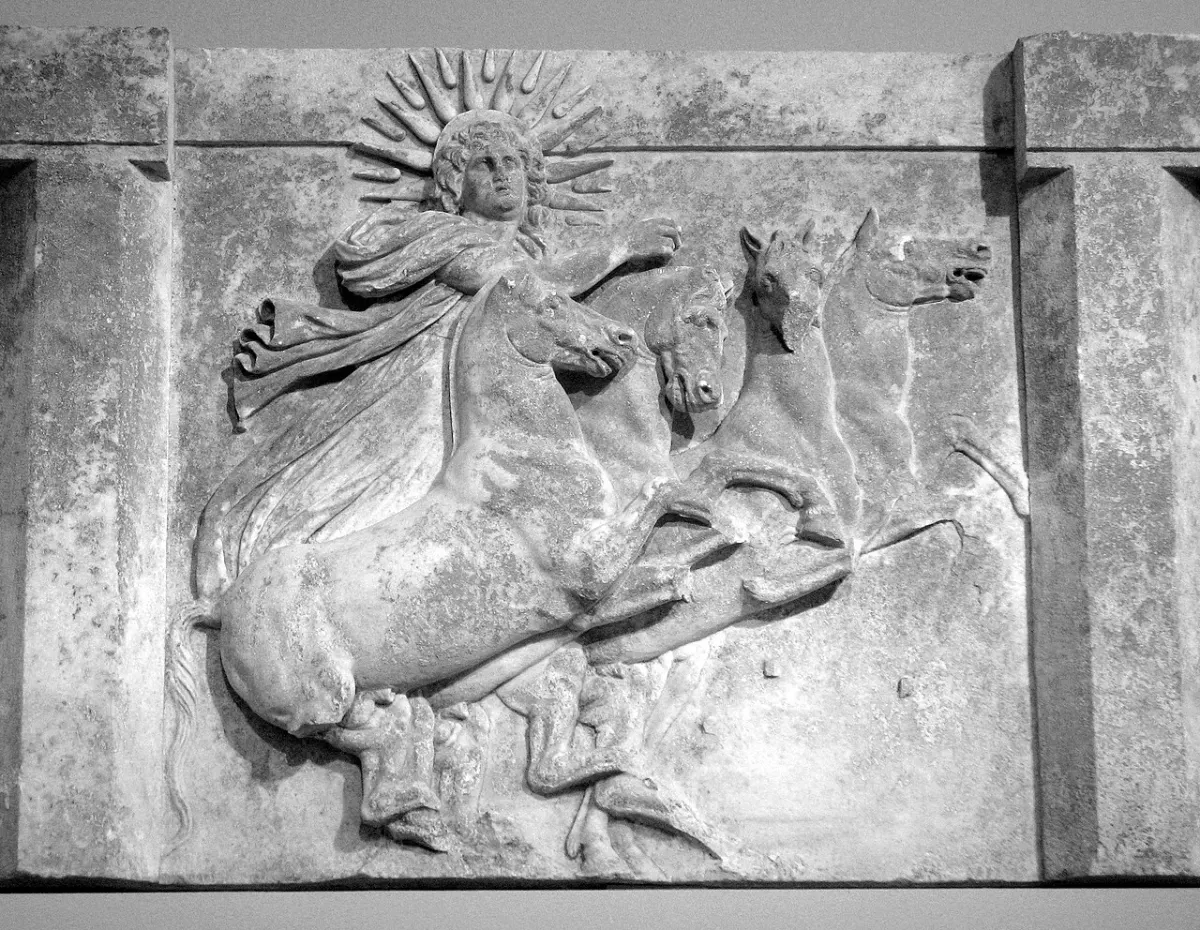
Helios in his chariot: metope from the temple of Athena at Troy. Berlin, Altes Museum LV 21.1.
Unknown Hellenistic sculptor; photo: Mark Landon · Public domain · via Wikimedia Commons
File:Helios metope from Temple of Athena at Troy (Berlin Altes Museum LV 21.1).jpg
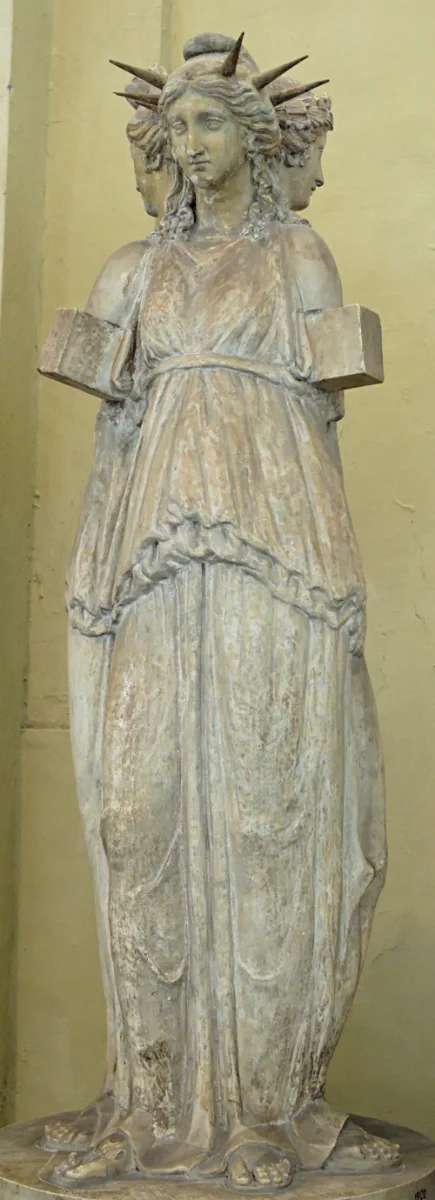
Triple-formed representation of Hecate: Roman marble copy after a Hellenistic original. Vatican, Museo Chiaramonti Inv. 1922.
Unknown Roman sculptor; photo: Jastrow (2006) · Public domain · via Wikimedia Commons · background removed
File:Hecate Chiaramonti Inv1922.jpg
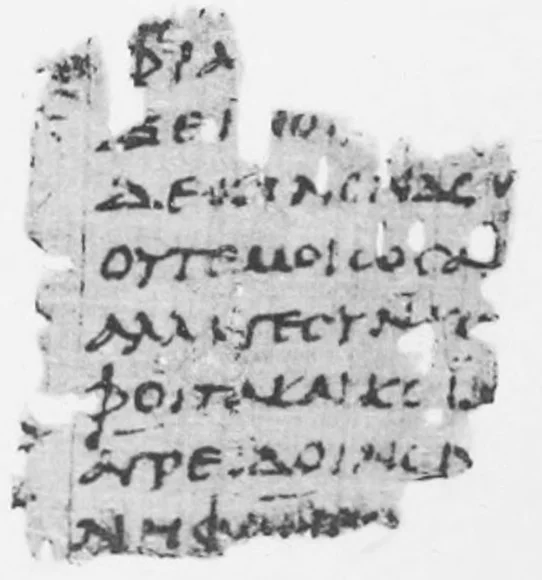
P.Oxy. VI 854: Archilochus. Plate from Grenfell and Hunt, The Oxyrhynchus Papyri VI (1908).
The Egypt Exploration Fund (B. P. Grenfell and A. S. Hunt) · Public domain · via Wikimedia Commons
File:P.Oxy. VI 854.jpg
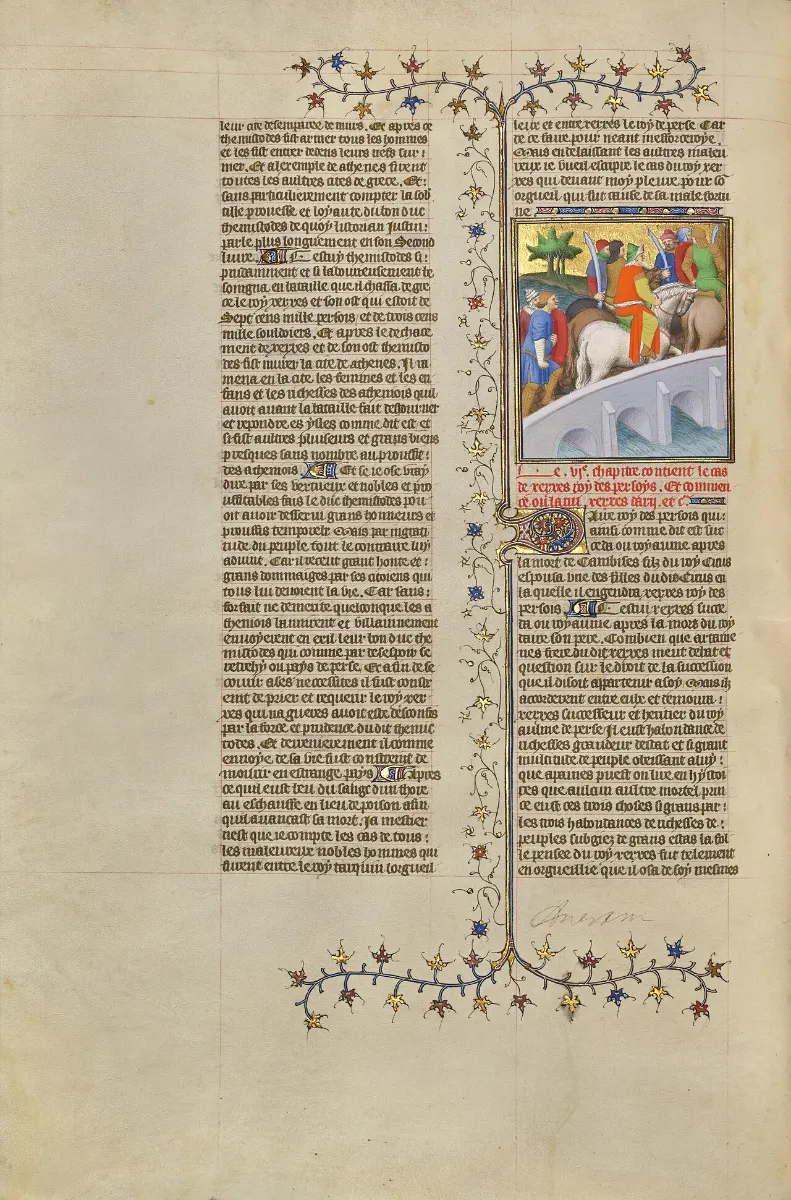
Xerxes, king of the Persians, crosses a bridge with his army: Boucicaut Master or workshop, Paris, about 1413–1415. Los Angeles, J. Paul Getty Museum.
Boucicaut Master or workshop · CC0 · via Wikimedia Commons
File:Xerxes, King of the Persians, Crosses a Bridge with His Army. Paris, about 1413–1415.jpg
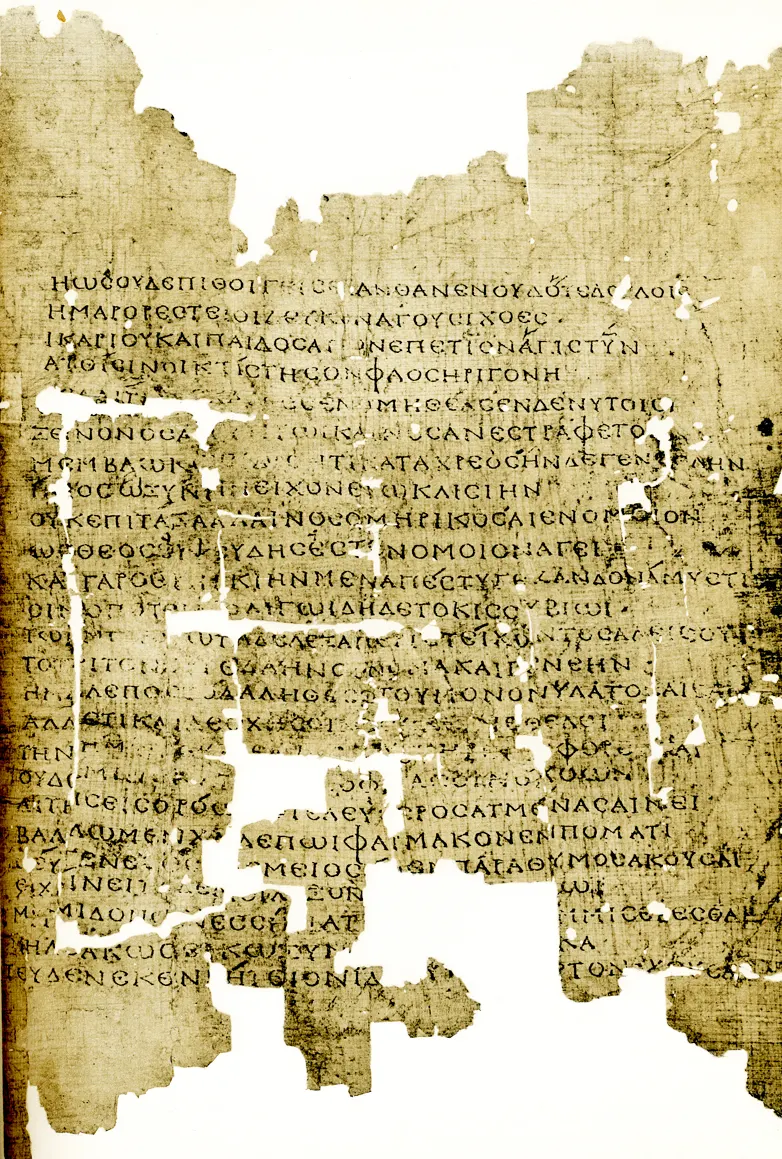
A papyrus of the second century AD with Callimachus’ Aetia (fr. 178): P.Oxy. XI 1362.
The Egypt Exploration Society (B. P. Grenfell and A. S. Hunt) · Public domain · via Wikimedia Commons
File:P.Oxy. XI 1362.jpg
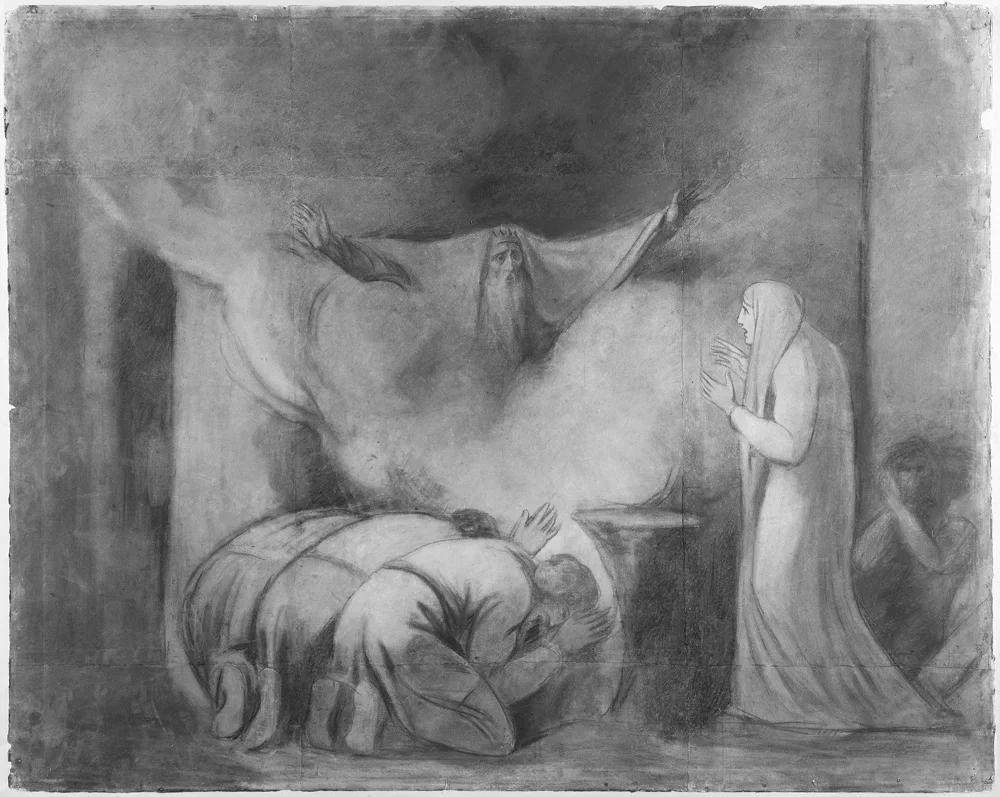
The Ghost of Darius appearing to Atossa (Aeschylus, Persians): drawing by George Romney. Liverpool, Walker Art Gallery.
George Romney · Public domain · via Wikimedia Commons
File:Dariuslarge.jpg
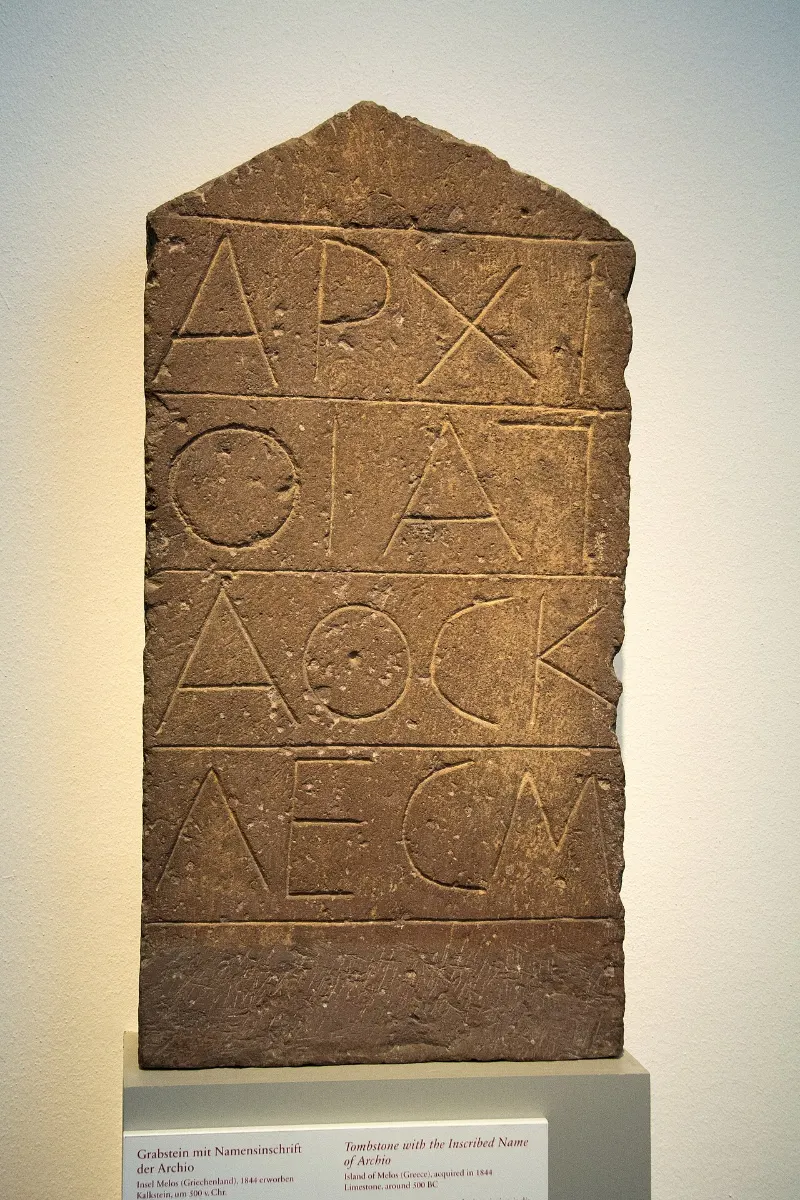
Tombstone inscribed with the name of Archio: limestone, Melos, around 500 BC; the forms of gamma and sigma are a peculiarity of archaic Melian inscriptions. Berlin, Altes Museum Sk 1161.
Zde · CC BY-SA 4.0 · via Wikimedia Commons
File:Stele with Melian inscription, 500 BC, Berlin, Sk 1161, 141624.jpg
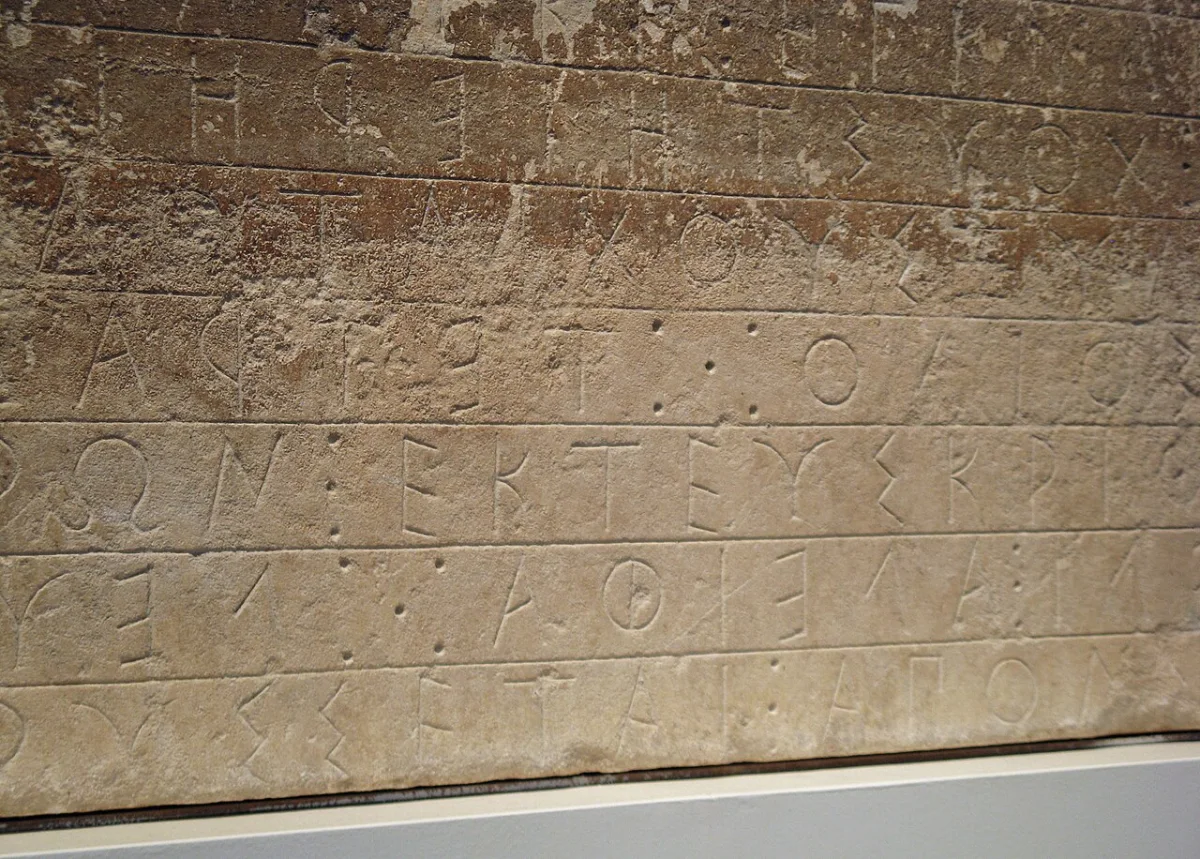
Sacred calendar from the sanctuary of Apollo Delphinios at Miletus (detail). Berlin, Antikensammlung (IvM 31a).
Mark Landon · CC BY 4.0 · via Wikimedia Commons
File:Sacred calendar from the sanctuary of Apollo Delphinios at Miletos (IvM 31a, Berlin Antikensammlung) detail.jpg
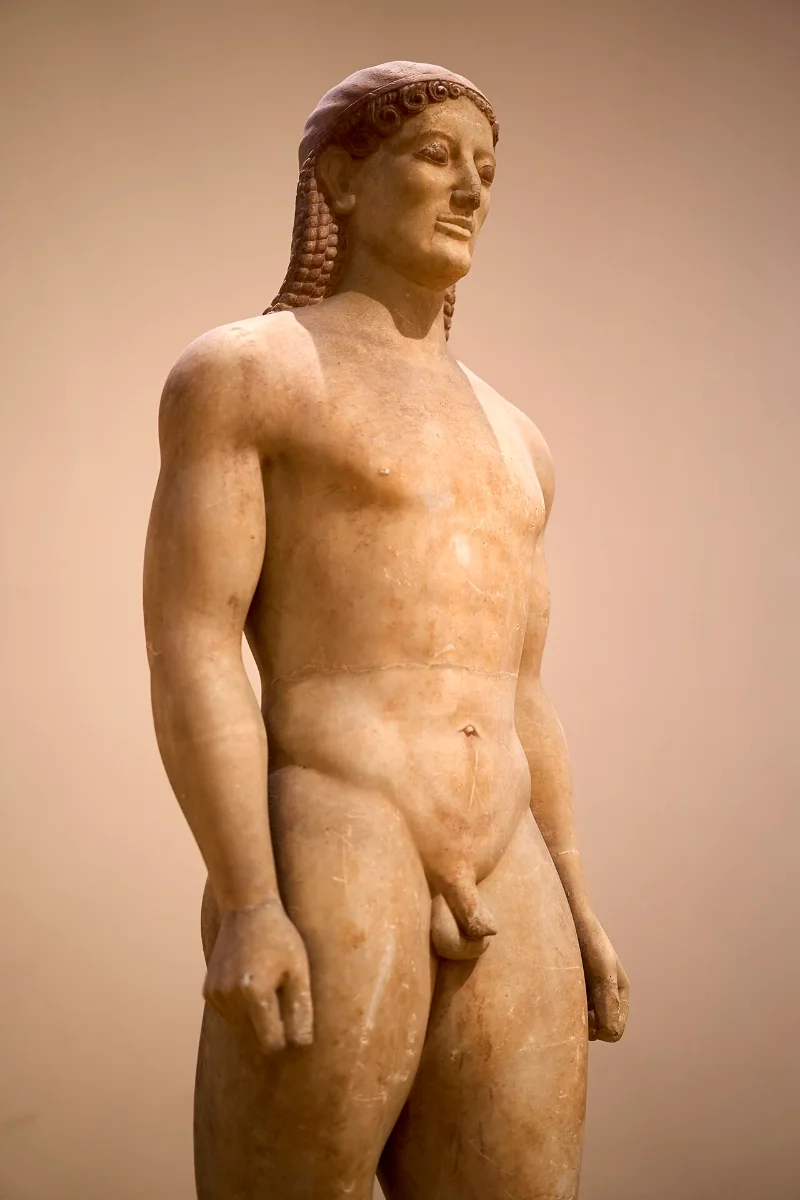
Kouros from Anavyssos, Attica, which stood on the grave of Kroisos, as the epigram on its base says. Athens, National Archaeological Museum.
George E. Koronaios · CC BY-SA 4.0 · via Wikimedia Commons
File:Kouros statue of Kroisos (National Archaeological Museum of Athens, 1-31-2023).jpg
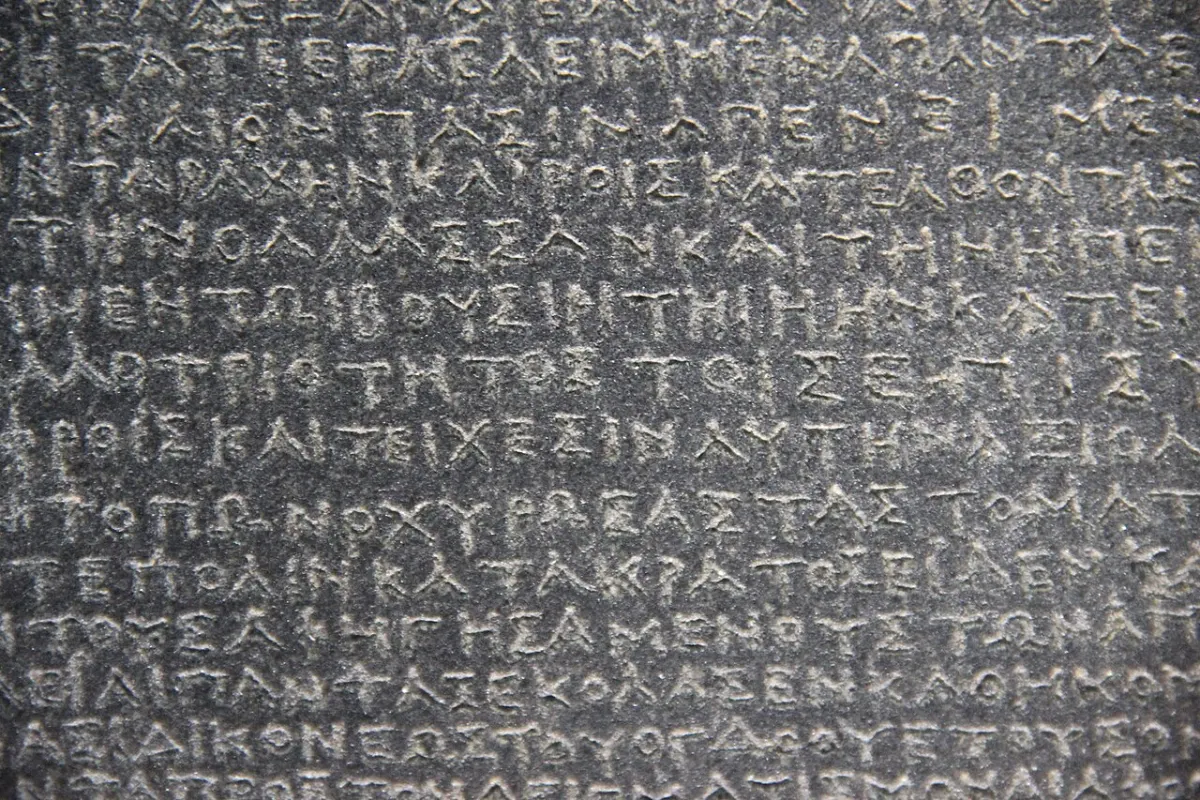
The Greek script of the Rosetta Stone. London, British Museum.
Gary Todd · CC0 · via Wikimedia Commons
File:Greek Script from Rosetta Stone (36140196440).jpg
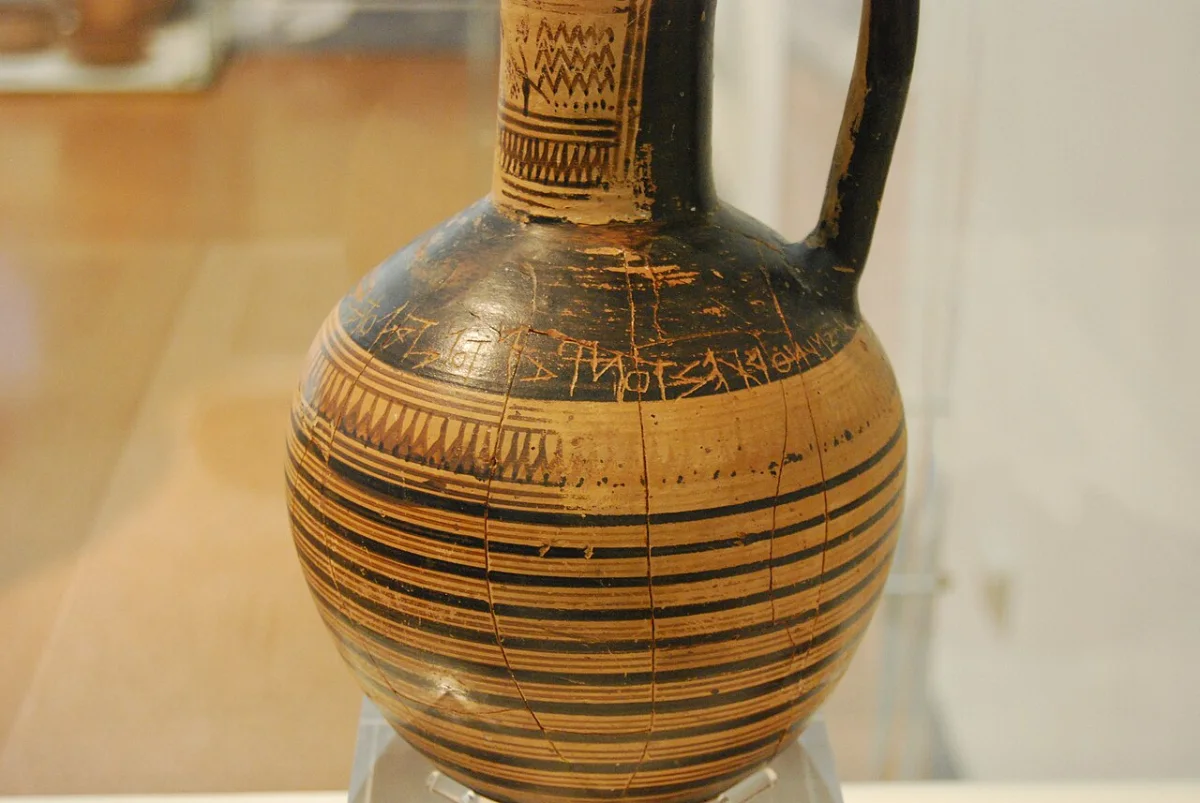
The Dipylon oinochoe, c. 740 BC, one of the four oldest known examples of the Greek alphabet: “… who now of all the dancers dances most gracefully …”. Athens, National Archaeological Museum.
Durutomo · CC BY-SA 4.0 · via Wikimedia Commons
File:Dipylon Inscription.JPG
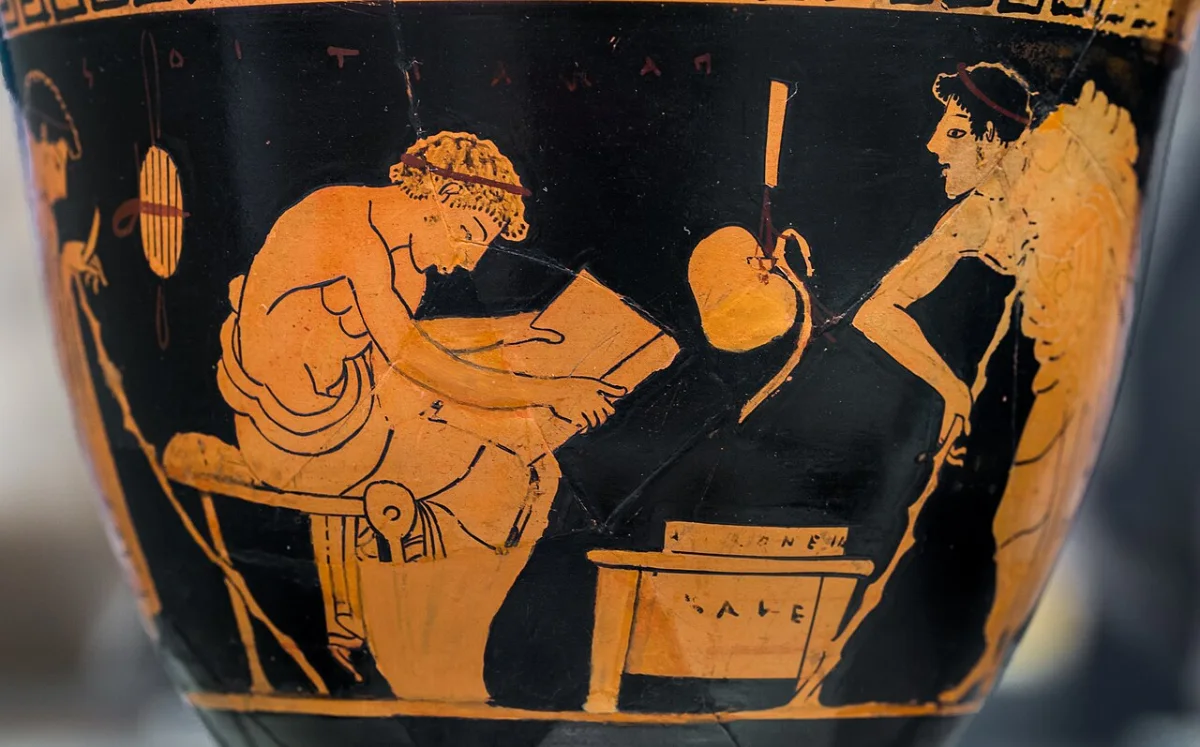
A seated youth reading from a papyrus roll, with youths listening: Attic red-figure kyathos by Onesimos (early work), late archaic.
Onesimos; photo: ArchaiOptix · CC BY-SA 4.0 · via Wikimedia Commons
File:Onesimos ARV 329 134 youth reading and youths (02).jpg
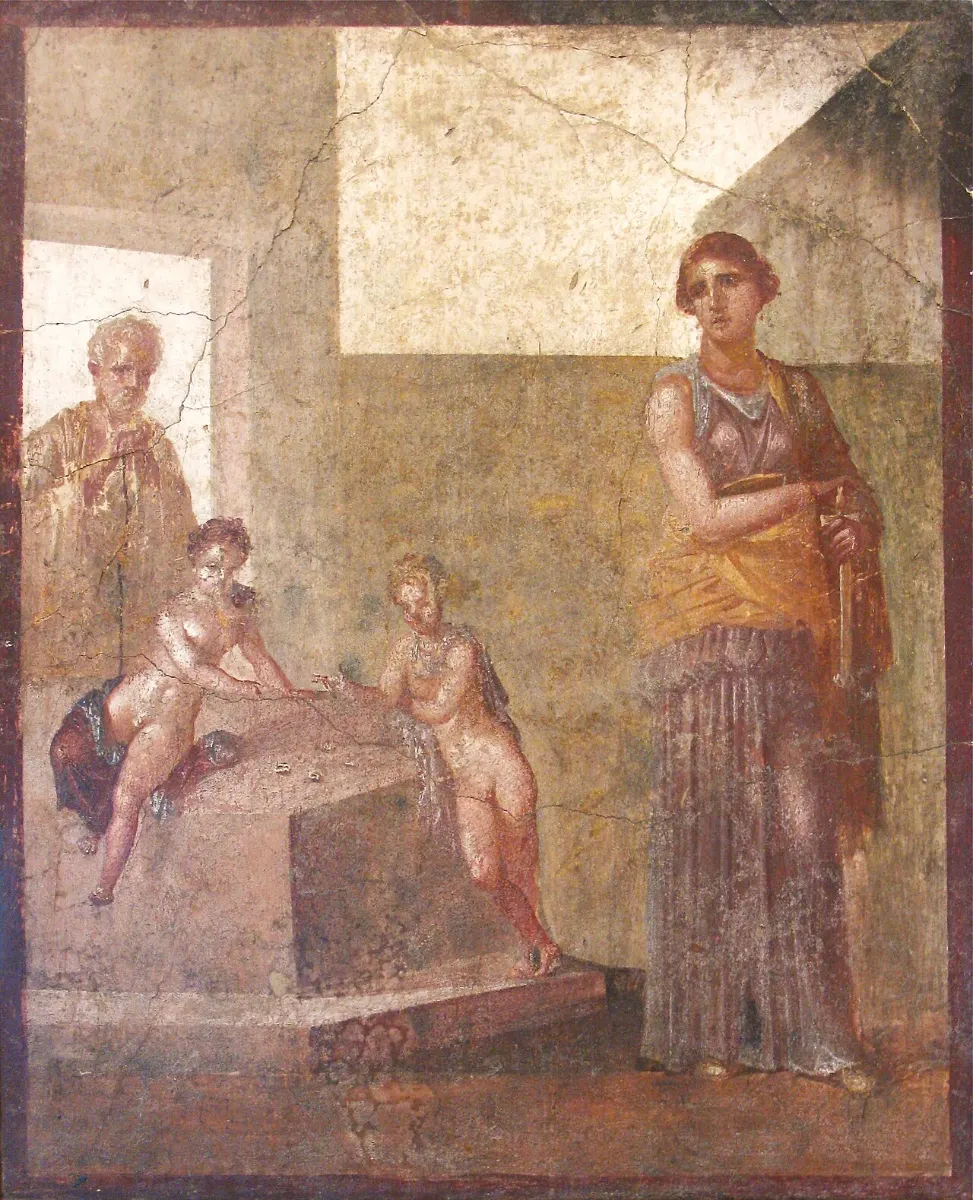
Medea contemplates killing her children as they play at knucklebones, watched by their tutor: wall painting from the House of the Dioscuri, Pompeii, AD 62–79. Naples, Museo Archeologico Nazionale 8977.
Unknown Roman painter; photo: Olivierw · Public domain · via Wikimedia Commons
File:Medea - Casa dei Dioscuri.JPG
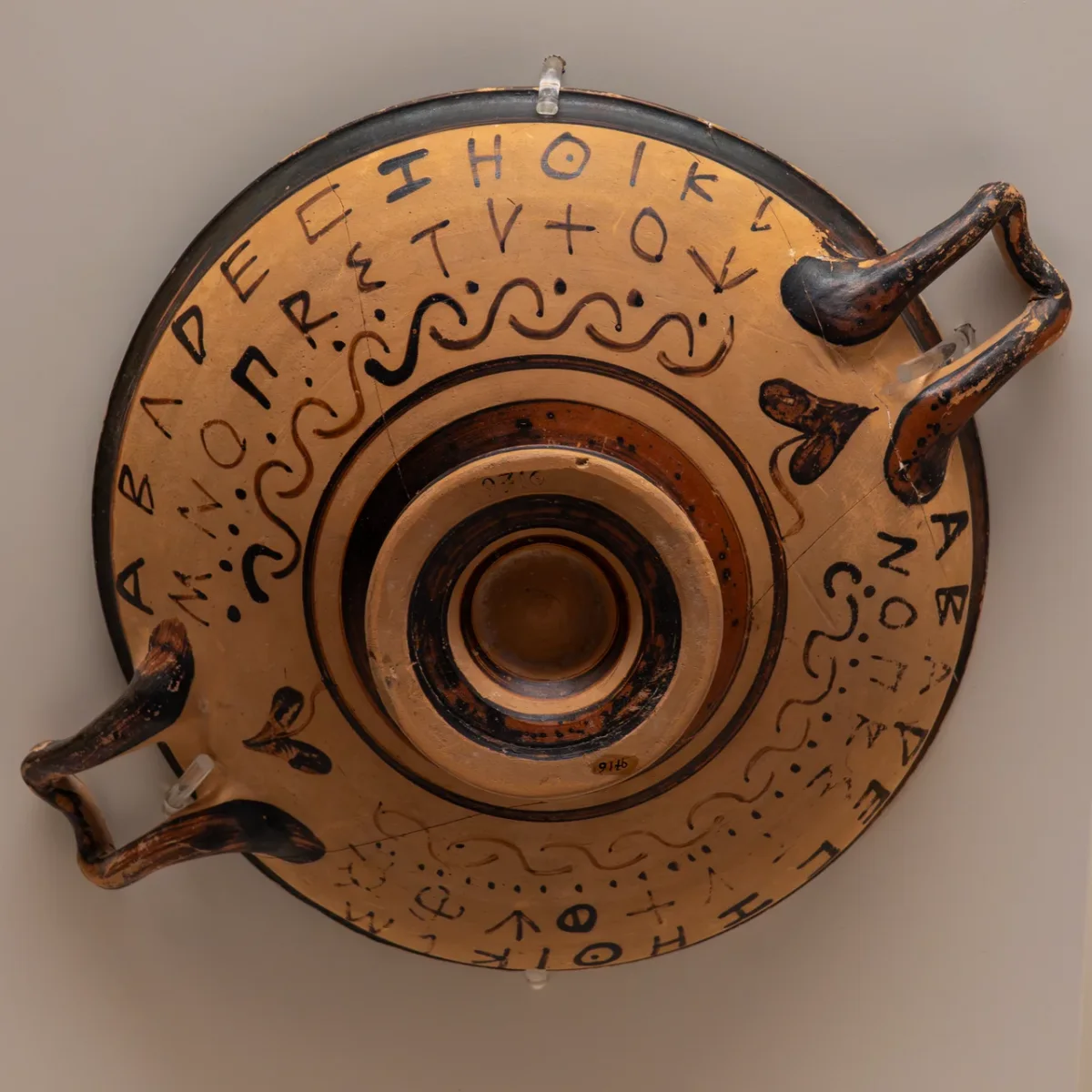
Kylix with the Greek alphabet painted round it. Athens, National Archaeological Museum.
Logg Tandy · CC BY 4.0 · via Wikimedia Commons · background removed
File:NAMA greek alphabet kylix (accurate colours) - National Archaeological Museum Athens - February 2025.webp
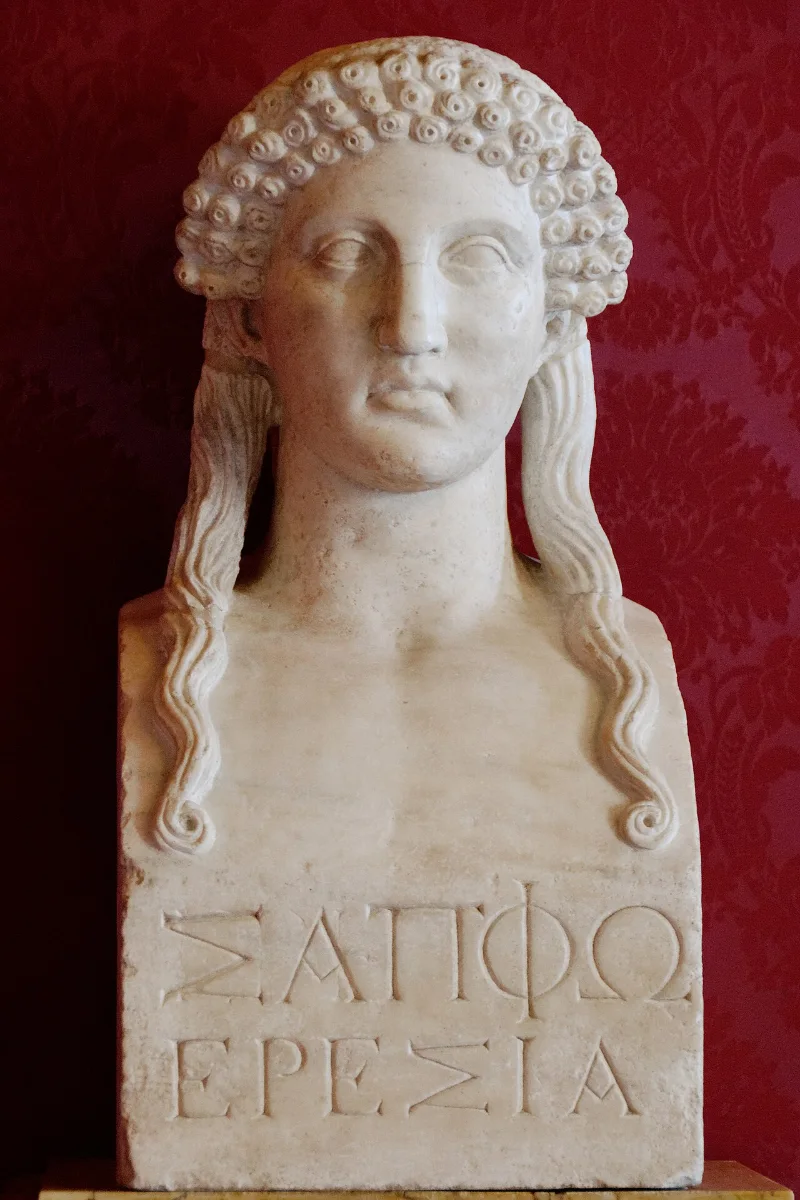
Roman bust of a woman, inscribed ΣΑΠΦΩ ΕΡΕΣΙΑ (“Sappho of Eresos”). Rome, Musei Capitolini MC 1164.
Marie-Lan Nguyen · Public domain · via Wikimedia Commons · background removed
File:Bust Sappho Musei Capitolini MC1164.jpg
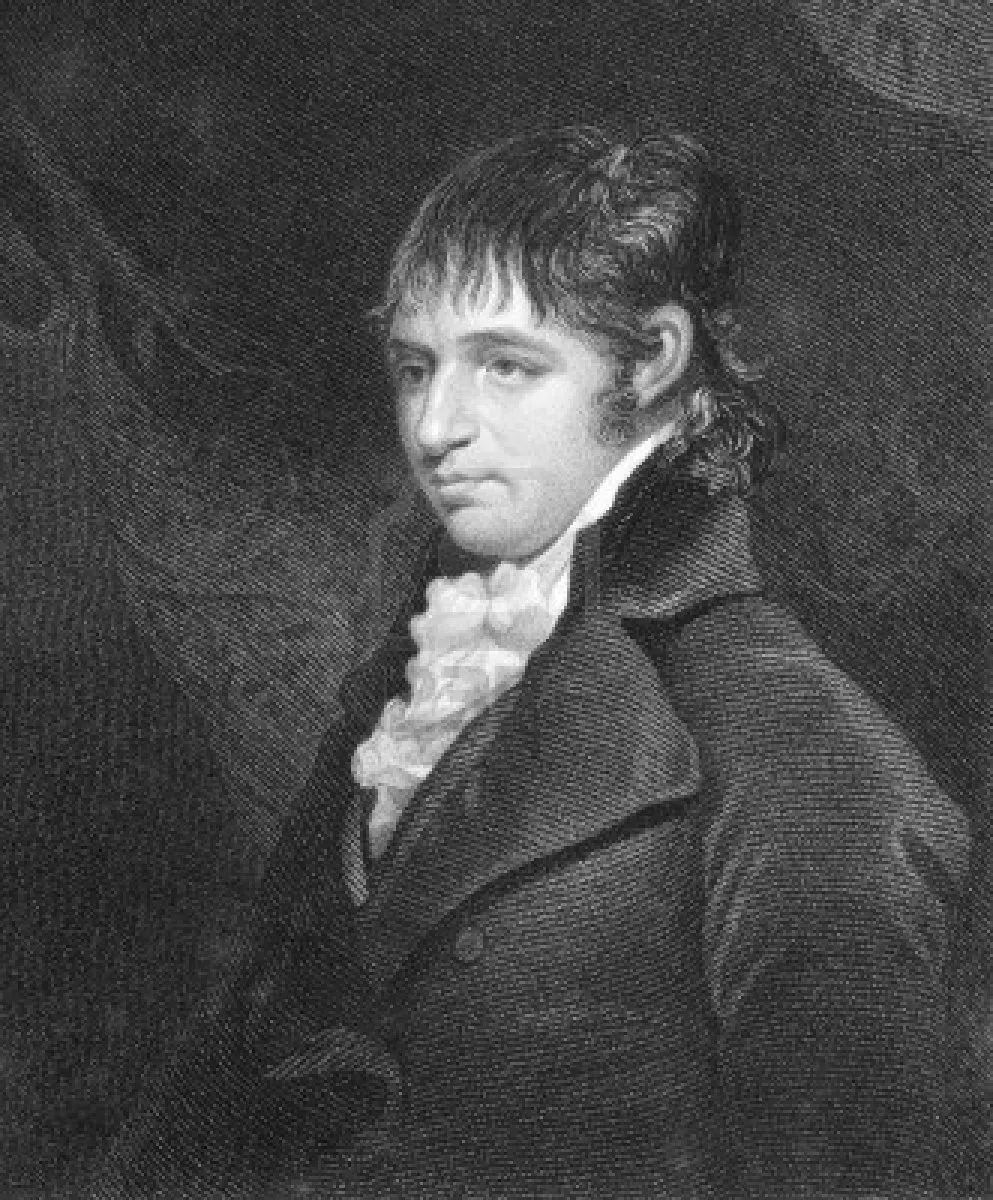
Richard Porson (1759–1808): engraving by B. Holl after a painting by Hoppner.
B. Holl, after John Hoppner · Public domain · via Wikimedia Commons
File:Richard Porson 2.jpg
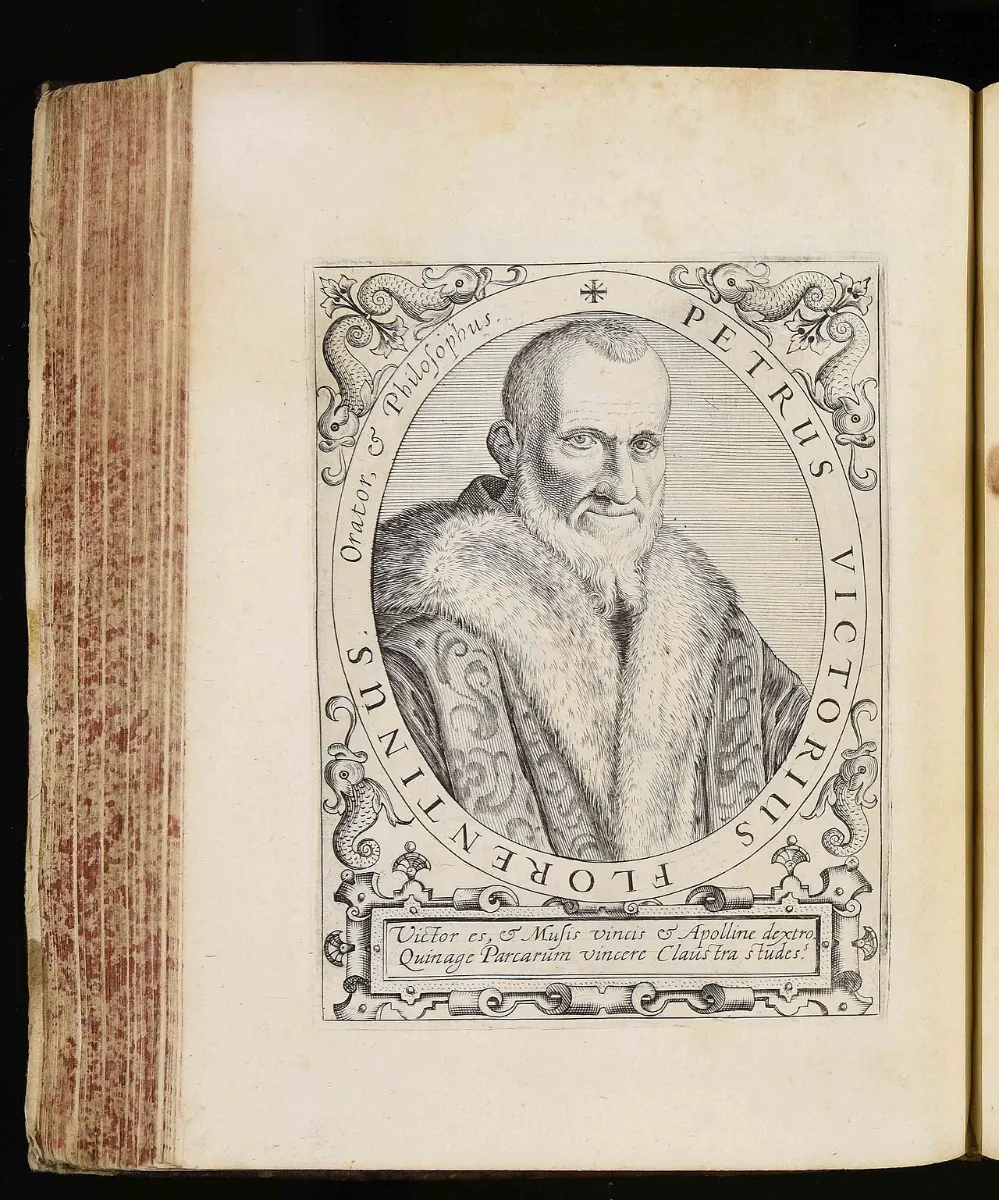
Piero Vettori of Florence: engraving in Jean Jacques Boissard, Bibliotheca sive Thesaurus virtutis (Frankfurt, 1627). Trento, Biblioteca comunale.
Unknown engraver (Boissard, 1627); scan: Biblioteca comunale di Trento · CC0 · via Wikimedia Commons
File:Piero Vettori florentinus.jpg
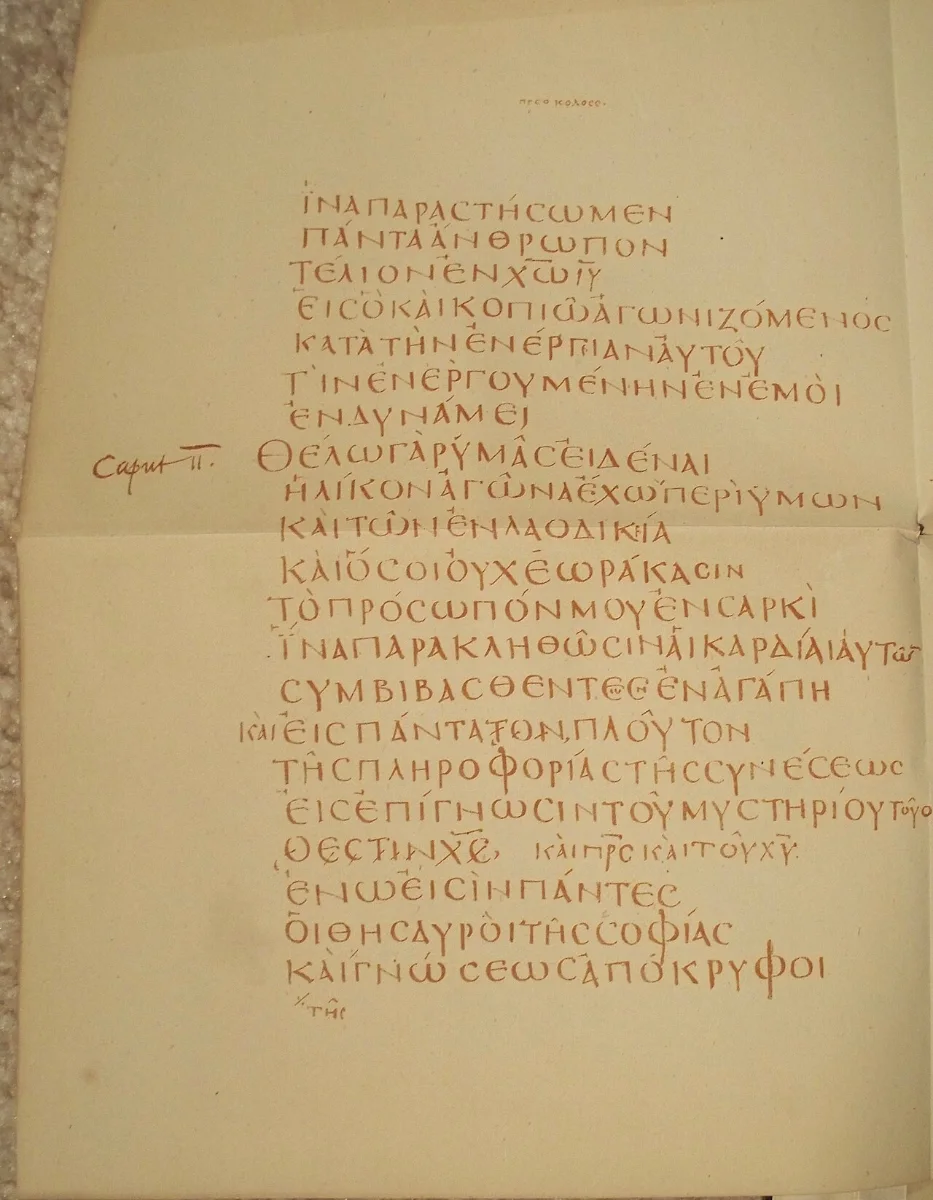
A page of the Codex Claromontanus with the Greek text of Colossians 1:28–2:3, from a facsimile published in 1854.
Edward H. Hansell (facsimile, 1854) · Public domain · via Wikimedia Commons
File:Claromontanus 2 greek.jpg
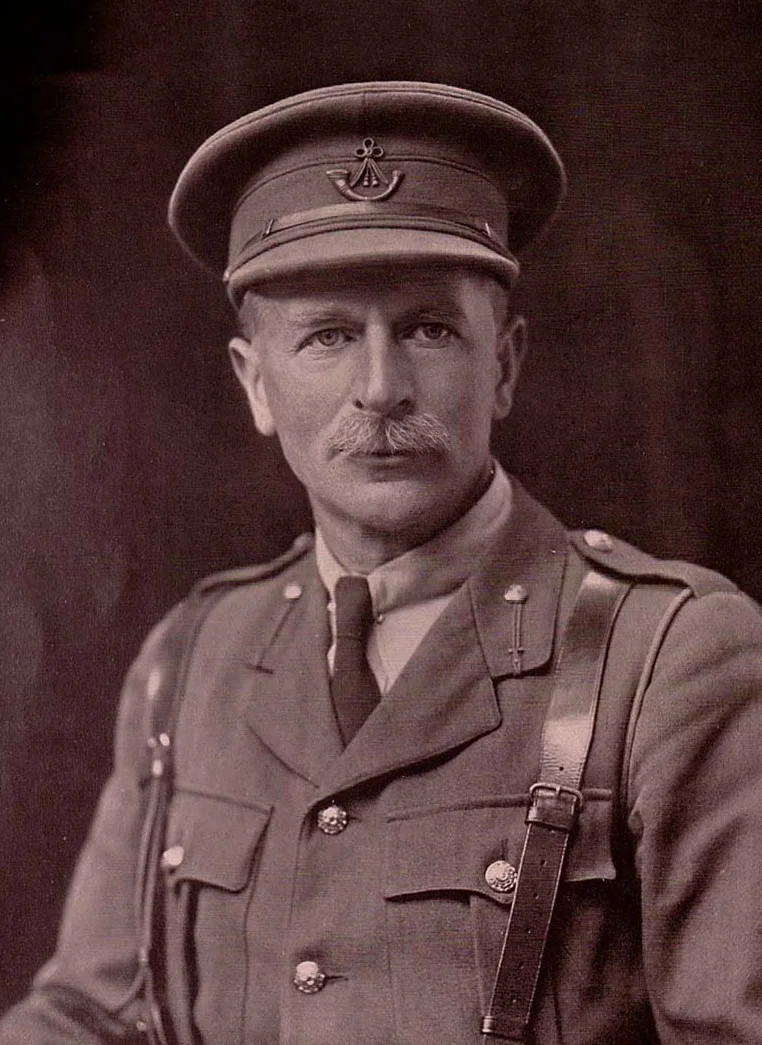
Arthur Surridge Hunt (1871–1934): photograph by James Russell and Sons, 1919.
James Russell and Sons · Public domain · via Wikimedia Commons
File:Arthur Surridge Hunt (cropped).jpg
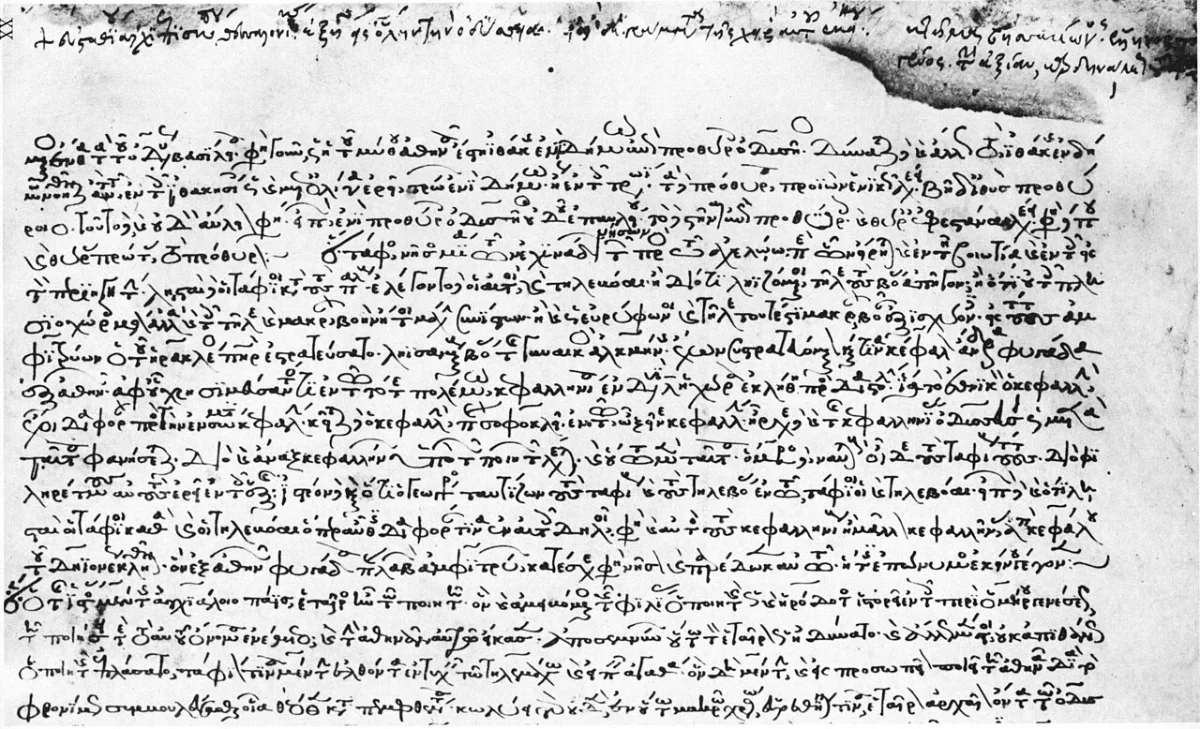
Eustathius of Thessalonica, Commentary on Homer’s Odyssey, in the autograph manuscript, late 12th century: Venice, Biblioteca Marciana, gr. 460, fol. 1r.
Eustathius of Thessalonica · Public domain · via Wikimedia Commons
File:Eustathius of Thessalonica, Commentary on the Odyssey.jpg
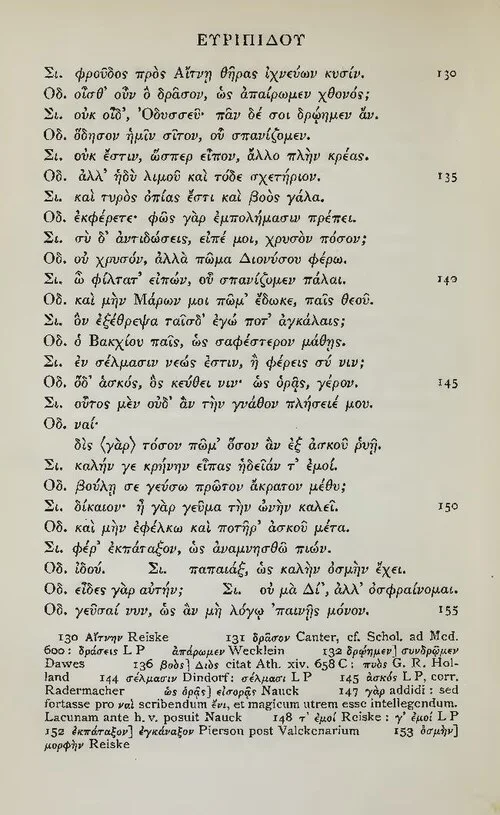
A page of Gilbert Murray’s Oxford text of Euripides, Euripidis Fabulae I (Oxford, 1902), with the apparatus criticus below the text.
Gilbert Murray (editor); scan: Internet Archive · Public domain · via Wikimedia Commons
File:Evripidis Fabvlae - recognovit breviqve adnotatione critica instrvxit (IA evripidisfabvlae01euri).pdf
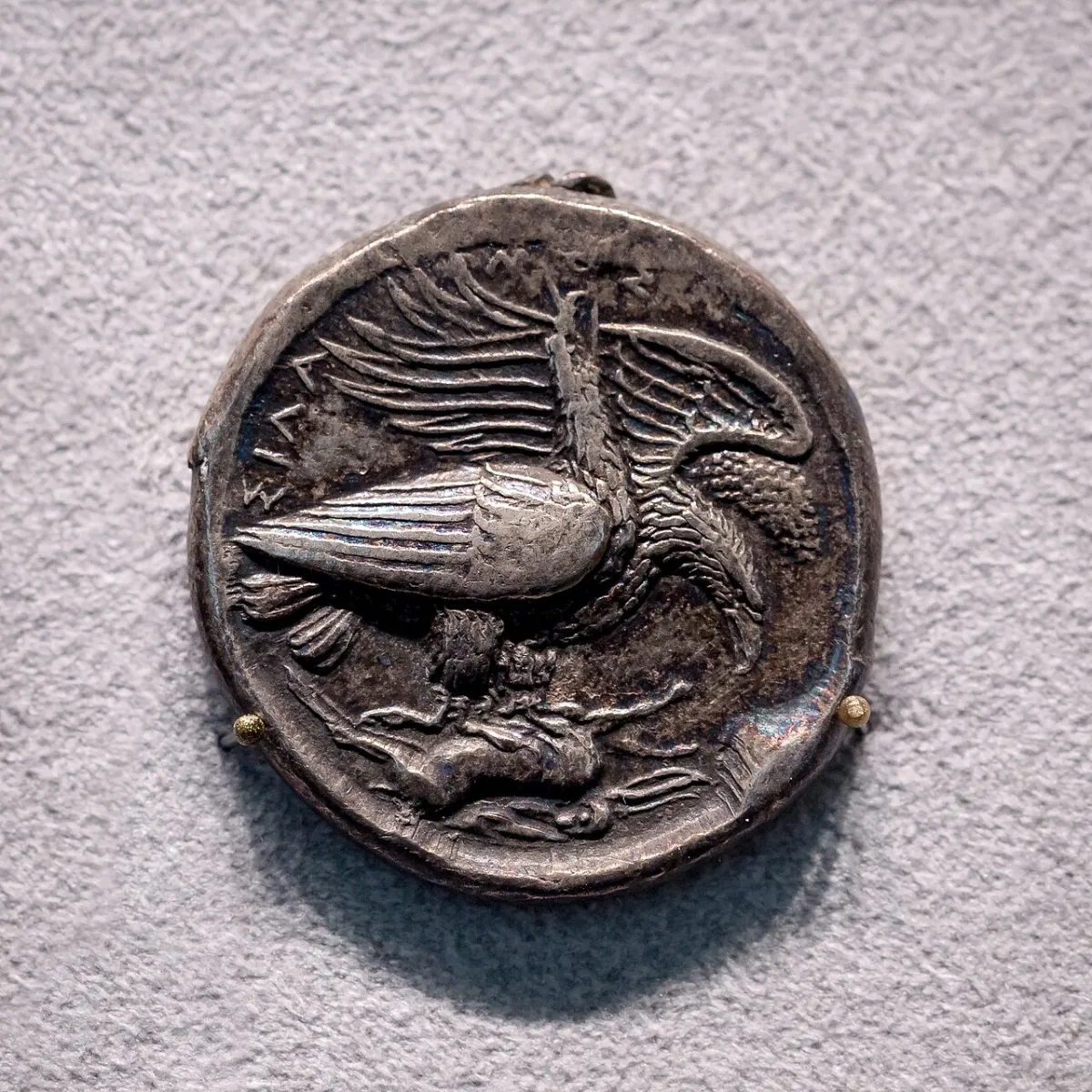
Silver tetradrachm of Akragas, c. 410–406 BC: a pair of eagles with a hare (the other side shows Nike driving a quadriga). Berlin, Münzkabinett 18226973.
Mint of Akragas; photo: ArchaiOptix · CC BY-SA 4.0 · via Wikimedia Commons · background removed
File:Akragas - 410-406 BC - silver tetradrachm - Nike driving quadriga - pair of eagles with hare - Berlin MK AM 18226973.jpg
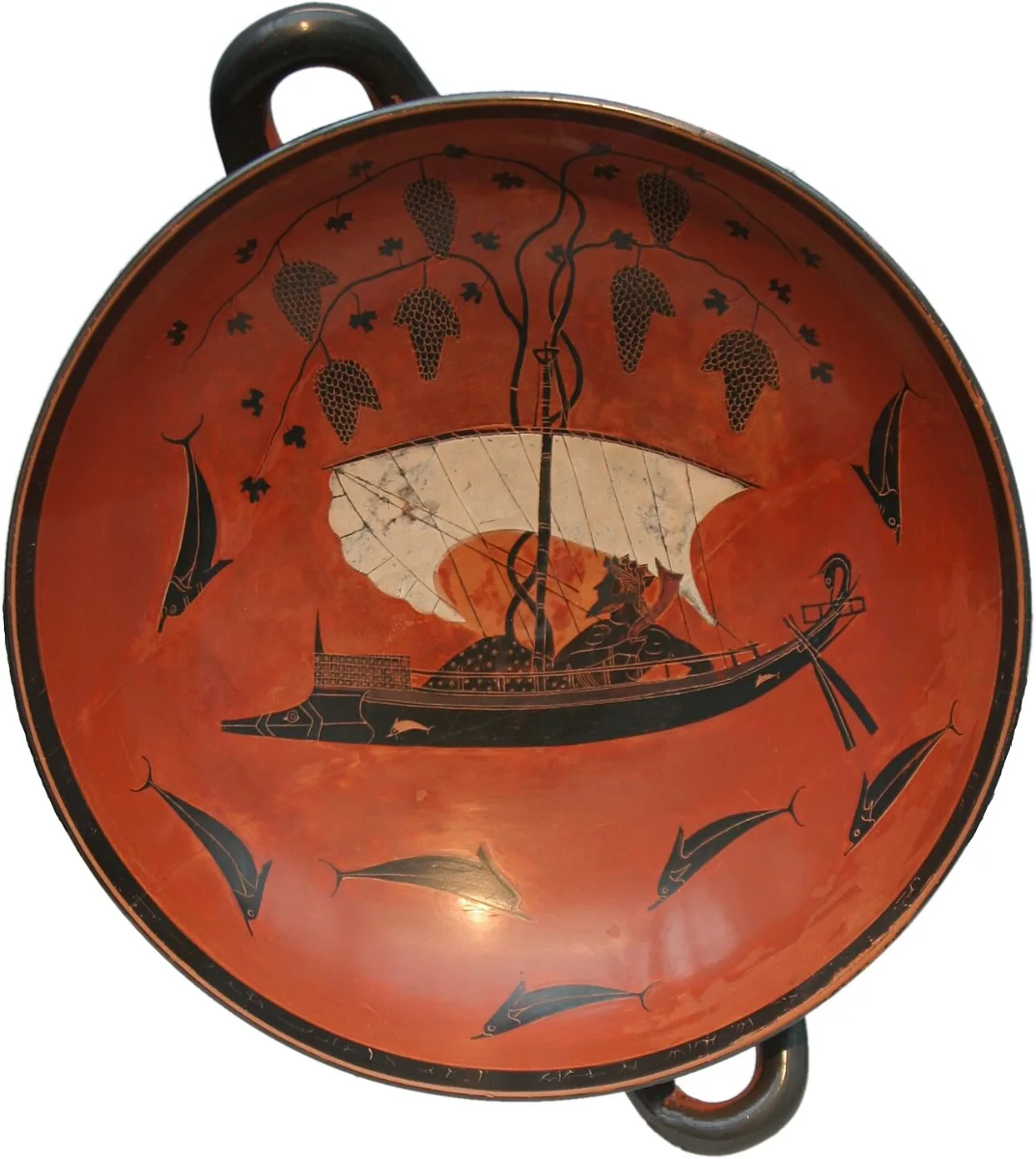
Dionysus in a ship, sailing among dolphins: Attic black-figure kylix by Exekias, c. 530 BC, from Vulci. Munich, Staatliche Antikensammlungen 2044.
Exekias; photo: Matthias Kabel · CC BY 2.5 · via Wikimedia Commons · background removed
File:Exekias Dionysos Staatliche Antikensammlungen 2044.jpg
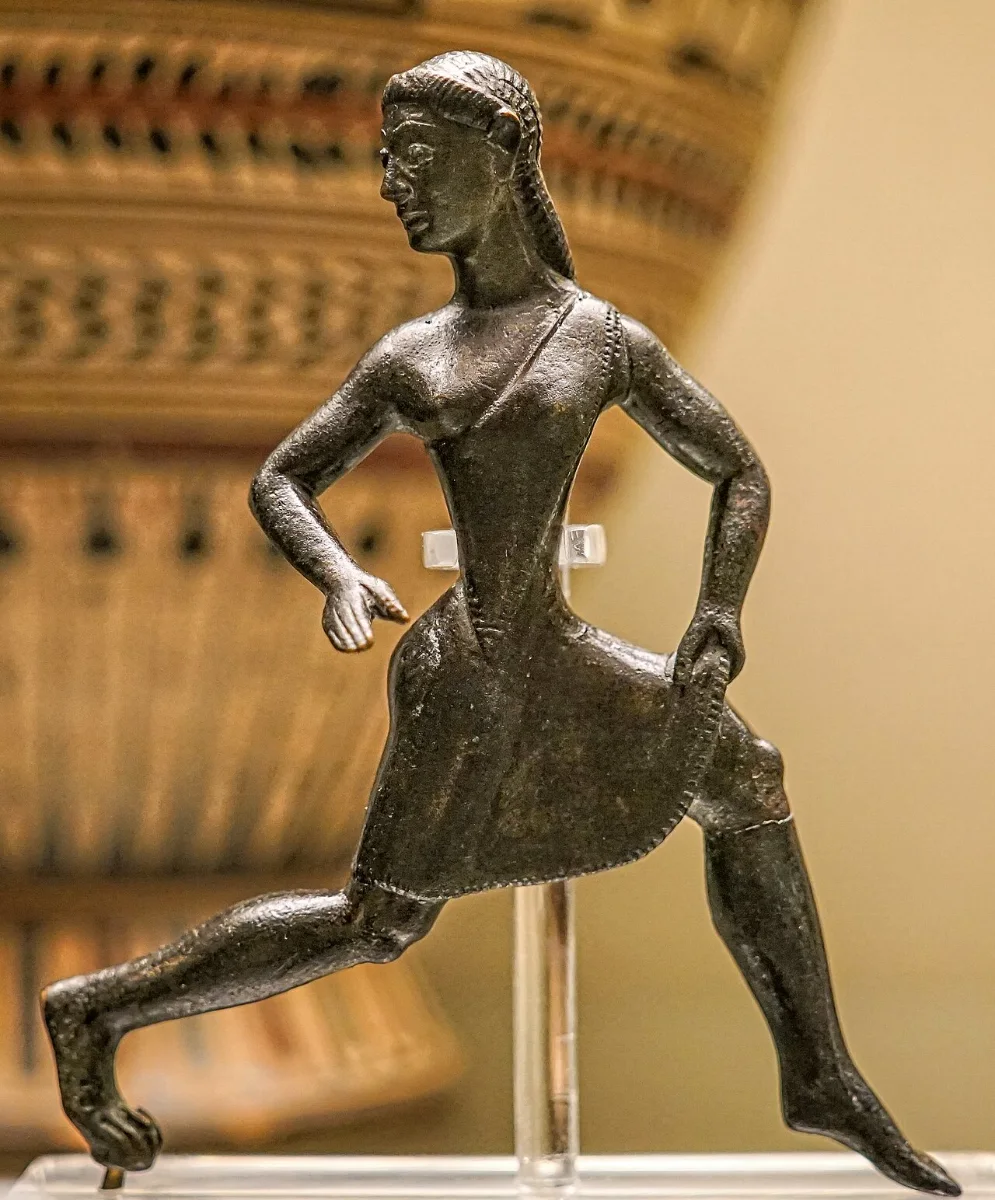
Bronze figure of a running girl, Spartan, 520–500 BC; her short chiton matches the dress Pausanias describes for runners at the Heraean games. London, British Museum 1876,0510.1.
Caeciliusinhorto · CC BY-SA 4.0 · via Wikimedia Commons
File:Spartan running girl (cropped).jpg
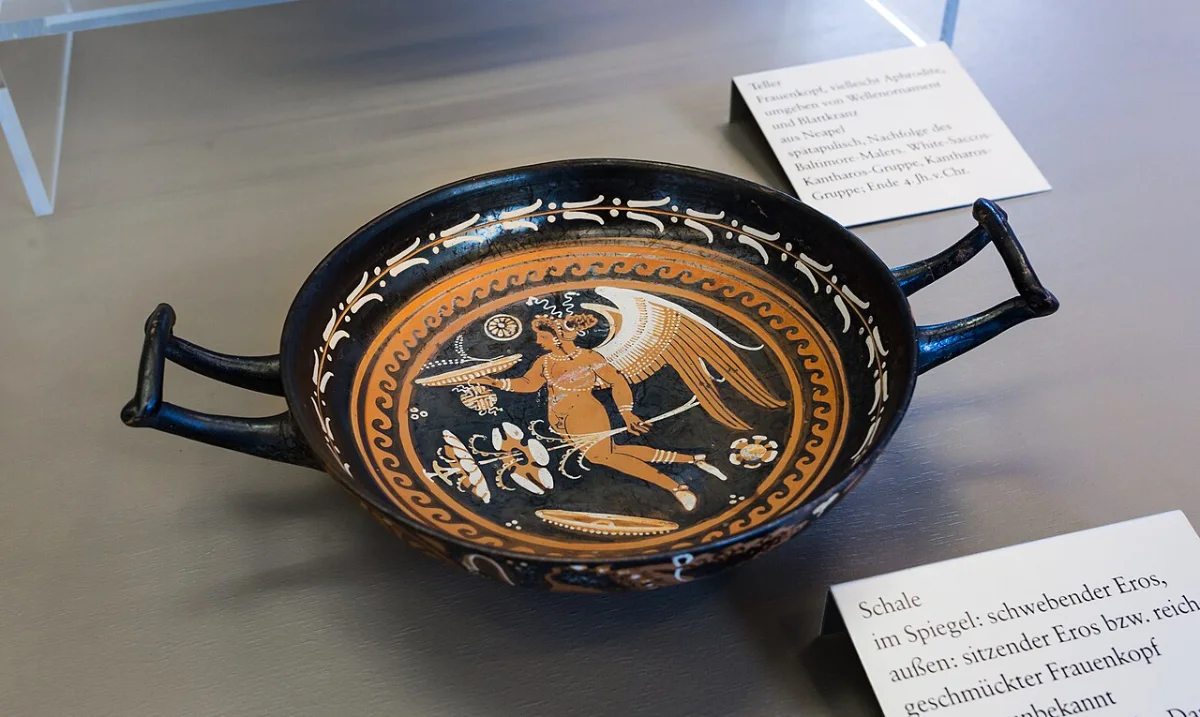
Eros flying with a phiale, a ball and a plant: interior of an Apulian red-figure kylix of the Group of the Trieste Askoi, c. 340–320 BC. Frankfurt, Archäologisches Museum β 139.
Group of the Trieste Askoi; photo: ArchaiOptix · CC BY-SA 4.0 · via Wikimedia Commons · background removed
File:Group of the Trieste Askoi - RVAp 26-35 - Eros - female head - Eros - Frankfurt AM β 139 - 01.jpg
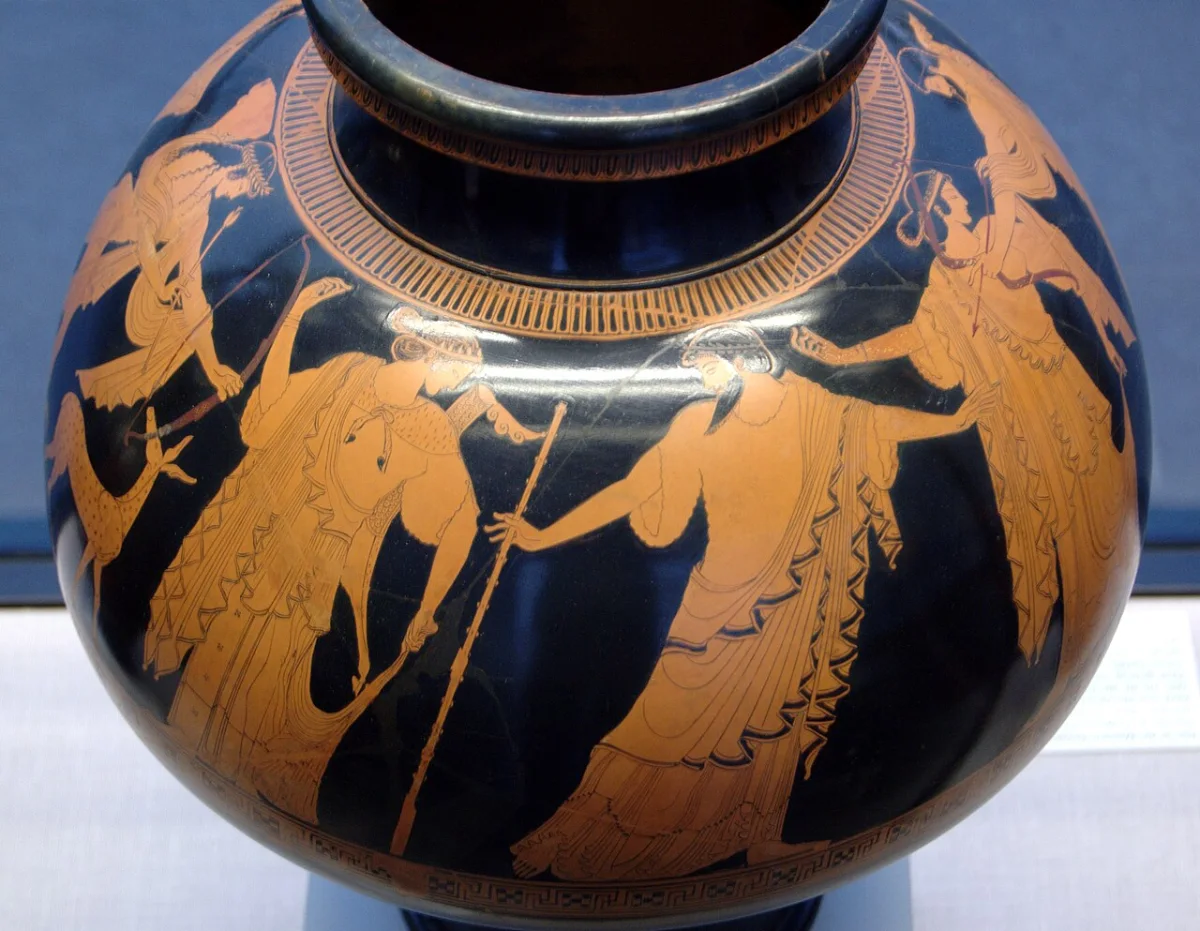
Apollo (with Artemis) and Idas (with Marpessa) separated by Zeus: Attic red-figure psykter by the Pan Painter, c. 480 BC, from Agrigento. Munich, Staatliche Antikensammlungen 2417.
Pan Painter; photo: Bibi Saint-Pol · Public domain · via Wikimedia Commons
File:Rape Marpessa Staatliche Antikensammlungen 2417.jpg
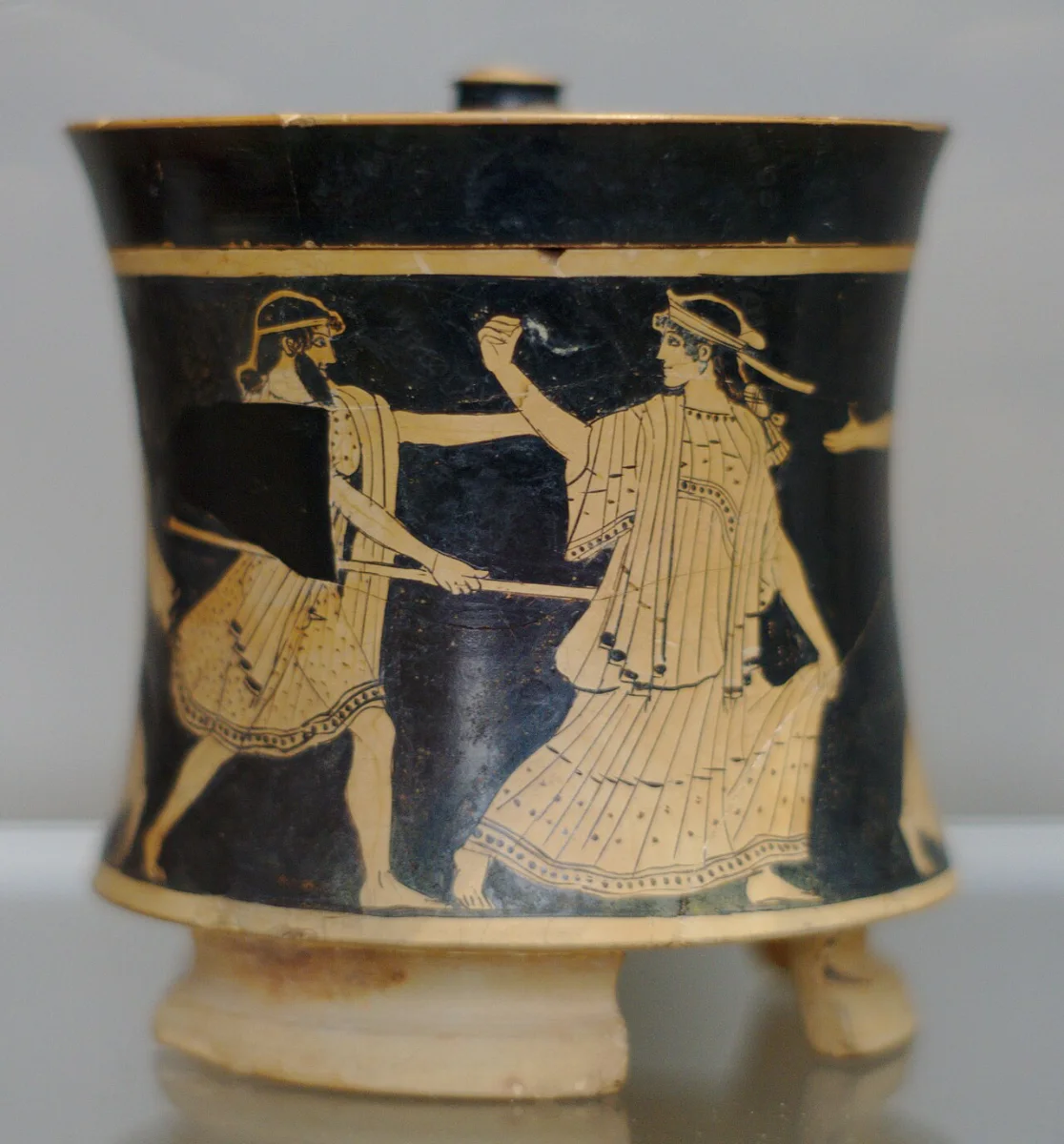
Attic red-figure pyxis, c. 470–460 BC: Zeus carries off Aegina, one of the daughters of Asopus; the other side shows Asopus and his other daughters. Cambridge, Fitzwilliam Museum GR.10.1934.
Caeciliusinhorto · CC BY-SA 4.0 · via Wikimedia Commons
File:Pyxis of Zeus and Aigina.jpg
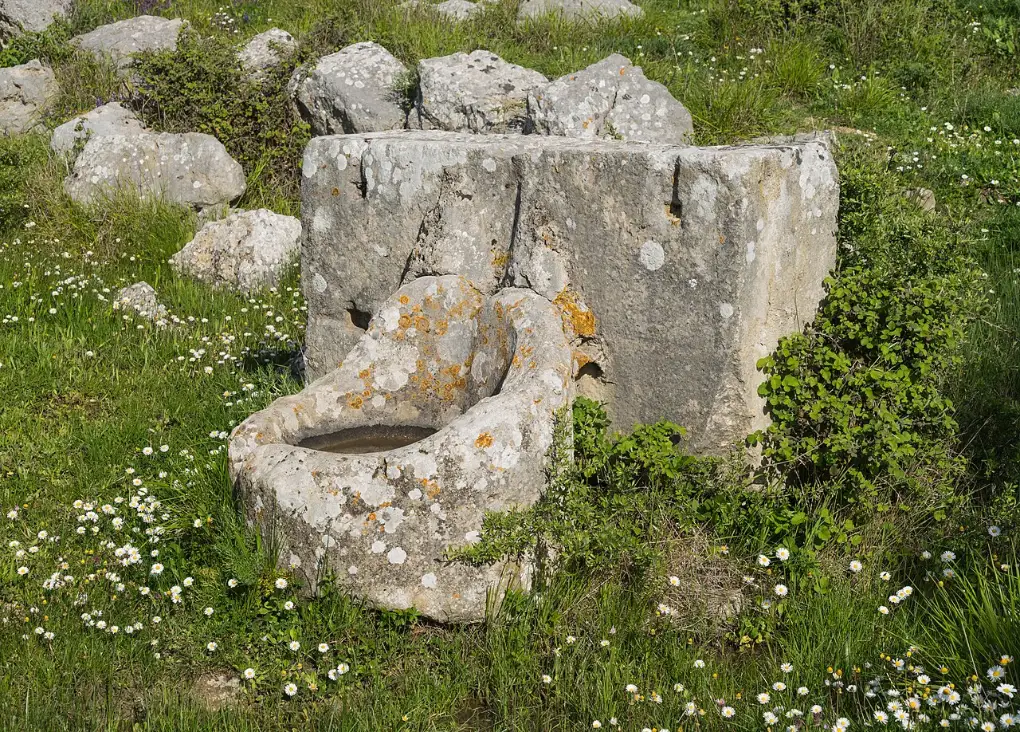
A fountain in the ruins of the temple of Apollo Ptoos, above the village of Akraifno, Boeotia.
Jebulon · CC0 · via Wikimedia Commons
File:Temple of Apollo Ptoon, a fountain, and nothing else, Boeotia, central Greece.jpg
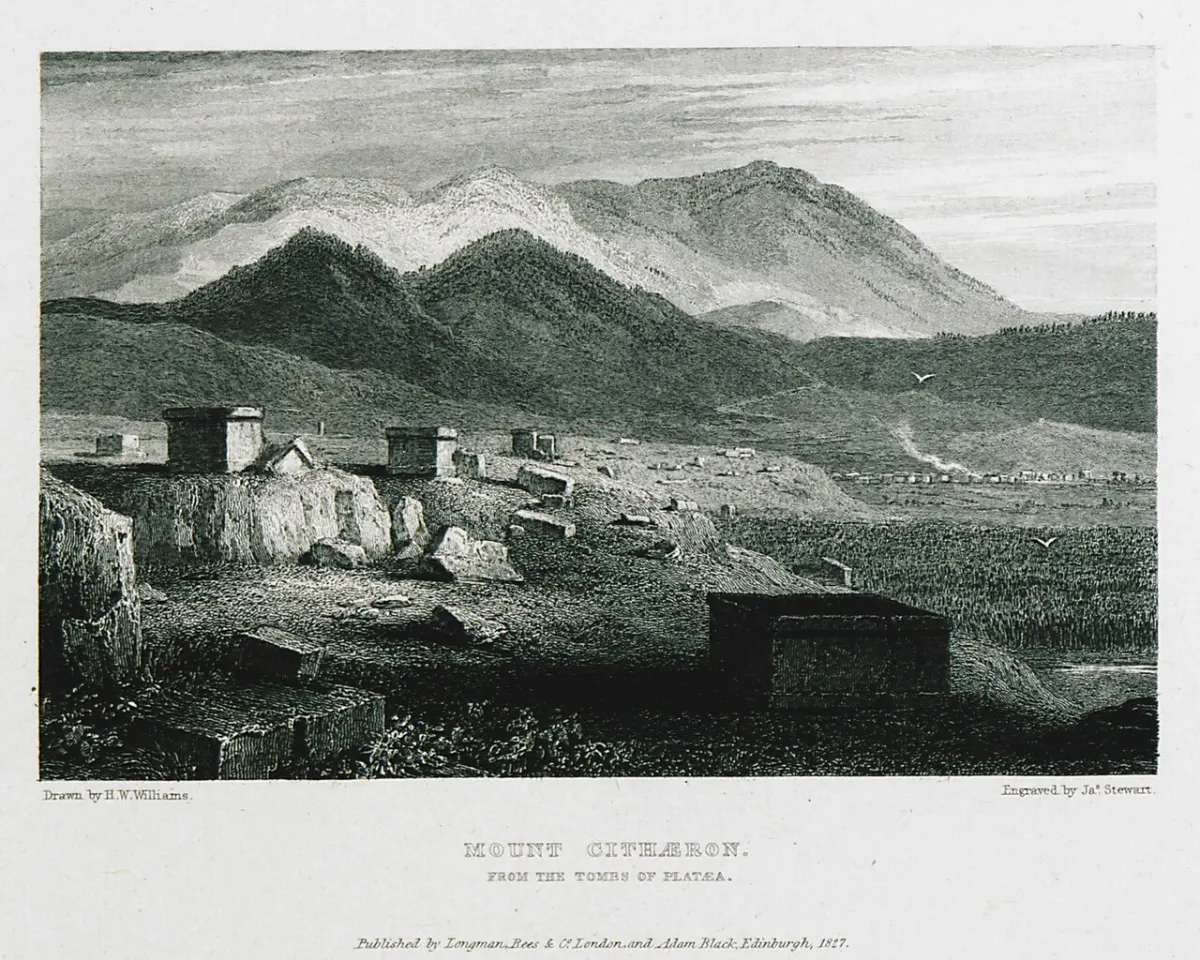
Mount Cithaeron from the tombs of Plataea: engraving after Hugh William Williams, Select Views in Greece, vol. II (1829).
Hugh William Williams · Public domain · via Wikimedia Commons
File:Mount Cithaeron From the tombs of Platea - Williams Hugh William - 1829.jpg
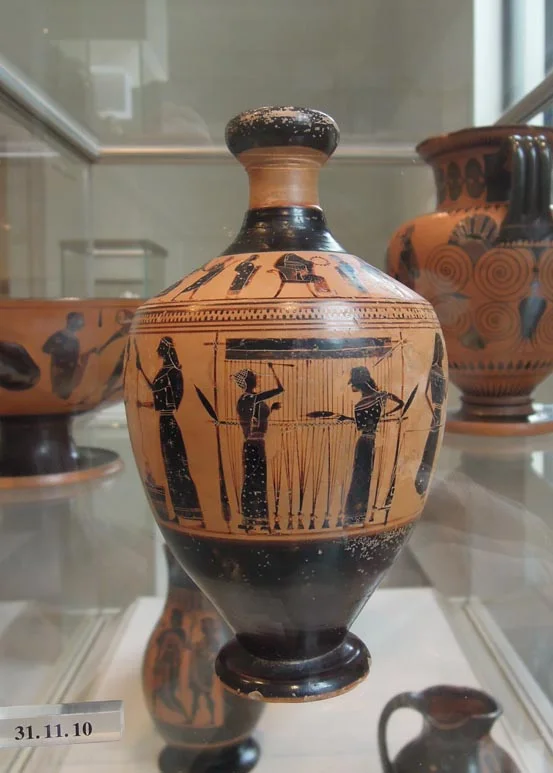
Attic black-figure lekythos attributed to the Amasis Painter, depicting women working wool, mid-6th century BC. New York, Metropolitan Museum of Art 31.11.10.
Amasis Painter; photo: E. S. V. Leigh · CC BY-SA 3.0 · via Wikimedia Commons
File:Amasis Ptr cat 48 lekythos MMA 31.11.10 weaving.JPG
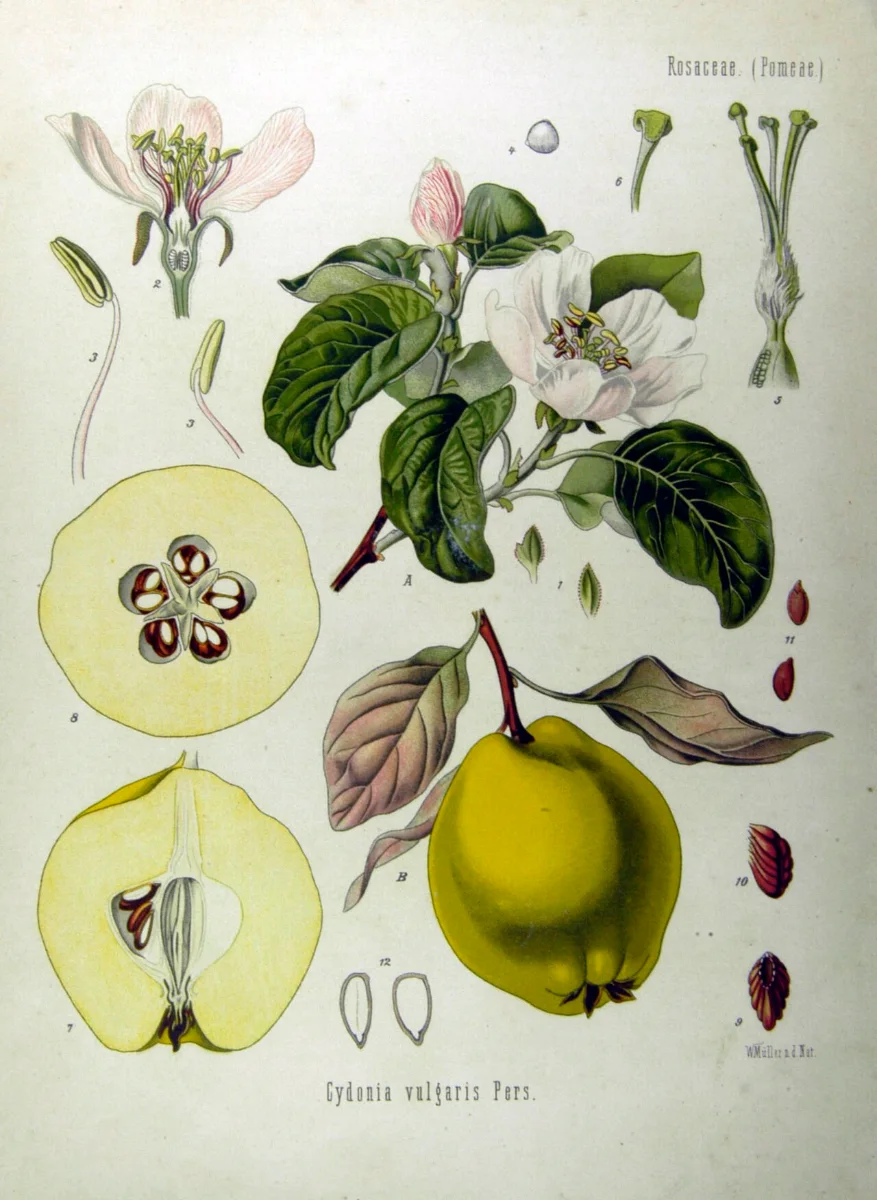
Quince (Cydonia oblonga): flowering branch and fruit, from Köhler’s Medizinal-Pflanzen (1897).
Franz Eugen Köhler (Medizinal-Pflanzen) · Public domain · via Wikimedia Commons
File:Cydonia oblonga - Köhler–s Medizinal-Pflanzen-049.jpg
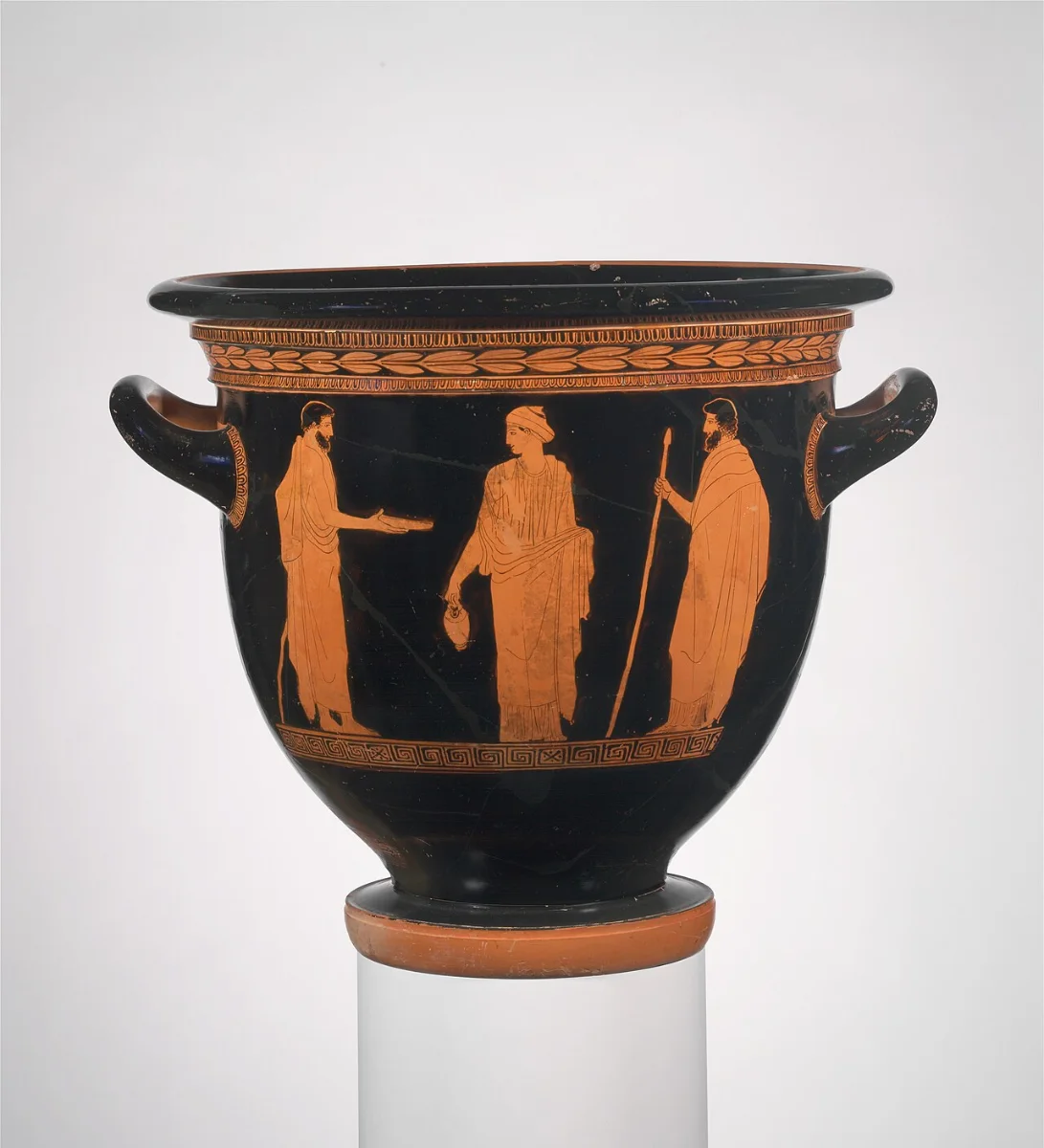
Attic red-figure bell-krater by the Persephone Painter, c. 440 BC: the ascent of Persephone from the underworld. New York, Metropolitan Museum of Art.
Persephone Painter; Metropolitan Museum of Art (Open Access) · CC0 · via Wikimedia Commons · background removed
File:Terracotta bell-krater (bowl for mixing wine and water) MET DP118845.jpg
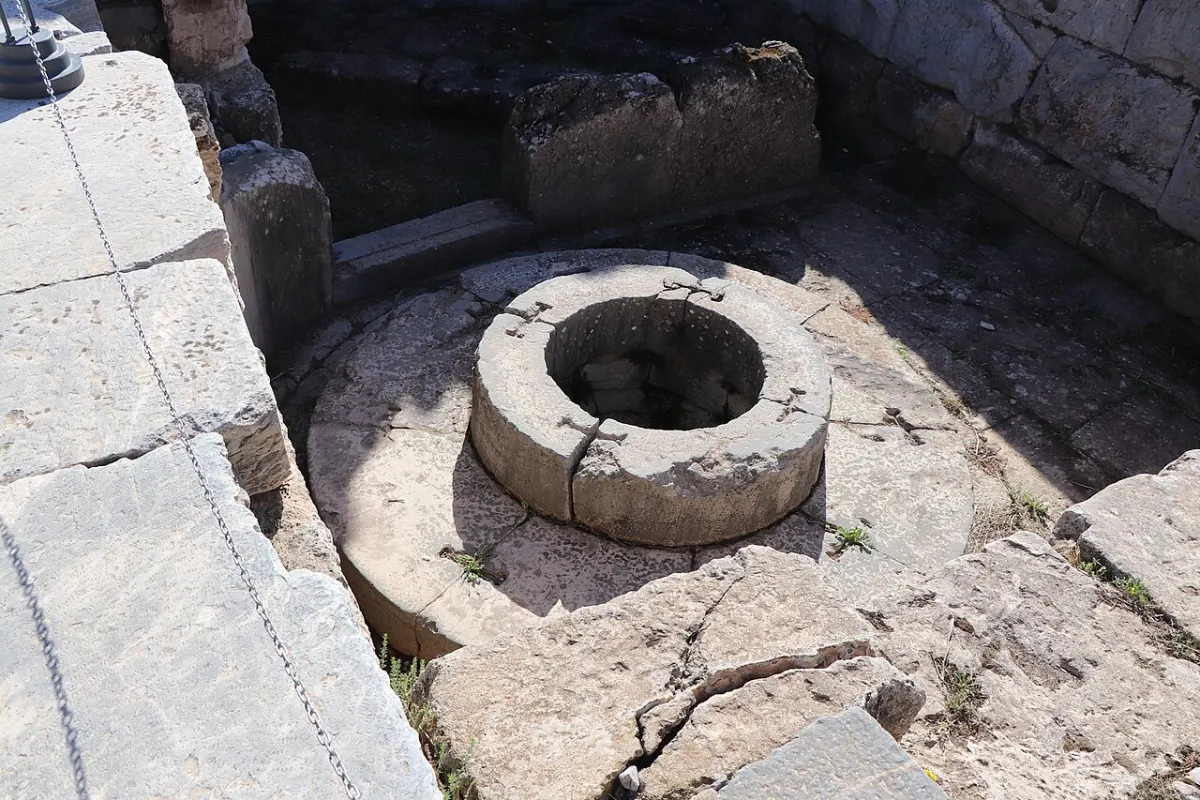
The Kallichoron well, Eleusis.
Furius · CC0 · via Wikimedia Commons
File:Kallichoron well, Eleusis.jpg
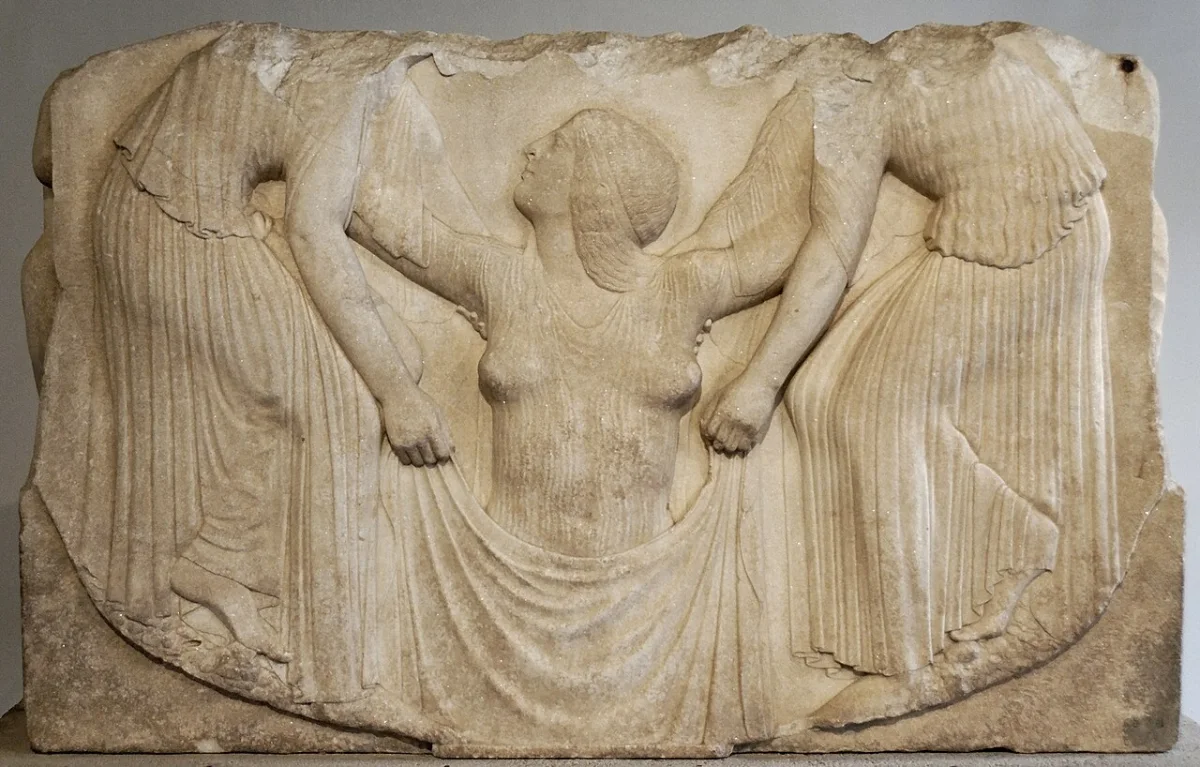
The so-called Ludovisi Throne, main panel: Aphrodite attended by two handmaidens as she rises out of the surf; Thasian marble, c. 460 BC (authenticity disputed). Rome, Palazzo Altemps Inv. 8570.
Unknown Greek sculptor; photo: Marie-Lan Nguyen · Public domain · via Wikimedia Commons
File:Ludovisi throne Altemps Inv8570.jpg
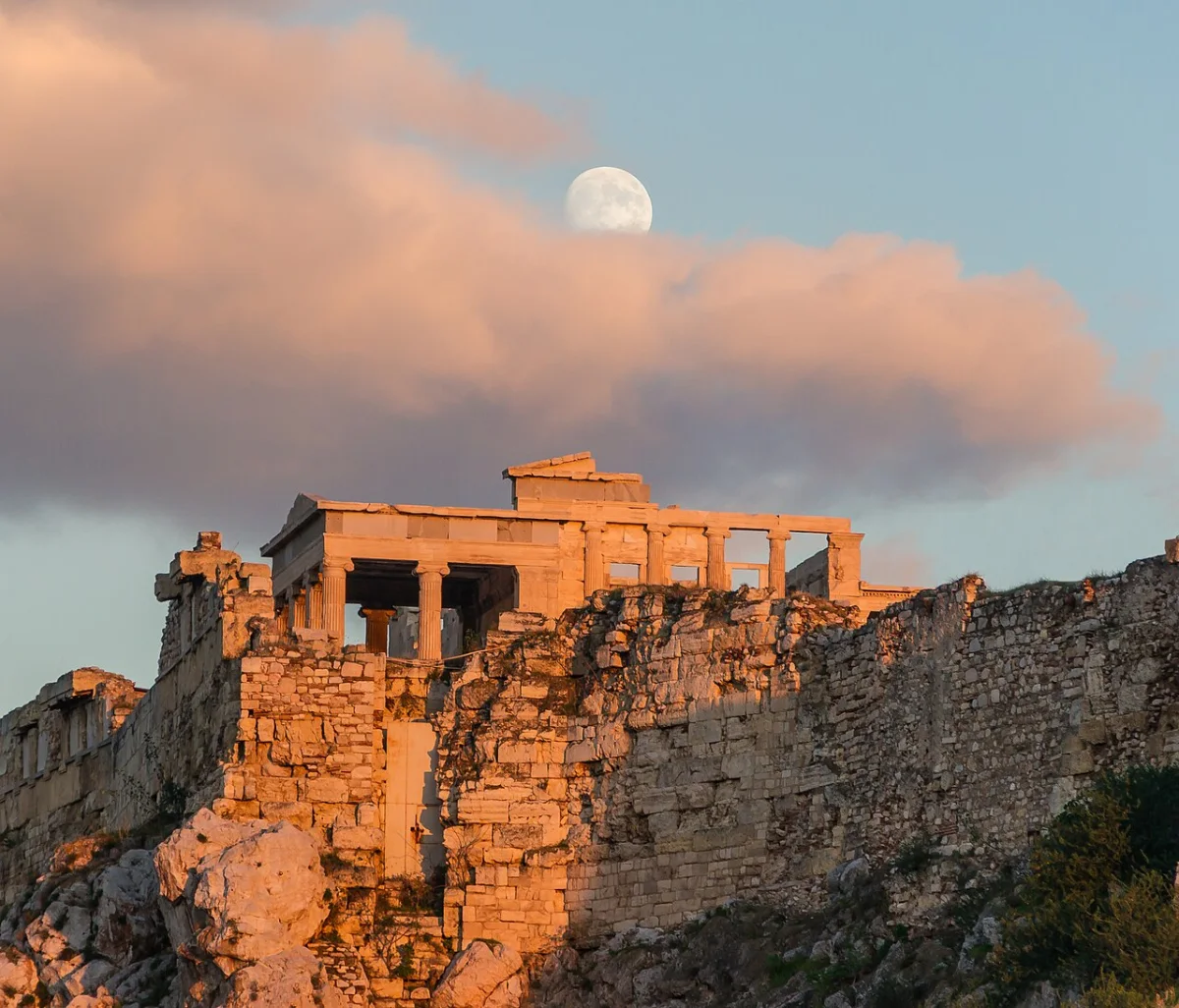
The Acropolis (Erechtheum) of Athens from the west, in evening light, with the moon.
Jebulon · CC0 · via Wikimedia Commons
File:Erechtheum Acropolis Athens evening moon.jpg
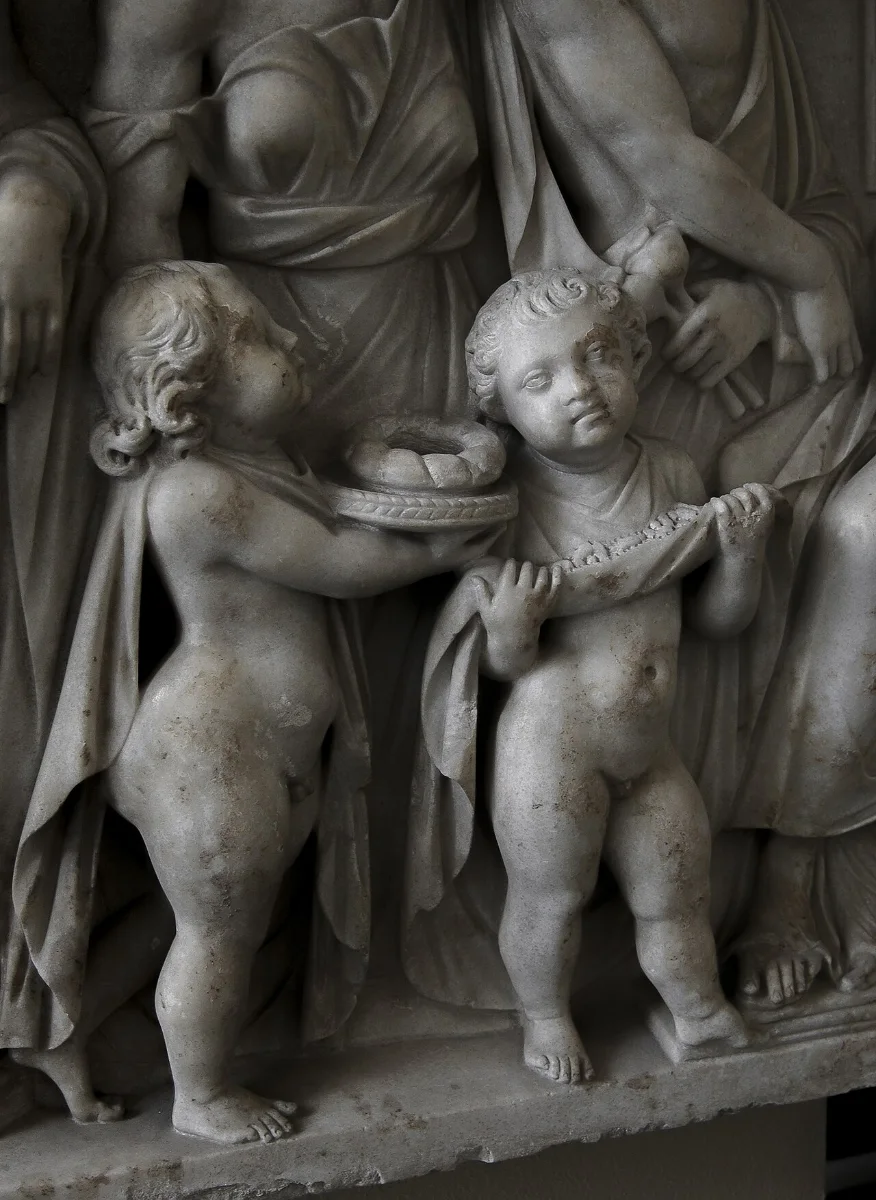
The children of Jason and Medea bring the poisoned wedding gifts to Creusa: detail of the front of a Greek marble sarcophagus, mid-2nd century AD. Berlin, Staatliche Museen Sk 843 b.
Unknown sculptor; photo: Sergey Sosnovskiy · CC BY-SA 2.0 · via Wikimedia Commons
File:Children of Jason and Medea bring poisoned wedding gifts to Creusa. Detail of front panel of sarcophagus. Berlin, State Museums. (39591798645).jpg
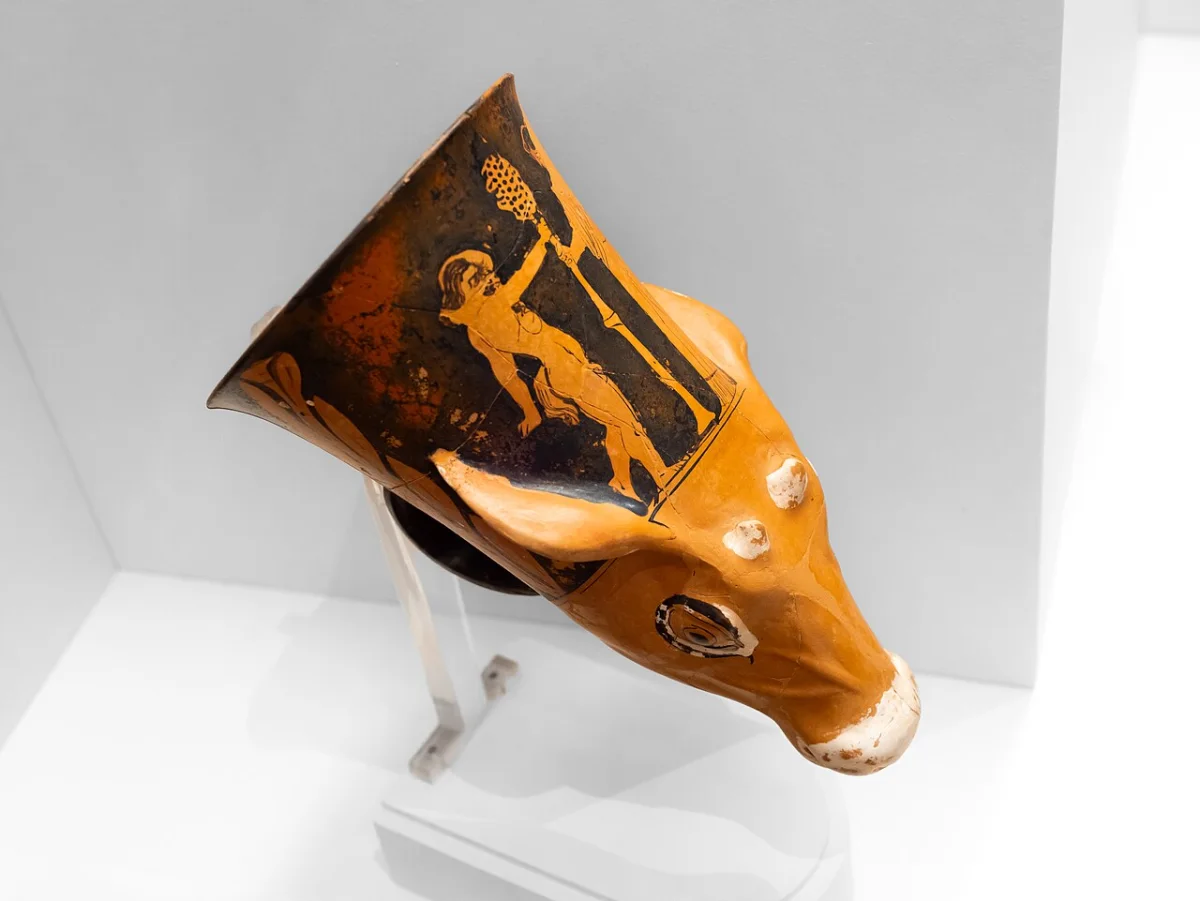
Attic red-figure plastic rhyton in the shape of a fawn’s head, with a satyr and a maenad holding a thyrsus; workshop of the Penthesilea Painter, c. 440–420 BC. Athens, National Archaeological Museum 2055.
Workshop of the Penthesilea Painter; photo: ArchaiOptix · CC BY-SA 4.0 · via Wikimedia Commons
File:Classical Attic plastic rhyton - ARV extra - fawn´s head - satyr and maenad - Αθήνα EAM 2055 - 01.jpg
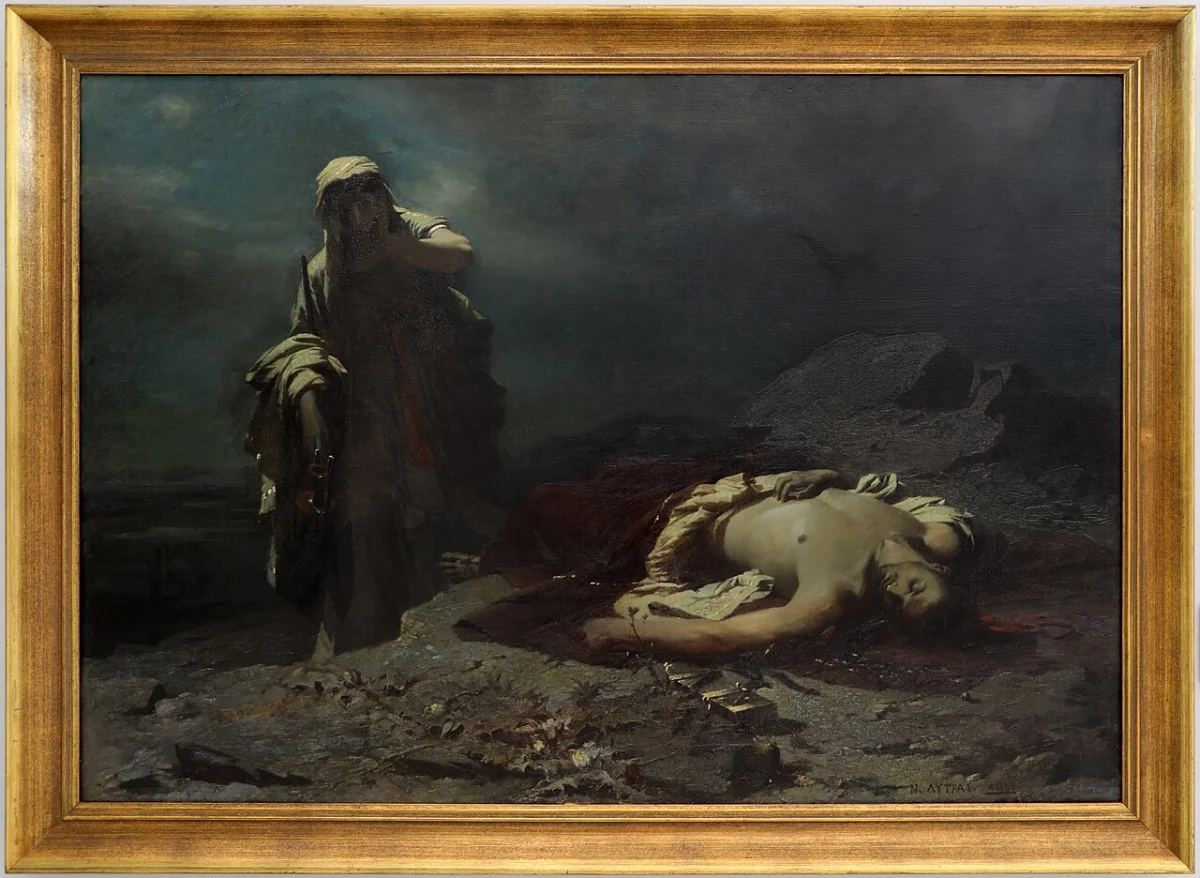
Nikiforos Lytras, Antigone before the dead Polynices, 1865. Athens, National Gallery of Greece.
Nikiforos Lytras; photo: Francesco Bini · CC BY-SA 4.0 · via Wikimedia Commons
File:Nikephoros lytras, antigone e polynice, 1865.jpg
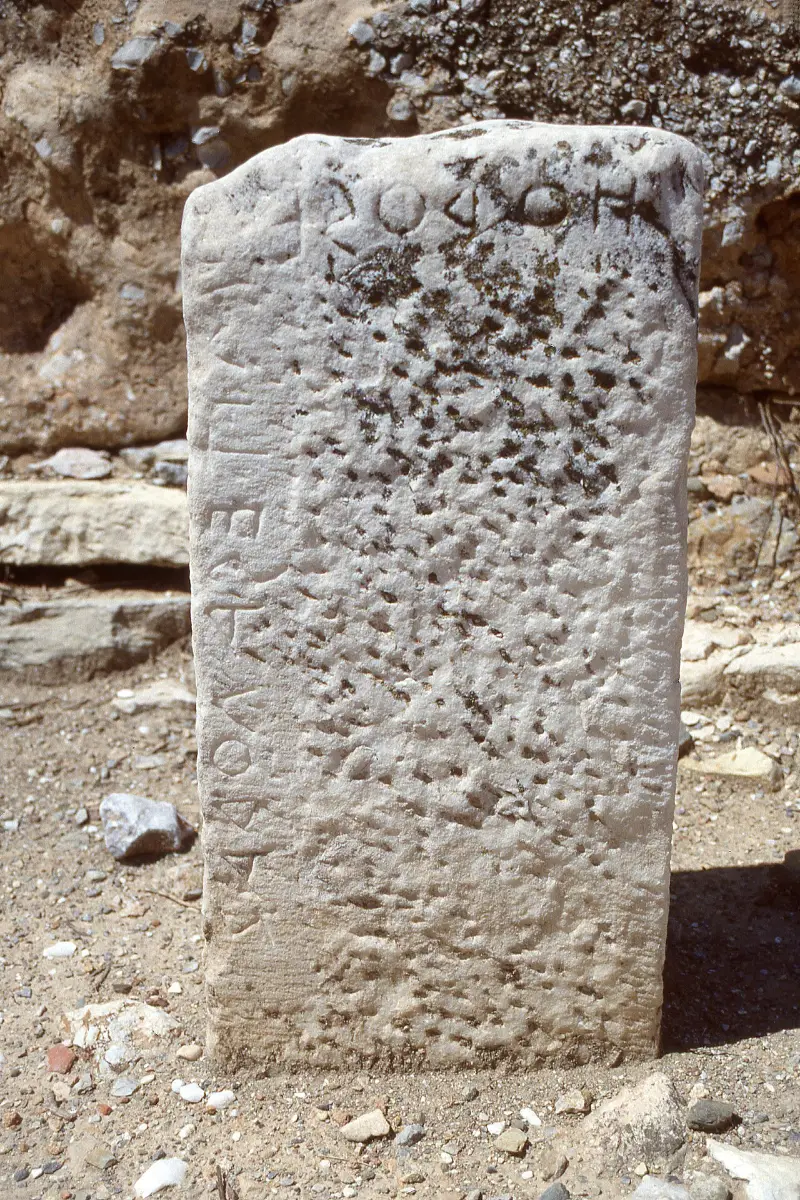
Horos (boundary stone) of the Athenian Agora (I 7039), in situ in 1991 near the south-west corner of the square; it has since been replaced by a copy.
Mark Landon · CC BY 4.0 · via Wikimedia Commons
File:Athens Agora horos I 7039 in situ.jpg
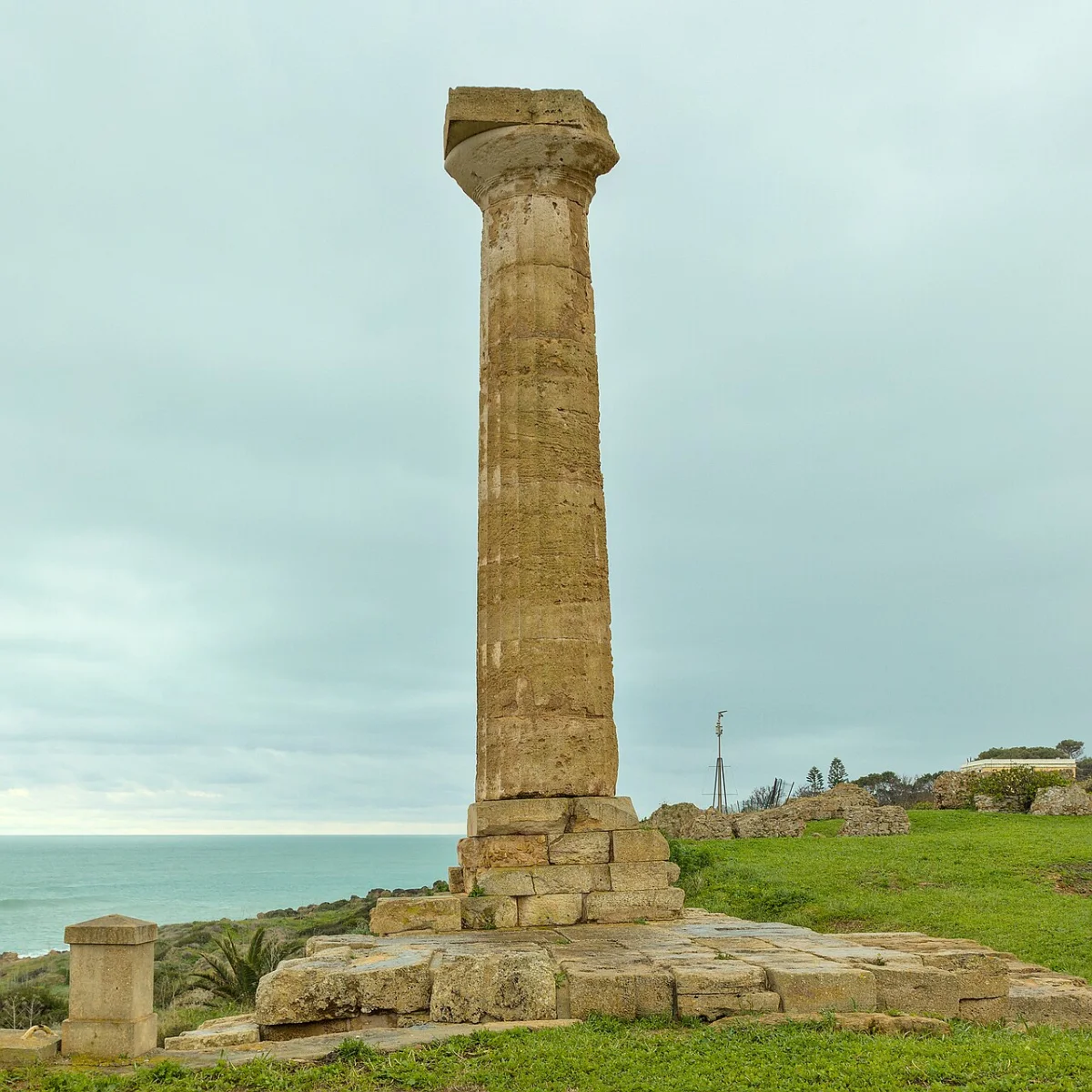
Capo Colonna (Crotone, Calabria): the column remaining from the temple of Hera Lacinia.
Benjamin Smith · CC BY-SA 4.0 · via Wikimedia Commons
File:Capo Colonna - Colonna.jpg
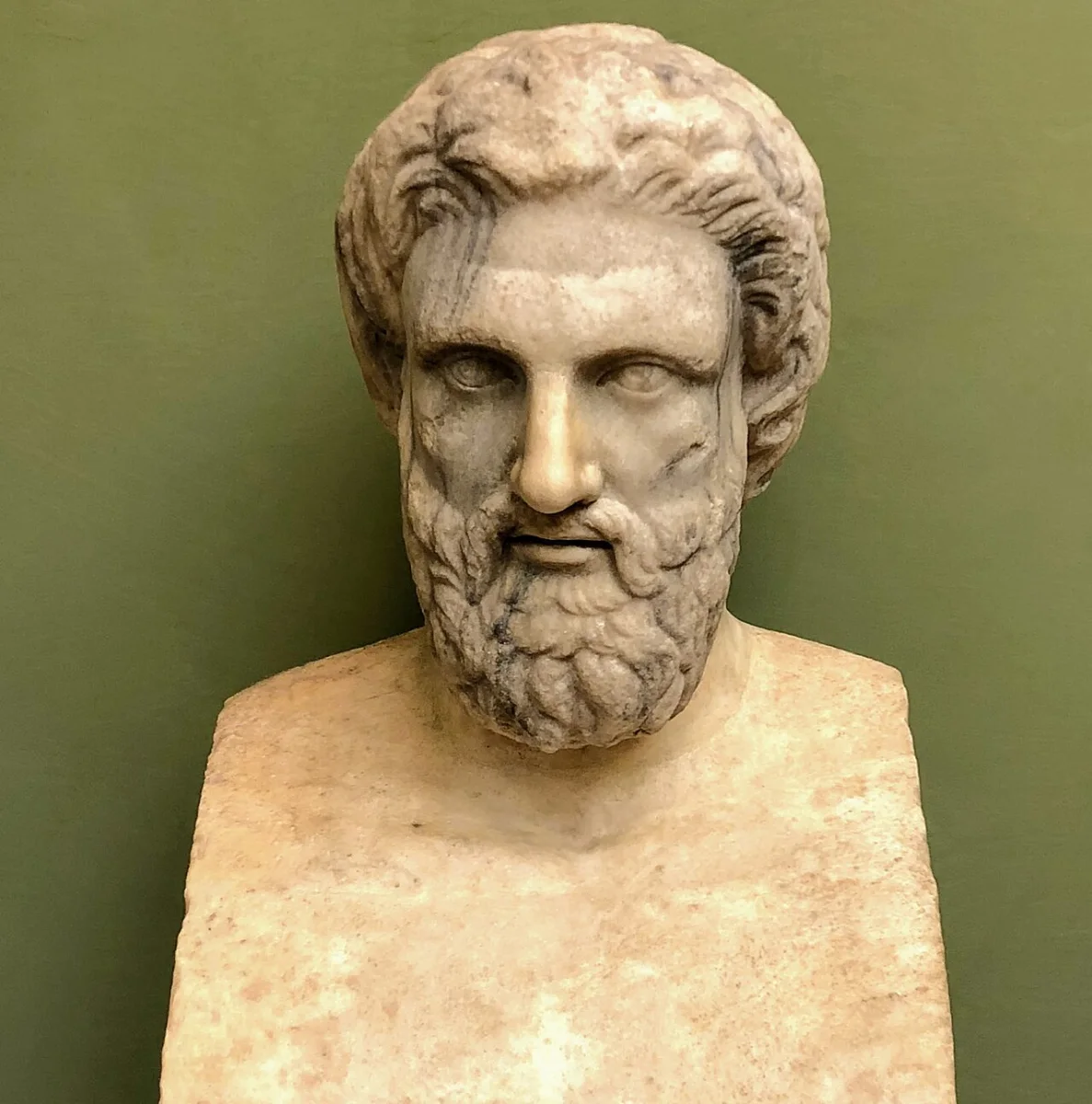
Bust of Aristophanes: head on a herm, 1st century AD. Florence, Uffizi, Inv. 1914 no. 372.
Alexander Mayatsky · CC BY-SA 4.0 · via Wikimedia Commons
File:Bust of Aristophanes (cropped).jpg
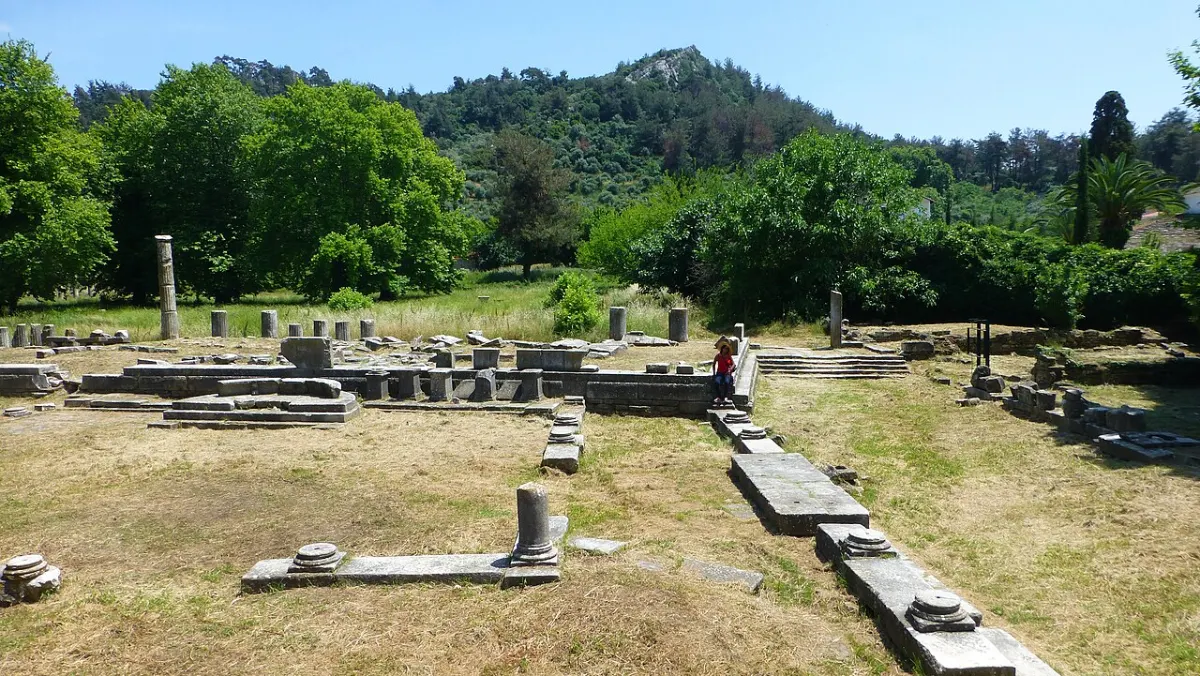
The ancient agora of Thasos (Limenas).
DocWoKav · CC BY-SA 4.0 · via Wikimedia Commons
File:Ancient Agora, Thasos-Limenas.jpg
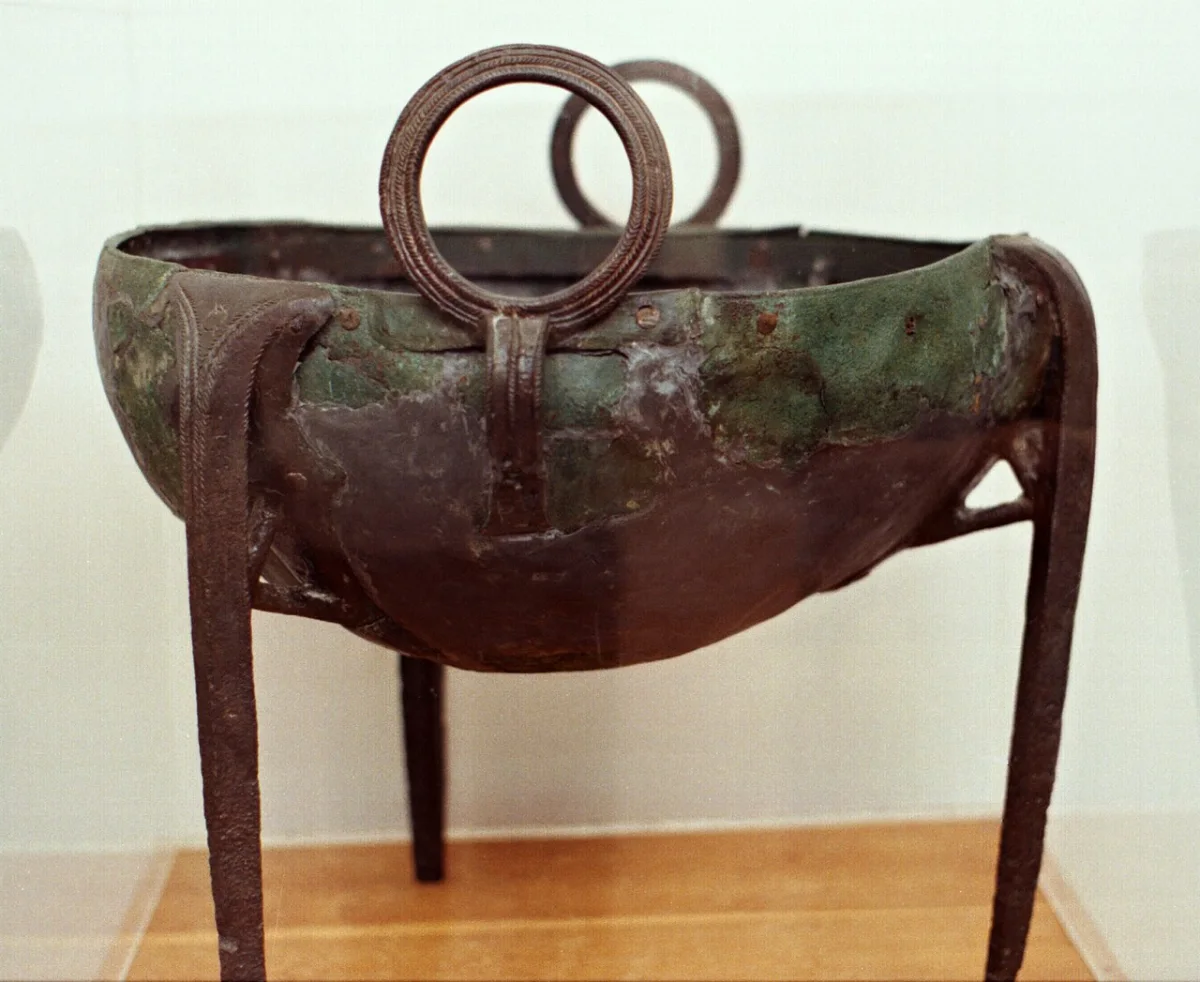
Large bronze tripod cauldron, the oldest preserved at Olympia, around 800 BC. Archaeological Museum of Olympia.
Zde · CC BY-SA 4.0 · via Wikimedia Commons
File:Tripod cauldron, bronze, 800 BC, AM Olympia, Olym03.jpg
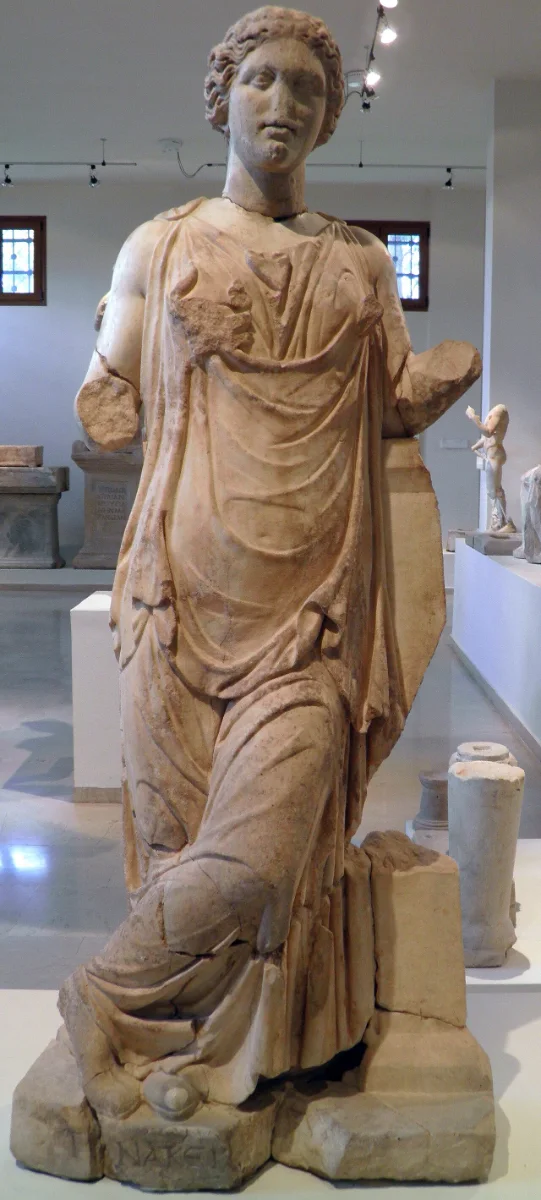
Statuette of the goddess Panacea, one of the children of Asclepius, 2nd century AD. Archaeological Museum of Dion.
Carole Raddato · CC BY-SA 2.0 · via Wikimedia Commons · background removed
File:The children of Asklepios, Panakeia, 2nd c. AD, Archaeological Museum, Dion (7076604419) cropped detail.jpg
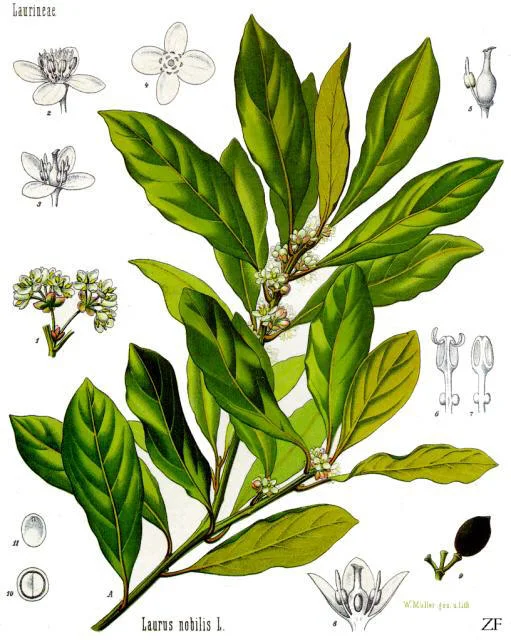
Laurel (Laurus nobilis): plate from Köhler’s Medizinal-Pflanzen (1897), drawn by Walther Otto Müller.
Walther Otto Müller (Köhler’s Medizinal-Pflanzen) · Public domain · via Wikimedia Commons
File:Laurus nobilis - Köhler–s Medizinal-Pflanzen-086.jpg
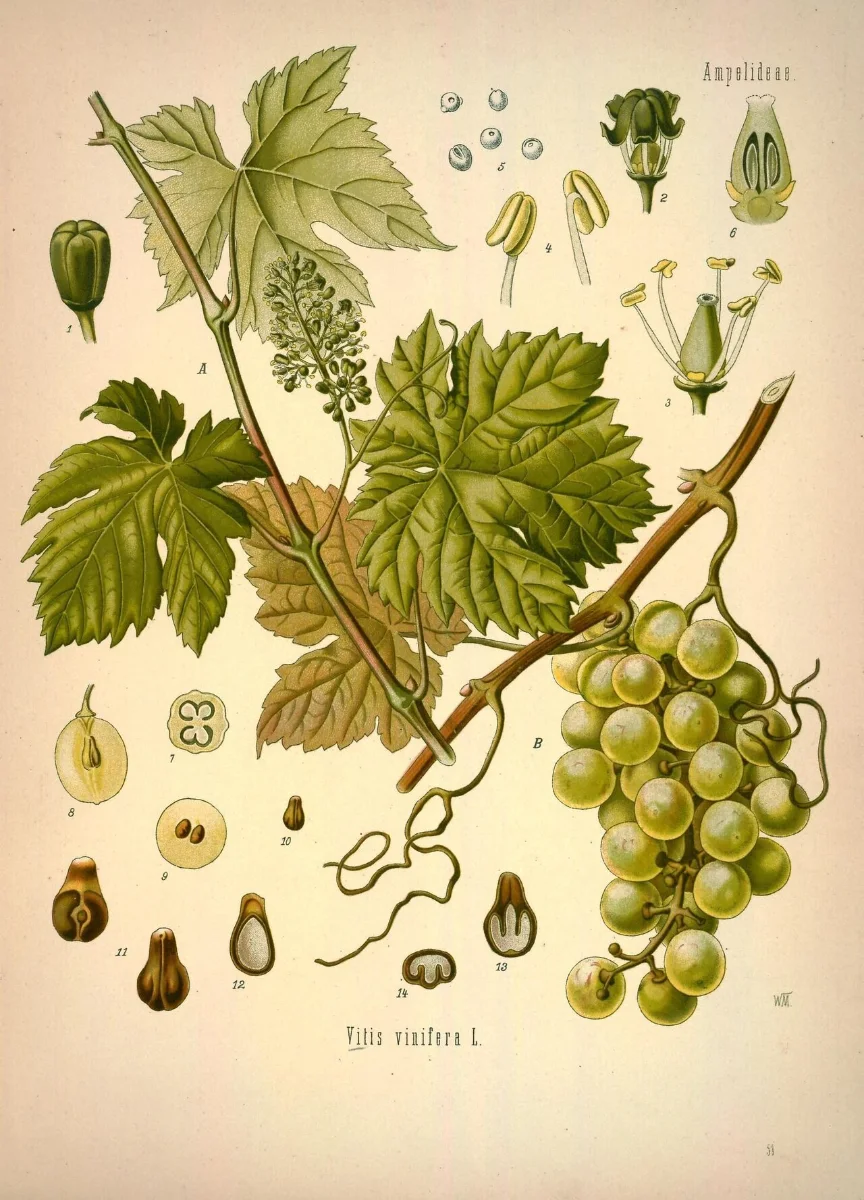
The grape vine (Vitis vinifera): plate 51 of Köhler’s Medizinal-Pflanzen (1887). Biodiversity Heritage Library.
F. E. Köhler and others; scan: Biodiversity Heritage Library · Public domain · via Wikimedia Commons
File:Köhler's Medizinal-Pflanzen in naturgetreuen Abbildungen mit kurz erläuterndem Texte (Plate 51) (7118324671).jpg
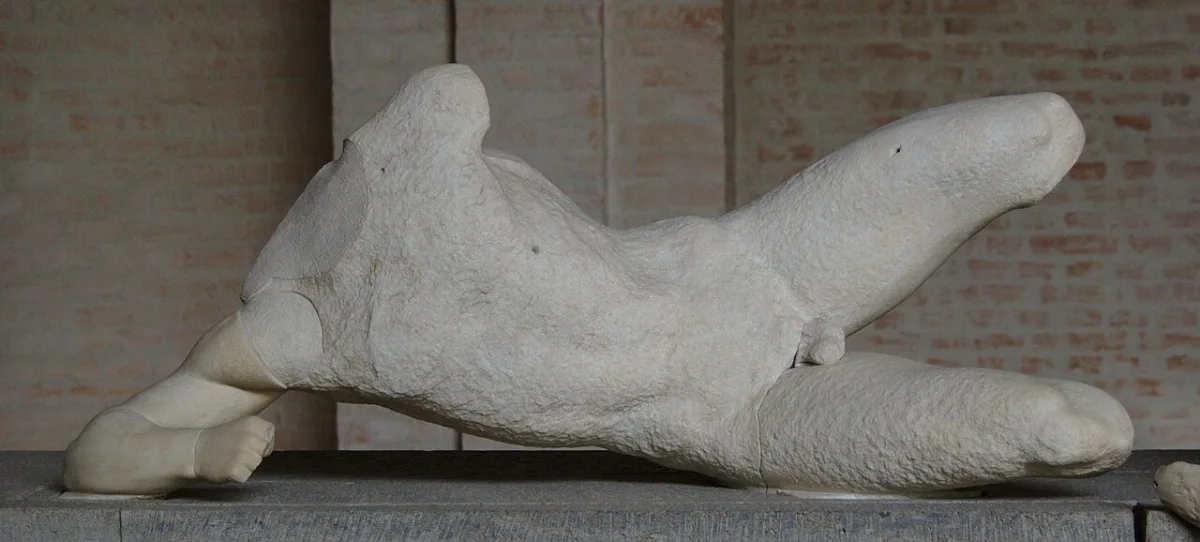
Fallen Greek warrior, figure W-XIV of the west pediment of the temple of Aphaia on Aegina, c. 505–500 BC. Munich, Glyptothek.
Unknown sculptor; photo: Bibi Saint-Pol · Public domain · via Wikimedia Commons · background removed
File:Aphaia pediment warrior W-XIV Glyptothek Munich.jpg
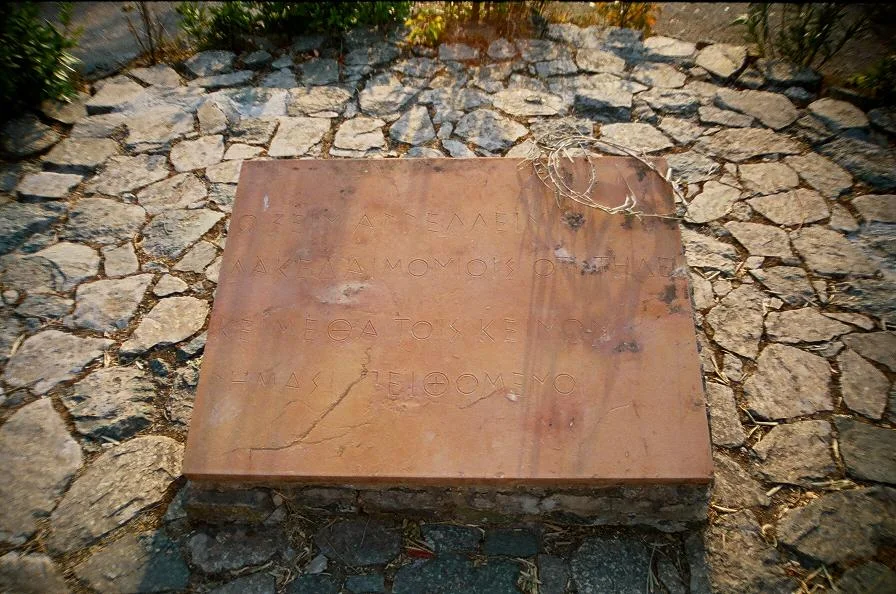
The memorial epitaph of the Spartans who died at Thermopylae: “Go tell the Spartans, stranger passing by, that here obedient to their laws we lie.”
Rafal Slubowski, N. Pantelis · CC BY-SA 3.0 · via Wikimedia Commons
File:Thermopiles memorial epitaph.jpg
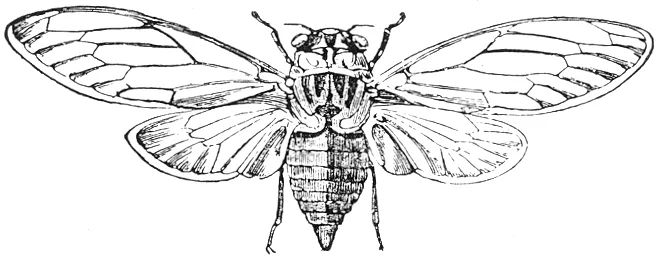
Cicada orni: figure from Richard Hertwig, A Manual of Zoology (1909), after Schmarda.
Richard Hertwig (after Schmarda) · Public domain · via Wikimedia Commons
File:Cicada orni illustration.png
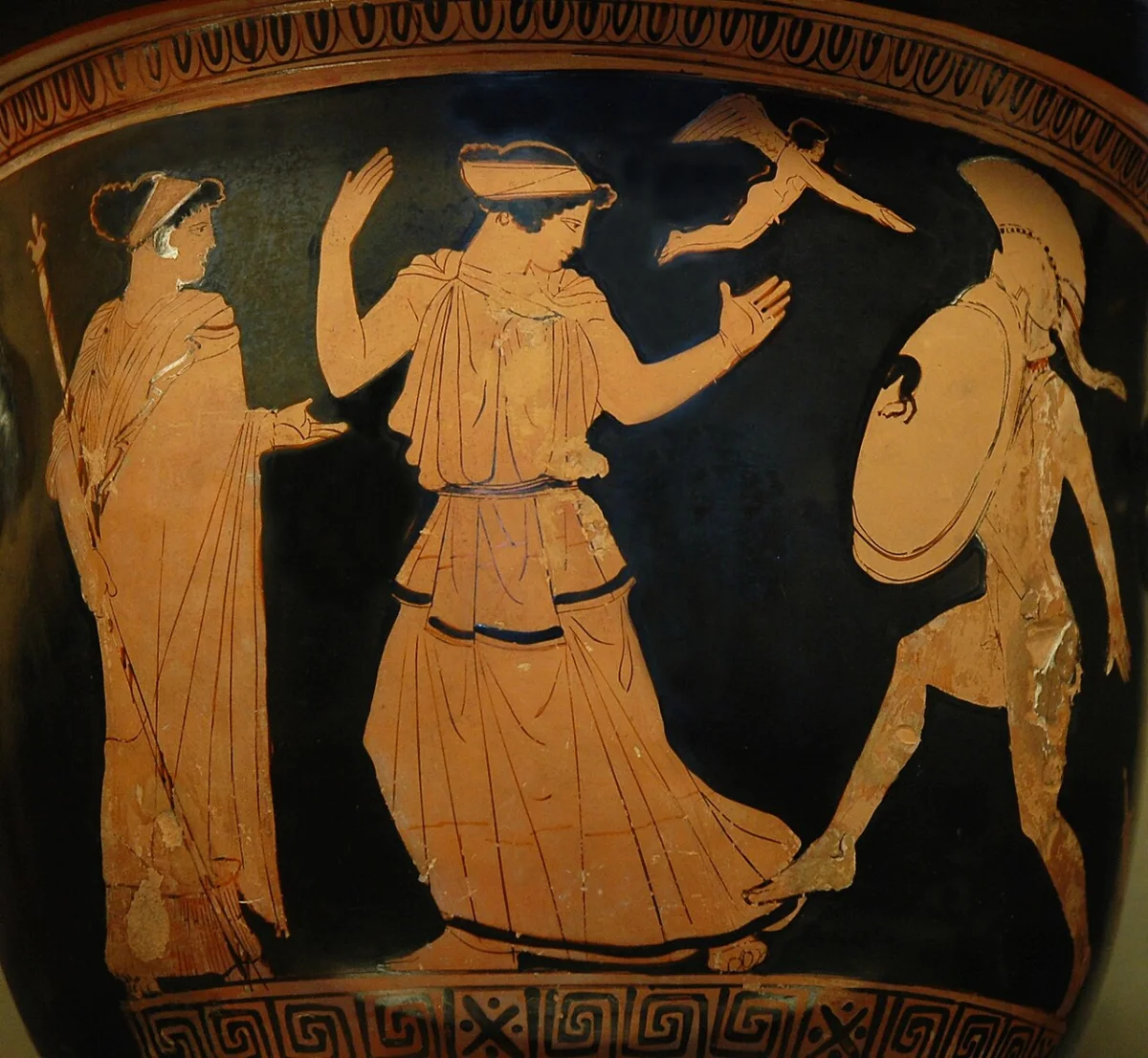
Menelaus means to strike Helen but, struck by her beauty, drops his sword; Eros and Aphrodite watch: Attic red-figure krater by the Menelaus Painter, c. 450–440 BC, from Gnathia. Paris, Louvre G 424.
Menelaus Painter; photo: Jastrow (2006) · Public domain · via Wikimedia Commons
File:Helen Menelaus Louvre G424.jpg
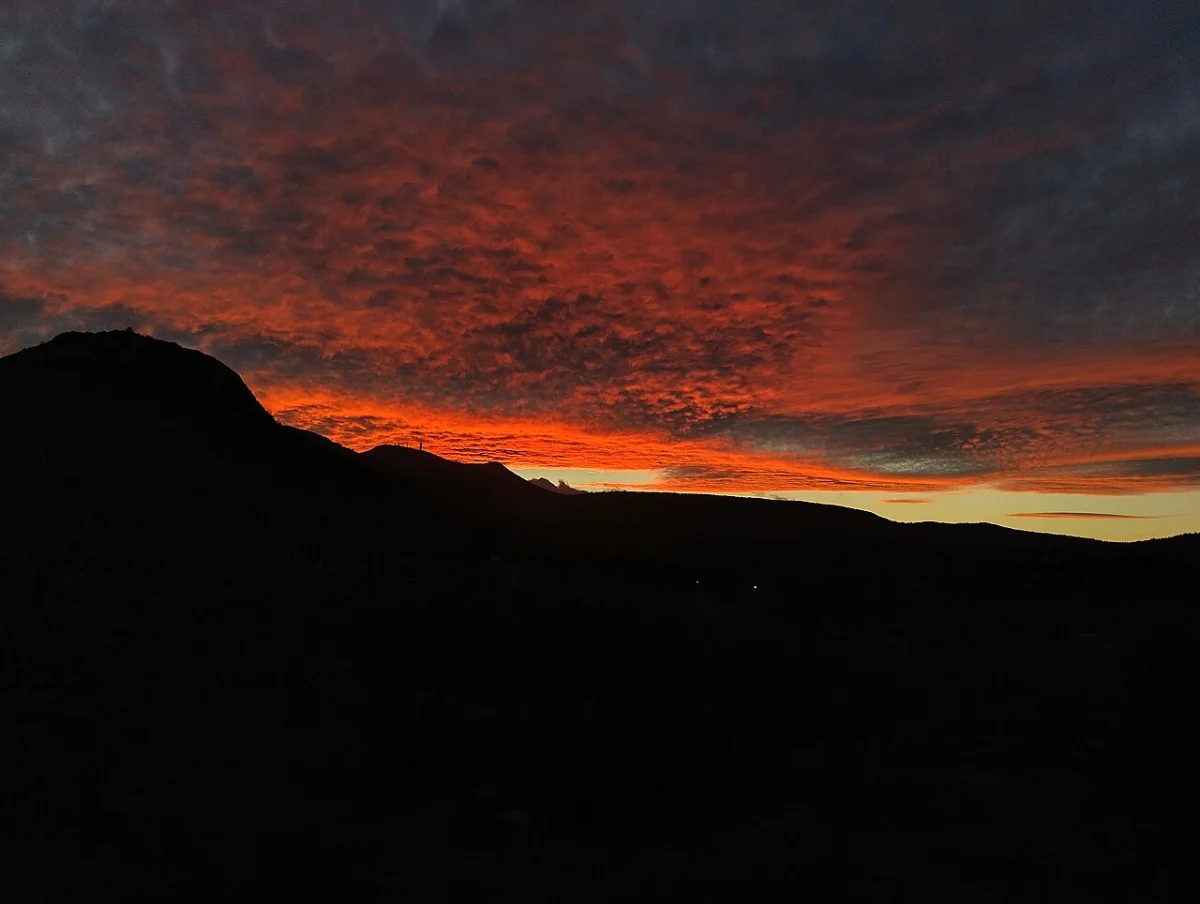
Clouds above Mount Parnitha (Parnes) after sunset.
Lia Greece · CC0 · via Wikimedia Commons
File:20251026 Parnitha.jpg
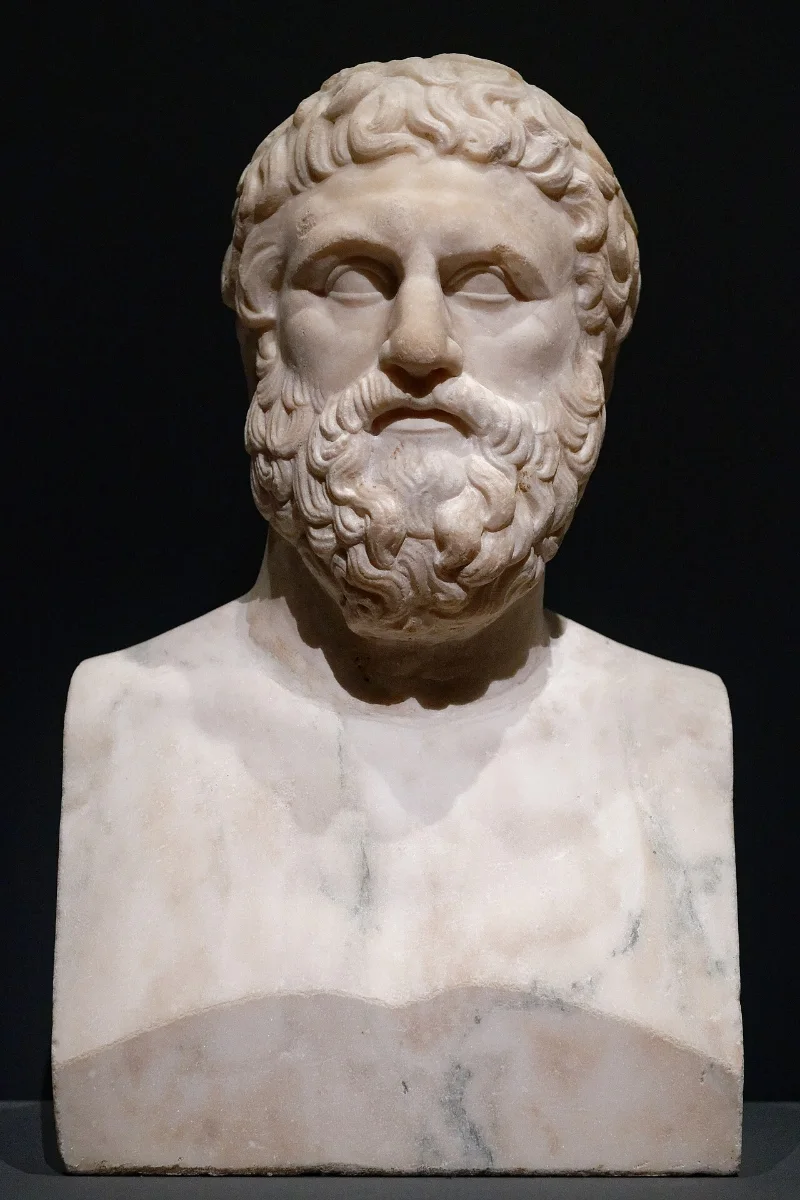
Herm of Pittacus (Campana collection). Paris, Louvre Ma 2340.
Marie-Lan Nguyen · Public domain · via Wikimedia Commons
File:Pittacos Campana Louvre Ma2340.jpg
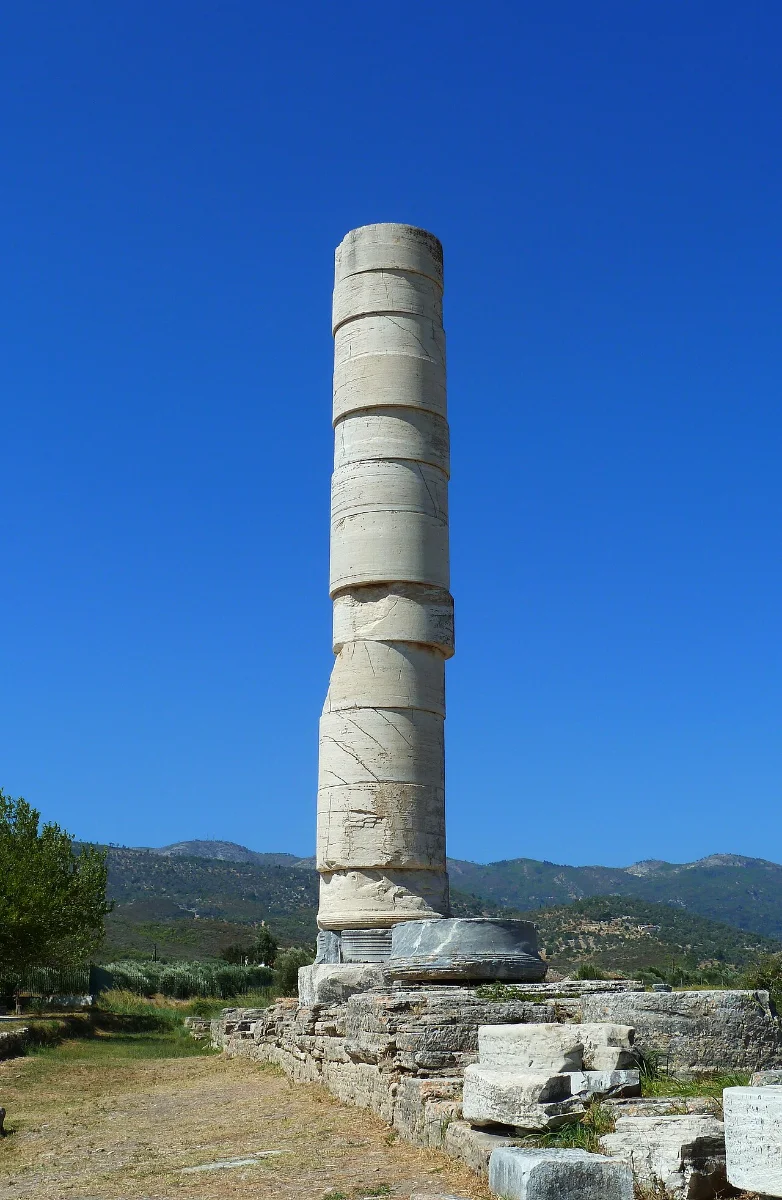
The Heraion of Samos: the only column still standing, about ten metres high, of the temple of Hera.
Kramer96 · CC BY 3.0 · via Wikimedia Commons
File:HeraionSamos.jpg
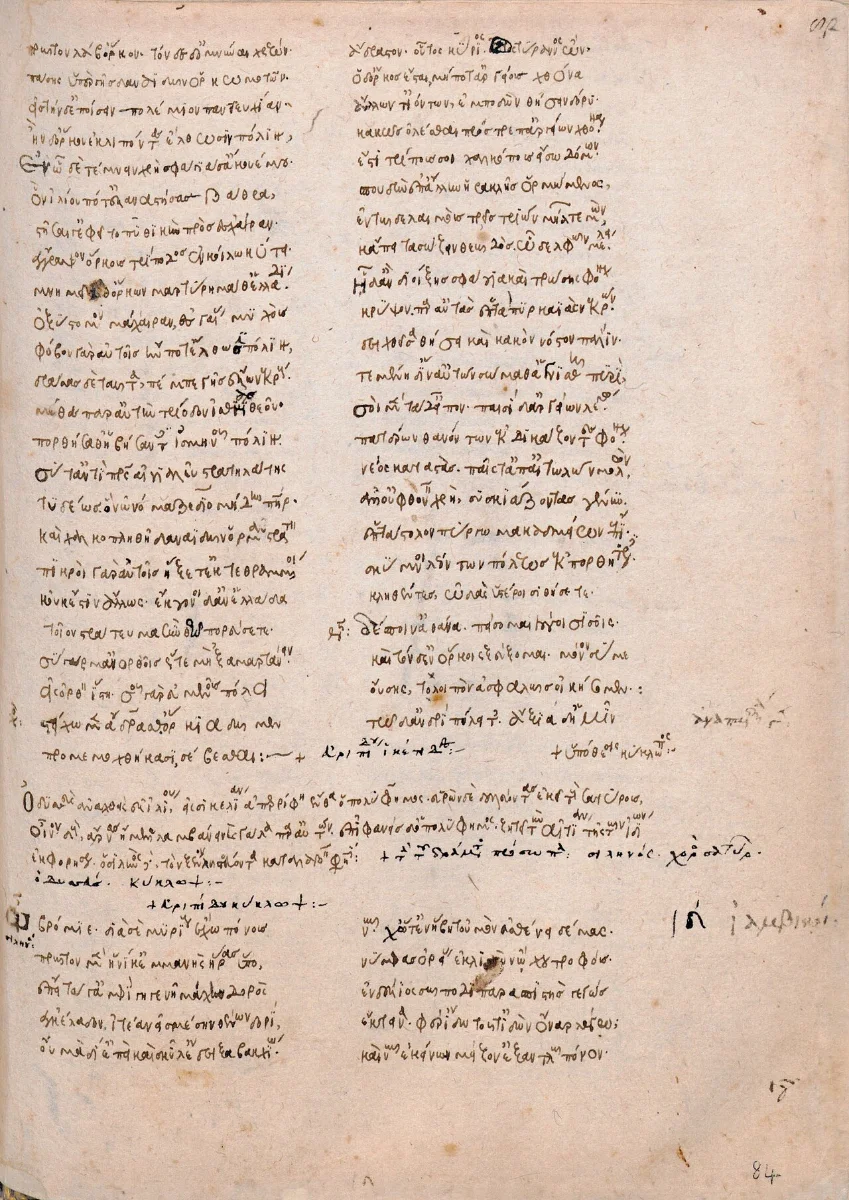
Euripides’ Cyclops with its hypothesis: Florence, Biblioteca Medicea Laurenziana, Plut. 32.2, fol. 84r, fourteenth century.
Unknown Byzantine scribe; scan: Biblioteca Medicea Laurenziana · Public domain · via Wikimedia Commons
File:Euripides - Cyclops - Biblioteca Medicea Laurenziana (Plut.32.2 (84r)).jpg
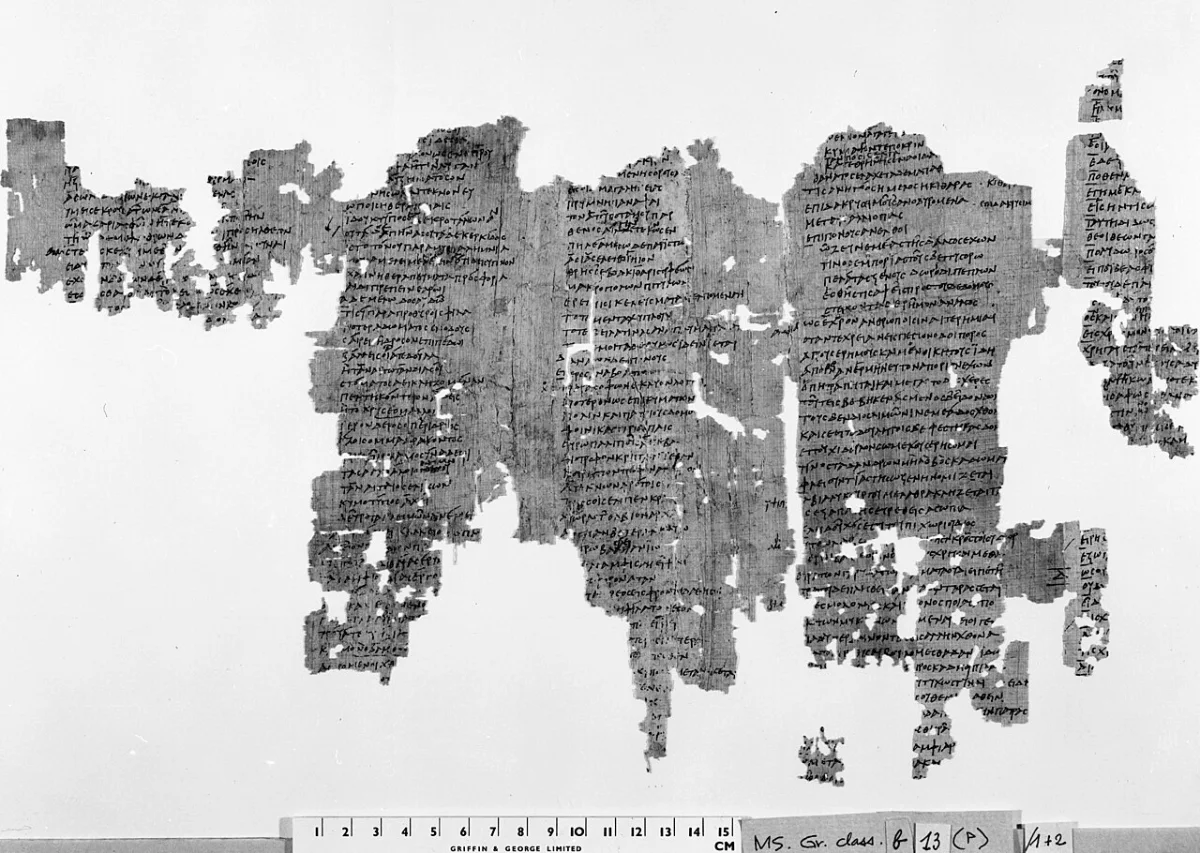
Papyrus Oxyrhynchus VI 852, fragment I, 2nd–3rd century AD: Euripides’ Hypsipyle.
Euripides (text); photograph: Oxyrhynchus Papyri project · Public domain · via Wikimedia Commons · background removed
File:P.Oxy. VI 852 (i).jpg
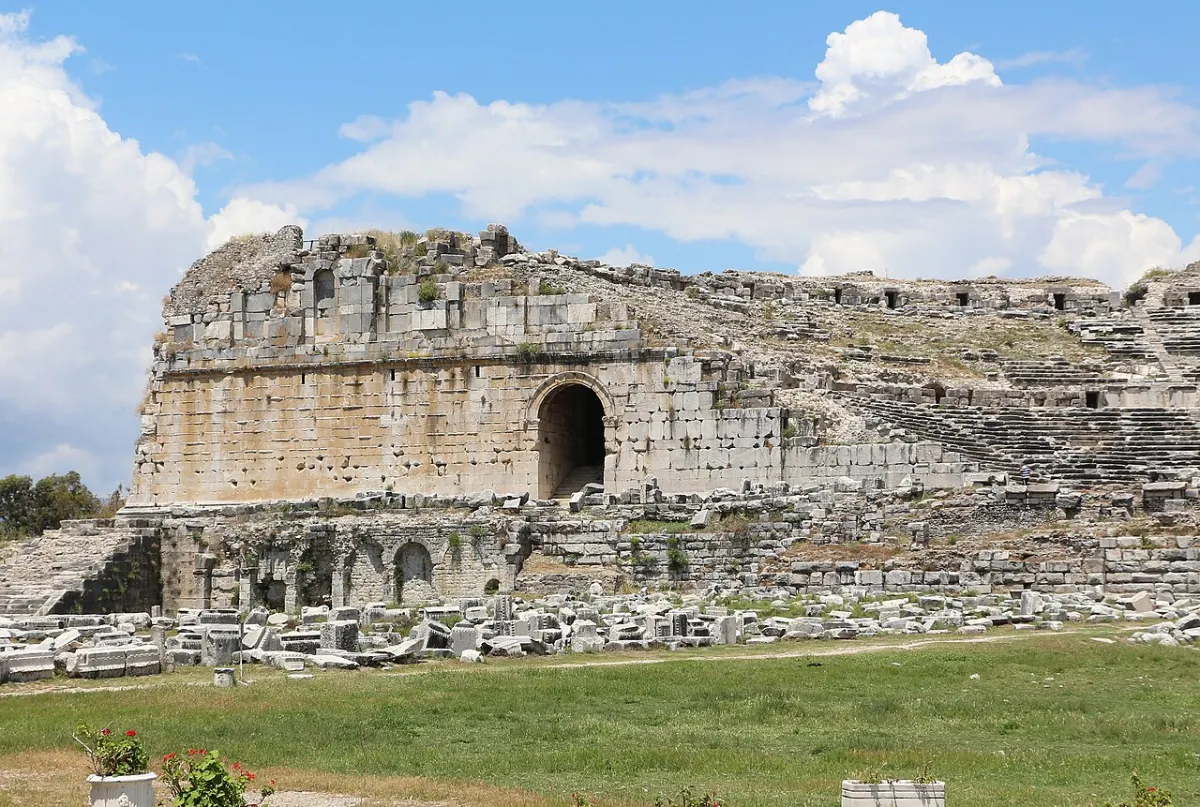
Left entrance of the ancient Greek theatre at Miletus, Turkey.
Bernard Gagnon · CC BY-SA 3.0 · via Wikimedia Commons
File:Miletus - Ancient Greek theatre 02.jpg
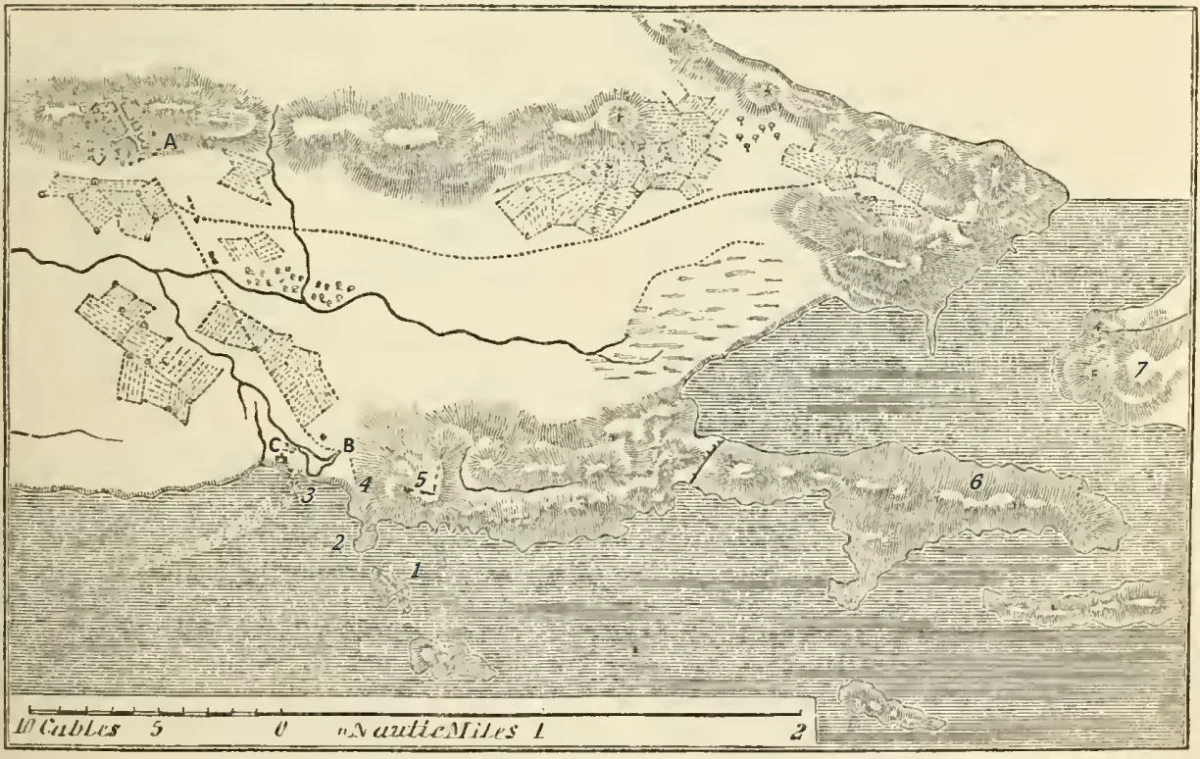
Plan of the neighbourhood of Megara, with Nisaea and Minoa: from William Smith’s Dictionary of Greek and Roman Geography (1854).
William Smith (Dictionary of Greek and Roman Geography) · Public domain · via Wikimedia Commons
File:Plan of the Neighbourhood of Megara.jpg
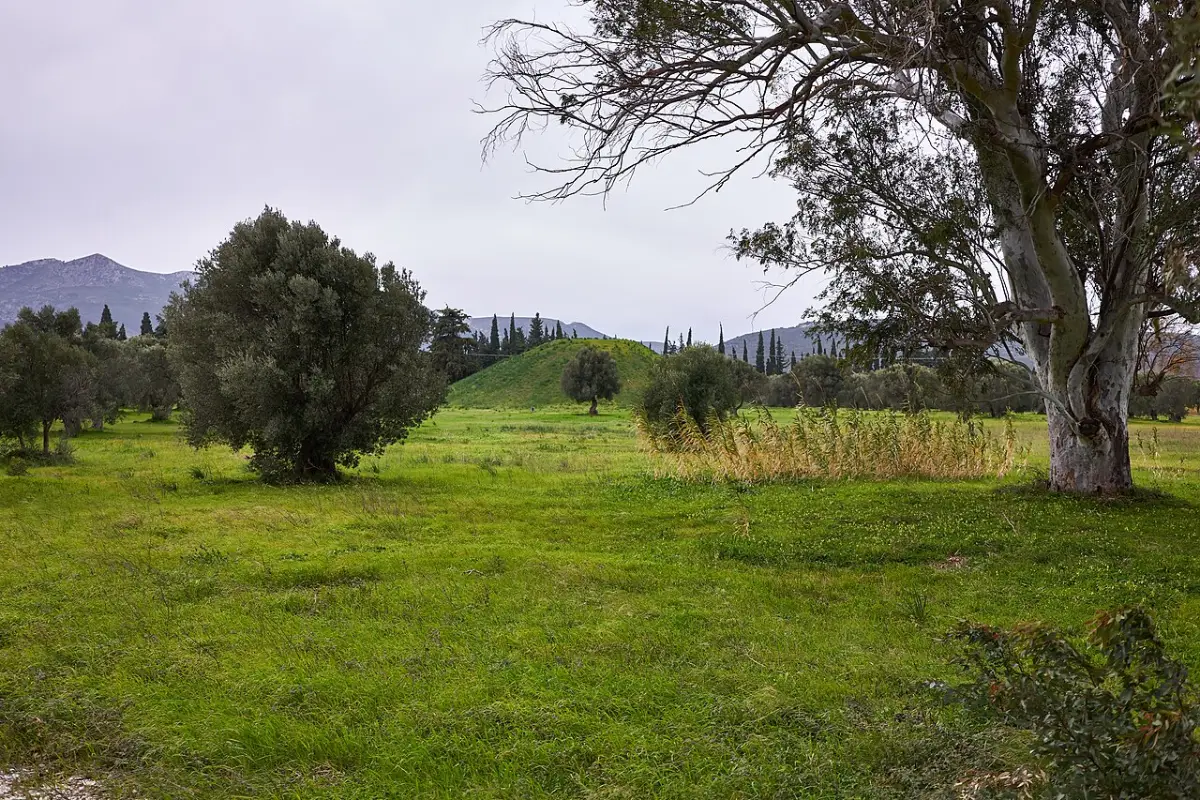
The tumulus (tomb) of the Athenians on the plain of Marathon, Attica.
George E. Koronaios · CC0 · via Wikimedia Commons
File:The tumulus (tomb) of the Athenians at Marathon.jpg
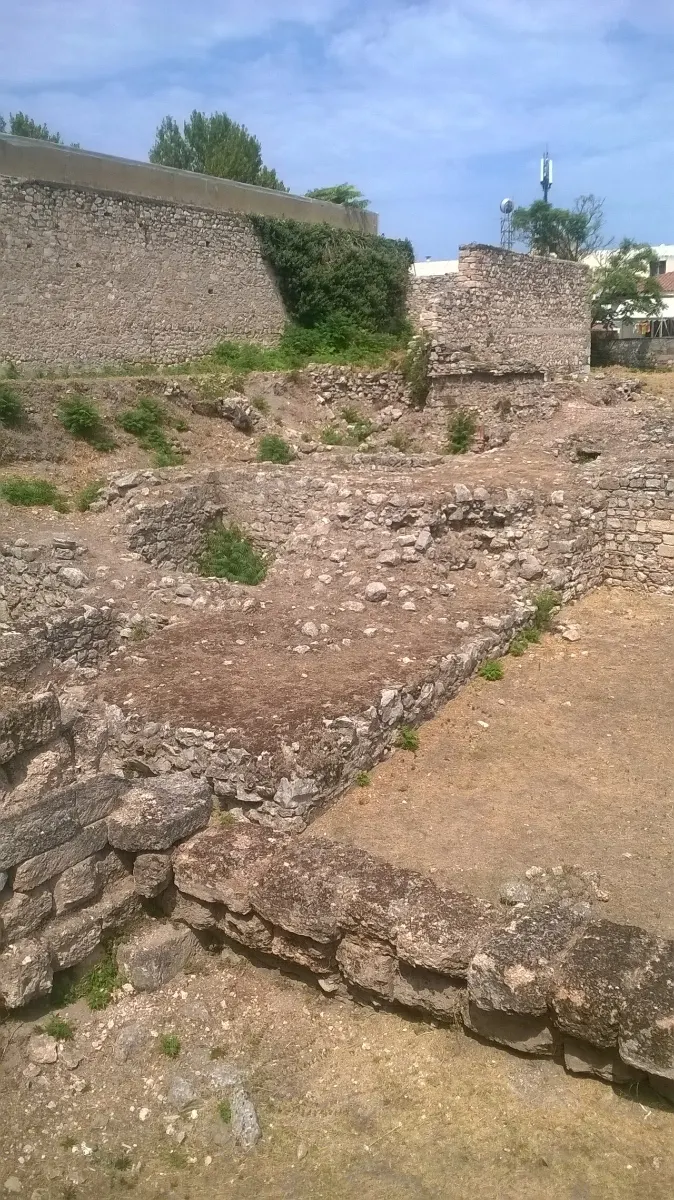
The Cadmea, the citadel of ancient Thebes.
Mirjanamimi · CC BY-SA 4.0 · via Wikimedia Commons
File:Cadmea, Thebes 1.jpg
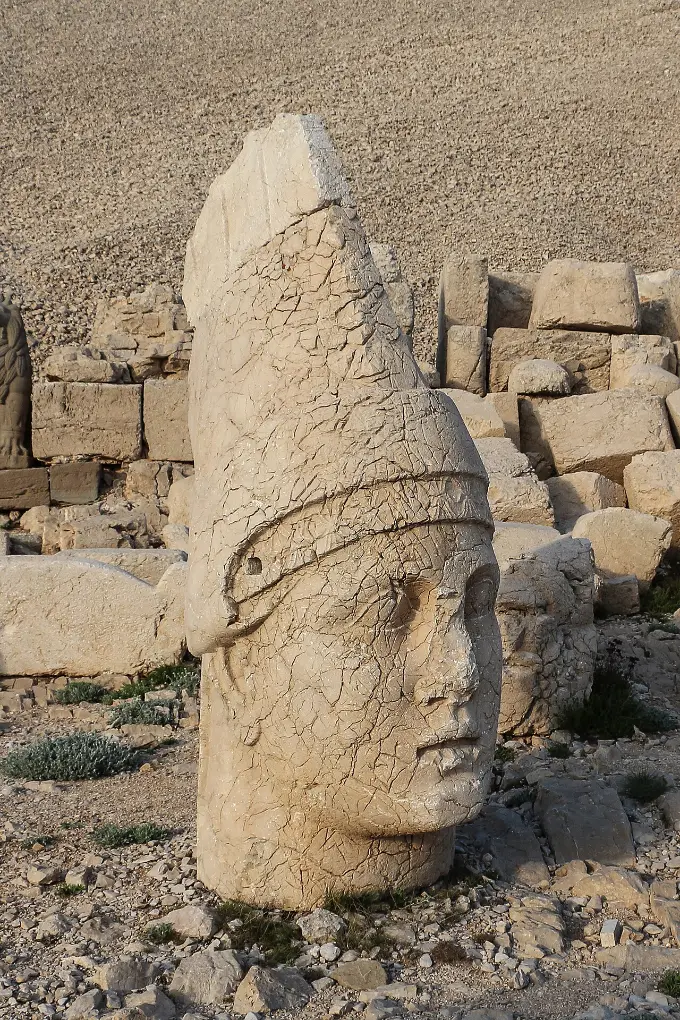
Head of Antiochus I Theos of Commagene on the western terrace of Nemrut Dağı, Turkey.
Bernard Gagnon · CC BY-SA 3.0 · via Wikimedia Commons
File:Nemrut Dağı 07.jpg
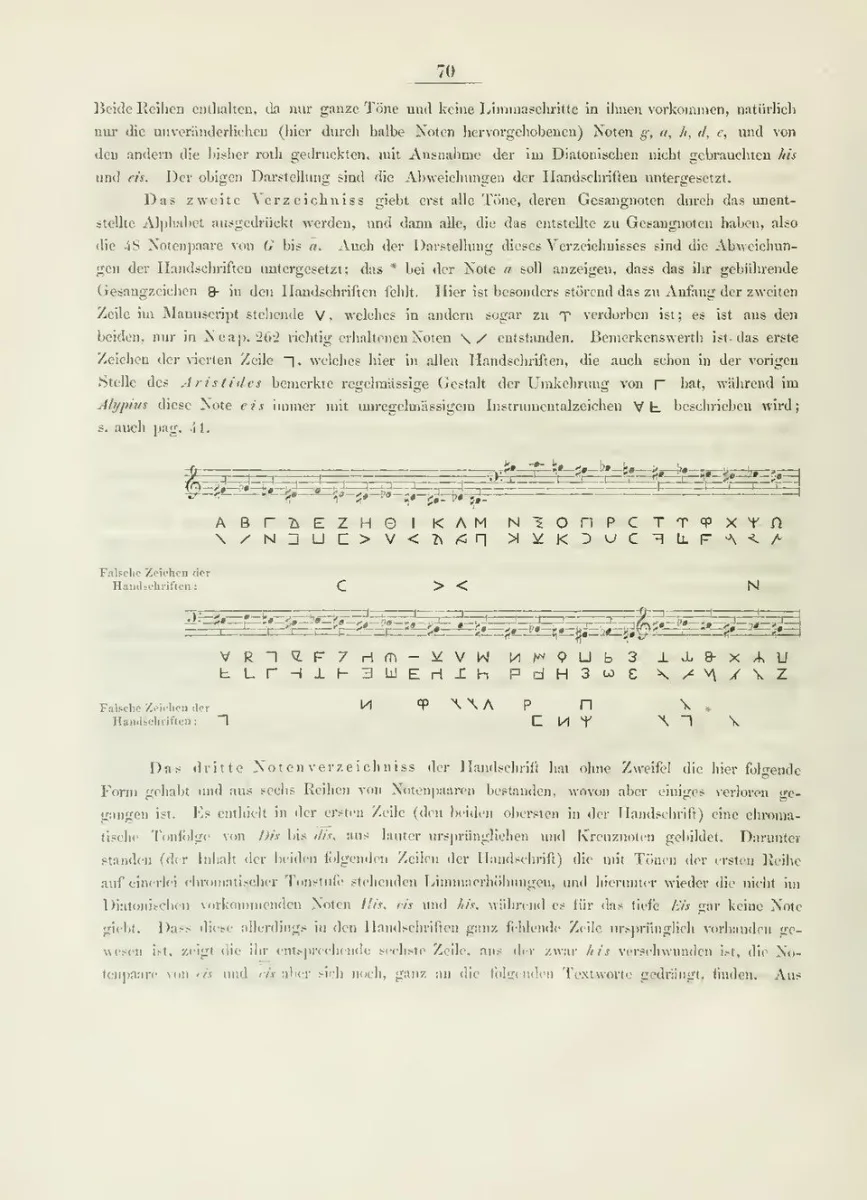
A page of Friedrich Bellermann, Die Tonleitern und Musiknoten der Griechen (Berlin, 1847): the Greek note-signs set against modern notes.
Friedrich Bellermann; scan: Internet Archive · Public domain · via Wikimedia Commons
File:Die Tonleitern und Musiknoten der Griechen (IA dietonleiternund00bell).pdf
The open-air museum of Akhmim, Sohag governorate, Egypt.
Roland Unger · CC BY-SA 3.0 · via Wikimedia Commons
File:AkhmimOpenAirMuseum.jpg
Roman marble sarcophagus with the triumph of Bacchus returning from India, 2nd century AD. Baltimore, Walters Art Museum.
Unknown Roman sculptor; photo: Kenneth Mayer · Public domain · via Wikimedia Commons · background removed
File:WaltersBacchusTriumphSarcoph.JPG
Vipera ammodytes, the horned viper: illustration in Otto’s Encyclopedia (Ottův slovník naučný, 1908).
Unknown illustrator (Ottův slovník naučný) · Public domain · via Wikimedia Commons
File:Vipera ammodytes, Otto's Encyclopedia.jpg
The goddess Roma on the Ara Pacis, Rome: a reconstruction based on a few fragments and on similar depictions.
Amphipolis · CC BY-SA 2.0 · via Wikimedia Commons
File:Ara Pacis — Roma (14564315448).jpg
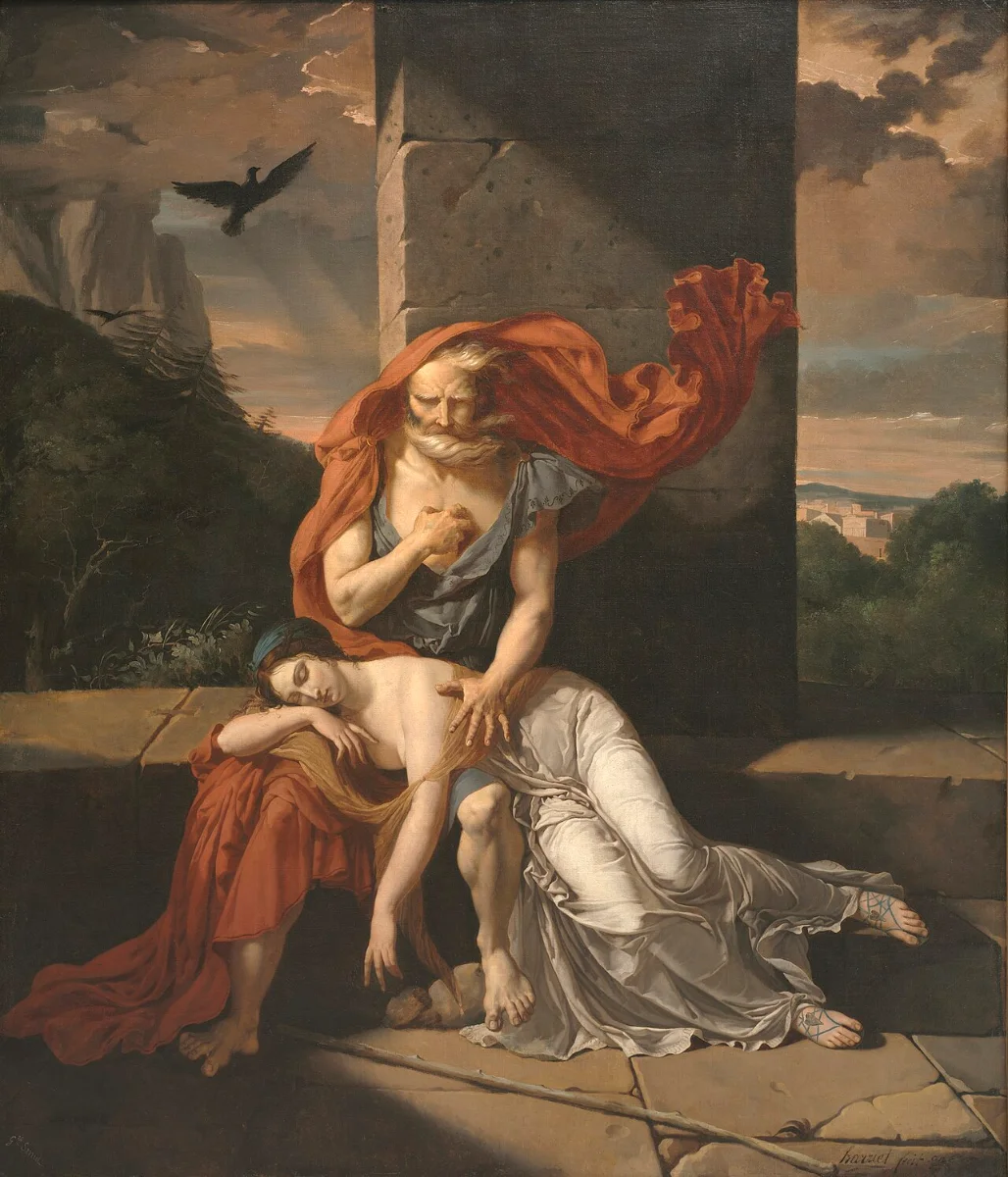
Fulchran-Jean Harriet, Oedipus at Colonus, 1798. Cleveland Museum of Art 2002.3.
Fulchran-Jean Harriet; Cleveland Museum of Art (Open Access) · CC0 · via Wikimedia Commons
File:Clevelandart 2002.3.jpg
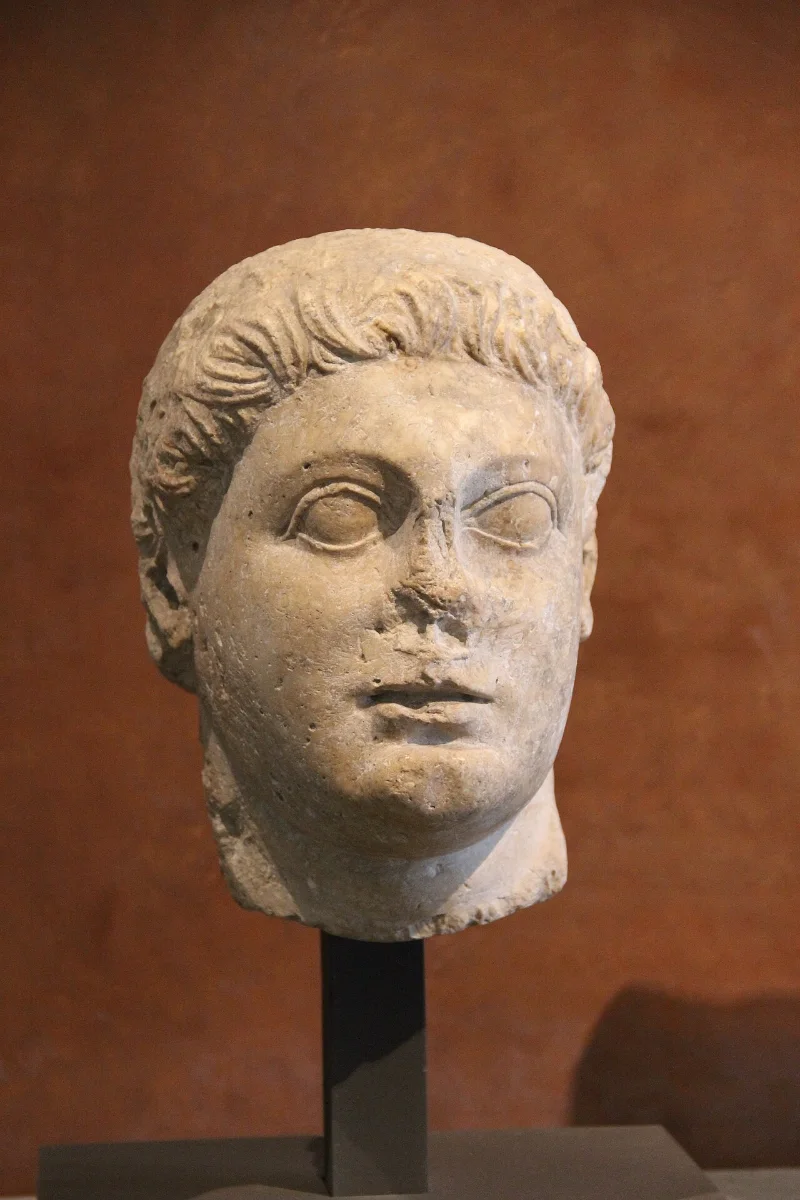
Marble head of Ptolemy II Philadelphus, from Egypt, 3rd century BC. Paris, Louvre.
Gary Todd · CC0 · via Wikimedia Commons · background removed
File:Marble Head of Ptolemy II "Philadelphus" from Egypt, c. 3rd C. BC (28018875720).jpg
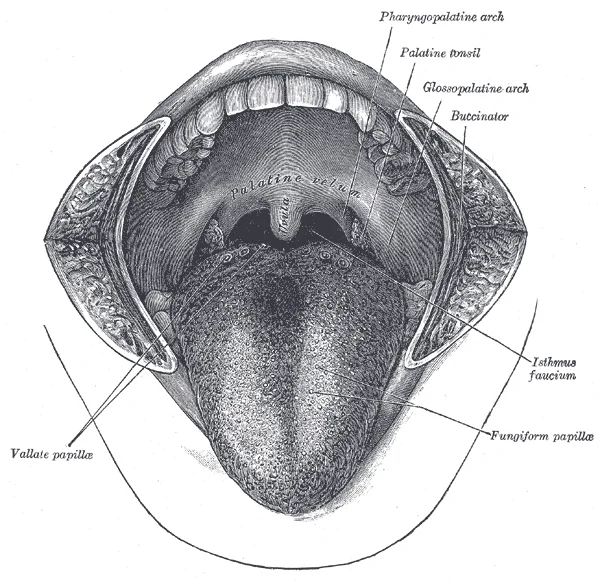
The mouth cavity, the cheeks slit transversely and the tongue pulled forward: figure from Gray’s Anatomy, drawn by Henry Vandyke Carter.
Henry Vandyke Carter (Gray’s Anatomy) · Public domain · via Wikimedia Commons
File:Gray1014.png
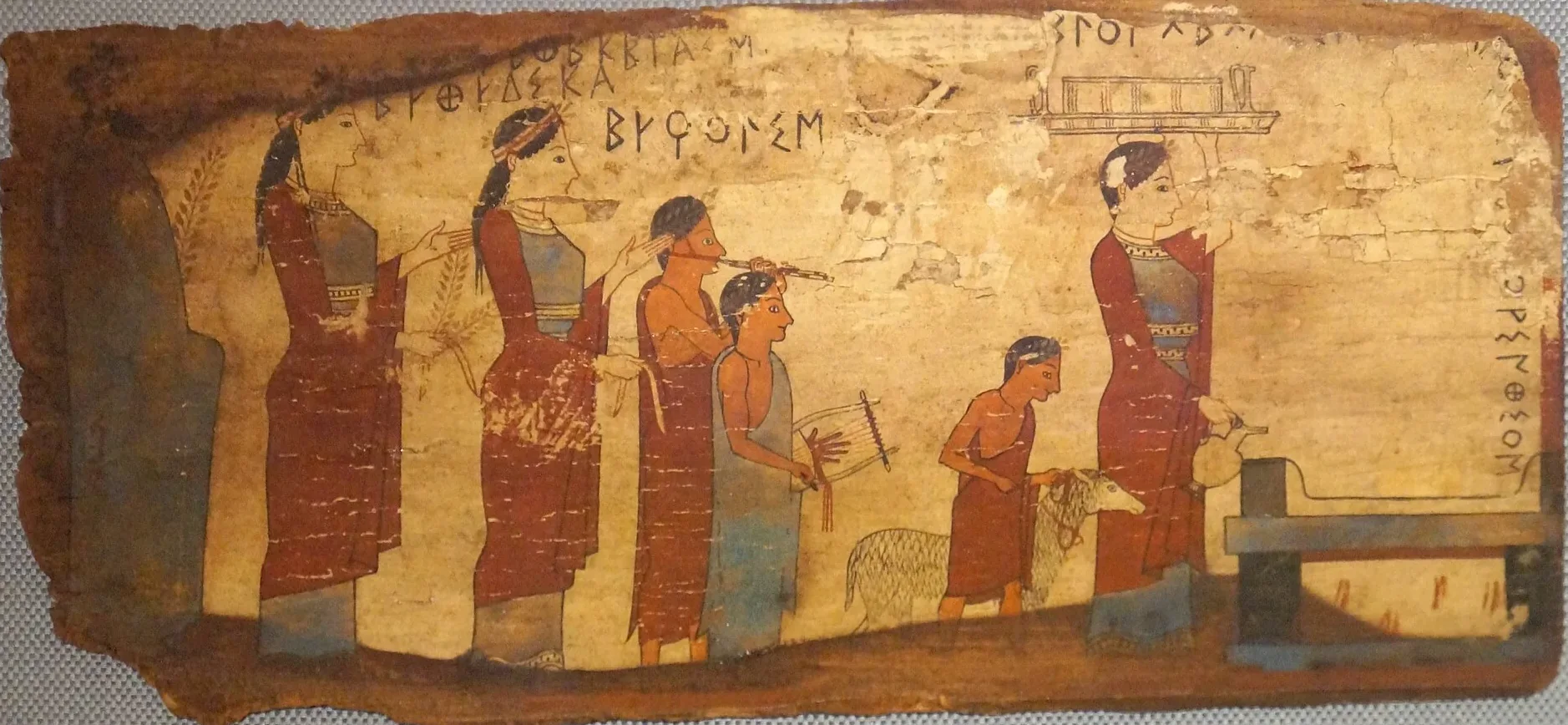
A procession to a sacrifice, with a double pipe (aulos) and a lyre: painted wooden panel (pinax) from the Pitsa cave near Sicyon, Corinthian, 540–530 BC. Athens, National Archaeological Museum 16464.
Schuppi (photo) · CC BY-SA 4.0 · via Wikimedia Commons
File:Pitsa panel NAMA 16464 1.jpg
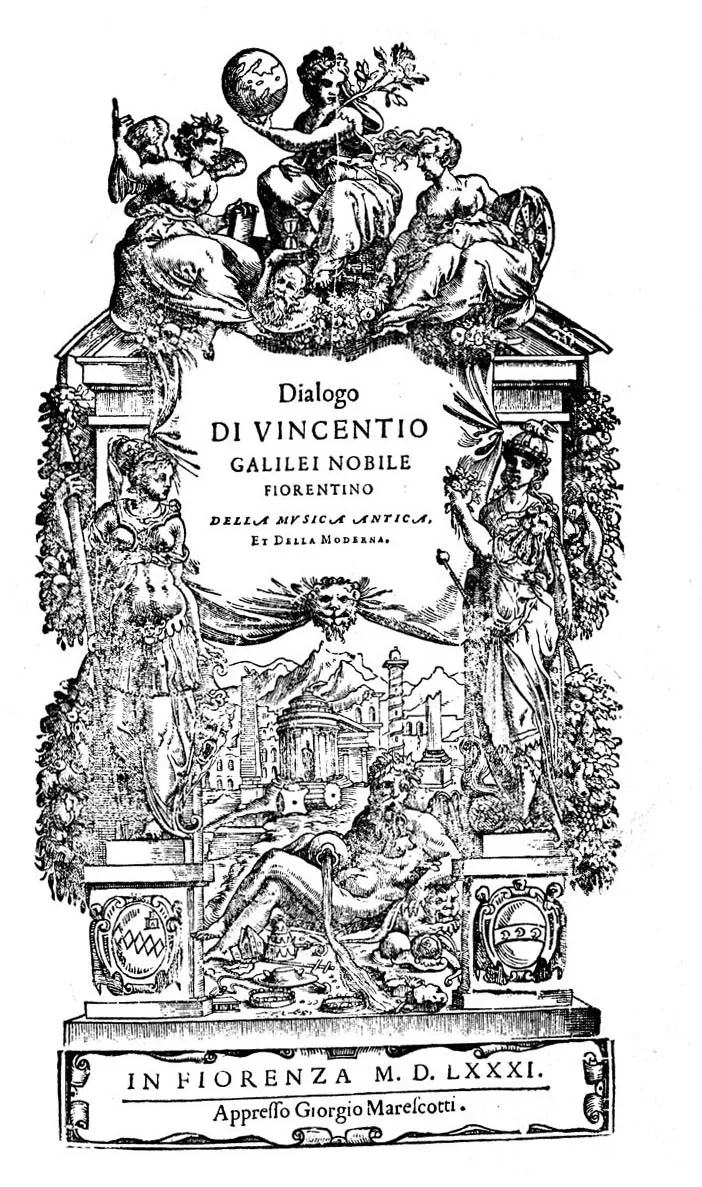
Title page of Vincenzo Galilei, Dialogo della musica antica, et della moderna (Florence: Giorgio Marescotti, 1581). BEIC digital library.
Vincenzo Galilei (book); scan: BEIC · Public domain · via Wikimedia Commons
File:Galilei - Della musica antica et della moderna, 1581 - 1499450.jpg
Title page of Friedrich Bellermann’s edition, Anonymi scriptio de musica; Bacchii senioris Introductio artis musicae (Berlin: Albert Foerstner, 1841). Scanned by Google from the Harvard copy (Internet Archive).
Friedrich Bellermann (book); scan: Google / Internet Archive · Public domain · via Wikimedia Commons
File:Anonymi scritio de musica - Bacchii senioris Introductio artis musicae (IA anonymiscritiod00bellgoog).pdf
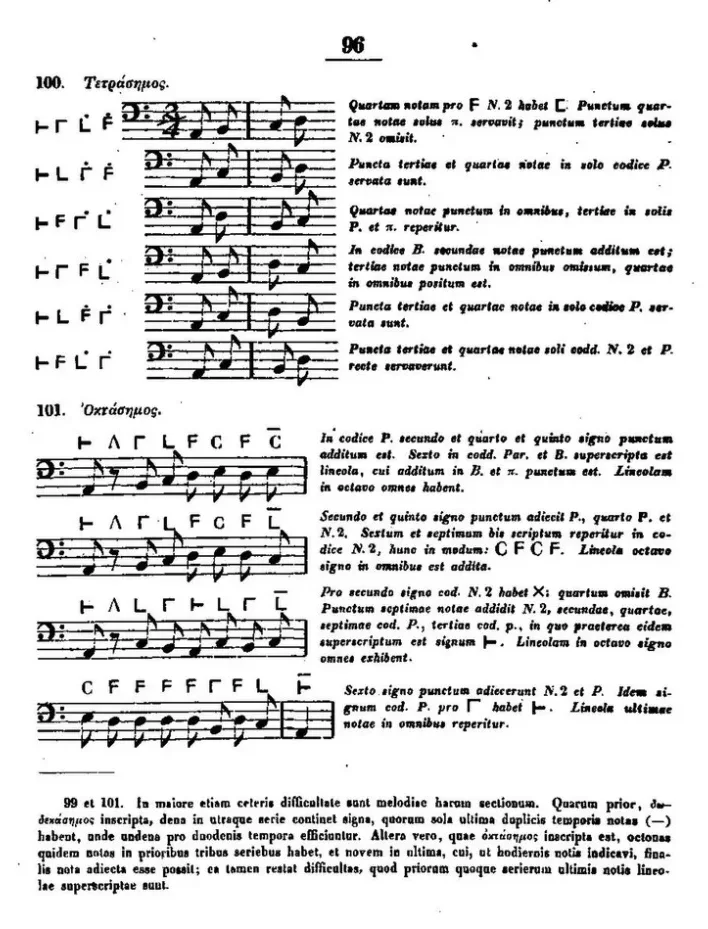
Page 96 of Friedrich Bellermann’s edition, Anonymi scriptio de musica (Berlin, 1841): the four-time and eighteen-time pieces, the signs of the manuscripts with Bellermann’s own transcription.
Friedrich Bellermann (book); scan: Google / Internet Archive · Public domain · via Wikimedia Commons
File:Anonymi scritio de musica - Bacchii senioris Introductio artis musicae (IA anonymiscritiod00bellgoog).pdf
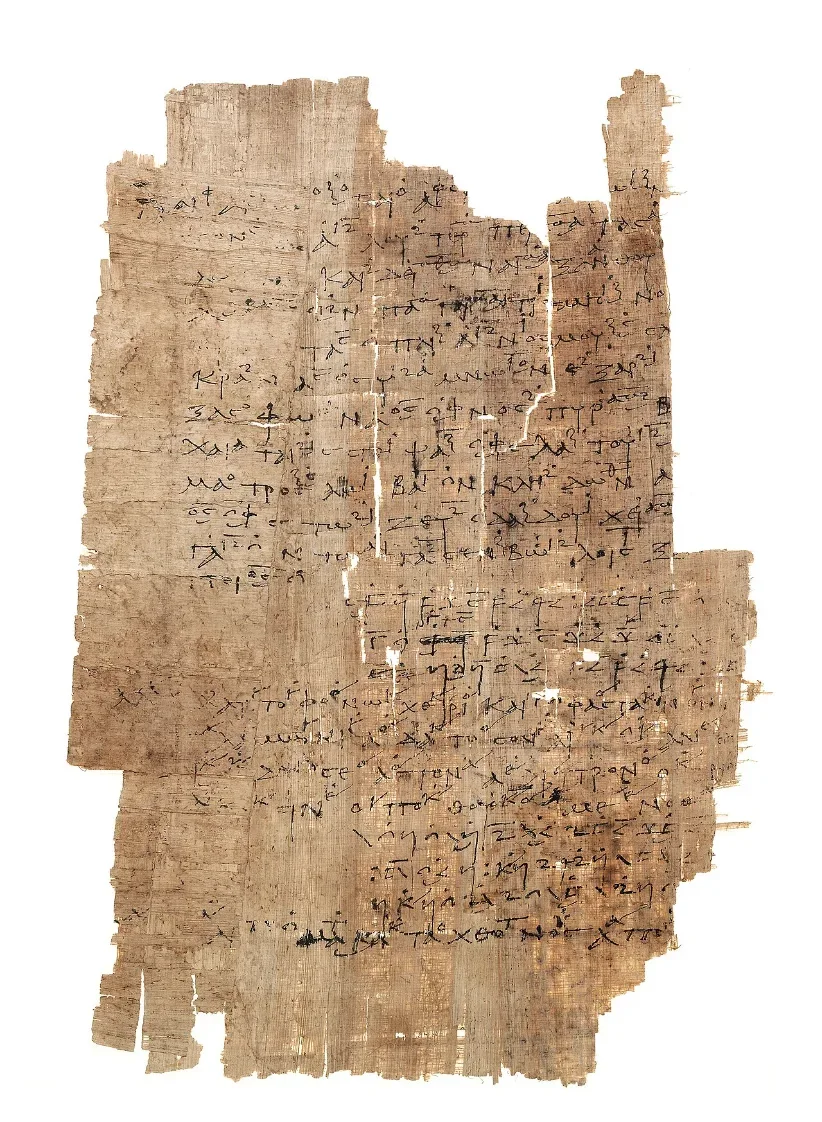
Papyrus Berlin 6870 with P 14097, verso (“Aus dem Handbuch der Musik”), second century AD. Berlin, Ägyptisches Museum und Papyrussammlung.
Staatliche Museen zu Berlin, Ägyptisches Museum und Papyrussammlung / Sandra Steiß (photo) · CC BY-SA 4.0 · via Wikimedia Commons · background removed; the scale bar cropped
File:Papyrus Berlin 6870 + 14097 (verso).jpg

Papyrus Oxyrhynchus 1786, late third century.
Unknown author (photograph from the Oxyrhynchus papyri online database) · Public domain · via Wikimedia Commons
File:POxy 1786.jpg
Old Assyrian private letter, c. 20th–19th century BC. Metropolitan Museum of Art 66.245.1.
Zeray Peter / The Metropolitan Museum of Art · CC0 · via Wikimedia Commons
File:Cuneiform tablet- private letter MET DP-13441-003.jpg


).jpg)


