Phonology: an introduction
Phonology is the study of the sounds of a language. It asks which sounds the language uses, which differences between them can tell one word from another, and how the sounds join to make syllables and words. This section is about the phonology of ancient Greek, and above all of classical Attic, the Greek of Athens in the fifth and fourth centuries BC, which is the usual model for reading the classical poets aloud.[1]
Why the sounds matter
Greek poetry was made to be heard. Start with the first three words of Homer’s Iliad. Press the sound button to hear David Chamberlain read them; the line beneath the Greek gives the same words in our alphabet, followed by their meaning.
μῆνιν ἄειδε θεὰ
mēnin aeide theā
Sing, goddess, the wrath …
Homer, Iliad 1.1, the first three words.
David Chamberlain, Iliad 1.1 · CC BY 4.0
Some vowel sounds are held longer than others. That difference is called vowel length.[2] The First steps page shows how to hear it, beginning with the letters and the sounds they write. It then explains how sounds join into the beats of speech called syllables, and how those syllables make the rhythm of verse. You do not need to know Greek letters or any terms of metre before starting.
Greek words also had a tune. The voice rose to a higher note within a word, rather than simply making one part louder.[3] Ancient grammarians described the accent in terms of high and low pitch.[4] The Accent and morae page explains the marks that record it, after the First steps pages have introduced the sounds and their lengths.
How we know
Nobody has heard classical Greek spoken for two thousand years, so its sounds have to be worked out from evidence. The evidence is of many kinds: the spelling and its mistakes, the statements of ancient grammarians, the way Greek words were written in other languages, the noises of animals in comedy, the metre itself, and the comparison of related languages.[5] The result is a reconstruction. It is secure for most sounds and uncertain for a few, and the pages of this section say which is which.
Readers today do not all use it. Many classrooms keep older habits, and Greeks read the ancient texts with the sounds of Modern Greek. The section sets out these ways of reading side by side, so that you can choose one and know what it changes.
How the section is arranged
The section moves from the single sound to the whole spoken line.
- First steps is for complete beginners: the letters, the vowels, the diphthongs and digraphs, the consonants, and how sounds make syllables.
- Sounds goes through the same ground in detail and gives the evidence: each vowel, each diphthong and digraph, each kind of consonant, the division of sounds into syllables and their use in verse, how Greek is read aloud today, the IPA chart and a diagram of the mouth.
- Accent and morae explains the pitch accent: what the three marks mean, the units of length it counts, and the rules for where it can fall.
- Pronunciation systems compares the main ways of reading Greek aloud: reconstructed classical Attic, the Erasmian school pronunciations, Luke Ranieri’s Lucian system and Byzantine and Modern Greek.
- Pitch and prominence is practical: how to hear a pitch accent, and how to say one if your own language uses stress.
- Sound lab turns recordings into pictures, so that you can see pitch and length in a real reading of Homer.
Every example in the section can be heard. Each gives the Greek, a transliteration, the sound in the International Phonetic Alphabet in square brackets, and the meaning. Most recordings are cut from David Chamberlain’s readings of Homer. Where no reading has the word, the sound is made by computer and marked ∿.
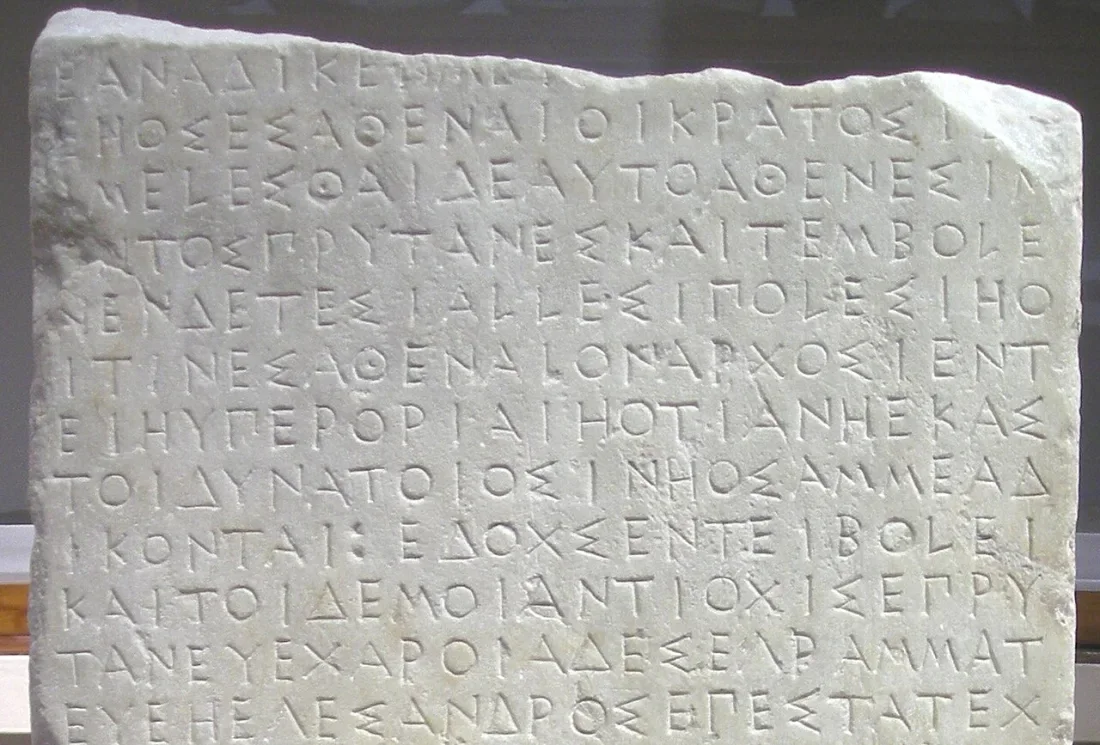
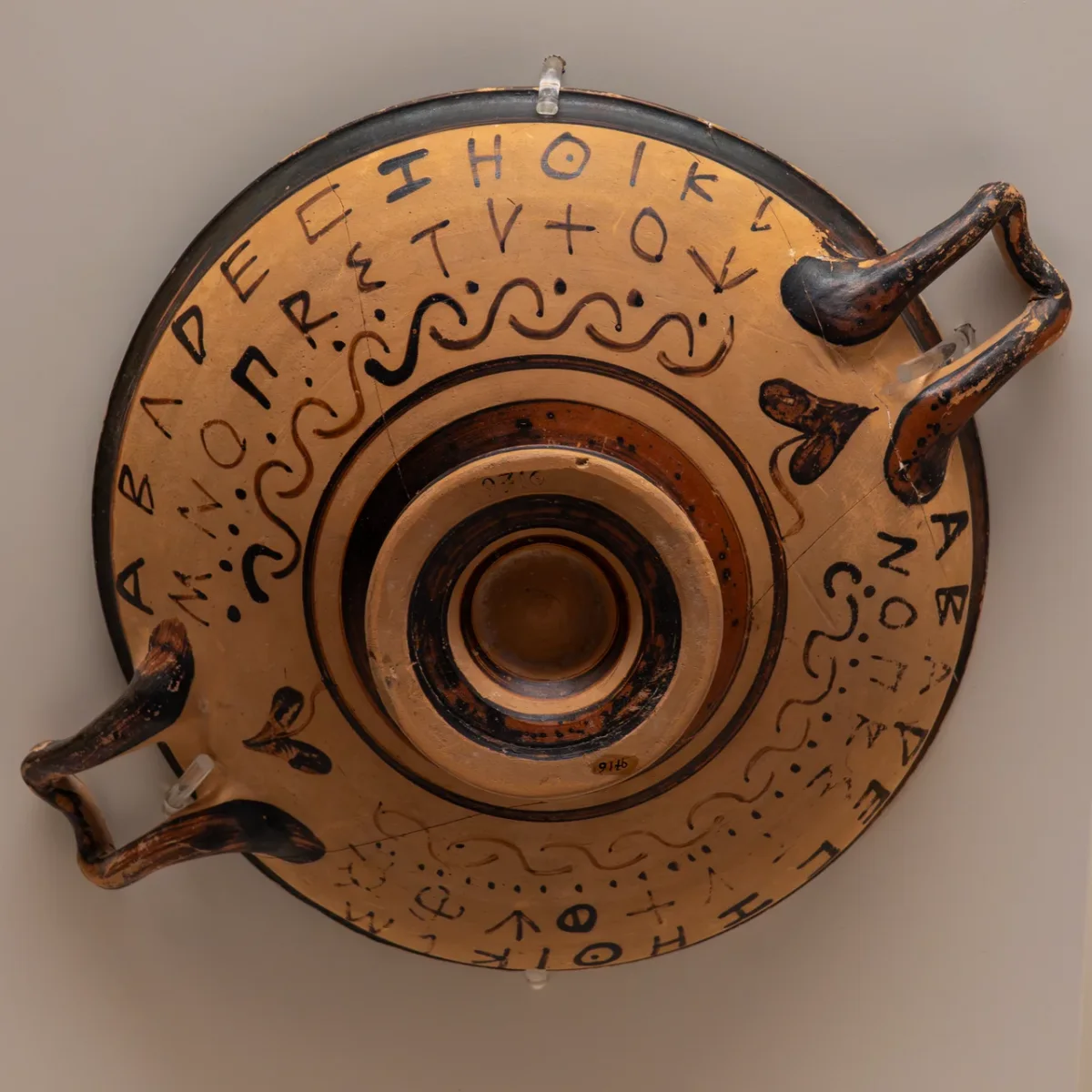 First stepsFor beginners: letters and soundsGreek letters, vowel length and consonants, and how their sounds form syllables.
Tabs: Letters and sounds · Vowels · Diphthongs and digraphs · Consonants · From sounds to syllables
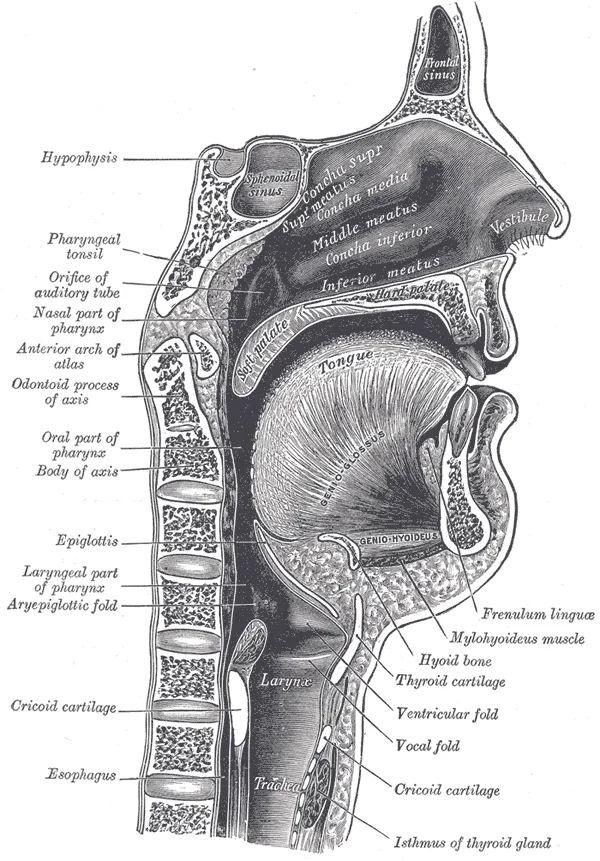 SoundsVowels, consonants, syllablesThe vowels, consonants and syllables of classical Greek, and how we reconstruct their sounds.
Tabs: Vowels · Diphthongs and digraphs · Consonants · Syllables and quantity · Reading aloud · IPA chart · Mouth and vowels
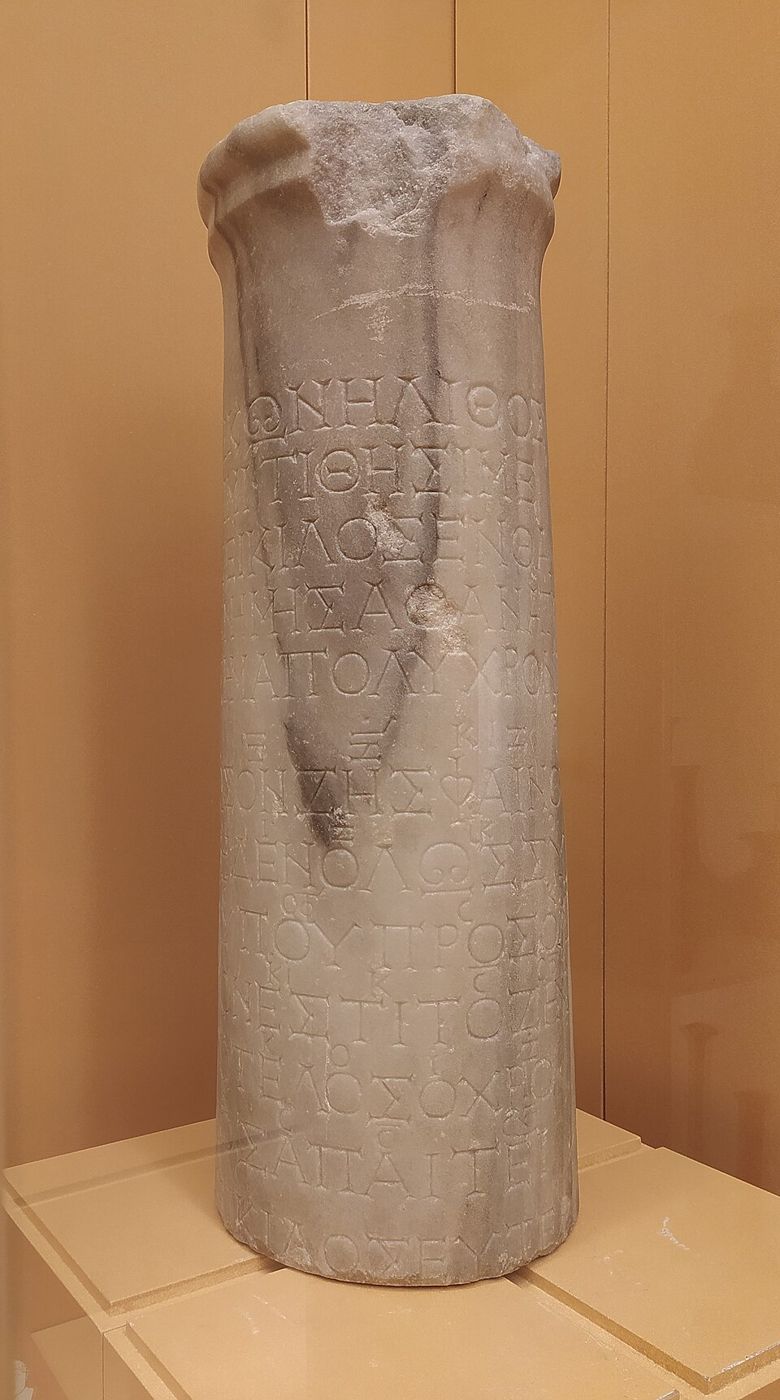 Accent and moraePitch, marks and rulesThe Greek pitch accent: its three marks, its rules and its movement through words.
Tabs: A pitch accent · How we know · Morae · The three marks · Where the accent stands · Enclitics and proclitics · Nouns and adjectives · Verbs · Accent and meaning · Practice
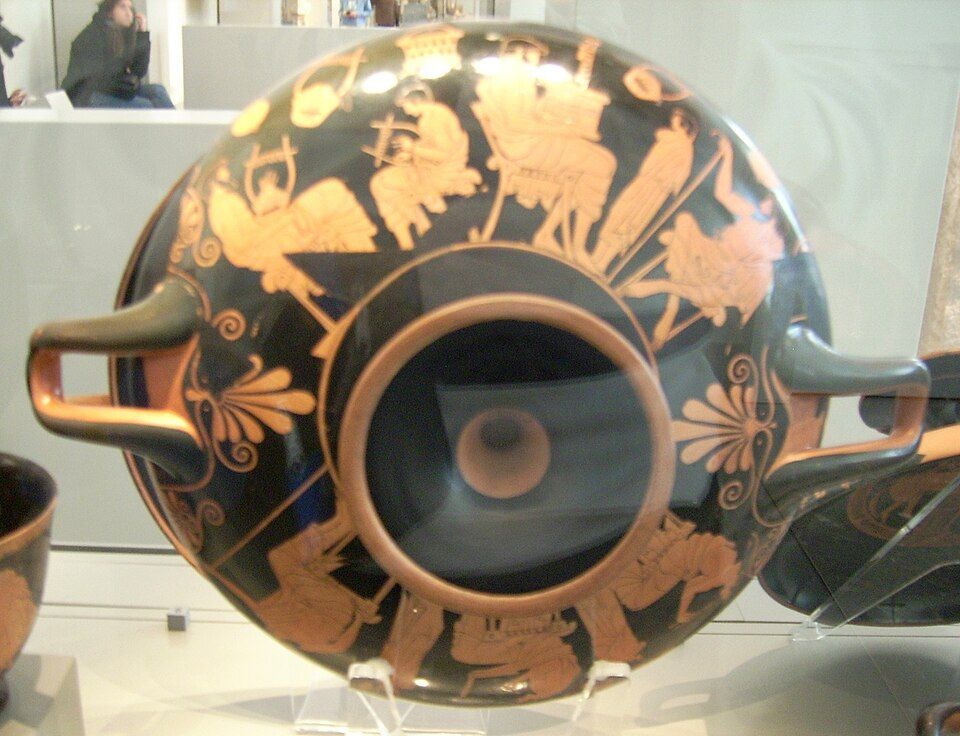 Pronunciation systemsClassical, Erasmian, Lucian, ModernReconstructed Attic, Erasmian, Lucian, Byzantine and Modern Greek pronunciation.
Tabs: Classical Attic · Byzantine pronunciation · Erasmian · Accent unreformed · Erasmian in English · Lucian · Byzantine and Modern · Comparison
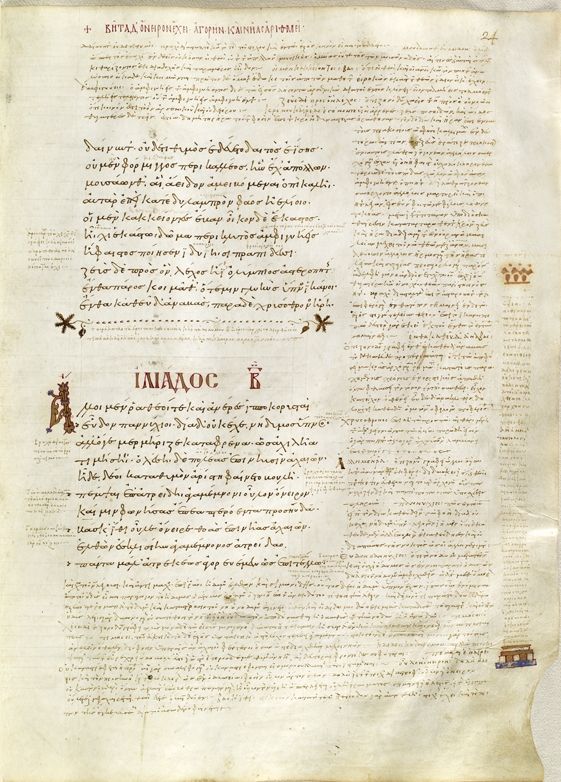 Pitch and prominencePitch without stressThe difference between pitch and stress, and how Greek accent changed over time.
Tabs: Hearing pitch as stress · Pitch without stress · From pitch to stress · Practising the tune
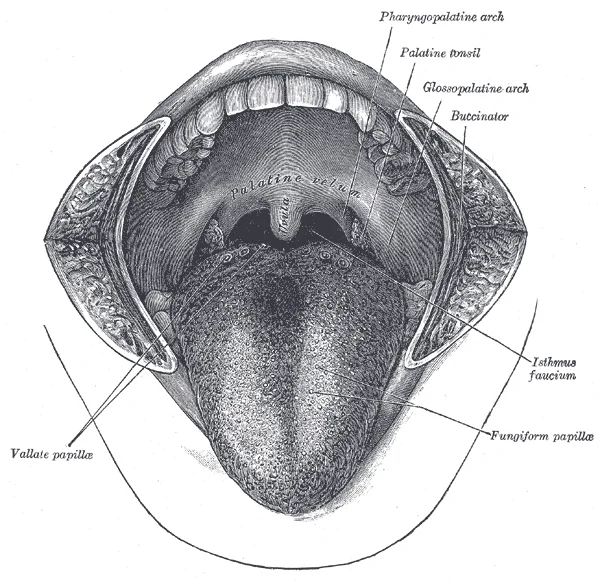 Sound labHear and measurePitch, loudness and syllable length in recordings of Greek verse, alongside your own voice.
Tabs: Recordings · Seeing a voice · The Iliad line by line · Other readers · Pitch accent measured · Quantity measured · Try it yourself
Where to begin
If Greek is new to you, begin with First steps and read its tabs in order, pressing the sound buttons as you go. It is the first half of the beginner’s path. The second half is Metre › First steps, where the same syllables become verse.
After that, a good order is:
- Sounds: the vowels, the diphthongs and digraphs and the consonants, each with the evidence for it.
- Sounds › Syllables and quantity: the bridge to metre.
- Accent and morae: what the three marks mean and where the accent can stand.
- Pronunciation systems: choose a way of reading aloud, and know what it changes.
- Pitch and prominence: how to say a pitch accent if your own language uses stress.
- Sound lab: watch a voice as a picture, and measure pitch and length in a real reading of Homer.
Then go on to Metre › Introduction for the ground rules of Greek metre.


