Poets and playwrightsWomen poets
Nossis
Nossis of Locri: Doric epigrams on dedications, portraits and love.
About · 1 of 3
Who Nossis was
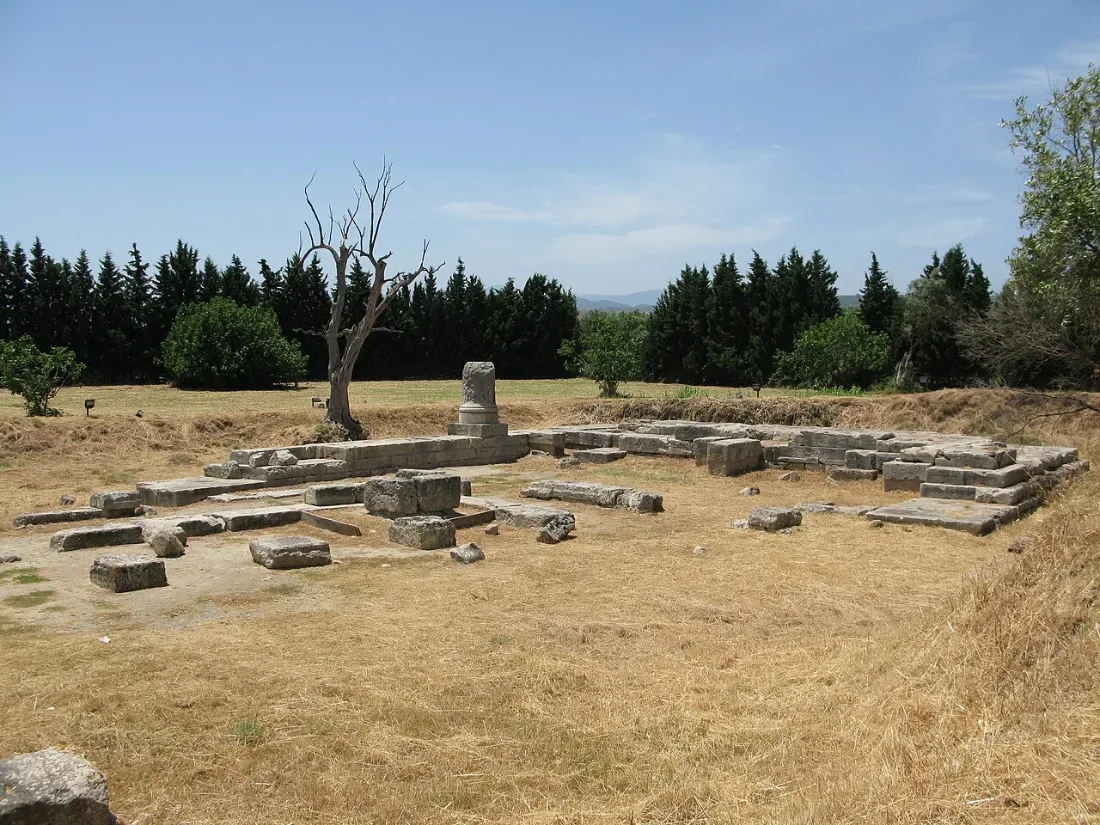
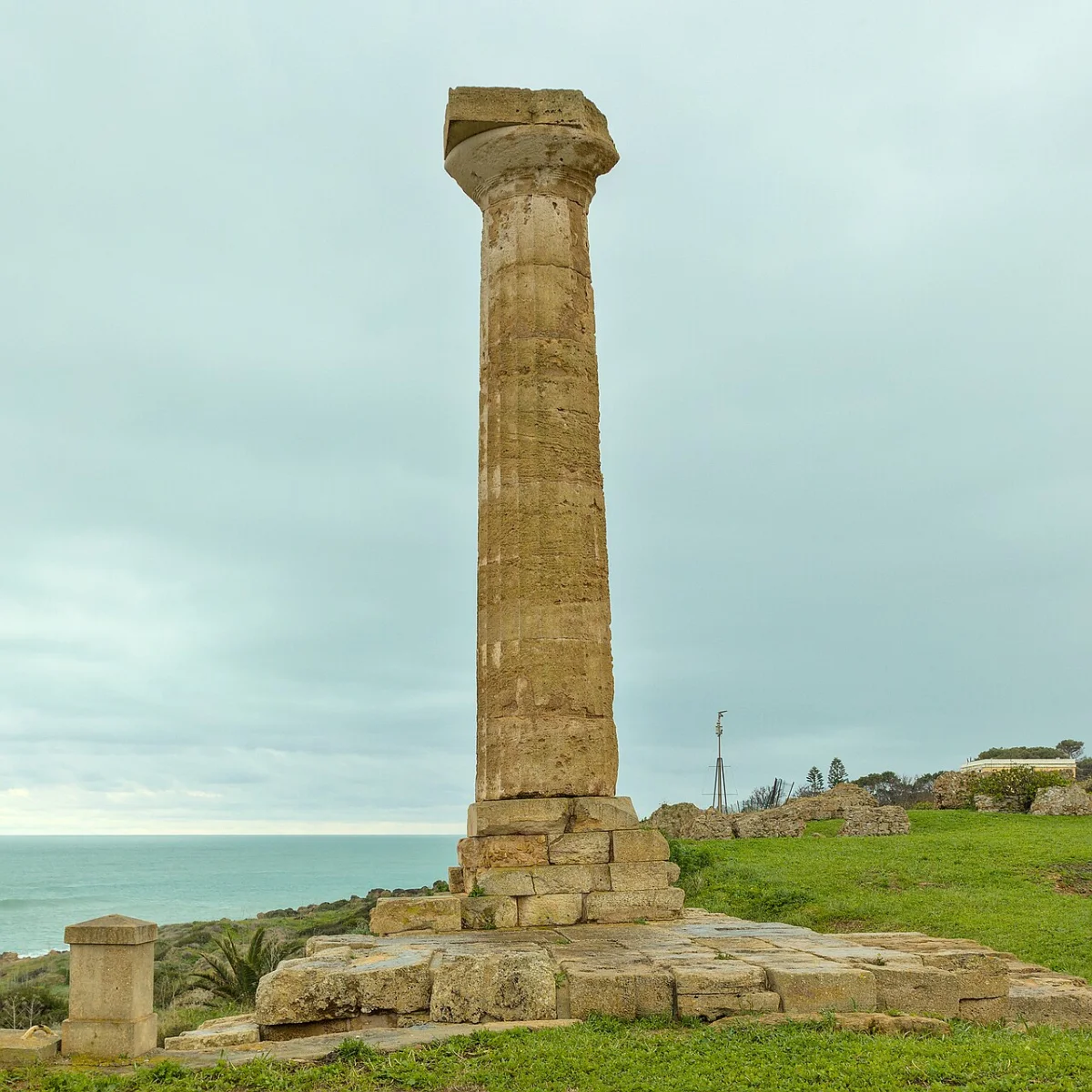
Nossis lived at Epizephyrian Locri, a Greek city in the toe of Italy, and wrote epigrams. One of them dates her to about 300 BCE. It is an epitaph for Rhinthon of Syracuse, who lived in the late fourth and early third centuries. Rhinthon wrote farcical tragedies, which are called phlyakes. Nossis wrote the epitaph after his death, though not necessarily soon after (A.P. 7.414).[1] She is among the earliest Hellenistic poets to turn the inscribed epigram into a literary form.[1]
The poet in her poems. A poet’s sphragis or “seal” is a passage in which the poet names himself or herself. Nossis does this in three poems (A.P. 5.170, 6.265, 7.718).[1] In 6.265 she dedicates a linen robe to Hera of the Lacinian promontory. She and her mother wove it. The poem names three generations of women: “Theuphilis, child of Cleocha, wove it for you with Nossis, her high-born daughter” (our translation). The women are identified by their mothers, not their fathers.[2]
Most scholars think she belonged to the nobility of Locri. She mentions Locri twice (A.P. 6.132, 7.718).[2] She knew Sappho’s poetry and alluded to it. She paid tribute to Rhinthon’s drama. She wrote finished, stylised quatrains for readers. All of these are signs of a good education.[2]
Her world. Her epigrams are centred on women. Their subjects are desire, the beauty of dedications and portraits, mothers and daughters, local cults, and offerings to goddesses.[1] Skinner has argued that her first audience was the circle of women in her community. In this view Locri had a women’s culture with a good deal of independence.[1]
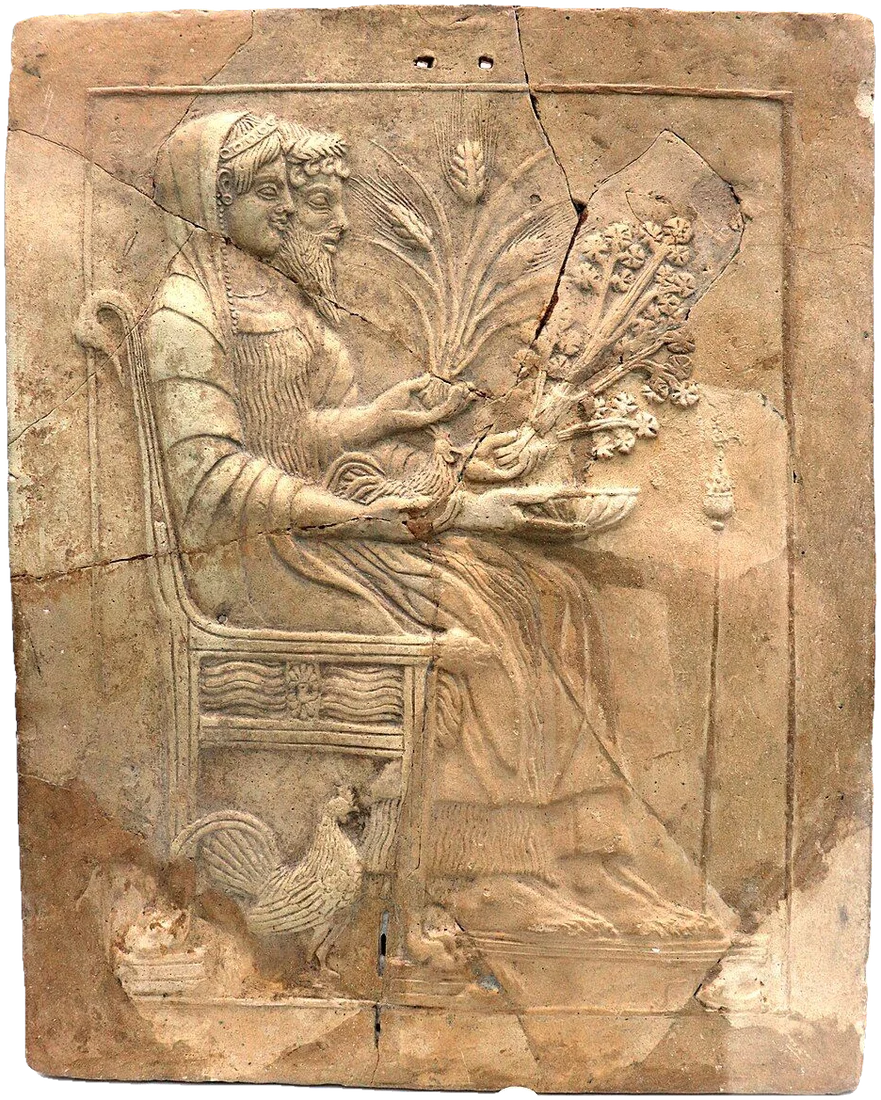
Some of her poems are on courtesans’ gifts to Aphrodite (A.P. 9.332, 9.605). Natoli et al. set them against what historians report of sacred prostitution and the “Hundred Houses” of Locri.[3] This is their interpretation, and they present it as a possibility. Hunter reads her epigrams as a deliberate recreation, in the Greek west, of the women’s world of Sappho’s Lesbos.[4]
Sappho’s heir. A.P. 7.718 may have been the closing poem of her book. In it she asks a stranger sailing to Mytilene, Sappho’s city, to take a message. The stranger is to say that the Locrian land bore her, “dear to the Muses”, and that her name is Nossis.[5] In Snyder’s summary, the message is that Locri has given the world a second Sappho, and that Nossis is that Sappho.[6] The opening poem, 5.170, begins “Nothing is sweeter than love”. It is read as her prologue, which invokes Sappho as her model.[7]
What others said. Meleager wove into his Garland “the perfumed iris of Nossis in its fine bloom, for whose writing-tablets Eros himself softened the wax” (A.P. 4.1.9–10; our translation). Antipater of Thessalonica calls her “woman-tongued Nossis” (θηλύγλωσσον, thēlyglōsson) in his canon of nine women poets (A.P. 9.26.7).[8]
The mime-writer Herodas, in the third century, jokes about a “Nossis, daughter of Erinna” who has a stolen dildo (Herodas 6.20). Most scholars take this as a satirical jibe at the two poets. Warwick reads it as a misogynist attack on the popularity of poetry by women.[9]
Notes
- ^ a b c d e Natoli et al. 2022, p. 117.
- ^ a b c Natoli et al. 2022, p. 118.
- ^ Natoli et al. 2022, pp. 118–120.
- ^ Hunter 2021, p. 282.
- ^ Natoli et al. 2022, pp. 117, 136.
- ^ Natoli et al. 2022, p. 136.
- ^ Natoli et al. 2022, pp. 123–124.
- ^ Natoli et al. 2022, pp. 120–121.
- ^ Natoli et al. 2022, p. 121 with n. 16.
About · 2 of 3
Twelve epigrams in the Anthology
How the epigrams survived. All of Nossis’ surviving poems are in the Palatine Anthology. This is a collection of Greek epigrams, compiled in the early tenth century CE by Constantine Cephalas. Cephalas took much of it from Meleager’s Garland (Στέφανος) of about 100 BCE. That anthology eventually replaced the books of individual poets as the main channel by which epigram was transmitted.[1] Meleager’s own proem names Nossis among the forty-seven poets of his Garland (A.P. 4.1).[1] Her own book is lost. Two poems, 5.170 and 7.718, have been read as its prologue and epilogue.[2]
The twelve epigrams. Twelve quatrains survive, and the last is doubtful.[3] Read together, the epigrams of Nossis from Locri seem to recreate a female Sapphic world in the west. They do so in conscious imitation of Sappho’s Lesbos.[4] The numbers below are those of the Anthology and of Gow and Page’s Hellenistic Epigrams:[5]
| A.P. | Gow–Page | Subject |
|---|---|---|
| 5.170 | 1 | “Nothing is sweeter than love”: the sphragis that opened her book |
| 6.132 | 2 | shields of the Bruttians, thrown away in flight and dedicated by the Locrians |
| 6.265 | 3 | a linen robe for Hera Lacinia, woven by Nossis and her mother |
| 9.332 | 4 | a gilded statue of Aphrodite dedicated by Polyarchis; its opening lines point to a wooden image in a Locrian temple and the gold that adorns it[6] |
| 6.275 | 5 | Samytha’s hair-net, dedicated to Aphrodite |
| 9.605 | 6 | Callo’s portrait, dedicated in Aphrodite’s house |
| 9.604 | 7 | a portrait of Thaumarete, so like her that her puppy would wag its tail |
| 6.353 | 8 | a portrait of Melinna, as like her as a daughter to a mother |
| 6.354 | 9 | a portrait of Sabaithis, recognisable from afar |
| 7.414 | 10 | epitaph for Rhinthon of Syracuse |
| 7.718 | 11 | to a stranger sailing to Mytilene: the epilogue |
| 6.273 | 12 (?) | a prayer to Artemis for Alcetis in childbirth |
The Anthology’s heading of 6.273 reads ὡς Νοσσίδος (hōs Nossidos), “as by Nossis” or “in the manner of Nossis”. Balmer and Skinner leave the poem out of their accounts of her, though Plant includes it.[7]
Editions and their differences. To mark a passage as corrupt, an editor puts it between daggers (†…†). This is called obelising. Natoli et al. base 5.170 on Gow and Page’s text. But in line 4, where Gow and Page obelised (†κῆνα τ’†, †kēna t’†), they adopt Degani’s τῆνας τἄνθεα (tēnas tanthea), “her flowers”. For 7.718 they print the text of Gow and Page’s commentary volume, which is still obelised in lines 3–4.[8]
This site’s works page uses Paton’s text, because it is freely licensed. It differs in several places. For instance, it has κήνα γ’ ἄνθεα (kēnā g’ anthea) in 5.170.4. In 7.718.2 it has Σαπφὼ … ἐναυσαμέναν (Sapphō … enausamenān), where Natoli et al. have Σαπφοῦς … ἐναυσόμενος (Sapphous … enausomenos). Where Paton’s text differs, the works page says so.
Dialect. Nossis writes a literary Doric. It is in keeping both with the conventions of inscribed epitaphs and with the speech of her own Locri (Natoli et al., citing Coughlan 2020).[9] The features are easy to spot:[10]
- long ᾱ for Attic η (ἅδιον, hādion; ἁ Κύπρις, hā Kypris; ἀρετάν, aretān; Μυτιλάναν, Mytilānān);
- feminine participles in -οισα (ἐλθοῖσαι, elthoisai; χαίροισαν, chairoisan);
- ποτί (poti) for πρός (pros), ὅκκα (hokka) for ὅτε (hote), τήνα (tēnā) for ἐκείνη (ekeinē);
- the imperative ending -εο (παραμείβεο, parameibeo);
- -εῦντα, -εῦντι for Attic -οῦντα, -οῦσι (ὑμνεῦντα, hymneunta; ποθεῦντι, potheunti).
| Nossis | Attic | Feature |
|---|---|---|
| ἅδιονhādion | ἥδιονhēdion | long ᾱ for η: “sweeter” |
| ΜυτιλάνανMytilānān | ΜυτιλήνηνMytilēnēn | long ᾱ for η: “Mytilene” |
| χαίροισανchairoisan | χαίρουσανchairousan | participle in -οισα: “rejoicing” |
| ποτίpoti | πρόςpros | ποτί for πρός: “to, towards” |
| ὅκκαhokka | ὅτεhote | ὅκκα for ὅτε: “when” |
| τήναtēnā | ἐκείνηekeinē | τήνα for ἐκείνη: “that one” |
| παραμείβεοparameibeo | παραμείβουparameibou | imperative in -εο: “pass by” |
| ὑμνεῦνταhymneunta | ὑμνοῦνταhymnounta | -εῦντ- for -οῦντ-: “singing of” |
Rhinthon’s own fragments, too, are in Doric.[11]
Notes
- ^ a b Natoli et al. 2022, p. 120.
- ^ Natoli et al. 2022, pp. 124, 136; p. 140 n. 14.
- ^ Natoli et al. 2022, p. 117.
- ^ Hunter 2021, p. 282.
- ^ Natoli et al. 2022, pp. 123–139.
- ^ Ferrari 2021, p. 114.
- ^ Natoli et al. 2022, pp. 137, 143 n. 38.
- ^ Natoli et al. 2022, pp. 124, 135, 141 nn. 17, 21.
- ^ Natoli et al. 2022, p. 332.
- ^ a b Natoli et al. 2022, pp. 124–135, 332.
- ^ Natoli et al. 2022, p. 135.
About · 3 of 3
Quatrains in elegiac couplets
One form throughout. Every surviving epigram of Nossis is a quatrain of two elegiac couplets.[1] The couplet is a dactylic hexameter followed by a “pentameter”. The pentameter is made of two cola, each of which is called a hemiepes: — ⏔ — ⏔ — | — ⏑ ⏑ — ⏑ ⏑ — ‖. The two halves are always divided by word-end. Contraction means that two shorts are replaced by one long. In the pentameter it is allowed only in the first half.[2]
The couplet had been the usual metre of verse inscriptions since the middle of the sixth century.[2] Nossis’ dedications, epitaphs and poems on portraits take over the forms of inscribed epigram for the book.[3] In the Hellenistic period elegiacs were the normal metre of epigram. Their versification was stricter than in hexameter poetry. When a word ending in a vowel stands before a word beginning with a vowel, this is called hiatus. In these elegiacs hiatus is restricted. A long vowel or diphthong can be shortened before another vowel, and this is called correption. It is used less.[4]
The opening poem. Nossis probably set 5.170 at the head of her book.[1] Here is its first couplet, with the next line, in Paton’s text:
ἅδιον οὐδὲν ἔρωτος, ἃ δ’ ὄλβια, δεύτερα πάντα
ἐστίν· ἀπὸ στόματος δ’ ἔπτυσα καὶ τὸ μέλι.
τοῦτο λέγει Νοσσίς· τίνα δ’ ἁ Κύπρις οὐκ ἐφίλασεν,
hādion ouden erōtos, ha d’ olbia, deutera panta / estin; apo stomatos d’ eptysa kai to meli. / touto legei Nossis; tina d’ hā Kypris ouk ephilāsen,
“Nothing is sweeter than love; every other joy ranks second; even honey I have spat out of my mouth. So says Nossis: whom Cypris has not loved …”
Red: Doric ἅδιον, with long ᾱ for Attic ἥδιον, opens the line long; -πὸ, long before στ- in the pentameter; the first syllable of Κύπρις, short before πρ inside the word. Feminine caesura after ἔρωτος, bucolic after ὄλβια; the pentameter divides after στόματος.
Nossis, A.P. 5.170.1–3, Paton’s text (Perseus); translation ours
synthetic ∿
The hexameter is wholly dactylic. Its first word is Doric ἅδιον, with long ᾱ for Attic ἥδιον, which gives the opening long.[5] A caesura is a word-end at a regular place inside the line. Word-end after ἔρωτος, after the first short of the third foot, is the “feminine” caesura. Word-end after the dactyl ὄλβια, at the end of the fourth foot, is the bucolic caesura.[6] The ς of ἔρωτος and the ν of οὐδὲν and ἐστὶν are carried over to the next syllable. This is because syllables are divided without regard to word-division.[7]
In the pentameter, ἀπό has a long final syllable before the στ of στόματος. The obligatory word-end comes after στόματος. The second half, δ’ ἔπτυσα καὶ τὸ μέλι, has its two dactyls pure, as it must.
What to watch for. Nossis has Doric spellings: ᾱ where Attic has η (ἁ, hā, for ἡ; τᾶς, tās; Ἀφροδίτας, Aphroditās; μορφάν, morphān), and -οισα where Attic has -ουσα (χαίροισαν, chairoisan, for χαίρουσαν, chairousan). They change the look of a word but not its quantities. The vowel or diphthong is long either way.[8]
What does need care is a stop followed by a liquid inside a word. It does not always make the syllable before it long. Take 5.170.3, the third line in the box above. Here the first syllable of Κύπρις must be short for the line to scan. Early poets as a rule allowed this only where the group begins a word. Theognis, Solon and Pindar are freer, and in Attic speech such syllables regularly stayed short.[9]
Four of the epigrams (5.170, 6.265, 9.604, 7.718) are scanned line by line on the works page.
Notes
Nossis, four epigrams (A.P. 5.170, 6.265, 9.604, 7.718)
Synopsis
Nossis lived at Epizephyrian Locri, a Greek city in the toe of Italy, about 300 BCE. The date comes from an epitaph she wrote for the Syracusan playwright Rhinthon, who died in the early third century. She was among the first Hellenistic poets to turn the inscribed epigram into a literary form.[1] Twelve of her quatrains survive in the Palatine Anthology, and one of them is perhaps not hers. Their world is centred on women. Their subjects are desire, portraits and offerings to goddesses, mothers and daughters, and local cults. Skinner thinks her first audience was the circle of women at Locri. Nossis names herself in three poems, and she claims a place in the line of Sappho.[2]
Four poems are scanned here. The first is the opening poem, “Nothing is sweeter than love”, probably the prologue of her book and a bow to Sappho (A.P. 5.170). The second is on a linen robe that Nossis and her mother wove for Hera on the Lacinian promontory (A.P. 6.265). The third is on a portrait of Thaumarete, so lifelike that her puppy would wag its tail at it (A.P. 9.604). The last is the probable epilogue. In it a stranger bound for Sappho’s Mytilene is asked to say that Locri bore Nossis, dear to the Muses (A.P. 7.718).[3]
Text and translation
The uninterrupted Greek with its English translation, line by line.
Show text and translation
ἅδιον οὐδὲν ἔρωτος, ἃ δ’ ὄλβια, δεύτερα πάντα
Nossis · Greek Anthology 5.170, 6.265, 9.604, 7.718 (Gow–Page 1, 3, 7, 11) · elegiac couplets · text of Paton (1917), via the Perseus Digital Library
How to read each line
A guide to the Greek, syllables, pitch marks and quantities.
Show the reading key
- Above each line: the line as the edition prints it, each word placed over its own syllables. The main row: the same Greek divided into metrical syllables, each written as it is pronounced. A consonant that closes a syllable is written with it (λόθ | ρο); an elided word is closed up with the next vowel (ν’ἀ); a final consonant carried into the next word is set with a thin space (ς ἰ). Wider gaps mark word-ends.
- Above the syllables: the pitch of each syllable, from the accents. Under them: the quantity of each syllable as it falls in the line, then the transliteration, syllable by syllable, with accented syllables in capitals.
- Under each line: a line-for-line translation. In the right margin of the scansion: the line type, its scheme, and its analysis into cola.
Key to the labels
The names, patterns and symbols used beside this poem.
Show the labels and symbols
The labels in the right margin of the scansion below name the line, its scheme, the feet as the line realises them, and the caesurae and diaereses (the named word-ends) that fall in it. In the scheme ⏔ is a biceps, two shorts that may be contracted to one long; ⏕ is a long that may be resolved into two shorts; × is an anceps, long or short. A click on any syllable highlights its metron or colon, or, with the switch, its foot.
| Label | Name and shape | What it is |
|---|---|---|
| hem1 | First hemiepes— ⏔ — ⏔ — | The first two and a half feet of the hexameter, up to the penthemimeral caesura; in the pentameter, its whole first half. |
| hem2 | Second half of the hexameter⏔ — ⏔ — ⏑ ⏑ — × | From the penthemimeral caesura to the line-end: the fifth foot is nearly always a dactyl, the sixth is — ×. |
| hemp | Second hemiepes— ⏑ ⏑ — ⏑ ⏑ × | The second half of the pentameter: two dactyls and a single syllable, with no contraction allowed. |
The traditional feet
| Foot and shape | Where |
|---|---|
| First foot: dactyl or spondee— ⏔ | Scheme positions 1–2. The biceps (⏑ ⏑) may be contracted to a single long, making a spondee. |
| Second foot: dactyl or spondee— ⏔ | Scheme positions 3–4. |
| Third foot: dactyl or spondee— ⏔ | Scheme positions 5–6. The penthemimeral caesura falls after its first syllable, the “trochaic” caesura after its second. |
| Fourth foot: dactyl or spondee— ⏔ | Scheme positions 7–8. Word-end at the end of this foot, when it is a dactyl, is the bucolic diaeresis (West’s “bucolic caesura”: word-end at the end of the fourth foot after an uncontracted biceps)[4]. |
| Fifth foot: dactyl— ⏑ ⏑ | Scheme positions 9–10. A spondee here (a “spondaic line”) is rare. |
| Sixth foot— × | Scheme positions 11–12: a long and the indifferent final syllable. |
| First foot: dactyl or spondee— ⏔ | Scheme positions 1–2 of the pentameter. |
| Second foot: dactyl or spondee— ⏔ | Scheme positions 3–4. |
| Half-foot before the diaeresis— | Scheme position 5: the long that closes the first hemiepes; word-end must follow. |
| Fourth foot: dactyl— ⏑ ⏑ | Scheme positions 6–8: no contraction after the diaeresis. |
| Fifth foot: dactyl— ⏑ ⏑ | Scheme positions 9–11. |
| Final syllable× | Scheme position 12. |
Scansion
The poem that probably opened her book, her robe for Hera, a portrait of Thaumareta, and the epilogue addressed to a stranger sailing to Sappho's city, scanned foot by foot.
There is no sweeter thing than desire; every blessing ranks
behind it: I have spat out even honey from my mouth.
So says Nossis: the woman Cypris has never kissed
cannot tell what sort of blossoms roses are.
Hera, the honoured, you who many times come down
from the sky to watch over your Lacinian temple, sweet with incense,
receive a robe of fine linen, which Theuphilis, Cleocha’s daughter,
wove for you together with Nossis, her splendid child.
This panel holds the likeness of Thaumareta. What skill went into her proud look
and the ripeness of youth of the soft-eyed girl!
The little bitch who guards your house would wag her tail if she saw you,
believing she had her own lady of the household in view.
Friend, if you are sailing to Mytilene, city of fine choruses,
which set alight Sappho, bloom of the Graces,
tell them that the land of Locri brought forth a woman the Muses love,
her match, and that her name is Nossis. Now go.
Metre
- The couplet. Every surviving epigram of Nossis is a quatrain of two elegiac couplets (“Meter: Elegiac Couplets”, pp. 123, 126, 131, 135)[5]: a hexameter followed by a “pentameter”, — ⏔ — ⏔ — | — ⏑ ⏑ — ⏑ ⏑ — ‖, two hemiepes always divided by word-end, with contraction only in the first half.[6] 5.170, 6.265 and 7.718 are the three poems in which she names herself.[7]
- A strict style. Nossis wrote about 300 BCE.[7] West describes Hellenistic elegiac versification as stricter than that of the hexameter poets: hiatus restricted, less correption of words shaped (… ⏑ ⏑) — —, the place before the feminine caesura normally taken by a word that ends — ⏑ by nature, and, after the late third century BC, a preference for a long vowel or diphthong at the division of the pentameter.[8] There is no hiatus in these sixteen lines and only two correptions,[9] ἔχει and καί, both in 9.604. All five words before a feminine caesura end — ⏑ by nature (ἔρωτος, τιμήεσσα, εἷμα, ἐσιδοῖσα, Μούσαισι). At the pentameter’s division four syllables have a long vowel or diphthong (κήνα, μελάθρων, χαρίτων, οἱ) and four are long only because the next word begins with a consonant (στόματος, οὐρανόθεν, ὕφανεν, ὡραῖον), a balance that fits a poet writing before the preference West dates to the late third century.
- Doric long ᾱ. Nossis writes a literary Doric, with ᾱ where Attic has η (Natoli et al. 2022, App. A, p. 332; glosses pp. 124, 127, 132, 136). Where such an α stands in an open syllable that the metre needs long, the input marks it with a macron so that the reason given on the page is the true one: ἅδιον, the article ἁ, ἐφίλᾱσεν, κήνᾱ, the relative ἅ, νεισομένᾱ, ὕφᾱνεν,[10] μορφᾱ́ν, οἰομένᾱ, Μυτιλᾱ́ναν, φίλᾱν, ἴσᾱν. Also marked: Ἥρᾱ (Ionic Ἥρη)[11] and τῑμήεσσα.[12] The marks are not shown on the page. Two vowels are long only because the metre puts them in a long position: the ι of Λακίνιον and the υ of ὕφανεν.
- Stop + liquid. Inside a word the cluster leaves the syllable before it short three times, as the metre requires (Κύπρις 5.170.3, μελάθρων 9.604.4, Λοκρίς 7.718.3), the treatment of Attic speech that early poetry normally admits only at the beginning of a word; βλ in ἀγανοβλεφάρου closes the syllable, as it normally does before the fifth century.[13]
- The text. Paton’s text from the Perseus Digital Library, compared letter by letter with the XML and, for 5.170, 6.265 and 9.604, with Paton’s printed pages (vol. I, pp. 208, 440; vol. III, p. 336; archive.org scans; the scan of vol. II has no usable Greek text). Two slips of the digital file are corrected from the printed page: 5.170.2 ἐστίν· (Perseus ἐστὶν, without the stop) and 9.604.2 τό θ’ (Perseus τὸ θʼ). Natoli et al. print Gow and Page’s text with their own choices:[14] 5.170.4 τῆνας τἄνθεα (Degani) for Paton’s κήνα γ’ ἄνθεα; 6.265.1 τιμάεσσα (τιμήεσσα), 6.265.2 νισομένα (νεισομένα); 7.718.1 καλλίχοραν Μιτυλήναν (καλλίχορον Μυτιλάναν), 7.718.2 Σαπφοῦς … ἐναυσόμενος (Σαπφὼ … ἐναυσαμέναν), and an obelised text of 7.718.3–4.[15] None of these changes the scansion.
Prosody, line by line
Every syllable, with the reason for its length. Quantities are read from the vowel where the spelling shows it, from the consonants that follow (“position”), from the accent where it tells, and from the metre where nothing else does. Editors’ notes on the text follow in the boxed paragraphs.
- 5.170.1
Line 5.170.1 · ἅδιον οὐδὲν ἔρωτος, ἃ δʼ ὄλβια, δεύτερα πάντα
ἅδιον οὐδὲν ἔρωτος, ἃ δʼ ὄλβια, δεύτερα πάντα
ἅδιον οὐδὲν ἔρωτο,ς ἃδ’ὄλβια,δεύτεραπάνταdactyl, dactyl, dactyl, dactyl, dactyl, — ×; caesura after the third trochee; bucolic diaeresis.
- 1 —ἅᾱ̔́ is long (its length is not shown by the ordinary spelling).
- 2 ⏑διι is short by the metre (position 2 must be short); one of the two shorts of the biceps at position 2.
- 3 ⏑οο is short by nature; one of the two shorts of the biceps at position 2.
- 4 —ν οὐοὐ is a diphthong, long by nature; the first consonant belongs to the previous word and is carried over to this vowel.
- 5 ⏑δὲὲ is short by nature; one of the two shorts of the biceps at position 4.
- 6 ⏑ν ἔἔ is short by nature; the first consonant belongs to the previous word and is carried over to this vowel; one of the two shorts of the biceps at position 4.
- 7 —ρωω is long by nature.
- 8 ⏑το,ο is short by nature; one of the two shorts of the biceps at position 6.
- 9 ⏑ς ἃἃ is short by the metre (position 6 must be short); the first consonant belongs to the previous word and is carried over to this vowel; one of the two shorts of the biceps at position 6.
- 10 —δ’ὄλὄ is short by nature; closed by λ: long by position; the apostrophe marks an elided vowel; the consonant before it joins this syllable.
- 11 ⏑βιι is short by the metre (position 8 must be short); one of the two shorts of the biceps at position 8.
- 12 ⏑α,α is short by the accent rule: acute on the antepenult requires a short final syllable; one of the two shorts of the biceps at position 8.
- 13 —δεύεύ is a diphthong, long by nature.
- 14 ⏑τεε is short by nature; one of the two shorts of the biceps at position 10.
- 15 ⏑ραα is short by the accent rule: acute on the antepenult requires a short final syllable; one of the two shorts of the biceps at position 10.
- 16 —πάνά is a vowel of unknown length; closed by ν: long by position.
- 17 ×ταα is of unknown length; the position is anceps, so either scans.
Five dactyls. ἅδιον is Doric for ἥδιον,[5] with a long ᾱ in the first princeps. Feminine caesura after ἔρωτος; bucolic caesura after ὄλβια.[16] The ν of οὐδέν and the ς of ἔρωτος are carried over to the next word.[17] The relative ἅ, a neuter plural, is short, and δ’ is elided before ὄλβια. Natoli et al. compare the opening priamel of Sappho fr. 16.[5]
- 5.170.2
Line 5.170.2 · ἐστίν· ἀπὸ στόματος δʼ ἔπτυσα καὶ τὸ μέλι.
ἐστίν· ἀπὸ στόματος δʼ ἔπτυσα καὶ τὸ μέλι.
ἐστί·ν ἀπὸστόματοςδ’ἔπτυσακαὶτὸμέλι.dactyl, dactyl, —, dactyl, dactyl, ×; diaeresis after the first hemiepes.
- 1 —ἐσἐ is short by nature; closed by σ: long by position.
- 2 ⏑τί·ί is short by the metre (position 2 must be short); one of the two shorts of the biceps at position 2.
- 3 ⏑ν ἀἀ is short by the metre (position 2 must be short); the first consonant belongs to the previous word and is carried over to this vowel; one of the two shorts of the biceps at position 2.
- 4 —πὸὸ is short by nature; the next word begins with στ: the syllable is closed before it: long by position.
- 5 ⏑στόό is short by nature; one of the two shorts of the biceps at position 4.
- 6 ⏑μαα is short by the metre (position 4 must be short); one of the two shorts of the biceps at position 4.
- 7 —τοςο is short by nature; closed by ς: long by position.
- 8 —δ’ἔπἔ is short by nature; closed by π: long by position; the apostrophe marks an elided vowel; the consonant before it joins this syllable.
- 9 ⏑τυυ is short by the metre (position 7 must be short).
- 10 ⏑σαα is short by the accent rule: acute on the antepenult requires a short final syllable.
- 11 —καὶαὶ is a diphthong, long by nature.
- 12 ⏑τὸὸ is short by nature.
- 13 ⏑μέέ is short by nature.
- 14 ×λι.ι is of unknown length; the position is anceps, so either scans.
Paton prints a raised point after ἐστίν, and the acute; the Perseus file has lost the stop. The ν of ἐστίν is carried over to ἀπό, whose last syllable is then closed by the σ of στόματος.[17] The division follows στόματος, long only because δ’ follows. In the second half δ’ ἔπ- is closed by the πτ of ἔπτυσα, a verb that imitates its sound;[5] the two dactyls are pure. Natoli et al. suggest that Nossis has Sappho fr. 113 in mind.[5]
- 5.170.3
Line 5.170.3 · τοῦτο λέγει Νοσσίς· τίνα δʼ ἁ Κύπρις οὐκ ἐφίλασεν,
τοῦτο λέγει Νοσσίς· τίνα δʼ ἁ Κύπρις οὐκ ἐφίλασεν,
τοῦτολέγειΝοσσίς·τίναδ’ἁΚύπρις οὐκἐφίλασεν,dactyl, spondee, dactyl, dactyl, dactyl, — ×; penthemimeral caesura; hephthemimeral caesura; bucolic diaeresis.
- 1 —τοῦοῦ is a diphthong, long by nature.
- 2 ⏑τοο is short by nature; one of the two shorts of the biceps at position 2.
- 3 ⏑λέέ is short by nature; one of the two shorts of the biceps at position 2.
- 4 —γειει is a diphthong, long by nature.
- 5 —Νοσο is short by nature; closed by σ: long by position; a single long contracts the two shorts of the biceps at position 4.
- 6 —σίς·ί is a vowel of unknown length; closed by ς: long by position.
- 7 ⏑τίί is short by the metre (position 6 must be short); one of the two shorts of the biceps at position 6.
- 8 ⏑ναα is short by the metre (position 6 must be short); one of the two shorts of the biceps at position 6.
- 9 —δ’ἁᾱ̔ is long (its length is not shown by the ordinary spelling); the apostrophe marks an elided vowel; the consonant before it joins this syllable.
- 10 ⏑Κύύ is a vowel of unknown length; πρ is carried whole into the next syllable, so this syllable stays open and short (correption before a stop + liquid cluster, as the metre needs); one of the two shorts of the biceps at position 8.
- 11 ⏑πριι is short by the metre (position 8 must be short); one of the two shorts of the biceps at position 8.
- 12 —ς οὐκοὐ is a diphthong, long by nature; the first consonant belongs to the previous word and is carried over to this vowel.
- 13 ⏑ἐἐ is short by nature; one of the two shorts of the biceps at position 10.
- 14 ⏑φίί is short by the metre (position 10 must be short); one of the two shorts of the biceps at position 10.
- 15 —λαᾱ is long (its length is not shown by the ordinary spelling).
- 16 ×σεν,ε is short by nature; closed by ν: long by position; the position is anceps.
The poet names herself, a sphragis or “seal”.[5] The second foot is a spondee (γει Νοσ). Penthemimeral caesura after Νοσσίς, at a sense-pause. The word-end the page reports after the article ἁ (Attic ἡ)[5] is not a hephthemimeral caesura: the article is a prepositive.[4] The first syllable of Κύπρις must be short, though a stop + liquid follows inside the word: the treatment of Attic speech, which early poetry normally admits only at the beginning of a word.[13] Bucolic caesura after Κύπρις. ἐφίλᾱσεν, Attic ἐφίλησεν,[5] has its long ᾱ in the last princeps.
- 5.170.4
Line 5.170.4 · οὐκ οἶδεν κήνα γʼ ἄνθεα ποῖα ῥόδα.
οὐκ οἶδεν κήνα γʼ ἄνθεα ποῖα ῥόδα.
οὐκοἶδενκήναγ’ἄνθεαποῖαῥόδα.spondee, spondee, —, dactyl, dactyl, ×; diaeresis after the first hemiepes.
- 1 —οὐκοὐ is a diphthong, long by nature.
- 2 —οἶοἶ is a diphthong, long by nature; a single long contracts the two shorts of the biceps at position 2.
- 3 —δενε is short by nature; closed by ν: long by position.
- 4 —κήή is long by nature; a single long contracts the two shorts of the biceps at position 4.
- 5 —ναᾱ is long (its length is not shown by the ordinary spelling).
- 6 —γ’ἄνἄ is a vowel of unknown length; closed by ν: long by position; the apostrophe marks an elided vowel; the consonant before it joins this syllable.
- 7 ⏑θεε is short by nature.
- 8 ⏑αα is short by the accent rule: acute on the antepenult requires a short final syllable.
- 9 —ποῖοῖ is a diphthong, long by nature.
- 10 ⏑αα is short by the accent rule: circumflex on the penult requires a short final syllable.
- 11 ⏑ῥόό is short by nature.
- 12 ×δα.α is of unknown length; the position is anceps, so either scans.
The whole first half is spondaic. κήνᾱ, “she”, the nominative feminine of the pronoun Attic writes ἐκεῖνος, has a long ᾱ in the last position of the first half; Paton translates “she at least” (vol. I, p. 209). γ’ is elided before ἄνθεα. The α of ποῖα stays short before the ῥ of ῥόδα; a short final vowel before initial ρ may be lengthened,[18] but not here, where the biceps needs two shorts. Paton calls the epigram “very obscure and probably corrupt” (vol. I, p. 209, n. 1). Gow and Page obelised †κῆνα τ’†; Natoli et al. print Degani’s τῆνας τἄνθεα, which makes the line ask what sort of flowers her roses are; they take τῆνας (Doric for Aeolic κῆνας, Attic ἐκείνης) to refer to the poet herself and the flowers to her poems.[5] It scans exactly as Paton’s text.
Tueller’s revision of Paton prints τήνας τἄνθεα, from a later copy of the Palatine manuscript (the manuscript has κῆνα, corrected to κῆνα τ’), and Brunck’s ἐφίλασεν in line 3, as here; τήνας τἄνθεα scans as Paton’s text does.[19]
- 6.265.1
Line 6.265.1 · Ἥρα τιμήεσσα, Λακίνιον ἃ τὸ θυῶδες
Ἥρα τιμήεσσα, Λακίνιον ἃ τὸ θυῶδες
Ἥρατιμήεσσα,Λακίνιον ἃτὸθυῶδεςspondee, spondee, dactyl, dactyl, dactyl, — ×; caesura after the third trochee; bucolic diaeresis.
- 1 —ἭἭ is long by nature.
- 2 —ραᾱ is long (its length is not shown by the ordinary spelling); a single long contracts the two shorts of the biceps at position 2.
- 3 —τιῑ is long (its length is not shown by the ordinary spelling).
- 4 —μήή is long by nature; a single long contracts the two shorts of the biceps at position 4.
- 5 —εσε is short by nature; closed by σ: long by position.
- 6 ⏑σα,α is short by the accent rule: acute on the antepenult requires a short final syllable; one of the two shorts of the biceps at position 6.
- 7 ⏑Λαα is short by the metre (position 6 must be short); one of the two shorts of the biceps at position 6.
- 8 —κίί is long by the metre (position 7 must be long).
- 9 ⏑νιι is short by the metre (position 8 must be short); one of the two shorts of the biceps at position 8.
- 10 ⏑οο is short by nature; one of the two shorts of the biceps at position 8.
- 11 —ν ἃᾱ̔̀ is long (its length is not shown by the ordinary spelling); the first consonant belongs to the previous word and is carried over to this vowel.
- 12 ⏑τὸὸ is short by nature; one of the two shorts of the biceps at position 10.
- 13 ⏑θυυ is short by the metre (position 10 must be short); one of the two shorts of the biceps at position 10.
- 14 —ῶῶ is long by nature.
- 15 ×δεςε is short by nature; closed by ς: long by position; the position is anceps.
Two spondees open the line: Ἥρᾱ (Ionic Ἥρη)[11] and τῑμή-.[12] Gow and Page print the Doric τιμάεσσα,[20] which scans the same. Feminine caesura after τιμήεσσα, a word that ends — ⏑ by nature. The second syllable of Λακίνιον stands in a long position; the metre requires its ι long. Bucolic caesura after Λακίνιον, whose ν is carried over to the relative ἅ (Attic ἥ)[21], long by nature. The shrine is Hera’s temple on the Lacinian promontory near Croton.[20] θυῶδες has a short υ.[22]
- 6.265.2
Line 6.265.2 · πολλάκις οὐρανόθεν νεισομένα καθορῇς,
πολλάκις οὐρανόθεν νεισομένα καθορῇς,
πολλάκις οὐρανόθεννεισομένακαθορῇς,dactyl, dactyl, —, dactyl, dactyl, ×; diaeresis after the first hemiepes.
- 1 —πολο is short by nature; closed by λ: long by position.
- 2 ⏑λάά is short by the metre (position 2 must be short); one of the two shorts of the biceps at position 2.
- 3 ⏑κιι is short by the metre (position 2 must be short); one of the two shorts of the biceps at position 2.
- 4 —ς οὐοὐ is a diphthong, long by nature; the first consonant belongs to the previous word and is carried over to this vowel.
- 5 ⏑ραα is short by the metre (position 4 must be short); one of the two shorts of the biceps at position 4.
- 6 ⏑νόό is short by nature; one of the two shorts of the biceps at position 4.
- 7 —θενε is short by nature; closed by ν: long by position.
- 8 —νειει is a diphthong, long by nature.
- 9 ⏑σοο is short by nature.
- 10 ⏑μέέ is short by nature.
- 11 —ναᾱ is long (its length is not shown by the ordinary spelling).
- 12 ⏑καα is short by the metre (position 10 must be short).
- 13 ⏑θοο is short by nature.
- 14 ×ρῇς,ῇ is long by nature; closed by ς: long by position; the position is anceps.
Two dactyls before the division, which follows οὐρανόθεν: its last syllable is long only because νεισομένα begins with a consonant. νεισομένᾱ, the Doric feminine participle (Gow and Page νισομένα, Attic νισομένη)[21], has its long ᾱ in the first position of the second foot of the second half. καθορῇς ends the period.
- 6.265.3
Line 6.265.3 · δέξαι βύσσινον εἷμα, τό τοι μετὰ παιδὸς ἀγαυᾶς
δέξαι βύσσινον εἷμα, τό τοι μετὰ παιδὸς ἀγαυᾶς
δέξαιβύσσινον εἷμα,τότοιμετὰπαιδὸς ἀγαυᾶςspondee, dactyl, dactyl, dactyl, dactyl, — ×; caesura after the third trochee; hephthemimeral caesura; bucolic diaeresis.
- 1 —δέέ is short by nature; ξ is a double consonant (two sounds) and closes the syllable: long by position.
- 2 —ξαιαι is a diphthong, long by nature; a single long contracts the two shorts of the biceps at position 2.
- 3 —βύσύ is a vowel of unknown length; closed by σ: long by position.
- 4 ⏑σιι is short by the metre (position 4 must be short); one of the two shorts of the biceps at position 4.
- 5 ⏑νοο is short by nature; one of the two shorts of the biceps at position 4.
- 6 —ν εἷεἷ is a diphthong, long by nature; the first consonant belongs to the previous word and is carried over to this vowel.
- 7 ⏑μα,α is short by the accent rule: circumflex on the penult requires a short final syllable; one of the two shorts of the biceps at position 6.
- 8 ⏑τόό is short by nature; one of the two shorts of the biceps at position 6.
- 9 —τοιοι is a diphthong, long by nature.
- 10 ⏑μεε is short by nature; one of the two shorts of the biceps at position 8.
- 11 ⏑τὰὰ is short by the metre (position 8 must be short); one of the two shorts of the biceps at position 8.
- 12 —παιαι is a diphthong, long by nature.
- 13 ⏑δὸὸ is short by nature; one of the two shorts of the biceps at position 10.
- 14 ⏑ς ἀἀ is short by the metre (position 10 must be short); the first consonant belongs to the previous word and is carried over to this vowel; one of the two shorts of the biceps at position 10.
- 15 —γαυαυ is a diphthong, long by nature.
- 16 ×ᾶςᾶ carries a circumflex, so it is long; closed by ς: long by position; the position is anceps.
The first foot is a spondee: δέ is long because ξ counts as two consonants.[23] The ν of βύσσινον is carried over to εἷμα. Feminine caesura after εἷμα, at a sense-pause; hephthemimeral caesura after the relative τό with its enclitic τοι, which counts with the word before it.[4] The word-end the page reports after μετά, at the end of the fourth foot, is not a bucolic caesura: the preposition counts with παιδός. ἀγαυᾶς, Attic ἀγαυῆς,[21] ends the line.
- 6.265.4
Line 6.265.4 · Νοσσίδος ὕφανεν Θευφιλὶς ἁ Κλεόχας.
Νοσσίδος ὕφανεν Θευφιλὶς ἁ Κλεόχας.
Νοσσίδος ὕφανενΘευφιλὶς ἁΚλεόχας.dactyl, spondee, —, dactyl, dactyl, ×; diaeresis after the first hemiepes.
- 1 —Νοσο is short by nature; closed by σ: long by position.
- 2 ⏑σίί is short by the metre (position 2 must be short); one of the two shorts of the biceps at position 2.
- 3 ⏑δοο is short by nature; one of the two shorts of the biceps at position 2.
- 4 —ς ὕὕ is long by the metre (position 3 must be long); the first consonant belongs to the previous word and is carried over to this vowel.
- 5 —φαᾱ is long (its length is not shown by the ordinary spelling); a single long contracts the two shorts of the biceps at position 4.
- 6 —νενε is short by nature; closed by ν: long by position.
- 7 —Θευευ is a diphthong, long by nature.
- 8 ⏑φιι is short by the metre (position 7 must be short).
- 9 ⏑λὶὶ is short by the metre (position 8 must be short).
- 10 —ς ἁᾱ̔ is long (its length is not shown by the ordinary spelling); the next word begins with Κλ: the syllable is closed before it: long by position; the first consonant belongs to the previous word and is carried over to this vowel.
- 11 ⏑Κλεε is short by nature.
- 12 ⏑όό is short by nature.
- 13 ×χας.α is a vowel of unknown length; closed by ς: long by position; the position is anceps.
The aorist ὕφᾱνεν, “wove”, is the form LSJ cites from this line (s.v. ὑφαίνω); its ᾱ fills the biceps of the second foot alone, and its first syllable stands in a long position, so that the metre requires the υ long. The division follows ὕφανεν, long only because Θ follows. Θευφιλίς is the poet’s mother, ἁ Κλεόχας “the daughter of Cleocha” (Κλεόχας a genitive)[21]: the article ᾱ̔ is long, and the Κλ of Κλεόχας leaves the ε after it short. Natoli et al. note the three generations of women named in this line.[21]
- 9.604.1
Line 9.604.1 · Θαυμαρέτας μορφὰν ὁ πίναξ ἔχει· εὖ γε τὸ γαῦρον
Θαυμαρέτας μορφὰν ὁ πίναξ ἔχει· εὖ γε τὸ γαῦρον
Θαυμαρέταςμορφὰνὁπίναξἔχει·εὖγετὸγαῦρονdactyl, spondee, dactyl, dactyl, dactyl, — ×; penthemimeral caesura; caesura after the third trochee; hephthemimeral caesura; bucolic diaeresis.
- 1 —Θαυαυ is a diphthong, long by nature.
- 2 ⏑μαα is short by the metre (position 2 must be short); one of the two shorts of the biceps at position 2.
- 3 ⏑ρέέ is short by nature; one of the two shorts of the biceps at position 2.
- 4 —ταςα is a vowel of unknown length; closed by ς: long by position.
- 5 —μορο is short by nature; closed by ρ: long by position; a single long contracts the two shorts of the biceps at position 4.
- 6 —φὰνᾱ̀ is long (its length is not shown by the ordinary spelling).
- 7 ⏑ὁὁ is short by nature; one of the two shorts of the biceps at position 6.
- 8 ⏑πίί is short by the metre (position 6 must be short); one of the two shorts of the biceps at position 6.
- 9 —ναξξ is a double consonant (two sounds) and closes the syllable: long by position.
- 10 ⏑ἔἔ is short by nature; one of the two shorts of the biceps at position 8.
- 11 ⏑χει·ει is a diphthong, long by nature; shortened before the vowel that begins the next word (epic correption), as the metre requires; one of the two shorts of the biceps at position 8.
- 12 —εὖεὖ is a diphthong, long by nature.
- 13 ⏑γεε is short by nature; one of the two shorts of the biceps at position 10.
- 14 ⏑τὸὸ is short by nature; one of the two shorts of the biceps at position 10.
- 15 —γαῦαῦ is a diphthong, long by nature.
- 16 ×ρονο is short by nature; closed by ν: long by position; the position is anceps.
Θαυμαρέτας, Doric genitive of Thaumarete’s name,[24] is closed by its ς before μορφάν; the second foot is a spondee (τας μορ). μορφᾱ́ν, Attic μορφήν,[24] carries its ν over to ὁ. Penthemimeral caesura after μορφάν; the word-end the page reports after the article ὁ is not a caesura.[4] Hephthemimeral caesura after πίναξ. The diphthong of ἔχει is shortened before εὖ (epic correption)[9], at the bucolic caesura and a sense-pause.
- 9.604.2
Line 9.604.2 · τεῦξε τό θʼ ὡραῖον τᾶς ἀγανοβλεφάρου.
τεῦξε τό θʼ ὡραῖον τᾶς ἀγανοβλεφάρου.
τεῦξετόθ’ὡραῖοντᾶςἀγανοβλεφάρου.dactyl, spondee, —, dactyl, dactyl, ×; diaeresis after the first hemiepes.
- 1 —τεῦεῦ is a diphthong, long by nature; ξ is a double consonant (two sounds) and closes the syllable: long by position.
- 2 ⏑ξεε is short by nature; one of the two shorts of the biceps at position 2.
- 3 ⏑τόό is short by nature; one of the two shorts of the biceps at position 2.
- 4 —θ’ὡὡ is long by nature; the apostrophe marks an elided vowel; the consonant before it joins this syllable.
- 5 —ραῖαῖ is a diphthong, long by nature; a single long contracts the two shorts of the biceps at position 4.
- 6 —ονο is short by nature; closed by ν: long by position.
- 7 —τᾶςᾶ carries a circumflex, so it is long.
- 8 ⏑ἀἀ is short by the metre (position 7 must be short).
- 9 ⏑γαα is short by the metre (position 8 must be short).
- 10 —νοβο is short by nature; closed by β before a liquid: stop + liquid makes position, as it usually does in epic.
- 11 ⏑λεε is short by nature.
- 12 ⏑φάά is short by the metre (position 11 must be short).
- 13 ×ρου.ου is a diphthong, long by nature; the position is anceps.
Paton prints τό θ’ with the acute that stands before an enclitic (vol. III, p. 336), as Natoli et al. do;[25] the Perseus file has τὸ θʼ. θ’ is τε elided before the rough breathing of ὡραῖον. The second foot is a spondee (θ’ὡ ραῖ). The division follows ὡραῖον, long only because τᾶς follows. In ἀγανοβλεφάρου the βλ inside the word closes the syllable νοβ-, as it normally does before the fifth century;[13] the second half is pure.
- 9.604.3
Line 9.604.3 · σαίνοι κέν σ’ ἐσιδοῖσα καὶ οἰκοφύλαξ σκυλάκαινα,
σαίνοι κέν σ’ ἐσιδοῖσα καὶ οἰκοφύλαξ σκυλάκαινα,
σαίνοικένσ’ἐσιδοῖσακαὶοἰκοφύλαξσκυλάκαινα,spondee, dactyl, dactyl, dactyl, dactyl, — ×; caesura after the third trochee.
- 1 —σαίαί is a diphthong, long by nature.
- 2 —νοιοι is a diphthong, long by nature; a single long contracts the two shorts of the biceps at position 2.
- 3 —κένέ is short by nature; closed by ν: long by position.
- 4 ⏑σ’ἐἐ is short by nature; the apostrophe marks an elided vowel; the consonant before it joins this syllable; one of the two shorts of the biceps at position 4.
- 5 ⏑σιι is short by the metre (position 4 must be short); one of the two shorts of the biceps at position 4.
- 6 —δοῖοῖ is a diphthong, long by nature.
- 7 ⏑σαα is short by the accent rule: circumflex on the penult requires a short final syllable; one of the two shorts of the biceps at position 6.
- 8 ⏑καὶαὶ is a diphthong, long by nature; shortened before the vowel that begins the next word (epic correption), as the metre requires; one of the two shorts of the biceps at position 6.
- 9 —οἰοἰ is a diphthong, long by nature.
- 10 ⏑κοο is short by nature; one of the two shorts of the biceps at position 8.
- 11 ⏑φύύ is short by the metre (position 8 must be short); one of the two shorts of the biceps at position 8.
- 12 —λαξα is a vowel of unknown length; closed by ξ: long by position.
- 13 ⏑σκυυ is short by the metre (position 10 must be short); one of the two shorts of the biceps at position 10.
- 14 ⏑λάά is short by the metre (position 10 must be short); one of the two shorts of the biceps at position 10.
- 15 —καιαι is a diphthong, long by nature.
- 16 ×να,α is short by the accent rule: acute on the antepenult requires a short final syllable; the position is anceps.
The first foot is a spondee (σαί νοι). κέν is the particle Attic writes ἄν;[24] σ’ is elided σε. ἐσιδοῖσα is the aorist participle of εἰσοράω,[24] with the Doric feminine -οισα for -ουσα (App. A, p. 332); feminine caesura after it. καί is shortened before οἰκοφύλαξ (epic correption)[9]. The ξ of οἰκοφύλαξ closes its syllable before σκυλάκαινα, a feminine of σκύλαξ found only here.[24]
- 9.604.4
Line 9.604.4 · δέσποιναν μελάθρων οἰομένα ποθορῆν.
δέσποιναν μελάθρων οἰομένα ποθορῆν.
δέσποινανμελάθρωνοἰομέναποθορῆν.spondee, dactyl, —, dactyl, dactyl, ×; diaeresis after the first hemiepes.
- 1 —δέσέ is short by nature; closed by σ: long by position.
- 2 —ποιοι is a diphthong, long by nature; a single long contracts the two shorts of the biceps at position 2.
- 3 —νανα is a vowel of unknown length; closed by ν: long by position.
- 4 ⏑μεε is short by nature; one of the two shorts of the biceps at position 4.
- 5 ⏑λάά is a vowel of unknown length; θρ is carried whole into the next syllable, so this syllable stays open and short (correption before a stop + liquid cluster, as the metre needs); one of the two shorts of the biceps at position 4.
- 6 —θρωνω is long by nature.
- 7 —οἰοἰ is a diphthong, long by nature.
- 8 ⏑οο is short by nature.
- 9 ⏑μέέ is short by nature.
- 10 —ναᾱ is long (its length is not shown by the ordinary spelling).
- 11 ⏑ποο is short by nature.
- 12 ⏑θοο is short by nature.
- 13 ×ρῆν.ῆ is long by nature; closed by ν: long by position; the position is anceps.
The first foot is a spondee (δέσ ποι). In μελάθρων the λα stays short before the θρ inside the word, as the biceps requires.[13] The division follows μελάθρων, with its long ω. οἰομένᾱ, Attic οἰομένη,[24] has its long ᾱ in the first position of the second foot of the second half; ποθορῆν is the infinitive of προσοράω.[24]
- 7.718.1
Line 7.718.1 · ὦ ξεῖνʼ, εἰ τύ γε πλεῖς ποτὶ καλλίχορον Μυτιλάναν,
ὦ ξεῖνʼ, εἰ τύ γε πλεῖς ποτὶ καλλίχορον Μυτιλάναν,
ὦξεῖν’,εἰτύγεπλεῖςποτὶκαλλίχορονΜυτιλάναν,spondee, dactyl, dactyl, dactyl, dactyl, — ×; penthemimeral caesura.
- 1 —ὦὦ is long by nature; the next word begins with the double consonant ξ: the syllable is closed before it: long by position.
- 2 —ξεῖεῖ is a diphthong, long by nature; a single long contracts the two shorts of the biceps at position 2.
- 3 —ν’,εἰεἰ is a diphthong, long by nature; the apostrophe marks an elided vowel; the consonant before it joins this syllable.
- 4 ⏑τύύ is short by the metre (position 4 must be short); one of the two shorts of the biceps at position 4.
- 5 ⏑γεε is short by nature; the next word begins with πλ, a stop + liquid that does not make position here, so the syllable stays short; one of the two shorts of the biceps at position 4.
- 6 —πλεῖςεῖ is a diphthong, long by nature; closed by ς: long by position.
- 7 ⏑ποο is short by nature; one of the two shorts of the biceps at position 6.
- 8 ⏑τὶὶ is short by the metre (position 6 must be short); one of the two shorts of the biceps at position 6.
- 9 —καλα is a vowel of unknown length; closed by λ: long by position.
- 10 ⏑λίί is short by the metre (position 8 must be short); one of the two shorts of the biceps at position 8.
- 11 ⏑χοο is short by nature; one of the two shorts of the biceps at position 8.
- 12 —ρονο is short by nature; closed by ν: long by position.
- 13 ⏑Μυυ is short by the metre (position 10 must be short); one of the two shorts of the biceps at position 10.
- 14 ⏑τιι is short by the metre (position 10 must be short); one of the two shorts of the biceps at position 10.
- 15 —λάᾱ́ is long (its length is not shown by the ordinary spelling).
- 16 ×ναν,α is a vowel of unknown length; closed by ν: long by position; the position is anceps.
ὦ is closed besides by the ξ of ξεῖν’, which is elided before εἰ; the first foot is a spondee. The ε of γε stays short before the πλ of πλεῖς.[13] Penthemimeral caesura after πλεῖς; ποτί (Attic πρός)[26] is a preposition and counts with καλλίχορον,[4] so the line has no other caesura in the third foot. Μυτιλᾱ́ναν has the Doric ᾱ for Attic η (Natoli et al. 2022, App. A, p. 332); its first two vowels are short.[27] Gow and Page, as printed by Natoli et al., read καλλίχοραν Μιτυλήναν.[28]
- 7.718.2
Line 7.718.2 · τᾶν Σαπφὼ χαρίτων ἄνθος ἐναυσαμέναν,
τᾶν Σαπφὼ χαρίτων ἄνθος ἐναυσαμέναν,
τᾶνΣαπφὼχαρίτωνἄνθος ἐναυσαμέναν,spondee, dactyl, —, dactyl, dactyl, ×; diaeresis after the first hemiepes.
- 1 —τᾶνᾶ carries a circumflex, so it is long; closed by ν: long by position.
- 2 —Σαπα is a vowel of unknown length; closed by π: long by position; a single long contracts the two shorts of the biceps at position 2.
- 3 —φὼὼ is long by nature.
- 4 ⏑χαα is short by the metre (position 4 must be short); one of the two shorts of the biceps at position 4.
- 5 ⏑ρίί is short by the metre (position 4 must be short); one of the two shorts of the biceps at position 4.
- 6 —τωνω is long by nature.
- 7 —ἄνἄ is a vowel of unknown length; closed by ν: long by position.
- 8 ⏑θοο is short by nature.
- 9 ⏑ς ἐἐ is short by nature; the first consonant belongs to the previous word and is carried over to this vowel.
- 10 —ναυαυ is a diphthong, long by nature.
- 11 ⏑σαα is short by the metre (position 10 must be short).
- 12 ⏑μέέ is short by nature.
- 13 ×ναν,α is a vowel of unknown length; closed by ν: long by position; the position is anceps.
The second foot is a spondee (Σαπ φώ). τᾶν, Attic τῶν,[26] goes with χαρίτων. The division follows χαρίτων. In Paton’s text the participle ἐναυσαμέναν agrees with Mytilene, the city “which kindled (?) Sappho, the flower of the Graces” (Paton’s translation, with his query, vol. II, p. 383); Gow and Page’s Σαπφοῦς … ἐναυσόμενος makes the stranger the subject, sailing to the city to take fire from Sappho’s flower.[29] Both scan the same.
- 7.718.3
Line 7.718.3 · εἰπεῖν, ὡς Μούσαισι φίλαν τήνᾳ τε Λοκρὶς γᾶ
εἰπεῖν, ὡς Μούσαισι φίλαν τήνᾳ τε Λοκρὶς γᾶ
εἰπεῖν,ὡςΜούσαισιφίλαντήνᾳτεΛοκρὶςγᾶspondee, spondee, dactyl, spondee, dactyl, — ×; caesura after the third trochee; hephthemimeral caesura.
- 1 —εἰεἰ is a diphthong, long by nature.
- 2 —πεῖν,εῖ is a diphthong, long by nature; a single long contracts the two shorts of the biceps at position 2.
- 3 —ὡςὡ is long by nature; closed by ς: long by position.
- 4 —Μούού is a diphthong, long by nature; a single long contracts the two shorts of the biceps at position 4.
- 5 —σαιαι is a diphthong, long by nature.
- 6 ⏑σιι is short by the accent rule: acute on the antepenult requires a short final syllable; one of the two shorts of the biceps at position 6.
- 7 ⏑φίί is short by the metre (position 6 must be short); one of the two shorts of the biceps at position 6.
- 8 —λανᾱ is long (its length is not shown by the ordinary spelling); closed by ν: long by position.
- 9 —τήή is long by nature; a single long contracts the two shorts of the biceps at position 8.
- 10 —νᾳᾳ is long by nature.
- 11 ⏑τεε is short by nature; one of the two shorts of the biceps at position 10.
- 12 ⏑Λοο is short by nature; κρ is carried whole into the next syllable, so this syllable stays open and short (correption before a stop + liquid cluster, as the metre needs); one of the two shorts of the biceps at position 10.
- 13 —κρὶςὶ is a vowel of unknown length; closed by ς: long by position.
- 14 ×γᾶᾶ carries a circumflex, so it is long; the position is anceps.
εἰπεῖν is an infinitive used as an imperative.[26] Spondees in the first, second and fourth feet. Feminine caesura after Μούσαισι; hephthemimeral caesura after φίλᾱν (Attic φίλην)[26]. τήνᾳ, Doric for Attic ἐκείνῃ, refers to Sappho.[26] The ο of Λοκρίς is short before the κρ inside the word, as the metre requires.[13] γᾶ (Attic γῆ) ends the line. Gow and Page obelise the end of this line and the beginning of the next, †φίλαν … ὅτι μοι†.[28]
- 7.718.4
Line 7.718.4 · τίκτεν ἴσαν ὅτι θʼ οἱ τοὔνομα Νοσσίς· ἴθι.
τίκτεν ἴσαν ὅτι θʼ οἱ τοὔνομα Νοσσίς· ἴθι.
τίκτεν ἴσανὅτιθ’οἱτοὔνομαΝοσσί·ς ἴθι.dactyl, dactyl, —, dactyl, dactyl, ×; diaeresis after the first hemiepes.
- 1 —τίκί is a vowel of unknown length; closed by κ: long by position.
- 2 ⏑τεε is short by nature; one of the two shorts of the biceps at position 2.
- 3 ⏑ν ἴἴ is short by the metre (position 2 must be short); the first consonant belongs to the previous word and is carried over to this vowel; one of the two shorts of the biceps at position 2.
- 4 —σανᾱ is long (its length is not shown by the ordinary spelling).
- 5 ⏑ὅὅ is short by nature; one of the two shorts of the biceps at position 4.
- 6 ⏑τιι is short by the metre (position 4 must be short); one of the two shorts of the biceps at position 4.
- 7 —θ’οἱοἱ is a diphthong, long by nature; the apostrophe marks an elided vowel; the consonant before it joins this syllable.
- 8 —τοὔοὔ is a diphthong, long by nature.
- 9 ⏑νοο is short by nature.
- 10 ⏑μαα is short by the accent rule: acute on the antepenult requires a short final syllable.
- 11 —Νοσο is short by nature; closed by σ: long by position.
- 12 ⏑σί·ί is short by the metre (position 10 must be short).
- 13 ⏑ς ἴἴ is short by the metre (position 11 must be short); the first consonant belongs to the previous word and is carried over to this vowel.
- 14 ×θι.ι is of unknown length; the position is anceps, so either scans.
Paton reads τίκτεν, whose ν is carried over to ἴσᾱν, “equal (to her)”, as Paton translates (vol. II, p. 383): the accusative feminine with the long ᾱ of Doric, in an open syllable before ὅτι that the metre needs long; its ἴ is short. θ’ is τε elided before the rough breathing of οἱ, “to her”, and the division follows οἱ. τοὔνομα is τὸ ὄνομα by crasis.[30] Gow and Page read τίκτε μ’· ἴσαις δ’ ὅτι μοι, with ἴσαις a participle of οἶδα, “learning that”.[26] ἴθι, “Go!”, ends the period with a short syllable.[31]
Notes
- ^ Natoli et al. 2022, p. 117.
- ^ Natoli et al. 2022, pp. 117–118.
- ^ Natoli et al. 2022, pp. 124, 126, 131, 135–136.
- ^ a b c d e West 1987, p. 21.
- ^ a b c d e f g h i Natoli et al. 2022, p. 124.
- ^ West 1987, p. 24.
- ^ a b Natoli et al. 2022, p. 117.
- ^ West 1987, p. 80.
- ^ a b c West 1987, p. 14.
- ^ LSJ s.v. ὑφαίνω cites this line for the aorist ὕφᾱνα.
- ^ a b LSJ s.v.
- ^ a b LSJ s.v. τιμήεις.
- ^ a b c d e f West 1987, p. 16.
- ^ Natoli et al. 2022, pp. 123, 126, 131, 135.
- ^ See the notes on lines 13–16.
- ^ West 1987, pp. 19, 21.
- ^ a b West 1987, p. 12.
- ^ West 1987, p. 17.
- ^ Paton and Tueller 2014, p. 314.
- ^ a b Natoli et al. 2022, p. 126.
- ^ a b c d e Natoli et al. 2022, p. 127.
- ^ LSJ s.v. θυώδης.
- ^ West 1987, p. 12 n. 1.
- ^ a b c d e f g Natoli et al. 2022, p. 132.
- ^ Natoli et al. 2022, p. 131.
- ^ a b c d e f Natoli et al. 2022, p. 136.
- ^ LSJ s.v. Μυτιλήνη.
- ^ a b Natoli et al. 2022, p. 135.
- ^ Natoli et al. 2022, pp. 135–136.
- ^ West 1987, pp. 14–15.
- ^ West 1987, pp. 4, 24.
Text and sources
- Text: The Greek Anthology, ed. W. R. Paton (Loeb Classical Library, London 1917), vols. I–III, from the Perseus Digital Library (urn:cts:greekLit:tlg7000.tlg001.perseus-grc6, -grc7, -grc8), licensed CC BY-SA 4.0 as stated in the TEI header; 5.170, 6.265 and 9.604 checked against Paton’s printed pages (vol. I, pp. 208, 440; vol. III, p. 336; archive.org scans “greekanthology01pato”, “greekanthology03pato”); Paton’s translations and note, vol. I, p. 209; vol. II, p. 383. Changes as listed under Metre.
- Readings of Gow and Page and of Degani, notes and glosses: B. A. Natoli, A. Pitts and J. P. Hallett, Ancient Women Writers of Greece and Rome (Routledge 2022), ch. 5, pp. 117, 123–124, 126–127, 131–132, 135–136; App. A, p. 332.
- Rules: M. L. West, Introduction to Greek Metre (Oxford 1987), pp. 4, 12–17 (prosody), 19, 21 (caesurae, prepositives), 24 (the elegiac couplet), 80 (Hellenistic elegiacs), checked against the page images.
- Quantities: LSJ (Perseus Digital Library, CC BY-SA), s.vv. Ἥρα, θυώδης, Μυτιλήνη, τιμήεις, ὑφαίνω.
- Compared with (A.P. 5.170 only): W. R. Paton (trans.), revised by M. A. Tueller, The Greek Anthology I: Books 1–5 (Loeb Classical Library 67, Cambridge, MA 2014), p. 314. The revision of Books 6, 7 and 9 is not on the Loeb Classical Library site as the ANU Library gives access to it; there only Paton’s own text of those books is available, the text printed here.
Quotations from copyrighted works are not covered by this page’s licence.


