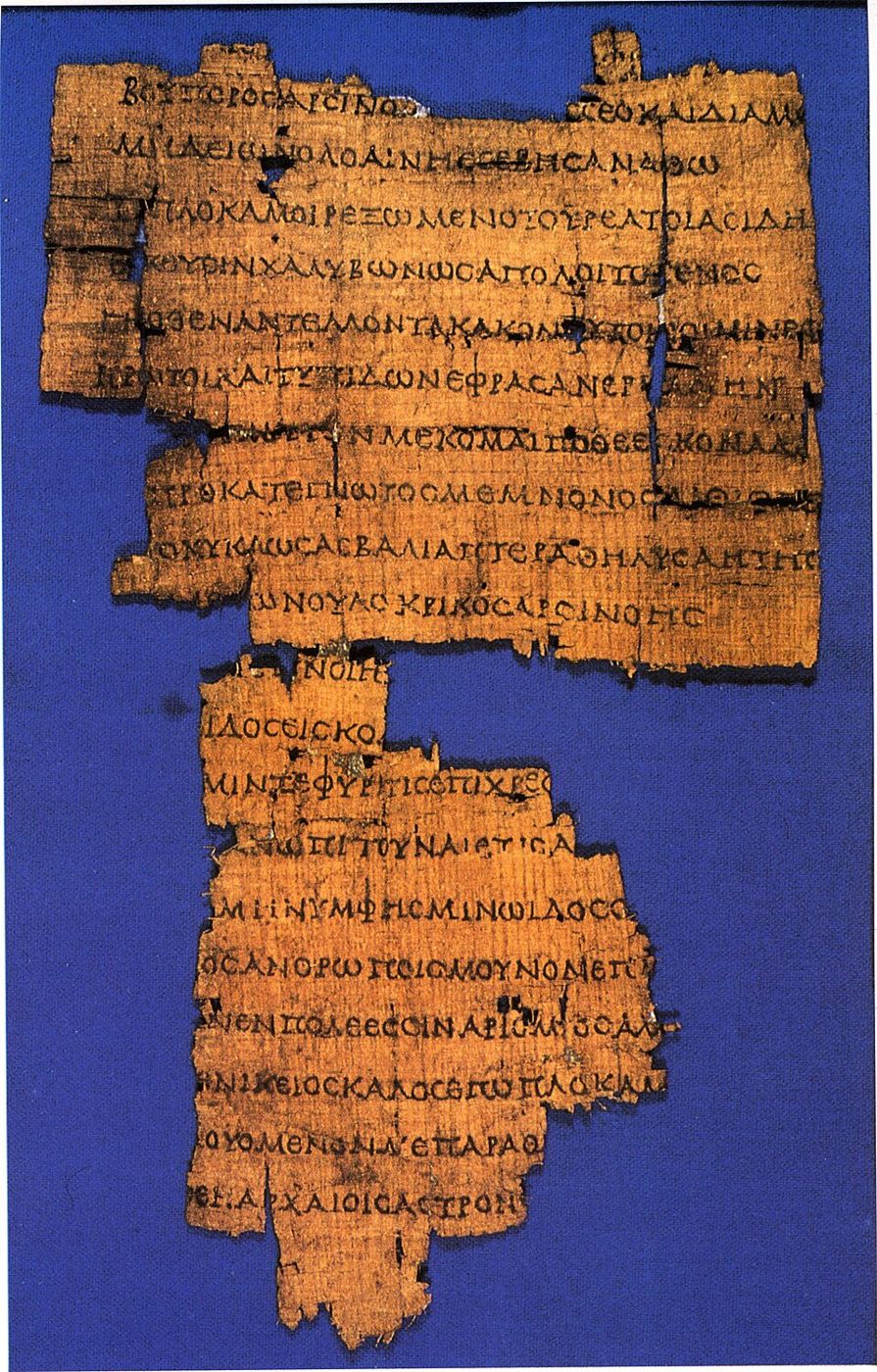
Poets and playwrightsHellenistic
Callimachus, Theocritus and Hellenistic poets
Callimachus, Theocritus, Apollonius and Herodas: the forms of Hellenistic poetry.
Works
- Synopsis
- Text and translation
- How to read each line
- Key to the labels
- Scansion
- Metre
- Prosody, line by line
- Notes
- Synopsis
- Text and translation
- How to read each line
- Key to the labels
- Scansion
- Metre
- Prosody, line by line
- Notes
- Synopsis
- Text and translation
- How to read each line
- Key to the labels
- Scansion
- Metre
- Prosody, line by line
- Notes
- Synopsis
- Text and translation
- How to read each line
- Key to the labels
- Scansion
- Metre
- Prosody, line by line
- Notes
- Synopsis
- Text and translation
- How to read each line
- Key to the labels
- Scansion
- Metre
- Prosody, line by line
- What the input marks
- Notes
- Synopsis
- Text and translation
- How to read each line
- Key to the labels
- Scansion
- Metre
- Prosody, line by line
- What the input marks
- Notes
About · 1 of 4
The Hellenistic poets
This page gathers the poets of the third century BC whom the metrical handbooks treat together. In this age poets wrote for the book. They tried out verse-forms taken from archaic monody, the solo song of Sappho and Alcaeus. They did not mean to imitate song. They meant to enlarge the stock of stichic and distichic metres that literature could use: metres repeated line by line, or in couplets.[1] So the learned poets did not rebuild the old lyric strophes. They reused lyric metres line by line or in couplets.[2] The sources give dates and places only in passing. The Lyric tab describes song in the period.
Callimachus. His hexameter is in many respects the most refined of the period.[3] The choliambic and other iambic forms of his Iambi revive the metres of the early iambographers,[4] Hipponax above all.[5] The choliambic, or “limping iambic”, is an iambic trimeter whose last element but one is long.
He was a scholar as well as a poet. He wrote the Pinakes, a guide to Greek literature in 120 books.[6] It listed every known work by author, title and genre. He also took part in a debate on how Pindar’s Pythian 2 should be classed. Nothing shows that he produced an edition of Pindar.[7]
He treats dialect as a tool. Iambos was normally Ionic, but he writes Doric iambos in Iambi 6, 9 and 11. He revives Pindar’s lyric language in hexameters and elegiacs.[8] Hephaestion quotes him for a whole poem, the Branchus, in choriambic pentameters. He also quotes him for an ithyphallic appended to an iambic trimeter, for the “Euripidean fourteen-syllable”, and for the two asynartete lines of Epigram 39.[9]
Theocritus. Most of his poetry is in Doric hexameters.[8] The “bucolic caesura” is a word-end after a dactylic fourth foot. In his bucolic poems it reaches 74% of lines.[3]
In poems 28–31 he writes in East Aeolic dialect and Lesbian metres.[10] The metres are gl²ᶜ and gl²ᵈ, and he openly declares his model. From 29.39 he even adopts the old double-short form of the aeolic base, which had mostly gone out of use after the fifth century.[11] Sappho and Simonides are often echoed in his poetry.[12]
Not all of his poems are pastoral. The bucolic poems proper are Idylls 1, 3–7, 10 and 11.[13]
Apollonius of Rhodes. He is a third-century poet in whom, as in Theocritus, Sappho and Simonides are present.[12] He is also a source of Homeric borrowings for Nonnus.[14]
The little that is known of his life comes from three sources. They are a papyrus list of the librarians at Alexandria (P. Oxy. 1241), two short lives in the manuscripts, and the Suda. From these Race infers, with some probability, that he came from Alexandria and spent time on Rhodes. He studied under Callimachus and was head of the royal library, perhaps about 270–245 BC.[15] The Perseus text of the Argonautica is G. W. Mooney’s edition. The handbooks say nothing further about his verse, and this page does not either.
The Argonautica has four books, of 1,362, 1,285, 1,407 and 1,781 hexameters.[16] It is later than Theocritus’ Idylls 13 and 22. Apollonius links the two stories told there, of Hylas and of Amycus, through the figure of Heracles.[17]
Aratus. Aratus of Soli wrote the Phaenomena, a poem on the stars and weather signs. It was one of the most popular works of antiquity, and it soon became a school text. The ancient lives of Aratus do not agree. What is reasonably well established is that he spent time in Athens with the early Stoics, and that in the early 270s he went to the court of King Antigonus Gonatas.[18]
Lycophron. The Pleiad was a group of seven tragedians of the third century; the sources list its members differently. Among them were Philicus, Alexander Aetolus and Lycophron of Chalcis, who worked on comedy at the Library.[19] Lycophron is the only Hellenistic tragedian with a long list of titles in our sources.[20] The Alexandra that goes under his name is described on its works tab.
Herodas (Herondas). He wrote choliambics in the revived Hipponactean manner. In his lines the “ischiorrhogic” ending — — — — occurs about once in 24 lines.[21] No open-licence text is available to this site.
Others the sources name. Sotades was a poet of the early third century BC. He gave his name to the sotadean. It was a metre of popular and often bawdy entertainment, which also served for moralising verse (Hephaestion, Ench. 1.4 quotes his Adonis).[22] Boiscus of Cyzicus boasted of inventing the catalectic iambic octameter.[1]
Philicus of Corcyra, “one of the Pleiad”, wrote a whole poem in choriambic hexameters. He boasted of having invented the metre. Hephaestion says the boast was false, since Simmias of Rhodes had used it before him.[23] Phoenix of Colophon provides the one doubtful pure iambic ending in Hellenistic choliambics.[21] Ionic continued in religious and popular use, and developed new variants. Examples are the paean of Isyllus (late fourth century BC) and the Dictaean Hymn to the Kouros (fourth or third century).[24]
Courts and occasions. Much of this poetry was written at the Ptolemaic court, where Callimachus catalogued the Library’s holdings.[25] Court occasions supplied subjects. Examples are Theocritus’ Encomium of Ptolemy (Idyll 17), Callimachus’ elegiac epinicians for Queen Berenice II and the courtier Sosibius, and his lament for Arsinoe (fr. 228).[26] The learned poet usually stayed at one court for life. Pindar, by contrast, had served patrons all over Greece.[27] The Library’s scholars are on the Transmission tab.
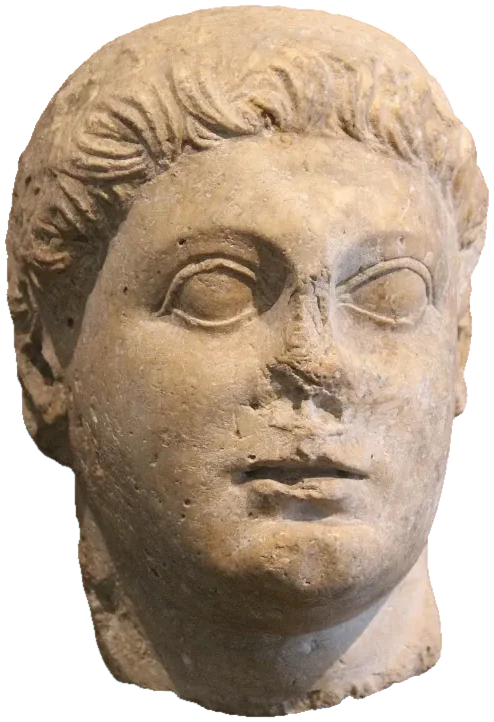
Notes
- ^ a b West 1987, p. 76.
- ^ Barbantani 2009, p. 307.
- ^ a b West 1987, p. 78.
- ^ West 1987, pp. 76, 82.
- ^ Barbantani 2009, p. 309.
- ^ Reynolds and Wilson 1991, p. 7.
- ^ Phillips 2022, ch. 8, §’Reading Contexts’; Morrison 2022, p. 399.
- ^ a b de Kreij 2022, ch. 10, §’Late-Classical and Hellenistic Lyric’.
- ^ Hephaestion, Ench. 9.4, 6.3, 15.17, 15.24.
- ^ Barbantani 2009, p. 307; Hopkinson 2015, p. 388, on Idyll 28.
- ^ West 1987, p. 76; de Kreij 2022, ch. 10.
- ^ a b Phillips 2022, ch. 8, §’Reading Contexts’.
- ^ Payne 2010, p. 224.
- ^ West 1987, p. 79.
- ^ Race 2009, p. ix.
- ^ Köhnken 2010, p. 136.
- ^ Köhnken 2010, p. 142.
- ^ Volk 2010, p. 197.
- ^ Sens 2010, p. 297.
- ^ Sens 2010, p. 298.
- ^ a b West 1987, p. 82.
- ^ West 1987, p. 74.
- ^ Hephaestion, Ench. 9.4.
- ^ West 1987, p. 73.
- ^ Barbantani 2009, pp. 298–299.
- ^ Barbantani 2009, pp. 306–308; Morrison 2022, p. 397.
- ^ Barbantani 2009, p. 310.
About · 2 of 4
Texts and transmission
The age that made editions. The Library at Alexandria aimed to collect all extant written knowledge.[1] Zenodotus, the first Librarian, suggested corrections to Pindar and Anacreon, but left no edition of the lyric poets. Callimachus’ Pinakes listed every author’s works, each with its incipit (opening words), a summary and a date, together with a short biography. Aristophanes of Byzantium (c. 255–180 BC) added a supplement.[2]
Aristophanes is the first Alexandrian scholar regularly associated with editing the lyric poets. After him, division into cola became the normal way of laying out the page. His successor Apollonius the Eidographer classified the poems by musical mode. Aristarchus (died c. 144 BC) wrote commentaries and editions that became standard.[3] These works of explanation are the distant ancestors of the scholia, the marginal notes in medieval manuscripts.[4]
The canon of nine lyric poets is first attested in an epigram of the third or second century BC (AP 9.184).[5] Evidence for books in the third century is scanty. The fourth-century Timotheus papyrus is written as prose, and many lyric books may have gone on looking much the same.[6]
What survives of the poets on this page. The open-licence texts used here are the Perseus Digital Library’s. Theocritus’ Idylls and Epigrams are in R. J. Cholmeley’s edition (London, 1901–1919). Callimachus’ six Hymns are in A. W. Mair’s Loeb, and his Epigrams in Wilamowitz’s edition. Apollonius’ Argonautica is in G. W. Mooney’s edition. Callimachus’ Iambi, Herodas’ mimiambs and the fragments of Sotades, Boiscus and Philicus are not in that collection. They are discussed on this page only as the metrical sources describe them.
Callimachus’ Hymns survive because one unknown compiler, at some time between the sixth and fourteenth centuries AD, put the Homeric, Orphic, Callimachean and Proclan hymns into a single book. Otherwise there would be only quotations and scraps of papyrus.[7] For the Argonautica the standard text is Vian’s, and the scholia are edited by Wendel.[8] For the Alexandra, the scholia and the ancient paraphrases are edited by Leone, and Tzetzes’ commentary by Scheer.[9]
Fragments through the metricians. Much Hellenistic verse is known only because an ancient metrician quoted it. Hephaestion preserves the opening of Callimachus’ Branchus in choriambic pentameters, and a line of Philicus’ choriambic hexameters. He preserves the Epigram 39 couplet in its two asynartete forms, and a Callimachean example of the “Euripidean fourteen-syllable”. He also gives Callimachus’ iambic trimeter with appended ithyphallic.[10]
The Iambi use the choliambic (Iambi 1–4 and 13) and the trochaic trimeter catalectic. They also use two novel epodic combinations: choliambic + 2ia in Iamb. 5, and 3ia + ithyphallic in Iamb. 6–7.[11] Boiscus’ octameter is cited from the Supplementum Hellenisticum (SH 233).[12]
Papyri. For lyric, the Hellenistic period is the age of the earliest surviving witnesses. One is a Sappho ostracon of the third or second century BC, written without colometry; an ostracon is a potsherd used for writing. Another is P.Dryton 50, a long Hellenistic lyric monologue in polymetric, astrophic form. It is the last text in which dochmiacs appear. A loan of 174 BC on its reverse supports a Hellenistic date (West calls it the Grenfell Erotic Fragment, CA 177).[13]
Papyrology keeps unsettling accepted views, and more may turn up in the large unpublished collections.[14]
Later readers. The better poets of the Imperial period cultivated the refinement of the Alexandrian hexameter. Nonnus raised it to new heights in the fifth and sixth centuries. He admits certain licences only in phrases borrowed from Homer or Apollonius Rhodius.[15] Babrius took up the choliambic of Callimachus and Herodas in the first century AD for his fables.[16]
Books for readers. Learned poetry was devised mainly for circulation in books, and for recitation in restricted circles such as court symposia.[17] How the books were put together can be disputed. Poems for Berenice frame the last two books of the Aetia. Parsons suggested that they also circulated separately. Barbantani accepts this view, against Pfeiffer and Hollis.[18]
After Alexandria. Under Tiberius the scholar Theon commented on poetic texts, especially Hellenistic ones such as Theocritus, Apollonius Rhodius and Callimachus.[19] Copyists schooled in Attic tended to replace the forms of other dialects with the Attic forms they knew. In many parts of Theocritus’ Idylls the original Doric forms have been eliminated.[20] Callimachus was still read in late antiquity outside the school syllabus. A papyrus of his later than the fifth century survives (P.Oxy. 2258).[21]
In the twelfth century John Tzetzes had read some Callimachus and Hipponax that we no longer have. Michael Choniates owned the Hecale and quoted it in his letters. They are the last Byzantines who could read more classical poetry than we can. Those rare books did not survive the sack of Constantinople in 1204.[22]
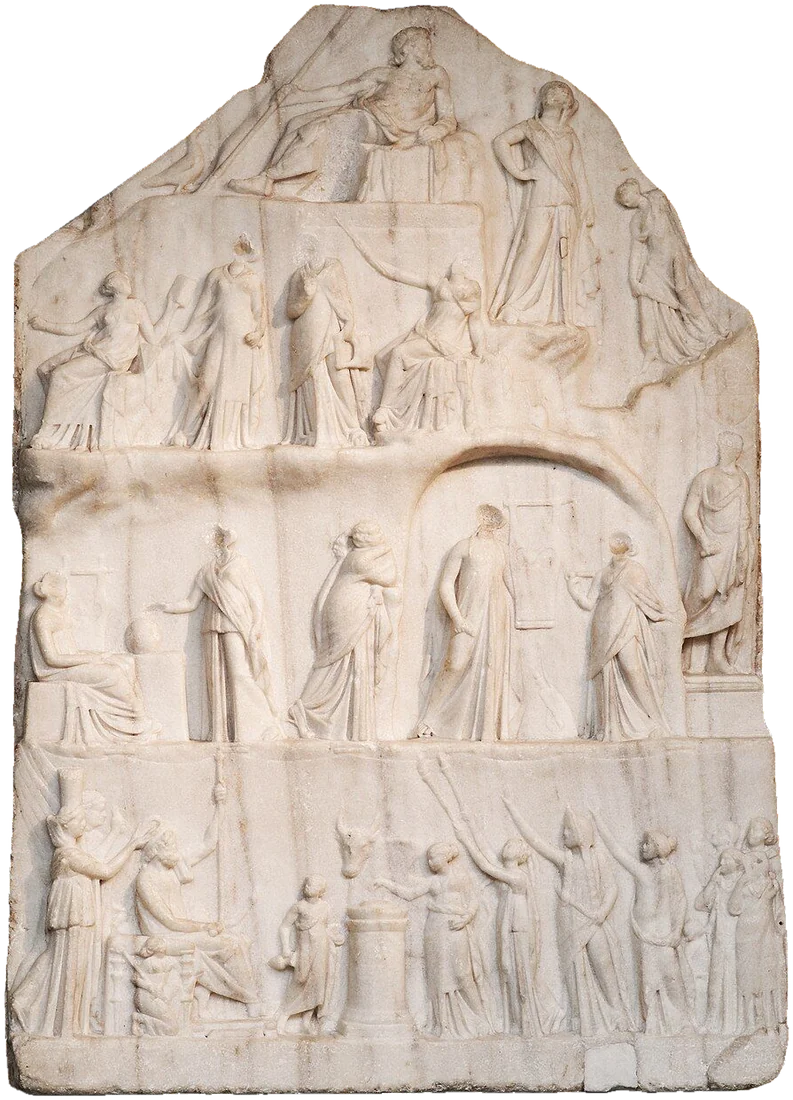
Notes
- ^ Barbantani 2009, p. 298.
- ^ Barbantani 2009, pp. 299–301.
- ^ Barbantani 2009, pp. 301–302; Phillips 2022, ch. 8, §’Reading Contexts’.
- ^ Phillips 2022.
- ^ Barbantani 2009, p. 303.
- ^ Phillips 2022; Sampson 2022, ch. 7, §’Dialect and Meter’.
- ^ Bulloch 2010, p. 166.
- ^ Köhnken 2010, p. 149.
- ^ Sens 2010, p. 313.
- ^ Hephaestion, Ench. 9.4, 15.24, 15.17, 6.3.
- ^ West 1987, pp. 76, 82.
- ^ West 1987, p. 76.
- ^ Sampson 2022, ch. 7, §’Dialect and Meter’; West 1987, p. 68 n. 1.
- ^ Sampson 2022, ch. 7, §’Introduction’.
- ^ West 1987, p. 79.
- ^ West 1987, p. 82.
- ^ Barbantani 2009, p. 310.
- ^ Barbantani 2009, p. 308 with n. 42.
- ^ Reynolds and Wilson 1991, pp. 44–45.
- ^ Reynolds and Wilson 1991, pp. 47–48.
- ^ Reynolds and Wilson 1991, p. 54.
- ^ Reynolds and Wilson 1991, pp. 71–72; see Byzantium.
About · 3 of 4
Their metres
The Callimachean hexameter
From the early third century BC poets aim at a smoother line. They avoid unusual rhythms and runs of short words, and they limit licences such as hiatus. How strictly each poet binds himself varies a good deal. In many respects Callimachus goes furthest.[1] The opening of his Hymn to Zeus is a specimen:
Ζηνὸς ἔοι τί κεν ἄλλο παρὰ σπονδῆισιν ἀείδειν
λώιον ἢ θεὸν αὐτόν, ἀεὶ μέγαν, αἰὲν ἄνακτα,
Πηλαγόνων ἐλατῆρα, δικασπόλον οὐρανίδηισι;
Zēnos eoi ti ken allo para spondēisin aeidein / lōion ē theon auton, aei megan, aien anakta, / Pēlagonōn elatēra, dikaspolon ouranidēisi?
“At libations of Zeus, what better to sing than the god himself, ever great, ever lord, driver of the Pelagonians, judge for the sons of Heaven?”
Each line has the feminine caesura, after the first short of the third foot (ἄλλο, αὐτόν, ἐλατῆρα). Lines 2 and 3 also have the bucolic caesura, after an uncontracted fourth foot (μέγαν, δικασπόλον). In line 1 the fourth foot is contracted, ρὰ σπον- (red), and no word ends after it.
Callimachus, Hymn 1.1–3, Wilamowitz’s text (Perseus)
synthetic ∿
All three lines have the feminine caesura, a word-end after the first short of the third foot.[2] Lines 2 and 3 have word-end after an uncontracted fourth foot. This is the bucolic caesura, which West marks in his text of lines 2–3. In line 1 the fourth foot is contracted (σπον-), and no word-end follows it. The features of the Callimachean hexameter are these:[3]
| Positive features | Rhythms avoided |
|---|---|
| A high proportion of feminine caesuras; no line without a third-foot caesura | Offences against Hermann’s Bridge (word-end between the two shorts of the fourth biceps)[4] |
| Sense-pauses limited to — ⏑ ⏑ ¦ — ¦ ⏑ ⏑ — ¦ ⏑ ¦ ⏑ — ⏑ ⏑ ¦ — ⏑ ⏑ — — ‖ | Word-end after a contracted fourth biceps (Naeke’s Law) |
| More uncontracted feet than Homer, especially the fourth; bucolic caesura in 63% of lines (Homer 47%, Theocritus’ bucolics 74%) | Word-end between or after the shorts of the second foot without word-end after the first foot |
| Elision of nouns, adjectives and verbs restricted: one case in H. 3.1–100 against nineteen in Il. 1.1–100 | Word-end after the fifth princeps unless the word scans ⏑ — ⏑ ⏑ — (H. 4.311 is a striking exception) |
| A word ending — — (contracted biceps + fourth princeps) in the fourth princeps unless bucolic caesura follows |
The “bucolic caesura” is word-end at the end of the fourth foot after uncontracted biceps.[4] West dismisses the alternative name “bucolic diaeresis” as a needless modern refinement.[5] In some lines the fourth-foot dactyl is followed by a word of four syllables scanning — — — ×. Such a line is known as σπονδειάζων (spondeiazōn), “spondaic”, and some Alexandrian poets affected the type (on Call. H. 1.5):[1]
ἐν δοιῆι μάλα θυμός, ἐπεὶ γένος ἀμφήριστον.
en doiēi mala thȳmos, epei genos amphēriston.
“My mind is much in doubt, since his birth is disputed.”
A σπονδειάζων (spondeiazōn): the fourth foot is a dactyl (πεὶ γέ νο-), the fifth a spondee, and the line ends in the four-syllable word ἀμφήριστον, — — — × (red).
Callimachus, Hymn 1.5, Wilamowitz’s text (Perseus)
synthetic ∿
The main avoidances hold strictly in certain poems. These are the Hymns (except the fifth, 941 lines in all) and the roughly 120 complete lines of the Hecale. There Callimachus always keeps Hermann’s Bridge. He never lets a word end after a contracted fourth biceps (Naeke’s Law). Nor does he let one end after a contracted second biceps (Hilberg’s Law, which overlaps only in part with West’s rule for the second foot). The fifth Hymn, the Aetia, the elegies and the epigrams follow a different practice.[6]
Theocritus
Ἁδύ τι τὸ ψιθύρισμα καὶ ἁ πίτυς αἰπόλε τήνα,
ἃ ποτὶ ταῖς παγαῖσι μελίσδεται, ἁδὺ δὲ καὶ τὺ
συρίσδες· μετὰ Πᾶνα τὸ δεύτερον ἆθλον ἀποισῇ.
Hādy ti to psithyrisma kai hā pitys aipole tēnā, / hā poti tais pāgaisi melisdetai, hādy de kai ty / sȳrisdes; meta Pāna to deuteron āthlon apoisēi.
“Sweet is the whispering, goatherd, of that pine making music by the springs, and sweetly too you pipe: after Pan you will carry off the second prize.”
Feminine and bucolic caesura in every line. Red: Doric long ᾱ in ἁδύ and πᾱγαῖσι; καί shortened before ἁ (line 1) and -ται before ἁδύ (line 2), both correption.
Theocritus, Idyll 1.1–3, Cholmeley’s text (Perseus)
synthetic ∿
Every line has the feminine caesura and the bucolic caesura. There is correption of καί before ἁ in line 1, and of -ται before ἁδύ in line 2. Correption is the shortening of a long vowel or diphthong before a following vowel. ἁδύ, παγαῖσι and τήνα have the Doric ᾱ.
In poems 28–31 Theocritus uses the Lesbian metres gl²ᶜ and gl²ᵈ for poems in Lesbian dialect. These are glyconics with double choriambic and double dactylic expansion. The model is deliberately chosen. From 29.39 he revives the double-short aeolic base, little used after the fifth century.[7]
Elegiacs, choliambs and new stichic lines
Elegiac refinements. In Hellenistic elegiacs versification is in general rather stricter than in the hexameter poets. Hiatus is restricted. There is less correption in words that would scan without it. A word naturally ending — ⏑ stands before the feminine caesura. After the late third century, a long vowel or diphthong is preferred at the pentameter caesura. There is a gradual tendency to avoid an accented final syllable in the pentameter.[8]
Choliambs. The choliambic is the “limping” trimeter. It is an iambic trimeter whose short penultimate is replaced by a long: × — ⏑ — × — ⏑ — ⏑ — — ×. The fourth syllable from the end is usually short.[9] It was revived in the late fourth century BC. It was tied to Hipponax in particular, and used in poems meant to continue the manner of the old Ionian iambus (Call. Iamb. 1–4 and 13, Herodas). Hipponax was the model of the Hellenistic choliambists.[10]
The pure iambic ending is gone, bar one doubtful case in Phoenix. The ischiorrhogic ending — — — — occurs about once in 24 lines in Herodas. It never occurs in Callimachus, who also avoids anapaests and is sparing with resolution.[11]
Book lyric. Callimachus’ Iambi add the trochaic trimeter catalectic and two novel epodic combinations: choliambic + 2ia (Iamb. 5) and 3ia + ithyphallic (Iamb. 6–7). Hephaestion quotes Callimachus for the ithyphallic appended to an iambic trimeter.[12] Epodic structures replace elegiacs in some epigrams. Many aeolic and iambic verses are used stichically, line after line, and some of them are new. One is the catalectic iambic octameter of Boiscus, SH 233:[7]
Βοΐσκος ᾱ̓πὸ Κυζικοῦ, καινοῦ γραφεὺς ποιήματος,
τὸν ὀκτάπουν εὑρὼν στίχον Φοίβωι τίθησι δῶρον.
Boïskos āpo Kyzikou, kainou grapheus poiēmatos, / ton oktapoun heurōn stichon Phoibōi tithēsi dōron.
“Boiscus of Cyzicus, writer of a new poem, inventor of the eight-foot verse, gives it to Phoebus as a gift.”
One verse of eight iambic metra, × — ⏑ —, the last catalectic, printed as two lines. Red: the α of ἀπό, which West marks long, and Κυ-, long before ζ.
Boiscus, SH 233: Greek from Keil 1874 VI p. 564, with καινοῦ from the apparatus
synthetic ∿
The two printed lines make one verse of eight iambic metra, the last catalectic. West marks the α of ἀπό long, and Κυ- is long before ζ. West reads Boiscus’ pride in his invention as typical of how these poets saw their craft.[7]
Of these metres two continued in use into the Roman period: the phalaecian (gl ia∧) and the priapean (gl | ph).[13] The choriambic pentameter of the Branchus and Philicus’ choriambic hexameter are whole-poem experiments.[14] The sotadean is a catalectic tetrameter of ionics in broken-up form. It can take a great many different shapes, and it enjoyed a vogue for centuries.[15] Dactylo-epitrite became the metre of polite lyric for the educated, before fading after about 190 BC.[16]
Other poets
Callimachus’ Hymns. All six are in dactylic verse. Five are in hexameters, and the fifth, the Bath of Pallas, is in elegiacs.[17]
Aratus. His metrical practice is remarkably close to Hesiod’s, though his vocabulary is Homeric. Ancient critics already disagreed about whether he imitated Homer or Hesiod.[18]
Tragedy and the Alexandra. The trimeters of the Alexandra, like the fragments of Hellenistic tragedy, avoid resolution, as the earliest tragedies did.[19] A fragment of Sositheus’ satyr-play Daphnis has no resolution and keeps Porson’s Law. Lycophron’s own satyr-play, the Menedemus, is freer.[20]
Notes
- ^ a b West 1987, p. 78.
- ^ West 1987, p. 19.
- ^ West 1987, pp. 78–79.
- ^ a b West 1987, p. 21.
- ^ West 1987, p. 78 n. 8.
- ^ Maas 1962, pp. 61–62.
- ^ a b c West 1987, p. 76.
- ^ West 1987, p. 80.
- ^ West 1987, p. 30.
- ^ Barbantani 2009, p. 309.
- ^ West 1987, pp. 30, 82.
- ^ Hephaestion, Ench. 6.3.
- ^ West 1987, pp. 76–77.
- ^ Hephaestion, Ench. 9.4.
- ^ West 1987, p. 74.
- ^ West 1987, p. 70.
- ^ Bulloch 2010, p. 168.
- ^ Volk 2010, p. 199.
- ^ Sens 2010, p. 308.
- ^ Sens 2010, p. 298.
About · 4 of 4
Lyric in the Hellenistic age
Read, not sung. By the third century BC the archaic melic, iambic and elegiac poems were no longer performed but studied. Melic poetry is poetry made to be sung. The learned lyric of the scholar-poets was meant above all to be read, or recited to small private gatherings.[1] The poems of Sappho, Pindar or Simonides were now met as texts, classified and commented on. But there was also a living tradition of popular performance at festivals and competitions across the Greek world.[2]
How far Hellenistic literary poetry was itself performed is disputed. Cameron, and Acosta-Hughes and Stephens, argue for more continuity of performance. Bing argues for the primacy of reading.[3]
Songs still performed. Cult songs went on being composed and inscribed. The Erythraean paean to Asclepius is a monostrophic paean in dactylic metre, inscribed in the early fourth century. It was still sung, with changes, in Roman times at Ptolemais in Egypt, Dion and Athens. An addition to the Erythraean stone begins a paean to Seleucus (281 BC) in dactylo-epitrites.[4] Rutherford has suggested that the Erythraean paean may be of the fifth century and by Sophocles.[5]
In the fourth and third centuries dactylo-epitrite was the usual metre of lyric for the cultivated middle classes. It was generally astrophic and smooth, and it faded after about 190 BC.[6] The metres of religious and popular song were relatively simple: aeolic, ionic and iambic. The songs were mostly monostrophic, with one stanza-form repeated.[7]
Virtuoso song. At the other extreme stood show pieces like the “Fragmentum Grenfellianum” (P.Dryton 50), a woman’s lament for a faithless lover. Its opening mixes dactylic, iambic, dochmiac and anapaestic lines, and the poem is astrophic. Its prosy vocabulary and its form have suggested to many that it is a magodia, a kind of mime.[8] Its dochmiacs are the last known. Outside drama they recur only here.[9]
No strophic lyric survives from any of the major Hellenistic poets. Recitation of dactylic verse was the dominant way of performing poetry.[10] Strophic lyric survives mainly in paeans and hymns inscribed on stone. Some were addressed to kings and generals. A paean for Demetrius Poliorcetes, for instance, is built in strophes of iambic trimeters and ithyphallics.[11] Isyllus of Epidaurus set out his inscription in sections of different metres: trochaic tetrameters, hexameters and iambic trimeters.[12]
Lyric metres used stichically. The book-poets did not reproduce the strophes of archaic lyric. They used its metres stichically, line after line, or in epodic pairs.[13]
Callimachus wrote four “lyric” poems, which Pfeiffer separated from the Iambi on the evidence of the Suda. They use the phalaecean (fr. 226), the archebulean (fr. 228) and the catalectic choriambic pentameter (fr. 229). The fourth uses, in epodic form, the “fourteen-syllable Euripidean”, iambic dimeter plus ithyphallic (fr. 227). The archebulean was probably strophic in Stesichorus and Ibycus, and certainly so in the choral odes of drama. Here it is a line repeated.[14] Whether these poems belong with the Iambi is an old and disputed question.[15]
Theocritus writes Idylls 28, 30 and 31 in the “greater asclepiad” of Sappho’s third book. He writes Idyll 29 in the “Sapphic fourteen-syllable” of her second. Enjambment is the running-on of sense from one line into the next. Prauscello has shown that in Idyll 29 it occurs only after odd-numbered lines. So the poem recreates, without music, the distichs of the Lesbian poets.[16]
There were other experiments. Cercidas invented a stichic “meliamb”.[17] Philicus wrote a hymn to Demeter in catalectic choriambic hexameters, and another poet wrote one in archilocheans. In the second century AD Melinno revived the Sapphic stanza, and Mesomedes wrote hymns in cretics and anapaests.[18]
Song turned into hexameters. More often, lyric song-types were “translated” into recitative metres. The paean became Callimachus’ Hymn to Apollo. The wedding song became Theocritus’ Idyll 18. The victory ode became Callimachus’ elegiac epinicians.[19] This had begun in the fourth century with Erinna’s hexameter lament, the Distaff.[20]
Notes
- ^ Barbantani 2009, p. 297.
- ^ Morrison 2022, p. 390.
- ^ Morrison 2022, p. 391 n. 10.
- ^ Morrison 2022, pp. 391–392.
- ^ Morrison 2022, p. 391 n. 14.
- ^ West 1987, p. 70.
- ^ Barbantani 2009, p. 314.
- ^ Morrison 2022, p. 392 with n. 20.
- ^ Sampson 2022, pp. 113–114; West 1987, p. 68 n. 1.
- ^ Fantuzzi 2010, p. 181.
- ^ Fantuzzi 2010, p. 182.
- ^ Fantuzzi 2010, pp. 183–185.
- ^ Barbantani 2009, p. 307; Morrison 2022, p. 396.
- ^ Morrison 2022, p. 396.
- ^ Morrison 2022, p. 396 n. 38.
- ^ Morrison 2022, pp. 397–398.
- ^ Morrison 2022, p. 396 n. 35.
- ^ Barbantani 2009, p. 316.
- ^ Morrison 2022, pp. 393–396, 401.
- ^ Barbantani 2009, p. 304; Morrison 2022, p. 400.
Callimachus, Epigrams 1, 2, 19, 28
Synopsis
Callimachus came from Cyrene, and claimed descent from Battus, its founder. He taught grammar at Eleusis, a suburb of Alexandria. Then he was introduced to the court of Ptolemy II Philadelphus (reigned 285–247 BC), where he stayed for the rest of his life. Mair put his birth about 310 BC and his death about 235 BC.[1] He catalogued all the works of literature acquired by the Library at Alexandria.[2] Learned poetry of this kind was written mostly to circulate in books. It was also recited in small circles, such as private and court symposia.[3]
The four epigrams scanned here are all preserved in the Greek Anthology (A.P. 7.89, 7.80, 7.453, 12.43).[4] In Epigram 1 Pittacus answers a stranger’s question about marriage with the cry of boys whipping their tops: “drive the one your own size”. Epigram 2 is on the death of his friend Heraclitus of Halicarnassus, whose “nightingales”, his poems, Hades cannot seize. Epigram 19 is the epitaph of a twelve-year-old boy. Epigram 28, “I hate the cyclic poem”, is a statement of literary taste.
Text and translation
The uninterrupted Greek with its English translation, line by line.
Show text and translation
ξεῖνος Ἀταρνείτης τις ἀνήρετο Πιττακὸν οὕτω
Callimachus · Epigrams 1, 2, 19, 28 · elegiac couplets · text of Wilamowitz (1897), via the Perseus Digital Library
How to read each line
A guide to the Greek, syllables, pitch marks and quantities.
Show the reading key
- Above each line: the line as the edition prints it, each word placed over its own syllables. The main row: the same Greek divided into metrical syllables, each written as it is pronounced. A consonant that closes a syllable is written with it (λόθ | ρο); an elided word is closed up with the next vowel (ν’ἀ); a final consonant carried into the next word is set with a thin space (ς ἰ). Wider gaps mark word-ends.
- Above the syllables: the pitch of each syllable, from the accents. Under them: the quantity of each syllable as it falls in the line, then the transliteration, syllable by syllable, with accented syllables in capitals.
- Under each line: a line-for-line translation. In the right margin of the scansion: the line type, its scheme, and its analysis into cola.
Key to the labels
The names, patterns and symbols used beside this poem.
Show the labels and symbols
The labels in the right margin of the scansion below name the line, its scheme, the feet as the line realises them, and the caesurae and diaereses (the named word-ends) that fall in it. In the scheme ⏔ is a biceps, two shorts that may be contracted to one long; ⏕ is a long that may be resolved into two shorts; × is an anceps, long or short. A click on any syllable highlights its metron or colon, or, with the switch, its foot.
| Label | Name and shape | What it is |
|---|---|---|
| hem1 | First hemiepes— ⏔ — ⏔ — | The first two and a half feet of the hexameter, up to the penthemimeral caesura; in the pentameter, its whole first half. |
| hem2 | Second half of the hexameter⏔ — ⏔ — ⏑ ⏑ — × | From the penthemimeral caesura to the line-end: the fifth foot is nearly always a dactyl, the sixth is — ×. |
| hemp | Second hemiepes— ⏑ ⏑ — ⏑ ⏑ × | The second half of the pentameter: two dactyls and a single syllable, with no contraction allowed. |
The traditional feet
| Foot and shape | Where |
|---|---|
| First foot: dactyl or spondee— ⏔ | Scheme positions 1–2. The biceps (⏑ ⏑) may be contracted to a single long, making a spondee. |
| Second foot: dactyl or spondee— ⏔ | Scheme positions 3–4. |
| Third foot: dactyl or spondee— ⏔ | Scheme positions 5–6. The penthemimeral caesura falls after its first syllable, the “trochaic” caesura after its second. |
| Fourth foot: dactyl or spondee— ⏔ | Scheme positions 7–8. Word-end at the end of this foot, when it is a dactyl, is the bucolic diaeresis (West’s “bucolic caesura”: word-end at the end of the fourth foot after an uncontracted biceps)[5]. |
| Fifth foot: dactyl— ⏑ ⏑ | Scheme positions 9–10. A spondee here (a “spondaic line”) is rare. |
| Sixth foot— × | Scheme positions 11–12: a long and the indifferent final syllable. |
| First foot: dactyl or spondee— ⏔ | Scheme positions 1–2 of the pentameter. |
| Second foot: dactyl or spondee— ⏔ | Scheme positions 3–4. |
| Half-foot before the diaeresis— | Scheme position 5: the long that closes the first hemiepes; word-end must follow. |
| Fourth foot: dactyl— ⏑ ⏑ | Scheme positions 6–8: no contraction after the diaeresis. |
| Fifth foot: dactyl— ⏑ ⏑ | Scheme positions 9–11. |
| Final syllable× | Scheme position 12. |
Scansion
Four epigrams in elegiac couplets, scanned foot by foot: the hexameter with its caesurae, the pentameter with its fixed diaeresis, and the refinements West attributes to Callimachus.
A stranger from Atarneus once put this question to Pittacus,
the man of Mytilene, son of Hyrrhas:
“Old father, two marriages are calling me. One bride
is my equal in wealth and in family,
the other is above me. Which is better? Come, advise me:
which of the two shall I lead to the wedding?”
He spoke; and the old man, raising his staff, an old man’s weapon,
said: “Look, those boys there will tell you the whole answer.”
They were whipping their swift tops along,
boys at a broad crossroads.
“Follow their tracks,” he said. And the stranger went and stood
near them; and they were calling: “Drive the one your own size!”
Hearing this, the stranger held back from grasping at the greater house,
taking the boys’ cry for an omen.
And as he led the humble bride into his home,
so you too, Dion, drive the one your own size.
Someone told me of your death, Heraclitus, and it brought me
to tears; I remembered how often the two of us
talked the sun down. But you, I suppose,
my friend from Halicarnassus, are ashes long, long ago;
yet your nightingales live on, and Hades,
who seizes everything, will not lay his hand on them.
Here his father Philip laid his twelve-year-old son,
his great hope, Nicoteles.
I hate the cyclic poem, and I take no pleasure
in the road that carries many this way and that;
I loathe the lover who goes round, and from the public fountain
I do not drink: I am sick of everything common.
Lysanies, you are fair, yes, fair; but before I can say it
clearly, an echo says: “another has him.”
Metre
- The couplet. A hexameter followed by a “pentameter”, — ⏔ — ⏔ — | — ⏑ ⏑ — ⏑ ⏑ — ‖, two hemiepes cola always divided by a word-end (the diaeresis); contraction is allowed only in the first colon, and the last position, at period-end, may hold a short syllable.[6] Elegiacs are the standard metre of epigram,[7] and Hellenistic poets carried many lyric song-types over into the “recitative” metres of the elegiac couplet and the hexameter.[8]
- Hellenistic refinement. West describes the versification of Hellenistic elegy as in general stricter than that of the hexameter poets: hiatus is restricted, correption is used less with words that fit the verse without it, and the word standing just before the hexameter’s feminine caesura usually has a natural — ⏑ ending of its own.[7] There is no hiatus between words in these thirty lines; the one long vowel or diphthong shortened before a vowel at word-end is the καί of Ep. 28.2, a word that before a vowel was shortened or run together as a matter of course.[9] Every word before a feminine caesura here ends — ⏑ by nature, none by correption or elision.
- The Callimachean hexameter. West counts Callimachus the most refined of the Hellenistic versifiers.[10] In his hexameters the feminine caesura predominates and every line has a caesura somewhere in the third foot; many dactyls, with word-end after a dactylic fourth foot (the bucolic diaeresis) in 63% of lines; and he normally limits sense-pauses to a few places (after the first foot, the second and third princeps, the third trochee and the fourth foot), and he avoids word-end between the two shorts of the fourth biceps (Hermann’s bridge), word-end after a contracted fourth biceps (Naeke’s law), and a break inside or at the end of the second foot when no word ends after the first, a rule that Homer’s μῆνιν ἄειδε | θεά would break.[11] Every hexameter on this tab has a third-foot caesura, all but one (Ep. 2.3) a feminine one, and none breaks Hermann’s bridge or Naeke’s law. Prepositives count with the word after them,[5] so the article or conjunction that ends the second foot in Ep. 1.13 (ὁ), 1.15 (ὡς) and 19.1 (τὸν), or stands between its shorts in Ep. 28.1 (τὸ), does not make a word-end there. One line goes against the letter of West’s third rule: Ep. 28.5.[12] One sense-pause falls outside West’s places: Ep. 1.7, after εἶπεν, between the shorts of the first foot.
- Word-ends after a carried consonant. Where a word ending in a consonant is followed by a word beginning with a vowel, the consonant is carried into the next syllable, since a period is syllabified without regard to word-division.[13] The word still ends after its last vowel, and the margin counts a caesura that falls at such a junction (ξεῖνος | ἐφείσατο). A prepositive is reckoned with the word after it and a postpositive with the word before it.[5]
- Prosody. As in epic: a stop + liquid inside a word makes position (Ἡράκ-λειτε, κυκ-λικόν, τετ-ράπαλαι), while at the beginning of a word it may leave a short syllable short (ἀπὸ κρήνης, ἀλλὰ πρὶν) or lengthen it in the princeps (ὑπὸ πληγῆισι, ἐνὶ τριόδωι).[14] The text writes iota adscript (πλούτωι, γενεῆι).
- The Perseus text. Four evident digitization errors are corrected: in Ep. 1.13 δ̔ ξεῖνος ἒφείσατο is read ὁ ξεῖνος ἐφείσατο; in Ep. 2.3 ἀλ̀λὰ is read ἀλλὰ; in Ep. 2.4 a stray apostrophe stands for the breathing of Ἁλικαρνησεῦ. A diaeresis is added where ι is a syllable of its own (λώϊον, ἀΐων, Ἀΐδης), as the workbench’s input requires, and a tie marks the synizesis of μισέω (Ep. 28.3). The Perseus edition marks the direct speech (Ep. 1.3–6, 8, 11–12; 28.6) as quotations; the Greek row of this page leaves the quotation marks out, and the translation keeps them.
- Editorial marks. Where LSJ marks a vowel long that the spelling does not show, the input marks it so that the reason given for the syllable is the true one (the marks are not shown on the page): βέμβῑκας, κατεδῡ́σαμεν, Νῑκοτέλην (νίκη), μῑσέω, πῑ́νω.[15]
- Clayman’s text. Wilamowitz’s text has been compared with D. L. Clayman’s Loeb edition, which numbers the epigrams as here: Ep. 1 = 54 Gow–Page = A.P. 7.89; Ep. 2 = 34 G.-P. = A.P. 7.80; Ep. 19 = 46 G.-P. = A.P. 7.453; Ep. 28 = 2 G.-P. = A.P. 12.43. Clayman prints ἀνείρετο (ἀνήρετο here) in 1.1, σοι (τοι here) in 1.8 and κληδόνα (κληδόνι here) in 1.14, all with the same quantities; in 28.6 she punctuates Ἠχώ, φησί τις· “ἄλλος ἔχει”, so that “someone” speaks the echo.[16]
Prosody, line by line
Every syllable, with the reason for its length. Quantities are read from the vowel where the spelling shows it, from the consonants that follow (“position”), from the accent where it tells, and from the metre where nothing else does. Editors’ notes on the text follow in the boxed paragraphs.
- 1.1
Line 1.1 · ξεῖνος Ἀταρνείτης τις ἀνήρετο Πιττακὸν οὕτω
ξεῖνος Ἀταρνείτης τις ἀνήρετο Πιττακὸν οὕτω
ξεῖνος Ἀταρνείτηςτις ἀνήρετοΠιττακὸν οὕτωdactyl, spondee, dactyl, dactyl, dactyl, — ×; penthemimeral caesura; caesura after the third trochee; bucolic diaeresis.
- 1 —ξεῖεῖ is a diphthong, long by nature.
- 2 ⏑νοο is short by nature; one of the two shorts of the biceps at position 2.
- 3 ⏑ς ἈἈ is short by the metre (position 2 must be short); the first consonant belongs to the previous word and is carried over to this vowel; one of the two shorts of the biceps at position 2.
- 4 —ταρα is a vowel of unknown length; closed by ρ: long by position.
- 5 —νείεί is a diphthong, long by nature; a single long contracts the two shorts of the biceps at position 4.
- 6 —τηςη is long by nature; closed by ς: long by position.
- 7 ⏑τιι is short by the metre (position 6 must be short); one of the two shorts of the biceps at position 6.
- 8 ⏑ς ἀἀ is short by the metre (position 6 must be short); the first consonant belongs to the previous word and is carried over to this vowel; one of the two shorts of the biceps at position 6.
- 9 —νήή is long by nature.
- 10 ⏑ρεε is short by nature; one of the two shorts of the biceps at position 8.
- 11 ⏑τοο is short by nature; one of the two shorts of the biceps at position 8.
- 12 —Πιτι is a vowel of unknown length; closed by τ: long by position.
- 13 ⏑ταα is short by the metre (position 10 must be short); one of the two shorts of the biceps at position 10.
- 14 ⏑κὸὸ is short by nature; one of the two shorts of the biceps at position 10.
- 15 —ν οὕοὕ is a diphthong, long by nature; the first consonant belongs to the previous word and is carried over to this vowel.
- 16 ×τωω is long by nature; the position is anceps.
Penthemimeral word-end after Ἀταρνείτης; with the enclitic τις, which counts with the word before it,[5] the word-group ends at the feminine position. The second foot is a spondee (ταρ νεί). The bucolic diaeresis follows ἀνήρετο, at the end of the fourth foot. The ς of ξεῖνος and of τις and the ν of Πιττακὸν are carried into the following syllables.[13]
- 1.2
Line 1.2 · τὸν Μυτιληναῖον, παῖδα τὸν Ὑρράδιον·
τὸν Μυτιληναῖον, παῖδα τὸν Ὑρράδιον·
τὸνΜυτιληναῖον,παῖδατὸν Ὑρράδιον·dactyl, spondee, —, dactyl, dactyl, ×; diaeresis after the first hemiepes.
- 1 —τὸνὸ is short by nature; closed by ν: long by position.
- 2 ⏑Μυυ is short by the metre (position 2 must be short); one of the two shorts of the biceps at position 2.
- 3 ⏑τιι is short by the metre (position 2 must be short); one of the two shorts of the biceps at position 2.
- 4 —ληη is long by nature.
- 5 —ναῖαῖ is a diphthong, long by nature; a single long contracts the two shorts of the biceps at position 4.
- 6 —ον,ο is short by nature; closed by ν: long by position.
- 7 —παῖαῖ is a diphthong, long by nature.
- 8 ⏑δαα is short by the accent rule: circumflex on the penult requires a short final syllable.
- 9 ⏑τὸὸ is short by nature.
- 10 —ν ὙρὙ is a vowel of unknown length; closed by ρ: long by position; the first consonant belongs to the previous word and is carried over to this vowel.
- 11 ⏑ράά is short by the metre (position 10 must be short).
- 12 ⏑διι is short by the metre (position 11 must be short).
- 13 ×ον·ο is short by nature; closed by ν: long by position; the position is anceps.
The diaeresis falls after Μυτιληναῖον, the obligatory word-end of the pentameter.[6] The second foot is a spondee (λη ναῖ); after the diaeresis the two dactyls are pure, as they must be.
- 1.3
Line 1.3 · ἄττα γέρον, δοιός με καλεῖ γάμος· ἡ μία μὲν δή
ἄττα γέρον, δοιός με καλεῖ γάμος· ἡ μία μὲν δή
ἄτταγέρον,δοιόςμεκαλεῖγάμο·ς ἡμίαμὲνδήdactyl, spondee, dactyl, dactyl, dactyl, — ×; penthemimeral caesura; caesura after the third trochee; hephthemimeral caesura; bucolic diaeresis.
- 1 —ἄτἄ is a vowel of unknown length; closed by τ: long by position.
- 2 ⏑ταα is short by the metre (position 2 must be short); one of the two shorts of the biceps at position 2.
- 3 ⏑γέέ is short by nature; one of the two shorts of the biceps at position 2.
- 4 —ρον,ο is short by nature; closed by ν: long by position.
- 5 —δοιοι is a diphthong, long by nature; a single long contracts the two shorts of the biceps at position 4.
- 6 —όςό is short by nature; closed by ς: long by position.
- 7 ⏑μεε is short by nature; one of the two shorts of the biceps at position 6.
- 8 ⏑καα is short by the metre (position 6 must be short); one of the two shorts of the biceps at position 6.
- 9 —λεῖεῖ is a diphthong, long by nature.
- 10 ⏑γάά is short by the metre (position 8 must be short); one of the two shorts of the biceps at position 8.
- 11 ⏑μο·ο is short by nature; one of the two shorts of the biceps at position 8.
- 12 —ς ἡἡ is long by nature; the first consonant belongs to the previous word and is carried over to this vowel.
- 13 ⏑μίί is short by the metre (position 10 must be short); one of the two shorts of the biceps at position 10.
- 14 ⏑αα is short by the metre (position 10 must be short); one of the two shorts of the biceps at position 10.
- 15 —μὲνὲ is short by nature; closed by ν: long by position.
- 16 ×δήή is long by nature; the position is anceps.
- 1.4
Line 1.4 · νύμφη καὶ πλούτωι καὶ γενεῆι κατ’ ἐμέ,
νύμφη καὶ πλούτωι καὶ γενεῆι κατ’ ἐμέ,
νύμφηκαὶπλούτωικαὶγενεῆικατ’ἐμέ,spondee, spondee, —, dactyl, dactyl, ×; diaeresis after the first hemiepes.
- 1 —νύμύ is a vowel of unknown length; closed by μ: long by position.
- 2 —φηη is long by nature; a single long contracts the two shorts of the biceps at position 2.
- 3 —καὶαὶ is a diphthong, long by nature; the next word begins with πλ: the syllable is closed before it: long by position.
- 4 —πλούού is a diphthong, long by nature; a single long contracts the two shorts of the biceps at position 4.
- 5 —τωιωι is a diphthong, long by nature.
- 6 —καὶαὶ is a diphthong, long by nature.
- 7 ⏑γεε is short by nature.
- 8 ⏑νεε is short by nature.
- 9 —ῆιῆι is a diphthong, long by nature.
- 10 ⏑καα is short by the metre (position 10 must be short).
- 11 ⏑τ’ἐἐ is short by nature; the apostrophe marks an elided vowel; the consonant before it joins this syllable.
- 12 ×μέ,έ is short by nature; the position is anceps.
Two spondees before the diaeresis. κατ’ is elided before ἐμέ.[17] The final short syllable μέ stands at period-end, where the pentameter admits a short (brevis in longo)[18].
- 1.5
Line 1.5 · ἡ δ’ ἑτέρη προβέβηκε· τί λώϊον; εἰ δ’ ἄγε σύμ μοι
ἡ δ’ ἑτέρη προβέβηκε· τί λώϊον; εἰ δ’ ἄγε σύμ μοι
ἡδ’ἑτέρηπροβέβηκε·τίλώϊο;ν εἰδ’ἄγεσύμμοιdactyl, dactyl, dactyl, dactyl, dactyl, — ×; caesura after the third trochee; bucolic diaeresis.
- 1 —ἡἡ is long by nature.
- 2 ⏑δ’ἑἑ is short by nature; the apostrophe marks an elided vowel; the consonant before it joins this syllable; one of the two shorts of the biceps at position 2.
- 3 ⏑τέέ is short by nature; one of the two shorts of the biceps at position 2.
- 4 —ρηη is long by nature; the next word begins with πρ: the syllable is closed before it: long by position.
- 5 ⏑προο is short by nature; one of the two shorts of the biceps at position 4.
- 6 ⏑βέέ is short by nature; one of the two shorts of the biceps at position 4.
- 7 —βηη is long by nature.
- 8 ⏑κε·ε is short by nature; one of the two shorts of the biceps at position 6.
- 9 ⏑τίί is short by the metre (position 6 must be short); one of the two shorts of the biceps at position 6.
- 10 —λώώ is long by nature.
- 11 ⏑ϊϊ is short by the metre (position 8 must be short); one of the two shorts of the biceps at position 8.
- 12 ⏑ο;ο is short by nature; one of the two shorts of the biceps at position 8.
- 13 —ν εἰεἰ is a diphthong, long by nature; the first consonant belongs to the previous word and is carried over to this vowel.
- 14 ⏑δ’ἄἄ is short by the metre (position 10 must be short); the apostrophe marks an elided vowel; the consonant before it joins this syllable; one of the two shorts of the biceps at position 10.
- 15 ⏑γεε is short by nature; one of the two shorts of the biceps at position 10.
- 16 —σύμύ is a vowel of unknown length; closed by μ: long by position.
- 17 ×μοιοι is a diphthong, long by nature; the position is anceps.
Five dactyls. Feminine caesura after προβέβηκε, bucolic diaeresis after λώϊον. δ’ is elided twice.[17] Perseus prints λώιον; the diaeresis shows that ι is a syllable of its own.
- 1.6
Line 1.6 · βούλευσον, ποτέρην εἰς ὑμέναιον ἄγω.
βούλευσον, ποτέρην εἰς ὑμέναιον ἄγω.
βούλευσον,ποτέρηνεἰςὑμέναιον ἄγω.spondee, dactyl, —, dactyl, dactyl, ×; diaeresis after the first hemiepes.
- 1 —βούού is a diphthong, long by nature.
- 2 —λευευ is a diphthong, long by nature; a single long contracts the two shorts of the biceps at position 2.
- 3 —σον,ο is short by nature; closed by ν: long by position.
- 4 ⏑ποο is short by nature; one of the two shorts of the biceps at position 4.
- 5 ⏑τέέ is short by nature; one of the two shorts of the biceps at position 4.
- 6 —ρηνη is long by nature.
- 7 —εἰςεἰ is a diphthong, long by nature.
- 8 ⏑ὑὑ is short by the metre (position 7 must be short).
- 9 ⏑μέέ is short by nature.
- 10 —ναιαι is a diphthong, long by nature.
- 11 ⏑οο is short by nature.
- 12 ⏑ν ἄἄ is short by the metre (position 11 must be short); the first consonant belongs to the previous word and is carried over to this vowel.
- 13 ×γω.ω is long by nature; the position is anceps.
The second foot is a dactyl, the first a spondee (βού λευ). The diaeresis follows ποτέρην. In ὑμέναιον the diphthong αι before the vowel ο stays long in the princeps.
- 1.7
Line 1.7 · εἶπεν· ὁ δὲ σκίπωνα, γεροντικὸν ὅπλον, ἀείρας,
εἶπεν· ὁ δὲ σκίπωνα, γεροντικὸν ὅπλον, ἀείρας,
εἶπε·ν ὁδὲσκίπωνα,γεροντικὸν ὅπλο,ν ἀείρας,dactyl, spondee, dactyl, dactyl, dactyl, — ×; caesura after the third trochee; bucolic diaeresis.
- 1 —εἶεἶ is a diphthong, long by nature.
- 2 ⏑πε·ε is short by nature; one of the two shorts of the biceps at position 2.
- 3 ⏑ν ὁὁ is short by nature; the first consonant belongs to the previous word and is carried over to this vowel; one of the two shorts of the biceps at position 2.
- 4 —δὲὲ is short by nature; the next word begins with σκ: the syllable is closed before it: long by position.
- 5 —σκίί is long by the metre (position 4 must be long); a single long contracts the two shorts of the biceps at position 4.
- 6 —πωω is long by nature.
- 7 ⏑να,α is short by the accent rule: acute on the antepenult requires a short final syllable; one of the two shorts of the biceps at position 6.
- 8 ⏑γεε is short by nature; one of the two shorts of the biceps at position 6.
- 9 —ρονο is short by nature; closed by ν: long by position.
- 10 ⏑τιι is short by the metre (position 8 must be short); one of the two shorts of the biceps at position 8.
- 11 ⏑κὸὸ is short by nature; one of the two shorts of the biceps at position 8.
- 12 —ν ὅπὅ is short by nature; closed by π before a liquid: stop + liquid makes position, as it usually does in epic; the first consonant belongs to the previous word and is carried over to this vowel.
- 13 ⏑λο,ο is short by nature; one of the two shorts of the biceps at position 10.
- 14 ⏑ν ἀἀ is short by the metre (position 10 must be short); the first consonant belongs to the previous word and is carried over to this vowel; one of the two shorts of the biceps at position 10.
- 15 —είεί is a diphthong, long by nature.
- 16 ×ρας,α is a vowel of unknown length; closed by ς: long by position; the position is anceps.
Feminine caesura after σκίπωνα, bucolic diaeresis after γεροντικὸν. δὲ is long because the next word begins with σκ, and the second foot is a spondee (δὲ σκί). In ὅπλον the stop + liquid makes position inside the word (ὅπ-λον), the normal treatment in epic.[9] The sense-pause after εἶπεν falls between the shorts of the first foot, not at one of the places to which West says Callimachus normally limits sense-pauses.[10]
- 1.8
Line 1.8 · ἠνίδε, κεῖνοί τοι πᾶν ἐρέουσιν ἔπος.
ἠνίδε, κεῖνοί τοι πᾶν ἐρέουσιν ἔπος.
ἠνίδε,κεῖνοίτοιπᾶνἐρέουσιν ἔπος.dactyl, spondee, —, dactyl, dactyl, ×; diaeresis after the first hemiepes.
- 1 —ἠἠ is long by nature.
- 2 ⏑νίί is short by the metre (position 2 must be short); one of the two shorts of the biceps at position 2.
- 3 ⏑δε,ε is short by nature; one of the two shorts of the biceps at position 2.
- 4 —κεῖεῖ is a diphthong, long by nature.
- 5 —νοίοί is a diphthong, long by nature; a single long contracts the two shorts of the biceps at position 4.
- 6 —τοιοι is a diphthong, long by nature.
- 7 —πᾶνᾶ carries a circumflex, so it is long.
- 8 ⏑ἐἐ is short by nature.
- 9 ⏑ρέέ is short by nature.
- 10 —ουου is a diphthong, long by nature.
- 11 ⏑σιι is short by the accent rule: acute on the antepenult requires a short final syllable.
- 12 ⏑ν ἔἔ is short by nature; the first consonant belongs to the previous word and is carried over to this vowel.
- 13 ×πος.ο is short by nature; closed by ς: long by position; the position is anceps.
The diaeresis falls after the enclitic τοι, which goes with κεῖνοί.[5] ἐρέουσιν keeps ε and ου apart.
- 1.9
Line 1.9 · οἳ δ’ ἄρ’ ὑπὸ πληγῆισι θοὰς βέμβικας ἔχοντες
οἳ δ’ ἄρ’ ὑπὸ πληγῆισι θοὰς βέμβικας ἔχοντες
οἳδ’ἄρ’ὑπὸπληγῆισιθοὰςβέμβικας ἔχοντεςdactyl, spondee, dactyl, spondee, dactyl, — ×; caesura after the third trochee; hephthemimeral caesura.
- 1 —οἳοἳ is a diphthong, long by nature.
- 2 ⏑δ’ἄἄ is short by the metre (position 2 must be short); the apostrophe marks an elided vowel; the consonant before it joins this syllable; one of the two shorts of the biceps at position 2.
- 3 ⏑ρ’ὑὑ is short by the metre (position 2 must be short); the apostrophe marks an elided vowel; the consonant before it joins this syllable; one of the two shorts of the biceps at position 2.
- 4 —πὸὸ is short by nature; the next word begins with πλ: the syllable is closed before it: long by position.
- 5 —πληη is long by nature; a single long contracts the two shorts of the biceps at position 4.
- 6 —γῆιῆι is a diphthong, long by nature.
- 7 ⏑σιι is short by the accent rule: circumflex on the penult requires a short final syllable; one of the two shorts of the biceps at position 6.
- 8 ⏑θοο is short by nature; one of the two shorts of the biceps at position 6.
- 9 —ὰςὰ is a vowel of unknown length; closed by ς: long by position.
- 10 —βέμέ is short by nature; closed by μ: long by position; a single long contracts the two shorts of the biceps at position 8.
- 11 —βιῑ is long (its length is not shown by the ordinary spelling).
- 12 ⏑καα is short by the accent rule: acute on the antepenult requires a short final syllable; one of the two shorts of the biceps at position 10.
- 13 ⏑ς ἔἔ is short by nature; the first consonant belongs to the previous word and is carried over to this vowel; one of the two shorts of the biceps at position 10.
- 14 —χονο is short by nature; closed by ν: long by position.
- 15 ×τεςε is short by nature; closed by ς: long by position; the position is anceps.
Feminine caesura after πληγῆισι, hephthemimeral after θοὰς. The fourth foot is a spondee (ὰς βέμ), but there is no word-end after it, as Naeke’s law requires.[10] The final ο of ὑπὸ is lengthened in the princeps before the initial πλ of πληγῆισι, a lengthening largely restricted to the princeps.[14] δ’ and ἄρ’ are elided.[17]
- 1.10
Line 1.10 · ἔστρεφον εὐρείηι παῖδες ἐνὶ τριόδωι.
ἔστρεφον εὐρείηι παῖδες ἐνὶ τριόδωι.
ἔστρεφον εὐρείηιπαῖδες ἐνὶτριόδωι.dactyl, spondee, —, dactyl, dactyl, ×; diaeresis after the first hemiepes.
- 1 —ἔσἔ is short by nature; closed by σ: long by position.
- 2 ⏑τρεε is short by nature; one of the two shorts of the biceps at position 2.
- 3 ⏑φοο is short by nature; one of the two shorts of the biceps at position 2.
- 4 —ν εὐεὐ is a diphthong, long by nature; the first consonant belongs to the previous word and is carried over to this vowel.
- 5 —ρείεί is a diphthong, long by nature; a single long contracts the two shorts of the biceps at position 4.
- 6 —ηιηι is a diphthong, long by nature.
- 7 —παῖαῖ is a diphthong, long by nature.
- 8 ⏑δεε is short by nature.
- 9 ⏑ς ἐἐ is short by nature; the first consonant belongs to the previous word and is carried over to this vowel.
- 10 —νὶὶ is a vowel of unknown length; the next word begins with τρ: the syllable is closed before it: long by position.
- 11 ⏑τριι is short by the metre (position 10 must be short).
- 12 ⏑όό is short by nature.
- 13 ×δωι.ωι is a diphthong, long by nature; the position is anceps.
In ἔστρεφον the σ closes the first syllable and τρ begins the second, which stays short. After the diaeresis, ἐνί fills the princeps with νὶ, lengthened before the initial τρ of τριόδωι.[14]
- 1.11
Line 1.11 · κείνων ἔρχεο φησὶ μετ’ ἴχνια. χὠ μὲν ἐπέστη
κείνων ἔρχεο φησὶ μετ’ ἴχνια. χὠ μὲν ἐπέστη
κείνωνἔρχεοφησὶμετ’ἴχνια.χὠμὲν ἐπέστηspondee, dactyl, dactyl, dactyl, dactyl, — ×; caesura after the third trochee; bucolic diaeresis.
- 1 —κείεί is a diphthong, long by nature.
- 2 —νωνω is long by nature; a single long contracts the two shorts of the biceps at position 2.
- 3 —ἔρἔ is short by nature; closed by ρ: long by position.
- 4 ⏑χεε is short by nature; one of the two shorts of the biceps at position 4.
- 5 ⏑οο is short by nature; one of the two shorts of the biceps at position 4.
- 6 —φηη is long by nature.
- 7 ⏑σὶὶ is short by the metre (position 6 must be short); one of the two shorts of the biceps at position 6.
- 8 ⏑μεε is short by nature; one of the two shorts of the biceps at position 6.
- 9 —τ’ἴχἴ is a vowel of unknown length; closed by χ before a nasal: stop + nasal makes position, as it usually does in epic; the apostrophe marks an elided vowel; the consonant before it joins this syllable.
- 10 ⏑νιι is short by the metre (position 8 must be short); one of the two shorts of the biceps at position 8.
- 11 ⏑α.α is short by the accent rule: acute on the antepenult requires a short final syllable; one of the two shorts of the biceps at position 8.
- 12 —χὠὠ is long by nature.
- 13 ⏑μὲὲ is short by nature; one of the two shorts of the biceps at position 10.
- 14 ⏑ν ἐἐ is short by nature; the first consonant belongs to the previous word and is carried over to this vowel; one of the two shorts of the biceps at position 10.
- 15 —πέσέ is short by nature; closed by σ: long by position.
- 16 ×τηη is long by nature; the position is anceps.
- 1.12
Line 1.12 · πλησίον· οἳ δ’ ἔλεγον· τὴν κατὰ σαυτὸν ἔλα.
πλησίον· οἳ δ’ ἔλεγον· τὴν κατὰ σαυτὸν ἔλα.
πλησίο·ν οἳδ’ἔλεγον·τὴνκατὰσαυτὸν ἔλα.dactyl, dactyl, —, dactyl, dactyl, ×; diaeresis after the first hemiepes.
- 1 —πληη is long by nature.
- 2 ⏑σίί is short by the metre (position 2 must be short); one of the two shorts of the biceps at position 2.
- 3 ⏑ο·ο is short by nature; one of the two shorts of the biceps at position 2.
- 4 —ν οἳοἳ is a diphthong, long by nature; the first consonant belongs to the previous word and is carried over to this vowel.
- 5 ⏑δ’ἔἔ is short by nature; the apostrophe marks an elided vowel; the consonant before it joins this syllable; one of the two shorts of the biceps at position 4.
- 6 ⏑λεε is short by nature; one of the two shorts of the biceps at position 4.
- 7 —γον·ο is short by nature; closed by ν: long by position.
- 8 —τὴνὴ is long by nature; closed by ν: long by position.
- 9 ⏑καα is short by the metre (position 7 must be short).
- 10 ⏑τὰὰ is short by the metre (position 8 must be short).
- 11 —σαυαυ is a diphthong, long by nature.
- 12 ⏑τὸὸ is short by nature.
- 13 ⏑ν ἔἔ is short by nature; the first consonant belongs to the previous word and is carried over to this vowel.
- 14 ×λα.α is of unknown length; the position is anceps, so either scans.
The diaeresis follows ἔλεγον. The last syllable, the short α of ἔλα, stands at period-end (brevis in longo)[18].
- 1.13
Line 1.13 · ταῦτ’ ἀΐων ὁ ξεῖνος ἐφείσατο μείζονος οἴκου
ταῦτ’ ἀΐων ὁ ξεῖνος ἐφείσατο μείζονος οἴκου
ταῦτ’ἀΐωνὁξεῖνος ἐφείσατομείζονος οἴκουdactyl, spondee, dactyl, dactyl, dactyl, — ×; caesura after the third trochee; bucolic diaeresis.
- 1 —ταῦαῦ is a diphthong, long by nature.
- 2 ⏑τ’ἀἀ is short by the metre (position 2 must be short); the apostrophe marks an elided vowel; the consonant before it joins this syllable; one of the two shorts of the biceps at position 2.
- 3 ⏑ΐΐ is short by the metre (position 2 must be short); one of the two shorts of the biceps at position 2.
- 4 —ωνω is long by nature.
- 5 —ὁὁ is short by nature; the next word begins with the double consonant ξ: the syllable is closed before it: long by position; a single long contracts the two shorts of the biceps at position 4.
- 6 —ξεῖεῖ is a diphthong, long by nature.
- 7 ⏑νοο is short by nature; one of the two shorts of the biceps at position 6.
- 8 ⏑ς ἐἐ is short by nature; the first consonant belongs to the previous word and is carried over to this vowel; one of the two shorts of the biceps at position 6.
- 9 —φείεί is a diphthong, long by nature.
- 10 ⏑σαα is short by the metre (position 8 must be short); one of the two shorts of the biceps at position 8.
- 11 ⏑τοο is short by nature; one of the two shorts of the biceps at position 8.
- 12 —μείεί is a diphthong, long by nature; ζ is a double consonant (two sounds) and closes the syllable: long by position.
- 13 ⏑ζοο is short by nature; one of the two shorts of the biceps at position 10.
- 14 ⏑νοο is short by nature; one of the two shorts of the biceps at position 10.
- 15 —ς οἴοἴ is a diphthong, long by nature; the first consonant belongs to the previous word and is carried over to this vowel.
- 16 ×κουου is a diphthong, long by nature; the position is anceps.
Feminine caesura after ξεῖνος, bucolic diaeresis after ἐφείσατο. ταῦτ’ is elided.[17] ὁ is long because ξ counts as two consonants;[20] as a prepositive it counts with ξεῖνος,[5] so its word-end at the end of the second foot is not one in West’s sense. Perseus prints ἀίων and δ̔ ξεῖνος ἒφείσατο, read here as ἀΐων and ὁ ξεῖνος ἐφείσατο.
- 1.14
Line 1.14 · δράξασθαι παίδων κληδόνι συνθέμενος.
δράξασθαι παίδων κληδόνι συνθέμενος.
δράξασθαιπαίδωνκληδόνισυνθέμενος.spondee, spondee, —, dactyl, dactyl, ×; diaeresis after the first hemiepes.
- 1 —δράξ is a double consonant (two sounds) and closes the syllable: long by position.
- 2 —ξασα is a vowel of unknown length; closed by σ: long by position; a single long contracts the two shorts of the biceps at position 2.
- 3 —θαιαι is a diphthong, long by nature.
- 4 —παίαί is a diphthong, long by nature; a single long contracts the two shorts of the biceps at position 4.
- 5 —δωνω is long by nature; closed by ν: long by position.
- 6 —κληη is long by nature.
- 7 ⏑δόό is short by nature.
- 8 ⏑νιι is short by the metre (position 8 must be short).
- 9 —συνυ is a vowel of unknown length; closed by ν: long by position.
- 10 ⏑θέέ is short by nature.
- 11 ⏑μεε is short by nature.
- 12 ×νος.ο is short by nature; closed by ς: long by position; the position is anceps.
Two spondees before the diaeresis (δρά ξασ, θαι παί). δρά is long because ξ follows.
- 1.15
Line 1.15 · τὴν δ’ ὀλίγην ὡς κεῖνος ἐς οἰκίον ἤγετο νύμφην,
τὴν δ’ ὀλίγην ὡς κεῖνος ἐς οἰκίον ἤγετο νύμφην,
τὴνδ’ὀλίγηνὡςκεῖνος ἐς οἰκίον ἤγετονύμφην,dactyl, spondee, dactyl, dactyl, dactyl, — ×; caesura after the third trochee; bucolic diaeresis.
- 1 —τὴνὴ is long by nature; closed by ν: long by position.
- 2 ⏑δ’ὀὀ is short by nature; the apostrophe marks an elided vowel; the consonant before it joins this syllable; one of the two shorts of the biceps at position 2.
- 3 ⏑λίί is short by the metre (position 2 must be short); one of the two shorts of the biceps at position 2.
- 4 —γηνη is long by nature.
- 5 —ὡςὡ is long by nature; closed by ς: long by position; a single long contracts the two shorts of the biceps at position 4.
- 6 —κεῖεῖ is a diphthong, long by nature.
- 7 ⏑νοο is short by nature; one of the two shorts of the biceps at position 6.
- 8 ⏑ς ἐἐ is short by nature; the first consonant belongs to the previous word and is carried over to this vowel; one of the two shorts of the biceps at position 6.
- 9 —ς οἰοἰ is a diphthong, long by nature; the first consonant belongs to the previous word and is carried over to this vowel.
- 10 ⏑κίί is short by the metre (position 8 must be short); one of the two shorts of the biceps at position 8.
- 11 ⏑οο is short by nature; one of the two shorts of the biceps at position 8.
- 12 —ν ἤἤ is long by nature; the first consonant belongs to the previous word and is carried over to this vowel.
- 13 ⏑γεε is short by nature; one of the two shorts of the biceps at position 10.
- 14 ⏑τοο is short by nature; one of the two shorts of the biceps at position 10.
- 15 —νύμύ is a vowel of unknown length; closed by μ: long by position.
- 16 ×φην,η is long by nature; closed by ν: long by position; the position is anceps.
Feminine caesura after κεῖνος, and the bucolic diaeresis after οἰκίον. ὡς and ἐς are prepositives and count with the words after them.[5] δ’ is elided.
- 1.16
Line 1.16 · οὕτω καὶ σύ, Δίων, τὴν κατὰ σαυτὸν ἔλα.
οὕτω καὶ σύ, Δίων, τὴν κατὰ σαυτὸν ἔλα.
οὕτωκαὶσύ,Δίων,τὴνκατὰσαυτὸν ἔλα.spondee, dactyl, —, dactyl, dactyl, ×; diaeresis after the first hemiepes.
- 1 —οὕοὕ is a diphthong, long by nature.
- 2 —τωω is long by nature; a single long contracts the two shorts of the biceps at position 2.
- 3 —καὶαὶ is a diphthong, long by nature.
- 4 ⏑σύ,ύ is short by the metre (position 4 must be short); one of the two shorts of the biceps at position 4.
- 5 ⏑Δίί is short by the metre (position 4 must be short); one of the two shorts of the biceps at position 4.
- 6 —ων,ω is long by nature; closed by ν: long by position.
- 7 —τὴνὴ is long by nature; closed by ν: long by position.
- 8 ⏑καα is short by the metre (position 7 must be short).
- 9 ⏑τὰὰ is short by the metre (position 8 must be short).
- 10 —σαυαυ is a diphthong, long by nature.
- 11 ⏑τὸὸ is short by nature.
- 12 ⏑ν ἔἔ is short by nature; the first consonant belongs to the previous word and is carried over to this vowel.
- 13 ×λα.α is of unknown length; the position is anceps, so either scans.
The epigram ends with the same words as line 12, and again with a short final syllable at period-end.[18]
- 2.1
Line 2.1 · εἶπέ τις Ἡράκλειτε τεὸν μόρον, ἐς δέ με δάκρυ
εἶπέ τις Ἡράκλειτε τεὸν μόρον, ἐς δέ με δάκρυ
εἶπέτις Ἡράκλειτετεὸνμόρο,ν ἐςδέμεδάκρυdactyl, spondee, dactyl, dactyl, dactyl, — ×; caesura after the third trochee; hephthemimeral caesura; bucolic diaeresis.
- 1 —εἶεἶ is a diphthong, long by nature.
- 2 ⏑πέέ is short by nature; one of the two shorts of the biceps at position 2.
- 3 ⏑τιι is short by the metre (position 2 must be short); one of the two shorts of the biceps at position 2.
- 4 —ς ἩἩ is long by nature; the first consonant belongs to the previous word and is carried over to this vowel.
- 5 —ράκά is a vowel of unknown length; closed by κ before a liquid: stop + liquid makes position, as it usually does in epic; a single long contracts the two shorts of the biceps at position 4.
- 6 —λειει is a diphthong, long by nature.
- 7 ⏑τεε is short by nature; one of the two shorts of the biceps at position 6.
- 8 ⏑τεε is short by nature; one of the two shorts of the biceps at position 6.
- 9 —ὸνὸ is short by nature; closed by ν: long by position.
- 10 ⏑μόό is short by nature; one of the two shorts of the biceps at position 8.
- 11 ⏑ρο,ο is short by nature; one of the two shorts of the biceps at position 8.
- 12 —ν ἐςἐ is short by nature; closed by ς: long by position; the first consonant belongs to the previous word and is carried over to this vowel.
- 13 ⏑δέέ is short by nature; one of the two shorts of the biceps at position 10.
- 14 ⏑μεε is short by nature; one of the two shorts of the biceps at position 10.
- 15 —δάκά is a vowel of unknown length; closed by κ before a liquid: stop + liquid makes position, as it usually does in epic.
- 16 ×ρυυ is of unknown length; the position is anceps, so either scans.
Feminine caesura after Ἡράκλειτε, hephthemimeral after τεὸν, bucolic diaeresis after μόρον. In Ἡράκλειτε and δάκρυ the stop + liquid inside the word makes position (ράκ-λει, δάκ-ρυ)[9]. τεόν has two syllables.
- 2.2
Line 2.2 · ἤγαγεν, ἐμνήσθην δ’ ὁσσάκις ἀμφότεροι
ἤγαγεν, ἐμνήσθην δ’ ὁσσάκις ἀμφότεροι
ἤγαγε,ν ἐμνήσθηνδ’ὁσσάκις ἀμφότεροιdactyl, spondee, —, dactyl, dactyl, ×; diaeresis after the first hemiepes.
- 1 —ἤἤ is long by nature.
- 2 ⏑γαα is short by the metre (position 2 must be short); one of the two shorts of the biceps at position 2.
- 3 ⏑γε,ε is short by nature; one of the two shorts of the biceps at position 2.
- 4 —ν ἐμἐ is short by nature; closed by μ: long by position; the first consonant belongs to the previous word and is carried over to this vowel.
- 5 —νήσή is long by nature; closed by σ: long by position; a single long contracts the two shorts of the biceps at position 4.
- 6 —θηνη is long by nature; closed by ν: long by position.
- 7 —δ’ὁσὁ is short by nature; closed by σ: long by position; the apostrophe marks an elided vowel; the consonant before it joins this syllable.
- 8 ⏑σάά is short by the metre (position 7 must be short).
- 9 ⏑κιι is short by the metre (position 8 must be short).
- 10 —ς ἀμἀ is a vowel of unknown length; closed by μ: long by position; the first consonant belongs to the previous word and is carried over to this vowel.
- 11 ⏑φόό is short by nature.
- 12 ⏑τεε is short by nature.
- 13 ×ροιοι is a diphthong, long by nature; the position is anceps.
The diaeresis follows ἐμνήσθην; δ’, elided before ὁσσάκις, belongs to the second half.[17] The second foot is a spondee (ἐμ νήσ).
- 2.3
Line 2.3 · ἥλιον ἐν λέσχηι κατεδύσαμεν· ἀλλὰ σὺ μέν που
ἥλιον ἐν λέσχηι κατεδύσαμεν· ἀλλὰ σὺ μέν που
ἥλιον ἐνλέσχηικατεδύσαμε·ν ἀλλὰσὺμένπουdactyl, spondee, dactyl, dactyl, dactyl, — ×; penthemimeral caesura; bucolic diaeresis.
- 1 —ἥἥ is long by nature.
- 2 ⏑λιι is short by the metre (position 2 must be short); one of the two shorts of the biceps at position 2.
- 3 ⏑οο is short by nature; one of the two shorts of the biceps at position 2.
- 4 —ν ἐνἐ is short by nature; closed by ν: long by position; the first consonant belongs to the previous word and is carried over to this vowel.
- 5 —λέσέ is short by nature; closed by σ: long by position; a single long contracts the two shorts of the biceps at position 4.
- 6 —χηιηι is a diphthong, long by nature.
- 7 ⏑καα is short by the metre (position 6 must be short); one of the two shorts of the biceps at position 6.
- 8 ⏑τεε is short by nature; one of the two shorts of the biceps at position 6.
- 9 —δύῡ́ is long (its length is not shown by the ordinary spelling).
- 10 ⏑σαα is short by the metre (position 8 must be short); one of the two shorts of the biceps at position 8.
- 11 ⏑με·ε is short by nature; one of the two shorts of the biceps at position 8.
- 12 —ν ἀλἀ is a vowel of unknown length; closed by λ: long by position; the first consonant belongs to the previous word and is carried over to this vowel.
- 13 ⏑λὰὰ is short by the metre (position 10 must be short); one of the two shorts of the biceps at position 10.
- 14 ⏑σὺὺ is short by the metre (position 10 must be short); one of the two shorts of the biceps at position 10.
- 15 —μένέ is short by nature; closed by ν: long by position.
- 16 ×πουου is a diphthong, long by nature; the position is anceps.
Penthemimeral caesura after λέσχηι, the one masculine caesura among these hexameters, and bucolic diaeresis after κατεδύσαμεν. The word after the caesura, κατεδύσαμεν, ⏑ ⏑ — ⏑ ⏑ with the long ῡ of the aorist,[21] has one of the shapes West says normally follow a masculine caesura in Callimachus, | ⏔ — ⏑ ⏑ |.[22] Perseus prints ἀλ̀λὰ, a digitization error for ἀλλὰ.
- 2.4
Line 2.4 · ξεῖν’ Ἁλικαρνησεῦ τετράπαλαι σποδιή·
ξεῖν’ Ἁλικαρνησεῦ τετράπαλαι σποδιή·
ξεῖν’Ἁλικαρνησεῦτετράπαλαισποδιή·dactyl, spondee, —, dactyl, dactyl, ×; diaeresis after the first hemiepes.
- 1 —ξεῖεῖ is a diphthong, long by nature.
- 2 ⏑ν’ἉἉ is short by the metre (position 2 must be short); the apostrophe marks an elided vowel; the consonant before it joins this syllable; one of the two shorts of the biceps at position 2.
- 3 ⏑λιι is short by the metre (position 2 must be short); one of the two shorts of the biceps at position 2.
- 4 —καρα is a vowel of unknown length; closed by ρ: long by position.
- 5 —νηη is long by nature; a single long contracts the two shorts of the biceps at position 4.
- 6 —σεῦεῦ is a diphthong, long by nature.
- 7 —τετε is short by nature; closed by τ before a liquid: stop + liquid makes position, as it usually does in epic.
- 8 ⏑ράά is short by the metre (position 7 must be short).
- 9 ⏑παα is short by the metre (position 8 must be short).
- 10 —λαιαι is a diphthong, long by nature; the next word begins with σπ: the syllable is closed before it: long by position.
- 11 ⏑σποο is short by nature.
- 12 ⏑διι is short by the metre (position 11 must be short).
- 13 ×ή·ή is long by nature; the position is anceps.
- 2.5
Line 2.5 · αἱ δὲ τεαὶ ζώουσιν ἀηδόνες, ἧισιν ὁ πάντων
αἱ δὲ τεαὶ ζώουσιν ἀηδόνες, ἧισιν ὁ πάντων
αἱδὲτεαὶζώουσιν ἀηδόνε,ς ἧισιν ὁπάντωνdactyl, spondee, dactyl, dactyl, dactyl, — ×; caesura after the third trochee; bucolic diaeresis.
- 1 —αἱαἱ is a diphthong, long by nature.
- 2 ⏑δὲὲ is short by nature; one of the two shorts of the biceps at position 2.
- 3 ⏑τεε is short by nature; one of the two shorts of the biceps at position 2.
- 4 —αὶαὶ is a diphthong, long by nature; the next word begins with the double consonant ζ: the syllable is closed before it: long by position.
- 5 —ζώώ is long by nature; a single long contracts the two shorts of the biceps at position 4.
- 6 —ουου is a diphthong, long by nature.
- 7 ⏑σιι is short by the accent rule: acute on the antepenult requires a short final syllable; one of the two shorts of the biceps at position 6.
- 8 ⏑ν ἀἀ is short by the metre (position 6 must be short); the first consonant belongs to the previous word and is carried over to this vowel; one of the two shorts of the biceps at position 6.
- 9 —ηη is long by nature.
- 10 ⏑δόό is short by nature; one of the two shorts of the biceps at position 8.
- 11 ⏑νε,ε is short by nature; one of the two shorts of the biceps at position 8.
- 12 —ς ἧιἧι is a diphthong, long by nature; the first consonant belongs to the previous word and is carried over to this vowel.
- 13 ⏑σιι is short by the accent rule: circumflex on the penult requires a short final syllable; one of the two shorts of the biceps at position 10.
- 14 ⏑ν ὁὁ is short by nature; the first consonant belongs to the previous word and is carried over to this vowel; one of the two shorts of the biceps at position 10.
- 15 —πάνά is a vowel of unknown length; closed by ν: long by position.
- 16 ×τωνω is long by nature; closed by ν: long by position; the position is anceps.
Feminine caesura after ζώουσιν and bucolic diaeresis after ἀηδόνες. τεαί has two syllables, τε-αί, the second a diphthong, long by nature;[13] ζώουσιν keeps ω and ου apart.
- 2.6
Line 2.6 · ἁρπακτὴς Ἀΐδης οὐκ ἐπὶ χεῖρα βαλεῖ.
ἁρπακτὴς Ἀΐδης οὐκ ἐπὶ χεῖρα βαλεῖ.
ἁρπακτὴςἈΐδηςοὐκἐπὶχεῖραβαλεῖ.spondee, dactyl, —, dactyl, dactyl, ×; diaeresis after the first hemiepes.
- 1 —ἁρἁ is a vowel of unknown length; closed by ρ: long by position.
- 2 —πακα is a vowel of unknown length; closed by κ: long by position; a single long contracts the two shorts of the biceps at position 2.
- 3 —τὴςὴ is long by nature.
- 4 ⏑ἈἈ is short by the metre (position 4 must be short); one of the two shorts of the biceps at position 4.
- 5 ⏑ΐΐ is short by the metre (position 4 must be short); one of the two shorts of the biceps at position 4.
- 6 —δηςη is long by nature.
- 7 —οὐκοὐ is a diphthong, long by nature.
- 8 ⏑ἐἐ is short by nature.
- 9 ⏑πὶὶ is short by the metre (position 8 must be short).
- 10 —χεῖεῖ is a diphthong, long by nature.
- 11 ⏑ραα is short by the accent rule: circumflex on the penult requires a short final syllable.
- 12 ⏑βαα is short by the metre (position 11 must be short).
- 13 ×λεῖ.εῖ is a diphthong, long by nature; the position is anceps.
The first foot is a spondee (ἁρ πακ), the second a dactyl (τὴς Ἀ ΐ). Perseus prints Ἀίδης; the diaeresis marks Ἀ and ΐ as two short syllables.
- 19.1
Line 19.1 · Δωδεκέτη τὸν παῖδα πατὴρ ἀπέθηκε Φίλιππος
Δωδεκέτη τὸν παῖδα πατὴρ ἀπέθηκε Φίλιππος
ΔωδεκέτητὸνπαῖδαπατὴρἀπέθηκεΦίλιπποςdactyl, spondee, dactyl, dactyl, dactyl, — ×; caesura after the third trochee; hephthemimeral caesura.
- 1 —Δωω is long by nature.
- 2 ⏑δεε is short by nature; one of the two shorts of the biceps at position 2.
- 3 ⏑κέέ is short by nature; one of the two shorts of the biceps at position 2.
- 4 —τηη is long by nature.
- 5 —τὸνὸ is short by nature; closed by ν: long by position; a single long contracts the two shorts of the biceps at position 4.
- 6 —παῖαῖ is a diphthong, long by nature.
- 7 ⏑δαα is short by the accent rule: circumflex on the penult requires a short final syllable; one of the two shorts of the biceps at position 6.
- 8 ⏑παα is short by the metre (position 6 must be short); one of the two shorts of the biceps at position 6.
- 9 —τὴρὴ is long by nature.
- 10 ⏑ἀἀ is short by the metre (position 8 must be short); one of the two shorts of the biceps at position 8.
- 11 ⏑πέέ is short by nature; one of the two shorts of the biceps at position 8.
- 12 —θηη is long by nature.
- 13 ⏑κεε is short by nature; one of the two shorts of the biceps at position 10.
- 14 ⏑Φίί is short by the metre (position 10 must be short); one of the two shorts of the biceps at position 10.
- 15 —λιπι is a vowel of unknown length; closed by π: long by position.
- 16 ×ποςο is short by nature; closed by ς: long by position; the position is anceps.
Feminine caesura after παῖδα, hephthemimeral after πατὴρ. The second foot is a spondee (τη τὸν); the article τὸν counts with παῖδα.[5]
- 19.2
Line 19.2 · ἐνθάδε τὴν πολλὴν ἐλπίδα Νικοτέλην.
ἐνθάδε τὴν πολλὴν ἐλπίδα Νικοτέλην.
ἐνθάδετὴνπολλὴνἐλπίδαΝικοτέλην.dactyl, spondee, —, dactyl, dactyl, ×; diaeresis after the first hemiepes.
- 1 —ἐνἐ is short by nature; closed by ν: long by position.
- 2 ⏑θάά is short by the metre (position 2 must be short); one of the two shorts of the biceps at position 2.
- 3 ⏑δεε is short by nature; one of the two shorts of the biceps at position 2.
- 4 —τὴνὴ is long by nature; closed by ν: long by position.
- 5 —πολο is short by nature; closed by λ: long by position; a single long contracts the two shorts of the biceps at position 4.
- 6 —λὴνὴ is long by nature.
- 7 —ἐλἐ is short by nature; closed by λ: long by position.
- 8 ⏑πίί is short by the metre (position 7 must be short).
- 9 ⏑δαα is short by the metre (position 8 must be short).
- 10 —Νιῑ is long (its length is not shown by the ordinary spelling).
- 11 ⏑κοο is short by nature.
- 12 ⏑τέέ is short by nature.
- 13 ×λην.η is long by nature; closed by ν: long by position; the position is anceps.
The diaeresis follows πολλὴν. The ι of Νικοτέλην is long (νίκη)[23] and fills the princeps.
- 28.1
Line 28.1 · ἐχθαίρω τὸ ποίημα τὸ κυκλικόν, οὐδὲ κελεύθωι
ἐχθαίρω τὸ ποίημα τὸ κυκλικόν, οὐδὲ κελεύθωι
ἐχθαίρωτὸποίηματὸκυκλικό,ν οὐδὲκελεύθωιspondee, dactyl, dactyl, dactyl, dactyl, — ×; caesura after the third trochee; bucolic diaeresis.
- 1 —ἐχἐ is short by nature; closed by χ: long by position.
- 2 —θαίαί is a diphthong, long by nature; a single long contracts the two shorts of the biceps at position 2.
- 3 —ρωω is long by nature.
- 4 ⏑τὸὸ is short by nature; one of the two shorts of the biceps at position 4.
- 5 ⏑ποίοί is a diphthong, long by nature; the diphthong is shortened before the vowel that follows it inside the word, as the metre requires (internal correption, frequent in Attic verse with words containing αι and οι)[24]; one of the two shorts of the biceps at position 4.
- 6 —ηη is long by nature.
- 7 ⏑μαα is short by the accent rule: acute on the antepenult requires a short final syllable; one of the two shorts of the biceps at position 6.
- 8 ⏑τὸὸ is short by nature; one of the two shorts of the biceps at position 6.
- 9 —κυκυ is a vowel of unknown length; closed by κ before a liquid: stop + liquid makes position, as it usually does in epic.
- 10 ⏑λιι is short by the metre (position 8 must be short); one of the two shorts of the biceps at position 8.
- 11 ⏑κό,ό is short by nature; one of the two shorts of the biceps at position 8.
- 12 —ν οὐοὐ is a diphthong, long by nature; the first consonant belongs to the previous word and is carried over to this vowel.
- 13 ⏑δὲὲ is short by nature; one of the two shorts of the biceps at position 10.
- 14 ⏑κεε is short by nature; one of the two shorts of the biceps at position 10.
- 15 —λεύεύ is a diphthong, long by nature.
- 16 ×θωιωι is a diphthong, long by nature; the position is anceps.
Feminine caesura after ποίημα, bucolic diaeresis after κυκλικόν. In ποίημα the diphthong οι is shortened before the following vowel inside the word (correption, which West notes is frequent with ποιεῖν and its family; 1987, p. 14). In κυκλικόν the stop + liquid inside the word makes position (κυκ-λι)[9].
- 28.2
Line 28.2 · χαίρω τίς πολλοὺς ὧδε καὶ ὧδε φέρει,
χαίρω τίς πολλοὺς ὧδε καὶ ὧδε φέρει,
χαίρωτίςπολλοὺςὧδεκαὶὧδεφέρει,spondee, spondee, —, dactyl, dactyl, ×; diaeresis after the first hemiepes.
- 1 —χαίαί is a diphthong, long by nature.
- 2 —ρωω is long by nature; a single long contracts the two shorts of the biceps at position 2.
- 3 —τίςί is a vowel of unknown length; closed by ς: long by position.
- 4 —πολο is short by nature; closed by λ: long by position; a single long contracts the two shorts of the biceps at position 4.
- 5 —λοὺςοὺ is a diphthong, long by nature.
- 6 —ὧὧ is long by nature.
- 7 ⏑δεε is short by nature.
- 8 ⏑καὶαὶ is a diphthong, long by nature; shortened before the vowel that begins the next word (epic correption), as the metre requires.
- 9 —ὧὧ is long by nature.
- 10 ⏑δεε is short by nature.
- 11 ⏑φέέ is short by nature.
- 12 ×ρει,ει is a diphthong, long by nature; the position is anceps.
Two spondees before the diaeresis. καὶ is shortened before ὧδε (epic correption; on καί before a vowel, p. 16)[24].
- 28.3
Line 28.3 · μισέ‿ω καὶ περίφοιτον ἐρώμενον, οὐδ’ ἀπὸ κρήνης
μισέ‿ω καὶ περίφοιτον ἐρώμενον, οὐδ’ ἀπὸ κρήνης
μισέ‿ωκαὶπερίφοιτον ἐρώμενο,ν οὐδ’ἀπὸκρήνηςspondee, dactyl, dactyl, dactyl, dactyl, — ×; caesura after the third trochee; bucolic diaeresis.
- 1 —μιῑ is long (its length is not shown by the ordinary spelling).
- 2 —σέ‿ωέω is two vowels of one word pronounced together as one long syllable (synizesis); a single long contracts the two shorts of the biceps at position 2.
- 3 —καὶαὶ is a diphthong, long by nature.
- 4 ⏑πεε is short by nature; one of the two shorts of the biceps at position 4.
- 5 ⏑ρίί is short by the metre (position 4 must be short); one of the two shorts of the biceps at position 4.
- 6 —φοιοι is a diphthong, long by nature.
- 7 ⏑τοο is short by nature; one of the two shorts of the biceps at position 6.
- 8 ⏑ν ἐἐ is short by nature; the first consonant belongs to the previous word and is carried over to this vowel; one of the two shorts of the biceps at position 6.
- 9 —ρώώ is long by nature.
- 10 ⏑μεε is short by nature; one of the two shorts of the biceps at position 8.
- 11 ⏑νο,ο is short by nature; one of the two shorts of the biceps at position 8.
- 12 —ν οὐοὐ is a diphthong, long by nature; the first consonant belongs to the previous word and is carried over to this vowel.
- 13 ⏑δ’ἀἀ is short by the metre (position 10 must be short); the apostrophe marks an elided vowel; the consonant before it joins this syllable; one of the two shorts of the biceps at position 10.
- 14 ⏑πὸὸ is short by nature; the next word begins with κρ, a stop + liquid that does not make position here, so the syllable stays short; one of the two shorts of the biceps at position 10.
- 15 —κρήή is long by nature.
- 16 ×νηςη is long by nature; closed by ς: long by position; the position is anceps.
μισέω is scanned as two syllables, μῑ- and -έω run together (synizesis, marked with a tie): read as three syllables, — ⏑ — (μῑ-σέ-ω, with the long ι of LSJ), it could not stand at the start of a dactylic line. West notes that synecphonesis within a word is frequent where the first vowel is ε.[25] Feminine caesura after περίφοιτον, bucolic diaeresis after ἐρώμενον. οὐδ’ is elided. ἀπὸ keeps its short ο before the initial κρ of κρήνης.[9]
- 28.4
Line 28.4 · πίνω· σικχαίνω πάντα τὰ δημόσια.
πίνω· σικχαίνω πάντα τὰ δημόσια.
πίνω·σικχαίνωπάντατὰδημόσια.spondee, spondee, —, dactyl, dactyl, ×; diaeresis after the first hemiepes.
- 1 —πίῑ́ is long (its length is not shown by the ordinary spelling).
- 2 —νω·ω is long by nature; a single long contracts the two shorts of the biceps at position 2.
- 3 —σικι is a vowel of unknown length; closed by κ: long by position.
- 4 —χαίαί is a diphthong, long by nature; a single long contracts the two shorts of the biceps at position 4.
- 5 —νωω is long by nature.
- 6 —πάνά is a vowel of unknown length; closed by ν: long by position.
- 7 ⏑ταα is short by the metre (position 7 must be short).
- 8 ⏑τὰὰ is short by the metre (position 8 must be short).
- 9 —δηη is long by nature.
- 10 ⏑μόό is short by nature.
- 11 ⏑σιι is short by the metre (position 11 must be short).
- 12 ×α.α is short by the accent rule: acute on the antepenult requires a short final syllable; the position is anceps.
Two spondees before the diaeresis. The final α of δημόσια is short at period-end.[18]
- 28.5
Line 28.5 · Λυσανίη σὺ δὲ ναιχὶ καλὸς καλός — ἀλλὰ πρὶν εἰπεῖν
Λυσανίη σὺ δὲ ναιχὶ καλὸς καλός — ἀλλὰ πρὶν εἰπεῖν
Λυσανίησὺδὲναιχὶκαλὸςκαλός ἀλλὰπρὶν εἰπεῖνdactyl, dactyl, dactyl, dactyl, dactyl, — ×; caesura after the third trochee; hephthemimeral caesura; bucolic diaeresis.
- 1 —Λυυ is long by the metre (position 1 must be long).
- 2 ⏑σαα is short by the metre (position 2 must be short); one of the two shorts of the biceps at position 2.
- 3 ⏑νίί is short by the metre (position 2 must be short); one of the two shorts of the biceps at position 2.
- 4 —ηη is long by nature.
- 5 ⏑σὺὺ is short by the metre (position 4 must be short); one of the two shorts of the biceps at position 4.
- 6 ⏑δὲὲ is short by nature; one of the two shorts of the biceps at position 4.
- 7 —ναιαι is a diphthong, long by nature.
- 8 ⏑χὶὶ is short by the metre (position 6 must be short); one of the two shorts of the biceps at position 6.
- 9 ⏑καα is short by the metre (position 6 must be short); one of the two shorts of the biceps at position 6.
- 10 —λὸςὸ is short by nature; closed by ς: long by position.
- 11 ⏑καα is short by the metre (position 8 must be short); one of the two shorts of the biceps at position 8.
- 12 ⏑λόό is short by nature; one of the two shorts of the biceps at position 8.
- 13 —ς ἀλἀ is a vowel of unknown length; closed by λ: long by position; the first consonant belongs to the previous word and is carried over to this vowel.
- 14 ⏑λὰὰ is a vowel of unknown length; the next word begins with πρ, a stop + liquid that does not make position here, so the syllable stays short; one of the two shorts of the biceps at position 10.
- 15 ⏑πρὶὶ is short by the metre (position 10 must be short); one of the two shorts of the biceps at position 10.
- 16 —ν εἰεἰ is a diphthong, long by nature; the first consonant belongs to the previous word and is carried over to this vowel.
- 17 ×πεῖνεῖ is a diphthong, long by nature; closed by ν: long by position; the position is anceps.
Five dactyls. Feminine caesura after ναιχὶ, hephthemimeral after the first καλὸς, bucolic diaeresis after the second καλός. λὰ of ἀλλὰ stays short before the initial πρ of πρὶν.[9] West’s third rule:[22] unless a word has already ended after the first foot, none may end inside the second foot, between its shorts, or at its close. Here there is none at the end of the first foot (Λυσανίη runs on into the second), and the short words σὺ δὲ fill the second biceps, with word-end after each; by the letter of the rule this is an exception. It differs from West’s examples, in each of which a single word runs from the first foot to the forbidden word-end, whereas Λυσανίη ends on the second princeps.
- 28.6
Line 28.6 · τοῦτο σαφῶς, Ἠχώ φησί τις ἄλλος ἔχει.
τοῦτο σαφῶς, Ἠχώ φησί τις ἄλλος ἔχει.
τοῦτοσαφῶς,Ἠχώφησίτις ἄλλος ἔχει.dactyl, spondee, —, dactyl, dactyl, ×; diaeresis after the first hemiepes.
- 1 —τοῦοῦ is a diphthong, long by nature.
- 2 ⏑τοο is short by nature; one of the two shorts of the biceps at position 2.
- 3 ⏑σαα is short by the metre (position 2 must be short); one of the two shorts of the biceps at position 2.
- 4 —φῶς,ῶ is long by nature.
- 5 —ἨἨ is long by nature; a single long contracts the two shorts of the biceps at position 4.
- 6 —χώώ is long by nature.
- 7 —φηη is long by nature.
- 8 ⏑σίί is short by the metre (position 7 must be short).
- 9 ⏑τιι is short by the metre (position 8 must be short).
- 10 —ς ἄλἄ is a vowel of unknown length; closed by λ: long by position; the first consonant belongs to the previous word and is carried over to this vowel.
- 11 ⏑λοο is short by nature.
- 12 ⏑ς ἔἔ is short by nature; the first consonant belongs to the previous word and is carried over to this vowel.
- 13 ×χει.ει is a diphthong, long by nature; the position is anceps.
The diaeresis follows Ἠχώ; the second foot is a spondee (φῶς Ἠ). The ς of τις and of ἄλλος is carried into the next syllable.[13]
Notes
- ^ Mair and Mair 1921, pp. 1–2.
- ^ Barbantani 2009, p. 299.
- ^ Barbantani 2009, p. 310.
- ^ Clayman 2022, pp. 398–401, 414, 420.
- ^ a b c d e f g h i West 1987, p. 21.
- ^ a b West 1987, p. 24.
- ^ a b West 1987, p. 80.
- ^ Morrison 2022, p. 396.
- ^ a b c d e f West 1987, p. 16.
- ^ a b c West 1987, p. 78.
- ^ West 1987, pp. 78–79.
- ^ See the note there.
- ^ a b c d e West 1987, p. 12.
- ^ a b c West 1987, pp. 16, 22.
- ^ LSJ s.vv. βέμβιξ, καταδύω, νίκη, μισέω, πίνω.
- ^ Clayman 2022, pp. 398–401, 414, 420.
- ^ a b c d e f West 1987, p. 13.
- ^ a b c d West 1987, pp. 4, 24.
- ^ West 1987, pp. 14–15.
- ^ West 1987, p. 12 n. 1.
- ^ LSJ s.v. καταδύω.
- ^ a b c West 1987, p. 79.
- ^ LSJ s.v.
- ^ a b West 1987, p. 14.
- ^ West 1987, p. 15.
Text and sources
- Text: Callimachus, Callimachi Hymni et Epigrammata, ed. U. von Wilamowitz-Moellendorff (Berlin 1897), from the Perseus Digital Library (urn:cts:greekLit:tlg0533.tlg003.perseus-grc2), licensed CC BY-SA 4.0 as stated in the TEI header; corrections as listed under Metre.
- Rules: M. L. West, Introduction to Greek Metre (Oxford 1987), pp. 4, 12–16, 21–22 (prosody, bridges), 23–24 (the elegiac couplet), 78–80 (the Hellenistic hexameter and elegiac; p. 79 at 600 dpi), checked against the page images.
- A. D. Morrison, ‘The Lyres of Orpheus: The Transformations of Lyric in the Hellenistic Period’, in L. Swift (ed.), A Companion to Greek Lyric (Wiley 2022), ch. 27, p. 396.
- Quantities: LSJ (Perseus Digital Library, CC BY-SA), s.vv. βέμβιξ, καταδύω, νίκη, μισέω, πίνω.
- Compared with: D. L. Clayman (ed. and trans.), Callimachus [II]: Hecale, Hymns, Epigrams (Loeb Classical Library 129, Cambridge, MA 2022; it replaces Mair’s Loeb of 1921), pp. 398–401, 414, 420.
Quotations from copyrighted works are not covered by this page’s licence.
Callimachus, Hymn 1 (to Zeus) 1–30
Synopsis
Callimachus came from Cyrene, and claimed descent from Battus, its founder. He taught grammar at Eleusis, a suburb of Alexandria. Then he was introduced to the court of Ptolemy II Philadelphus (reigned 285–247 BC), where he stayed for the rest of his life. Mair put his birth about 310 BC and his death about 235 BC.[1] He catalogued all the works of literature acquired by the Library at Alexandria.[2] His Hymns are descended in form from the Homeric hymns.[3] The Hymn to Zeus prefers the Arcadian story of the god’s birth to the Cretan one. It ends by praising Zeus as the source of kings’ power, Ptolemy’s above all.[4] Its date and purpose are disputed. Richter tied it to Ptolemy’s accession in 285 BC. Many have seen in lines 58–59 an allusion to Ptolemy’s rise over his older brothers. Couat dated it 280–275 BC. Maass thought it written for a symposium at Cyrene, a theory Mair rejects.[5]
Scanned here are lines 1–30: the question what better to sing at libations than Zeus himself, the dispute between Crete (“Cretans are always liars”) and Arcadia, and the birth of Zeus in Arcadian Parrhasia.
Text and translation
The uninterrupted Greek with its English translation, line by line.
Show text and translation
Ζηνὸς ἔοι τί κεν ἄλλο παρὰ σπονδῆισιν ἀείδειν
Callimachus · Hymn 1, to Zeus, lines 1–30 · dactylic hexameters · text of Wilamowitz (1897), via the Perseus Digital Library
How to read each line
A guide to the Greek, syllables, pitch marks and quantities.
Show the reading key
- Above each line: the line as the edition prints it, each word placed over its own syllables. The main row: the same Greek divided into metrical syllables, each written as it is pronounced. A consonant that closes a syllable is written with it (λόθ | ρο); an elided word is closed up with the next vowel (ν’ἀ); a final consonant carried into the next word is set with a thin space (ς ἰ). Wider gaps mark word-ends.
- Above the syllables: the pitch of each syllable, from the accents. Under them: the quantity of each syllable as it falls in the line, then the transliteration, syllable by syllable, with accented syllables in capitals.
- Under each line: a line-for-line translation. In the right margin of the scansion: the line type, its scheme, and its analysis into cola.
Key to the labels
The names, patterns and symbols used beside this poem.
Show the labels and symbols
The labels in the right margin of the scansion below name the line, its scheme, the feet as the line realises them, and the caesurae and diaereses (the named word-ends) that fall in it. In the scheme ⏔ is a biceps, two shorts that may be contracted to one long; ⏕ is a long that may be resolved into two shorts; × is an anceps, long or short. A click on any syllable highlights its metron or colon, or, with the switch, its foot.
| Label | Name and shape | What it is |
|---|---|---|
| hem1 | First hemiepes— ⏔ — ⏔ — | The first two and a half feet of the hexameter, up to the penthemimeral caesura; in the pentameter, its whole first half. |
| hem2 | Second half of the hexameter⏔ — ⏔ — ⏑ ⏑ — × | From the penthemimeral caesura to the line-end: the fifth foot is nearly always a dactyl, the sixth is — ×. |
The traditional feet
| Foot and shape | Where |
|---|---|
| First foot: dactyl or spondee— ⏔ | Scheme positions 1–2. The biceps (⏑ ⏑) may be contracted to a single long, making a spondee. |
| Second foot: dactyl or spondee— ⏔ | Scheme positions 3–4. |
| Third foot: dactyl or spondee— ⏔ | Scheme positions 5–6. The penthemimeral caesura falls after its first syllable, the “trochaic” caesura after its second. |
| Fourth foot: dactyl or spondee— ⏔ | Scheme positions 7–8. Word-end at the end of this foot, when it is a dactyl, is the bucolic diaeresis (West’s “bucolic caesura”: word-end at the end of the fourth foot after an uncontracted biceps)[6]. |
| Fifth foot: dactyl— ⏑ ⏑ | Scheme positions 9–10. A spondee here (a “spondaic line”) is rare. |
| Sixth foot— × | Scheme positions 11–12: a long and the indifferent final syllable. |
Scansion
The opening of the Hymn to Zeus, scanned foot by foot: the Callimachean hexameter with its feminine caesurae, bucolic diaereses and spondaic line-ends, and the prosodic licences it keeps.
At libations to Zeus, what better thing could there be to sing
than the god himself, ever great, ever lord,
driver of the Pelagones, judge of the sons of Heaven?
How shall we sing of him, as Dictaean or as Lycaean?
My heart is in two minds, since his birth is disputed.
Zeus, some say you were born in the mountains of Ida,
Zeus, others in Arcadia: which of them, father, have lied?
“Cretans are always liars”: for the Cretans even built
a tomb for you, lord; but you did not die, for you are for ever.
It was in Parrhasia that Rhea bore you, where most of all
the mountain was thick with bushes (and so the place
is holy, and no creeping thing in need of Eileithyia
and no woman goes near it, but the Apidanians call it
Rhea’s ancient childbed).
There, when your mother had set you down from her great womb,
at once she looked for a stream of water, to wash away
the stains of the birth and to bathe your body in it.
But the Ladon did not yet flow large, nor the Erymanthus,
whitest of rivers; all Arcadia was still
without water; yet it was to be called well-watered
later on. For at that time, when Rhea loosed her girdle,
the wet Iaon carried many oaks upon its waters,
and the Melas bore many wagons,
and over the Carion, watery though it is now,
many creeping beasts made their lairs, and a man would walk
on foot across the Crathis and the stony Metope
thirsty, while the plentiful water lay under his feet.
And in her helplessness the lady Rhea said:
“Dear Earth, give birth, you too; your birth-pangs are light.”
She spoke, and lifting her great arm on high, the goddess
Metre
- The line. Six feet, each of the first five a dactyl (— ⏑ ⏑) or, by contraction of the biceps, a spondee (— —); the sixth is — ×.[7] The main caesura is normally in the third foot, after its long (penthemimeral) or between its two shorts (feminine).[7]
- Callimachus. West quotes lines 1–5 of this hymn to illustrate the Callimachean hexameter, the peak of Hellenistic refinement: many feminine caesurae and no line without a third-foot caesura; sense-pauses only at certain places; more dactyls than Homer, especially in the fourth foot, with the word-end after a dactylic fourth foot (the bucolic caesura or diaeresis) in 63% of his lines; and the avoidance of word-end between the shorts of the fourth biceps (Hermann’s bridge), of word-end after a contracted fourth biceps (Naeke’s law), and of a word-end inside the second foot, between its shorts, or at its end, unless a word has also ended after the first foot.[8] In these thirty lines every line has a third-foot caesura, twenty of them a feminine one; nineteen have the bucolic diaeresis (counting postpositives with the word before and prepositives with the word after, West 1987, p. 21); none breaks Hermann’s bridge or Naeke’s law. In each of West’s examples of the third rule a single word runs from the first foot into the second and ends at the forbidden place (μῆνιν ἄειδε | θεά); no line here has such a word. In three lines a short word that begins inside the second foot ends between its shorts or at its end, with no word-end at the end of the first foot: line 1 (the enclitics τί κεν after ἔοι), line 5 (μάλα) and line 29 (τέκε). West quotes lines 1 and 5 himself as specimens of the Callimachean hexameter.[9] Sense-pauses fall at the places West gives,[9] except after the run-over word αὖτις in line 21 and at the vocatives of lines 6–8 (Ζεῦ, πάτερ, ὦ ἄνα). West adds that Callimachus restricts the elision of nouns, adjectives and verbs:[10] every elision here is of a particle, pronoun, preposition, conjunction or adverb.
- West’s text of lines 1–5. West quotes lines 1–5 with the bucolic word-end marked in lines 2–5 (p. 78, read at 600 dpi). His text differs from the Perseus Wilamowitz in small points: λώϊον with diaeresis (as printed here), Οὐρανίδηισι with a capital, νιν for μιν and the accent Λύκαιον in line 4, and a long mark on the υ of θυμός in line 5.
- Spondaic lines. Line 5 ends with a dactylic fourth foot followed by a four-syllable word that fills a spondaic fifth foot and the sixth (ἀμφήριστον), a type of line some Alexandrian poets affected, called σπονδειάζων.[9] Lines 7 (ἐψεύσαντο) and 12 (Εἰλειθυίης) have the same shape.
- Word-ends after a carried consonant. When a word ends in a consonant before a word beginning with a vowel, the consonant is carried into the next syllable;[11] the word still ends after its last vowel, and the margin counts the caesurae that fall at such junctions (αὐτόν | ἀεί, μέγαν | αἰέν). Conversely, the margin reports a word-end after a prepositive such as ἐν or ὑπό, or before an enclitic, although by West’s convention a prepositive belongs with the word after it and a postpositive with the word before it;[6] the notes point these out.
- Prosody. As in epic: a stop + liquid or stop + nasal inside a word makes position (κεχ-ρημένον, ἄβ-ροχος, πότ-νια), while at the beginning of a word it may leave a short syllable short (ἐνὶ χρῶτα).[12] Before a vowel, a long vowel or diphthong ending a word is usually shortened (epic correption, p. 14), and hiatus is admitted, most often with a long vowel in the princeps.[13] The text writes iota adscript (σπονδῆισιν, δοιῆι).
- The Perseus text. The digitized Wilamowitz text reads Ζεῦ δὲ μὲν and Ζεῦ δὲ δ’ in lines 6–7; Mair’s text in the Perseus Digital Library reads Ζεῦ, σὲ μὲν and Ζεῦ, σὲ δ’, and σὲ is printed here (the scansion is the same). A diaeresis is added where ι is a syllable of its own (λώϊον, as West prints it, and λεχώϊον), as the workbench’s input requires, and Rhea’s words in line 29 are put in double quotation marks, since the workbench reads the edition’s single quotation mark ʼ as an elision mark. The quotation marks round Κρῆτες ἀεὶ ψεῦσται in line 8 (Perseus markup) are not reproduced.
- Editorial marks. The input marks some quantities that the spelling does not show, so that the reason given for each syllable is the true one (the marks are not shown on the page): θῡμός (West’s mark, p. 78)[14], φᾱσι, λῦμα (λῡ́ματα), ἐλῡ́σατο, ῑ̓λῡούς, πολύστῑον.[15] Three syllables are marked as lengthened metrically: ὕδατος (16) and ἀνήρ (25), whose stems West gives as examples of “metrical lengthening” of one vowel (ὕδατι, ἀνέρι, and by analogy the nominatives ὕδωρ, ἀνήρ; 1987, p. 21 with n. 1), and ἱερός (12), a word of three shorts, a shape West says may be lengthened in this way;[6] LSJ s.v. ἱερός gives the ι as short by nature but sometimes long in epic.
- Clayman’s text. Wilamowitz’s text has been compared with D. L. Clayman’s Loeb edition, based mainly on Pfeiffer’s text, which replaces Mair’s Loeb. The line numbers are the same. Clayman prints Οὐρανίδῃσι with a capital in 3 (the sons of Ouranos), νιν for μιν in 4, Ἀζηνίς for Ἀρκαδίη in 20[16] and ὅτε λύσατο for ὅτ’ ἐλύσατο in 21, with the same quantities; the parenthesis of 11–14 is printed as plain sentences.[17]
Prosody, line by line
Every syllable, with the reason for its length. Quantities are read from the vowel where the spelling shows it, from the consonants that follow (“position”), from the accent where it tells, and from the metre where nothing else does. Editors’ notes on the text follow in the boxed paragraphs.
- 1.1
Line 1.1 · Ζηνὸς ἔοι τί κεν ἄλλο παρὰ σπονδῆισιν ἀείδειν
Ζηνὸς ἔοι τί κεν ἄλλο παρὰ σπονδῆισιν ἀείδειν
Ζηνὸς ἔοιτίκεν ἄλλοπαρὰσπονδῆισιν ἀείδεινdactyl, dactyl, dactyl, spondee, dactyl, — ×; caesura after the third trochee; hephthemimeral caesura.
- 1 —Ζηη is long by nature.
- 2 ⏑νὸὸ is short by nature; one of the two shorts of the biceps at position 2.
- 3 ⏑ς ἔἔ is short by nature; the first consonant belongs to the previous word and is carried over to this vowel; one of the two shorts of the biceps at position 2.
- 4 —οιοι is a diphthong, long by nature.
- 5 ⏑τίί is short by the metre (position 4 must be short); one of the two shorts of the biceps at position 4.
- 6 ⏑κεε is short by nature; one of the two shorts of the biceps at position 4.
- 7 —ν ἄλἄ is a vowel of unknown length; closed by λ: long by position; the first consonant belongs to the previous word and is carried over to this vowel.
- 8 ⏑λοο is short by nature; one of the two shorts of the biceps at position 6.
- 9 ⏑παα is short by the metre (position 6 must be short); one of the two shorts of the biceps at position 6.
- 10 —ρὰthe next word begins with σπ: the syllable is closed before it: long by position.
- 11 —σπονο is short by nature; closed by ν: long by position; a single long contracts the two shorts of the biceps at position 8.
- 12 —δῆιῆι is a diphthong, long by nature.
- 13 ⏑σιι is short by the accent rule: circumflex on the penult requires a short final syllable; one of the two shorts of the biceps at position 10.
- 14 ⏑ν ἀἀ is short by the metre (position 10 must be short); the first consonant belongs to the previous word and is carried over to this vowel; one of the two shorts of the biceps at position 10.
- 15 —είεί is a diphthong, long by nature.
- 16 ×δεινει is a diphthong, long by nature; closed by ν: long by position; the position is anceps.
Feminine caesura after ἄλλο. The word-end the margin reports after παρὰ falls after a prepositive, which counts with σπονδῆισιν.[6] The fourth foot is a spondee (ρὰ σπον), its contracted biceps σπον followed by no word-end, as Naeke’s law requires;[9] ρὰ is long because σ closes it before π. The ς of Ζηνὸς and the ν of κεν are carried into the following syllables.[11] The enclitics τί κεν, which count with ἔοι, end the second foot, although ἔοι runs on from the first foot.[18] The song is set “at libations” (παρὰ σπονδῆισιν): Barbantani cites this line beside the opening σπείσωμεν (“let us pour libations”) of Callimachus’ elegy for Sosibius, which she thinks may have been written to be read at a (court?) symposium.[19]
- 1.2
Line 1.2 · λώϊον ἢ θεὸν αὐτόν, ἀεὶ μέγαν, αἰὲν ἄνακτα,
λώϊον ἢ θεὸν αὐτόν, ἀεὶ μέγαν, αἰὲν ἄνακτα,
λώϊον ἢθεὸν αὐτό,ν ἀεὶμέγα,ν αἰὲν ἄνακτα,dactyl, dactyl, dactyl, dactyl, dactyl, — ×; caesura after the third trochee; hephthemimeral caesura; bucolic diaeresis.
- 1 —λώώ is long by nature.
- 2 ⏑ϊϊ is short by the metre (position 2 must be short); one of the two shorts of the biceps at position 2.
- 3 ⏑οο is short by nature; one of the two shorts of the biceps at position 2.
- 4 —ν ἢἢ is long by nature; the first consonant belongs to the previous word and is carried over to this vowel.
- 5 ⏑θεε is short by nature; one of the two shorts of the biceps at position 4.
- 6 ⏑ὸὸ is short by nature; one of the two shorts of the biceps at position 4.
- 7 —ν αὐαὐ is a diphthong, long by nature; the first consonant belongs to the previous word and is carried over to this vowel.
- 8 ⏑τό,ό is short by nature; one of the two shorts of the biceps at position 6.
- 9 ⏑ν ἀἀ is short by the metre (position 6 must be short); the first consonant belongs to the previous word and is carried over to this vowel; one of the two shorts of the biceps at position 6.
- 10 —εὶεὶ is a diphthong, long by nature.
- 11 ⏑μέέ is short by nature; one of the two shorts of the biceps at position 8.
- 12 ⏑γα,α is short by the metre (position 8 must be short); one of the two shorts of the biceps at position 8.
- 13 —ν αἰαἰ is a diphthong, long by nature; the first consonant belongs to the previous word and is carried over to this vowel.
- 14 ⏑ὲὲ is short by nature; one of the two shorts of the biceps at position 10.
- 15 ⏑ν ἄἄ is short by the metre (position 10 must be short); the first consonant belongs to the previous word and is carried over to this vowel; one of the two shorts of the biceps at position 10.
- 16 —νακα is a vowel of unknown length; closed by κ: long by position.
- 17 ×τα,α is short by the accent rule: acute on the antepenult requires a short final syllable; the position is anceps.
- 1.3
Line 1.3 · Πηλαγόνων ἐλατῆρα, δικασπόλον οὐρανίδηισι;
Πηλαγόνων ἐλατῆρα, δικασπόλον οὐρανίδηισι;
Πηλαγόνωνἐλατῆρα,δικασπόλον οὐρανίδηισι;dactyl, dactyl, dactyl, dactyl, dactyl, — ×; caesura after the third trochee; bucolic diaeresis.
- 1 —Πηη is long by nature.
- 2 ⏑λαα is short by the metre (position 2 must be short); one of the two shorts of the biceps at position 2.
- 3 ⏑γόό is short by nature; one of the two shorts of the biceps at position 2.
- 4 —νωνω is long by nature.
- 5 ⏑ἐἐ is short by nature; one of the two shorts of the biceps at position 4.
- 6 ⏑λαα is short by the metre (position 4 must be short); one of the two shorts of the biceps at position 4.
- 7 —τῆῆ is long by nature.
- 8 ⏑ρα,α is short by the accent rule: circumflex on the penult requires a short final syllable; one of the two shorts of the biceps at position 6.
- 9 ⏑διι is short by the metre (position 6 must be short); one of the two shorts of the biceps at position 6.
- 10 —κασα is a vowel of unknown length; closed by σ: long by position.
- 11 ⏑πόό is short by nature; one of the two shorts of the biceps at position 8.
- 12 ⏑λοο is short by nature; one of the two shorts of the biceps at position 8.
- 13 —ν οὐοὐ is a diphthong, long by nature; the first consonant belongs to the previous word and is carried over to this vowel.
- 14 ⏑ραα is short by the metre (position 10 must be short); one of the two shorts of the biceps at position 10.
- 15 ⏑νίί is short by the metre (position 10 must be short); one of the two shorts of the biceps at position 10.
- 16 —δηιηι is a diphthong, long by nature.
- 17 ×σι;ι is short by the accent rule: acute on the antepenult requires a short final syllable; the position is anceps.
- 1.4
Line 1.4 · πῶς καί μιν, Δικταῖον ἀείσομεν ἠὲ Λυκαῖον;
πῶς καί μιν, Δικταῖον ἀείσομεν ἠὲ Λυκαῖον;
πῶςκαίμιν,Δικταῖον ἀείσομεν ἠὲΛυκαῖον;spondee, spondee, dactyl, dactyl, dactyl, — ×; caesura after the third trochee; bucolic diaeresis.
- 1 —πῶςῶ is long by nature; closed by ς: long by position.
- 2 —καίαί is a diphthong, long by nature; a single long contracts the two shorts of the biceps at position 2.
- 3 —μιν,ι is a vowel of unknown length; closed by ν: long by position.
- 4 —Δικι is a vowel of unknown length; closed by κ: long by position; a single long contracts the two shorts of the biceps at position 4.
- 5 —ταῖαῖ is a diphthong, long by nature.
- 6 ⏑οο is short by nature; one of the two shorts of the biceps at position 6.
- 7 ⏑ν ἀἀ is short by the metre (position 6 must be short); the first consonant belongs to the previous word and is carried over to this vowel; one of the two shorts of the biceps at position 6.
- 8 —είεί is a diphthong, long by nature.
- 9 ⏑σοο is short by nature; one of the two shorts of the biceps at position 8.
- 10 ⏑μεε is short by nature; one of the two shorts of the biceps at position 8.
- 11 —ν ἠἠ is long by nature; the first consonant belongs to the previous word and is carried over to this vowel.
- 12 ⏑ὲὲ is short by nature; one of the two shorts of the biceps at position 10.
- 13 ⏑Λυυ is short by the metre (position 10 must be short); one of the two shorts of the biceps at position 10.
- 14 —καῖαῖ is a diphthong, long by nature.
- 15 ×ον;ο is short by nature; closed by ν: long by position; the position is anceps.
- 1.5
Line 1.5 · ἐν δοιῆι μάλα θυμός, ἐπεὶ γένος ἀμφήριστον.
ἐν δοιῆι μάλα θυμός, ἐπεὶ γένος ἀμφήριστον.
ἐνδοιῆιμάλαθυμό,ς ἐπεὶγένος ἀμφήριστον.spondee, dactyl, dactyl, dactyl, spondee, — ×; caesura after the third trochee; hephthemimeral caesura; bucolic diaeresis.
- 1 —ἐνἐ is short by nature; closed by ν: long by position.
- 2 —δοιοι is a diphthong, long by nature; a single long contracts the two shorts of the biceps at position 2.
- 3 —ῆιῆι is a diphthong, long by nature.
- 4 ⏑μάά is short by the metre (position 4 must be short); one of the two shorts of the biceps at position 4.
- 5 ⏑λαα is short by the metre (position 4 must be short); one of the two shorts of the biceps at position 4.
- 6 —θυῡ is long (its length is not shown by the ordinary spelling).
- 7 ⏑μό,ό is short by nature; one of the two shorts of the biceps at position 6.
- 8 ⏑ς ἐἐ is short by nature; the first consonant belongs to the previous word and is carried over to this vowel; one of the two shorts of the biceps at position 6.
- 9 —πεὶεὶ is a diphthong, long by nature.
- 10 ⏑γέέ is short by nature; one of the two shorts of the biceps at position 8.
- 11 ⏑νοο is short by nature; one of the two shorts of the biceps at position 8.
- 12 —ς ἀμἀ is a vowel of unknown length; closed by μ: long by position; the first consonant belongs to the previous word and is carried over to this vowel.
- 13 —φήή is long by nature; a single long contracts the two shorts of the biceps at position 10.
- 14 —ρισι is a vowel of unknown length; closed by σ: long by position.
- 15 ×τον.ο is short by nature; closed by ν: long by position; the position is anceps.
The σπονδειάζων West describes: a dactylic fourth foot (πεὶ γέ νο) and then the four-syllable ἀμφήριστον, which fills a spondaic fifth foot and the sixth.[9] Feminine caesura after θυμός, hephthemimeral after ἐπεὶ, bucolic diaeresis after γένος (marked by West). The first foot is a spondee (ἐν δοι), the diphthong of δοιῆι keeping its length before the vowel. μάλα begins and ends inside the second foot, with no word-end at the end of the first (δοιῆι runs on); West quotes the line as Callimachean.[9] West marks the υ of θυμός long (θῡμός, p. 78), as the input does.
- 1.6
Line 1.6 · Ζεῦ, σὲ μὲν Ἰδαίοισιν ἐν οὔρεσί φασι γενέσθαι,
Ζεῦ, σὲ μὲν Ἰδαίοισιν ἐν οὔρεσί φασι γενέσθαι,
Ζεῦ,σὲμὲν Ἰδαίοισιν ἐν οὔρεσίφασιγενέσθαι,dactyl, spondee, dactyl, dactyl, dactyl, — ×; caesura after the third trochee; bucolic diaeresis.
- 1 —Ζεῦ,εῦ is a diphthong, long by nature.
- 2 ⏑σὲὲ is short by nature; one of the two shorts of the biceps at position 2.
- 3 ⏑μὲὲ is short by nature; one of the two shorts of the biceps at position 2.
- 4 —ν ἸἸ is long by the metre (position 3 must be long); the first consonant belongs to the previous word and is carried over to this vowel.
- 5 —δαίαί is a diphthong, long by nature; a single long contracts the two shorts of the biceps at position 4.
- 6 —οιοι is a diphthong, long by nature.
- 7 ⏑σιι is short by the accent rule: acute on the antepenult requires a short final syllable; one of the two shorts of the biceps at position 6.
- 8 ⏑ν ἐἐ is short by nature; the first consonant belongs to the previous word and is carried over to this vowel; one of the two shorts of the biceps at position 6.
- 9 —ν οὔοὔ is a diphthong, long by nature; the first consonant belongs to the previous word and is carried over to this vowel.
- 10 ⏑ρεε is short by nature; one of the two shorts of the biceps at position 8.
- 11 ⏑σίί is short by the accent rule: acute on the antepenult requires a short final syllable; one of the two shorts of the biceps at position 8.
- 12 —φαᾱ is long (its length is not shown by the ordinary spelling).
- 13 ⏑σιι is short by the metre (position 10 must be short); one of the two shorts of the biceps at position 10.
- 14 ⏑γεε is short by nature; one of the two shorts of the biceps at position 10.
- 15 —νέσέ is short by nature; closed by σ: long by position.
- 16 ×θαι,αι is a diphthong, long by nature; the position is anceps.
- 1.7
Line 1.7 · Ζεῦ, σὲ δ’ ἐν Ἀρκαδίηι· πότεροι, πάτερ, ἐψεύσαντο;
Ζεῦ, σὲ δ’ ἐν Ἀρκαδίηι· πότεροι, πάτερ, ἐψεύσαντο;
Ζεῦ,σὲδ’ἐν Ἀρκαδίηι·πότεροι,πάτε,ρ ἐψεύσαντο;dactyl, dactyl, dactyl, dactyl, spondee, — ×; penthemimeral caesura; hephthemimeral caesura; bucolic diaeresis.
- 1 —Ζεῦ,εῦ is a diphthong, long by nature.
- 2 ⏑σὲὲ is short by nature; one of the two shorts of the biceps at position 2.
- 3 ⏑δ’ἐἐ is short by nature; the apostrophe marks an elided vowel; the consonant before it joins this syllable; one of the two shorts of the biceps at position 2.
- 4 —ν ἈρἈ is a vowel of unknown length; closed by ρ: long by position; the first consonant belongs to the previous word and is carried over to this vowel.
- 5 ⏑καα is short by the metre (position 4 must be short); one of the two shorts of the biceps at position 4.
- 6 ⏑δίί is short by the metre (position 4 must be short); one of the two shorts of the biceps at position 4.
- 7 —ηι·ηι is a diphthong, long by nature.
- 8 ⏑πόό is short by nature; one of the two shorts of the biceps at position 6.
- 9 ⏑τεε is short by nature; one of the two shorts of the biceps at position 6.
- 10 —ροι,οι is a diphthong, long by nature.
- 11 ⏑πάά is short by the metre (position 8 must be short); one of the two shorts of the biceps at position 8.
- 12 ⏑τε,ε is short by nature; one of the two shorts of the biceps at position 8.
- 13 —ρ ἐἐ is short by nature; ψ is a double consonant (two sounds) and closes the syllable: long by position; the first consonant belongs to the previous word and is carried over to this vowel.
- 14 —ψεύεύ is a diphthong, long by nature; a single long contracts the two shorts of the biceps at position 10.
- 15 —σανα is a vowel of unknown length; closed by ν: long by position.
- 16 ×το;ο is short by nature; the position is anceps.
- 1.8
Line 1.8 · Κρῆτες ἀεὶ ψεῦσται· καὶ γὰρ τάφον, ὦ ἄνα, σεῖο
Κρῆτες ἀεὶ ψεῦσται· καὶ γὰρ τάφον, ὦ ἄνα, σεῖο
Κρῆτες ἀεὶψεῦσται·καὶγὰρτάφο,ν ὦἄνα,σεῖοdactyl, spondee, spondee, dactyl, dactyl, — ×; penthemimeral caesura; hephthemimeral caesura; bucolic diaeresis.
- 1 —Κρῆῆ is long by nature.
- 2 ⏑τεε is short by nature; one of the two shorts of the biceps at position 2.
- 3 ⏑ς ἀἀ is short by the metre (position 2 must be short); the first consonant belongs to the previous word and is carried over to this vowel; one of the two shorts of the biceps at position 2.
- 4 —εὶεὶ is a diphthong, long by nature; the next word begins with the double consonant ψ: the syllable is closed before it: long by position.
- 5 —ψεῦσεῦ is a diphthong, long by nature; closed by σ: long by position; a single long contracts the two shorts of the biceps at position 4.
- 6 —ται·αι is a diphthong, long by nature.
- 7 —καὶαὶ is a diphthong, long by nature; a single long contracts the two shorts of the biceps at position 6.
- 8 —γὰρὰ is a vowel of unknown length; closed by ρ: long by position.
- 9 ⏑τάά is short by the metre (position 8 must be short); one of the two shorts of the biceps at position 8.
- 10 ⏑φο,ο is short by nature; one of the two shorts of the biceps at position 8.
- 11 —ν ὦὦ is long by nature; the first consonant belongs to the previous word and is carried over to this vowel; the next word begins with a vowel and nothing is elided: hiatus.
- 12 ⏑ἄἄ is short by the metre (position 10 must be short); one of the two shorts of the biceps at position 10.
- 13 ⏑να,α is short by the metre (position 10 must be short); one of the two shorts of the biceps at position 10.
- 14 —σεῖεῖ is a diphthong, long by nature.
- 15 ×οο is short by nature; the position is anceps.
The second and third feet are spondees (εὶ ψεῦσ, ται καὶ); εὶ is long before ψ, which counts as two consonants.[22] Penthemimeral caesura after ψεῦσται, hephthemimeral after γὰρ, bucolic diaeresis after τάφον. ὦ stands in hiatus before ἄνα, a long vowel kept long in the princeps;[13] ἄναξ is also one of the words that once began with digamma.[23]
- 1.9
Line 1.9 · Κρῆτες ἐτεκτήναντο· σὺ δ’ οὐ θάνες, ἐσσὶ γὰρ αἰεί.
Κρῆτες ἐτεκτήναντο· σὺ δ’ οὐ θάνες, ἐσσὶ γὰρ αἰεί.
Κρῆτες ἐτεκτήναντο·σὺδ’οὐθάνε,ς ἐσσὶγὰρ αἰεί.dactyl, spondee, dactyl, dactyl, dactyl, — ×; caesura after the third trochee; hephthemimeral caesura; bucolic diaeresis.
- 1 —Κρῆῆ is long by nature.
- 2 ⏑τεε is short by nature; one of the two shorts of the biceps at position 2.
- 3 ⏑ς ἐἐ is short by nature; the first consonant belongs to the previous word and is carried over to this vowel; one of the two shorts of the biceps at position 2.
- 4 —τεκε is short by nature; closed by κ: long by position.
- 5 —τήή is long by nature; a single long contracts the two shorts of the biceps at position 4.
- 6 —νανα is a vowel of unknown length; closed by ν: long by position.
- 7 ⏑το·ο is short by nature; one of the two shorts of the biceps at position 6.
- 8 ⏑σὺὺ is short by the metre (position 6 must be short); one of the two shorts of the biceps at position 6.
- 9 —δ’οὐοὐ is a diphthong, long by nature; the apostrophe marks an elided vowel; the consonant before it joins this syllable.
- 10 ⏑θάά is short by the metre (position 8 must be short); one of the two shorts of the biceps at position 8.
- 11 ⏑νε,ε is short by nature; one of the two shorts of the biceps at position 8.
- 12 —ς ἐσἐ is short by nature; closed by σ: long by position; the first consonant belongs to the previous word and is carried over to this vowel.
- 13 ⏑σὶὶ is short by the metre (position 10 must be short); one of the two shorts of the biceps at position 10.
- 14 ⏑γὰὰ is short by the metre (position 10 must be short); one of the two shorts of the biceps at position 10.
- 15 —ρ αἰαἰ is a diphthong, long by nature; the first consonant belongs to the previous word and is carried over to this vowel.
- 16 ×εί.εί is a diphthong, long by nature; the position is anceps.
The second foot is a spondee (τεκ τή). Feminine caesura after ἐτεκτήναντο, bucolic diaeresis after θάνες. The word-end the margin reports after οὐ falls after a prepositive.[6] δ’ is elided.
- 1.10
Line 1.10 · ἐν δέ σε Παρρασίηι Ῥείη τέκεν, ἧχι μάλιστα
ἐν δέ σε Παρρασίηι Ῥείη τέκεν, ἧχι μάλιστα
ἐνδέσεΠαρρασίηιῬείητέκε,ν ἧχιμάλισταdactyl, dactyl, spondee, dactyl, dactyl, — ×; penthemimeral caesura; hephthemimeral caesura; bucolic diaeresis.
- 1 —ἐνἐ is short by nature; closed by ν: long by position.
- 2 ⏑δέέ is short by nature; one of the two shorts of the biceps at position 2.
- 3 ⏑σεε is short by nature; one of the two shorts of the biceps at position 2.
- 4 —Παρα is a vowel of unknown length; closed by ρ: long by position.
- 5 ⏑ραα is short by the metre (position 4 must be short); one of the two shorts of the biceps at position 4.
- 6 ⏑σίί is short by the metre (position 4 must be short); one of the two shorts of the biceps at position 4.
- 7 —ηιηι is a diphthong, long by nature.
- 8 —Ῥείεί is a diphthong, long by nature; a single long contracts the two shorts of the biceps at position 6.
- 9 —ηη is long by nature.
- 10 ⏑τέέ is short by nature; one of the two shorts of the biceps at position 8.
- 11 ⏑κε,ε is short by nature; one of the two shorts of the biceps at position 8.
- 12 —ν ἧἧ is long by nature; the first consonant belongs to the previous word and is carried over to this vowel.
- 13 ⏑χιι is short by the accent rule: circumflex on the penult requires a short final syllable; one of the two shorts of the biceps at position 10.
- 14 ⏑μάά is short by the metre (position 10 must be short); one of the two shorts of the biceps at position 10.
- 15 —λισι is a vowel of unknown length; closed by σ: long by position.
- 16 ×ταα is short by the accent rule: acute on the antepenult requires a short final syllable; the position is anceps.
The third foot is a spondee (ηι Ῥεί). Penthemimeral caesura after Παρρασίηι, hephthemimeral after Ῥείη, bucolic diaeresis after τέκεν.
- 1.11
Line 1.11 · ἔσκεν ὄρος θάμνοισι περισκεπές (ἔνθεν ὁ χῶρος
ἔσκεν ὄρος θάμνοισι περισκεπές (ἔνθεν ὁ χῶρος
ἔσκεν ὄροςθάμνοισιπερισκεπές ἔνθεν ὁχῶροςdactyl, spondee, dactyl, dactyl, dactyl, — ×; caesura after the third trochee; bucolic diaeresis.
- 1 —ἔσἔ is short by nature; closed by σ: long by position.
- 2 ⏑κεε is short by nature; one of the two shorts of the biceps at position 2.
- 3 ⏑ν ὄὄ is short by nature; the first consonant belongs to the previous word and is carried over to this vowel; one of the two shorts of the biceps at position 2.
- 4 —ροςο is short by nature; closed by ς: long by position.
- 5 —θάμά is a vowel of unknown length; closed by μ: long by position; a single long contracts the two shorts of the biceps at position 4.
- 6 —νοιοι is a diphthong, long by nature.
- 7 ⏑σιι is short by the accent rule: acute on the antepenult requires a short final syllable; one of the two shorts of the biceps at position 6.
- 8 ⏑πεε is short by nature; one of the two shorts of the biceps at position 6.
- 9 —ρισι is a vowel of unknown length; closed by σ: long by position.
- 10 ⏑κεε is short by nature; one of the two shorts of the biceps at position 8.
- 11 ⏑πέέ is short by nature; one of the two shorts of the biceps at position 8.
- 12 —ς ἔνἔ is short by nature; closed by ν: long by position; the first consonant belongs to the previous word and is carried over to this vowel.
- 13 ⏑θεε is short by nature; one of the two shorts of the biceps at position 10.
- 14 ⏑ν ὁὁ is short by nature; the first consonant belongs to the previous word and is carried over to this vowel; one of the two shorts of the biceps at position 10.
- 15 —χῶῶ is long by nature.
- 16 ×ροςο is short by nature; closed by ς: long by position; the position is anceps.
The second foot is a spondee (ρος θάμ), ρος being closed by its ς before θ. Feminine caesura after θάμνοισι, bucolic diaeresis after περισκεπές. The parenthesis that opens here, as Wilamowitz prints it, closes at the end of line 14.
- 1.12
Line 1.12 · ἱερός, οὐδέ τί μιν κεχρημένον Εἰλειθυίης
ἱερός, οὐδέ τί μιν κεχρημένον Εἰλειθυίης
ἱερό,ς οὐδέτίμινκεχρημένον Εἰλειθυίηςdactyl, dactyl, spondee, dactyl, spondee, — ×; penthemimeral caesura; bucolic diaeresis.
- 1 —ἱἱ is short by nature; the syllable is lengthened metrically.[6]
- 2 ⏑εε is short by nature; one of the two shorts of the biceps at position 2.
- 3 ⏑ρό,ό is short by nature; one of the two shorts of the biceps at position 2.
- 4 —ς οὐοὐ is a diphthong, long by nature; the first consonant belongs to the previous word and is carried over to this vowel.
- 5 ⏑δέέ is short by nature; one of the two shorts of the biceps at position 4.
- 6 ⏑τίί is short by the metre (position 4 must be short); one of the two shorts of the biceps at position 4.
- 7 —μινι is a vowel of unknown length; closed by ν: long by position.
- 8 —κεχε is short by nature; closed by χ before a liquid: stop + liquid makes position, as it usually does in epic; a single long contracts the two shorts of the biceps at position 6.
- 9 —ρηη is long by nature.
- 10 ⏑μέέ is short by nature; one of the two shorts of the biceps at position 8.
- 11 ⏑νοο is short by nature; one of the two shorts of the biceps at position 8.
- 12 —ν ΕἰΕἰ is a diphthong, long by nature; the first consonant belongs to the previous word and is carried over to this vowel.
- 13 —λειει is a diphthong, long by nature; a single long contracts the two shorts of the biceps at position 10.
- 14 —θυίυί is a diphthong, long by nature.
- 15 ×ηςη is long by nature; closed by ς: long by position; the position is anceps.
The first syllable of ἱερός stands in the princeps. Before a vowel ἱερός is three shorts, and West counts words with the sequence ⏑ ⏑ ⏑ among those that may take “metrical lengthening” of one vowel to enter the hexameter;[6] LSJ (s.v. ἱερός) gives the ι as short by nature but sometimes long in epic, and long in the first foot of a hexameter in Theocritus 5.22. Penthemimeral caesura after μιν (with τι and μιν counting with οὐδέ)[6]. In κεχρημένον the stop + liquid inside the word makes position (κεχ-ρη), filling the contracted third biceps.[12] Bucolic diaeresis after κεχρημένον. Like lines 5 and 7, a σπονδειάζων, ending with the four-syllable Εἰλειθυίης.[9]
- 1.13
Line 1.13 · ἑρπετὸν οὐδὲ γυνὴ ἐπιμίσγεται, ἀλλά ἑ Ῥείης
ἑρπετὸν οὐδὲ γυνὴ ἐπιμίσγεται, ἀλλά ἑ Ῥείης
ἑρπετὸν οὐδὲγυνὴἐπιμίσγεται,ἀλλάἑῬείηςdactyl, dactyl, dactyl, dactyl, dactyl, — ×; penthemimeral caesura; bucolic diaeresis.
- 1 —ἑρἑ is short by nature; closed by ρ: long by position.
- 2 ⏑πεε is short by nature; one of the two shorts of the biceps at position 2.
- 3 ⏑τὸὸ is short by nature; one of the two shorts of the biceps at position 2.
- 4 —ν οὐοὐ is a diphthong, long by nature; the first consonant belongs to the previous word and is carried over to this vowel.
- 5 ⏑δὲὲ is short by nature; one of the two shorts of the biceps at position 4.
- 6 ⏑γυυ is short by the metre (position 4 must be short); one of the two shorts of the biceps at position 4.
- 7 —νὴὴ is long by nature; the next word begins with a vowel and nothing is elided: hiatus.
- 8 ⏑ἐἐ is short by nature; one of the two shorts of the biceps at position 6.
- 9 ⏑πιι is short by the metre (position 6 must be short); one of the two shorts of the biceps at position 6.
- 10 —μίσί is a vowel of unknown length; closed by σ: long by position.
- 11 ⏑γεε is short by nature; one of the two shorts of the biceps at position 8.
- 12 ⏑ται,αι is a diphthong, long by nature; shortened before the vowel that begins the next word (epic correption), as the metre requires; one of the two shorts of the biceps at position 8.
- 13 —ἀλἀ is a vowel of unknown length; closed by λ: long by position.
- 14 ⏑λάά is short by the metre (position 10 must be short); the next word begins with a vowel and nothing is elided: hiatus; one of the two shorts of the biceps at position 10.
- 15 ⏑ἑἑ is short by nature; one of the two shorts of the biceps at position 10.
- 16 —Ῥείεί is a diphthong, long by nature.
- 17 ×ηςη is long by nature; closed by ς: long by position; the position is anceps.
Five dactyls. Penthemimeral caesura after γυνὴ, whose η stands in hiatus before ἐπιμίσγεται, kept long in the princeps;[13] bucolic diaeresis after ἐπιμίσγεται, whose final αι is shortened before ἀλλά (epic correption)[24]. ἀλλά is not elided before the pronoun ἑ: before ἑ hiatus is almost the rule, and ἑ is one of the words that once began with digamma.[25]
- 1.14
Line 1.14 · ὠγύγιον καλέουσι λεχώϊον Ἀπιδανῆες)·
ὠγύγιον καλέουσι λεχώϊον Ἀπιδανῆες)·
ὠγύγιονκαλέουσιλεχώϊον Ἀπιδανῆες·dactyl, dactyl, dactyl, dactyl, dactyl, — ×; caesura after the third trochee; bucolic diaeresis.
- 1 —ὠὠ is long by nature.
- 2 ⏑γύύ is short by the metre (position 2 must be short); one of the two shorts of the biceps at position 2.
- 3 ⏑γιι is short by the metre (position 2 must be short); one of the two shorts of the biceps at position 2.
- 4 —ονο is short by nature; closed by ν: long by position.
- 5 ⏑καα is short by the metre (position 4 must be short); one of the two shorts of the biceps at position 4.
- 6 ⏑λέέ is short by nature; one of the two shorts of the biceps at position 4.
- 7 —ουου is a diphthong, long by nature.
- 8 ⏑σιι is short by the accent rule: acute on the antepenult requires a short final syllable; one of the two shorts of the biceps at position 6.
- 9 ⏑λεε is short by nature; one of the two shorts of the biceps at position 6.
- 10 —χώώ is long by nature.
- 11 ⏑ϊϊ is short by the metre (position 8 must be short); one of the two shorts of the biceps at position 8.
- 12 ⏑οο is short by nature; one of the two shorts of the biceps at position 8.
- 13 —ν ἈἈ is long by the metre (position 9 must be long); the first consonant belongs to the previous word and is carried over to this vowel.
- 14 ⏑πιι is short by the metre (position 10 must be short); one of the two shorts of the biceps at position 10.
- 15 ⏑δαα is short by the metre (position 10 must be short); one of the two shorts of the biceps at position 10.
- 16 —νῆῆ is long by nature.
- 17 ×ες·ε is short by nature; closed by ς: long by position; the position is anceps.
Five dactyls. Feminine caesura after καλέουσι, bucolic diaeresis after λεχώϊον. Perseus prints λεχώιον; the diaeresis shows that ι is a syllable of its own. Ἀπιδανῆες has four syllables.
- 1.15
Line 1.15 · ἔνθα σ’ ἐπεὶ μήτηρ μεγάλων ἀπεθήκατο κόλπων,
ἔνθα σ’ ἐπεὶ μήτηρ μεγάλων ἀπεθήκατο κόλπων,
ἔνθασ’ἐπεὶμήτηρμεγάλωνἀπεθήκατοκόλπων,dactyl, spondee, dactyl, dactyl, dactyl, — ×; penthemimeral caesura; hephthemimeral caesura.
- 1 —ἔνἔ is short by nature; closed by ν: long by position.
- 2 ⏑θαα is short by the metre (position 2 must be short); one of the two shorts of the biceps at position 2.
- 3 ⏑σ’ἐἐ is short by nature; the apostrophe marks an elided vowel; the consonant before it joins this syllable; one of the two shorts of the biceps at position 2.
- 4 —πεὶεὶ is a diphthong, long by nature.
- 5 —μήή is long by nature; a single long contracts the two shorts of the biceps at position 4.
- 6 —τηρη is long by nature; closed by ρ: long by position.
- 7 ⏑μεε is short by nature; one of the two shorts of the biceps at position 6.
- 8 ⏑γάά is short by the metre (position 6 must be short); one of the two shorts of the biceps at position 6.
- 9 —λωνω is long by nature.
- 10 ⏑ἀἀ is short by the metre (position 8 must be short); one of the two shorts of the biceps at position 8.
- 11 ⏑πεε is short by nature; one of the two shorts of the biceps at position 8.
- 12 —θήή is long by nature.
- 13 ⏑καα is short by the metre (position 10 must be short); one of the two shorts of the biceps at position 10.
- 14 ⏑τοο is short by nature; one of the two shorts of the biceps at position 10.
- 15 —κόλό is short by nature; closed by λ: long by position.
- 16 ×πων,ω is long by nature; closed by ν: long by position; the position is anceps.
The second foot is a spondee (πεὶ μή). Penthemimeral caesura after μήτηρ, hephthemimeral after μεγάλων. σ’ is elided.[21]
- 1.16
Line 1.16 · αὐτίκα δίζητο ῥόον ὕδατος ὧι κε τόκοιο
αὐτίκα δίζητο ῥόον ὕδατος ὧι κε τόκοιο
αὐτίκαδίζητοῥόον ὕδατος ὧικετόκοιοdactyl, spondee, dactyl, dactyl, dactyl, — ×; penthemimeral caesura; bucolic diaeresis.
- 1 —αὐαὐ is a diphthong, long by nature.
- 2 ⏑τίί is short by the metre (position 2 must be short); one of the two shorts of the biceps at position 2.
- 3 ⏑καα is short by the metre (position 2 must be short); one of the two shorts of the biceps at position 2.
- 4 —δίζ is a double consonant (two sounds) and closes the syllable: long by position.
- 5 —ζηη is long by nature; a single long contracts the two shorts of the biceps at position 4.
- 6 —τοο is short by nature, but the syllable is long before the initial ρ of the next word: an initial continuant could be prolonged so as to add length to the syllable before it; before ρ this remains common in iambus and lyric, and in epic it is found nearly always in the princeps.[26]
- 7 ⏑ῥόό is short by nature; one of the two shorts of the biceps at position 6.
- 8 ⏑οο is short by nature; one of the two shorts of the biceps at position 6.
- 9 —ν ὕὕ is short by nature; the syllable is lengthened metrically;[6] the first consonant belongs to the previous word and is carried over to this vowel.
- 10 ⏑δαα is short by the metre (position 8 must be short); one of the two shorts of the biceps at position 8.
- 11 ⏑τοο is short by nature; one of the two shorts of the biceps at position 8.
- 12 —ς ὧιὧι is a diphthong, long by nature; the first consonant belongs to the previous word and is carried over to this vowel.
- 13 ⏑κεε is short by nature; one of the two shorts of the biceps at position 10.
- 14 ⏑τόό is short by nature; one of the two shorts of the biceps at position 10.
- 15 —κοιοι is a diphthong, long by nature.
- 16 ×οο is short by nature; the position is anceps.
Lengthening before ρ. The short final syllable of δίζητο stands in the princeps of the third foot before ῥόον. West explains that in epic an initial continuant such as ρ could be slightly prolonged, adding length to the syllable before it, and that this lengthening is nearly always found in the princeps.[26] The workbench applies this rule before an initial ρ, so the syllable scans long: — ⏑ ⏑ — — — | ⏑ ⏑ …, with penthemimeral caesura after δίζητο and bucolic diaeresis after ὕδατος. The υ of ὕδατος, short by nature, is lengthened in the princeps of the fourth foot, one of West’s examples of “metrical lengthening” (ὕδατι, 1987, p. 21)[27]; the input marks it. ὧι κε, with the enclitic, counts as one word-group.[6]
- 1.17
Line 1.17 · λύματα χυτλώσαιτο τεὸν δ’ ἐνὶ χρῶτα λοέσσαι.
λύματα χυτλώσαιτο τεὸν δ’ ἐνὶ χρῶτα λοέσσαι.
λύματαχυτλώσαιτοτεὸνδ’ἐνὶχρῶταλοέσσαι.dactyl, spondee, dactyl, dactyl, dactyl, — ×; caesura after the third trochee; hephthemimeral caesura; bucolic diaeresis.
- 1 —λύῡ́ is long (its length is not shown by the ordinary spelling).
- 2 ⏑μαα is short by the metre (position 2 must be short); one of the two shorts of the biceps at position 2.
- 3 ⏑ταα is short by the accent rule: acute on the antepenult requires a short final syllable; one of the two shorts of the biceps at position 2.
- 4 —χυτυ is a vowel of unknown length; closed by τ before a liquid: stop + liquid makes position, as it usually does in epic.
- 5 —λώώ is long by nature; a single long contracts the two shorts of the biceps at position 4.
- 6 —σαιαι is a diphthong, long by nature.
- 7 ⏑τοο is short by nature; one of the two shorts of the biceps at position 6.
- 8 ⏑τεε is short by nature; one of the two shorts of the biceps at position 6.
- 9 —ὸνὸ is short by nature; closed by ν: long by position.
- 10 ⏑δ’ἐἐ is short by nature; the apostrophe marks an elided vowel; the consonant before it joins this syllable; one of the two shorts of the biceps at position 8.
- 11 ⏑νὶὶ is a vowel of unknown length; the next word begins with χρ, a stop + liquid that does not make position here, so the syllable stays short; one of the two shorts of the biceps at position 8.
- 12 —χρῶῶ is long by nature.
- 13 ⏑ταα is short by the accent rule: circumflex on the penult requires a short final syllable; one of the two shorts of the biceps at position 10.
- 14 ⏑λοο is short by nature; one of the two shorts of the biceps at position 10.
- 15 —έσέ is short by nature; closed by σ: long by position.
- 16 ×σαι.αι is a diphthong, long by nature; the position is anceps.
The second foot is a spondee (χυτ λώ): the stop + liquid inside χυτλώσαιτο makes position.[12] Feminine caesura after χυτλώσαιτο, hephthemimeral after τεὸν; the word-end the margin reports as the bucolic diaeresis, after ἐνὶ, falls after a prepositive.[6] νὶ stays short before the initial χρ of χρῶτα.[12] δ’ is elided.
- 1.18
Line 1.18 · Λάδων ἀλλ’ οὔπω μέγας ἔρρεεν οὐδ’ Ἐρύμανθος,
Λάδων ἀλλ’ οὔπω μέγας ἔρρεεν οὐδ’ Ἐρύμανθος,
Λάδωνἀλλ’οὔπωμέγας ἔρρεεν οὐδ’Ἐρύμανθος,spondee, spondee, dactyl, dactyl, dactyl, — ×; penthemimeral caesura; bucolic diaeresis.
- 1 —Λάά is long by the metre (position 1 must be long).
- 2 —δωνω is long by nature; a single long contracts the two shorts of the biceps at position 2.
- 3 —ἀλἀ is a vowel of unknown length; closed by λ: long by position.
- 4 —λ’οὔοὔ is a diphthong, long by nature; the apostrophe marks an elided vowel; the consonant before it joins this syllable; a single long contracts the two shorts of the biceps at position 4.
- 5 —πωω is long by nature.
- 6 ⏑μέέ is short by nature; one of the two shorts of the biceps at position 6.
- 7 ⏑γαα is short by the metre (position 6 must be short); one of the two shorts of the biceps at position 6.
- 8 —ς ἔρἔ is short by nature; closed by ρ: long by position; the first consonant belongs to the previous word and is carried over to this vowel.
- 9 ⏑ρεε is short by nature; one of the two shorts of the biceps at position 8.
- 10 ⏑εε is short by nature; one of the two shorts of the biceps at position 8.
- 11 —ν οὐοὐ is a diphthong, long by nature; the first consonant belongs to the previous word and is carried over to this vowel.
- 12 ⏑δ’ἘἘ is short by nature; the apostrophe marks an elided vowel; the consonant before it joins this syllable; one of the two shorts of the biceps at position 10.
- 13 ⏑ρύύ is short by the metre (position 10 must be short); one of the two shorts of the biceps at position 10.
- 14 —μανα is a vowel of unknown length; closed by ν: long by position.
- 15 ×θος,ο is short by nature; closed by ς: long by position; the position is anceps.
The first two feet are spondees (Λά δων, ἀλ λ’οὔ). Penthemimeral caesura after οὔπω, bucolic diaeresis after ἔρρεεν; ἔρρεεν keeps its two ε apart. ἀλλ’ and οὐδ’ are elided.[21]
- 1.19
Line 1.19 · λευκότατος ποταμῶν, ἔτι δ’ ἄβροχος ἦεν ἅπασα
λευκότατος ποταμῶν, ἔτι δ’ ἄβροχος ἦεν ἅπασα
λευκότατοςποταμῶν,ἔτιδ’ἄβροχος ἦεν ἅπασαdactyl, dactyl, dactyl, dactyl, dactyl, — ×; penthemimeral caesura; bucolic diaeresis.
- 1 —λευευ is a diphthong, long by nature.
- 2 ⏑κόό is short by nature; one of the two shorts of the biceps at position 2.
- 3 ⏑ταα is short by the metre (position 2 must be short); one of the two shorts of the biceps at position 2.
- 4 —τοςο is short by nature; closed by ς: long by position.
- 5 ⏑ποο is short by nature; one of the two shorts of the biceps at position 4.
- 6 ⏑ταα is short by the metre (position 4 must be short); one of the two shorts of the biceps at position 4.
- 7 —μῶν,ῶ is long by nature.
- 8 ⏑ἔἔ is short by nature; one of the two shorts of the biceps at position 6.
- 9 ⏑τιι is short by the metre (position 6 must be short); one of the two shorts of the biceps at position 6.
- 10 —δ’ἄβἄ is a vowel of unknown length; closed by β before a liquid: stop + liquid makes position, as it usually does in epic; the apostrophe marks an elided vowel; the consonant before it joins this syllable.
- 11 ⏑ροο is short by nature; one of the two shorts of the biceps at position 8.
- 12 ⏑χοο is short by nature; one of the two shorts of the biceps at position 8.
- 13 —ς ἦἦ is long by nature; the first consonant belongs to the previous word and is carried over to this vowel.
- 14 ⏑εε is short by nature; one of the two shorts of the biceps at position 10.
- 15 ⏑ν ἅἅ is short by the metre (position 10 must be short); the first consonant belongs to the previous word and is carried over to this vowel; one of the two shorts of the biceps at position 10.
- 16 —παα is long by the metre (position 11 must be long).
- 17 ×σαα is short by the accent rule: acute on the antepenult requires a short final syllable; the position is anceps.
Five dactyls. Penthemimeral caesura after ποταμῶν, bucolic diaeresis after ἄβροχος. In ἄβροχος the stop + liquid inside the word makes position (ἄβ-ρο)[12]. ἦεν has two syllables.
- 1.20
Line 1.20 · Ἀρκαδίη· μέλλεν δὲ μάλ’ εὔυδρος καλέεσθαι
Ἀρκαδίη· μέλλεν δὲ μάλ’ εὔυδρος καλέεσθαι
Ἀρκαδίη·μέλλενδὲμάλ’εὔυδροςκαλέεσθαιdactyl, spondee, dactyl, spondee, dactyl, — ×; penthemimeral caesura; caesura after the third trochee.
- 1 —ἈρἈ is a vowel of unknown length; closed by ρ: long by position.
- 2 ⏑καα is short by the metre (position 2 must be short); one of the two shorts of the biceps at position 2.
- 3 ⏑δίί is short by the metre (position 2 must be short); one of the two shorts of the biceps at position 2.
- 4 —η·η is long by nature.
- 5 —μέλέ is short by nature; closed by λ: long by position; a single long contracts the two shorts of the biceps at position 4.
- 6 —λενε is short by nature; closed by ν: long by position.
- 7 ⏑δὲὲ is short by nature; one of the two shorts of the biceps at position 6.
- 8 ⏑μάά is short by the metre (position 6 must be short); one of the two shorts of the biceps at position 6.
- 9 —λ’εὔεὔ is a diphthong, long by nature; the apostrophe marks an elided vowel; the consonant before it joins this syllable.
- 10 —υδυ is a vowel of unknown length; closed by δ before a liquid: stop + liquid makes position, as it usually does in epic; a single long contracts the two shorts of the biceps at position 8.
- 11 —ροςο is short by nature; closed by ς: long by position.
- 12 ⏑καα is short by the metre (position 10 must be short); one of the two shorts of the biceps at position 10.
- 13 ⏑λέέ is short by nature; one of the two shorts of the biceps at position 10.
- 14 —εσε is short by nature; closed by σ: long by position.
- 15 ×θαιαι is a diphthong, long by nature; the position is anceps.
The second and fourth feet are spondees (η μέλ, λ’εὔ υδ). The contracted fourth biceps (υδ, closed by δ before ρ inside the word) is not followed by word-end, as Naeke’s law requires.[28] Penthemimeral caesura after μέλλεν, and with the postpositive δὲ the word-group ends at the feminine position.[6] μάλ’ is elided. καλέεσθαι keeps its two ε apart.
Clayman prints the name Ἀζηνίς for Ἀρκαδίη. It has one syllable fewer: for the line to scan its first syllable must be long, and the first two feet are then spondees (Ἀ-ζη- | -νίς μέλ-). LSJ does not record the word.[29]
- 1.21
Line 1.21 · αὖτις· ἐπεὶ τημόσδε, Ῥέη ὅτ’ ἐλύσατο μίτρην,
αὖτις· ἐπεὶ τημόσδε, Ῥέη ὅτ’ ἐλύσατο μίτρην,
αὖτι·ς ἐπεὶτημόσδε,Ῥέηὅτ’ἐλύσατομίτρην,dactyl, spondee, dactyl, dactyl, dactyl, — ×; caesura after the third trochee; hephthemimeral caesura.
- 1 —αὖαὖ is a diphthong, long by nature.
- 2 ⏑τι·ι is short by the accent rule: circumflex on the penult requires a short final syllable; one of the two shorts of the biceps at position 2.
- 3 ⏑ς ἐἐ is short by nature; the first consonant belongs to the previous word and is carried over to this vowel; one of the two shorts of the biceps at position 2.
- 4 —πεὶεὶ is a diphthong, long by nature.
- 5 —τηη is long by nature; a single long contracts the two shorts of the biceps at position 4.
- 6 —μόσό is short by nature; closed by σ: long by position.
- 7 ⏑δε,ε is short by nature; one of the two shorts of the biceps at position 6.
- 8 ⏑Ῥέέ is short by nature; one of the two shorts of the biceps at position 6.
- 9 —ηη is long by nature; the next word begins with a vowel and nothing is elided: hiatus.
- 10 ⏑ὅὅ is short by nature; one of the two shorts of the biceps at position 8.
- 11 ⏑τ’ἐἐ is short by nature; the apostrophe marks an elided vowel; the consonant before it joins this syllable; one of the two shorts of the biceps at position 8.
- 12 —λύῡ́ is long (its length is not shown by the ordinary spelling).
- 13 ⏑σαα is short by the metre (position 10 must be short); one of the two shorts of the biceps at position 10.
- 14 ⏑τοο is short by nature; one of the two shorts of the biceps at position 10.
- 15 —μίτί is a vowel of unknown length; closed by τ before a liquid: stop + liquid makes position, as it usually does in epic.
- 16 ×ρην,η is long by nature; closed by ν: long by position; the position is anceps.
The second foot is a spondee (πεὶ τη). Feminine caesura after τημόσδε, hephthemimeral after Ῥέη, whose η stands in hiatus before ὅτ’, kept long in the princeps.[13] ὅτ’ is elided and, as a prepositive, counts with ἐλύσατο, so there is no word-end between the shorts of the fourth biceps (Hermann’s bridge)[30]. μίτρην: the stop + liquid inside the word makes position.
- 1.22
Line 1.22 · ἦ πολλὰς ἐφύπερθε σαρωνίδας ὑγρὸς Ἰάων
ἦ πολλὰς ἐφύπερθε σαρωνίδας ὑγρὸς Ἰάων
ἦπολλὰςἐφύπερθεσαρωνίδας ὑγρὸς Ἰάωνspondee, dactyl, dactyl, dactyl, dactyl, — ×; caesura after the third trochee; bucolic diaeresis.
- 1 —ἦἦ is long by nature.
- 2 —πολο is short by nature; closed by λ: long by position; a single long contracts the two shorts of the biceps at position 2.
- 3 —λὰςὰ is long by the metre (position 3 must be long).
- 4 ⏑ἐἐ is short by nature; one of the two shorts of the biceps at position 4.
- 5 ⏑φύύ is short by the metre (position 4 must be short); one of the two shorts of the biceps at position 4.
- 6 —περε is short by nature; closed by ρ: long by position.
- 7 ⏑θεε is short by nature; one of the two shorts of the biceps at position 6.
- 8 ⏑σαα is short by the metre (position 6 must be short); one of the two shorts of the biceps at position 6.
- 9 —ρωω is long by nature.
- 10 ⏑νίί is short by the metre (position 8 must be short); one of the two shorts of the biceps at position 8.
- 11 ⏑δαα is short by the metre (position 8 must be short); one of the two shorts of the biceps at position 8.
- 12 —ς ὑγὑ is a vowel of unknown length; closed by γ before a liquid: stop + liquid makes position, as it usually does in epic; the first consonant belongs to the previous word and is carried over to this vowel.
- 13 ⏑ρὸὸ is short by nature; one of the two shorts of the biceps at position 10.
- 14 ⏑ς ἸἸ is short by the metre (position 10 must be short); the first consonant belongs to the previous word and is carried over to this vowel; one of the two shorts of the biceps at position 10.
- 15 —άά is long by the metre (position 11 must be long).
- 16 ×ωνω is long by nature; closed by ν: long by position; the position is anceps.
The first foot is a spondee (ἦ πολ). Feminine caesura after ἐφύπερθε, bucolic diaeresis after σαρωνίδας. In ὑγρὸς the stop + liquid makes position (ὑγ-ρὸς)[12]. Ἰάων has three syllables.
- 1.23
Line 1.23 · ἤειρεν, πολλὰς δὲ Μέλας ὤκχησεν ἁμάξας,
ἤειρεν, πολλὰς δὲ Μέλας ὤκχησεν ἁμάξας,
ἤειρεν,πολλὰςδὲΜέλαςὤκχησεν ἁμάξας,spondee, spondee, dactyl, spondee, dactyl, — ×; penthemimeral caesura; caesura after the third trochee; hephthemimeral caesura.
- 1 —ἤἤ is long by nature.
- 2 —ειει is a diphthong, long by nature; a single long contracts the two shorts of the biceps at position 2.
- 3 —ρεν,ε is short by nature; closed by ν: long by position.
- 4 —πολο is short by nature; closed by λ: long by position; a single long contracts the two shorts of the biceps at position 4.
- 5 —λὰςὰ is a vowel of unknown length; closed by ς: long by position.
- 6 ⏑δὲὲ is short by nature; one of the two shorts of the biceps at position 6.
- 7 ⏑Μέέ is short by nature; one of the two shorts of the biceps at position 6.
- 8 —λαςα is long by the metre (position 7 must be long).
- 9 —ὤκὤ is long by nature; closed by κ: long by position; a single long contracts the two shorts of the biceps at position 8.
- 10 —χηη is long by nature.
- 11 ⏑σεε is short by nature; one of the two shorts of the biceps at position 10.
- 12 ⏑ν ἁἁ is short by the metre (position 10 must be short); the first consonant belongs to the previous word and is carried over to this vowel; one of the two shorts of the biceps at position 10.
- 13 —μάξ is a double consonant (two sounds) and closes the syllable: long by position.
- 14 ×ξας,α is a vowel of unknown length; closed by ς: long by position; the position is anceps.
The first, second and fourth feet are spondees (ἤ ει, ρεν πολ, λας ὤκ); the contracted fourth biceps is not followed by word-end (Naeke’s law)[9]. Penthemimeral caesura after πολλὰς, the postpositive δὲ taking the word-group to the feminine position, and hephthemimeral caesura after Μέλας. ἤειρεν has three syllables.
- 1.24
Line 1.24 · πολλὰ δὲ Καρίωνος ἄνω διεροῦ περ ἐόντος
πολλὰ δὲ Καρίωνος ἄνω διεροῦ περ ἐόντος
πολλὰδὲΚαρίωνος ἄνωδιεροῦπερ ἐόντοςdactyl, spondee, dactyl, dactyl, dactyl, — ×; caesura after the third trochee; hephthemimeral caesura.
- 1 —πολο is short by nature; closed by λ: long by position.
- 2 ⏑λὰὰ is short by the metre (position 2 must be short); one of the two shorts of the biceps at position 2.
- 3 ⏑δὲὲ is short by nature; one of the two shorts of the biceps at position 2.
- 4 —Καα is long by the metre (position 3 must be long).
- 5 —ρίί is long by the metre (position 4 must be long); a single long contracts the two shorts of the biceps at position 4.
- 6 —ωω is long by nature.
- 7 ⏑νοο is short by nature; one of the two shorts of the biceps at position 6.
- 8 ⏑ς ἄἄ is short by the metre (position 6 must be short); the first consonant belongs to the previous word and is carried over to this vowel; one of the two shorts of the biceps at position 6.
- 9 —νωω is long by nature.
- 10 ⏑διι is short by the metre (position 8 must be short); one of the two shorts of the biceps at position 8.
- 11 ⏑εε is short by nature; one of the two shorts of the biceps at position 8.
- 12 —ροῦοῦ is a diphthong, long by nature.
- 13 ⏑πεε is short by nature; one of the two shorts of the biceps at position 10.
- 14 ⏑ρ ἐἐ is short by nature; the first consonant belongs to the previous word and is carried over to this vowel; one of the two shorts of the biceps at position 10.
- 15 —όνό is short by nature; closed by ν: long by position.
- 16 ×τοςο is short by nature; closed by ς: long by position; the position is anceps.
The second foot is a spondee (Κα ρί). Feminine caesura after Καρίωνος, hephthemimeral after ἄνω; the enclitic περ counts with διεροῦ.[6] Mair’s text in the Perseus Digital Library reads Καρνίωνος, after Arnaldus; the scansion is the same.
- 1.25
Line 1.25 · ἰλυοὺς ἐβάλοντο κινώπετα, νίσσετο δ’ ἀνήρ
ἰλυοὺς ἐβάλοντο κινώπετα, νίσσετο δ’ ἀνήρ
ἰλυοὺςἐβάλοντοκινώπετα,νίσσετοδ’ἀνήρspondee, dactyl, dactyl, dactyl, dactyl, — ×; caesura after the third trochee; bucolic diaeresis.
- 1 —ἰἰ̄ is long (its length is not shown by the ordinary spelling).
- 2 —λυῡ is long (its length is not shown by the ordinary spelling); a single long contracts the two shorts of the biceps at position 2.
- 3 —οὺςοὺ is a diphthong, long by nature.
- 4 ⏑ἐἐ is short by nature; one of the two shorts of the biceps at position 4.
- 5 ⏑βάά is short by the metre (position 4 must be short); one of the two shorts of the biceps at position 4.
- 6 —λονο is short by nature; closed by ν: long by position.
- 7 ⏑τοο is short by nature; one of the two shorts of the biceps at position 6.
- 8 ⏑κιι is short by the metre (position 6 must be short); one of the two shorts of the biceps at position 6.
- 9 —νώώ is long by nature.
- 10 ⏑πεε is short by nature; one of the two shorts of the biceps at position 8.
- 11 ⏑τα,α is short by the accent rule: acute on the antepenult requires a short final syllable; one of the two shorts of the biceps at position 8.
- 12 —νίσί is a vowel of unknown length; closed by σ: long by position.
- 13 ⏑σεε is short by nature; one of the two shorts of the biceps at position 10.
- 14 ⏑τοο is short by nature; one of the two shorts of the biceps at position 10.
- 15 —δ’ἀἀ is short by nature; the syllable is lengthened metrically;[6] the apostrophe marks an elided vowel; the consonant before it joins this syllable.
- 16 ×νήρή is long by nature; closed by ρ: long by position; the position is anceps.
The first foot is a spondee (ἰ λυ): ἰλυούς has two long vowels (ῑλῡός)[31]. Feminine caesura after ἐβάλοντο, bucolic diaeresis after κινώπετα. δ’ is elided. The α of ἀνήρ, short by nature, is long in the princeps of the sixth foot: West gives ἀνήρ, by analogy with ἀνέρι, among the words that take metrical lengthening;[32] the input marks it.
- 1.26
Line 1.26 · πεζὸς ὑπὲρ Κρᾶθίν τε πολύστιόν τε Μετώπην
πεζὸς ὑπὲρ Κρᾶθίν τε πολύστιόν τε Μετώπην
πεζὸς ὑπὲρΚρᾶθίντεπολύστιόντεΜετώπηνdactyl, spondee, dactyl, spondee, dactyl, — ×; penthemimeral caesura; caesura after the third trochee.
- 1 —πεε is short by nature; ζ is a double consonant (two sounds) and closes the syllable: long by position.
- 2 ⏑ζὸὸ is short by nature; one of the two shorts of the biceps at position 2.
- 3 ⏑ς ὑὑ is short by the metre (position 2 must be short); the first consonant belongs to the previous word and is carried over to this vowel; one of the two shorts of the biceps at position 2.
- 4 —πὲρὲ is short by nature; closed by ρ: long by position.
- 5 —Κρᾶᾶ carries a circumflex, so it is long; a single long contracts the two shorts of the biceps at position 4.
- 6 —θίνί is a vowel of unknown length; closed by ν: long by position.
- 7 ⏑τεε is short by nature; one of the two shorts of the biceps at position 6.
- 8 ⏑ποο is short by nature; one of the two shorts of the biceps at position 6.
- 9 —λύσύ is a vowel of unknown length; closed by σ: long by position.
- 10 —τιῑ is long (its length is not shown by the ordinary spelling); a single long contracts the two shorts of the biceps at position 8.
- 11 —όνό is short by nature; closed by ν: long by position.
- 12 ⏑τεε is short by nature; one of the two shorts of the biceps at position 10.
- 13 ⏑Μεε is short by nature; one of the two shorts of the biceps at position 10.
- 14 —τώώ is long by nature.
- 15 ×πηνη is long by nature; closed by ν: long by position; the position is anceps.
The second and fourth feet are spondees (πὲρ Κρᾶ, λύσ τι); after the contracted fourth biceps the word runs on, as Naeke’s law requires.[9] The ι of πολύστιον, “pebbly”, fills the contracted fourth biceps and is long: LSJ (s.v. πολύστιος) marks it long, citing this line, and the input marks it. The manuscripts’ spelling πολύστειον, reported in Mair’s apparatus in the Perseus text, gives the same long syllable. Penthemimeral caesura after Κρᾶθίν, feminine after the enclitic τε.
- 1.27
Line 1.27 · διψαλέος· τὸ δὲ πολλὸν ὕδωρ ὑπὸ ποσσὶν ἔκειτο.
διψαλέος· τὸ δὲ πολλὸν ὕδωρ ὑπὸ ποσσὶν ἔκειτο.
διψαλέος·τὸδὲπολλὸν ὕδωρὑπὸποσσὶν ἔκειτο.dactyl, dactyl, dactyl, dactyl, dactyl, — ×; caesura after the third trochee; hephthemimeral caesura; bucolic diaeresis.
- 1 —διψ is a double consonant (two sounds) and closes the syllable: long by position.
- 2 ⏑ψαα is short by the metre (position 2 must be short); one of the two shorts of the biceps at position 2.
- 3 ⏑λέέ is short by nature; one of the two shorts of the biceps at position 2.
- 4 —ος·ο is short by nature; closed by ς: long by position.
- 5 ⏑τὸὸ is short by nature; one of the two shorts of the biceps at position 4.
- 6 ⏑δὲὲ is short by nature; one of the two shorts of the biceps at position 4.
- 7 —πολο is short by nature; closed by λ: long by position.
- 8 ⏑λὸὸ is short by nature; one of the two shorts of the biceps at position 6.
- 9 ⏑ν ὕὕ is short by the metre (position 6 must be short); the first consonant belongs to the previous word and is carried over to this vowel; one of the two shorts of the biceps at position 6.
- 10 —δωρω is long by nature.
- 11 ⏑ὑὑ is short by the metre (position 8 must be short); one of the two shorts of the biceps at position 8.
- 12 ⏑πὸὸ is short by nature; one of the two shorts of the biceps at position 8.
- 13 —ποσο is short by nature; closed by σ: long by position.
- 14 ⏑σὶὶ is short by the metre (position 10 must be short); one of the two shorts of the biceps at position 10.
- 15 ⏑ν ἔἔ is short by nature; the first consonant belongs to the previous word and is carried over to this vowel; one of the two shorts of the biceps at position 10.
- 16 —κειει is a diphthong, long by nature.
- 17 ×το.ο is short by nature; the position is anceps.
- 1.28
Line 1.28 · καί ῥ’ ὑπ’ ἀμηχανίης σχομένη φάτο πότνια Ῥείη
καί ῥ’ ὑπ’ ἀμηχανίης σχομένη φάτο πότνια Ῥείη
καίῥ’ὑπ’ἀμηχανίηςσχομένηφάτοπότνιαῬείηdactyl, dactyl, dactyl, dactyl, dactyl, — ×; penthemimeral caesura; hephthemimeral caesura; bucolic diaeresis.
- 1 —καίαί is a diphthong, long by nature.
- 2 ⏑ῥ’ὑὑ is short by the metre (position 2 must be short); the apostrophe marks an elided vowel; the consonant before it joins this syllable; one of the two shorts of the biceps at position 2.
- 3 ⏑π’ἀἀ is short by the metre (position 2 must be short); the apostrophe marks an elided vowel; the consonant before it joins this syllable; one of the two shorts of the biceps at position 2.
- 4 —μηη is long by nature.
- 5 ⏑χαα is short by the metre (position 4 must be short); one of the two shorts of the biceps at position 4.
- 6 ⏑νίί is short by the metre (position 4 must be short); one of the two shorts of the biceps at position 4.
- 7 —ηςη is long by nature; closed by ς: long by position.
- 8 ⏑σχοο is short by nature; one of the two shorts of the biceps at position 6.
- 9 ⏑μέέ is short by nature; one of the two shorts of the biceps at position 6.
- 10 —νηη is long by nature.
- 11 ⏑φάά is short by the metre (position 8 must be short); one of the two shorts of the biceps at position 8.
- 12 ⏑τοο is short by nature; one of the two shorts of the biceps at position 8.
- 13 —πότό is short by nature; closed by τ before a nasal: stop + nasal makes position, as it usually does in epic.
- 14 ⏑νιι is short by the metre (position 10 must be short); one of the two shorts of the biceps at position 10.
- 15 ⏑αα is short by the accent rule: acute on the antepenult requires a short final syllable; one of the two shorts of the biceps at position 10.
- 16 —Ῥείεί is a diphthong, long by nature.
- 17 ×ηη is long by nature; the position is anceps.
- 1.29
Line 1.29 · “Γαῖα φίλη τέκε καὶ σύ· τεαὶ δ’ ὠδῖνες ἐλαφραί.”
“Γαῖα φίλη τέκε καὶ σύ· τεαὶ δ’ ὠδῖνες ἐλαφραί.”
Γαῖαφίλητέκεκαὶσύ·τεαὶδ’ὠδῖνες ἐλαφραί.dactyl, dactyl, dactyl, spondee, dactyl, — ×; penthemimeral caesura; caesura after the third trochee; hephthemimeral caesura.
- 1 —Γαῖαῖ is a diphthong, long by nature.
- 2 ⏑αα is short by the accent rule: circumflex on the penult requires a short final syllable; one of the two shorts of the biceps at position 2.
- 3 ⏑φίί is short by the metre (position 2 must be short); one of the two shorts of the biceps at position 2.
- 4 —ληη is long by nature.
- 5 ⏑τέέ is short by nature; one of the two shorts of the biceps at position 4.
- 6 ⏑κεε is short by nature; one of the two shorts of the biceps at position 4.
- 7 —καὶαὶ is a diphthong, long by nature.
- 8 ⏑σύ·ύ is short by the metre (position 6 must be short); one of the two shorts of the biceps at position 6.
- 9 ⏑τεε is short by nature; one of the two shorts of the biceps at position 6.
- 10 —αὶαὶ is a diphthong, long by nature.
- 11 —δ’ὠὠ is long by nature; the apostrophe marks an elided vowel; the consonant before it joins this syllable; a single long contracts the two shorts of the biceps at position 8.
- 12 —δῖῖ carries a circumflex, so it is long.
- 13 ⏑νεε is short by nature; one of the two shorts of the biceps at position 10.
- 14 ⏑ς ἐἐ is short by nature; the first consonant belongs to the previous word and is carried over to this vowel; one of the two shorts of the biceps at position 10.
- 15 —λαφα is a vowel of unknown length; closed by φ before a liquid: stop + liquid makes position, as it usually does in epic.
- 16 ×ραί.αί is a diphthong, long by nature; the position is anceps.
Penthemimeral caesura after καὶ, feminine after σύ, hephthemimeral after τεαὶ. The fourth foot is a spondee (δ’ὠ, with ὠδῖνες running on, as Naeke’s law requires)[9]. In ἐλαφραί the stop + liquid makes position (λαφ-ραί). The edition’s quotation marks are given as “ ”.[20] τέκε begins inside the second foot and ends at its end, with no word-end at the end of the first foot (φίλη runs on)[33].
- 1.30
Line 1.30 · εἶπε καὶ ἀντανύσασα θεὴ μέγαν ὑψόθι πῆχυν
εἶπε καὶ ἀντανύσασα θεὴ μέγαν ὑψόθι πῆχυν
εἶπεκαὶἀντανύσασαθεὴμέγαν ὑψόθιπῆχυνdactyl, dactyl, dactyl, dactyl, dactyl, — ×; caesura after the third trochee; hephthemimeral caesura; bucolic diaeresis.
- 1 —εἶεἶ is a diphthong, long by nature.
- 2 ⏑πεε is short by nature; one of the two shorts of the biceps at position 2.
- 3 ⏑καὶαὶ is a diphthong, long by nature; shortened before the vowel that begins the next word (epic correption), as the metre requires; one of the two shorts of the biceps at position 2.
- 4 —ἀνἀ is a vowel of unknown length; closed by ν: long by position.
- 5 ⏑ταα is short by the metre (position 4 must be short); one of the two shorts of the biceps at position 4.
- 6 ⏑νύύ is short by the metre (position 4 must be short); one of the two shorts of the biceps at position 4.
- 7 —σαα is long by the metre (position 5 must be long).
- 8 ⏑σαα is short by the accent rule: acute on the antepenult requires a short final syllable; one of the two shorts of the biceps at position 6.
- 9 ⏑θεε is short by nature; one of the two shorts of the biceps at position 6.
- 10 —ὴὴ is long by nature.
- 11 ⏑μέέ is short by nature; one of the two shorts of the biceps at position 8.
- 12 ⏑γαα is short by the metre (position 8 must be short); one of the two shorts of the biceps at position 8.
- 13 —ν ὑψ is a double consonant (two sounds) and closes the syllable: long by position; the first consonant belongs to the previous word and is carried over to this vowel.
- 14 ⏑ψόό is short by nature; one of the two shorts of the biceps at position 10.
- 15 ⏑θιι is short by the metre (position 10 must be short); one of the two shorts of the biceps at position 10.
- 16 —πῆῆ is long by nature.
- 17 ×χυνυ is a vowel of unknown length; closed by ν: long by position; the position is anceps.
Five dactyls. καὶ is shortened before ἀντανύσασα (epic correption)[34]. Feminine caesura after ἀντανύσασα, hephthemimeral after θεὴ, bucolic diaeresis after μέγαν. The sentence runs on into line 31.
Notes
- ^ Mair and Mair 1921, pp. 1–2.
- ^ Barbantani 2009, p. 299.
- ^ Mair and Mair 1921, p. 18.
- ^ Mair and Mair 1921, p. 19.
- ^ Mair and Mair 1921, pp. 19–21.
- ^ a b c d e f g h i j k l m n o p West 1987, p. 21.
- ^ a b West 1987, p. 19.
- ^ West 1987, pp. 21, 78–79.
- ^ a b c d e f g h i j k l m n o p West 1987, p. 78.
- ^ West 1987, p. 79.
- ^ a b West 1987, p. 12.
- ^ a b c d e f g West 1987, p. 16.
- ^ a b c d West 1987, pp. 15, 21.
- ^ LSJ.
- ^ LSJ s.vv. φημί, λῦμα, λύω, ἰλυός, πολύστιος.
- ^ See the note.
- ^ Clayman 2022, pp. 180–183.
- ^ See Metre on West’s third rule, and note that West quotes this line (p. 78).
- ^ Barbantani 2009, p. 308.
- ^ a b See Metre.
- ^ a b c d West 1987, p. 13.
- ^ a b West 1987, p. 12 n. 1.
- ^ West 1987, p. 23.
- ^ West 1987, p. 14.
- ^ West 1987, pp. 16, 23.
- ^ a b West 1987, pp. 17, 22.
- ^ LSJ s.v. ὕδωρ cites the long υ in Homer.
- ^ West 1987, pp. 16, 78.
- ^ Clayman 2022, p. 182.
- ^ West 1987, pp. 21, 78.
- ^ LSJ s.v., citing this line.
- ^ West 1987, p. 21 n. 1.
- ^ See Metre on West’s third rule.
- ^ West 1987, pp. 14, 16.
Text and sources
- Text: Callimachus, Callimachi Hymni et Epigrammata, ed. U. von Wilamowitz-Moellendorff (Berlin 1897), Hymn 1, from the Perseus Digital Library (urn:cts:greekLit:tlg0533.tlg015.perseus-grc4), licensed CC BY-SA 4.0 as stated in the TEI header. Readings compared with A. W. Mair’s Loeb text (London 1921) in the Perseus Digital Library (tlg0533.tlg015.perseus-grc3), CC BY-SA 4.0.
- Rules: M. L. West, Introduction to Greek Metre (Oxford 1987), pp. 12–23 (prosody and the hexameter), 78–79 (the Callimachean hexameter; the text of lines 1–5, p. 78, read at 600 dpi), checked against the page images.
- Quantities: LSJ (Perseus Digital Library, CC BY-SA), s.vv. θυμός, φημί, λῦμα, λύω, ἰλυός, ὕδωρ, ἱερός, πολύστιος.
- S. Barbantani, ‘Lyric in the Hellenistic period and beyond’, in F. Budelmann (ed.), The Cambridge Companion to Greek Lyric (Cambridge 2009), p. 308.
- Compared with: D. L. Clayman (ed. and trans.), Callimachus [II]: Hecale, Hymns, Epigrams (Loeb Classical Library 129, Cambridge, MA 2022; it replaces Mair’s Loeb of 1921), pp. 180–183.
Quotations from copyrighted works are not covered by this page’s licence.
Theocritus, Idyll 1.1–23
Synopsis
Theocritus’ own poems show that he was a Syracusan who knew Cos, Miletus and Alexandria. They show that he wrote some of them about the twelfth year of Ptolemy II Philadelphus. The rest of his life, Edmonds wrote in 1912, is conjecture.[1] Most of his poetry is in Doric hexameters.[2] For Hunter, Sappho was not just one more poet of the past for this Syracusan to echo. She was part of a closely felt local, western poetic heritage.[3] Idyll 1, the Thyrsis, is set on Cos. A shepherd, Thyrsis, who comes from Sicily, meets a goatherd at noon. For the gift of a carved cup, he sings the ballad of the death of Daphnis.[4] Edmonds counted it among the poems written on Cos late in Theocritus’ life.[5]
Scanned here are lines 1–23: the two herdsmen’s compliments on each other’s music, the goatherd’s fear of waking Pan at noon, and his request that Thyrsis sing “the sorrows of Daphnis”.
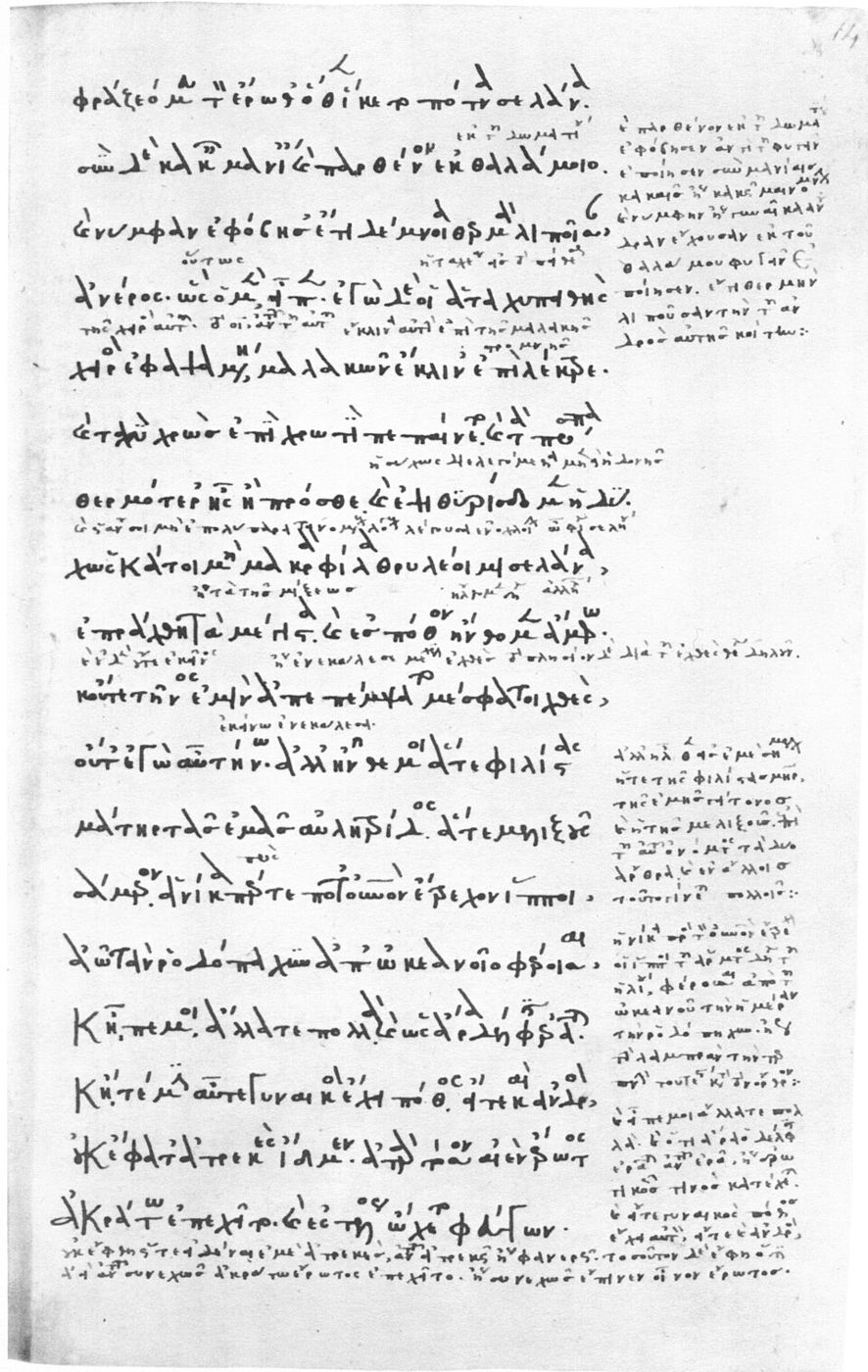
Text and translation
The uninterrupted Greek with its English translation, line by line.
Show text and translation
Ἁδύ τι τὸ ψιθύρισμα καὶ ἁ πίτυς αἰπόλε τήνα
Theocritus · Idyll 1 (Thyrsis), lines 1–23 · Doric hexameters · text of Cholmeley (1901–1919), via the Perseus Digital Library
How to read each line
A guide to the Greek, syllables, pitch marks and quantities.
Show the reading key
- Above each line: the line as the edition prints it, each word placed over its own syllables. The main row: the same Greek divided into metrical syllables, each written as it is pronounced. A consonant that closes a syllable is written with it (λόθ | ρο); an elided word is closed up with the next vowel (ν’ἀ); a final consonant carried into the next word is set with a thin space (ς ἰ). Wider gaps mark word-ends.
- Above the syllables: the pitch of each syllable, from the accents. Under them: the quantity of each syllable as it falls in the line, then the transliteration, syllable by syllable, with accented syllables in capitals.
- Under each line: a line-for-line translation. In the right margin of the scansion: the line type, its scheme, and its analysis into cola.
Key to the labels
The names, patterns and symbols used beside this poem.
Show the labels and symbols
The labels in the right margin of the scansion below name the line, its scheme, the feet as the line realises them, and the caesurae and diaereses (the named word-ends) that fall in it. In the scheme ⏔ is a biceps, two shorts that may be contracted to one long; ⏕ is a long that may be resolved into two shorts; × is an anceps, long or short. A click on any syllable highlights its metron or colon, or, with the switch, its foot.
| Label | Name and shape | What it is |
|---|---|---|
| hem1 | First hemiepes— ⏔ — ⏔ — | The first two and a half feet of the hexameter, up to the penthemimeral caesura; in the pentameter, its whole first half. |
| hem2 | Second half of the hexameter⏔ — ⏔ — ⏑ ⏑ — × | From the penthemimeral caesura to the line-end: the fifth foot is nearly always a dactyl, the sixth is — ×. |
The traditional feet
| Foot and shape | Where |
|---|---|
| First foot: dactyl or spondee— ⏔ | Scheme positions 1–2. The biceps (⏑ ⏑) may be contracted to a single long, making a spondee. |
| Second foot: dactyl or spondee— ⏔ | Scheme positions 3–4. |
| Third foot: dactyl or spondee— ⏔ | Scheme positions 5–6. The penthemimeral caesura falls after its first syllable, the “trochaic” caesura after its second. |
| Fourth foot: dactyl or spondee— ⏔ | Scheme positions 7–8. Word-end at the end of this foot, when it is a dactyl, is the bucolic diaeresis (West’s “bucolic caesura”: word-end at the end of the fourth foot after an uncontracted biceps)[6]. |
| Fifth foot: dactyl— ⏑ ⏑ | Scheme positions 9–10. A spondee here (a “spondaic line”) is rare. |
| Sixth foot— × | Scheme positions 11–12: a long and the indifferent final syllable. |
Scansion
The opening exchange of Thyrsis and the goatherd, scanned foot by foot: the bucolic hexameter with its constant word-end after the fourth foot, and the long α of the Doric forms.
Sweet is the whispering of that pine, goatherd,
the one that makes its music by the springs, and sweet too is your
piping: after Pan you will carry off the second prize.
If he takes the horned he-goat, you will get the she-goat;
if he takes the she-goat as his prize, the kid falls to you,
and a kid’s meat is good, until you milk her.
Sweeter, shepherd, is your song than the sounding water
that pours down from that rock up there.
If the Muses take the ewe as their gift,
you will get the stall-fed lamb as your prize; but if they would rather
take the lamb, you shall carry off the ewe after it.
Will you, by the Nymphs, will you, goatherd, sit down here,
where there is this sloping hillock and the tamarisks,
and pipe? I will graze your goats meanwhile.
It is not right, shepherd, not right for us at noon
to pipe. We are afraid of Pan; for at that hour, back from hunting,
he is tired and takes his rest; and he is sharp-tempered,
and bitter anger always sits at his nostril.
But you, Thyrsis, sing of the sorrows of Daphnis,
and you have reached the height of the herdsman’s song:
come, let us sit down here under the elm, facing Priapus
and the spring nymphs, where there is that shepherds’ seat
and the oaks. And if you sing
Metre
- The line. The dactylic hexameter, — ⏔ — ⏔ — ⏔ — ⏔ — ⏑ ⏑ — ×, with its main caesura normally in the third foot.[7] Every line here has one, penthemimeral or feminine.
- The bucolic diaeresis. Word-end after a dactylic fourth foot, frequent already in Homer, becomes a hallmark of Alexandrian verse: West counts it in 74% of the lines of Theocritus’ bucolic poems, against 63% in Callimachus; he calls it the bucolic caesura and the other name, “bucolic diaeresis”, a modern pedantry.[8] The workbench’s margin uses the other name. In these 23 lines it falls in 21, counting prepositives and postpositives with their words;[6] in lines 14 and 18 the margin reports a word-end there that falls after a prepositive.
- Word-ends after a carried consonant. When a word ending in a consonant is followed by a vowel, the consonant is carried into the next syllable;[9] the word still ends after its last vowel, and the margin counts the caesura there.
- Doric. Theocritus wrote most of his poetry, apart from a set of Lesbian poems, in Doric hexameters (de Kreij 2022, §Late-Classical and Hellenistic Lyric, p. 160), and Doric retains the long α where Attic-Ionic has η (de Kreij 2022, §Alcman, list of features, 1a, p. 144). The metre shows that long α in many places: ἁδύ, the article ἁ and ἃ, παγαῖσι (2), καταχές (7), σακίταν (10), τανίκα and κεκμακώς (17), χολά (18), Κραναιᾶν (22). The spelling σδ for ζ (μελίσδεται, συρίσδες, ἑσδώμεθα) is the one de Kreij explains for Alcman’s text as a later spelling meant to keep the old pronunciation [zd] (§Alcman, 1j, p. 145); here it closes the syllable before it, as two consonants do.[9]
- Prosody. As in epic: a stop + liquid inside a word makes position (πέτ-ρας, πικ-ρός), while at the beginning of a word it may leave a short syllable short (τε Πριήπω) or lengthen it in the princeps (τὸ πλέον);[10] before a vowel, a long vowel or diphthong ending a word is usually shortened (epic correption)[11].
- The Perseus text. Cholmeley’s text is reproduced as Perseus gives it (checked letter by letter against the XML), including ἕστέ κ’ in line 6.
- Quantities. Where the quantity of an α ι υ in an open syllable is known, the input marks it so that the reason given on the page is the true one (the marks are not shown on the page). Long: ᾱ̔δύ (1, 2) and ᾱ̔́διον (7),[12] πᾱγαῖσι (2)[13], σῡρίσδες, σῡρίσδεν (3, 14, 16)[14], κατᾱχές (7)[15], σᾱκῑ́ταν (10)[16], τᾱνίκα (17)[17], δρῑμεῖα (18)[18], ῥῑνί (18)[19]. The Doric long ᾱ for η (de Kreij 2022, 1a, p. 144) is also marked in the article and relative ᾱ̔, ᾱ̔̀ (1, 2, 6), τᾱ́ν (9, 11), κεκμᾱκώς (17), χολᾱ́ (18) and Κρᾱναιᾶν (22). Short: ἄρνᾰ and τῠ́ (10)[20]: without these two marks the Workbench would align line 10 with both syllables long and σα κι short.
- Hopkinson’s text. Cholmeley’s text has been compared with N. Hopkinson’s Loeb edition, based on the texts of Gow and Gallavotti. The line numbers are the same. Hopkinson writes αἴ κα as two words, punctuates line 2 so that ἁ ποτὶ ταῖς παγαῖσι describes the pine, prints Heinsius’ αἵ τε in 13 as here, and in 22 has τᾶν κρανίδων, “the springs”[21].[22]
Prosody, line by line
Every syllable, with the reason for its length. Quantities are read from the vowel where the spelling shows it, from the consonants that follow (“position”), from the accent where it tells, and from the metre where nothing else does. Editors’ notes on the text follow in the boxed paragraphs.
- 1.1
Line 1.1 · Ἁδύ τι τὸ ψιθύρισμα καὶ ἁ πίτυς αἰπόλε τήνα,
Ἁδύ τι τὸ ψιθύρισμα καὶ ἁ πίτυς αἰπόλε τήνα,
Ἁδύτιτὸψιθύρισμακαὶἁπίτυς αἰπόλετήνα,dactyl, dactyl, dactyl, dactyl, dactyl, — ×; caesura after the third trochee; hephthemimeral caesura; bucolic diaeresis.
- 1 —ἉᾹ̔ is long (its length is not shown by the ordinary spelling).
- 2 ⏑δύύ is short by the metre (position 2 must be short); one of the two shorts of the biceps at position 2.
- 3 ⏑τιι is short by the metre (position 2 must be short); one of the two shorts of the biceps at position 2.
- 4 —τὸὸ is short by nature; the next word begins with the double consonant ψ: the syllable is closed before it: long by position.
- 5 ⏑ψιι is short by the metre (position 4 must be short); one of the two shorts of the biceps at position 4.
- 6 ⏑θύύ is short by the metre (position 4 must be short); one of the two shorts of the biceps at position 4.
- 7 —ρισι is a vowel of unknown length; closed by σ: long by position.
- 8 ⏑μαα is short by the accent rule: acute on the antepenult requires a short final syllable; one of the two shorts of the biceps at position 6.
- 9 ⏑καὶαὶ is a diphthong, long by nature; shortened before the vowel that begins the next word (epic correption), as the metre requires; one of the two shorts of the biceps at position 6.
- 10 —ἁᾱ̔ is long (its length is not shown by the ordinary spelling).
- 11 ⏑πίί is short by the metre (position 8 must be short); one of the two shorts of the biceps at position 8.
- 12 ⏑τυυ is short by the metre (position 8 must be short); one of the two shorts of the biceps at position 8.
- 13 —ς αἰαἰ is a diphthong, long by nature; the first consonant belongs to the previous word and is carried over to this vowel.
- 14 ⏑πόό is short by nature; one of the two shorts of the biceps at position 10.
- 15 ⏑λεε is short by nature; one of the two shorts of the biceps at position 10.
- 16 —τήή is long by nature.
- 17 ×να,α is of unknown length; the position is anceps, so either scans.
Thyrsis speaks (lines 1–6). Five dactyls. Feminine caesura after ψιθύρισμα, bucolic diaeresis after πίτυς (its ς carried before αἰπόλε); the word-end the margin reports after the article ἁ falls after a prepositive.[6] τὸ is long before ψ, which counts as two consonants.[23] καὶ is shortened before ἁ (epic correption)[11]. The long α of ἁδύ and of the article ἁ fills a princeps (positions 1 and 7).
- 1.2
Line 1.2 · ἃ ποτὶ ταῖς παγαῖσι μελίσδεται, ἁδὺ δὲ καὶ τὺ
ἃ ποτὶ ταῖς παγαῖσι μελίσδεται, ἁδὺ δὲ καὶ τὺ
ἃποτὶταῖςπαγαῖσιμελίσδεται,ἁδὺδὲκαὶτὺdactyl, spondee, dactyl, dactyl, dactyl, — ×; caesura after the third trochee; bucolic diaeresis.
- 1 —ἃᾱ̔̀ is long (its length is not shown by the ordinary spelling).
- 2 ⏑ποο is short by nature; one of the two shorts of the biceps at position 2.
- 3 ⏑τὶὶ is short by the metre (position 2 must be short); one of the two shorts of the biceps at position 2.
- 4 —ταῖςαῖ is a diphthong, long by nature; closed by ς: long by position.
- 5 —παᾱ is long (its length is not shown by the ordinary spelling); a single long contracts the two shorts of the biceps at position 4.
- 6 —γαῖαῖ is a diphthong, long by nature.
- 7 ⏑σιι is short by the accent rule: circumflex on the penult requires a short final syllable; one of the two shorts of the biceps at position 6.
- 8 ⏑μεε is short by nature; one of the two shorts of the biceps at position 6.
- 9 —λίσί is a vowel of unknown length; closed by σ: long by position.
- 10 ⏑δεε is short by nature; one of the two shorts of the biceps at position 8.
- 11 ⏑ται,αι is a diphthong, long by nature; shortened before the vowel that begins the next word (epic correption), as the metre requires; one of the two shorts of the biceps at position 8.
- 12 —ἁᾱ̔ is long (its length is not shown by the ordinary spelling).
- 13 ⏑δὺὺ is short by the metre (position 10 must be short); one of the two shorts of the biceps at position 10.
- 14 ⏑δὲὲ is short by nature; one of the two shorts of the biceps at position 10.
- 15 —καὶαὶ is a diphthong, long by nature.
- 16 ×τὺὺ is of unknown length; the position is anceps, so either scans.
- 1.3
Line 1.3 · συρίσδες· μετὰ Πᾶνα τὸ δεύτερον ἆθλον ἀποισῇ.
συρίσδες· μετὰ Πᾶνα τὸ δεύτερον ἆθλον ἀποισῇ.
συρίσδες·μετὰΠᾶνατὸδεύτερον ἆθλον ἀποισῇ.spondee, dactyl, dactyl, dactyl, dactyl, — ×; caesura after the third trochee; bucolic diaeresis.
- 1 —συῡ is long (its length is not shown by the ordinary spelling).
- 2 —ρίσί is a vowel of unknown length; closed by σ: long by position; a single long contracts the two shorts of the biceps at position 2.
- 3 —δες·ε is short by nature; closed by ς: long by position.
- 4 ⏑μεε is short by nature; one of the two shorts of the biceps at position 4.
- 5 ⏑τὰὰ is short by the metre (position 4 must be short); one of the two shorts of the biceps at position 4.
- 6 —Πᾶᾶ carries a circumflex, so it is long.
- 7 ⏑ναα is short by the accent rule: circumflex on the penult requires a short final syllable; one of the two shorts of the biceps at position 6.
- 8 ⏑τὸὸ is short by nature; one of the two shorts of the biceps at position 6.
- 9 —δεύεύ is a diphthong, long by nature.
- 10 ⏑τεε is short by nature; one of the two shorts of the biceps at position 8.
- 11 ⏑ροο is short by nature; one of the two shorts of the biceps at position 8.
- 12 —ν ἆἆ carries a circumflex, so it is long; the first consonant belongs to the previous word and is carried over to this vowel.
- 13 ⏑θλοο is short by nature; one of the two shorts of the biceps at position 10.
- 14 ⏑ν ἀἀ is short by the metre (position 10 must be short); the first consonant belongs to the previous word and is carried over to this vowel; one of the two shorts of the biceps at position 10.
- 15 —ποιοι is a diphthong, long by nature.
- 16 ×σῇ.ῇ is long by nature; the position is anceps.
The first foot is a spondee (συ ρίσ), the υ of συρίσδες long.[24] Feminine caesura after Πᾶνα, bucolic diaeresis after δεύτερον. In ἆθλον the long ἆ needs no help from the following θλ.
- 1.4
Line 1.4 · αἴκα τῆνος ἕλῃ κεραὸν τράγον, αἶγα τὺ λαψῇ.
αἴκα τῆνος ἕλῃ κεραὸν τράγον, αἶγα τὺ λαψῇ.
αἴκατῆνος ἕλῃκεραὸντράγο,ν αἶγατὺλαψῇ.spondee, dactyl, dactyl, dactyl, dactyl, — ×; penthemimeral caesura; hephthemimeral caesura; bucolic diaeresis.
- 1 —αἴαἴ is a diphthong, long by nature.
- 2 —καα is long by the metre (position 2 must be long); a single long contracts the two shorts of the biceps at position 2.
- 3 —τῆῆ is long by nature.
- 4 ⏑νοο is short by nature; one of the two shorts of the biceps at position 4.
- 5 ⏑ς ἕἕ is short by nature; the first consonant belongs to the previous word and is carried over to this vowel; one of the two shorts of the biceps at position 4.
- 6 —λῃῃ is long by nature.
- 7 ⏑κεε is short by nature; one of the two shorts of the biceps at position 6.
- 8 ⏑ραα is short by the metre (position 6 must be short); one of the two shorts of the biceps at position 6.
- 9 —ὸνὸ is short by nature; closed by ν: long by position.
- 10 ⏑τράά is short by the metre (position 8 must be short); one of the two shorts of the biceps at position 8.
- 11 ⏑γο,ο is short by nature; one of the two shorts of the biceps at position 8.
- 12 —ν αἶαἶ is a diphthong, long by nature; the first consonant belongs to the previous word and is carried over to this vowel.
- 13 ⏑γαα is short by the accent rule: circumflex on the penult requires a short final syllable; one of the two shorts of the biceps at position 10.
- 14 ⏑τὺὺ is short by the metre (position 10 must be short); one of the two shorts of the biceps at position 10.
- 15 —λαψ is a double consonant (two sounds) and closes the syllable: long by position.
- 16 ×ψῇ.ῇ is long by nature; the position is anceps.
The first foot is a spondee (αἴ κα): the metre requires κα to be long here, as in lines 5 and 9. Penthemimeral caesura after ἕλῃ, hephthemimeral after κεραὸν (two syllables, ρα and ὸν), bucolic diaeresis after τράγον.
- 1.5
Line 1.5 · αἴκα δ’ αἶγα λάβῃ τῆνος γέρας, ἐς τὲ καταρρεῖ
αἴκα δ’ αἶγα λάβῃ τῆνος γέρας, ἐς τὲ καταρρεῖ
αἴκαδ’αἶγαλάβῃτῆνοςγέρα,ς ἐςτὲκαταρρεῖspondee, dactyl, spondee, dactyl, dactyl, — ×; penthemimeral caesura; hephthemimeral caesura; bucolic diaeresis.
- 1 —αἴαἴ is a diphthong, long by nature.
- 2 —καα is long by the metre (position 2 must be long); a single long contracts the two shorts of the biceps at position 2.
- 3 —δ’αἶαἶ is a diphthong, long by nature; the apostrophe marks an elided vowel; the consonant before it joins this syllable.
- 4 ⏑γαα is short by the accent rule: circumflex on the penult requires a short final syllable; one of the two shorts of the biceps at position 4.
- 5 ⏑λάά is short by the metre (position 4 must be short); one of the two shorts of the biceps at position 4.
- 6 —βῃῃ is long by nature.
- 7 —τῆῆ is long by nature; a single long contracts the two shorts of the biceps at position 6.
- 8 —νοςο is short by nature; closed by ς: long by position.
- 9 ⏑γέέ is short by nature; one of the two shorts of the biceps at position 8.
- 10 ⏑ρα,α is short by the metre (position 8 must be short); one of the two shorts of the biceps at position 8.
- 11 —ς ἐςἐ is short by nature; closed by ς: long by position; the first consonant belongs to the previous word and is carried over to this vowel.
- 12 ⏑τὲὲ is short by nature; one of the two shorts of the biceps at position 10.
- 13 ⏑καα is short by the metre (position 10 must be short); one of the two shorts of the biceps at position 10.
- 14 —ταρα is a vowel of unknown length; closed by ρ: long by position.
- 15 ×ρεῖεῖ is a diphthong, long by nature; the position is anceps.
The first and third feet are spondees (αἴ κα, βῃ τῆ). Penthemimeral caesura after λάβῃ, hephthemimeral after τῆνος, bucolic diaeresis after γέρας. δ’ is elided before αἶγα.[25] ἐς is long, closed by its ς before τ.
- 1.6
Line 1.6 · ἁ χίμαρος· χιμάρω δὲ καλὸν κρέας, ἕστέ κ’ ἀμέλξῃς.
ἁ χίμαρος· χιμάρω δὲ καλὸν κρέας, ἕστέ κ’ ἀμέλξῃς.
ἁχίμαρος·χιμάρωδὲκαλὸνκρέα,ς ἕστέκ’ἀμέλξῃς.dactyl, dactyl, dactyl, dactyl, dactyl, — ×; penthemimeral caesura; caesura after the third trochee; hephthemimeral caesura; bucolic diaeresis.
- 1 —ἁᾱ̔ is long (its length is not shown by the ordinary spelling).
- 2 ⏑χίί is short by the metre (position 2 must be short); one of the two shorts of the biceps at position 2.
- 3 ⏑μαα is short by the metre (position 2 must be short); one of the two shorts of the biceps at position 2.
- 4 —ρος·ο is short by nature; closed by ς: long by position.
- 5 ⏑χιι is short by the metre (position 4 must be short); one of the two shorts of the biceps at position 4.
- 6 ⏑μάά is short by the metre (position 4 must be short); one of the two shorts of the biceps at position 4.
- 7 —ρωω is long by nature.
- 8 ⏑δὲὲ is short by nature; one of the two shorts of the biceps at position 6.
- 9 ⏑καα is short by the metre (position 6 must be short); one of the two shorts of the biceps at position 6.
- 10 —λὸνὸ is short by nature; closed by ν: long by position.
- 11 ⏑κρέέ is short by nature; one of the two shorts of the biceps at position 8.
- 12 ⏑α,α is short by the metre (position 8 must be short); one of the two shorts of the biceps at position 8.
- 13 —ς ἕσἕ is short by nature; closed by σ: long by position; the first consonant belongs to the previous word and is carried over to this vowel.
- 14 ⏑τέέ is short by nature; one of the two shorts of the biceps at position 10.
- 15 ⏑κ’ἀἀ is short by the metre (position 10 must be short); the apostrophe marks an elided vowel; the consonant before it joins this syllable; one of the two shorts of the biceps at position 10.
- 16 —μέλέ is short by nature; closed by λ: long by position.
- 17 ×ξῃς.ῃ is long by nature; closed by ς: long by position; the position is anceps.
Five dactyls. Penthemimeral caesura after χιμάρω, extended by the postpositive δὲ to the feminine position;[6] hephthemimeral after καλὸν; bucolic diaeresis after κρέας. κ’ is elided before ἀμέλξῃς.
- 1.7
Line 1.7 · Ἅδιον ὦ ποιμὴν τὸ τεὸν μέλος ἢ τὸ καταχὲς
Ἅδιον ὦ ποιμὴν τὸ τεὸν μέλος ἢ τὸ καταχὲς
Ἅδιον ὦποιμὴντὸτεὸνμέλος ἢτὸκαταχὲςdactyl, spondee, dactyl, dactyl, dactyl, — ×; penthemimeral caesura; caesura after the third trochee; hephthemimeral caesura; bucolic diaeresis.
- 1 —ἍᾹ̔́ is long (its length is not shown by the ordinary spelling).
- 2 ⏑διι is short by the metre (position 2 must be short); one of the two shorts of the biceps at position 2.
- 3 ⏑οο is short by nature; one of the two shorts of the biceps at position 2.
- 4 —ν ὦὦ is long by nature; the first consonant belongs to the previous word and is carried over to this vowel.
- 5 —ποιοι is a diphthong, long by nature; a single long contracts the two shorts of the biceps at position 4.
- 6 —μὴνὴ is long by nature; closed by ν: long by position.
- 7 ⏑τὸὸ is short by nature; one of the two shorts of the biceps at position 6.
- 8 ⏑τεε is short by nature; one of the two shorts of the biceps at position 6.
- 9 —ὸνὸ is short by nature; closed by ν: long by position.
- 10 ⏑μέέ is short by nature; one of the two shorts of the biceps at position 8.
- 11 ⏑λοο is short by nature; one of the two shorts of the biceps at position 8.
- 12 —ς ἢἢ is long by nature; the first consonant belongs to the previous word and is carried over to this vowel.
- 13 ⏑τὸὸ is short by nature; one of the two shorts of the biceps at position 10.
- 14 ⏑καα is short by the metre (position 10 must be short); one of the two shorts of the biceps at position 10.
- 15 —ταᾱ is long (its length is not shown by the ordinary spelling).
- 16 ×χὲςὲ is short by nature; closed by ς: long by position; the position is anceps.
The goatherd answers (lines 7–11). The second foot is a spondee (νὦ ποι). Penthemimeral caesura after ποιμὴν, hephthemimeral after τεὸν (two syllables), bucolic diaeresis after μέλος; the word-end the margin reports after the article τὸ falls after a prepositive. καταχές is the Doric form of κατηχής, “sounding”, and LSJ cites this line for it (s.v. κατᾱχής): its second α is the Doric long ᾱ for η, in the long position 11. ἅδιον, Doric for ἥδιον, has the long ᾱ of ἁδύς[26] in the first princeps; its ι is short, as the metre requires.
- 1.8
Line 1.8 · τῆν’ ἀπὸ τᾶς πέτρας καταλείβεται ὑψόθεν ὕδωρ.
τῆν’ ἀπὸ τᾶς πέτρας καταλείβεται ὑψόθεν ὕδωρ.
τῆν’ἀπὸτᾶςπέτραςκαταλείβεταιὑψόθεν ὕδωρ.dactyl, spondee, dactyl, dactyl, dactyl, — ×; penthemimeral caesura; bucolic diaeresis.
- 1 —τῆῆ is long by nature.
- 2 ⏑ν’ἀἀ is short by the metre (position 2 must be short); the apostrophe marks an elided vowel; the consonant before it joins this syllable; one of the two shorts of the biceps at position 2.
- 3 ⏑πὸὸ is short by nature; one of the two shorts of the biceps at position 2.
- 4 —τᾶςᾶ carries a circumflex, so it is long; closed by ς: long by position.
- 5 —πέτέ is short by nature; closed by τ before a liquid: stop + liquid makes position, as it usually does in epic; a single long contracts the two shorts of the biceps at position 4.
- 6 —ραςα is a vowel of unknown length; closed by ς: long by position.
- 7 ⏑καα is short by the metre (position 6 must be short); one of the two shorts of the biceps at position 6.
- 8 ⏑ταα is short by the metre (position 6 must be short); one of the two shorts of the biceps at position 6.
- 9 —λείεί is a diphthong, long by nature.
- 10 ⏑βεε is short by nature; one of the two shorts of the biceps at position 8.
- 11 ⏑ταιαι is a diphthong, long by nature; shortened before the vowel that begins the next word (epic correption), as the metre requires; one of the two shorts of the biceps at position 8.
- 12 —ὑψ is a double consonant (two sounds) and closes the syllable: long by position.
- 13 ⏑ψόό is short by nature; one of the two shorts of the biceps at position 10.
- 14 ⏑θεε is short by nature; one of the two shorts of the biceps at position 10.
- 15 —ν ὕὕ is long by the metre (position 11 must be long); the first consonant belongs to the previous word and is carried over to this vowel.
- 16 ×δωρ.ω is long by nature; closed by ρ: long by position; the position is anceps.
The second foot is a spondee (τᾶς πέτ): in πέτρας the stop + liquid inside the word makes position.[27] Penthemimeral caesura after πέτρας, bucolic diaeresis after καταλείβεται, whose αι is shortened before ὑψόθεν (epic correption). The υ of ὕδωρ stands in the long position 11: West explains this length in Homer as metrical lengthening, on the analogy of ὕδατι.[28] τῆν’ is elided.
- 1.9
Line 1.9 · αἴκα ταὶ Μοῖσαι τὰν οἰίδα δῶρον ἄγωνται,
αἴκα ταὶ Μοῖσαι τὰν οἰίδα δῶρον ἄγωνται,
αἴκαταὶΜοῖσαιτὰνοἰίδαδῶρον ἄγωνται,spondee, spondee, spondee, dactyl, dactyl, — ×; penthemimeral caesura; bucolic diaeresis.
- 1 —αἴαἴ is a diphthong, long by nature.
- 2 —καα is long by the metre (position 2 must be long); a single long contracts the two shorts of the biceps at position 2.
- 3 —ταὶαὶ is a diphthong, long by nature.
- 4 —Μοῖοῖ is a diphthong, long by nature; a single long contracts the two shorts of the biceps at position 4.
- 5 —σαιαι is a diphthong, long by nature.
- 6 —τὰνᾱ̀ is long (its length is not shown by the ordinary spelling); a single long contracts the two shorts of the biceps at position 6.
- 7 —οἰοἰ is a diphthong, long by nature.
- 8 ⏑ίί is short by the metre (position 8 must be short); one of the two shorts of the biceps at position 8.
- 9 ⏑δαα is short by the metre (position 8 must be short); one of the two shorts of the biceps at position 8.
- 10 —δῶῶ is long by nature.
- 11 ⏑ροο is short by nature; one of the two shorts of the biceps at position 10.
- 12 ⏑ν ἄἄ is short by the metre (position 10 must be short); the first consonant belongs to the previous word and is carried over to this vowel; one of the two shorts of the biceps at position 10.
- 13 —γωνω is long by nature; closed by ν: long by position.
- 14 ×ται,αι is a diphthong, long by nature; the position is anceps.
The first three feet are spondees (αἴ κα, ταὶ Μοῖ, σαι τὰν). Penthemimeral caesura after Μοῖσαι, bucolic diaeresis after οἰίδα, whose οἰ is long and ί δα short.
- 1.10
Line 1.10 · ἄρνα τὺ σακίταν λαψῇ γέρας· αἰ δέ κ’ ἀρέσκῃ
ἄρνα τὺ σακίταν λαψῇ γέρας· αἰ δέ κ’ ἀρέσκῃ
ἄρνατὺσακίτανλαψῇγέρα·ς αἰδέκ’ἀρέσκῃdactyl, spondee, spondee, dactyl, dactyl, — ×; penthemimeral caesura; hephthemimeral caesura; bucolic diaeresis.
- 1 —ἄρἄ is a vowel of unknown length; closed by ρ: long by position.
- 2 ⏑ναᾰ is short (its length is not shown by the ordinary spelling); one of the two shorts of the biceps at position 2.
- 3 ⏑τὺῠ̀ is short (its length is not shown by the ordinary spelling); one of the two shorts of the biceps at position 2.
- 4 —σαᾱ is long (its length is not shown by the ordinary spelling).
- 5 —κίῑ́ is long (its length is not shown by the ordinary spelling); a single long contracts the two shorts of the biceps at position 4.
- 6 —τανα is a vowel of unknown length; closed by ν: long by position.
- 7 —λαψ is a double consonant (two sounds) and closes the syllable: long by position; a single long contracts the two shorts of the biceps at position 6.
- 8 —ψῇῇ is long by nature.
- 9 ⏑γέέ is short by nature; one of the two shorts of the biceps at position 8.
- 10 ⏑ρα·α is short by the metre (position 8 must be short); one of the two shorts of the biceps at position 8.
- 11 —ς αἰαἰ is a diphthong, long by nature; the first consonant belongs to the previous word and is carried over to this vowel.
- 12 ⏑δέέ is short by nature; one of the two shorts of the biceps at position 10.
- 13 ⏑κ’ἀἀ is short by the metre (position 10 must be short); the apostrophe marks an elided vowel; the consonant before it joins this syllable; one of the two shorts of the biceps at position 10.
- 14 —ρέσέ is short by nature; closed by σ: long by position.
- 15 ×κῃῃ is long by nature; the position is anceps.
The second and third feet are spondees (σα κί, ταν λα): σακίταν, “kept in the fold”, has a long α (Doric for η) and a long ι.[29] The short α of ἄρνα and the short υ of τύ are marked with breves.[30] Penthemimeral caesura after σακίταν, hephthemimeral after λαψῇ, bucolic diaeresis after γέρας. κ’ is elided before ἀρέσκῃ.
- 1.11
Line 1.11 · τήναις ἄρνα λαβεῖν, τὺ δὲ τὰν ὄιν ὕστερον ἀξῇ.
τήναις ἄρνα λαβεῖν, τὺ δὲ τὰν ὄιν ὕστερον ἀξῇ.
τήναιςἄρναλαβεῖν,τὺδὲτὰνὄιν ὕστερον ἀξῇ.spondee, dactyl, dactyl, dactyl, dactyl, — ×; penthemimeral caesura; caesura after the third trochee; hephthemimeral caesura; bucolic diaeresis.
- 1 —τήή is long by nature.
- 2 —ναιςαι is a diphthong, long by nature; a single long contracts the two shorts of the biceps at position 2.
- 3 —ἄρἄ is a vowel of unknown length; closed by ρ: long by position.
- 4 ⏑ναα is short by the metre (position 4 must be short); one of the two shorts of the biceps at position 4.
- 5 ⏑λαα is short by the metre (position 4 must be short); one of the two shorts of the biceps at position 4.
- 6 —βεῖν,εῖ is a diphthong, long by nature; closed by ν: long by position.
- 7 ⏑τὺὺ is short by the metre (position 6 must be short); one of the two shorts of the biceps at position 6.
- 8 ⏑δὲὲ is short by nature; one of the two shorts of the biceps at position 6.
- 9 —τὰνᾱ̀ is long (its length is not shown by the ordinary spelling).
- 10 ⏑ὄὄ is short by nature; one of the two shorts of the biceps at position 8.
- 11 ⏑ιι is short by the metre (position 8 must be short); one of the two shorts of the biceps at position 8.
- 12 —ν ὕσὕ is a vowel of unknown length; closed by σ: long by position; the first consonant belongs to the previous word and is carried over to this vowel.
- 13 ⏑τεε is short by nature; one of the two shorts of the biceps at position 10.
- 14 ⏑ροο is short by nature; one of the two shorts of the biceps at position 10.
- 15 —ν ἀξ is a double consonant (two sounds) and closes the syllable: long by position; the first consonant belongs to the previous word and is carried over to this vowel.
- 16 ×ξῇ.ῇ is long by nature; the position is anceps.
The first foot is a spondee (τή ναις). Penthemimeral caesura after λαβεῖν; the margin’s feminine caesura falls between τὺ and the postpositive δὲ, which counts with it;[6] bucolic diaeresis after ὄιν (two syllables, ὄ and ι). The word-end the margin reports after the article τὰν falls after a prepositive. ἀ of ἀξῇ is long because ξ counts as two consonants.[23]
- 1.12
Line 1.12 · λῇς ποτὶ τᾶν Νυμφᾶν, λῇς αἰπόλε τεῖδε καθίξας,
λῇς ποτὶ τᾶν Νυμφᾶν, λῇς αἰπόλε τεῖδε καθίξας,
λῇςποτὶτᾶνΝυμφᾶν,λῇςαἰπόλετεῖδεκαθίξας,dactyl, spondee, spondee, dactyl, dactyl, — ×; penthemimeral caesura; bucolic diaeresis.
- 1 —λῇςῇ is long by nature; closed by ς: long by position.
- 2 ⏑ποο is short by nature; one of the two shorts of the biceps at position 2.
- 3 ⏑τὶὶ is short by the metre (position 2 must be short); one of the two shorts of the biceps at position 2.
- 4 —τᾶνᾶ carries a circumflex, so it is long; closed by ν: long by position.
- 5 —Νυμυ is a vowel of unknown length; closed by μ: long by position; a single long contracts the two shorts of the biceps at position 4.
- 6 —φᾶν,ᾶ carries a circumflex, so it is long; closed by ν: long by position.
- 7 —λῇςῇ is long by nature; a single long contracts the two shorts of the biceps at position 6.
- 8 —αἰαἰ is a diphthong, long by nature.
- 9 ⏑πόό is short by nature; one of the two shorts of the biceps at position 8.
- 10 ⏑λεε is short by nature; one of the two shorts of the biceps at position 8.
- 11 —τεῖεῖ is a diphthong, long by nature.
- 12 ⏑δεε is short by nature; one of the two shorts of the biceps at position 10.
- 13 ⏑καα is short by the metre (position 10 must be short); one of the two shorts of the biceps at position 10.
- 14 —θίξ is a double consonant (two sounds) and closes the syllable: long by position.
- 15 ×ξας,α is a vowel of unknown length; closed by ς: long by position; the position is anceps.
Thyrsis speaks (lines 12–14). The second and third feet are spondees (τᾶν Νυμ, φᾶν λῇς). Penthemimeral caesura after Νυμφᾶν, bucolic diaeresis after αἰπόλε. The Doric genitive plurals τᾶν Νυμφᾶν have long ᾶ.
- 1.13
Line 1.13 · ὡς τὸ κάταντες τοῦτο γεώλοφον αἵ τε μυρῖκαι,
ὡς τὸ κάταντες τοῦτο γεώλοφον αἵ τε μυρῖκαι,
ὡςτὸκάταντεςτοῦτογεώλοφον αἵτεμυρῖκαι,dactyl, spondee, dactyl, dactyl, dactyl, — ×; caesura after the third trochee; bucolic diaeresis.
- 1 —ὡςὡ is long by nature; closed by ς: long by position.
- 2 ⏑τὸὸ is short by nature; one of the two shorts of the biceps at position 2.
- 3 ⏑κάά is short by the metre (position 2 must be short); one of the two shorts of the biceps at position 2.
- 4 —τανα is a vowel of unknown length; closed by ν: long by position.
- 5 —τεςε is short by nature; closed by ς: long by position; a single long contracts the two shorts of the biceps at position 4.
- 6 —τοῦοῦ is a diphthong, long by nature.
- 7 ⏑τοο is short by nature; one of the two shorts of the biceps at position 6.
- 8 ⏑γεε is short by nature; one of the two shorts of the biceps at position 6.
- 9 —ώώ is long by nature.
- 10 ⏑λοο is short by nature; one of the two shorts of the biceps at position 8.
- 11 ⏑φοο is short by nature; one of the two shorts of the biceps at position 8.
- 12 —ν αἵαἵ is a diphthong, long by nature; the first consonant belongs to the previous word and is carried over to this vowel.
- 13 ⏑τεε is short by nature; one of the two shorts of the biceps at position 10.
- 14 ⏑μυυ is short by the metre (position 10 must be short); one of the two shorts of the biceps at position 10.
- 15 —ρῖῖ carries a circumflex, so it is long.
- 16 ×και,αι is a diphthong, long by nature; the position is anceps.
The second foot is a spondee (ταν τες). Feminine caesura after τοῦτο, bucolic diaeresis after γεώλοφον. κάταντες runs from the first foot into the second and ends with it, a rhythm West lists among those Callimachus avoids;[31] Theocritus admits it here.
- 1.14
Line 1.14 · συρίσδεν; τὰς δ’ αἶγας ἐγὼν ἐν τῷδε νομευσῶ.
συρίσδεν; τὰς δ’ αἶγας ἐγὼν ἐν τῷδε νομευσῶ.
συρίσδεν;τὰςδ’αἶγας ἐγὼνἐντῷδενομευσῶ.spondee, spondee, dactyl, spondee, dactyl, — ×; caesura after the third trochee; hephthemimeral caesura; word-end after a spondaic fourth foot.
- 1 —συῡ is long (its length is not shown by the ordinary spelling).
- 2 —ρίσί is a vowel of unknown length; closed by σ: long by position; a single long contracts the two shorts of the biceps at position 2.
- 3 —δεν;ε is short by nature; closed by ν: long by position.
- 4 —τὰςὰ is a vowel of unknown length; closed by ς: long by position; a single long contracts the two shorts of the biceps at position 4.
- 5 —δ’αἶαἶ is a diphthong, long by nature; the apostrophe marks an elided vowel; the consonant before it joins this syllable.
- 6 ⏑γαα is short by the accent rule: circumflex on the penult requires a short final syllable; one of the two shorts of the biceps at position 6.
- 7 ⏑ς ἐἐ is short by nature; the first consonant belongs to the previous word and is carried over to this vowel; one of the two shorts of the biceps at position 6.
- 8 —γὼνὼ is long by nature.
- 9 —ἐνἐ is short by nature; closed by ν: long by position; a single long contracts the two shorts of the biceps at position 8.
- 10 —τῷῷ is long by nature.
- 11 ⏑δεε is short by nature; one of the two shorts of the biceps at position 10.
- 12 ⏑νοο is short by nature; one of the two shorts of the biceps at position 10.
- 13 —μευευ is a diphthong, long by nature.
- 14 ×σῶ.ῶ is long by nature; the position is anceps.
The first, second and fourth feet are spondees (συ ρίσ, δεν τὰς, γὼν ἐν). Feminine caesura after αἶγας, hephthemimeral after ἐγὼν. The word-end the margin reports after the spondaic fourth foot falls after the prepositive ἐν, which counts with τῷδε,[6] so Naeke’s law is not broken.[32] δ’ is elided.
- 1.15
Line 1.15 · οὐ θέμις ὦ ποιμὴν τὸ μεσαμβρινόν, οὐ θέμις ἄμμιν
οὐ θέμις ὦ ποιμὴν τὸ μεσαμβρινόν, οὐ θέμις ἄμμιν
οὐθέμις ὦποιμὴντὸμεσαμβρινό,ν οὐθέμις ἄμμινdactyl, spondee, dactyl, dactyl, dactyl, — ×; penthemimeral caesura; caesura after the third trochee; bucolic diaeresis.
- 1 —οὐοὐ is a diphthong, long by nature.
- 2 ⏑θέέ is short by nature; one of the two shorts of the biceps at position 2.
- 3 ⏑μιι is short by the metre (position 2 must be short); one of the two shorts of the biceps at position 2.
- 4 —ς ὦὦ is long by nature; the first consonant belongs to the previous word and is carried over to this vowel.
- 5 —ποιοι is a diphthong, long by nature; a single long contracts the two shorts of the biceps at position 4.
- 6 —μὴνὴ is long by nature; closed by ν: long by position.
- 7 ⏑τὸὸ is short by nature; one of the two shorts of the biceps at position 6.
- 8 ⏑μεε is short by nature; one of the two shorts of the biceps at position 6.
- 9 —σαμα is a vowel of unknown length; closed by μ: long by position.
- 10 ⏑βριι is short by the metre (position 8 must be short); one of the two shorts of the biceps at position 8.
- 11 ⏑νό,ό is short by nature; one of the two shorts of the biceps at position 8.
- 12 —ν οὐοὐ is a diphthong, long by nature; the first consonant belongs to the previous word and is carried over to this vowel.
- 13 ⏑θέέ is short by nature; one of the two shorts of the biceps at position 10.
- 14 ⏑μιι is short by the metre (position 10 must be short); one of the two shorts of the biceps at position 10.
- 15 —ς ἄμἄ is a vowel of unknown length; closed by μ: long by position; the first consonant belongs to the previous word and is carried over to this vowel.
- 16 ×μινι is a vowel of unknown length; closed by ν: long by position; the position is anceps.
The goatherd speaks again (lines 15–23). The second foot is a spondee (σὦ ποι). Penthemimeral caesura after ποιμὴν; the word-end the margin reports after the article τὸ falls after a prepositive; bucolic diaeresis after μεσαμβρινόν. In μεσαμβρινόν the μ closes the syllable σαμ and βρι stays short.
- 1.16
Line 1.16 · συρίσδεν. τὸν Πᾶνα δεδοίκαμες· ἦ γὰρ ἀπ’ ἄγρας
συρίσδεν. τὸν Πᾶνα δεδοίκαμες· ἦ γὰρ ἀπ’ ἄγρας
συρίσδεν.τὸνΠᾶναδεδοίκαμε·ς ἦγὰρ ἀπ’ἄγραςspondee, spondee, dactyl, dactyl, dactyl, — ×; caesura after the third trochee; bucolic diaeresis.
- 1 —συῡ is long (its length is not shown by the ordinary spelling).
- 2 —ρίσί is a vowel of unknown length; closed by σ: long by position; a single long contracts the two shorts of the biceps at position 2.
- 3 —δεν.ε is short by nature; closed by ν: long by position.
- 4 —τὸνὸ is short by nature; closed by ν: long by position; a single long contracts the two shorts of the biceps at position 4.
- 5 —Πᾶᾶ carries a circumflex, so it is long.
- 6 ⏑ναα is short by the accent rule: circumflex on the penult requires a short final syllable; one of the two shorts of the biceps at position 6.
- 7 ⏑δεε is short by nature; one of the two shorts of the biceps at position 6.
- 8 —δοίοί is a diphthong, long by nature.
- 9 ⏑καα is short by the metre (position 8 must be short); one of the two shorts of the biceps at position 8.
- 10 ⏑με·ε is short by nature; one of the two shorts of the biceps at position 8.
- 11 —ς ἦἦ is long by nature; the first consonant belongs to the previous word and is carried over to this vowel.
- 12 ⏑γὰὰ is short by the metre (position 10 must be short); one of the two shorts of the biceps at position 10.
- 13 ⏑ρ ἀἀ is short by the metre (position 10 must be short); the first consonant belongs to the previous word and is carried over to this vowel; one of the two shorts of the biceps at position 10.
- 14 —π’ἄγἄ is a vowel of unknown length; closed by γ before a liquid: stop + liquid makes position, as it usually does in epic; the apostrophe marks an elided vowel; the consonant before it joins this syllable.
- 15 ×ραςα is a vowel of unknown length; closed by ς: long by position; the position is anceps.
The first two feet are spondees (συ ρίσ, δεν τὸν). Feminine caesura after Πᾶνα, bucolic diaeresis after δεδοίκαμες. ἀπ’ is elided before ἄγρας, and ἄγ-ρας makes position inside the word.[33]
- 1.17
Line 1.17 · τανίκα κεκμακὼς ἀμπαύεται· ἔστι δὲ πικρός,
τανίκα κεκμακὼς ἀμπαύεται· ἔστι δὲ πικρός,
τανίκακεκμακὼςἀμπαύεται·ἔστιδὲπικρός,dactyl, spondee, spondee, dactyl, dactyl, — ×; penthemimeral caesura; bucolic diaeresis.
- 1 —ταᾱ is long (its length is not shown by the ordinary spelling).
- 2 ⏑νίί is short by the metre (position 2 must be short); one of the two shorts of the biceps at position 2.
- 3 ⏑καα is short by the metre (position 2 must be short); one of the two shorts of the biceps at position 2.
- 4 —κεκε is short by nature; closed by κ before a nasal: stop + nasal makes position, as it usually does in epic.
- 5 —μαᾱ is long (its length is not shown by the ordinary spelling); a single long contracts the two shorts of the biceps at position 4.
- 6 —κὼςὼ is long by nature.
- 7 —ἀμἀ is a vowel of unknown length; closed by μ: long by position; a single long contracts the two shorts of the biceps at position 6.
- 8 —παύαύ is a diphthong, long by nature.
- 9 ⏑εε is short by nature; one of the two shorts of the biceps at position 8.
- 10 ⏑ται·αι is a diphthong, long by nature; shortened before the vowel that begins the next word (epic correption), as the metre requires; one of the two shorts of the biceps at position 8.
- 11 —ἔσἔ is short by nature; closed by σ: long by position.
- 12 ⏑τιι is short by the metre (position 10 must be short); one of the two shorts of the biceps at position 10.
- 13 ⏑δὲὲ is short by nature; one of the two shorts of the biceps at position 10.
- 14 —πικι is a vowel of unknown length; closed by κ before a liquid: stop + liquid makes position, as it usually does in epic.
- 15 ×ρός,ό is short by nature; closed by ς: long by position; the position is anceps.
The second and third feet are spondees (κεκ μα, κὼς ἀμ). The Doric long α of τανίκα[17] and κεκμακώς fills the princeps and the contracted biceps (positions 1 and 4); κεκ is closed by κ before μ, a stop before a nasal.[27] Penthemimeral caesura after κεκμακὼς, bucolic diaeresis after ἀμπαύεται, whose αι is shortened before ἔστι (epic correption)[11]. In πικρός the stop + liquid inside the word makes position.
- 1.18
Line 1.18 · καί οἱ ἀεὶ δριμεῖα χολὰ ποτὶ ῥινὶ κάθηται.
καί οἱ ἀεὶ δριμεῖα χολὰ ποτὶ ῥινὶ κάθηται.
καίοἱἀεὶδριμεῖαχολὰποτὶῥινὶκάθηται.dactyl, spondee, dactyl, dactyl, dactyl, — ×; caesura after the third trochee; hephthemimeral caesura; bucolic diaeresis.
- 1 —καίαί is a diphthong, long by nature; the next word begins with a vowel and nothing is elided: hiatus.
- 2 ⏑οἱοἱ is a diphthong, long by nature; shortened before the vowel that begins the next word (epic correption), as the metre requires; one of the two shorts of the biceps at position 2.
- 3 ⏑ἀἀ is short by the metre (position 2 must be short); one of the two shorts of the biceps at position 2.
- 4 —εὶεὶ is a diphthong, long by nature; the next word begins with δρ: the syllable is closed before it: long by position.
- 5 —δριῑ is long (its length is not shown by the ordinary spelling); a single long contracts the two shorts of the biceps at position 4.
- 6 —μεῖεῖ is a diphthong, long by nature.
- 7 ⏑αα is short by the accent rule: circumflex on the penult requires a short final syllable; one of the two shorts of the biceps at position 6.
- 8 ⏑χοο is short by nature; one of the two shorts of the biceps at position 6.
- 9 —λὰᾱ̀ is long (its length is not shown by the ordinary spelling).
- 10 ⏑ποο is short by nature; one of the two shorts of the biceps at position 8.
- 11 ⏑τὶὶ is short by the metre (position 8 must be short); one of the two shorts of the biceps at position 8.
- 12 —ῥιῑ is long (its length is not shown by the ordinary spelling).
- 13 ⏑νὶὶ is short by the metre (position 10 must be short); one of the two shorts of the biceps at position 10.
- 14 ⏑κάά is short by the metre (position 10 must be short); one of the two shorts of the biceps at position 10.
- 15 —θηη is long by nature.
- 16 ×ται.αι is a diphthong, long by nature; the position is anceps.
καί stands in hiatus before the pronoun οἱ, kept long in the princeps: before ἑ and οἱ, once ϝε and ϝοι, hiatus is very nearly the rule.[34] οἱ itself is shortened before ἀεί (epic correption). The second foot is a spondee (εὶ δρι): the ι of δριμεῖα is long,[18] and so is that of ῥινί,[19] in the fifth princeps. Feminine caesura after δριμεῖα, hephthemimeral after χολὰ, whose Doric long α fills the princeps; the word-end the margin reports after ποτὶ falls after a prepositive.
- 1.19
Line 1.19 · ἀλλὰ τὺ γὰρ δὴ Θύρσι τὰ Δάφνιδος ἄλγε’ ἀείδες
ἀλλὰ τὺ γὰρ δὴ Θύρσι τὰ Δάφνιδος ἄλγε’ ἀείδες
ἀλλὰτὺγὰρδὴΘύρσιτὰΔάφνιδος ἄλγε’ἀείδεςdactyl, spondee, dactyl, dactyl, dactyl, — ×; caesura after the third trochee; bucolic diaeresis.
- 1 —ἀλἀ is a vowel of unknown length; closed by λ: long by position.
- 2 ⏑λὰὰ is short by the metre (position 2 must be short); one of the two shorts of the biceps at position 2.
- 3 ⏑τὺὺ is short by the metre (position 2 must be short); one of the two shorts of the biceps at position 2.
- 4 —γὰρὰ is a vowel of unknown length; closed by ρ: long by position.
- 5 —δὴὴ is long by nature; a single long contracts the two shorts of the biceps at position 4.
- 6 —Θύρύ is a vowel of unknown length; closed by ρ: long by position.
- 7 ⏑σιι is short by the metre (position 6 must be short); one of the two shorts of the biceps at position 6.
- 8 ⏑τὰὰ is short by the metre (position 6 must be short); one of the two shorts of the biceps at position 6.
- 9 —Δάφά is a vowel of unknown length; closed by φ before a nasal: stop + nasal makes position, as it usually does in epic.
- 10 ⏑νιι is short by the metre (position 8 must be short); one of the two shorts of the biceps at position 8.
- 11 ⏑δοο is short by nature; one of the two shorts of the biceps at position 8.
- 12 —ς ἄλἄ is a vowel of unknown length; closed by λ: long by position; the first consonant belongs to the previous word and is carried over to this vowel.
- 13 ⏑γε’ε is short by nature; the apostrophe marks an elided vowel; the consonant before it joins this syllable; one of the two shorts of the biceps at position 10.
- 14 ⏑ἀἀ is short by the metre (position 10 must be short); one of the two shorts of the biceps at position 10.
- 15 —είεί is a diphthong, long by nature.
- 16 ×δεςε is short by nature; closed by ς: long by position; the position is anceps.
The second foot is a spondee (γὰρ δὴ). Feminine caesura after Θύρσι, bucolic diaeresis after Δάφνιδος. In Δάφνιδος the stop + nasal φν closes the syllable Δάφ. ἄλγε’ is ἄλγεα with only its last vowel elided, so γε remains a syllable before ἀείδες.[35]
- 1.20
Line 1.20 · καὶ τᾶς βουκολικᾶς ἐπὶ τὸ πλέον ἵκεο μοίσας,
καὶ τᾶς βουκολικᾶς ἐπὶ τὸ πλέον ἵκεο μοίσας,
καὶτᾶςβουκολικᾶςἐπὶτὸπλέον ἵκεομοίσας,spondee, dactyl, dactyl, dactyl, dactyl, — ×; penthemimeral caesura; hephthemimeral caesura; bucolic diaeresis.
- 1 —καὶαὶ is a diphthong, long by nature.
- 2 —τᾶςᾶ carries a circumflex, so it is long; closed by ς: long by position; a single long contracts the two shorts of the biceps at position 2.
- 3 —βουου is a diphthong, long by nature.
- 4 ⏑κοο is short by nature; one of the two shorts of the biceps at position 4.
- 5 ⏑λιι is short by the metre (position 4 must be short); one of the two shorts of the biceps at position 4.
- 6 —κᾶςᾶ carries a circumflex, so it is long.
- 7 ⏑ἐἐ is short by nature; one of the two shorts of the biceps at position 6.
- 8 ⏑πὶὶ is short by the metre (position 6 must be short); one of the two shorts of the biceps at position 6.
- 9 —τὸὸ is short by nature; the next word begins with πλ: the syllable is closed before it: long by position.
- 10 ⏑πλέέ is short by nature; one of the two shorts of the biceps at position 8.
- 11 ⏑οο is short by nature; one of the two shorts of the biceps at position 8.
- 12 —ν ἵἵ is long by the metre (position 9 must be long); the first consonant belongs to the previous word and is carried over to this vowel.
- 13 ⏑κεε is short by nature; one of the two shorts of the biceps at position 10.
- 14 ⏑οο is short by nature; one of the two shorts of the biceps at position 10.
- 15 —μοίοί is a diphthong, long by nature.
- 16 ×σας,α is a vowel of unknown length; closed by ς: long by position; the position is anceps.
The first foot is a spondee (καὶ τᾶς). Penthemimeral caesura after βουκολικᾶς; the word-end the margin reports after the article τὸ falls after a prepositive; bucolic diaeresis after πλέον. τὸ is lengthened in the princeps before the initial πλ of πλέον.[10]
- 1.21
Line 1.21 · δεῦρ’ ὑπὸ τὰν πτελέαν ἑσδώμεθα, τῶ τε Πριήπω
δεῦρ’ ὑπὸ τὰν πτελέαν ἑσδώμεθα, τῶ τε Πριήπω
δεῦρ’ὑπὸτὰνπτελέανἑσδώμεθα,τῶτεΠριήπωdactyl, dactyl, spondee, dactyl, dactyl, — ×; penthemimeral caesura; bucolic diaeresis.
- 1 —δεῦεῦ is a diphthong, long by nature.
- 2 ⏑ρ’ὑὑ is short by the metre (position 2 must be short); the apostrophe marks an elided vowel; the consonant before it joins this syllable; one of the two shorts of the biceps at position 2.
- 3 ⏑πὸὸ is short by nature; one of the two shorts of the biceps at position 2.
- 4 —τὰνὰ is a vowel of unknown length; closed by ν: long by position.
- 5 ⏑πτεε is short by nature; one of the two shorts of the biceps at position 4.
- 6 ⏑λέέ is short by nature; one of the two shorts of the biceps at position 4.
- 7 —ανα is long by the metre (position 5 must be long).
- 8 —ἑσἑ is short by nature; closed by σ: long by position; a single long contracts the two shorts of the biceps at position 6.
- 9 —δώώ is long by nature.
- 10 ⏑μεε is short by nature; one of the two shorts of the biceps at position 8.
- 11 ⏑θα,α is short by the accent rule: acute on the antepenult requires a short final syllable; one of the two shorts of the biceps at position 8.
- 12 —τῶῶ is long by nature.
- 13 ⏑τεε is short by nature; the next word begins with Πρ, a stop + liquid that does not make position here, so the syllable stays short; one of the two shorts of the biceps at position 10.
- 14 ⏑Πριι is short by the metre (position 10 must be short); one of the two shorts of the biceps at position 10.
- 15 —ήή is long by nature.
- 16 ×πωω is long by nature; the position is anceps.
The third foot is a spondee (αν ἑσ), ἑσ closed by the σ of σδ. Penthemimeral caesura after πτελέαν, bucolic diaeresis after ἑσδώμεθα. τε stays short before the initial πρ of Πριήπω.[27] δεῦρ’ is elided.
- 1.22
Line 1.22 · καὶ τᾶν Κραναιᾶν κατεναντίον, ᾇπερ ὁ θῶκος
καὶ τᾶν Κραναιᾶν κατεναντίον, ᾇπερ ὁ θῶκος
καὶτᾶνΚραναιᾶνκατεναντίο,ν ᾇπερ ὁθῶκοςspondee, spondee, dactyl, dactyl, dactyl, — ×; penthemimeral caesura; bucolic diaeresis.
- 1 —καὶαὶ is a diphthong, long by nature.
- 2 —τᾶνᾶ carries a circumflex, so it is long; closed by ν: long by position; a single long contracts the two shorts of the biceps at position 2.
- 3 —Κραᾱ is long (its length is not shown by the ordinary spelling).
- 4 —ναιαι is a diphthong, long by nature; a single long contracts the two shorts of the biceps at position 4.
- 5 —ᾶνᾶ carries a circumflex, so it is long; closed by ν: long by position.
- 6 ⏑καα is short by the metre (position 6 must be short); one of the two shorts of the biceps at position 6.
- 7 ⏑τεε is short by nature; one of the two shorts of the biceps at position 6.
- 8 —νανα is a vowel of unknown length; closed by ν: long by position.
- 9 ⏑τίί is short by the metre (position 8 must be short); one of the two shorts of the biceps at position 8.
- 10 ⏑ο,ο is short by nature; one of the two shorts of the biceps at position 8.
- 11 —ν ᾇᾇ is long by nature; the first consonant belongs to the previous word and is carried over to this vowel.
- 12 ⏑πεε is short by nature; one of the two shorts of the biceps at position 10.
- 13 ⏑ρ ὁὁ is short by nature; the first consonant belongs to the previous word and is carried over to this vowel; one of the two shorts of the biceps at position 10.
- 14 —θῶῶ is long by nature.
- 15 ×κοςο is short by nature; closed by ς: long by position; the position is anceps.
The first two feet are spondees (καὶ τᾶν, Κρα ναι); the metre requires the long α of Κραναιᾶν. Penthemimeral caesura after Κραναιᾶν, bucolic diaeresis after κατεναντίον.
Hopkinson prints τᾶν κρανίδων, “the springs”: κρανίς is the Doric form of κρηνίς, and LSJ cites this line, with the ι long (s.v. κρηνίς). κρᾱ-νῑ-δων has the same three long syllables as Κρᾱναιᾶν, so the scansion is unchanged.[36]
- 1.23
Line 1.23 · τῆνος ὁ ποιμενικὸς καὶ ταὶ δρύες. αἰ δέ κ’ ἀείσῃς
τῆνος ὁ ποιμενικὸς καὶ ταὶ δρύες. αἰ δέ κ’ ἀείσῃς
τῆνος ὁποιμενικὸςκαὶταὶδρύε.ς αἰδέκ’ἀείσῃςdactyl, dactyl, spondee, dactyl, dactyl, — ×; penthemimeral caesura; hephthemimeral caesura; bucolic diaeresis.
- 1 —τῆῆ is long by nature.
- 2 ⏑νοο is short by nature; one of the two shorts of the biceps at position 2.
- 3 ⏑ς ὁὁ is short by nature; the first consonant belongs to the previous word and is carried over to this vowel; one of the two shorts of the biceps at position 2.
- 4 —ποιοι is a diphthong, long by nature.
- 5 ⏑μεε is short by nature; one of the two shorts of the biceps at position 4.
- 6 ⏑νιι is short by the metre (position 4 must be short); one of the two shorts of the biceps at position 4.
- 7 —κὸςὸ is short by nature; closed by ς: long by position.
- 8 —καὶαὶ is a diphthong, long by nature; a single long contracts the two shorts of the biceps at position 6.
- 9 —ταὶαὶ is a diphthong, long by nature; the next word begins with δρ: the syllable is closed before it: long by position.
- 10 ⏑δρύύ is short by the metre (position 8 must be short); one of the two shorts of the biceps at position 8.
- 11 ⏑ε.ε is short by nature; one of the two shorts of the biceps at position 8.
- 12 —ς αἰαἰ is a diphthong, long by nature; the first consonant belongs to the previous word and is carried over to this vowel.
- 13 ⏑δέέ is short by nature; one of the two shorts of the biceps at position 10.
- 14 ⏑κ’ἀἀ is short by the metre (position 10 must be short); the apostrophe marks an elided vowel; the consonant before it joins this syllable; one of the two shorts of the biceps at position 10.
- 15 —είεί is a diphthong, long by nature.
- 16 ×σῃςῃ is long by nature; closed by ς: long by position; the position is anceps.
The third foot is a spondee (κὸς καὶ). Penthemimeral caesura after ποιμενικὸς; the hephthemimeral caesura the margin reports falls after the article ταί, a prepositive;[6] bucolic diaeresis after δρύες. κ’ is elided before ἀείσῃς. The sentence runs on into line 24.
Notes
- ^ Edmonds 1912, p. ix.
- ^ de Kreij 2022, p. 160.
- ^ Hunter 2021, p. 282.
- ^ Edmonds 1912, pp. 6–7.
- ^ Edmonds 1912, p. xvii.
- ^ a b c d e f g West 1987, p. 21.
- ^ West 1987, p. 19.
- ^ West 1987, p. 78 with n. 8.
- ^ a b West 1987, p. 12.
- ^ a b West 1987, pp. 16, 22.
- ^ a b c d West 1987, p. 14.
- ^ LSJ s.v. ἡδύς, Doric ἁδύς.
- ^ LSJ s.v. πηγή, Doric πᾱγά.
- ^ LSJ s.v. συρίζω.
- ^ LSJ s.v. κατᾱχής.
- ^ LSJ s.v. σηκίτης, Doric σᾱκίτας, citing this line.
- ^ a b LSJ s.v. τηνίκα.
- ^ a b LSJ s.v. δριμύς.
- ^ a b LSJ s.v. ῥίς.
- ^ LSJ s.v. σύ, Doric τύ with short υ.
- ^ See the note.
- ^ Hopkinson 2015, pp. 18–21.
- ^ a b West 1987, p. 12 n. 1.
- ^ LSJ s.v. συρίζω, citing this line for Doric συρίσδω.
- ^ West 1987, p. 13.
- ^ LSJ s.v. ἡδύς.
- ^ a b c West 1987, p. 16.
- ^ West 1987, pp. 21–22.
- ^ LSJ s.v. σηκίτης, citing this line.
- ^ See Metre.
- ^ West 1987, p. 79.
- ^ West 1987, p. 78.
- ^ West 1987, pp. 13, 16.
- ^ West 1987, pp. 16, 23.
- ^ West 1987, pp. 13–14.
- ^ Hopkinson 2015, p. 20.
Text and sources
- Text: Theocritus, ed. R. J. Cholmeley (London 1901–1919), Idyll 1, from the Perseus Digital Library (urn:cts:greekLit:tlg0005.tlg001.perseus-grc2), licensed CC BY-SA 4.0 as stated in the TEI header.
- Rules: M. L. West, Introduction to Greek Metre (Oxford 1987), pp. 12–23 (prosody and the hexameter; p. 20 from a photograph), 78–79 (the Alexandrian hexameter), checked against the page images.
- Dialect: M. de Kreij, “The Lyric Dialects”, in L. Swift (ed.), A Companion to Greek Lyric (Wiley 2022), ch. 10, §Alcman, pp. 144–145, and §Late-Classical and Hellenistic Lyric, p. 160.
- Quantities: LSJ (Perseus Digital Library, CC BY-SA), s.vv. δριμύς, ἡδύς, κατᾱχής, πηγή, ῥίς, σηκίτης, σύ, συρίζω, τηνίκα.
- Compared with: N. Hopkinson (ed. and trans.), Theocritus, Moschus, Bion (Loeb Classical Library 28, Cambridge, MA 2015), pp. 18–21.
Quotations from copyrighted works are not covered by this page’s licence.
Theocritus, Idyll 28 (The Distaff)
Synopsis
Theocritus’ own poems show that he was a Syracusan who knew Cos, Miletus and Alexandria. They show that he wrote some of them about the twelfth year of Ptolemy II Philadelphus. The rest of his life, Edmonds wrote in 1912, is conjecture.[1] Most of his poetry is in Doric hexameters.[2] Idyll 28, The Distaff, belongs to a small set of poems in the dialect and metres of Lesbos. It is written in the “greater asclepiad” of Sappho’s third book.[3] It accompanies the gift of an ivory distaff to Theugenis. She was the wife of Theocritus’ friend Nicias, a physician of Miletus (28.7–9, 13, 19–21). Edmonds thought it was written on the poet’s voyage from Syracuse to Alexandria, when he visited Nicias at Miletus.[4]
The whole poem, twenty-five lines, is scanned here.
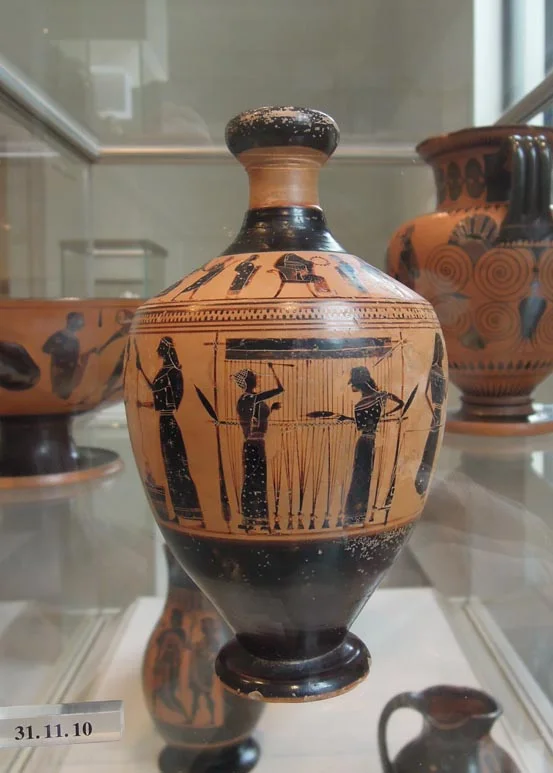
Text and translation
The uninterrupted Greek with its English translation, line by line.
Show text and translation
Γλαύκας ὦ φιλέριθ’ ἀλακάτα δῶρον Ἀθανάας
Theocritus · Idyll 28 · greater asclepiads (gl²ᶜ) in Aeolic dialect · text of Cholmeley (1901–1919), via the Perseus Digital Library
How to read each line
A guide to the Greek, syllables, pitch marks and quantities.
Show the reading key
- Above each line: the line as the edition prints it, each word placed over its own syllables. The main row: the same Greek divided into metrical syllables, each written as it is pronounced. A consonant that closes a syllable is written with it (λόθ | ρο); an elided word is closed up with the next vowel (ν’ἀ); a final consonant carried into the next word is set with a thin space (ς ἰ). Wider gaps mark word-ends.
- Above the syllables: the pitch of each syllable, from the accents. Under them: the quantity of each syllable as it falls in the line, then the transliteration, syllable by syllable, with accented syllables in capitals.
- Under each line: a line-for-line translation. In the right margin of the scansion: the line type, its scheme, and its analysis into cola.
Key to the labels
The names, patterns and symbols used beside this poem.
Show the labels and symbols
The labels in the right margin of the scansion below name the cola, the rhythmic units each line is built from (Voigt’s and West’s analysis). A caret before a name (∧hipp) means the colon has lost its first position (acephalous). × marks an anceps position, which takes a long or a short. A click on any syllable highlights its colon, or, with the colon/foot switch, its foot. The sources of the labels, with their page numbers, are given line by line under Prosody, line by line.
| Label | Name and shape | What it is |
|---|---|---|
| gl2c | Glyconic with double choriambic expansion× × — ⏑ ⏑ — ⁝ — ⏑ ⏑ — ⁝ — ⏑ ⏑ — ⏑ — | The metre in which the whole of Sappho’s third book and many songs of Alcaeus were written, the “Sapphic sixteen-syllable”.[5] West prints it with frequent word-end between the choriambs.[6] |
The feet
Scansion
A Hellenistic poem in a metre of Sappho: twenty-five greater asclepiads, scanned position by position, with the Aeolic base, the three choriambs, and the long α of the Aeolic forms.
- line 28.13, position 11 (γ’ἔ): scans S but the scheme needs L
Distaff, friend of the wool-worker, gift of grey-eyed Athena
to women whose minds are set on keeping a household,
come with me boldly to the splendid city of Neleus,
where the shrine of Cypris stands green among the soft reeds.
For that is where we ask Zeus for a voyage with fair winds,
so that I may see my friend, delight in him and love him in return,
Nicias, holy offspring of the Graces with their lovely voices;
and you, made of ivory with much labour,
we shall give as a gift into the hands of Nicias’ wife.
With her you will finish much work for men’s cloaks,
and much of the flowing stuff that women wear.
For twice a year the mothers of the lambs in the pasture
would be shorn of their soft fleeces for trim-ankled Theugenis,
so hard-working is she, and she loves what sensible women love.
For I would not have wanted to give you to an idle
or a lazy house, since you come from our own land.
For your home is the city that Archias founded from Ephyra,
the marrow of the island of Trinacria, a city of honoured men.
Now you will live in the house of a man who has learned many skills
to ward off grievous diseases from mankind,
and you will dwell in lovely Miletus among the Ionians,
so that Theugenis may have a fine distaff among her townswomen,
and you may always remind her of her guest, the lover of song.
For someone, seeing you, will say: “Truly, great is the grace
in a small gift; and everything that comes from friends is precious.”
Metre
- The line. The greater asclepiad, a glyconic expanded by two choriambs, which West writes gl²ᶜ: ○ ○ — ⏑ ⏑ — ⁝ — ⏑ ⏑ — ⁝ — ⏑ ⏑ — ⏑ — (⁝ marks a place of frequent word-end, p. ix; the same colon in Battezzato 2009, p. 135, and D’Angour 2022, p. 137)[8]. Hephaestion calls the verse the “Sapphic sixteen-syllable”, in which the whole third book of Sappho was written, and many songs of Alcaeus;[5] Morrison notes that Theocritus uses it in Idylls 28, 30 and 31, and that it is known from “book 3” of Sappho in the Hellenistic edition and from Alcaeus.[9] The Workbench’s form gives the last position as indifferent (×), as at any period-end.[10] With choriambic expansion there is often a caesura between the choriambs;[6] in this poem word-end after position 6 or after position 10 is frequent but not fixed (lines 5, 8 and 21 have neither).
- Theocritus and Lesbian verse. West cites the opening of this poem (28.1–4) as an example of Hellenistic “book lyric”, where the choice of metre openly declares the model the poet follows: Theocritus uses the Lesbian metres gl²ᶜ and gl²ᵈ for the poems he wrote in Lesbian dialect, 28–31.[11] De Kreij describes these poems as in Lesbian meter and East Aeolic dialect (2022, §Late-Classical and Hellenistic Lyric, p. 160).
- The Aeolic base. The first two positions are free, but in the Lesbians both are seldom short, and later the double short is avoided almost entirely;[12] West notes that Theocritus affects the old double-short base only from 29.39 onwards.[11] In Idyll 28 no line begins with two shorts: the base is — —, — ⏑ or ⏑ —; in lines 7, 11 and 15 the second syllable is one whose length the metre leaves open (drawn ○).
- Prosody. In “normal” Lesbian lyric a stop + liquid always makes position,[13] and Lesbian lyric avoids hiatus altogether.[14] Theocritus does not keep these rules strictly: πέπλοις (10), πάτρις (17) and Τρινακρίας (18) need a short syllable before πλ, τρ and κρ, and line 23 has hiatus before the pronoun οἱ. The page is therefore scanned with the workbench’s epic rules, under which a stop + liquid may make position or not as the metre requires.
- Aeolic forms. The Lesbian dialect retains long α where Attic-Ionic has η, doubles a liquid where Attic-Ionic lengthened the vowel (κράνναν for κρήνην), has a diphthong with ι in forms like Μοῖσαι and παίσαις, and the genitive singular in -ω (de Kreij 2022, §Sappho and Alcaeus, features 1a–1c, 2e, pp. 147–148). The metre shows the long α in many places: Ἀθανάας, ἀλακάτα (1), ἐπάβολος (2), εὐάνεμον (5), μάτερες (12), Μίλλατον (21), εὐαλάκατος, δαμότισιν (22), μεγάλα (24), τίματα (25).
- Lines that need comment. Line 13 has a short syllable (γ’ ἔ-) where the metre needs a long, and the Workbench reports it.[15] Three other lines have a long syllable where the words would give a short: line 4 (ὑπαπάλω, which LSJ calls corrupt), line 14 (ἀνυσίεργος, “ᾱ metri gratia” in LSJ) and line 25 (σὺν before a vowel); the notes on those lines give what the sources say.
- The text. Cholmeley’s text is reproduced as Perseus gives it (checked letter by letter against the XML; in line 21 a space is added after the elided πεδ’, which Perseus runs into Ἰαόνων). West prints lines 1–4 with quantity marks and in a slightly different text: ὄππᾱ for ὅπᾳ and ὐπ’ ᾱ̓πάλω for ὑπαπάλω in line 4, with differences of breathing and accent elsewhere (1987, p. 76, checked at 600 dpi).
- Quantities. Where the quantity of an α ι υ in an open syllable is known, the input marks it so that the reason given on the page is the true one (the marks are not shown on the page): φιλέρῑθ’, Ἀθᾱνάᾱς, οἰκωφελίᾱς, ἐπᾱ́βολος (West’s marks, p. 76); ᾱ̓λακάτᾱ (1)[16], εὐᾱ́νεμον (5)[17], ῑ̓μεροφώνων (7)[18], Νῑκίαν, Νῑκιάᾱς (7, 9; as in νίκη)[19], ῡ̓δάτινα (11)[20], μῡ́ελον (18)[21], ᾱ̓́νερος (19)[22], Μίλλᾱτον (21)[23], εὐᾱλάκατος (22)[24], τῑμᾱτα (25)[25]; the Aeolic long α for η (de Kreij 2022, 1a) in τᾱ́ν (8), μᾱ́τερες (12), ἀμμετέρᾱς (16), ᾱ̔́ν (17), νᾱ́σω (18), δᾱμότισιν (22) and μεγάλᾱ (24). Two syllables are marked as lengthened: ἀνυσίεργος (14) and σύν (25). Also marked: γλαύκᾱς (1; West p. 76), μᾱ́ν (19; Aeolic for μήν)[19], and the short υ of γῠ́ναιξιν (2)[26].
- Hopkinson’s text. Cholmeley’s text has been compared with N. Hopkinson’s Loeb edition. The line numbers are the same. Hopkinson writes the Aeolic loss of aspiration (ὐμάρτη, ὐδάτινα, ὂς), ὄππα in 4 and ὄππως in 6, Lobel’s κἀντιφιληθέω in 6 and the Aeolic ἔννεκ’ with αὐτοέτει in 13;[27] ἐκτελέσῃς (10) and οἰκήσῃς (21) have the same quantities as the futures printed here, and he prints Wordsworth’s τὦπος ἴδων in 24, as here. In his introduction he notes that the dialect and the sixteen-syllable metre recall Sappho and Alcaeus, and that the metre was also linked with Asclepiades.[28]
Prosody, line by line
Every syllable, with the reason for its length. Quantities are read from the vowel where the spelling shows it, from the consonants that follow (“position”), from the accent where it tells, and from the metre where nothing else does. Editors’ notes on the text follow in the boxed paragraphs.
- 28.1
Line 28.1 · Γλαύκας ὦ φιλέριθ’ ἀλακάτα δῶρον Ἀθανάας
Γλαύκας ὦ φιλέριθ’ ἀλακάτα δῶρον Ἀθανάας
Γλαύκαςὦφιλέριθ’ἀλακάταδῶρον ἈθανάαςThe label in the margin, with its sources: gl²ᶜ (West p. 85).
- 1 —Γλαύαύ is a diphthong, long by nature; the position is anceps.
- 2 —καςᾱ is long (its length is not shown by the ordinary spelling); the position is anceps.
- 3 —ὦὦ is long by nature.
- 4 ⏑φιι is short by the metre (position 4 must be short).
- 5 ⏑λέέ is short by nature.
- 6 —ριῑ is long (its length is not shown by the ordinary spelling).
- 7 —θ’ἀᾱ̓ is long (its length is not shown by the ordinary spelling); the apostrophe marks an elided vowel; the consonant before it joins this syllable.
- 8 ⏑λαα is short by the metre (position 8 must be short).
- 9 ⏑κάά is short by the metre (position 9 must be short).
- 10 —ταᾱ is long (its length is not shown by the ordinary spelling).
- 11 —δῶῶ is long by nature.
- 12 ⏑ροο is short by nature.
- 13 ⏑ν ἈἈ is short by the metre (position 13 must be short); the first consonant belongs to the previous word and is carried over to this vowel.
- 14 —θαᾱ is long (its length is not shown by the ordinary spelling).
- 15 ⏑νάά is short by the metre (position 15 must be short).
- 16 ×αςᾱ is long (its length is not shown by the ordinary spelling); closed by ς: long by position; the position is anceps.
Base — — (Γλαύ κᾱ): West marks the α of the genitive γλαύκᾱς long,[11] the Aeolic ᾱ for η, so the syllable is long by its vowel. Word-end after positions 2, 6 and 10. The long α of Aeolic shows in ἀλακάτα (the first and last syllables)[29] and Ἀθανάας (θα); φιλέριθ’ is elided.[30] The ρι of φιλέριθ’ and the θα of Ἀθανάας fill long positions, and West marks both vowels long;[11] the short Ἀ- and νά fill short ones.
- 28.2
Line 28.2 · γύναιξιν, νόος οἰκωφελίας αἷσιν ἐπάβολος,
γύναιξιν, νόος οἰκωφελίας αἷσιν ἐπάβολος,
γύναιξιν,νόος οἰκωφελίαςαἷσιν ἐπάβολος,The label in the margin, with its sources: gl²ᶜ (West p. 85).
- 1 ⏑γύῠ́ is short (its length is not shown by the ordinary spelling); the position is anceps.
- 2 —ναιαι is a diphthong, long by nature; ξ is a double consonant (two sounds) and closes the syllable: long by position; the position is anceps.
- 3 —ξιν,ι is a vowel of unknown length; closed by ν: long by position.
- 4 ⏑νόό is short by nature.
- 5 ⏑οο is short by nature.
- 6 —ς οἰοἰ is a diphthong, long by nature; the first consonant belongs to the previous word and is carried over to this vowel.
- 7 —κωω is long by nature.
- 8 ⏑φεε is short by nature.
- 9 ⏑λίί is short by the metre (position 9 must be short).
- 10 —αςᾱ is long (its length is not shown by the ordinary spelling).
- 11 —αἷαἷ is a diphthong, long by nature.
- 12 ⏑σιι is short by the accent rule: circumflex on the penult requires a short final syllable.
- 13 ⏑ν ἐἐ is short by nature; the first consonant belongs to the previous word and is carried over to this vowel.
- 14 —πάᾱ́ is long (its length is not shown by the ordinary spelling).
- 15 ⏑βοο is short by nature.
- 16 ×λος,ο is short by nature; closed by ς: long by position; the position is anceps.
Base ⏑ — (γύ ναι), the υ of γυνή short.[19] Word-end after position 10, after οἰκωφελίας; the ν of αἷσιν is carried before ἐπάβολος.[31] The α of οἰκωφελίας (genitive) and of ἐπάβολος fill long positions: Aeolic long α (de Kreij 2022, §Sappho and Alcaeus, 1a, p. 147), marked long by West.[11] LSJ cites this line for οἰκωφελία (s.v.).
- 28.3
Line 28.3 · θέρσεισ’ ἄμμιν ὑμάρτη πόλιν ἐς Νείλεος ἀγλάαν,
θέρσεισ’ ἄμμιν ὑμάρτη πόλιν ἐς Νείλεος ἀγλάαν,
θέρσεισ’ἄμμιν ὑμάρτηπόλιν ἐςΝείλεος ἀγλάαν,The label in the margin, with its sources: gl²ᶜ (West p. 85).
- 1 —θέρέ is short by nature; closed by ρ: long by position; the position is anceps.
- 2 —σειει is a diphthong, long by nature; the position is anceps.
- 3 —σ’ἄμἄ is a vowel of unknown length; closed by μ: long by position; the apostrophe marks an elided vowel; the consonant before it joins this syllable.
- 4 ⏑μιι is short by the metre (position 4 must be short).
- 5 ⏑ν ὑὑ is short by the metre (position 5 must be short); the first consonant belongs to the previous word and is carried over to this vowel.
- 6 —μάρά is a vowel of unknown length; closed by ρ: long by position.
- 7 —τηη is long by nature.
- 8 ⏑πόό is short by nature.
- 9 ⏑λιι is short by the metre (position 9 must be short).
- 10 —ν ἐςἐ is short by nature; closed by ς: long by position; the first consonant belongs to the previous word and is carried over to this vowel.
- 11 —Νείεί is a diphthong, long by nature.
- 12 ⏑λεε is short by nature.
- 13 ⏑οο is short by nature.
- 14 —ς ἀγἀ is a vowel of unknown length; closed by γ before a liquid: stop + liquid makes position, as it usually does in epic; the first consonant belongs to the previous word and is carried over to this vowel.
- 15 ⏑λάά is short by the metre (position 15 must be short).
- 16 ×αν,α is a vowel of unknown length; closed by ν: long by position; the position is anceps.
Base — — (θέρ σει). θέρσεισ’, the Aeolic participle with the diphthong ει (de Kreij 2022, §Sappho and Alcaeus, 1c with n. 9, p. 147), is elided before ἄμμιν. In ἀγλάαν the stop + liquid inside the word makes position (ἀγ-λά), filling position 14.
- 28.4
Line 28.4 · ὅπᾳ Κύπριδος ἶρον καλάμω χλῶρον ὑπαπάλω.
ὅπᾳ Κύπριδος ἶρον καλάμω χλῶρον ὑπαπάλω.
ὅπᾳΚύπριδος ἶρονκαλάμωχλῶρον ὑπαπάλω.The label in the margin, with its sources: gl²ᶜ (West p. 85).
- 1 ⏑ὅὅ is short by nature; the position is anceps.
- 2 —πᾳᾳ is long by nature; the position is anceps.
- 3 —Κύπύ is a vowel of unknown length; closed by π before a liquid: stop + liquid makes position, as it usually does in epic.
- 4 ⏑ριι is short by the metre (position 4 must be short).
- 5 ⏑δοο is short by nature.
- 6 —ς ἶἶ carries a circumflex, so it is long; the first consonant belongs to the previous word and is carried over to this vowel.
- 7 —ρονο is short by nature; closed by ν: long by position.
- 8 ⏑καα is short by the metre (position 8 must be short).
- 9 ⏑λάά is short by the metre (position 9 must be short).
- 10 —μωω is long by nature; the next word begins with χλ: the syllable is closed before it: long by position.
- 11 —χλῶῶ is long by nature.
- 12 ⏑ροο is short by nature.
- 13 ⏑ν ὑὑ is short by the metre (position 13 must be short); the first consonant belongs to the previous word and is carried over to this vowel.
- 14 —παα is long by the metre (position 14 must be long).
- 15 ⏑πάά is short by the metre (position 15 must be short).
- 16 ×λω.ω is long by nature; the position is anceps.
Base ⏑ — (ὅ πᾳ). In Κύπριδος the πρ inside the word makes position (Κύπ-ρι). The metre requires the syllable πα of ὑπαπάλω (position 14) to be long. West, who quotes 28.1–4, prints ὐπ’ ἀπάλω and marks this α long;[11] but ἁπαλός, “soft”, has its α short, and LSJ calls the transmitted ὑπᾱπάλῳ in this line corrupt (s.v. ἁπαλός). The page keeps Cholmeley’s text and shows the syllable long, as the metre requires.
Hopkinson prints ὄππα and ὐπ’ ἀπάλω, as West does. With ὄππα the base is — ⏑ (ὄπ πα) instead of ⏑ —, and πα of ἀπάλω still has to be long.[32]
- 28.5
Line 28.5 · τυῖδε γὰρ πλόον εὐάνεμον αἰτήμεθα πὰρ Δίος,
τυῖδε γὰρ πλόον εὐάνεμον αἰτήμεθα πὰρ Δίος,
τυῖδεγὰρπλόον εὐάνεμον αἰτήμεθαπὰρΔίος,The label in the margin, with its sources: gl²ᶜ (West p. 85).
- 1 —τυῖυῖ is a diphthong, long by nature; the position is anceps.
- 2 ⏑δεε is short by nature; the position is anceps.
- 3 —γὰρὰ is a vowel of unknown length; closed by ρ: long by position.
- 4 ⏑πλόό is short by nature.
- 5 ⏑οο is short by nature.
- 6 —ν εὐεὐ is a diphthong, long by nature; the first consonant belongs to the previous word and is carried over to this vowel.
- 7 —άᾱ́ is long (its length is not shown by the ordinary spelling).
- 8 ⏑νεε is short by nature.
- 9 ⏑μοο is short by nature.
- 10 —ν αἰαἰ is a diphthong, long by nature; the first consonant belongs to the previous word and is carried over to this vowel.
- 11 —τήή is long by nature.
- 12 ⏑μεε is short by nature.
- 13 ⏑θαα is short by the accent rule: acute on the antepenult requires a short final syllable.
- 14 —πὰρὰ is a vowel of unknown length; closed by ρ: long by position.
- 15 ⏑Δίί is short by the metre (position 15 must be short).
- 16 ×ος,ο is short by nature; closed by ς: long by position; the position is anceps.
Base — ⏑ (τυῖ δε), with the diphthong υι. γὰρ is closed by ρ before πλ. The long α of εὐάνεμον fills position 7: LSJ gives the Doric εὐᾱ́νεμος and cites this line, “a fair voyage” (s.v. εὐήνεμος).
- 28.6
Line 28.6 · ὅπως ξέννον ἔμον τέρψομ’ ἴδων κἀντιφιλήσομεν,
ὅπως ξέννον ἔμον τέρψομ’ ἴδων κἀντιφιλήσομεν,
ὅπωςξέννον ἔμοντέρψομ’ἴδωνκἀντιφιλήσομεν,The label in the margin, with its sources: gl²ᶜ (West p. 85).
- 1 ⏑ὅὅ is short by nature; the position is anceps.
- 2 —πωςω is long by nature; closed by ς: long by position; the position is anceps.
- 3 —ξένέ is short by nature; closed by ν: long by position.
- 4 ⏑νοο is short by nature.
- 5 ⏑ν ἔἔ is short by nature; the first consonant belongs to the previous word and is carried over to this vowel.
- 6 —μονο is short by nature; closed by ν: long by position.
- 7 —τέρέ is short by nature; closed by ρ: long by position.
- 8 ⏑ψοο is short by nature.
- 9 ⏑μ’ἴἴ is short by the metre (position 9 must be short); the apostrophe marks an elided vowel; the consonant before it joins this syllable.
- 10 —δωνω is long by nature; closed by ν: long by position.
- 11 —κἀνἀ is a vowel of unknown length; closed by ν: long by position.
- 12 ⏑τιι is short by the metre (position 12 must be short).
- 13 ⏑φιι is short by the metre (position 13 must be short).
- 14 —λήή is long by nature.
- 15 ⏑σοο is short by nature.
- 16 ×μεν,ε is short by nature; closed by ν: long by position; the position is anceps.
Base ⏑ — (ὅ πως). Word-end after positions 2, 6 and 10. κἀντιφιλήσομεν is καὶ ἀντιφιλήσομεν run together into one word, a long syllable κἀν (crasis)[33]. τέρψομ’ is elided.
Hopkinson prints ὄππως, which makes the base — —, and Lobel’s κἀντιφιληθέω, “and be loved in return”, for the manuscripts’ κἀντιφιλήσω; Cholmeley’s κἀντιφιλήσομεν, printed here, is active, “and love him in return”, and the translation now follows it. κἀν-τι-φι-λη-θέ-ω fills positions 11–16 as κἀν-τι-φι-λή-σο-μεν does.[32]
- 28.7
Line 28.7 · Νικίαν, Χαρίτων ἰμεροφώνων ἴερον φύτον,
Νικίαν, Χαρίτων ἰμεροφώνων ἴερον φύτον,
Νικίαν,Χαρίτωνἰμεροφώνωνἴερονφύτον,The label in the margin, with its sources: gl²ᶜ (West p. 85).
- 1 —Νιῑ is long (its length is not shown by the ordinary spelling); the position is anceps.
- 2 ⏑κίῐ́ is short (its length is not shown by the ordinary spelling); the position is anceps.
- 3 —αν,α is a vowel of unknown length; closed by ν: long by position.
- 4 ⏑Χαα is short by the metre (position 4 must be short).
- 5 ⏑ρίί is short by the metre (position 5 must be short).
- 6 —τωνω is long by nature.
- 7 —ἰῑ̓ is long (its length is not shown by the ordinary spelling).
- 8 ⏑μεε is short by nature.
- 9 ⏑ροο is short by nature.
- 10 —φώώ is long by nature.
- 11 —νωνω is long by nature.
- 12 ⏑ἴἴ is short by the metre (position 12 must be short).
- 13 ⏑εε is short by nature.
- 14 —ρονο is short by nature; closed by ν: long by position.
- 15 ⏑φύύ is short by the metre (position 15 must be short).
- 16 ×τον,ο is short by nature; closed by ν: long by position; the position is anceps.
Base: Νῑ- long, -κι- of a length the sources used here do not give (drawn ○). Word-end after position 6. The ι of ἰμεροφώνων is long[18] and fills position 7; the ἴ of ἴερον is short.
The ῐ of Νικίαν is short (the metre: Νικία, the same Nicias, has it in a short of the dactyl at Theocr. 11.2 and 13.2; Νικίᾳ fills the short eleventh position of the trimeter at Ar. Eccl. 428); the metre does not show it here, and the input marks it.
- 28.8
Line 28.8 · καὶ σὲ τὰν ἐλέφαντος πολυμόχθω γεγενημέναν
καὶ σὲ τὰν ἐλέφαντος πολυμόχθω γεγενημέναν
καὶσὲτὰνἐλέφαντοςπολυμόχθωγεγενημένανThe label in the margin, with its sources: gl²ᶜ (West p. 85).
- 1 —καὶαὶ is a diphthong, long by nature; the position is anceps.
- 2 ⏑σὲὲ is short by nature; the position is anceps.
- 3 —τὰνᾱ̀ is long (its length is not shown by the ordinary spelling).
- 4 ⏑ἐἐ is short by nature.
- 5 ⏑λέέ is short by nature.
- 6 —φανα is a vowel of unknown length; closed by ν: long by position.
- 7 —τοςο is short by nature; closed by ς: long by position.
- 8 ⏑ποο is short by nature.
- 9 ⏑λυυ is short by the metre (position 9 must be short).
- 10 —μόχό is short by nature; closed by χ: long by position.
- 11 —θωω is long by nature.
- 12 ⏑γεε is short by nature.
- 13 ⏑γεε is short by nature.
- 14 —νηη is long by nature.
- 15 ⏑μέέ is short by nature.
- 16 ×νανα is a vowel of unknown length; closed by ν: long by position; the position is anceps.
Base — ⏑ (καὶ σὲ). No word-end between the choriambs: ἐλέφαντος and πολυμόχθω run across them. πολυμόχθω has the Aeolic genitive in -ω.
- 28.9
Line 28.9 · δῶρον Νικιάας εἰς ὀλόχω χέρρας ὀπάσσομεν,
δῶρον Νικιάας εἰς ὀλόχω χέρρας ὀπάσσομεν,
δῶρονΝικιάαςεἰςὀλόχωχέρρας ὀπάσσομεν,The label in the margin, with its sources: gl²ᶜ (West p. 85).
- 1 —δῶῶ is long by nature; the position is anceps.
- 2 —ρονο is short by nature; closed by ν: long by position; the position is anceps.
- 3 —Νιῑ is long (its length is not shown by the ordinary spelling).
- 4 ⏑κιι is short by the metre (position 4 must be short).
- 5 ⏑άά is short by the metre (position 5 must be short).
- 6 —αςᾱ is long (its length is not shown by the ordinary spelling).
- 7 —εἰςεἰ is a diphthong, long by nature.
- 8 ⏑ὀὀ is short by nature.
- 9 ⏑λόό is short by nature.
- 10 —χωω is long by nature.
- 11 —χέρέ is short by nature; closed by ρ: long by position.
- 12 ⏑ραα is short by the metre (position 12 must be short).
- 13 ⏑ς ὀὀ is short by nature; the first consonant belongs to the previous word and is carried over to this vowel.
- 14 —πάσά is a vowel of unknown length; closed by σ: long by position.
- 15 ⏑σοο is short by nature.
- 16 ×μεν,ε is short by nature; closed by ν: long by position; the position is anceps.
Base — — (δῶ ρον). Word-end after positions 2, 6 and 10. χέρρας has the doubled liquid of Lesbian (de Kreij 2022, §Sappho and Alcaeus, 1b), and its ς is carried before ὀπάσσομεν.
- 28.10
Line 28.10 · σὺν τᾷ πόλλα μὲν ἔργ’ ἐκτελέσεις ἀνδρεΐοις πέπλοις,
σὺν τᾷ πόλλα μὲν ἔργ’ ἐκτελέσεις ἀνδρεΐοις πέπλοις,
σὺντᾷπόλλαμὲν ἔργ’ἐκτελέσειςἀνδρεΐοιςπέπλοις,The label in the margin, with its sources: gl²ᶜ (West p. 85).
- 1 —σὺνὺ is a vowel of unknown length; closed by ν: long by position; the position is anceps.
- 2 —τᾷᾷ is long by nature; the position is anceps.
- 3 —πόλό is short by nature; closed by λ: long by position.
- 4 ⏑λαα is short by the metre (position 4 must be short).
- 5 ⏑μὲὲ is short by nature.
- 6 —ν ἔρἔ is short by nature; closed by ρ: long by position; the first consonant belongs to the previous word and is carried over to this vowel.
- 7 —γ’ἐκἐ is short by nature; closed by κ: long by position; the apostrophe marks an elided vowel; the consonant before it joins this syllable.
- 8 ⏑τεε is short by nature.
- 9 ⏑λέέ is short by nature.
- 10 —σειςει is a diphthong, long by nature.
- 11 —ἀνἀ is a vowel of unknown length; closed by ν: long by position.
- 12 ⏑δρεε is short by nature.
- 13 ⏑ΐΐ is short by the metre (position 13 must be short).
- 14 —οιςοι is a diphthong, long by nature; closed by ς: long by position.
- 15 ⏑πέέ is short by nature; πλ is carried whole into the next syllable, so this syllable stays open and short (correption before a stop + liquid cluster, as the metre needs).
- 16 ×πλοις,οι is a diphthong, long by nature; closed by ς: long by position; the position is anceps.
- 28.11
Line 28.11 · πόλλα δ’ οἷα γύναικες φορέοισ’ ὐδάτινα βράκη.
πόλλα δ’ οἷα γύναικες φορέοισ’ ὐδάτινα βράκη.
πόλλαδ’οἷαγύναικεςφορέοισ’ὐδάτιναβράκη.The label in the margin, with its sources: gl²ᶜ (West p. 85).
- 1 —πόλό is short by nature; closed by λ: long by position; the position is anceps.
- 2 ⏑λαᾰ is short (its length is not shown by the ordinary spelling); the position is anceps.
- 3 —δ’οἷοἷ is a diphthong, long by nature; the apostrophe marks an elided vowel; the consonant before it joins this syllable.
- 4 ⏑αα is short by the accent rule: circumflex on the penult requires a short final syllable.
- 5 ⏑γύύ is short by the metre (position 5 must be short).
- 6 —ναιαι is a diphthong, long by nature.
- 7 —κεςε is short by nature; closed by ς: long by position.
- 8 ⏑φοο is short by nature.
- 9 ⏑ρέέ is short by nature.
- 10 —οιοι is a diphthong, long by nature.
- 11 —σ’ὐῡ̓ is long (its length is not shown by the ordinary spelling); the apostrophe marks an elided vowel; the consonant before it joins this syllable.
- 12 ⏑δάά is short by the metre (position 12 must be short).
- 13 ⏑τιι is short by the metre (position 13 must be short).
- 14 —ναα is short by the accent rule (the accent falls too far back for a long final syllable); the next word begins with βρ: the syllable is closed before it: long by position.
- 15 ⏑βράά is short by the metre (position 15 must be short).
- 16 ×κη.η is long by nature; the position is anceps.
Base: πόλ- long, closed by λλ; the final α of πόλλα is left open by the metre (drawn ○). φορέοισ’, with the Aeolic diphthong οι (de Kreij 2022, §Sappho and Alcaeus, 1c), is elided before ὐδάτινα. The υ of ὐδάτινα fills the long position 11: LSJ gives ὑδάτινος a short υ, “but in dactylic (incl. Asclepiadean) verses ῡ” (s.v.), and cites this phrase, ὑδάτινα βράκη, s.v. βράκος. να is long before the initial βρ of βράκη.
The ᾰ of πόλλα is short;[35] the metre does not show it here, and the input marks it.
- 28.12
Line 28.12 · δὶς γὰρ μάτερες ἄρνων μαλάκοις ἐν βοτάνᾳ πόκοις
δὶς γὰρ μάτερες ἄρνων μαλάκοις ἐν βοτάνᾳ πόκοις
δὶςγὰρμάτερες ἄρνωνμαλάκοιςἐνβοτάνᾳπόκοιςThe label in the margin, with its sources: gl²ᶜ (West p. 85).
- 1 —δὶςὶ is a vowel of unknown length; closed by ς: long by position; the position is anceps.
- 2 —γὰρὰ is a vowel of unknown length; closed by ρ: long by position; the position is anceps.
- 3 —μάᾱ́ is long (its length is not shown by the ordinary spelling).
- 4 ⏑τεε is short by nature.
- 5 ⏑ρεε is short by nature.
- 6 —ς ἄρἄ is a vowel of unknown length; closed by ρ: long by position; the first consonant belongs to the previous word and is carried over to this vowel.
- 7 —νωνω is long by nature; closed by ν: long by position.
- 8 ⏑μαα is short by the metre (position 8 must be short).
- 9 ⏑λάά is short by the metre (position 9 must be short).
- 10 —κοιςοι is a diphthong, long by nature.
- 11 —ἐνἐ is short by nature; closed by ν: long by position.
- 12 ⏑βοο is short by nature.
- 13 ⏑τάά is short by the metre (position 13 must be short).
- 14 —νᾳᾳ is long by nature.
- 15 ⏑πόό is short by nature.
- 16 ×κοιςοι is a diphthong, long by nature; closed by ς: long by position; the position is anceps.
Base — — (δὶς γὰρ). The long α of μάτερες fills position 3. βοτάνᾳ ends in long ᾳ.
- 28.13
Line 28.13 · πέξαιντ’ αὐτοένει, Θευγένιδός γ’ ἔνεκ’ ἐυσφύρω·
πέξαιντ’ αὐτοένει, Θευγένιδός γ’ ἔνεκ’ ἐυσφύρω·
πέξαιντ’αὐτοένει,Θευγένιδόςγ’ἔνεκ’ἐυσφύρω·The label in the margin, with its sources: gl²ᶜ (West p. 85).
- 1 —πέέ is short by nature; ξ is a double consonant (two sounds) and closes the syllable: long by position; the position is anceps.
- 2 —ξαιναι is a diphthong, long by nature; closed by ν: long by position; the position is anceps.
- 3 —τ’αὐαὐ is a diphthong, long by nature; the apostrophe marks an elided vowel; the consonant before it joins this syllable.
- 4 ⏑τοο is short by nature.
- 5 ⏑έέ is short by nature.
- 6 —νει,ει is a diphthong, long by nature.
- 7 —Θευευ is a diphthong, long by nature.
- 8 ⏑γέέ is short by nature.
- 9 ⏑νιι is short by the metre (position 9 must be short).
- 10 —δόςό is short by nature; closed by ς: long by position.
- 11 ⏑γ’ἔἔ is short by nature; the apostrophe marks an elided vowel; the consonant before it joins this syllable; but the scheme needs a long syllable in this position: the line does not scan as given and is listed under Scansion problems.
- 12 ⏑νεε is short by nature.
- 13 ⏑κ’ἐἐ is short by nature; the apostrophe marks an elided vowel; the consonant before it joins this syllable.
- 14 —υσυ is a vowel of unknown length; closed by σ: long by position.
- 15 ⏑φύύ is short by the metre (position 15 must be short).
- 16 ×ρω·ω is long by nature; the position is anceps.
⚠ line 28.13, position 11 (γ’ἔ): scans S but the scheme needs L
A conflict. Position 11, the first of the third choriamb, needs a long syllable, but γ’ ἔ- (the particle γε, elided before ἔνεκ’) is short in the text as printed; the Workbench reports the conflict, and none of the sources used here discusses the line. LSJ records an Aeolic form ἔννεκα, with double ν (s.v. ἕνεκα, from Alcaeus and a Lesbian inscription); with it the syllable would be closed and long, but Cholmeley prints ἔνεκ’. The rest of the line scans: base — — (πέ ξαιν), αὐτοένει in four syllables (LSJ cites the line with αὐτοετεί, “within the year”, s.v., which scans the same), and ὑσ of ἐυσφύρω closed by σ before φ.
Hopkinson prints the Aeolic ἔννεκ’, with αὐτοέτει: its first syllable is closed by νν and long, which removes the conflict in position 11.[32] The page keeps Cholmeley’s ἔνεκ’ and shows the conflict.
- 28.14
Line 28.14 · οὕτως ἀνυσίεργος, φιλέει δ’ ὅσσα σαόφρονες.
οὕτως ἀνυσίεργος, φιλέει δ’ ὅσσα σαόφρονες.
οὕτωςἀνυσίεργος,φιλέειδ’ὅσσασαόφρονες.The label in the margin, with its sources: gl²ᶜ (West p. 85).
- 1 —οὕοὕ is a diphthong, long by nature; the position is anceps.
- 2 —τωςω is long by nature; the position is anceps.
- 3 —ἀἀ is short by nature; the syllable is lengthened metrically.[36]
- 4 ⏑νυυ is short by the metre (position 4 must be short).
- 5 ⏑σίί is short by the metre (position 5 must be short).
- 6 —ερε is short by nature; closed by ρ: long by position.
- 7 —γος,ο is short by nature; closed by ς: long by position.
- 8 ⏑φιι is short by the metre (position 8 must be short).
- 9 ⏑λέέ is short by nature.
- 10 —ειει is a diphthong, long by nature.
- 11 —δ’ὅσὅ is short by nature; closed by σ: long by position; the apostrophe marks an elided vowel; the consonant before it joins this syllable.
- 12 ⏑σαα is short by the metre (position 12 must be short).
- 13 ⏑σαα is short by the metre (position 13 must be short).
- 14 —όφό is short by nature; closed by φ before a liquid: stop + liquid makes position, as it usually does in epic.
- 15 ⏑ροο is short by nature.
- 16 ×νες.ε is short by nature; closed by ς: long by position; the position is anceps.
Base — — (οὕ τως). The metre requires the first syllable of ἀνυσίεργος, “hard-working”, to be long (position 3): LSJ cites this line and notes “ᾱ metri gratia” (s.v. ἀνυσιεργός), a lengthening for the sake of the metre in a word that begins with three shorts, the kind West describes as “metrical lengthening”.[36] The input marks the syllable as lengthened. In σαόφρονες the stop + liquid inside the word makes position (όφ-ρο).
- 28.15
Line 28.15 · οὐ γὰρ εἰς ἀκίρας οὐδ’ ἐς ἀέργω κεν ἐβολλόμαν
οὐ γὰρ εἰς ἀκίρας οὐδ’ ἐς ἀέργω κεν ἐβολλόμαν
οὐγὰρ εἰςἀκίραςοὐδ’ἐς ἀέργωκεν ἐβολλόμανThe label in the margin, with its sources: gl²ᶜ (West p. 85).
- 1 —οὐοὐ is a diphthong, long by nature; the position is anceps.
- 2 ⏑γὰᾰ̀ is short (its length is not shown by the ordinary spelling); the position is anceps.
- 3 —ρ εἰςεἰ is a diphthong, long by nature; the first consonant belongs to the previous word and is carried over to this vowel.
- 4 ⏑ἀἀ is short by the metre (position 4 must be short).
- 5 ⏑κίί is short by the metre (position 5 must be short).
- 6 —ραςα is long by the metre (position 6 must be long).
- 7 —οὐοὐ is a diphthong, long by nature.
- 8 ⏑δ’ἐἐ is short by nature; the apostrophe marks an elided vowel; the consonant before it joins this syllable.
- 9 ⏑ς ἀἀ is short by the metre (position 9 must be short); the first consonant belongs to the previous word and is carried over to this vowel.
- 10 —έρέ is short by nature; closed by ρ: long by position.
- 11 —γωω is long by nature.
- 12 ⏑κεε is short by nature.
- 13 ⏑ν ἐἐ is short by nature; the first consonant belongs to the previous word and is carried over to this vowel.
- 14 —βολο is short by nature; closed by λ: long by position.
- 15 ⏑λόό is short by nature.
- 16 ×μανα is a vowel of unknown length; closed by ν: long by position; the position is anceps.
Base: οὐ long, then γα-, the ρ of γάρ being carried before εἰς; the length of its α is left open by the metre (drawn ○). The α of ἀκίρας (accusative plural) fills position 6. οὐδ’ is elided.
The ᾰ of γὰρ is short (the metre: γάρ fills a position that must be short in OT 62 and Medea 17, both on this site); the metre does not show it here, and the input marks it.
- 28.16
Line 28.16 · ὀπάσσαι σε δόμοις ἀμμετέρας ἔσσαν ἀπὺ χθόνος.
ὀπάσσαι σε δόμοις ἀμμετέρας ἔσσαν ἀπὺ χθόνος.
ὀπάσσαισεδόμοιςἀμμετέραςἔσσαν ἀπὺχθόνος.The label in the margin, with its sources: gl²ᶜ (West p. 85).
- 1 ⏑ὀὀ is short by nature; the position is anceps.
- 2 —πάσά is a vowel of unknown length; closed by σ: long by position; the position is anceps.
- 3 —σαιαι is a diphthong, long by nature.
- 4 ⏑σεε is short by nature.
- 5 ⏑δόό is short by nature.
- 6 —μοιςοι is a diphthong, long by nature.
- 7 —ἀμἀ is a vowel of unknown length; closed by μ: long by position.
- 8 ⏑μεε is short by nature.
- 9 ⏑τέέ is short by nature.
- 10 —ραςᾱ is long (its length is not shown by the ordinary spelling).
- 11 —ἔσἔ is short by nature; closed by σ: long by position.
- 12 ⏑σαα is short by the metre (position 12 must be short).
- 13 ⏑ν ἀἀ is short by the metre (position 13 must be short); the first consonant belongs to the previous word and is carried over to this vowel.
- 14 —πὺthe next word begins with χθ: the syllable is closed before it: long by position.
- 15 ⏑χθόό is short by nature.
- 16 ×νος.ο is short by nature; closed by ς: long by position; the position is anceps.
Base ⏑ — (ὀ πάσ). ἀπὺ (Aeolic for ἀπό) is long before χθ. ἀμμετέρας has the Aeolic genitive in long -ας.
- 28.17
Line 28.17 · καὶ γάρ τοι πάτρις, ἃν ὡξ Ἐφύρας κτίσσέ ποτ’ Ἀρχίας
καὶ γάρ τοι πάτρις, ἃν ὡξ Ἐφύρας κτίσσέ ποτ’ Ἀρχίας
καὶγάρτοιπάτρι,ς ἃνὡξἘφύραςκτίσσέποτ’ἈρχίαςThe label in the margin, with its sources: gl²ᶜ (West p. 85).
- 1 —καὶαὶ is a diphthong, long by nature; the position is anceps.
- 2 —γάρά is a vowel of unknown length; closed by ρ: long by position; the position is anceps.
- 3 —τοιοι is a diphthong, long by nature.
- 4 ⏑πάά is a vowel of unknown length; τρ is carried whole into the next syllable, so this syllable stays open and short (correption before a stop + liquid cluster, as the metre needs).
- 5 ⏑τρι,ι is short by the metre (position 5 must be short).
- 6 —ς ἃνᾱ̔̀ is long (its length is not shown by the ordinary spelling); the first consonant belongs to the previous word and is carried over to this vowel.
- 7 —ὡξὡ is long by nature; ξ is a double consonant (two sounds) and closes the syllable: long by position.
- 8 ⏑ἘἘ is short by nature.
- 9 ⏑φύύ is short by the metre (position 9 must be short).
- 10 —ραςα is a vowel of unknown length; closed by ς: long by position.
- 11 —κτίσί is a vowel of unknown length; closed by σ: long by position.
- 12 ⏑σέέ is short by nature.
- 13 ⏑ποο is short by nature.
- 14 —τ’ἈρἈ is a vowel of unknown length; closed by ρ: long by position; the apostrophe marks an elided vowel; the consonant before it joins this syllable.
- 15 ⏑χίί is short by the metre (position 15 must be short).
- 16 ×αςα is a vowel of unknown length; closed by ς: long by position; the position is anceps.
Base — — (καὶ γάρ). In πάτρις the τρ does not make position: πά stays short in position 4, as the metre requires.[37] ἃν, the Aeolic relative, has long α. ποτ’ is elided before Ἀρχίας.
- 28.18
Line 28.18 · νάσω Τρινακρίας μύελον, ἄνδρων δοκίμων πόλιν.
νάσω Τρινακρίας μύελον, ἄνδρων δοκίμων πόλιν.
νάσωΤρινακρίαςμύελο,ν ἄνδρωνδοκίμωνπόλιν.The label in the margin, with its sources: gl²ᶜ (West p. 85).
- 1 —νάᾱ́ is long (its length is not shown by the ordinary spelling); the position is anceps.
- 2 —σωω is long by nature; the next word begins with Τρ: the syllable is closed before it: long by position; the position is anceps.
- 3 —Τριι is long by the metre (position 3 must be long).
- 4 ⏑ναα is a vowel of unknown length; κρ is carried whole into the next syllable, so this syllable stays open and short (correption before a stop + liquid cluster, as the metre needs).
- 5 ⏑κρίί is short by the metre (position 5 must be short).
- 6 —αςα is a vowel of unknown length; closed by ς: long by position.
- 7 —μύῡ́ is long (its length is not shown by the ordinary spelling).
- 8 ⏑εε is short by nature.
- 9 ⏑λο,ο is short by nature.
- 10 —ν ἄνἄ is a vowel of unknown length; closed by ν: long by position; the first consonant belongs to the previous word and is carried over to this vowel.
- 11 —δρωνω is long by nature; closed by ν: long by position.
- 12 ⏑δοο is short by nature.
- 13 ⏑κίί is short by the metre (position 13 must be short).
- 14 —μωνω is long by nature; closed by ν: long by position.
- 15 ⏑πόό is short by nature.
- 16 ×λιν.ι is a vowel of unknown length; closed by ν: long by position; the position is anceps.
Base — — (νᾱ σω): the Aeolic νᾶσος has long α (de Kreij 2022, §Sappho and Alcaeus, 1a, p. 147). In Τρινακρίας the κρ does not make position: να stays short in position 4. The υ of μύελον fills the long position 7, the Homeric quantity;[38] LSJ cites this phrase, “marrow of Trinacria”, of Syracuse.
- 28.19
Line 28.19 · νῦν μὰν οἶκον ἔχοισ’ ἄνερος, ὃς πόλλ’ ἐδάη σόφα
νῦν μὰν οἶκον ἔχοισ’ ἄνερος, ὃς πόλλ’ ἐδάη σόφα
νῦνμὰνοἶκον ἔχοισ’ἄνερο,ς ὃςπόλλ’ἐδάησόφαThe label in the margin, with its sources: gl²ᶜ (West p. 85).
- 1 —νῦνῦ carries a circumflex, so it is long; closed by ν: long by position; the position is anceps.
- 2 —μὰνᾱ̀ is long (its length is not shown by the ordinary spelling); the position is anceps.
- 3 —οἶοἶ is a diphthong, long by nature.
- 4 ⏑κοο is short by nature.
- 5 ⏑ν ἔἔ is short by nature; the first consonant belongs to the previous word and is carried over to this vowel.
- 6 —χοιοι is a diphthong, long by nature.
- 7 —σ’ἄᾱ̓́ is long (its length is not shown by the ordinary spelling); the apostrophe marks an elided vowel; the consonant before it joins this syllable.
- 8 ⏑νεε is short by nature.
- 9 ⏑ρο,ο is short by nature.
- 10 —ς ὃςὃ is short by nature; closed by ς: long by position; the first consonant belongs to the previous word and is carried over to this vowel.
- 11 —πόλό is short by nature; closed by λ: long by position.
- 12 ⏑λ’ἐἐ is short by nature; the apostrophe marks an elided vowel; the consonant before it joins this syllable.
- 13 ⏑δάά is short by the metre (position 13 must be short).
- 14 —ηη is long by nature.
- 15 ⏑σόό is short by nature.
- 16 ×φαα is of unknown length; the position is anceps, so either scans.
Base — — (νῦν μᾱ): μάν is the Aeolic form of μήν,[39] with the long ᾱ that stands for Attic η (de Kreij 2022, 1a, p. 147). ἔχοισ’ is elided before ἄνερος, whose first syllable fills the long position 7: in epic the trisyllabic forms with the stem ἀνερ- always have long ᾱ.[22] πόλλ’ is elided. ἐδάη has three syllables, ἐ-δά-η, its η in position 14.[40]
- 28.20
Line 28.20 · ἀνθρώποισι νόσοις φάρμακα λύγραις ἀπαλαλκέμεν,
ἀνθρώποισι νόσοις φάρμακα λύγραις ἀπαλαλκέμεν,
ἀνθρώποισινόσοιςφάρμακαλύγραιςἀπαλαλκέμεν,The label in the margin, with its sources: gl²ᶜ (West p. 85).
- 1 —ἀνἀ is a vowel of unknown length; closed by ν: long by position; the position is anceps.
- 2 —θρώώ is long by nature; the position is anceps.
- 3 —ποιοι is a diphthong, long by nature.
- 4 ⏑σιι is short by the accent rule: acute on the antepenult requires a short final syllable.
- 5 ⏑νόό is short by nature.
- 6 —σοιςοι is a diphthong, long by nature; closed by ς: long by position.
- 7 —φάρά is a vowel of unknown length; closed by ρ: long by position.
- 8 ⏑μαα is short by the metre (position 8 must be short).
- 9 ⏑καα is short by the accent rule: acute on the antepenult requires a short final syllable.
- 10 —λύγύ is a vowel of unknown length; closed by γ before a liquid: stop + liquid makes position, as it usually does in epic.
- 11 —ραιςαι is a diphthong, long by nature.
- 12 ⏑ἀἀ is short by the metre (position 12 must be short).
- 13 ⏑παα is short by the metre (position 13 must be short).
- 14 —λαλα is a vowel of unknown length; closed by λ: long by position.
- 15 ⏑κέέ is short by nature.
- 16 ×μεν,ε is short by nature; closed by ν: long by position; the position is anceps.
Base — — (ἀν θρώ). In λύγραις the stop + liquid inside the word makes position (λύγ-ραις).
- 28.21
Line 28.21 · οἰκήσεις κατὰ Μίλλατον ἐράνναν πεδ’ Ἰαόνων,
οἰκήσεις κατὰ Μίλλατον ἐράνναν πεδ’ Ἰαόνων,
οἰκήσειςκατὰΜίλλατον ἐράννανπεδ’Ἰαόνων,The label in the margin, with its sources: gl²ᶜ (West p. 85).
- 1 —οἰοἰ is a diphthong, long by nature; the position is anceps.
- 2 —κήή is long by nature; the position is anceps.
- 3 —σειςει is a diphthong, long by nature; closed by ς: long by position.
- 4 ⏑καα is short by the metre (position 4 must be short).
- 5 ⏑τὰὰ is short by the metre (position 5 must be short).
- 6 —Μίλί is a vowel of unknown length; closed by λ: long by position.
- 7 —λαᾱ is long (its length is not shown by the ordinary spelling).
- 8 ⏑τοο is short by nature.
- 9 ⏑ν ἐἐ is short by nature; the first consonant belongs to the previous word and is carried over to this vowel.
- 10 —ράνά is a vowel of unknown length; closed by ν: long by position.
- 11 —νανα is a vowel of unknown length; closed by ν: long by position.
- 12 ⏑πεε is short by nature.
- 13 ⏑δ’ἸἸ is short by the metre (position 13 must be short); the apostrophe marks an elided vowel; the consonant before it joins this syllable.
- 14 —αα is long by the metre (position 14 must be long).
- 15 ⏑όό is short by nature.
- 16 ×νων,ω is long by nature; closed by ν: long by position; the position is anceps.
Base — — (οἰ κή). ἐράνναν, “lovely”, has the double ν that Lesbian shows in κράνναν (de Kreij 2022, §Sappho and Alcaeus, 1b, p. 147); the word is Homeric too.[41] Μίλλατον is the Aeolic form of Μίλητος with long α[42] and fills position 7; the α of Ἰαόνων fills position 14. πεδ’ (the Aeolic preposition πεδά, de Kreij 2022, 2l ii, p. 148) is elided.
- 28.22
Line 28.22 · ὡς εὐαλάκατος Θεύγενις ἐν δαμότισιν πέλῃ,
ὡς εὐαλάκατος Θεύγενις ἐν δαμότισιν πέλῃ,
ὡςεὐαλάκατοςΘεύγενις ἐνδαμότισινπέλῃ,The label in the margin, with its sources: gl²ᶜ (West p. 85).
- 1 —ὡςὡ is long by nature; the position is anceps.
- 2 —εὐεὐ is a diphthong, long by nature; the position is anceps.
- 3 —αᾱ is long (its length is not shown by the ordinary spelling).
- 4 ⏑λάά is short by the metre (position 4 must be short).
- 5 ⏑καα is short by the metre (position 5 must be short).
- 6 —τοςο is short by nature; closed by ς: long by position.
- 7 —Θεύεύ is a diphthong, long by nature.
- 8 ⏑γεε is short by nature.
- 9 ⏑νιι is short by the accent rule: acute on the antepenult requires a short final syllable.
- 10 —ς ἐνἐ is short by nature; closed by ν: long by position; the first consonant belongs to the previous word and is carried over to this vowel.
- 11 —δαᾱ is long (its length is not shown by the ordinary spelling).
- 12 ⏑μόό is short by nature.
- 13 ⏑τιι is short by the metre (position 13 must be short).
- 14 —σινι is a vowel of unknown length; closed by ν: long by position.
- 15 ⏑πέέ is short by nature.
- 16 ×λῃ,ῃ is long by nature; the position is anceps.
Base — — (ὡς εὐ). The long α of εὐαλάκατος (position 3)[43] and of δαμότισιν (position 11) are Aeolic long α. The ς of Θεύγενις is carried before ἐν.
- 28.23
Line 28.23 · καί οἱ μνᾶστιν ἄει τῶ φιλαοίδω παρέχῃς ξένω.
καί οἱ μνᾶστιν ἄει τῶ φιλαοίδω παρέχῃς ξένω.
καίοἱμνᾶστιν ἄειτῶφιλαοίδωπαρέχῃςξένω.The label in the margin, with its sources: gl²ᶜ (West p. 85).
- 1 —καίαί is a diphthong, long by nature; the next word begins with a vowel and nothing is elided: hiatus; the position is anceps.
- 2 —οἱοἱ is a diphthong, long by nature; the next word begins with μν: the syllable is closed before it: long by position; the position is anceps.
- 3 —μνᾶσᾶ carries a circumflex, so it is long; closed by σ: long by position.
- 4 ⏑τιι is short by the accent rule: circumflex on the penult requires a short final syllable.
- 5 ⏑ν ἄἄ is short by the metre (position 5 must be short); the first consonant belongs to the previous word and is carried over to this vowel.
- 6 —ειει is a diphthong, long by nature.
- 7 —τῶῶ is long by nature.
- 8 ⏑φιι is short by the metre (position 8 must be short).
- 9 ⏑λαα is short by the metre (position 9 must be short).
- 10 —οίοί is a diphthong, long by nature.
- 11 —δωω is long by nature.
- 12 ⏑παα is short by the metre (position 12 must be short).
- 13 ⏑ρέέ is short by nature.
- 14 —χῃςῃ is long by nature; closed by ς: long by position.
- 15 ⏑ξέέ is short by nature.
- 16 ×νω.ω is long by nature; the position is anceps.
Base — — (καί οἱ). καί stands in hiatus before οἱ, a pronoun that once began with ϝ: Lesbian keeps the initial ϝ of the third-person pronouns (de Kreij 2022, §Sappho and Alcaeus, 1k, pp. 147–148), and before the pronouns ἑ and οἱ hiatus is almost invariable.[14] LSJ cites μνᾶστιν … παρέχῃς from this line (s.v. μνῆστις). τῶ φιλαοίδω and ξένω are Aeolic genitives in -ω.
- 28.24
Line 28.24 · κῆνο γάρ τις ἔρει τὤπος ἴδων σ’· ἦ μεγάλα χάρις
κῆνο γάρ τις ἔρει τὤπος ἴδων σ’· ἦ μεγάλα χάρις
κῆνογάρτις ἔρειτὤπος ἴδωνσ’·ἦμεγάλαχάριςThe label in the margin, with its sources: gl²ᶜ (West p. 85).
- 1 —κῆῆ is long by nature; the position is anceps.
- 2 ⏑νοο is short by nature; the position is anceps.
- 3 —γάρά is a vowel of unknown length; closed by ρ: long by position.
- 4 ⏑τιι is short by the metre (position 4 must be short).
- 5 ⏑ς ἔἔ is short by nature; the first consonant belongs to the previous word and is carried over to this vowel.
- 6 —ρειει is a diphthong, long by nature.
- 7 —τὤὤ is long by nature.
- 8 ⏑ποο is short by nature.
- 9 ⏑ς ἴἴ is short by the metre (position 9 must be short); the first consonant belongs to the previous word and is carried over to this vowel.
- 10 —δωνω is long by nature; closed by ν: long by position.
- 11 —σ’·ἦἦ is long by nature; the apostrophe marks an elided vowel; the consonant before it joins this syllable.
- 12 ⏑μεε is short by nature.
- 13 ⏑γάά is short by the metre (position 13 must be short).
- 14 —λαᾱ is long (its length is not shown by the ordinary spelling).
- 15 ⏑χάά is short by the metre (position 15 must be short).
- 16 ×ριςι is a vowel of unknown length; closed by ς: long by position; the position is anceps.
Base — ⏑ (κῆ νο). τὤπος is τὸ ἔπος run together (crasis)[33]. σ’ is elided before ἦ. The long α of μεγάλα fills position 14.
- 28.25
Line 28.25 · δώρῳ σὺν ὀλίγῳ· πάντα δὲ τίματα τὰ πὰρ φίλων.
δώρῳ σὺν ὀλίγῳ· πάντα δὲ τίματα τὰ πὰρ φίλων.
δώρῳσὺνὀλίγῳ·πάνταδὲτίματατὰπὰρφίλων.The label in the margin, with its sources: gl²ᶜ (West p. 85).
- 1 —δώώ is long by nature; the position is anceps.
- 2 —ρῳῳ is long by nature; the position is anceps.
- 3 —σὺνὺ is short by nature, but the final ν is treated as closing the syllable although a vowel follows: lengthening by a final continuant.[44]
- 4 ⏑ὀὀ is short by nature.
- 5 ⏑λίί is short by the metre (position 5 must be short).
- 6 —γῳ·ῳ is long by nature.
- 7 —πάνά is a vowel of unknown length; closed by ν: long by position.
- 8 ⏑ταα is short by the metre (position 8 must be short).
- 9 ⏑δὲὲ is short by nature.
- 10 —τίῑ́ is long (its length is not shown by the ordinary spelling).
- 11 —μαᾱ is long (its length is not shown by the ordinary spelling).
- 12 ⏑ταα is short by the accent rule: acute on the antepenult requires a short final syllable.
- 13 ⏑τὰὰ is short by the metre (position 13 must be short).
- 14 —πὰρὰ is a vowel of unknown length; closed by ρ: long by position.
- 15 ⏑φίί is short by the metre (position 15 must be short).
- 16 ×λων.ω is long by nature; closed by ν: long by position; the position is anceps.
Base — — (δώ ρῳ). σύν fills the long position 3 although its υ is short[45] and its ν stands before a vowel. None of the sources used here discusses the line; the licence that fits is the one West describes for epic, elegy, Pindar and Bacchylides, where a final ν, ρ or ς now and then makes a long syllable before a vowel, as though it closed the syllable,[46] and the input marks the syllable so. τίματα is the Aeolic form of τιμητά, “valued, precious”: LSJ cites this line as πάντα δὲ τιματὰ τὰ πὰρ φίλων (s.v. τιμητός), with the ι of τιμή[19] and the long α that stands for Attic η; the two syllables fill positions 10 and 11. The dative δώρῳ σὺν ὀλίγῳ is printed with iota subscript.
Notes
- ^ Edmonds 1912, p. ix.
- ^ de Kreij 2022, p. 160.
- ^ de Kreij 2022, p. 160; Morrison 2022, p. 397; Hopkinson 2015, p. 388.
- ^ Edmonds 1912, pp. xi–xii, 347.
- ^ a b Hephaestion, Ench. 10.6.
- ^ a b West 1987, p. 34.
- ^ West 1987, pp. ix, 33.
- ^ West 1987, p. 85.
- ^ Morrison 2022, p. 397.
- ^ West 1987, p. 4.
- ^ a b c d e f West 1987, p. 76.
- ^ West 1987, p. 33.
- ^ a b West 1987, p. 16 n. 7.
- ^ a b West 1987, p. 16.
- ^ See the note.
- ^ LSJ s.v. ἠλακάτη, Aeolic ἀλακάτα, citing this line.
- ^ LSJ s.v. εὐήνεμος.
- ^ a b LSJ s.v. ἵμερος.
- ^ a b c d LSJ s.v.
- ^ LSJ s.v. ὑδάτινος, long “in dactylic (incl. Asclepiadean) verses”.
- ^ LSJ s.v. μυελός, ῡ in Homer.
- ^ a b LSJ s.v. ἀνήρ.
- ^ LSJ s.v. Μίλητος.
- ^ LSJ s.v. εὐηλάκατος.
- ^ LSJ s.vv. τιμή, τιμητός.
- ^ LSJ s.v. γυνή.
- ^ See the notes.
- ^ Hopkinson 2015, pp. 388–393.
- ^ LSJ s.v. ἠλακάτη.
- ^ West 1987, p. 13.
- ^ West 1987, p. 12.
- ^ a b c Hopkinson 2015, p. 390.
- ^ a b West 1987, pp. 14–15.
- ^ LSJ s.v. ἀνδρεῖος, citing this line, writes ἀνδρέϊοι.
- ^ West 1987, p. 11: -ᾰ of the neuter plural.
- ^ a b West 1987, p. 21.
- ^ Compare line 10.
- ^ LSJ s.v. μυελός: “ῡ always in Hom.”
- ^ LSJ s.v. μήν.
- ^ LSJ s.v. δάω cites φάρμακα from this sentence.
- ^ LSJ s.v. ἐραννός, citing this line.
- ^ LSJ s.v. Μίλητος, citing this line.
- ^ LSJ s.v. εὐηλάκατος, Aeolic εὐᾱλ-, citing this line.
- ^ West 1987, pp. 18, 22.
- ^ LSJ s.v. σύν.
- ^ West 1987, p. 18.
Text and sources
- Text: Theocritus, ed. R. J. Cholmeley (London 1901–1919), Idyll 28, from the Perseus Digital Library (urn:cts:greekLit:tlg0005.tlg001.perseus-grc2), licensed CC BY-SA 4.0 as stated in the TEI header.
- Metre: M. L. West, Introduction to Greek Metre (Oxford 1987), pp. ix, 33–34 (aeolic base, choriambic expansion), 76 (Theocritus 28–31, text of 1–4), 85 (asclepiad); prosody pp. 4, 12–16, 18, 21–22; checked against the page images. Hephaestion, Enchiridion 10.6 (ed. Consbruch, First1KGreek, CC BY-SA 4.0).
- The asclepiad: L. Battezzato, ‘Metre and music’, in F. Budelmann (ed.), The Cambridge Companion to Greek Lyric (Cambridge 2009), ch. 7, p. 135; A. D’Angour, ‘Meter and Music’, in L. Swift (ed.), A Companion to Greek Lyric (Wiley 2022), ch. 9, p. 137.
- Dialect: M. de Kreij, “The Lyric Dialects”, in L. Swift (ed.), A Companion to Greek Lyric (Wiley 2022), ch. 10, §Sappho and Alcaeus, pp. 147–148, and §Late-Classical and Hellenistic Lyric, p. 160. A. D. Morrison, “The Lyres of Orpheus: the transformations of lyric in the Hellenistic period”, ibid., ch. 27, p. 397.
- Quantities and forms: LSJ (Perseus Digital Library, CC BY-SA), s.vv. ἁπαλός, ἀνδρεῖος, ἀνήρ, ἀνυσιεργός, αὐτοετεί, βράκος, γυνή, δάω, ἕνεκα, ἐραννός, εὐηλάκατος, εὐήνεμος, ἠλακάτη, ἵμερος, Μίλητος, μήν, μνῆστις, μυελός, νίκη, οἰκωφελία, σύν, τιμή, τιμητός, ὑδάτινος.
- Compared with: N. Hopkinson (ed. and trans.), Theocritus, Moschus, Bion (Loeb Classical Library 28, Cambridge, MA 2015), pp. 388–393.
Quotations from copyrighted works are not covered by this page’s licence.
Apollonius, Argonautica 1.1–22 (the proem)
Synopsis
The Argonautica tells of the voyage of Jason and the heroes of the Argo through the Dark Rocks to win the golden fleece (Arg. 1.1–4). The life of Apollonius is poorly known. Seaton reported in 1912 that scholars placed his birth anywhere between 296 and 260 BC. The ancient lives tell a story about him. While still young, he recited the poem at Alexandria, and it was condemned. So he withdrew to Rhodes and revised it. He recited it again to applause, and so called himself a Rhodian.[1] Our sources are a papyrus list of the librarians at Alexandria (P.Oxy. 1241), two short lives and the Suda. From them Race infers, with some probability, that he came from Alexandria and spent time on Rhodes. He studied under Callimachus and was head of the royal library, perhaps about 270–245 BC.[2]
Scanned here is the proem. It makes the appeal to Apollo and tells of Pelias’ fear of a man with one sandal. Jason loses a sandal in the flooded Anaurus. Then the poet announces the heroes, their voyage and their deeds.
Text and translation
The uninterrupted Greek with its English translation, line by line.
Show text and translation
ἀρχόμενος σέο, Φοῖβε, παλαιγενέων κλέα φωτῶν
Apollonius of Rhodes · Argonautica 1.1–22 · dactylic hexameters · text of Mooney (1912)
How to read each line
A guide to the Greek, syllables, pitch marks and quantities.
Show the reading key
- Above each line: the line as the edition prints it, each word placed over its own syllables. The main row: the same Greek divided into metrical syllables, each written as it is pronounced. A consonant that closes a syllable is written with it (λόθ | ρο); an elided word is closed up with the next vowel (ν’ἀ); a final consonant carried into the next word is set with a thin space (ς ἰ). Wider gaps mark word-ends.
- Above the syllables: the pitch of each syllable, from the accents. Under them: the quantity of each syllable as it falls in the line, then the transliteration, syllable by syllable, with accented syllables in capitals.
- Under each line: a line-for-line translation. In the right margin of the scansion: the line type, its scheme, and its analysis into cola.
Key to the labels
The names, patterns and symbols used beside this poem.
Show the labels and symbols
The labels in the right margin of the scansion below name the line, its scheme, the feet as the line realises them, and the caesurae and diaereses (the named word-ends) that fall in it. In the scheme ⏔ is a biceps, two shorts that may be contracted to one long; ⏕ is a long that may be resolved into two shorts; × is an anceps, long or short. A click on any syllable highlights its metron or colon, or, with the switch, its foot.
| Label | Name and shape | What it is |
|---|---|---|
| hem1 | First hemiepes— ⏔ — ⏔ — | The first two and a half feet of the hexameter, up to the penthemimeral caesura; in the pentameter, its whole first half. |
| hem2 | Second half of the hexameter⏔ — ⏔ — ⏑ ⏑ — × | From the penthemimeral caesura to the line-end: the fifth foot is nearly always a dactyl, the sixth is — ×. |
The traditional feet
| Foot and shape | Where |
|---|---|
| First foot: dactyl or spondee— ⏔ | Scheme positions 1–2. The biceps (⏑ ⏑) may be contracted to a single long, making a spondee. |
| Second foot: dactyl or spondee— ⏔ | Scheme positions 3–4. |
| Third foot: dactyl or spondee— ⏔ | Scheme positions 5–6. The penthemimeral caesura falls after its first syllable, the “trochaic” caesura after its second. |
| Fourth foot: dactyl or spondee— ⏔ | Scheme positions 7–8. Word-end at the end of this foot, when it is a dactyl, is the bucolic diaeresis (West’s “bucolic caesura”: word-end at the end of the fourth foot after an uncontracted biceps)[3]. |
| Fifth foot: dactyl— ⏑ ⏑ | Scheme positions 9–10. A spondee here (a “spondaic line”) is rare. |
| Sixth foot— × | Scheme positions 11–12: a long and the indifferent final syllable. |
Scansion
The proem of the Argonautica: Apollo, Pelias and the one-sandalled man, and the Muses as interpreters of the song. Apollonius writes Homer’s line with Alexandrian care. The passage is scanned foot by foot, with a note on every line.
Starting from you, Phoebus, I shall call to mind the glories of men of old,
who, through the mouth of the Pontus and between
the Dark Rocks, at the bidding of King Pelias,
rowed the well-benched Argo to win the golden fleece.
For this was the word that Pelias had heard: that in days to come
a cruel doom lay in wait for him — that by the plans of the man
he should see coming from the people with one foot bare
he would be destroyed. And soon after, just as you had foretold, Jason,
wading across the streams of the Anaurus in winter flood,
brought one sandal safe out of the mud, but the other
he left there below, caught fast in the rushing water.
He came at once to Pelias, to take his share
of the feast the king was holding for his father Poseidon and for the other
gods; but to Pelasgian Hera he paid no heed.
The moment Pelias set eyes on him he understood, and devised for him the trial
of a voyage full of hardships, so that on the sea,
or else among men of foreign lands, he might never come home.
The ship itself the singers of earlier days still praise,
telling how Argus made it as Athena directed.
Now I would tell the race and the names
of the heroes, the paths they took over the wide sea, and all the deeds they did
as they roamed; may the Muses be the prompters of my song.
Metre
- The line. Six feet. Each of the first five is a dactyl (— ⏑ ⏑) or a spondee (— —); the sixth is — ×.[4]
- The Alexandrian hexameter. From the early third century BC many poets aimed at a smoother line. They avoided unusual rhythms and too many short words, and they restricted licences such as hiatus. Each poet set his own limits, and Callimachus went furthest.[5] West’s list of Callimachus’ habits is a useful yardstick for his contemporary Apollonius.[6] These 22 lines show several of them:
- every line has a third-foot caesura;
- the feminine caesura is far commoner than the masculine: fifteen lines to seven, counting appositives with their words;[3]
- dactyls predominate: 94 of the 110 feet in the first five places are dactyls;
- word-end after a dactylic fourth foot, the bucolic caesura, comes in thirteen lines;[7]
- every elision is of a particle, pronoun, preposition or conjunction, never of a noun, adjective or verb.[8]
- The strict laws. No line breaks Hermann’s Bridge (no word-end between the shorts of the fourth biceps)[9]. None breaks Naeke’s Law (no word-end after a contracted fourth biceps)[10]. None breaks Hilberg’s Law (no word-end after a contracted second biceps)[11]. In lines 13 and 18 a monosyllable fills the contracted second biceps, but it is a prepositive (the relative ἥν, the article οἱ) and goes with the next word.[3] Maas states these laws for Callimachus’ Hymns (except the fifth), the Hecale and Nonnus,[12] not for Apollonius. That this passage keeps them is an observation about these lines, not a rule for the whole poem.
- A spondaic line. Line 20 ends with a dactylic fourth foot and a four-syllable word, μυθησαίμην, filling a spondaic fifth foot and the sixth: the σπονδειάζων that West says some Alexandrian poets favoured.[5]
- Homeric licences kept. Epic correption,[13] hiatus before the old ϝ-pronoun οἱ,[14] and the metrical lengthening of a short syllable in a word that would not otherwise fit the line:[3] Κῡανέας (3), ᾱ̓νέρος (6) and the spelling οὔνομα (20). West lists all three words among his examples of the device.[3]
- Vowel quantities. Checked in LSJ: χρῡ́σειος (4), πέδῑλον (7, 11), ῑ̓λύς (10), Ποσειδᾱ́ων (13), μῡθέομαι (20). The ῑ of ἵκετο (12) is long by the augment; LSJ (s.v. ἵκω) gives ῑ in ἵκω and ῐ only in the unaugmented moods of ἱκόμην. The metre lengthens the two short vowels in Κυανέας and ἀνέρος.[15]
- Race’s text. Compared with W. H. Race’s Loeb edition.[16] The line numbers are the same.
- 6: Race prints ὅν τιν’ as two words, and 15 τόν γ’ for τόνγ’. Neither changes the metre.
- 18: Race prints the manuscripts’ ἔτι κλείουσιν where Mooney prints Brunck’s ἐπικλείουσιν. This changes the prosody but not the scheme. In Mooney’s text the fourth princeps is long because κλ makes position inside the word; in Race’s it is the final ι of ἔτι, lengthened by the initial κλ of the next word, which mostly happens in the princeps.[17]
- The translation. Our own. Line 7 ends with δαμῆναι, “to be destroyed”, which the English places at the start of line 8; ὑποφήτορες (22) is rendered “prompters”.[18]
Prosody, line by line
Every syllable, with the reason for its length. Quantities are read from the vowel where the spelling shows it, from the consonants that follow (“position”), from the accent where it tells, and from the metre where nothing else does. Editors’ notes on the text follow in the boxed paragraphs.
- 1.1
Line 1.1 · ἀρχόμενος σέο, Φοῖβε, παλαιγενέων κλέα φωτῶν
ἀρχόμενος σέο, Φοῖβε, παλαιγενέων κλέα φωτῶν
ἀρχόμενοςσέο,Φοῖβε,παλαιγενέωνκλέαφωτῶνdactyl, dactyl, dactyl, dactyl, dactyl, — ×; caesura after the third trochee.
- 1 —ἀρἀ is a vowel of unknown length; closed by ρ: long by position.
- 2 ⏑χόό is short by nature; one of the two shorts of the biceps at position 2.
- 3 ⏑μεε is short by nature; one of the two shorts of the biceps at position 2.
- 4 —νοςο is short by nature; closed by ς: long by position.
- 5 ⏑σέέ is short by nature; one of the two shorts of the biceps at position 4.
- 6 ⏑ο,ο is short by nature; one of the two shorts of the biceps at position 4.
- 7 —Φοῖοῖ is a diphthong, long by nature.
- 8 ⏑βε,ε is short by nature; one of the two shorts of the biceps at position 6.
- 9 ⏑παα is short by the metre (position 6 must be short); one of the two shorts of the biceps at position 6.
- 10 —λαιαι is a diphthong, long by nature.
- 11 ⏑γεε is short by nature; one of the two shorts of the biceps at position 8.
- 12 ⏑νέέ is short by nature; one of the two shorts of the biceps at position 8.
- 13 —ωνω is long by nature; closed by ν: long by position.
- 14 ⏑κλέέ is short by nature; one of the two shorts of the biceps at position 10.
- 15 ⏑αα is short by the metre (position 10 must be short); one of the two shorts of the biceps at position 10.
- 16 —φωω is long by nature.
- 17 ×τῶνῶ is long by nature; closed by ν: long by position; the position is anceps.
- 1.2
Line 1.2 · μνήσομαι, οἳ Πόντοιο κατὰ στόμα καὶ διὰ πέτρας
μνήσομαι, οἳ Πόντοιο κατὰ στόμα καὶ διὰ πέτρας
μνήσομαι,οἳΠόντοιοκατὰστόμακαὶδιὰπέτραςdactyl, spondee, dactyl, dactyl, dactyl, — ×; caesura after the third trochee; hephthemimeral caesura; bucolic diaeresis.
- 1 —μνήή is long by nature.
- 2 ⏑σοο is short by nature; one of the two shorts of the biceps at position 2.
- 3 ⏑μαι,αι is a diphthong, long by nature; shortened before the vowel that begins the next word (epic correption), as the metre requires; one of the two shorts of the biceps at position 2.
- 4 —οἳοἳ is a diphthong, long by nature.
- 5 —Πόνό is short by nature; closed by ν: long by position; a single long contracts the two shorts of the biceps at position 4.
- 6 —τοιοι is a diphthong, long by nature.
- 7 ⏑οο is short by nature; one of the two shorts of the biceps at position 6.
- 8 ⏑καα is short by the metre (position 6 must be short); one of the two shorts of the biceps at position 6.
- 9 —τὰthe next word begins with στ: the syllable is closed before it: long by position.
- 10 ⏑στόό is short by nature; one of the two shorts of the biceps at position 8.
- 11 ⏑μαα is short by the metre (position 8 must be short); one of the two shorts of the biceps at position 8.
- 12 —καὶαὶ is a diphthong, long by nature.
- 13 ⏑διι is short by the metre (position 10 must be short); one of the two shorts of the biceps at position 10.
- 14 ⏑ὰὰ is short by the metre (position 10 must be short); one of the two shorts of the biceps at position 10.
- 15 —πέτέ is short by nature; closed by τ before a liquid: stop + liquid makes position, as it usually does in epic.
- 16 ×ραςα is a vowel of unknown length; closed by ς: long by position; the position is anceps.
A dactyl, a spondee and three dactyls. -μαι of μνήσομαι is shortened before οἵ by epic correption.[13] The caesura is feminine, after Πόντοιο.[4] The last syllable of κατά is long in the fourth princeps before the στ of στόμα. As a preposition, κατά goes with στόμα, so the real word-end is after στόμα: the bucolic caesura.[19] The τρ of πέτρας makes position inside the word.[20]- 1.3
Line 1.3 · Κυανέας βασιλῆος ἐφημοσύνῃ Πελίαο
Κυανέας βασιλῆος ἐφημοσύνῃ Πελίαο
Κυανέαςβασιλῆος ἐφημοσύνῃΠελίαοdactyl, dactyl, dactyl, dactyl, dactyl, — ×; caesura after the third trochee.
- 1 —Κυυ is short by nature; the syllable is lengthened metrically.[3]
- 2 ⏑αα is short by the metre (position 2 must be short); one of the two shorts of the biceps at position 2.
- 3 ⏑νέέ is short by nature; one of the two shorts of the biceps at position 2.
- 4 —αςα is a vowel of unknown length; closed by ς: long by position.
- 5 ⏑βαα is short by the metre (position 4 must be short); one of the two shorts of the biceps at position 4.
- 6 ⏑σιι is short by the metre (position 4 must be short); one of the two shorts of the biceps at position 4.
- 7 —λῆῆ is long by nature.
- 8 ⏑οο is short by nature; one of the two shorts of the biceps at position 6.
- 9 ⏑ς ἐἐ is short by nature; the first consonant belongs to the previous word and is carried over to this vowel; one of the two shorts of the biceps at position 6.
- 10 —φηη is long by nature.
- 11 ⏑μοο is short by nature; one of the two shorts of the biceps at position 8.
- 12 ⏑σύύ is short by the metre (position 8 must be short); one of the two shorts of the biceps at position 8.
- 13 —νῃῃ is long by nature.
- 14 ⏑Πεε is short by nature; one of the two shorts of the biceps at position 10.
- 15 ⏑λίί is short by the metre (position 10 must be short); one of the two shorts of the biceps at position 10.
- 16 —αα is long by the metre (position 11 must be long).
- 17 ×οο is short by nature; the position is anceps.
All five feet are dactyls. The first syllable of Κυανέας is long although its υ is short.[21] West gives κυάνεος as an example of metrical lengthening, which lets a word with three short syllables into the hexameter.[3] The input marks it. The ς of βασιλῆος passes to ἐφημοσύνῃ, but the word ends between the shorts of the third foot: a feminine caesura.[4] Πελίαο, the epic genitive, ends the line with its ᾱ in the sixth princeps.- 1.4
Line 1.4 · χρύσειον μετὰ κῶας ἐύζυγον ἤλασαν Ἀργώ.
χρύσειον μετὰ κῶας ἐύζυγον ἤλασαν Ἀργώ.
χρύσειονμετὰκῶας ἐύζυγον ἤλασαν Ἀργώ.spondee, dactyl, dactyl, dactyl, dactyl, — ×; caesura after the third trochee; bucolic diaeresis.
- 1 —χρύύ is long by the metre (position 1 must be long).
- 2 —σειει is a diphthong, long by nature; a single long contracts the two shorts of the biceps at position 2.
- 3 —ονο is short by nature; closed by ν: long by position.
- 4 ⏑μεε is short by nature; one of the two shorts of the biceps at position 4.
- 5 ⏑τὰὰ is short by the metre (position 4 must be short); one of the two shorts of the biceps at position 4.
- 6 —κῶῶ is long by nature.
- 7 ⏑αα is short by the accent rule: circumflex on the penult requires a short final syllable; one of the two shorts of the biceps at position 6.
- 8 ⏑ς ἐἐ is short by nature; the first consonant belongs to the previous word and is carried over to this vowel; one of the two shorts of the biceps at position 6.
- 9 —ύζ is a double consonant (two sounds) and closes the syllable: long by position.
- 10 ⏑ζυυ is short by the metre (position 8 must be short); one of the two shorts of the biceps at position 8.
- 11 ⏑γοο is short by nature; one of the two shorts of the biceps at position 8.
- 12 —ν ἤἤ is long by nature; the first consonant belongs to the previous word and is carried over to this vowel.
- 13 ⏑λαα is short by the metre (position 10 must be short); one of the two shorts of the biceps at position 10.
- 14 ⏑σαα is short by the accent rule: acute on the antepenult requires a short final syllable; one of the two shorts of the biceps at position 10.
- 15 —ν ἈρἈ is a vowel of unknown length; closed by ρ: long by position; the first consonant belongs to the previous word and is carried over to this vowel.
- 16 ×γώ.ώ is long by nature; the position is anceps.
- 1.5
Line 1.5 · τοίην γὰρ Πελίης φάτιν ἔκλυεν, ὥς μιν ὀπίσσω
τοίην γὰρ Πελίης φάτιν ἔκλυεν, ὥς μιν ὀπίσσω
τοίηνγὰρΠελίηςφάτιν ἔκλυε,ν ὥςμιν ὀπίσσωspondee, dactyl, dactyl, dactyl, dactyl, — ×; penthemimeral caesura; bucolic diaeresis.
- 1 —τοίοί is a diphthong, long by nature.
- 2 —ηνη is long by nature; closed by ν: long by position; a single long contracts the two shorts of the biceps at position 2.
- 3 —γὰρὰ is a vowel of unknown length; closed by ρ: long by position.
- 4 ⏑Πεε is short by nature; one of the two shorts of the biceps at position 4.
- 5 ⏑λίί is short by the metre (position 4 must be short); one of the two shorts of the biceps at position 4.
- 6 —ηςη is long by nature; closed by ς: long by position.
- 7 ⏑φάά is short by the metre (position 6 must be short); one of the two shorts of the biceps at position 6.
- 8 ⏑τιι is short by the metre (position 6 must be short); one of the two shorts of the biceps at position 6.
- 9 —ν ἔκἔ is short by nature; closed by κ before a liquid: stop + liquid makes position, as it usually does in epic; the first consonant belongs to the previous word and is carried over to this vowel.
- 10 ⏑λυυ is short by the metre (position 8 must be short); one of the two shorts of the biceps at position 8.
- 11 ⏑ε,ε is short by nature; one of the two shorts of the biceps at position 8.
- 12 —ν ὥςὥ is long by nature; closed by ς: long by position; the first consonant belongs to the previous word and is carried over to this vowel.
- 13 ⏑μιι is short by the metre (position 10 must be short); one of the two shorts of the biceps at position 10.
- 14 ⏑ν ὀὀ is short by nature; the first consonant belongs to the previous word and is carried over to this vowel; one of the two shorts of the biceps at position 10.
- 15 —πίσί is a vowel of unknown length; closed by σ: long by position.
- 16 ×σωω is long by nature; the position is anceps.
A spondee and four dactyls. γάρ, a postpositive, goes with τοίην.[24] The caesura is penthemimeral, after Πελίης.[4] φάτιν fills the shorts of the third foot. The κλ of ἔκλυεν makes position inside the word,[20] and word-end after ἔκλυεν is the bucolic caesura.[3]- 1.6
Line 1.6 · μοῖρα μένει στυγερή, τοῦδʼ ἀνέρος, ὅντινʼ ἴδοιτο
μοῖρα μένει στυγερή, τοῦδʼ ἀνέρος, ὅντινʼ ἴδοιτο
μοῖραμένειστυγερή,τοῦδ’ἀνέρο,ς ὅντιν’ἴδοιτοdactyl, dactyl, spondee, dactyl, dactyl, — ×; penthemimeral caesura; bucolic diaeresis.
- 1 —μοῖοῖ is a diphthong, long by nature.
- 2 ⏑ραα is short by the accent rule: circumflex on the penult requires a short final syllable; one of the two shorts of the biceps at position 2.
- 3 ⏑μέέ is short by nature; one of the two shorts of the biceps at position 2.
- 4 —νειει is a diphthong, long by nature; the next word begins with στ: the syllable is closed before it: long by position.
- 5 ⏑στυυ is short by the metre (position 4 must be short); one of the two shorts of the biceps at position 4.
- 6 ⏑γεε is short by nature; one of the two shorts of the biceps at position 4.
- 7 —ρή,ή is long by nature.
- 8 —τοῦοῦ is a diphthong, long by nature; a single long contracts the two shorts of the biceps at position 6.
- 9 —δ’ἀἀ is short by nature; the syllable is lengthened metrically;[3] the apostrophe marks an elided vowel; the consonant before it joins this syllable.
- 10 ⏑νέέ is short by nature; one of the two shorts of the biceps at position 8.
- 11 ⏑ρο,ο is short by nature; one of the two shorts of the biceps at position 8.
- 12 —ς ὅνὅ is short by nature; closed by ν: long by position; the first consonant belongs to the previous word and is carried over to this vowel.
- 13 ⏑τιι is short by the metre (position 10 must be short); one of the two shorts of the biceps at position 10.
- 14 ⏑ν’ἴἴ is short by the metre (position 10 must be short); the apostrophe marks an elided vowel; the consonant before it joins this syllable; one of the two shorts of the biceps at position 10.
- 15 —δοιοι is a diphthong, long by nature.
- 16 ×τοο is short by nature; the position is anceps.
Two dactyls, a spondee and two dactyls. The caesura is penthemimeral, at the comma after στυγερή.[4] τοῦδ’ fills the contracted third biceps and is elided.[25] The first syllable of ἀνέρος is long in the fourth princeps although its α is short. West gives ἀνέρι as an example of metrical lengthening,[3] and the input marks it. Word-end after ἀνέρος is the bucolic caesura.[3] ὅντιν’ is elided before ἴδοιτο.[25]- 1.7
Line 1.7 · δημόθεν οἰοπέδιλον, ὑπʼ ἐννεσίῃσι δαμῆναι.
δημόθεν οἰοπέδιλον, ὑπʼ ἐννεσίῃσι δαμῆναι.
δημόθεν οἰοπέδιλο,ν ὑπ’ἐννεσίῃσιδαμῆναι.dactyl, dactyl, dactyl, dactyl, dactyl, — ×; caesura after the third trochee.
- 1 —δηη is long by nature.
- 2 ⏑μόό is short by nature; one of the two shorts of the biceps at position 2.
- 3 ⏑θεε is short by nature; one of the two shorts of the biceps at position 2.
- 4 —ν οἰοἰ is a diphthong, long by nature; the first consonant belongs to the previous word and is carried over to this vowel.
- 5 ⏑οο is short by nature; one of the two shorts of the biceps at position 4.
- 6 ⏑πέέ is short by nature; one of the two shorts of the biceps at position 4.
- 7 —διι is long by the metre (position 5 must be long).
- 8 ⏑λο,ο is short by nature; one of the two shorts of the biceps at position 6.
- 9 ⏑ν ὑὑ is short by the metre (position 6 must be short); the first consonant belongs to the previous word and is carried over to this vowel; one of the two shorts of the biceps at position 6.
- 10 —π’ἐνἐ is short by nature; closed by ν: long by position; the apostrophe marks an elided vowel; the consonant before it joins this syllable.
- 11 ⏑νεε is short by nature; one of the two shorts of the biceps at position 8.
- 12 ⏑σίί is short by the metre (position 8 must be short); one of the two shorts of the biceps at position 8.
- 13 —ῃῃ is long by nature.
- 14 ⏑σιι is short by the accent rule: acute on the antepenult requires a short final syllable; one of the two shorts of the biceps at position 10.
- 15 ⏑δαα is short by the metre (position 10 must be short); one of the two shorts of the biceps at position 10.
- 16 —μῆῆ is long by nature.
- 17 ×ναι.αι is a diphthong, long by nature; the position is anceps.
- 1.8
Line 1.8 · δηρὸν δʼ οὐ μετέπειτα τεὴν κατὰ βάξιν Ἰήσων
δηρὸν δʼ οὐ μετέπειτα τεὴν κατὰ βάξιν Ἰήσων
δηρὸνδ’οὐμετέπειτατεὴνκατὰβάξιν Ἰήσωνspondee, dactyl, dactyl, dactyl, dactyl, — ×; caesura after the third trochee; hephthemimeral caesura; bucolic diaeresis.
- 1 —δηη is long by nature.
- 2 —ρὸνὸ is short by nature; closed by ν: long by position; a single long contracts the two shorts of the biceps at position 2.
- 3 —δ’οὐοὐ is a diphthong, long by nature; the apostrophe marks an elided vowel; the consonant before it joins this syllable.
- 4 ⏑μεε is short by nature; one of the two shorts of the biceps at position 4.
- 5 ⏑τέέ is short by nature; one of the two shorts of the biceps at position 4.
- 6 —πειει is a diphthong, long by nature.
- 7 ⏑ταα is short by the accent rule: acute on the antepenult requires a short final syllable; one of the two shorts of the biceps at position 6.
- 8 ⏑τεε is short by nature; one of the two shorts of the biceps at position 6.
- 9 —ὴνὴ is long by nature; closed by ν: long by position.
- 10 ⏑καα is short by the metre (position 8 must be short); one of the two shorts of the biceps at position 8.
- 11 ⏑τὰὰ is short by the metre (position 8 must be short); one of the two shorts of the biceps at position 8.
- 12 —βάξ is a double consonant (two sounds) and closes the syllable: long by position.
- 13 ⏑ξιι is short by the metre (position 10 must be short); one of the two shorts of the biceps at position 10.
- 14 ⏑ν ἸἸ is short by the metre (position 10 must be short); the first consonant belongs to the previous word and is carried over to this vowel; one of the two shorts of the biceps at position 10.
- 15 —ήή is long by nature.
- 16 ×σωνω is long by nature; closed by ν: long by position; the position is anceps.
- 1.9
Line 1.9 · χειμερίοιο ῥέεθρα κιὼν διὰ ποσσὶν Ἀναύρου
χειμερίοιο ῥέεθρα κιὼν διὰ ποσσὶν Ἀναύρου
χειμερίοιοῥέεθρακιὼνδιὰποσσὶν Ἀναύρουdactyl, dactyl, dactyl, dactyl, dactyl, — ×; caesura after the third trochee; hephthemimeral caesura; bucolic diaeresis.
- 1 —χειει is a diphthong, long by nature.
- 2 ⏑μεε is short by nature; one of the two shorts of the biceps at position 2.
- 3 ⏑ρίί is short by the metre (position 2 must be short); one of the two shorts of the biceps at position 2.
- 4 —οιοι is a diphthong, long by nature.
- 5 ⏑οο is short by nature; one of the two shorts of the biceps at position 4.
- 6 ⏑ῥέέ is short by nature; one of the two shorts of the biceps at position 4.
- 7 —εθε is short by nature; closed by θ before a liquid: stop + liquid makes position, as it usually does in epic.
- 8 ⏑ραα is short by the accent rule: acute on the antepenult requires a short final syllable; one of the two shorts of the biceps at position 6.
- 9 ⏑κιι is short by the metre (position 6 must be short); one of the two shorts of the biceps at position 6.
- 10 —ὼνὼ is long by nature; closed by ν: long by position.
- 11 ⏑διι is short by the metre (position 8 must be short); one of the two shorts of the biceps at position 8.
- 12 ⏑ὰὰ is short by the metre (position 8 must be short); one of the two shorts of the biceps at position 8.
- 13 —ποσο is short by nature; closed by σ: long by position.
- 14 ⏑σὶὶ is short by the metre (position 10 must be short); one of the two shorts of the biceps at position 10.
- 15 ⏑ν ἈἈ is short by the metre (position 10 must be short); the first consonant belongs to the previous word and is carried over to this vowel; one of the two shorts of the biceps at position 10.
- 16 —ναύαύ is a diphthong, long by nature.
- 17 ×ρουου is a diphthong, long by nature; the position is anceps.
- 1.10
Line 1.10 · ἄλλο μὲν ἐξεσάωσεν ὑπʼ ἰλύος, ἄλλο δʼ ἔνερθεν
ἄλλο μὲν ἐξεσάωσεν ὑπʼ ἰλύος, ἄλλο δʼ ἔνερθεν
ἄλλομὲν ἐξεσάωσεν ὑπ’ἰλύο,ς ἄλλοδ’ἔνερθενdactyl, dactyl, dactyl, dactyl, dactyl, — ×; caesura after the third trochee; bucolic diaeresis.
- 1 —ἄλἄ is a vowel of unknown length; closed by λ: long by position.
- 2 ⏑λοο is short by nature; one of the two shorts of the biceps at position 2.
- 3 ⏑μὲὲ is short by nature; one of the two shorts of the biceps at position 2.
- 4 —ν ἐἐ is short by nature; ξ is a double consonant (two sounds) and closes the syllable: long by position; the first consonant belongs to the previous word and is carried over to this vowel.
- 5 ⏑ξεε is short by nature; one of the two shorts of the biceps at position 4.
- 6 ⏑σάά is short by the metre (position 4 must be short); one of the two shorts of the biceps at position 4.
- 7 —ωω is long by nature.
- 8 ⏑σεε is short by nature; one of the two shorts of the biceps at position 6.
- 9 ⏑ν ὑὑ is short by the metre (position 6 must be short); the first consonant belongs to the previous word and is carried over to this vowel; one of the two shorts of the biceps at position 6.
- 10 —π’ἰἰ is long by the metre (position 7 must be long); the apostrophe marks an elided vowel; the consonant before it joins this syllable.
- 11 ⏑λύύ is short by the metre (position 8 must be short); one of the two shorts of the biceps at position 8.
- 12 ⏑ο,ο is short by nature; one of the two shorts of the biceps at position 8.
- 13 —ς ἄλἄ is a vowel of unknown length; closed by λ: long by position; the first consonant belongs to the previous word and is carried over to this vowel.
- 14 ⏑λοο is short by nature; one of the two shorts of the biceps at position 10.
- 15 ⏑δ’ἔἔ is short by nature; the apostrophe marks an elided vowel; the consonant before it joins this syllable; one of the two shorts of the biceps at position 10.
- 16 —νερε is short by nature; closed by ρ: long by position.
- 17 ×θενε is short by nature; closed by ν: long by position; the position is anceps.
All five feet are dactyls. The ν of μέν passes to ἐξεσάωσεν, whose first syllable is long before ξ, a double consonant.[23] The ν of ἐξεσάωσεν passes to ὑπ’, but the word ends between the shorts of the third foot: a feminine caesura.[4] The ι of ἰλύος is long.[27] Word-end after ἰλύος is the bucolic caesura.[3] δ’ is elided.[25]- 1.11
Line 1.11 · κάλλιπεν αὖθι πέδιλον ἐνισχόμενον προχοῇσιν.
κάλλιπεν αὖθι πέδιλον ἐνισχόμενον προχοῇσιν.
κάλλιπεν αὖθιπέδιλον ἐνισχόμενονπροχοῇσιν.dactyl, dactyl, dactyl, dactyl, dactyl, — ×; caesura after the third trochee.
- 1 —κάλά is a vowel of unknown length; closed by λ: long by position.
- 2 ⏑λιι is short by the metre (position 2 must be short); one of the two shorts of the biceps at position 2.
- 3 ⏑πεε is short by nature; one of the two shorts of the biceps at position 2.
- 4 —ν αὖαὖ is a diphthong, long by nature; the first consonant belongs to the previous word and is carried over to this vowel.
- 5 ⏑θιι is short by the accent rule: circumflex on the penult requires a short final syllable; one of the two shorts of the biceps at position 4.
- 6 ⏑πέέ is short by nature; one of the two shorts of the biceps at position 4.
- 7 —διι is long by the metre (position 5 must be long).
- 8 ⏑λοο is short by nature; one of the two shorts of the biceps at position 6.
- 9 ⏑ν ἐἐ is short by nature; the first consonant belongs to the previous word and is carried over to this vowel; one of the two shorts of the biceps at position 6.
- 10 —νισι is a vowel of unknown length; closed by σ: long by position.
- 11 ⏑χόό is short by nature; one of the two shorts of the biceps at position 8.
- 12 ⏑μεε is short by nature; one of the two shorts of the biceps at position 8.
- 13 —νονο is short by nature; closed by ν: long by position.
- 14 ⏑προο is short by nature; one of the two shorts of the biceps at position 10.
- 15 ⏑χοο is short by nature; one of the two shorts of the biceps at position 10.
- 16 —ῇῇ is long by nature.
- 17 ×σιν.ι is a vowel of unknown length; closed by ν: long by position; the position is anceps.
- 1.12
Line 1.12 · ἵκετο δʼ ἐς Πελίην αὐτοσχεδὸν ἀντιβολήσων
ἵκετο δʼ ἐς Πελίην αὐτοσχεδὸν ἀντιβολήσων
ἵκετοδ’ἐςΠελίηναὐτοσχεδὸν ἀντιβολήσωνdactyl, dactyl, spondee, dactyl, dactyl, — ×; penthemimeral caesura; bucolic diaeresis.
- 1 —ἵἵ is long by the metre (position 1 must be long).
- 2 ⏑κεε is short by nature; one of the two shorts of the biceps at position 2.
- 3 ⏑τοο is short by nature; one of the two shorts of the biceps at position 2.
- 4 —δ’ἐςἐ is short by nature; closed by ς: long by position; the apostrophe marks an elided vowel; the consonant before it joins this syllable.
- 5 ⏑Πεε is short by nature; one of the two shorts of the biceps at position 4.
- 6 ⏑λίί is short by the metre (position 4 must be short); one of the two shorts of the biceps at position 4.
- 7 —ηνη is long by nature.
- 8 —αὐαὐ is a diphthong, long by nature; a single long contracts the two shorts of the biceps at position 6.
- 9 —τοσο is short by nature; closed by σ: long by position.
- 10 ⏑χεε is short by nature; one of the two shorts of the biceps at position 8.
- 11 ⏑δὸὸ is short by nature; one of the two shorts of the biceps at position 8.
- 12 —ν ἀνἀ is a vowel of unknown length; closed by ν: long by position; the first consonant belongs to the previous word and is carried over to this vowel.
- 13 ⏑τιι is short by the metre (position 10 must be short); one of the two shorts of the biceps at position 10.
- 14 ⏑βοο is short by nature; one of the two shorts of the biceps at position 10.
- 15 —λήή is long by nature.
- 16 ×σωνω is long by nature; closed by ν: long by position; the position is anceps.
- 1.13
Line 1.13 · εἰλαπίνης, ἣν πατρὶ Ποσειδάωνι καὶ ἄλλοις
εἰλαπίνης, ἣν πατρὶ Ποσειδάωνι καὶ ἄλλοις
εἰλαπίνης,ἣνπατρὶΠοσειδάωνικαὶἄλλοιςdactyl, spondee, dactyl, spondee, dactyl, — ×; caesura after the third trochee.
- 1 —εἰεἰ is a diphthong, long by nature.
- 2 ⏑λαα is short by the metre (position 2 must be short); one of the two shorts of the biceps at position 2.
- 3 ⏑πίί is short by the metre (position 2 must be short); one of the two shorts of the biceps at position 2.
- 4 —νης,η is long by nature.
- 5 —ἣνἣ is long by nature; closed by ν: long by position; a single long contracts the two shorts of the biceps at position 4.
- 6 —πατα is a vowel of unknown length; closed by τ before a liquid: stop + liquid makes position, as it usually does in epic.
- 7 ⏑ρὶὶ is short by the metre (position 6 must be short); one of the two shorts of the biceps at position 6.
- 8 ⏑Ποο is short by nature; one of the two shorts of the biceps at position 6.
- 9 —σειει is a diphthong, long by nature.
- 10 —δάά is long by the metre (position 8 must be long); a single long contracts the two shorts of the biceps at position 8.
- 11 —ωω is long by nature.
- 12 ⏑νιι is short by the accent rule: acute on the antepenult requires a short final syllable; one of the two shorts of the biceps at position 10.
- 13 ⏑καὶαὶ is a diphthong, long by nature; shortened before the vowel that begins the next word (epic correption), as the metre requires; one of the two shorts of the biceps at position 10.
- 14 —ἄλἄ is a vowel of unknown length; closed by λ: long by position.
- 15 ×λοιςοι is a diphthong, long by nature; closed by ς: long by position; the position is anceps.
A dactyl, a spondee, a dactyl, a spondee and a dactyl. The relative ἥν fills the contracted second biceps. As a prepositive it goes with the next word, so this is not the word-end Hilberg’s Law forbids.[29] The τρ of πατρί makes position inside the word.[20] The caesura is feminine, after πατρί.[4] The ᾱ of Ποσειδάωνι is long[30] and fills the contracted fourth biceps inside the word. καί is shortened before ἄλλοις by epic correption.[13]- 1.14
Line 1.14 · ῥέζε θεοῖς, Ἥρης δὲ Πελασγίδος οὐκ ἀλέγιζεν.
ῥέζε θεοῖς, Ἥρης δὲ Πελασγίδος οὐκ ἀλέγιζεν.
ῥέζεθεοῖς,ἭρηςδὲΠελασγίδος οὐκἀλέγιζεν.dactyl, spondee, dactyl, dactyl, dactyl, — ×; penthemimeral caesura; caesura after the third trochee; bucolic diaeresis.
- 1 —ῥέέ is short by nature; ζ is a double consonant (two sounds) and closes the syllable: long by position.
- 2 ⏑ζεε is short by nature; one of the two shorts of the biceps at position 2.
- 3 ⏑θεε is short by nature; one of the two shorts of the biceps at position 2.
- 4 —οῖς,οῖ is a diphthong, long by nature.
- 5 —ἭἭ is long by nature; a single long contracts the two shorts of the biceps at position 4.
- 6 —ρηςη is long by nature; closed by ς: long by position.
- 7 ⏑δὲὲ is short by nature; one of the two shorts of the biceps at position 6.
- 8 ⏑Πεε is short by nature; one of the two shorts of the biceps at position 6.
- 9 —λασα is a vowel of unknown length; closed by σ: long by position.
- 10 ⏑γίί is short by the metre (position 8 must be short); one of the two shorts of the biceps at position 8.
- 11 ⏑δοο is short by nature; one of the two shorts of the biceps at position 8.
- 12 —ς οὐκοὐ is a diphthong, long by nature; the first consonant belongs to the previous word and is carried over to this vowel.
- 13 ⏑ἀἀ is short by the metre (position 10 must be short); one of the two shorts of the biceps at position 10.
- 14 ⏑λέέ is short by nature; one of the two shorts of the biceps at position 10.
- 15 —γιζ is a double consonant (two sounds) and closes the syllable: long by position.
- 16 ×ζεν.ε is short by nature; closed by ν: long by position; the position is anceps.
A dactyl, a spondee and three dactyls. The first syllable of ῥέζε is long before ζ, a double consonant.[23] Ἥρης fills the contracted second biceps and the third princeps, and the postpositive δέ goes with it, so the caesura is feminine, after δέ.[31] Word-end after Πελασγίδος is the bucolic caesura.[3]- 1.15
Line 1.15 · αἶψα δὲ τόνγʼ ἐσιδὼν ἐφράσσατο, καί οἱ ἄεθλον
αἶψα δὲ τόνγʼ ἐσιδὼν ἐφράσσατο, καί οἱ ἄεθλον
αἶψαδὲτόνγ’ἐσιδὼνἐφράσσατο,καίοἱἄεθλονdactyl, dactyl, spondee, dactyl, dactyl, — ×; penthemimeral caesura; bucolic diaeresis.
- 1 —αἶαἶ is a diphthong, long by nature; ψ is a double consonant (two sounds) and closes the syllable: long by position.
- 2 ⏑ψαα is short by the accent rule: circumflex on the penult requires a short final syllable; one of the two shorts of the biceps at position 2.
- 3 ⏑δὲὲ is short by nature; one of the two shorts of the biceps at position 2.
- 4 —τόνό is short by nature; closed by ν: long by position.
- 5 ⏑γ’ἐἐ is short by nature; the apostrophe marks an elided vowel; the consonant before it joins this syllable; one of the two shorts of the biceps at position 4.
- 6 ⏑σιι is short by the metre (position 4 must be short); one of the two shorts of the biceps at position 4.
- 7 —δὼνὼ is long by nature.
- 8 —ἐφἐ is short by nature; closed by φ before a liquid: stop + liquid makes position, as it usually does in epic; a single long contracts the two shorts of the biceps at position 6.
- 9 —ράσά is a vowel of unknown length; closed by σ: long by position.
- 10 ⏑σαα is short by the metre (position 8 must be short); one of the two shorts of the biceps at position 8.
- 11 ⏑το,ο is short by nature; one of the two shorts of the biceps at position 8.
- 12 —καίαί is a diphthong, long by nature, and keeps its length before οἱ: the pronoun once began with ϝ, and before it hiatus is almost the only treatment found.[14]
- 13 ⏑οἱοἱ is a diphthong, long by nature; shortened before the vowel that begins the next word (epic correption), as the metre requires; one of the two shorts of the biceps at position 10.
- 14 ⏑ἄἄ is short by the metre (position 10 must be short); one of the two shorts of the biceps at position 10.
- 15 —εθε is short by nature; closed by θ before a liquid: stop + liquid makes position, as it usually does in epic.
- 16 ×λονο is short by nature; closed by ν: long by position; the position is anceps.
Two dactyls, a spondee and two dactyls. γ’ is elided.[25] The caesura is penthemimeral, after ἐσιδών.[4] The φρ of ἐφράσσατο makes position inside the word,[20] and word-end after ἐφράσσατο is the bucolic caesura.[3] καί keeps its length in the fifth princeps before οἱ, the pronoun that once began with ϝ. West notes that before it hiatus is almost the only treatment found.[14] οἱ itself is then shortened before ἄεθλον by correption.[13] The θλ of ἄεθλον makes position inside the word.[20]- 1.16
Line 1.16 · ἔντυε ναυτιλίης πολυκηδέος, ὄφρʼ ἐνὶ πόντῳ
ἔντυε ναυτιλίης πολυκηδέος, ὄφρʼ ἐνὶ πόντῳ
ἔντυεναυτιλίηςπολυκηδέο,ς ὄφρ’ἐνὶπόντῳdactyl, dactyl, dactyl, dactyl, dactyl, — ×; penthemimeral caesura; bucolic diaeresis.
- 1 —ἔνἔ is short by nature; closed by ν: long by position.
- 2 ⏑τυυ is short by the metre (position 2 must be short); one of the two shorts of the biceps at position 2.
- 3 ⏑εε is short by nature; one of the two shorts of the biceps at position 2.
- 4 —ναυαυ is a diphthong, long by nature.
- 5 ⏑τιι is short by the metre (position 4 must be short); one of the two shorts of the biceps at position 4.
- 6 ⏑λίί is short by the metre (position 4 must be short); one of the two shorts of the biceps at position 4.
- 7 —ηςη is long by nature; closed by ς: long by position.
- 8 ⏑ποο is short by nature; one of the two shorts of the biceps at position 6.
- 9 ⏑λυυ is short by the metre (position 6 must be short); one of the two shorts of the biceps at position 6.
- 10 —κηη is long by nature.
- 11 ⏑δέέ is short by nature; one of the two shorts of the biceps at position 8.
- 12 ⏑ο,ο is short by nature; one of the two shorts of the biceps at position 8.
- 13 —ς ὄφὄ is short by nature; closed by φ before a liquid: stop + liquid makes position, as it usually does in epic; the first consonant belongs to the previous word and is carried over to this vowel.
- 14 ⏑ρ’ἐἐ is short by nature; the apostrophe marks an elided vowel; the consonant before it joins this syllable; one of the two shorts of the biceps at position 10.
- 15 ⏑νὶὶ is short by the metre (position 10 must be short); one of the two shorts of the biceps at position 10.
- 16 —πόνό is short by nature; closed by ν: long by position.
- 17 ×τῳῳ is long by nature; the position is anceps.
- 1.17
Line 1.17 · ἠὲ καὶ ἀλλοδαποῖσι μετʼ ἀνδράσι νόστον ὀλέσσῃ.
ἠὲ καὶ ἀλλοδαποῖσι μετʼ ἀνδράσι νόστον ὀλέσσῃ.
ἠὲκαὶἀλλοδαποῖσιμετ’ἀνδράσινόστον ὀλέσσῃ.dactyl, dactyl, dactyl, dactyl, dactyl, — ×; caesura after the third trochee; bucolic diaeresis.
- 1 —ἠἠ is long by nature.
- 2 ⏑ὲὲ is short by nature; one of the two shorts of the biceps at position 2.
- 3 ⏑καὶαὶ is a diphthong, long by nature; shortened before the vowel that begins the next word (epic correption), as the metre requires; one of the two shorts of the biceps at position 2.
- 4 —ἀλἀ is a vowel of unknown length; closed by λ: long by position.
- 5 ⏑λοο is short by nature; one of the two shorts of the biceps at position 4.
- 6 ⏑δαα is short by the metre (position 4 must be short); one of the two shorts of the biceps at position 4.
- 7 —ποῖοῖ is a diphthong, long by nature.
- 8 ⏑σιι is short by the accent rule: circumflex on the penult requires a short final syllable; one of the two shorts of the biceps at position 6.
- 9 ⏑μεε is short by nature; one of the two shorts of the biceps at position 6.
- 10 —τ’ἀνἀ is a vowel of unknown length; closed by ν: long by position; the apostrophe marks an elided vowel; the consonant before it joins this syllable.
- 11 ⏑δράά is short by the metre (position 8 must be short); one of the two shorts of the biceps at position 8.
- 12 ⏑σιι is short by the metre (position 8 must be short); one of the two shorts of the biceps at position 8.
- 13 —νόσό is short by nature; closed by σ: long by position.
- 14 ⏑τοο is short by nature; one of the two shorts of the biceps at position 10.
- 15 ⏑ν ὀὀ is short by nature; the first consonant belongs to the previous word and is carried over to this vowel; one of the two shorts of the biceps at position 10.
- 16 —λέσέ is short by nature; closed by σ: long by position.
- 17 ×σῃ.ῃ is long by nature; the position is anceps.
- 1.18
Line 1.18 · νῆα μὲν οὖν οἱ πρόσθεν ἐπικλείουσιν ἀοιδοὶ
νῆα μὲν οὖν οἱ πρόσθεν ἐπικλείουσιν ἀοιδοὶ
νῆαμὲν οὖνοἱπρόσθεν ἐπικλείουσιν ἀοιδοὶdactyl, spondee, dactyl, spondee, dactyl, — ×; caesura after the third trochee.
- 1 —νῆῆ is long by nature.
- 2 ⏑αα is short by the accent rule: circumflex on the penult requires a short final syllable; one of the two shorts of the biceps at position 2.
- 3 ⏑μὲὲ is short by nature; one of the two shorts of the biceps at position 2.
- 4 —ν οὖνοὖ is a diphthong, long by nature; the first consonant belongs to the previous word and is carried over to this vowel.
- 5 —οἱοἱ is a diphthong, long by nature; the next word begins with πρ: the syllable is closed before it: long by position; a single long contracts the two shorts of the biceps at position 4.
- 6 —πρόσό is short by nature; closed by σ: long by position.
- 7 ⏑θεε is short by nature; one of the two shorts of the biceps at position 6.
- 8 ⏑ν ἐἐ is short by nature; the first consonant belongs to the previous word and is carried over to this vowel; one of the two shorts of the biceps at position 6.
- 9 —πικι is a vowel of unknown length; closed by κ before a liquid: stop + liquid makes position, as it usually does in epic.
- 10 —λείεί is a diphthong, long by nature; a single long contracts the two shorts of the biceps at position 8.
- 11 —ουου is a diphthong, long by nature.
- 12 ⏑σιι is short by the accent rule: acute on the antepenult requires a short final syllable; one of the two shorts of the biceps at position 10.
- 13 ⏑ν ἀἀ is short by the metre (position 10 must be short); the first consonant belongs to the previous word and is carried over to this vowel; one of the two shorts of the biceps at position 10.
- 14 —οιοι is a diphthong, long by nature.
- 15 ×δοὶοὶ is a diphthong, long by nature; the position is anceps.
A dactyl, a spondee, a dactyl, a spondee and a dactyl. The article οἱ fills the contracted second biceps but goes with πρόσθεν, so no word really ends there.[24] The ν of πρόσθεν passes to ἐπικλείουσιν, but the word ends between the shorts of the third foot: a feminine caesura.[4] The κλ of ἐπικλείουσιν makes position inside the word.[20] Race prints ἔτι κλείουσιν with the manuscripts.[32]- 1.19
Line 1.19 · Ἄργον Ἀθηναίης καμέειν ὑποθημοσύνῃσιν.
Ἄργον Ἀθηναίης καμέειν ὑποθημοσύνῃσιν.
Ἄργον Ἀθηναίηςκαμέεινὑποθημοσύνῃσιν.dactyl, spondee, dactyl, dactyl, dactyl, — ×; penthemimeral caesura; hephthemimeral caesura.
- 1 —ἌρἌ is a vowel of unknown length; closed by ρ: long by position.
- 2 ⏑γοο is short by nature; one of the two shorts of the biceps at position 2.
- 3 ⏑ν ἈἈ is short by the metre (position 2 must be short); the first consonant belongs to the previous word and is carried over to this vowel; one of the two shorts of the biceps at position 2.
- 4 —θηη is long by nature.
- 5 —ναίαί is a diphthong, long by nature; a single long contracts the two shorts of the biceps at position 4.
- 6 —ηςη is long by nature; closed by ς: long by position.
- 7 ⏑καα is short by the metre (position 6 must be short); one of the two shorts of the biceps at position 6.
- 8 ⏑μέέ is short by nature; one of the two shorts of the biceps at position 6.
- 9 —εινει is a diphthong, long by nature.
- 10 ⏑ὑὑ is short by the metre (position 8 must be short); one of the two shorts of the biceps at position 8.
- 11 ⏑ποο is short by nature; one of the two shorts of the biceps at position 8.
- 12 —θηη is long by nature.
- 13 ⏑μοο is short by nature; one of the two shorts of the biceps at position 10.
- 14 ⏑σύύ is short by the metre (position 10 must be short); one of the two shorts of the biceps at position 10.
- 15 —νῃῃ is long by nature.
- 16 ×σιν.ι is a vowel of unknown length; closed by ν: long by position; the position is anceps.
A dactyl, a spondee and three dactyls. The ν of Ἄργον passes to Ἀθηναίης. The caesura is penthemimeral, after Ἀθηναίης, with a hephthemimeral word-end after καμέειν.[4] ὑποθημοσύνῃσιν fills the last two and a half feet.- 1.20
Line 1.20 · νῦν δʼ ἂν ἐγὼ γενεήν τε καὶ οὔνομα μυθησαίμην
νῦν δʼ ἂν ἐγὼ γενεήν τε καὶ οὔνομα μυθησαίμην
νῦνδ’ἂν ἐγὼγενεήντεκαὶοὔνομαμυθησαίμηνdactyl, dactyl, dactyl, dactyl, spondee, — ×; penthemimeral caesura; caesura after the third trochee; bucolic diaeresis.
- 1 —νῦνῦ carries a circumflex, so it is long; closed by ν: long by position.
- 2 ⏑δ’ἂἂ is short by the metre (position 2 must be short); the apostrophe marks an elided vowel; the consonant before it joins this syllable; one of the two shorts of the biceps at position 2.
- 3 ⏑ν ἐἐ is short by nature; the first consonant belongs to the previous word and is carried over to this vowel; one of the two shorts of the biceps at position 2.
- 4 —γὼὼ is long by nature.
- 5 ⏑γεε is short by nature; one of the two shorts of the biceps at position 4.
- 6 ⏑νεε is short by nature; one of the two shorts of the biceps at position 4.
- 7 —ήνή is long by nature; closed by ν: long by position.
- 8 ⏑τεε is short by nature; one of the two shorts of the biceps at position 6.
- 9 ⏑καὶαὶ is a diphthong, long by nature; shortened before the vowel that begins the next word (epic correption), as the metre requires; one of the two shorts of the biceps at position 6.
- 10 —οὔοὔ is a diphthong, long by nature.
- 11 ⏑νοο is short by nature; one of the two shorts of the biceps at position 8.
- 12 ⏑μαα is short by the accent rule: acute on the antepenult requires a short final syllable; one of the two shorts of the biceps at position 8.
- 13 —μυυ is long by the metre (position 9 must be long).
- 14 —θηη is long by nature; a single long contracts the two shorts of the biceps at position 10.
- 15 —σαίαί is a diphthong, long by nature.
- 16 ×μηνη is long by nature; closed by ν: long by position; the position is anceps.
Four dactyls and a spondee. δ’ is elided.[25] The written word-end after γενεήν is followed by the postpositive τε, so the real caesura is the feminine one after τε.[31] καί is shortened before οὔνομα by correption.[13] οὔνομα is a metrical lengthening of ὄνομα, written with ου.[3] Word-end after οὔνομα is the bucolic caesura.[3] The ῡ of μυθησαίμην is long.[33] The word fills a spondaic fifth foot and the sixth, making the line a σπονδειάζων.[5]- 1.21
Line 1.21 · ἡρώων, δολιχῆς τε πόρους ἁλός, ὅσσα τʼ ἔρεξαν
ἡρώων, δολιχῆς τε πόρους ἁλός, ὅσσα τʼ ἔρεξαν
ἡρώων,δολιχῆςτεπόρουςἁλό,ς ὅσσατ’ἔρεξανspondee, dactyl, dactyl, dactyl, dactyl, — ×; penthemimeral caesura; caesura after the third trochee; hephthemimeral caesura; bucolic diaeresis.
- 1 —ἡἡ is long by nature.
- 2 —ρώώ is long by nature; a single long contracts the two shorts of the biceps at position 2.
- 3 —ων,ω is long by nature; closed by ν: long by position.
- 4 ⏑δοο is short by nature; one of the two shorts of the biceps at position 4.
- 5 ⏑λιι is short by the metre (position 4 must be short); one of the two shorts of the biceps at position 4.
- 6 —χῆςῆ is long by nature; closed by ς: long by position.
- 7 ⏑τεε is short by nature; one of the two shorts of the biceps at position 6.
- 8 ⏑πόό is short by nature; one of the two shorts of the biceps at position 6.
- 9 —ρουςου is a diphthong, long by nature.
- 10 ⏑ἁἁ is short by the metre (position 8 must be short); one of the two shorts of the biceps at position 8.
- 11 ⏑λό,ό is short by nature; one of the two shorts of the biceps at position 8.
- 12 —ς ὅσὅ is short by nature; closed by σ: long by position; the first consonant belongs to the previous word and is carried over to this vowel.
- 13 ⏑σαα is short by the metre (position 10 must be short); one of the two shorts of the biceps at position 10.
- 14 ⏑τ’ἔἔ is short by nature; the apostrophe marks an elided vowel; the consonant before it joins this syllable; one of the two shorts of the biceps at position 10.
- 15 —ρεε is short by nature; ξ is a double consonant (two sounds) and closes the syllable: long by position.
- 16 ×ξανα is a vowel of unknown length; closed by ν: long by position; the position is anceps.
A spondee and four dactyls. ἡρώων has three syllables. The written word-end after δολιχῆς is followed by the postpositive τε, so the caesura is feminine, after τε,[31] with a hephthemimeral word-end after πόρους. The ς of ἁλός passes to ὅσσα, and word-end after ἁλός is the bucolic caesura.[3] τ’ is elided.[25]- 1.22
Line 1.22 · πλαζόμενοι· Μοῦσαι δʼ ὑποφήτορες εἶεν ἀοιδῆς.
πλαζόμενοι· Μοῦσαι δʼ ὑποφήτορες εἶεν ἀοιδῆς.
πλαζόμενοι·Μοῦσαιδ’ὑποφήτορες εἶεν ἀοιδῆς.dactyl, spondee, dactyl, dactyl, dactyl, — ×; penthemimeral caesura; bucolic diaeresis.
- 1 —πλαζ is a double consonant (two sounds) and closes the syllable: long by position.
- 2 ⏑ζόό is short by nature; one of the two shorts of the biceps at position 2.
- 3 ⏑μεε is short by nature; one of the two shorts of the biceps at position 2.
- 4 —νοι·οι is a diphthong, long by nature.
- 5 —Μοῦοῦ is a diphthong, long by nature; a single long contracts the two shorts of the biceps at position 4.
- 6 —σαιαι is a diphthong, long by nature.
- 7 ⏑δ’ὑὑ is short by the metre (position 6 must be short); the apostrophe marks an elided vowel; the consonant before it joins this syllable; one of the two shorts of the biceps at position 6.
- 8 ⏑ποο is short by nature; one of the two shorts of the biceps at position 6.
- 9 —φήή is long by nature.
- 10 ⏑τοο is short by nature; one of the two shorts of the biceps at position 8.
- 11 ⏑ρεε is short by nature; one of the two shorts of the biceps at position 8.
- 12 —ς εἶεἶ is a diphthong, long by nature; the first consonant belongs to the previous word and is carried over to this vowel.
- 13 ⏑εε is short by nature; one of the two shorts of the biceps at position 10.
- 14 ⏑ν ἀἀ is short by the metre (position 10 must be short); the first consonant belongs to the previous word and is carried over to this vowel; one of the two shorts of the biceps at position 10.
- 15 —οιοι is a diphthong, long by nature.
- 16 ×δῆς.ῆ is long by nature; closed by ς: long by position; the position is anceps.
What the input marks
The text is Mooney’s, checked letter by letter against the Perseus file. Two syllables are marked as lengthened (a macron below the vowel, not shown on the page): the first syllable of Κυανέας (3) and the first of ἀνέρος (6). Both are metrical lengthenings of a short vowel.[3] One syllable has its explanation replaced: καί before οἱ (15), which keeps its length because the pronoun once began with ϝ.[14]
Notes
- ^ Seaton 1912, pp. vii–viii.
- ^ Race 2009, p. ix.
- ^ a b c d e f g h i j k l m n o p q r s t u v w West 1987, p. 21.
- ^ a b c d e f g h i j k l m n o p q r s West 1987, p. 19.
- ^ a b c West 1987, p. 78.
- ^ West 1987, pp. 78–79.
- ^ West 1987, pp. 21, 78.
- ^ West 1987, p. 79.
- ^ West 1987, p. 21; Maas 1962, p. 60, § 87.
- ^ West 1987, p. 78; Maas 1962, p. 62, § 92.
- ^ Maas 1962, p. 62, § 92.
- ^ Maas 1962, pp. 61–62, § 89.
- ^ a b c d e f West 1987, p. 14.
- ^ a b c d West 1987, p. 16.
- ^ See below.
- ^ Race 2009, pp. 2–5.
- ^ West 1987, p. 22.
- ^ LSJ s.v. ὑποφήτης: “suggester, interpreter, expounder”.
- ^ a b c West 1987, pp. 9, 21.
- ^ a b c d e f g West 1987, pp. 16–17.
- ^ LSJ s.v. κυάνεος.
- ^ LSJ s.v. χρύσειος.
- ^ a b c West 1987, p. 12 n. 1.
- ^ a b West 1987, p. 9.
- ^ a b c d e f g h i j k West 1987, p. 13.
- ^ a b LSJ s.v. πέδιλον.
- ^ LSJ s.v. ἰλύς.
- ^ LSJ s.v. ἵκω.
- ^ West 1987, p. 9; Maas 1962, p. 62, § 92.
- ^ LSJ s.v. Ποσειδῶν.
- ^ a b c West 1987, pp. 19, 21.
- ^ Race 2009, p. 4; see the Metre notes.
- ^ LSJ s.v. μυθέομαι.
- ^ West 1987, pp. 13, 19, 21.
Text and sources
- Text: Apollonius Rhodius, Argonautica, ed. G. W. Mooney (London 1912), from the Perseus Digital Library (urn:cts:greekLit:tlg0001.tlg001.perseus-grc2), licensed CC BY-SA 4.0 (the Perseus repository’s licence).
- M. L. West, Introduction to Greek Metre (Oxford 1987): pp. 9, 12–23 (appositives, syllables, elision, correption, hiatus, stop + liquid, the hexameter, Hermann’s Bridge, metrical lengthening, licences), pp. 78–79 (the Alexandrian and Callimachean hexameter, Naeke’s Law, σπονδειάζοντες). Cited as “West 1987”.
- P. Maas, Greek Metre, trans. H. Lloyd-Jones (Oxford 1962; 1972 reprint): p. 60 (§ 87), pp. 61–62 (§§ 89–92, the strict hexameter; Naeke’s and Hilberg’s Laws). Cited as “Maas 1962”.
- W. H. Race (ed. and trans.), Apollonius Rhodius: Argonautica (Loeb Classical Library 1, Cambridge, MA 2009), pp. 2–5 (text and apparatus of 1.1–39 compared). Cited as “Race 2009”.
- H. G. Liddell and R. Scott, A Greek-English Lexicon, revised by H. S. Jones (Oxford 1940), Perseus Digital Library edition (CC BY-SA 4.0): s.vv. κυάνεος, χρύσειος, πέδιλον, ἰλύς, ἵκω, Ποσειδῶν, μυθέομαι, ὑποφήτης. Cited as “LSJ”.
- Translation: metrehelp.org, CC BY-SA 4.0.
Quotations from copyrighted works are not covered by this page’s licence.
Aratus, Phaenomena 1–18 (the proem to Zeus)
Synopsis
The Phaenomena is a poem in hexameters on the stars. It is based on the prose Phaenomena of the astronomer Eudoxus of Cnidus.[1] Aratus came from Soli in Cilicia and was born about 315 BC. He was a slightly older contemporary of Callimachus, with whom he studied at Athens.[2] He went to the Macedonian court of Antigonus Gonatas soon after Antigonus became king in 276 BC. He wrote the poem there at the king’s request, by Mair’s reckoning in 276–274 BC. He later lived at the court of Antiochus I, and died at Pella before Antigonus’ death in 240/239 BC.[3]
Scanned here is the proem, a hymn to Zeus. Zeus fills roads, markets, sea and harbours. He set the constellations in the sky as signs of the seasons for ploughing and sowing. The proem ends with a prayer to the Muses to guide the song of the stars.
Text and translation
The uninterrupted Greek with its English translation, line by line.
Show text and translation
ἐκ Διὸς ἀρχώμεσθα, τὸν οὐδέποτ’ ἄνδρες ἐῶμεν
Aratus · Phaenomena 1–18 · dactylic hexameters · text of Mair (Loeb, 1921)
How to read each line
A guide to the Greek, syllables, pitch marks and quantities.
Show the reading key
- Above each line: the line as the edition prints it, each word placed over its own syllables. The main row: the same Greek divided into metrical syllables, each written as it is pronounced. A consonant that closes a syllable is written with it (λόθ | ρο); an elided word is closed up with the next vowel (ν’ἀ); a final consonant carried into the next word is set with a thin space (ς ἰ). Wider gaps mark word-ends.
- Above the syllables: the pitch of each syllable, from the accents. Under them: the quantity of each syllable as it falls in the line, then the transliteration, syllable by syllable, with accented syllables in capitals.
- Under each line: a line-for-line translation. In the right margin of the scansion: the line type, its scheme, and its analysis into cola.
Key to the labels
The names, patterns and symbols used beside this poem.
Show the labels and symbols
The labels in the right margin of the scansion below name the line, its scheme, the feet as the line realises them, and the caesurae and diaereses (the named word-ends) that fall in it. In the scheme ⏔ is a biceps, two shorts that may be contracted to one long; ⏕ is a long that may be resolved into two shorts; × is an anceps, long or short. A click on any syllable highlights its metron or colon, or, with the switch, its foot.
| Label | Name and shape | What it is |
|---|---|---|
| hem1 | First hemiepes— ⏔ — ⏔ — | The first two and a half feet of the hexameter, up to the penthemimeral caesura; in the pentameter, its whole first half. |
| hem2 | Second half of the hexameter⏔ — ⏔ — ⏑ ⏑ — × | From the penthemimeral caesura to the line-end: the fifth foot is nearly always a dactyl, the sixth is — ×. |
The traditional feet
| Foot and shape | Where |
|---|---|
| First foot: dactyl or spondee— ⏔ | Scheme positions 1–2. The biceps (⏑ ⏑) may be contracted to a single long, making a spondee. |
| Second foot: dactyl or spondee— ⏔ | Scheme positions 3–4. |
| Third foot: dactyl or spondee— ⏔ | Scheme positions 5–6. The penthemimeral caesura falls after its first syllable, the “trochaic” caesura after its second. |
| Fourth foot: dactyl or spondee— ⏔ | Scheme positions 7–8. Word-end at the end of this foot, when it is a dactyl, is the bucolic diaeresis (West’s “bucolic caesura”: word-end at the end of the fourth foot after an uncontracted biceps)[4]. |
| Fifth foot: dactyl— ⏑ ⏑ | Scheme positions 9–10. A spondee here (a “spondaic line”) is rare. |
| Sixth foot— × | Scheme positions 11–12: a long and the indifferent final syllable. |
Scansion
The proem to Zeus that opens Aratus’ poem on the stars, in the manner of Hesiod. The passage is scanned foot by foot, with a note on every line. The next tab gives Callimachus’ epigram on the poem.
With Zeus let us begin; him we men never allow
to go unnamed. The roads are full of Zeus, every one of them,
and all the meeting-places of men; the sea is full of him,
and the harbours; everywhere, all of us depend on Zeus.
For we are his kin as well; and he in his kindness to men
shows them signs of good omen, and stirs the people to work,
reminding them of their living; he says when the soil is best
for oxen and for hoes, he says when the seasons are right
for setting plants in trenches and for sowing every seed.
For it was he himself who fixed these signs in heaven,
setting the constellations apart, and for the year he chose
the stars that would best mark out, in their fixed order,
the seasons for men, so that all things may grow without fail.
That is why men always make their peace with him first and last.
Hail, father, great wonder, great help to men,
you and the generation before! And hail, Muses,
gentle ones, all of you! For me, as I pray to tell of the stars
as is right, mark out the course of all my song.
Metre
- The line. Six feet. Each of the first five is a dactyl (— ⏑ ⏑) or a spondee (— —); the sixth is — ×.[5]
- Caesurae and the bucolic word-end. Every line has a third-foot caesura. Counting appositives with their words,[4] it is feminine in eleven lines and masculine in seven. Word-end after a dactylic fourth foot, the bucolic caesura, which West calls a mark of Alexandrian verse,[6] comes in ten of the eighteen lines.
- σπονδειάζοντες. Four lines (5, 10, 12, 14) end with a dactylic fourth foot and a four-syllable word that fills a spondaic fifth foot and the sixth: ἀνθρώποισιν, ἐστήριξεν, σημαίνοιεν, ἱλάσκονται. West says some Alexandrian poets favoured this shape of line,[6] and here it comes four times in eighteen lines.
- The strict laws.
- No line has word-end after a contracted fourth biceps (Naeke’s Law)[7].
- No line has word-end after a contracted second biceps (Hilberg’s Law)[8].
- Hermann’s Bridge is kept.[4] In line 17 the written text has a word-end between the shorts of the fourth biceps, after ἐμοί γε. But γε and the following μέν are both postpositives, and the word-group ends only after μέν.[4]
- Elision and hiatus. West notes that Callimachus restricts the elision of nouns, adjectives and verbs.[10] In these eighteen lines Aratus elides a noun, σήματ’ (10), and an adjective, μέγ’ (15); the other elisions are of particles, a conjunction and the adverb οὐδέποτ’. The only hiatus is before ἔργον (6), a word that once began with ϝ.[11]
- Prosody. Elision;[12] epic correption,[13] in lines 8, 10, 14 and 17; stop + liquid making position inside a word.[14]
- Vowel quantities. λᾱούς (6)[15], γῡρῶσαι (9)[16], κρῑ́νας (11)[17]. Two long vowels rest on the metre: the α of ὡράων (13), the epic genitive plural that LSJ cites s.v. ὥρα without marking it, and the ι of ἱλάσκονται (14), which LSJ gives as regularly long (s.v. ἱλάσκομαι: ῑ regularly, ῐ in Il. 1.100, 147).
- The text. Mair’s text in the Perseus Digital Library is the text of his Loeb edition. Read on the Loeb site, lines 1–18 are the same, except that the Loeb prints χαίροιτε with a small letter in 16.[18]
Prosody, line by line
Every syllable, with the reason for its length. Quantities are read from the vowel where the spelling shows it, from the consonants that follow (“position”), from the accent where it tells, and from the metre where nothing else does. Editors’ notes on the text follow in the boxed paragraphs.
- 1
Line 1 · ἐκ Διὸς ἀρχώμεσθα, τὸν οὐδέποτʼ ἄνδρες ἐῶμεν
ἐκ Διὸς ἀρχώμεσθα, τὸν οὐδέποτʼ ἄνδρες ἐῶμεν
ἐκΔιὸς ἀρχώμεσθα,τὸν οὐδέποτ’ἄνδρες ἐῶμενdactyl, spondee, dactyl, dactyl, dactyl, — ×; caesura after the third trochee; bucolic diaeresis (with elision).
- 1 —ἐκἐ is short by nature; closed by κ: long by position.
- 2 ⏑Διι is short by the metre (position 2 must be short); one of the two shorts of the biceps at position 2.
- 3 ⏑ὸὸ is short by nature; one of the two shorts of the biceps at position 2.
- 4 —ς ἀρἀ is a vowel of unknown length; closed by ρ: long by position; the first consonant belongs to the previous word and is carried over to this vowel.
- 5 —χώώ is long by nature; a single long contracts the two shorts of the biceps at position 4.
- 6 —μεσε is short by nature; closed by σ: long by position.
- 7 ⏑θα,α is short by the accent rule: acute on the antepenult requires a short final syllable; one of the two shorts of the biceps at position 6.
- 8 ⏑τὸὸ is short by nature; one of the two shorts of the biceps at position 6.
- 9 —ν οὐοὐ is a diphthong, long by nature; the first consonant belongs to the previous word and is carried over to this vowel.
- 10 ⏑δέέ is short by nature; one of the two shorts of the biceps at position 8.
- 11 ⏑ποο is short by nature; one of the two shorts of the biceps at position 8.
- 12 —τ’ἄνἄ is a vowel of unknown length; closed by ν: long by position; the apostrophe marks an elided vowel; the consonant before it joins this syllable.
- 13 ⏑δρεε is short by nature; one of the two shorts of the biceps at position 10.
- 14 ⏑ς ἐἐ is short by nature; the first consonant belongs to the previous word and is carried over to this vowel; one of the two shorts of the biceps at position 10.
- 15 —ῶῶ is long by nature.
- 16 ×μενε is short by nature; closed by ν: long by position; the position is anceps.
- 2
Line 2 · ἄρρητον· μεσταὶ δὲ Διὸς πᾶσαι μὲν ἀγυιαί,
ἄρρητον· μεσταὶ δὲ Διὸς πᾶσαι μὲν ἀγυιαί,
ἄρρητον·μεσταὶδὲΔιὸςπᾶσαιμὲν ἀγυιαί,spondee, spondee, dactyl, spondee, dactyl, — ×; penthemimeral caesura; caesura after the third trochee; hephthemimeral caesura.
- 1 —ἄρἄ is a vowel of unknown length; closed by ρ: long by position.
- 2 —ρηη is long by nature; a single long contracts the two shorts of the biceps at position 2.
- 3 —τον·ο is short by nature; closed by ν: long by position.
- 4 —μεσε is short by nature; closed by σ: long by position; a single long contracts the two shorts of the biceps at position 4.
- 5 —ταὶαὶ is a diphthong, long by nature.
- 6 ⏑δὲὲ is short by nature; one of the two shorts of the biceps at position 6.
- 7 ⏑Διι is short by the metre (position 6 must be short); one of the two shorts of the biceps at position 6.
- 8 —ὸςὸ is short by nature; closed by ς: long by position.
- 9 —πᾶᾶ carries a circumflex, so it is long; a single long contracts the two shorts of the biceps at position 8.
- 10 —σαιαι is a diphthong, long by nature.
- 11 ⏑μὲὲ is short by nature; one of the two shorts of the biceps at position 10.
- 12 ⏑ν ἀἀ is short by the metre (position 10 must be short); the first consonant belongs to the previous word and is carried over to this vowel; one of the two shorts of the biceps at position 10.
- 13 —γυιυι is a diphthong, long by nature.
- 14 ×αί,αί is a diphthong, long by nature; the position is anceps.
Two spondees, a dactyl, a spondee and a dactyl. The ρρ of ἄρρητον makes position. The written word-end after μεσταί is followed by the postpositive δέ, so the caesura is feminine, after δέ.[21] The hephthemimeral word-end follows Διός. πᾶσαι runs from the contracted fourth biceps to the fifth princeps.- 3
Line 3 · πᾶσαι δʼ ἀνθρώπων ἀγοραί, μεστὴ δὲ θάλασσα
πᾶσαι δʼ ἀνθρώπων ἀγοραί, μεστὴ δὲ θάλασσα
πᾶσαιδ’ἀνθρώπωνἀγοραί,μεστὴδὲθάλασσαspondee, spondee, dactyl, spondee, dactyl, — ×; penthemimeral caesura; hephthemimeral caesura.
- 1 —πᾶᾶ carries a circumflex, so it is long.
- 2 —σαιαι is a diphthong, long by nature; a single long contracts the two shorts of the biceps at position 2.
- 3 —δ’ἀνἀ is a vowel of unknown length; closed by ν: long by position; the apostrophe marks an elided vowel; the consonant before it joins this syllable.
- 4 —θρώώ is long by nature; a single long contracts the two shorts of the biceps at position 4.
- 5 —πωνω is long by nature.
- 6 ⏑ἀἀ is short by the metre (position 6 must be short); one of the two shorts of the biceps at position 6.
- 7 ⏑γοο is short by nature; one of the two shorts of the biceps at position 6.
- 8 —ραί,αί is a diphthong, long by nature.
- 9 —μεσε is short by nature; closed by σ: long by position; a single long contracts the two shorts of the biceps at position 8.
- 10 —τὴὴ is long by nature.
- 11 ⏑δὲὲ is short by nature; one of the two shorts of the biceps at position 10.
- 12 ⏑θάά is short by the metre (position 10 must be short); one of the two shorts of the biceps at position 10.
- 13 —λασα is a vowel of unknown length; closed by σ: long by position.
- 14 ×σαα is short by the accent rule: acute on the antepenult requires a short final syllable; the position is anceps.
- 4
Line 4 · καὶ λιμένες· πάντη δὲ Διὸς κεχρήμεθα πάντες.
καὶ λιμένες· πάντη δὲ Διὸς κεχρήμεθα πάντες.
καὶλιμένες·πάντηδὲΔιὸςκεχρήμεθαπάντες.dactyl, spondee, dactyl, spondee, dactyl, — ×; penthemimeral caesura; caesura after the third trochee; hephthemimeral caesura.
- 1 —καὶαὶ is a diphthong, long by nature.
- 2 ⏑λιι is short by the metre (position 2 must be short); one of the two shorts of the biceps at position 2.
- 3 ⏑μέέ is short by nature; one of the two shorts of the biceps at position 2.
- 4 —νες·ε is short by nature; closed by ς: long by position.
- 5 —πάνά is a vowel of unknown length; closed by ν: long by position; a single long contracts the two shorts of the biceps at position 4.
- 6 —τηη is long by nature.
- 7 ⏑δὲὲ is short by nature; one of the two shorts of the biceps at position 6.
- 8 ⏑Διι is short by the metre (position 6 must be short); one of the two shorts of the biceps at position 6.
- 9 —ὸςὸ is short by nature; closed by ς: long by position.
- 10 —κεχε is short by nature; closed by χ before a liquid: stop + liquid makes position, as it usually does in epic; a single long contracts the two shorts of the biceps at position 8.
- 11 —ρήή is long by nature.
- 12 ⏑μεε is short by nature; one of the two shorts of the biceps at position 10.
- 13 ⏑θαα is short by the accent rule: acute on the antepenult requires a short final syllable; one of the two shorts of the biceps at position 10.
- 14 —πάνά is a vowel of unknown length; closed by ν: long by position.
- 15 ×τες.ε is short by nature; closed by ς: long by position; the position is anceps.
A dactyl, a spondee, a dactyl, a spondee and a dactyl. The written word-end after πάντη is followed by the postpositive δέ, so the caesura is feminine, after δέ,[21] with a hephthemimeral word-end after Διός. The χρ of κεχρήμεθα makes position inside the word, filling the contracted fourth biceps.[14]- 5
Line 5 · τοῦ γὰρ καὶ γένος εἰμέν· ὁ δʼ ἤπιος ἀνθρώποισιν
τοῦ γὰρ καὶ γένος εἰμέν· ὁ δʼ ἤπιος ἀνθρώποισιν
τοῦγὰρκαὶγένος εἰμέ·ν ὁδ’ἤπιος ἀνθρώποισινspondee, dactyl, dactyl, dactyl, spondee, — ×; caesura after the third trochee; bucolic diaeresis.
- 1 —τοῦοῦ is a diphthong, long by nature.
- 2 —γὰρὰ is a vowel of unknown length; closed by ρ: long by position; a single long contracts the two shorts of the biceps at position 2.
- 3 —καὶαὶ is a diphthong, long by nature.
- 4 ⏑γέέ is short by nature; one of the two shorts of the biceps at position 4.
- 5 ⏑νοο is short by nature; one of the two shorts of the biceps at position 4.
- 6 —ς εἰεἰ is a diphthong, long by nature; the first consonant belongs to the previous word and is carried over to this vowel.
- 7 ⏑μέ·έ is short by nature; one of the two shorts of the biceps at position 6.
- 8 ⏑ν ὁὁ is short by nature; the first consonant belongs to the previous word and is carried over to this vowel; one of the two shorts of the biceps at position 6.
- 9 —δ’ἤἤ is long by nature; the apostrophe marks an elided vowel; the consonant before it joins this syllable.
- 10 ⏑πιι is short by the metre (position 8 must be short); one of the two shorts of the biceps at position 8.
- 11 ⏑οο is short by nature; one of the two shorts of the biceps at position 8.
- 12 —ς ἀνἀ is a vowel of unknown length; closed by ν: long by position; the first consonant belongs to the previous word and is carried over to this vowel.
- 13 —θρώώ is long by nature; a single long contracts the two shorts of the biceps at position 10.
- 14 —ποιοι is a diphthong, long by nature.
- 15 ×σινι is a vowel of unknown length; closed by ν: long by position; the position is anceps.
A spondee, three dactyls and a spondee. γάρ, a postpositive, goes with τοῦ.[20] The caesura is feminine, at the strong stop after εἰμέν.[5] The article ὁ, a prepositive, goes with ἤπιος, and word-end after ἤπιος is the bucolic caesura.[4] ἀνθρώποισιν fills a spondaic fifth foot and the sixth: a σπονδειάζων.[6]- 6
Line 6 · δεξιὰ σημαίνει, λαοὺς δʼ ἐπὶ ἔργον ἐγείρει,
δεξιὰ σημαίνει, λαοὺς δʼ ἐπὶ ἔργον ἐγείρει,
δεξιὰσημαίνει,λαοὺςδ’ἐπὶἔργον ἐγείρει,dactyl, spondee, spondee, dactyl, dactyl, — ×; penthemimeral caesura; hephthemimeral caesura; bucolic diaeresis.
- 1 —δεε is short by nature; ξ is a double consonant (two sounds) and closes the syllable: long by position.
- 2 ⏑ξιι is short by the metre (position 2 must be short); one of the two shorts of the biceps at position 2.
- 3 ⏑ὰὰ is short by the metre (position 2 must be short); one of the two shorts of the biceps at position 2.
- 4 —σηη is long by nature.
- 5 —μαίαί is a diphthong, long by nature; a single long contracts the two shorts of the biceps at position 4.
- 6 —νει,ει is a diphthong, long by nature.
- 7 —λαα is long by the metre (position 6 must be long); a single long contracts the two shorts of the biceps at position 6.
- 8 —οὺςοὺ is a diphthong, long by nature; closed by ς: long by position.
- 9 ⏑δ’ἐἐ is short by nature; the apostrophe marks an elided vowel; the consonant before it joins this syllable; one of the two shorts of the biceps at position 8.
- 10 ⏑πὶι is short and stays unelided before ἔργον: ἔργον once began with ϝ, so there is no true hiatus;[11] one of the two shorts of the biceps at position 8.
- 11 —ἔρἔ is short by nature; closed by ρ: long by position.
- 12 ⏑γοο is short by nature; one of the two shorts of the biceps at position 10.
- 13 ⏑ν ἐἐ is short by nature; the first consonant belongs to the previous word and is carried over to this vowel; one of the two shorts of the biceps at position 10.
- 14 —γείεί is a diphthong, long by nature.
- 15 ×ρει,ει is a diphthong, long by nature; the position is anceps.
A dactyl, two spondees and two dactyls. The caesura is penthemimeral, at the comma after σημαίνει.[5] The ᾱ of λαούς is long[15] and fills the contracted third biceps. The hephthemimeral word-end follows λαούς δ’. ἐπί stands unelided before ἔργον, which once began with ϝ.[11] As a preposition going with ἔργον, ἐπί makes no real bucolic caesura.[22]- 7
Line 7 · μιμνῄσκων βιότοιο, λέγει δʼ ὅτε βῶλος ἀρίστη
μιμνῄσκων βιότοιο, λέγει δʼ ὅτε βῶλος ἀρίστη
μιμνῄσκωνβιότοιο,λέγειδ’ὅτεβῶλος ἀρίστηspondee, dactyl, dactyl, dactyl, dactyl, — ×; caesura after the third trochee; hephthemimeral caesura; bucolic diaeresis.
- 1 —μιμι is a vowel of unknown length; closed by μ: long by position.
- 2 —νῄσῄ is long by nature; closed by σ: long by position; a single long contracts the two shorts of the biceps at position 2.
- 3 —κωνω is long by nature; closed by ν: long by position.
- 4 ⏑βιι is short by the metre (position 4 must be short); one of the two shorts of the biceps at position 4.
- 5 ⏑όό is short by nature; one of the two shorts of the biceps at position 4.
- 6 —τοιοι is a diphthong, long by nature.
- 7 ⏑ο,ο is short by nature; one of the two shorts of the biceps at position 6.
- 8 ⏑λέέ is short by nature; one of the two shorts of the biceps at position 6.
- 9 —γειει is a diphthong, long by nature.
- 10 ⏑δ’ὅὅ is short by nature; the apostrophe marks an elided vowel; the consonant before it joins this syllable; one of the two shorts of the biceps at position 8.
- 11 ⏑τεε is short by nature; one of the two shorts of the biceps at position 8.
- 12 —βῶῶ is long by nature.
- 13 ⏑λοο is short by nature; one of the two shorts of the biceps at position 10.
- 14 ⏑ς ἀἀ is short by the metre (position 10 must be short); the first consonant belongs to the previous word and is carried over to this vowel; one of the two shorts of the biceps at position 10.
- 15 —ρίσί is a vowel of unknown length; closed by σ: long by position.
- 16 ×τηη is long by nature; the position is anceps.
- 8
Line 8 · βουσί τε καὶ μακέλῃσι, λέγει δʼ ὅτε δεξιαὶ ὧραι
βουσί τε καὶ μακέλῃσι, λέγει δʼ ὅτε δεξιαὶ ὧραι
βουσίτεκαὶμακέλῃσι,λέγειδ’ὅτεδεξιαὶὧραιdactyl, dactyl, dactyl, dactyl, dactyl, — ×; caesura after the third trochee; hephthemimeral caesura; bucolic diaeresis.
- 1 —βουου is a diphthong, long by nature.
- 2 ⏑σίί is short by the metre (position 2 must be short); one of the two shorts of the biceps at position 2.
- 3 ⏑τεε is short by nature; one of the two shorts of the biceps at position 2.
- 4 —καὶαὶ is a diphthong, long by nature.
- 5 ⏑μαα is short by the metre (position 4 must be short); one of the two shorts of the biceps at position 4.
- 6 ⏑κέέ is short by nature; one of the two shorts of the biceps at position 4.
- 7 —λῃῃ is long by nature.
- 8 ⏑σι,ι is short by the accent rule: acute on the antepenult requires a short final syllable; one of the two shorts of the biceps at position 6.
- 9 ⏑λέέ is short by nature; one of the two shorts of the biceps at position 6.
- 10 —γειει is a diphthong, long by nature.
- 11 ⏑δ’ὅὅ is short by nature; the apostrophe marks an elided vowel; the consonant before it joins this syllable; one of the two shorts of the biceps at position 8.
- 12 ⏑τεε is short by nature; one of the two shorts of the biceps at position 8.
- 13 —δεε is short by nature; ξ is a double consonant (two sounds) and closes the syllable: long by position.
- 14 ⏑ξιι is short by the metre (position 10 must be short); one of the two shorts of the biceps at position 10.
- 15 ⏑αὶαὶ is a diphthong, long by nature; shortened before the vowel that begins the next word (epic correption), as the metre requires; one of the two shorts of the biceps at position 10.
- 16 —ὧὧ is long by nature.
- 17 ×ραιαι is a diphthong, long by nature; the position is anceps.
All five feet are dactyls. τε, a postpositive, goes with βουσί.[20] The caesura is feminine, after μακέλῃσι,[5] and the hephthemimeral word-end follows λέγει δ’, as in line 7, which this line echoes. Again ὅτε is a prepositive.[20] -αί of δεξιαί is shortened before ὧραι by epic correption.[13]- 9
Line 9 · καὶ φυτὰ γυρῶσαι καὶ σπέρματα πάντα βαλέσθαι.
καὶ φυτὰ γυρῶσαι καὶ σπέρματα πάντα βαλέσθαι.
καὶφυτὰγυρῶσαικαὶσπέρματαπάνταβαλέσθαι.dactyl, spondee, spondee, dactyl, dactyl, — ×; penthemimeral caesura; bucolic diaeresis.
- 1 —καὶαὶ is a diphthong, long by nature.
- 2 ⏑φυυ is short by the metre (position 2 must be short); one of the two shorts of the biceps at position 2.
- 3 ⏑τὰὰ is short by the metre (position 2 must be short); one of the two shorts of the biceps at position 2.
- 4 —γυυ is long by the metre (position 3 must be long).
- 5 —ρῶῶ is long by nature; a single long contracts the two shorts of the biceps at position 4.
- 6 —σαιαι is a diphthong, long by nature.
- 7 —καὶαὶ is a diphthong, long by nature; the next word begins with σπ: the syllable is closed before it: long by position; a single long contracts the two shorts of the biceps at position 6.
- 8 —σπέρέ is short by nature; closed by ρ: long by position.
- 9 ⏑μαα is short by the metre (position 8 must be short); one of the two shorts of the biceps at position 8.
- 10 ⏑ταα is short by the accent rule: acute on the antepenult requires a short final syllable; one of the two shorts of the biceps at position 8.
- 11 —πάνά is a vowel of unknown length; closed by ν: long by position.
- 12 ⏑ταα is short by the metre (position 10 must be short); one of the two shorts of the biceps at position 10.
- 13 ⏑βαα is short by the metre (position 10 must be short); one of the two shorts of the biceps at position 10.
- 14 —λέσέ is short by nature; closed by σ: long by position.
- 15 ×θαι.αι is a diphthong, long by nature; the position is anceps.
- 10
Line 10 · αὐτὸς γὰρ τά γε σήματʼ ἐν οὐρανῷ ἐστήριξεν,
αὐτὸς γὰρ τά γε σήματʼ ἐν οὐρανῷ ἐστήριξεν,
αὐτὸςγὰρτάγεσήματ’ἐν οὐρανῷἐστήριξεν,spondee, dactyl, dactyl, dactyl, spondee, — ×; caesura after the third trochee (with elision); bucolic diaeresis.
- 1 —αὐαὐ is a diphthong, long by nature.
- 2 —τὸςὸ is short by nature; closed by ς: long by position; a single long contracts the two shorts of the biceps at position 2.
- 3 —γὰρὰ is a vowel of unknown length; closed by ρ: long by position.
- 4 ⏑τάά is short by the metre (position 4 must be short); one of the two shorts of the biceps at position 4.
- 5 ⏑γεε is short by nature; one of the two shorts of the biceps at position 4.
- 6 —σήή is long by nature.
- 7 ⏑μαα is short by the metre (position 6 must be short); one of the two shorts of the biceps at position 6.
- 8 ⏑τ’ἐἐ is short by nature; the apostrophe marks an elided vowel; the consonant before it joins this syllable; one of the two shorts of the biceps at position 6.
- 9 —ν οὐοὐ is a diphthong, long by nature; the first consonant belongs to the previous word and is carried over to this vowel.
- 10 ⏑ραα is short by the metre (position 8 must be short); one of the two shorts of the biceps at position 8.
- 11 ⏑νῷῷ is long by nature; shortened before the vowel that begins the next word (epic correption), as the metre requires; one of the two shorts of the biceps at position 8.
- 12 —ἐσἐ is short by nature; closed by σ: long by position.
- 13 —τήή is long by nature; a single long contracts the two shorts of the biceps at position 10.
- 14 —ριξ is a double consonant (two sounds) and closes the syllable: long by position.
- 15 ×ξεν,ε is short by nature; closed by ν: long by position; the position is anceps.
A spondee, three dactyls and a spondee. γάρ goes with αὐτός, and γε with τά.[20] σήματ’, a noun, is elided before ἐν,[12] and the word ends between the shorts of the third foot: a feminine caesura with elision.[5] -ῷ of οὐρανῷ is shortened before ἐστήριξεν by epic correption,[13] and word-end after οὐρανῷ is the bucolic caesura.[4] ἐστήριξεν fills a spondaic fifth foot and the sixth: a σπονδειάζων.[6]- 11
Line 11 · ἄστρα διακρίνας, ἐσκέψατο δʼ εἰς ἐνιαυτὸν
ἄστρα διακρίνας, ἐσκέψατο δʼ εἰς ἐνιαυτὸν
ἄστραδιακρίνας,ἐσκέψατοδ’εἰςἐνιαυτὸνdactyl, spondee, spondee, dactyl, dactyl, — ×; penthemimeral caesura; bucolic diaeresis.
- 1 —ἄσἄ is a vowel of unknown length; closed by σ: long by position.
- 2 ⏑τραα is short by the metre (position 2 must be short); one of the two shorts of the biceps at position 2.
- 3 ⏑διι is short by the metre (position 2 must be short); one of the two shorts of the biceps at position 2.
- 4 —ακα is a vowel of unknown length; closed by κ before a liquid: stop + liquid makes position, as it usually does in epic.
- 5 —ρίί is long by the metre (position 4 must be long); a single long contracts the two shorts of the biceps at position 4.
- 6 —νας,α is long by the metre (position 5 must be long).
- 7 —ἐσἐ is short by nature; closed by σ: long by position; a single long contracts the two shorts of the biceps at position 6.
- 8 —κέέ is short by nature; ψ is a double consonant (two sounds) and closes the syllable: long by position.
- 9 ⏑ψαα is short by the metre (position 8 must be short); one of the two shorts of the biceps at position 8.
- 10 ⏑τοο is short by nature; one of the two shorts of the biceps at position 8.
- 11 —δ’εἰςεἰ is a diphthong, long by nature; the apostrophe marks an elided vowel; the consonant before it joins this syllable.
- 12 ⏑ἐἐ is short by nature; one of the two shorts of the biceps at position 10.
- 13 ⏑νιι is short by the metre (position 10 must be short); one of the two shorts of the biceps at position 10.
- 14 —αυαυ is a diphthong, long by nature.
- 15 ×τὸνὸ is short by nature; closed by ν: long by position; the position is anceps.
A dactyl, two spondees and two dactyls. The τρ of ἄστρα and the κρ of διακρίνας make position inside the word.[14] The ῑ of διακρίνας is long,[17] and the caesura is penthemimeral, at the comma after it.[5] ἐσκέψατο δ’ ends after the fourth foot, with the elided δ’ going with it: the bucolic caesura.[24]- 12
Line 12 · ἀστέρας οἵ κε μάλιστα τετυγμένα σημαίνοιεν
ἀστέρας οἵ κε μάλιστα τετυγμένα σημαίνοιεν
ἀστέρας οἵκεμάλιστατετυγμένασημαίνοιενdactyl, dactyl, dactyl, dactyl, spondee, — ×; caesura after the third trochee; bucolic diaeresis.
- 1 —ἀσἀ is a vowel of unknown length; closed by σ: long by position.
- 2 ⏑τέέ is short by nature; one of the two shorts of the biceps at position 2.
- 3 ⏑ραα is short by the metre (position 2 must be short); one of the two shorts of the biceps at position 2.
- 4 —ς οἵοἵ is a diphthong, long by nature; the first consonant belongs to the previous word and is carried over to this vowel.
- 5 ⏑κεε is short by nature; one of the two shorts of the biceps at position 4.
- 6 ⏑μάά is short by the metre (position 4 must be short); one of the two shorts of the biceps at position 4.
- 7 —λισι is a vowel of unknown length; closed by σ: long by position.
- 8 ⏑ταα is short by the accent rule: acute on the antepenult requires a short final syllable; one of the two shorts of the biceps at position 6.
- 9 ⏑τεε is short by nature; one of the two shorts of the biceps at position 6.
- 10 —τυγυ is a vowel of unknown length; closed by γ: long by position; γμ is one of the four clusters (γμ, γν, δμ, δν) that never leave the syllable before them short.[25]
- 11 ⏑μέέ is short by nature; one of the two shorts of the biceps at position 8.
- 12 ⏑ναα is short by the metre (position 8 must be short); one of the two shorts of the biceps at position 8.
- 13 —σηη is long by nature.
- 14 —μαίαί is a diphthong, long by nature; a single long contracts the two shorts of the biceps at position 10.
- 15 —νοιοι is a diphthong, long by nature.
- 16 ×ενε is short by nature; closed by ν: long by position; the position is anceps.
Four dactyls and a spondee. The ς of ἀστέρας passes to οἵ. κε, a postpositive, goes with οἵ.[20] The caesura is feminine, after μάλιστα.[5] The γμ of τετυγμένα always makes position.[25] Word-end after τετυγμένα is the bucolic caesura.[4] σημαίνοιεν fills a spondaic fifth foot and the sixth: a σπονδειάζων.[6]- 13
Line 13 · ἀνδράσιν ὡράων, ὄφρʼ ἔμπεδα πάντα φύωνται.
ἀνδράσιν ὡράων, ὄφρʼ ἔμπεδα πάντα φύωνται.
ἀνδράσιν ὡράων,ὄφρ’ἔμπεδαπάνταφύωνται.dactyl, spondee, spondee, dactyl, dactyl, — ×; penthemimeral caesura; bucolic diaeresis.
- 1 —ἀνἀ is a vowel of unknown length; closed by ν: long by position.
- 2 ⏑δράά is short by the metre (position 2 must be short); one of the two shorts of the biceps at position 2.
- 3 ⏑σιι is short by the metre (position 2 must be short); one of the two shorts of the biceps at position 2.
- 4 —ν ὡὡ is long by nature; the first consonant belongs to the previous word and is carried over to this vowel.
- 5 —ράά is long by the metre (position 4 must be long); a single long contracts the two shorts of the biceps at position 4.
- 6 —ων,ω is long by nature.
- 7 —ὄφὄ is short by nature; closed by φ before a liquid: stop + liquid makes position, as it usually does in epic; a single long contracts the two shorts of the biceps at position 6.
- 8 —ρ’ἔμἔ is short by nature; closed by μ: long by position; the apostrophe marks an elided vowel; the consonant before it joins this syllable.
- 9 ⏑πεε is short by nature; one of the two shorts of the biceps at position 8.
- 10 ⏑δαα is short by the accent rule: acute on the antepenult requires a short final syllable; one of the two shorts of the biceps at position 8.
- 11 —πάνά is a vowel of unknown length; closed by ν: long by position.
- 12 ⏑ταα is short by the metre (position 10 must be short); one of the two shorts of the biceps at position 10.
- 13 ⏑φύύ is short by the metre (position 10 must be short); one of the two shorts of the biceps at position 10.
- 14 —ωνω is long by nature; closed by ν: long by position.
- 15 ×ται.αι is a diphthong, long by nature; the position is anceps.
A dactyl, two spondees and two dactyls. The ν of ἀνδράσιν passes to ὡράων, whose α is long in the contracted second biceps. The caesura is penthemimeral, at the comma after ὡράων.[5] ὄφρ’, a conjunction, is elided.[12] It fills the contracted third biceps and goes with what follows.[20] Word-end after ἔμπεδα is the bucolic caesura.[4]- 14
Line 14 · τῶ μιν ἀεὶ πρῶτόν τε καὶ ὕστατον ἱλάσκονται.
τῶ μιν ἀεὶ πρῶτόν τε καὶ ὕστατον ἱλάσκονται.
τῶμιν ἀεὶπρῶτόντεκαὶὕστατον ἱλάσκονται.dactyl, spondee, dactyl, dactyl, spondee, — ×; penthemimeral caesura; caesura after the third trochee; bucolic diaeresis.
- 1 —τῶῶ is long by nature.
- 2 ⏑μιι is short by the metre (position 2 must be short); one of the two shorts of the biceps at position 2.
- 3 ⏑ν ἀἀ is short by the metre (position 2 must be short); the first consonant belongs to the previous word and is carried over to this vowel; one of the two shorts of the biceps at position 2.
- 4 —εὶεὶ is a diphthong, long by nature; the next word begins with πρ: the syllable is closed before it: long by position.
- 5 —πρῶῶ is long by nature; a single long contracts the two shorts of the biceps at position 4.
- 6 —τόνό is short by nature; closed by ν: long by position.
- 7 ⏑τεε is short by nature; one of the two shorts of the biceps at position 6.
- 8 ⏑καὶαὶ is a diphthong, long by nature; shortened before the vowel that begins the next word (epic correption), as the metre requires; one of the two shorts of the biceps at position 6.
- 9 —ὕσὕ is a vowel of unknown length; closed by σ: long by position.
- 10 ⏑ταα is short by the metre (position 8 must be short); one of the two shorts of the biceps at position 8.
- 11 ⏑τοο is short by nature; one of the two shorts of the biceps at position 8.
- 12 —ν ἱἱ is long by the metre (position 9 must be long); the first consonant belongs to the previous word and is carried over to this vowel.
- 13 —λάσά is a vowel of unknown length; closed by σ: long by position; a single long contracts the two shorts of the biceps at position 10.
- 14 —κονο is short by nature; closed by ν: long by position.
- 15 ×ται.αι is a diphthong, long by nature; the position is anceps.
A dactyl, a spondee, two dactyls and a spondee. The written word-end after πρῶτον is followed by the postpositive τε, so the caesura is feminine, after τε.[21] καί is shortened before ὕστατον by epic correption.[13] Word-end after ὕστατον is the bucolic caesura.[4] ἱλάσκονται fills a spondaic fifth foot and the sixth: a σπονδειάζων.[6]- 15
Line 15 · χαῖρε, πάτερ, μέγα θαῦμα, μέγʼ ἀνθρώποισιν ὄνειαρ,
χαῖρε, πάτερ, μέγα θαῦμα, μέγʼ ἀνθρώποισιν ὄνειαρ,
χαῖρε,πάτερ,μέγαθαῦμα,μέγ’ἀνθρώποισιν ὄνειαρ,dactyl, dactyl, dactyl, spondee, dactyl, — ×; caesura after the third trochee.
- 1 —χαῖαῖ is a diphthong, long by nature.
- 2 ⏑ρε,ε is short by nature; one of the two shorts of the biceps at position 2.
- 3 ⏑πάά is short by the metre (position 2 must be short); one of the two shorts of the biceps at position 2.
- 4 —τερ,ε is short by nature; closed by ρ: long by position.
- 5 ⏑μέέ is short by nature; one of the two shorts of the biceps at position 4.
- 6 ⏑γαα is short by the metre (position 4 must be short); one of the two shorts of the biceps at position 4.
- 7 —θαῦαῦ is a diphthong, long by nature.
- 8 ⏑μα,α is short by the accent rule: circumflex on the penult requires a short final syllable; one of the two shorts of the biceps at position 6.
- 9 ⏑μέέ is short by nature; one of the two shorts of the biceps at position 6.
- 10 —γ’ἀνἀ is a vowel of unknown length; closed by ν: long by position; the apostrophe marks an elided vowel; the consonant before it joins this syllable.
- 11 —θρώώ is long by nature; a single long contracts the two shorts of the biceps at position 8.
- 12 —ποιοι is a diphthong, long by nature.
- 13 ⏑σιι is short by the accent rule: acute on the antepenult requires a short final syllable; one of the two shorts of the biceps at position 10.
- 14 ⏑ν ὄὄ is short by nature; the first consonant belongs to the previous word and is carried over to this vowel; one of the two shorts of the biceps at position 10.
- 15 —νειει is a diphthong, long by nature.
- 16 ×αρ,α is a vowel of unknown length; closed by ρ: long by position; the position is anceps.
- 16
Line 16 · αὐτὸς καὶ προτέρη γενεή. Χαίροιτε δὲ Μοῦσαι
αὐτὸς καὶ προτέρη γενεή. Χαίροιτε δὲ Μοῦσαι
αὐτὸςκαὶπροτέρηγενεή.ΧαίροιτεδὲΜοῦσαιspondee, dactyl, dactyl, spondee, dactyl, — ×; penthemimeral caesura; hephthemimeral caesura.
- 1 —αὐαὐ is a diphthong, long by nature.
- 2 —τὸςὸ is short by nature; closed by ς: long by position; a single long contracts the two shorts of the biceps at position 2.
- 3 —καὶαὶ is a diphthong, long by nature; the next word begins with πρ: the syllable is closed before it: long by position.
- 4 ⏑προο is short by nature; one of the two shorts of the biceps at position 4.
- 5 ⏑τέέ is short by nature; one of the two shorts of the biceps at position 4.
- 6 —ρηη is long by nature.
- 7 ⏑γεε is short by nature; one of the two shorts of the biceps at position 6.
- 8 ⏑νεε is short by nature; one of the two shorts of the biceps at position 6.
- 9 —ή.ή is long by nature.
- 10 —Χαίαί is a diphthong, long by nature; a single long contracts the two shorts of the biceps at position 8.
- 11 —ροιοι is a diphthong, long by nature.
- 12 ⏑τεε is short by nature; one of the two shorts of the biceps at position 10.
- 13 ⏑δὲὲ is short by nature; one of the two shorts of the biceps at position 10.
- 14 —Μοῦοῦ is a diphthong, long by nature.
- 15 ×σαιαι is a diphthong, long by nature; the position is anceps.
A spondee, two dactyls, a spondee and a dactyl. καί, a diphthong, is long in the second princeps. The caesura is penthemimeral, after προτέρη, with a hephthemimeral word-end at the strong stop after γενεή.[5] χαίροιτε runs from the contracted fourth biceps into the fifth foot.- 17
Line 17 · μειλίχιαι μάλα πᾶσαι· ἐμοί γε μὲν ἀστέρας εἰπεῖν
μειλίχιαι μάλα πᾶσαι· ἐμοί γε μὲν ἀστέρας εἰπεῖν
μειλίχιαιμάλαπᾶσαι·ἐμοίγεμὲν ἀστέρας εἰπεῖνdactyl, dactyl, dactyl, dactyl, dactyl, — ×; caesura after the third trochee; hephthemimeral caesura; bucolic diaeresis.
- 1 —μειει is a diphthong, long by nature.
- 2 ⏑λίί is short by the metre (position 2 must be short); one of the two shorts of the biceps at position 2.
- 3 ⏑χιι is short by the metre (position 2 must be short); one of the two shorts of the biceps at position 2.
- 4 —αιαι is a diphthong, long by nature.
- 5 ⏑μάά is short by the metre (position 4 must be short); one of the two shorts of the biceps at position 4.
- 6 ⏑λαα is short by the metre (position 4 must be short); one of the two shorts of the biceps at position 4.
- 7 —πᾶᾶ carries a circumflex, so it is long.
- 8 ⏑σαι·αι is a diphthong, long by nature; shortened before the vowel that begins the next word (epic correption), as the metre requires; one of the two shorts of the biceps at position 6.
- 9 ⏑ἐἐ is short by nature; one of the two shorts of the biceps at position 6.
- 10 —μοίοί is a diphthong, long by nature.
- 11 ⏑γεε is short by nature; one of the two shorts of the biceps at position 8.
- 12 ⏑μὲὲ is short by nature; one of the two shorts of the biceps at position 8.
- 13 —ν ἀσἀ is a vowel of unknown length; closed by σ: long by position; the first consonant belongs to the previous word and is carried over to this vowel.
- 14 ⏑τέέ is short by nature; one of the two shorts of the biceps at position 10.
- 15 ⏑ραα is short by the metre (position 10 must be short); one of the two shorts of the biceps at position 10.
- 16 —ς εἰεἰ is a diphthong, long by nature; the first consonant belongs to the previous word and is carried over to this vowel.
- 17 ×πεῖνεῖ is a diphthong, long by nature; closed by ν: long by position; the position is anceps.
All five feet are dactyls. -σαι of πᾶσαι is shortened before ἐμοί by epic correption,[13] and the caesura is feminine, at the strong stop after πᾶσαι.[5] The written word-ends after ἐμοί and γε fall at the fourth princeps and between the shorts of the fourth biceps. γε and μέν are postpositives, so the word-group ἐμοί γε μέν ends only after μέν, at the bucolic place.[4] Hermann’s Bridge is therefore kept.[26]- 18
Line 18 · ᾗ θέμις εὐχομένῳ τεκμήρατε πᾶσαν ἀοιδήν.
ᾗ θέμις εὐχομένῳ τεκμήρατε πᾶσαν ἀοιδήν.
ᾗθέμις εὐχομένῳτεκμήρατεπᾶσαν ἀοιδήν.dactyl, dactyl, spondee, dactyl, dactyl, — ×; penthemimeral caesura; bucolic diaeresis.
- 1 —ᾗᾗ is long by nature.
- 2 ⏑θέέ is short by nature; one of the two shorts of the biceps at position 2.
- 3 ⏑μιι is short by the metre (position 2 must be short); one of the two shorts of the biceps at position 2.
- 4 —ς εὐεὐ is a diphthong, long by nature; the first consonant belongs to the previous word and is carried over to this vowel.
- 5 ⏑χοο is short by nature; one of the two shorts of the biceps at position 4.
- 6 ⏑μέέ is short by nature; one of the two shorts of the biceps at position 4.
- 7 —νῳῳ is long by nature.
- 8 —τεκε is short by nature; closed by κ before a nasal: stop + nasal makes position, as it usually does in epic; a single long contracts the two shorts of the biceps at position 6.
- 9 —μήή is long by nature.
- 10 ⏑ραα is short by the metre (position 8 must be short); one of the two shorts of the biceps at position 8.
- 11 ⏑τεε is short by nature; one of the two shorts of the biceps at position 8.
- 12 —πᾶᾶ carries a circumflex, so it is long.
- 13 ⏑σαα is short by the accent rule: circumflex on the penult requires a short final syllable; one of the two shorts of the biceps at position 10.
- 14 ⏑ν ἀἀ is short by the metre (position 10 must be short); the first consonant belongs to the previous word and is carried over to this vowel; one of the two shorts of the biceps at position 10.
- 15 —οιοι is a diphthong, long by nature.
- 16 ×δήν.ή is long by nature; closed by ν: long by position; the position is anceps.
What the input marks
The text is Mair’s, checked letter by letter against the Perseus file; no quantity marks were needed. One syllable has its explanation replaced: ἐπί before ἔργον (6), which stays unelided because ἔργον once began with ϝ.[11]
Notes
- ^ Mair and Mair 1921, p. 369.
- ^ Mair and Mair 1921, pp. 360, 362.
- ^ Mair and Mair 1921, pp. 362–363.
- ^ a b c d e f g h i j k l m West 1987, p. 21.
- ^ a b c d e f g h i j k l m n o p West 1987, p. 19.
- ^ a b c d e f West 1987, p. 78.
- ^ West 1987, p. 78; Maas 1962, p. 62, § 92.
- ^ Maas 1962, p. 62, § 92.
- ^ Maas 1962, p. 62, § 91, addendum.
- ^ West 1987, p. 79.
- ^ a b c d West 1987, p. 23.
- ^ a b c d e f West 1987, p. 13.
- ^ a b c d e West 1987, p. 14.
- ^ a b c d West 1987, pp. 16–17.
- ^ a b LSJ s.v. λαός.
- ^ LSJ s.v. γυρόω cites this line, “plant in a γῦρος”, a trench round a tree, and γῦρος has the long ῡ that its circumflex shows.
- ^ a b LSJ s.v. κρίνω.
- ^ Mair 1921, pp. 206–207.
- ^ West 1987, p. 17.
- ^ a b c d e f g h West 1987, p. 9.
- ^ a b c West 1987, pp. 19, 21.
- ^ a b West 1987, pp. 9, 21.
- ^ LSJ s.v. γυρόω, citing this line.
- ^ West 1987, pp. 13, 21.
- ^ a b West 1987, p. 16.
- ^ See the Metre notes.
Text and sources
- Text: Aratus, Phaenomena, ed. G. R. Mair, in A. W. Mair and G. R. Mair, Callimachus, Lycophron, Aratus (Loeb Classical Library 129, London and New York 1921), from the Perseus Digital Library (urn:cts:greekLit:tlg0653.tlg001.perseus-grc2), licensed CC BY-SA 4.0 (the Perseus repository’s licence).
- M. L. West, Introduction to Greek Metre (Oxford 1987): pp. 9, 12–23 (appositives, syllables, elision, correption, hiatus, stop + liquid, the hexameter, Hermann’s Bridge, digamma), pp. 78–79 (the Alexandrian hexameter, σπονδειάζοντες, Naeke’s Law, elision in Callimachus). Cited as “West 1987”.
- P. Maas, Greek Metre, trans. H. Lloyd-Jones (Oxford 1962; 1972 reprint): p. 62 (§§ 91–92 with the 1961 addendum on Aratus’ exceptions to Hermann’s Bridge; Naeke’s and Hilberg’s Laws). Cited as “Maas 1962”.
- A. W. Mair and G. R. Mair, Callimachus, Lycophron, Aratus (Loeb Classical Library 129, 1921), pp. 206–207 (the same text, read on the Loeb Classical Library site). Cited as “Mair 1921”.
- H. G. Liddell and R. Scott, A Greek-English Lexicon, revised by H. S. Jones (Oxford 1940), Perseus Digital Library edition (CC BY-SA 4.0): s.vv. λαός, γυρός, γυρόω, κρίνω, ὥρα, ἱλάσκομαι. Cited as “LSJ”.
- Translation: metrehelp.org, CC BY-SA 4.0.
Quotations from copyrighted works are not covered by this page’s licence.
Aratus, Phaenomena · Callimachus, Ep. 27 (on Aratus)
Callimachus, Epigram 27 (on Aratus)
Synopsis
The Phaenomena is a poem in hexameters on the stars. It is based on the prose Phaenomena of the astronomer Eudoxus of Cnidus.[1] Aratus came from Soli in Cilicia and was born about 315 BC. He was a slightly older contemporary of Callimachus, with whom he studied at Athens.[2] He went to the Macedonian court of Antigonus Gonatas soon after Antigonus became king in 276 BC. He wrote the poem there at the king’s request, by Mair’s reckoning in 276–274 BC. He later lived at the court of Antiochus I, and died at Pella before Antigonus’ death in 240/239 BC.[3]
Scanned here is Callimachus’ Epigram 27 (A.P. 9.507). It praises the poem as Hesiodic in theme and manner, and as the fruit of Aratus’ sleepless nights. The ancient lives of Aratus say that Callimachus spoke of him in his epigrams as an older man.[4]
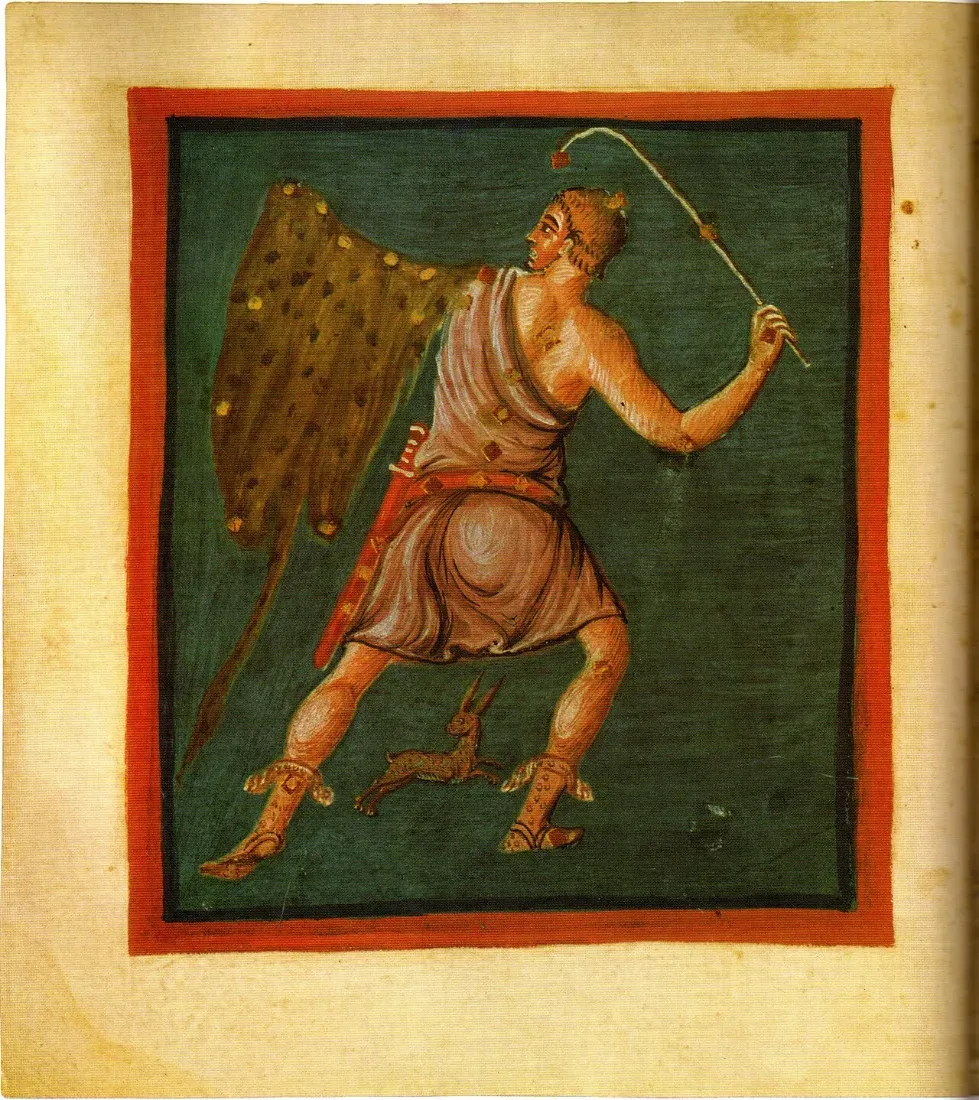
Text and translation
The uninterrupted Greek with its English translation, line by line.
Show text and translation
Ἡσιόδου τό τʼ ἄεισμα καὶ ὁ τρόπος
Callimachus · Epigram 27 (A.P. 9.507) · elegiac couplets · text of Wilamowitz (1897), via the Perseus Digital Library
How to read each line
A guide to the Greek, syllables, pitch marks and quantities.
Show the reading key
- Above each line: the line as the edition prints it, each word placed over its own syllables. The main row: the same Greek divided into metrical syllables, each written as it is pronounced. A consonant that closes a syllable is written with it (λόθ | ρο); an elided word is closed up with the next vowel (ν’ἀ); a final consonant carried into the next word is set with a thin space (ς ἰ). Wider gaps mark word-ends.
- Above the syllables: the pitch of each syllable, from the accents. Under them: the quantity of each syllable as it falls in the line, then the transliteration, syllable by syllable, with accented syllables in capitals.
- Under each line: a line-for-line translation. In the right margin of the scansion: the line type, its scheme, and its analysis into cola.
Key to the labels
The names, patterns and symbols used beside this poem.
Show the labels and symbols
The labels in the right margin of the scansion below name the line, its scheme, the feet as the line realises them, and the caesurae and diaereses (the named word-ends) that fall in it. In the scheme ⏔ is a biceps, two shorts that may be contracted to one long; ⏕ is a long that may be resolved into two shorts; × is an anceps, long or short. A click on any syllable highlights its metron or colon, or, with the switch, its foot.
| Label | Name and shape | What it is |
|---|---|---|
| hem1 | First hemiepes— ⏔ — ⏔ — | The first two and a half feet of the hexameter, up to the penthemimeral caesura; in the pentameter, its whole first half. |
| hem2 | Second half of the hexameter⏔ — ⏔ — ⏑ ⏑ — × | From the penthemimeral caesura to the line-end: the fifth foot is nearly always a dactyl, the sixth is — ×. |
| hemp | Second hemiepes— ⏑ ⏑ — ⏑ ⏑ × | The second half of the pentameter: two dactyls and a single syllable, with no contraction allowed. |
The traditional feet
| Foot and shape | Where |
|---|---|
| First foot: dactyl or spondee— ⏔ | Scheme positions 1–2. The biceps (⏑ ⏑) may be contracted to a single long, making a spondee. |
| Second foot: dactyl or spondee— ⏔ | Scheme positions 3–4. |
| Third foot: dactyl or spondee— ⏔ | Scheme positions 5–6. The penthemimeral caesura falls after its first syllable, the “trochaic” caesura after its second. |
| Fourth foot: dactyl or spondee— ⏔ | Scheme positions 7–8. Word-end at the end of this foot, when it is a dactyl, is the bucolic diaeresis (West’s “bucolic caesura”: word-end at the end of the fourth foot after an uncontracted biceps)[5]. |
| Fifth foot: dactyl— ⏑ ⏑ | Scheme positions 9–10. A spondee here (a “spondaic line”) is rare. |
| Sixth foot— × | Scheme positions 11–12: a long and the indifferent final syllable. |
| First foot: dactyl or spondee— ⏔ | Scheme positions 1–2 of the pentameter. |
| Second foot: dactyl or spondee— ⏔ | Scheme positions 3–4. |
| Half-foot before the diaeresis— | Scheme position 5: the long that closes the first hemiepes; word-end must follow. |
| Fourth foot: dactyl— ⏑ ⏑ | Scheme positions 6–8: no contraction after the diaeresis. |
| Fifth foot: dactyl— ⏑ ⏑ | Scheme positions 9–11. |
| Final syllable× | Scheme position 12. |
Scansion
Callimachus praises the Phaenomena as Hesiodic in theme and manner: two elegiac couplets, scanned foot by foot.
Hesiod’s are the theme and the manner; not the furthest reach of the singer,
I suspect, but the very sweetest
of his verses that the man from Soli has copied. Hail, finely wrought
words, the token of Aratus’ sleepless nights.
Metre
- The couplet. A hexameter followed by a “pentameter”, — ⏔ — ⏔ — | — ⏑ ⏑ — ⏑ ⏑ —, two hemiepes divided by a fixed word-end. Contraction is allowed only in the first half, and the last position, at period-end, may hold a short syllable.[6]
- Hellenistic elegy. West finds Hellenistic elegiac verse in general stricter than the hexameter poets.[7]
- Hiatus is restricted: there is none here.
- Before the hexameter’s feminine caesura there is normally a word that ends — ⏑ by itself, not through correption or elision. In line 1 that word is ἄεισμα.
- At the pentameter’s caesura, from the late third century BC, syllables long by nature are preferred. Both caesurae here fall after a long vowel or diphthong: ὀκνέω (2) and Ἀρήτου (4).
- Stop + nasal. Twice a short vowel stays short before a stop + nasal: ὀ before κν in ὀκνέω (2), and the υ of ἀγρυπνίης before πν (4). West says early poetry seldom allows this with the nasals before the fifth century.[8]
- The name. The first syllable of Ἀρήτου (Ionic for Ἀράτου) is long here; the metre requires it. LSJ has no entry for the name.
- Numbers and texts. Ep. 27 in Wilamowitz’s and Clayman’s numbering = 56 Gow–Page = A.P. 9.507; the epigram is also quoted in a Life of Aratus.[9] Clayman’s text is the same as Wilamowitz’s. The Perseus text of Paton’s Anthology (A.P. 9.507) has ἀοιδῶν for ἀοιδόν in line 1, and Mair’s Loeb text (Perseus, Ep. 29 in his numbering) ends with σύντονος ἀγρυπνίη. Neither changes the scansion. The readings bear on the sense of lines 1–2: with Paton’s genitive plural, οὐ τὸν ἀοιδῶν ἔσχατον means “not the last of singers”; our translation follows the accusative ἀοιδόν that Wilamowitz and Clayman print.
Prosody, line by line
Every syllable, with the reason for its length. Quantities are read from the vowel where the spelling shows it, from the consonants that follow (“position”), from the accent where it tells, and from the metre where nothing else does. Editors’ notes on the text follow in the boxed paragraphs.
- 27.1
Line 27.1 · Ἡσιόδου τό τʼ ἄεισμα καὶ ὁ τρόπος· οὐ τὸν ἀοιδόν
Ἡσιόδου τό τʼ ἄεισμα καὶ ὁ τρόπος· οὐ τὸν ἀοιδόν
Ἡσιόδουτότ’ἄεισμακαὶὁτρόπο·ς οὐτὸν ἀοιδόνdactyl, dactyl, dactyl, dactyl, dactyl, — ×; caesura after the third trochee; hephthemimeral caesura; bucolic diaeresis.
- 1 —ἩἩ is long by nature.
- 2 ⏑σιι is short by the metre (position 2 must be short); one of the two shorts of the biceps at position 2.
- 3 ⏑όό is short by nature; one of the two shorts of the biceps at position 2.
- 4 —δουου is a diphthong, long by nature.
- 5 ⏑τόό is short by nature; one of the two shorts of the biceps at position 4.
- 6 ⏑τ’ἄἄ is short by the metre (position 4 must be short); the apostrophe marks an elided vowel; the consonant before it joins this syllable; one of the two shorts of the biceps at position 4.
- 7 —εισει is a diphthong, long by nature; closed by σ: long by position.
- 8 ⏑μαα is short by the accent rule: acute on the antepenult requires a short final syllable; one of the two shorts of the biceps at position 6.
- 9 ⏑καὶαὶ is a diphthong, long by nature; shortened before the vowel that begins the next word (epic correption), as the metre requires; one of the two shorts of the biceps at position 6.
- 10 —ὁὁ is short by nature; the next word begins with τρ: the syllable is closed before it: long by position.
- 11 ⏑τρόό is short by nature; one of the two shorts of the biceps at position 8.
- 12 ⏑πο·ο is short by nature; one of the two shorts of the biceps at position 8.
- 13 —ς οὐοὐ is a diphthong, long by nature; the first consonant belongs to the previous word and is carried over to this vowel.
- 14 ⏑τὸὸ is short by nature; one of the two shorts of the biceps at position 10.
- 15 ⏑ν ἀἀ is short by the metre (position 10 must be short); the first consonant belongs to the previous word and is carried over to this vowel; one of the two shorts of the biceps at position 10.
- 16 —οιοι is a diphthong, long by nature.
- 17 ×δόνό is short by nature; closed by ν: long by position; the position is anceps.
All five feet are dactyls. καί is shortened before ὁ by epic correption.[10] ἄεισμα ends between the shorts of the third foot: a feminine caesura, after a word that has the — ⏑ ending by itself.[11] ὁ is long in the fourth princeps before the initial τρ- of τρόπος.[12] As the article it goes with τρόπος, so the word-end after it is no real hephthemimeral caesura.[13] Word-end after τρόπος is the bucolic caesura.[5]- 27.2
Line 27.2 · ἔσχατον, ἀλλʼ ὀκνέω μὴ τὸ μελιχρότατον
ἔσχατον, ἀλλʼ ὀκνέω μὴ τὸ μελιχρότατον
ἔσχατο,ν ἀλλ’ὀκνέωμὴτὸμελιχρότατονdactyl, dactyl, —, dactyl, dactyl, ×; diaeresis after the first hemiepes.
- 1 —ἔσἔ is short by nature; closed by σ: long by position.
- 2 ⏑χαα is short by the metre (position 2 must be short); one of the two shorts of the biceps at position 2.
- 3 ⏑το,ο is short by nature; one of the two shorts of the biceps at position 2.
- 4 —ν ἀλἀ is a vowel of unknown length; closed by λ: long by position; the first consonant belongs to the previous word and is carried over to this vowel.
- 5 ⏑λ’ὀὀ is short by nature; κν is carried whole into the next syllable, so this syllable stays open and short (correption before a stop + nasal cluster, as the metre needs); the apostrophe marks an elided vowel; the consonant before it joins this syllable; one of the two shorts of the biceps at position 4.
- 6 ⏑κνέέ is short by nature; one of the two shorts of the biceps at position 4.
- 7 —ωω is long by nature.
- 8 —μὴὴ is long by nature.
- 9 ⏑τὸὸ is short by nature.
- 10 ⏑μεε is short by nature.
- 11 —λιχι is a vowel of unknown length; closed by χ before a liquid: stop + liquid makes position, as it usually does in epic.
- 12 ⏑ρόό is short by nature.
- 13 ⏑ταα is short by the metre (position 11 must be short).
- 14 ×τονο is short by nature; closed by ν: long by position; the position is anceps.
The pentameter: — ⏑ ⏑ — ⏑ ⏑ — | — ⏑ ⏑ — ⏑ ⏑ ×. ἀλλ’ is elided.[14] The ὀ of ὀκνέω stays short before κν.[8] The word-end after ὀκνέω, in a long ω, is the fixed caesura of the pentameter.[15] The χρ of μελιχρότατον makes position inside the word.[16]- 27.3
Line 27.3 · τῶν ἐπέων ὁ Σολεὺς ἀπεμάξατο· χαίρετε λεπταί
τῶν ἐπέων ὁ Σολεὺς ἀπεμάξατο· χαίρετε λεπταί
τῶνἐπέωνὁΣολεὺςἀπεμάξατο·χαίρετελεπταίdactyl, dactyl, dactyl, dactyl, dactyl, — ×; penthemimeral caesura; bucolic diaeresis.
- 1 —τῶνῶ is long by nature.
- 2 ⏑ἐἐ is short by nature; one of the two shorts of the biceps at position 2.
- 3 ⏑πέέ is short by nature; one of the two shorts of the biceps at position 2.
- 4 —ωνω is long by nature.
- 5 ⏑ὁὁ is short by nature; one of the two shorts of the biceps at position 4.
- 6 ⏑Σοο is short by nature; one of the two shorts of the biceps at position 4.
- 7 —λεὺςεὺ is a diphthong, long by nature.
- 8 ⏑ἀἀ is short by the metre (position 6 must be short); one of the two shorts of the biceps at position 6.
- 9 ⏑πεε is short by nature; one of the two shorts of the biceps at position 6.
- 10 —μάξ is a double consonant (two sounds) and closes the syllable: long by position.
- 11 ⏑ξαα is short by the metre (position 8 must be short); one of the two shorts of the biceps at position 8.
- 12 ⏑το·ο is short by nature; one of the two shorts of the biceps at position 8.
- 13 —χαίαί is a diphthong, long by nature.
- 14 ⏑ρεε is short by nature; one of the two shorts of the biceps at position 10.
- 15 ⏑τεε is short by nature; one of the two shorts of the biceps at position 10.
- 16 —λεπε is short by nature; closed by π: long by position.
- 17 ×ταίαί is a diphthong, long by nature; the position is anceps.
All five feet are dactyls. The article ὁ, a prepositive, goes with Σολεύς.[17] The caesura is penthemimeral, after Σολεύς.[18] Word-end after ἀπεμάξατο, at the strong stop, is the bucolic caesura.[5] The πτ of λεπταί makes position.- 27.4
Line 27.4 · ῥήσιες, Ἀρήτου σύμβολον ἀγρυπνίης.
ῥήσιες, Ἀρήτου σύμβολον ἀγρυπνίης.
ῥήσιε,ς Ἀρήτουσύμβολον ἀγρυπνίης.dactyl, spondee, —, dactyl, dactyl, ×; diaeresis after the first hemiepes.
- 1 —ῥήή is long by nature.
- 2 ⏑σιι is short by the metre (position 2 must be short); one of the two shorts of the biceps at position 2.
- 3 ⏑ε,ε is short by nature; one of the two shorts of the biceps at position 2.
- 4 —ς ἈἈ is long by the metre (position 3 must be long); the first consonant belongs to the previous word and is carried over to this vowel.
- 5 —ρήή is long by nature; a single long contracts the two shorts of the biceps at position 4.
- 6 —τουου is a diphthong, long by nature.
- 7 —σύμύ is a vowel of unknown length; closed by μ: long by position.
- 8 ⏑βοο is short by nature.
- 9 ⏑λοο is short by nature.
- 10 —ν ἀγἀ is a vowel of unknown length; closed by γ before a liquid: stop + liquid makes position, as it usually does in epic; the first consonant belongs to the previous word and is carried over to this vowel.
- 11 ⏑ρυυ is a vowel of unknown length; πν is carried whole into the next syllable, so this syllable stays open and short (correption before a stop + nasal cluster, as the metre needs).
- 12 ⏑πνίί is short by the metre (position 11 must be short).
- 13 ×ης.η is long by nature; closed by ς: long by position; the position is anceps.
The pentameter, with the second biceps contracted: — ⏑ ⏑ — — — | — ⏑ ⏑ — ⏑ ⏑ ×. The ς of ῥήσιες passes to Ἀρήτου, whose first syllable is long, as the metre requires. The word-end after Ἀρήτου, in a diphthong, is the caesura.[15] The γρ of ἀγρυπνίης makes position inside the word,[16] but its υ stays short before πν.[8]
Notes
- ^ Mair and Mair 1921, p. 369.
- ^ Mair and Mair 1921, pp. 360, 362.
- ^ Mair and Mair 1921, pp. 362–363.
- ^ Mair and Mair 1921, p. 360.
- ^ a b c West 1987, p. 21.
- ^ West 1987, p. 24.
- ^ West 1987, p. 80.
- ^ a b c West 1987, p. 16.
- ^ Clayman 2022, p. 420.
- ^ West 1987, p. 14.
- ^ West 1987, pp. 19, 80.
- ^ West 1987, p. 22.
- ^ West 1987, pp. 9, 21.
- ^ West 1987, p. 13.
- ^ a b West 1987, pp. 24, 80.
- ^ a b West 1987, pp. 16–17.
- ^ West 1987, p. 9.
- ^ West 1987, p. 19.
Text and sources
- Text: Callimachus, Callimachi Hymni et Epigrammata, ed. U. von Wilamowitz-Moellendorff (Berlin 1897), Ep. 27, from the Perseus Digital Library (urn:cts:greekLit:tlg0533.tlg003.perseus-grc2), licensed CC BY-SA 4.0 (TEI header).
- Compared: The Greek Anthology, ed. W. R. Paton, vol. 3 (Loeb, 1917), A.P. 9.507 (Perseus, tlg7000.tlg001.perseus-grc8); A. W. Mair, Callimachus, Ep. 29 in his numbering (Perseus, tlg0533.tlg004.perseus-grc2).
- M. L. West, Introduction to Greek Metre (Oxford 1987): pp. 9, 13–24 (appositives, elision, correption, stop + liquid and stop + nasal, the hexameter and its caesurae, the elegiac couplet), p. 80 (Hellenistic elegy). Cited as “West 1987”.
- D. L. Clayman (ed. and trans.), Callimachus: Hecale, Hymns, Epigrams (Loeb Classical Library 129, Cambridge, MA 2022), pp. 420–421 (text of Ep. 27 compared; concordance). Cited as “Clayman 2022”.
- Translation: metrehelp.org, CC BY-SA 4.0.
Quotations from copyrighted works are not covered by this page’s licence.
Lycophron, Alexandra 1–30 (the prologue)
Synopsis
The Alexandra is a single speech of 1,474 iambic trimeters. Priam has set a slave to watch Cassandra (Alexandra). The slave repeats to the king the prophecy she poured out on the morning Paris sailed for Sparta. It tells of the fall of Troy, the homecomings of the Greeks, and the fortunes of the Trojan line down to the rise of Rome, all in deliberately dark riddles. The Suda calls it “the obscure poem”.[1] The Suda and Tzetzes make its author Lycophron of Chalcis. He was a tragedian of the Pleiad who came to Alexandria about 285–283 BC, under Ptolemy II Philadelphus, and arranged the comic poets in the Library.[2] Its date is disputed. Lines 1226–1280 and 1446–1450 seem to foresee Roman power. So an ancient scholiast already assigned the poem to a second Lycophron. Niebuhr dated it after the First Punic War. Others have taken the Roman passages as interpolations. Mair, following Corssen, kept it for the tragedian, and read the Roman lines as the victory over Pyrrhus.[3]
Modern views fall into three groups. Some hold that the Roman references were possible in the early third century. Some keep the poem early and treat the problem passages as later additions. Others date the whole poem to the second century, by a different author. None of these views has won the day. Much in the poem’s style and interests suits early Hellenistic Alexandria, at least for most of it. The last event in it that can be dated is the murder of Alexander’s son Heracles in 309 BC (801–804).[4] Hornblower has since argued for the 190s BC and a Greek poet from south Italy; only the publisher’s summary of his conclusion could be read for this site.[5] The date remains disputed.
Scanned here are the thirty lines of the prologue. In them the slave promises to report everything from the beginning. He describes the dawn departure of Paris’ ships from the Troad, and hands over to Cassandra.
Text and translation
The uninterrupted Greek with its English translation, line by line.
Show text and translation
λέξω τὰ πάντα νητρεκῶς, ἅ μ’ ἱστορεῖς,
Lycophron · Alexandra 1–30 · iambic trimeters · text of Mair (Loeb 1921, via Perseus)
How to read each line
A guide to the Greek, syllables, pitch marks and quantities.
Show the reading key
- Above each line: the line as the edition prints it, each word placed over its own syllables. The main row: the same Greek divided into metrical syllables, each written as it is pronounced. A consonant that closes a syllable is written with it (λόθ | ρο); an elided word is closed up with the next vowel (ν’ἀ); a final consonant carried into the next word is set with a thin space (ς ἰ). Wider gaps mark word-ends.
- Above the syllables: the pitch of each syllable, from the accents. Under them: the quantity of each syllable as it falls in the line, then the transliteration, syllable by syllable, with accented syllables in capitals.
- Under each line: a line-for-line translation. In the right margin of the scansion: the line type, its scheme, and its analysis into cola.
Key to the labels
The names, patterns and symbols used beside this poem.
Show the labels and symbols
The labels in the right margin of the scansion below name the line, its scheme, the feet as the line realises them, and the caesurae and diaereses (the named word-ends) that fall in it. In the scheme — is a long position, ⏑ a short one and × an anceps, long or short; the descriptions below say where a long may be resolved into two shorts and where two shorts may stand in place of an anceps or a short.[6] A click on any syllable highlights its metron or colon, or, with the switch, its foot.
| Label | Name and shape | What it is |
|---|---|---|
| im1 | First iambic metron× — ⏑ — | Positions 1–4. The anceps may be long or short, and in the first foot it may be replaced by two shorts, which makes the foot an anapaest (⏑ ⏑ —). Either long may be resolved into two shorts. |
| im2 | Second iambic metron× — ⏑ — | Positions 5–8. The main caesura falls inside it, after position 5 (penthemimeral) or 7 (hephthemimeral). Either long may be resolved into two shorts. Outside the first foot tragedy admits an anapaest only for a proper name. |
| im3 | Third iambic metron× — ⏑ × | Positions 9–12, the last syllable indifferent (period-end). Porson’s law: when the anceps at 9 is long, it and the following syllable belong to the same word, unless one of them is a monosyllable. The long at 10 may be resolved only when the anceps at 9 is short. |
Scansion
The prologue of the Alexandra: a slave set to watch Cassandra reports to Priam that the girl has broken into prophecy, promises to repeat her riddling words from the beginning, and sets the scene at dawn as Paris’ ships put out from the Troad; the last line hands over to Cassandra herself.[7] Each trimeter is scanned metron by metron, with its caesura, the third anceps tested against Porson’s law, and every prosodic licence named.
I shall tell you everything exactly, as you ask me,
from the very beginning; and if the account runs long,
forgive me, master: for not quietly, as before, did the girl
open the shifting mouth of her oracles,
but pouring out a boundless, all-confused cry
she gave voice from a bay-chewing throat,
imitating the speech of the dark Sphinx.
Whatever of it I hold in my heart and in my memory
you shall hear, my lord; and, going over it again in your
close-woven mind, pass through the riddles hard to tell,
unwinding their paths, wherever a well-learned track
guides by a straight road what lies in darkness.
And I, slipping the thread of the barrier at its end,
will go up into the ways out of her crooked words,
having struck the first post like a winged runner.
Dawn had just flown over the steep crag of Phegion
on the swift wings of Pegasus,
leaving Tithonus in his bed near Cerne,
your brother by another mother;
and the sailors loosed the hollowed rock’s fair-weather
cables, and cut away from the land
the shore-ropes. And the maiden-slaying Thetis
the centipede-footed, fair-faced ships struck with their blades,
stork-skinned, the daughters of Phalacra,
showing their white feathers above the Calydnae,
their stern-posts, and their sails spread out
to the north blasts of the fiery stormwind.
And she, opening her god-filled Bacchic mouth
on the top of Ate’s hills, founded by the wandering cow,
thus began her words from the beginning, Alexandra:
Metre
- The line. Three iambic metra, × — ⏑ — | × — ⏑ — | × — ⏑ —, with period-end at the end of each line; the caesura falls after position 5 or, failing that, after position 7.[8] The Alexandra is a monologue of 1,474 such lines, and the Suda calls its author a tragedian:[9] its trimeter is the tragic trimeter, not the freer line of comedy (West 1987, pp. 25–27 sets out the differences).
- The Hellenistic trimeter. West observes that in Hellenistic tragedy and epigram, and in the Alexandra, the trimeter is handled rather strictly, with resolution only now and then, and that the one departure from classical practice is the occasional lengthening of a short final syllable before a word beginning with stop + liquid; he finds an example in the papyrus fragment of a tragedy about Gyges, and counts it among the reasons for dating that piece after the classical period.[10] Cropp likewise judges the Gyges fragment more probably Hellenistic than fifth-century.[11] These thirty lines bear out the first point and show nothing of the second: no princeps is resolved and no foot is an anapaest, and the two places where a short final syllable stands before an initial stop + liquid, ἔλυσε χρησμῶν (4) and οὖσα γρώνης (20), keep the classical short scansion.[12]
- Caesura. Every line has the penthemimeral or the hephthemimeral caesura.[13] Lines 5, 6, 13, 17, 18, 26, 27 and 28 have only the hephthemimeral word-end; in line 3 the penthemimeral caesura falls after the elided δέσποτ’, and elision at the caesura is common.[14]
- Porson’s law. When the anceps at position 9 is long, it and the next syllable belong to one word, unless one of them is a monosyllable.[13] Position 9 is long in 18 of the 30 lines (2, 6–10, 13, 15, 18, 21, 23–30), and in every one of them the long syllable stands inside a word: the law holds throughout, as in classical tragedy.
- Resolution and anapaests. None in 30 lines, although the passage is full of proper names (Φηγίου, Πηγάσου, Τιθωνόν, Κέρνης, Θέτιν, Φαλακραῖαι, Καλυδνῶν, Ἀλεξάνδρα), the one place where tragedy admits an anapaest outside the first foot:[15] every name is fitted to the pure scheme. The early iambographers, Aeschylus and Sophocles resolve on average not more than once in ten lines, and Euripides far more often after 428 BC;[16] the Medea prologue scanned on this site has six resolutions in 48 lines, this passage none in 30.
- Prosody. A stop + liquid inside a word may make position in tragedy or leave the syllable short:[12] Lycophron scans ἄκρας (2) and ἄκρων (29) with the first syllable long by position, and ἄκραν (13) with it short, the same word both ways; in Φαλακραῖαι (24) the syllable before κρ is long. The clusters γν (σύγγνωθι 3), δν (Καλυδνῶν 25) and μν (μνήμης 8) always make position.[17] Before an initial stop + liquid a final short stays short (4, 20). Crasis in ὦναξ and κἀναπεμπάζων (9), τἀν (12) and κἀπό (21);[18] in ὠργυιωμένους (26) the -υι- is one long syllable. Elision at the ends of ten words (1, 2, 3, 5, 13, 20, 28, 29, 30 twice); no hiatus.
- Vowel lengths. An α, ι or υ whose length the spelling does not show takes its length from the metre wherever the metre decides it, and every such length here agrees with LSJ or with West’s rules for endings.[19] Where the metre does not decide it (at an anceps, or in the last position of the line), the note on the line gives the source for a long vowel, or a short one at the line-end: long in ἄκρᾱς (2), ἐκμῑμουμένη (7), σχάσᾱς (13), ἀράξᾱς (15) and Τῑθωνόν (18); short at the line-end in στόμᾰ (4, 28), ὄπᾰ (6), φρενῐ́ (9), πέλᾰς (18), κάσῐν (19), ἐσχάζοσᾰν (21), Θέτῐν (22) and πτίλᾰ (25).
- The text. Mair’s Loeb text of 1921, as transcribed by the Perseus Digital Library, has been compared line by line with Scheer’s edition of 1881.[20] The two differ in 1–30 only in spelling and punctuation: Scheer prints ἐς for εἰς (14), Ἕως for Ἠώς (16), ταῖς Κέρνης for τῆς Κέρνης (18), ὕσπληγας for ὕσπληγγας (22), χἄφλαστα for ἄφλαστα, καί (26) and ἀπαρχῆς as one word (30); none of these changes a quantity. In 29 both editors print Ἄτης with a capital, the Hill of Ate; the Perseus file has ἄτης, and the capital is restored here.
Prosody, line by line
Every syllable, with the reason for its length. Quantities are read from the vowel where the spelling shows it, from the consonants that follow (“position”), from the accent where it tells, and from the metre where nothing else does. Editors’ notes on the text follow in the boxed paragraphs.
- 1
Line 1 · λέξω τὰ πάντα νητρεκῶς, ἅ μ’ ἱστορεῖς,
λέξω τὰ πάντα νητρεκῶς, ἅ μ’ ἱστορεῖς,
λέξωτὰπάντανητρεκῶς,ἅμ’ἱστορεῖς,penthemimeral caesura.
- 1 —λέέ is short by nature; ξ is a double consonant (two sounds) and closes the syllable: long by position; the position is anceps.
- 2 —ξωω is long by nature.
- 3 ⏑τὰὰ is short by the metre (position 3 must be short).
- 4 —πάνά is a vowel of unknown length; closed by ν: long by position.
- 5 ○ταα is of unknown length; the position is anceps, so either scans.
- 6 —νηη is long by nature.
- 7 ⏑τρεε is short by nature.
- 8 —κῶς,ῶ is long by nature.
- 9 ○ἅἅ is of unknown length; the position is anceps, so either scans.
- 10 —μ’ἱσἱ is a vowel of unknown length; closed by σ: long by position; the apostrophe marks an elided vowel; the consonant before it joins this syllable.
- 11 ⏑τοο is short by nature.
- 12 ×ρεῖς,εῖ is a diphthong, long by nature; closed by ς: long by position; the last position of the line is indifferent (period-end).
The speaker is the slave set to guard Cassandra; he addresses Priam.[21] The -α of πάντα (position 5, anceps) is the short -ᾰ of the neuter plural,[22] and ἅ (position 9) is the same ending; the ι of ἱστορεῖς is short, but the syllable μ’ ἱσ- is closed by στ and long by position. νητρεκῶς, “exactly”, is a rare form of ἀτρεκῶς that LSJ records from this line.[23] Penthemimeral caesura after πάντα (word-end after position 5)[13]. The anceps at position 9 is short (ἅ). Elision: μ’ loses its final vowel before the vowel that begins the next word.[24]
- 2
Line 2 · ἀρχῆς ἀπ’ ἄκρας· ἢν δὲ μηκυνθῇ λόγος,
ἀρχῆς ἀπ’ ἄκρας· ἢν δὲ μηκυνθῇ λόγος,
ἀρχῆςἀπ’ἄκρας·ἢνδὲμηκυνθῇλόγος,penthemimeral caesura; hephthemimeral caesura.
- 1 —ἀρἀ is a vowel of unknown length; closed by ρ: long by position; the position is anceps.
- 2 —χῆςῆ is long by nature.
- 3 ⏑ἀἀ is short by the metre (position 3 must be short).
- 4 —π’ἄκἄ is a vowel of unknown length; closed by κ before a liquid: the stop + liquid cluster makes position here, as the metre requires (tragedy allows either); the apostrophe marks an elided vowel; the consonant before it joins this syllable.
- 5 —ρας·ᾱ is long (its length is not shown by the ordinary spelling); the position is anceps.
- 6 —ἢνἢ is long by nature; closed by ν: long by position.
- 7 ⏑δὲὲ is short by nature.
- 8 —μηη is long by nature.
- 9 —κυνυ is a vowel of unknown length; closed by ν: long by position; the position is anceps.
- 10 —θῇῇ is long by nature.
- 11 ⏑λόό is short by nature.
- 12 ×γος,ο is short by nature; closed by ς: long by position; the last position of the line is indifferent (period-end).
The α of ἄκρας is short by nature (ἄκρος), but the syllable ἄκ- stands at position 4 and must be long: the κρ makes position inside the word, which tragedy allows.[25] Compare ἄκραν in line 13, where the same syllable is short. The α of ἄκρας is long.[26] Position 5 is anceps, so the metre does not show it; the input marks it long. Penthemimeral caesura after ἄκρας (word-end after position 5)[13]; a word also ends at the hephthemimeral place, after δὲ. The anceps at position 9 is long (κυν) and inside the word μηκυνθῇ, as Porson’s law requires.[13] Elision: ἀπ’ loses its final vowel before the vowel that begins the next word.[24]
- 3
Line 3 · σύγγνωθι δέσποτ’· οὐ γὰρ ἥσυχος κόρη
σύγγνωθι δέσποτ’· οὐ γὰρ ἥσυχος κόρη
σύγγνωθιδέσποτ’·οὐγὰρ ἥσυχοςκόρηpenthemimeral caesura (with elision); hephthemimeral caesura.
- 1 —σύγύ is a vowel of unknown length; closed by γ: long by position; the position is anceps.
- 2 —γνωω is long by nature.
- 3 ⏑θιι is short by the accent rule: acute on the antepenult requires a short final syllable.
- 4 —δέσέ is short by nature; closed by σ: long by position.
- 5 ⏑ποο is short by nature; the position is anceps.
- 6 —τ’·οὐοὐ is a diphthong, long by nature; the apostrophe marks an elided vowel; the consonant before it joins this syllable.
- 7 ⏑γὰὰ is short by the metre (position 7 must be short).
- 8 —ρ ἥἥ is long by nature; the first consonant belongs to the previous word and is carried over to this vowel.
- 9 ○συυ is of unknown length; the position is anceps, so either scans.
- 10 —χοςο is short by nature; closed by ς: long by position.
- 11 ⏑κόό is short by nature.
- 12 ×ρηη is long by nature; the last position of the line is indifferent (period-end).
The υ of ἥσυχος (position 9, anceps) is short.[27] Penthemimeral caesura after the elided δέσποτ’ (word-end after position 5, with elision, which is quite common at the caesura)[28]; a word also ends at the hephthemimeral place, after γὰρ. The anceps at position 9 is short (συ). Elision: δέσποτ’ loses its final vowel before the vowel that begins the next word.[24]
- 4
Line 4 · ἔλυσε χρησμῶν, ὡς πρίν, αἰόλον στόμα,
ἔλυσε χρησμῶν, ὡς πρίν, αἰόλον στόμα,
ἔλυσεχρησμῶν,ὡςπρί,ν αἰόλονστόμα,penthemimeral caesura; hephthemimeral caesura.
- 1 ⏑ἔἔ is short by nature; the position is anceps.
- 2 —λυυ is long by the metre (position 2 must be long).
- 3 ⏑σεε is short by nature; the next word begins with χρ, a stop + liquid that does not make position here, so the syllable stays short.
- 4 —χρηση is long by nature; closed by σ: long by position.
- 5 —μῶν,ῶ is long by nature; the position is anceps.
- 6 —ὡςὡ is long by nature; closed by ς: long by position.
- 7 ⏑πρί,ί is short by the metre (position 7 must be short).
- 8 —ν αἰαἰ is a diphthong, long by nature; the first consonant belongs to the previous word and is carried over to this vowel.
- 9 ⏑όό is short by nature; the position is anceps.
- 10 —λονο is short by nature; closed by ν: long by position.
- 11 ⏑στόό is short by nature.
- 12 ×μα,ᾰ is short (its length is not shown by the ordinary spelling); the last position of the line is indifferent (period-end): a short syllable here is brevis in longo.[29]
The υ of ἔλυσε is long, as position 2 requires.[30] The -σε before χρησμῶν (position 3) stays short: a final short vowel is not lengthened by a following stop + liquid in classical Attic verse,[12] and this line shows that Lycophron keeps the classical scansion, not the Hellenistic lengthening that West finds elsewhere.[31] The α of στόμα is short.[32] It stands in the last position of the line, where the metre does not show its length; the input marks it short. Penthemimeral caesura after χρησμῶν (word-end after position 5)[13]; a word also ends at the hephthemimeral place, after πρίν. The anceps at position 9 is short (ό). The last syllable, μα, is short: brevis in longo, allowed at the period-end that closes every line.[29]
- 5
Line 5 · ἀλλ’ ἄσπετον χέασα παμμιγῆ βοὴν
ἀλλ’ ἄσπετον χέασα παμμιγῆ βοὴν
ἀλλ’ἄσπετονχέασαπαμμιγῆβοὴνhephthemimeral caesura.
- 1 —ἀλἀ is a vowel of unknown length; closed by λ: long by position; the position is anceps.
- 2 —λ’ἄσἄ is a vowel of unknown length; closed by σ: long by position; the apostrophe marks an elided vowel; the consonant before it joins this syllable.
- 3 ⏑πεε is short by nature.
- 4 —τονο is short by nature; closed by ν: long by position.
- 5 ⏑χέέ is short by nature; the position is anceps.
- 6 —αα is long by the metre (position 6 must be long).
- 7 ⏑σαα is short by the accent rule: acute on the antepenult requires a short final syllable.
- 8 —παμα is a vowel of unknown length; closed by μ: long by position.
- 9 ○μιι is of unknown length; the position is anceps, so either scans.
- 10 —γῆῆ is long by nature.
- 11 ⏑βοο is short by nature.
- 12 ×ὴνὴ is long by nature; closed by ν: long by position; the last position of the line is indifferent (period-end).
The α of χέασα (position 6) is the long -ᾱ- of the feminine aorist participle (χέᾱσα, like λύσᾱσα), as the metre requires; the final -ᾰ (position 7) is short.[22] The ι of παμμιγῆ (position 9) is short.[33] No word ends after position 5, so the caesura is hephthemimeral, after χέασα (word-end after position 7)[13]. The anceps at position 9 is short (μι). Elision: ἀλλ’ loses its final vowel before the vowel that begins the next word.[24]
- 6
Line 6 · δαφνηφάγων φοίβαζεν ἐκ λαιμῶν ὄπα,
δαφνηφάγων φοίβαζεν ἐκ λαιμῶν ὄπα,
δαφνηφάγωνφοίβαζεν ἐκλαιμῶνὄπα,hephthemimeral caesura.
- 1 ⏑δαα is a vowel of unknown length; φν is carried whole into the next syllable, so this syllable stays open and short (Attic correption of a stop + nasal cluster); the position is anceps.
- 2 —φνηη is long by nature.
- 3 ⏑φάά is short by the metre (position 3 must be short).
- 4 —γωνω is long by nature; closed by ν: long by position.
- 5 —φοίοί is a diphthong, long by nature; the position is anceps.
- 6 —βαζ is a double consonant (two sounds) and closes the syllable: long by position.
- 7 ⏑ζεε is short by nature.
- 8 —ν ἐκἐ is short by nature; closed by κ: long by position; the first consonant belongs to the previous word and is carried over to this vowel.
- 9 —λαιαι is a diphthong, long by nature; the position is anceps.
- 10 —μῶνῶ is long by nature.
- 11 ⏑ὄὄ is short by nature.
- 12 ×πα,ᾰ is short (its length is not shown by the ordinary spelling); the last position of the line is indifferent (period-end): a short syllable here is brevis in longo.[29]
The first syllable δα- stands at position 1 (anceps) before φν; the α of δάφνη is short (δάφνη)[34], and before a stop + nasal the syllable may be scanned either way in tragedy;[17] the page shows it short. The α of -φάγων (position 3) is short.[35] φοιβάζω, “prophesy”, is cited by LSJ from this line.[36] The α of ὄπα is short.[37] It stands in the last position of the line, where the metre does not show its length; the input marks it short. No word ends after position 5, so the caesura is hephthemimeral, after φοίβαζεν (word-end after position 7)[13]. The anceps at position 9 is long (λαι) and inside the word λαιμῶν, as Porson’s law requires.[13] In δαφνηφάγων the φν goes whole with the next syllable, so δα stays short (Attic correption)[12]. Position 1 is anceps, so the metre does not decide here, and tragedy would allow the syllable to be long by position inside the word.[25] The last syllable, πα, is short: brevis in longo, allowed at the period-end that closes every line.[29]
- 7
Line 7 · Σφιγγὸς κελαινῆς γῆρυν ἐκμιμουμένη.
Σφιγγὸς κελαινῆς γῆρυν ἐκμιμουμένη.
Σφιγγὸςκελαινῆςγῆρυν ἐκμιμουμένη.penthemimeral caesura; hephthemimeral caesura.
- 1 —Σφιγι is a vowel of unknown length; closed by γ: long by position; the position is anceps.
- 2 —γὸςὸ is short by nature; closed by ς: long by position.
- 3 ⏑κεε is short by nature.
- 4 —λαιαι is a diphthong, long by nature.
- 5 —νῆςῆ is long by nature; closed by ς: long by position; the position is anceps.
- 6 —γῆῆ is long by nature.
- 7 ⏑ρυυ is short by the accent rule: circumflex on the penult requires a short final syllable.
- 8 —ν ἐκἐ is short by nature; closed by κ: long by position; the κ of the prefix ἐκ- is never carried into the next syllable;[25] the first consonant belongs to the previous word and is carried over to this vowel.
- 9 —μιῑ is long (its length is not shown by the ordinary spelling); the position is anceps.
- 10 —μουου is a diphthong, long by nature.
- 11 ⏑μέέ is short by nature.
- 12 ×νη.η is long by nature; the last position of the line is indifferent (period-end).
The υ of γῆρυν (position 7) is short, as the metre requires.[38] The ι of ἐκμιμουμένη stands at position 9, the anceps that Porson’s law governs; it is long by nature, and since the long anceps and the next syllable -μου- belong to the same word the law is kept.[13] The ι of ἐκμιμουμένη is long.[39] Position 9 is anceps, so the metre does not show it; the input marks it long. Penthemimeral caesura after κελαινῆς (word-end after position 5)[13]; a word also ends at the hephthemimeral place, after γῆρυν. In ἐκμιμουμένη the κ of the prefix ἐκ- closes its own syllable, as it always does.[25]
- 8
Line 8 · τῶν ἅσσα θυμῷ καὶ διὰ μνήμης ἔχω,
τῶν ἅσσα θυμῷ καὶ διὰ μνήμης ἔχω,
τῶνἅσσαθυμῷκαὶδιὰμνήμηςἔχω,penthemimeral caesura.
- 1 —τῶνῶ is long by nature; the position is anceps.
- 2 —ἅσἅ is a vowel of unknown length; closed by σ: long by position.
- 3 ⏑σαα is short by the metre (position 3 must be short).
- 4 —θυυ is long by the metre (position 4 must be long).
- 5 —μῷῷ is long by nature; the position is anceps.
- 6 —καὶαὶ is a diphthong, long by nature.
- 7 ⏑διι is short by the metre (position 7 must be short).
- 8 —ὰthe next word begins with μν: the syllable is closed before it: long by position.
- 9 —μνήή is long by nature; the position is anceps.
- 10 —μηςη is long by nature.
- 11 ⏑ἔἔ is short by nature.
- 12 ×χω,ω is long by nature; the last position of the line is indifferent (period-end).
The υ of θυμῷ (position 4) is long.[40] The -ὰ of διά (position 8) is short by nature[41] and long by position before μν, two consonants that always close the syllable.[42] Penthemimeral caesura after θυμῷ (word-end after position 5)[13]. The anceps at position 9 is long (μνή) and inside the word μνήμης, as Porson’s law requires.[13]
- 9
Line 9 · κλύοις ἄν, ὦναξ, κἀναπεμπάζων φρενὶ
κλύοις ἄν, ὦναξ, κἀναπεμπάζων φρενὶ
κλύοιςἄ,ν ὦναξ,κἀναπεμπάζωνφρενὶpenthemimeral caesura.
- 1 ○κλύύ is of unknown length; the position is anceps, so either scans.
- 2 —οιςοι is a diphthong, long by nature.
- 3 ⏑ἄ,ἄ is short by the metre (position 3 must be short).
- 4 —ν ὦὦ is long by nature; the first consonant belongs to the previous word and is carried over to this vowel.
- 5 —ναξ,α is a vowel of unknown length; closed by ξ: long by position; the position is anceps.
- 6 —κἀἀ is long by crasis: the coronis marks two words contracted into one long vowel.
- 7 ⏑ναα is short by the metre (position 7 must be short).
- 8 —πεμε is short by nature; closed by μ: long by position.
- 9 —πάζ is a double consonant (two sounds) and closes the syllable: long by position; the position is anceps.
- 10 —ζωνω is long by nature; closed by ν: long by position.
- 11 ⏑φρεε is short by nature.
- 12 ×νὶῐ̀ is short (its length is not shown by the ordinary spelling); the last position of the line is indifferent (period-end): a short syllable here is brevis in longo.[29]
The υ of κλύοις (position 1, anceps) is short;[43] the page shows it short. Crasis twice: ὦναξ is ὦ ἄναξ, and κἀναπεμπάζων is καὶ ἀναπεμπάζων, in each case the two vowels merged into one long syllable.[18] LSJ cites this line for the active ἀναπεμπάζω, “go over again in one’s mind”.[44] The α of -πάζων (position 9) is long by position before ζ, and the syllable stands inside the word, as Porson’s law requires.[13] The ι of φρενὶ is short.[45] It stands in the last position of the line, where the metre does not show its length; the input marks it short. Penthemimeral caesura after ὦναξ (word-end after position 5)[13]. The last syllable, νὶ, is short: brevis in longo, allowed at the period-end that closes every line.[29]
- 10
Line 10 · πυκνῇ διοίχνει δυσφάτους αἰνιγμάτων
πυκνῇ διοίχνει δυσφάτους αἰνιγμάτων
πυκνῇδιοίχνειδυσφάτουςαἰνιγμάτωνpenthemimeral caesura.
- 1 ⏑πυυ is a vowel of unknown length; κν is carried whole into the next syllable, so this syllable stays open and short (Attic correption of a stop + nasal cluster); the position is anceps.
- 2 —κνῇῇ is long by nature.
- 3 ⏑διι is short by the metre (position 3 must be short).
- 4 —οίοί is a diphthong, long by nature.
- 5 —χνειει is a diphthong, long by nature; the position is anceps.
- 6 —δυσυ is a vowel of unknown length; closed by σ: long by position.
- 7 ⏑φάά is short by the metre (position 7 must be short).
- 8 —τουςου is a diphthong, long by nature.
- 9 —αἰαἰ is a diphthong, long by nature; the position is anceps.
- 10 —νιγι is a vowel of unknown length; closed by γ: long by position; γμ is one of the four clusters (γμ, γν, δμ, δν) that never leave the syllable before them short.[17]
- 11 ⏑μάά is short by the metre (position 11 must be short).
- 12 ×τωνω is long by nature; closed by ν: long by position; the last position of the line is indifferent (period-end).
The first syllable πυ- stands at position 1 (anceps) before κν; the υ of πυκνός is short,[46] and before a stop + nasal the syllable may be scanned either way in tragedy;[17] the page shows it short. The ι of διοίχνει (position 3) and the α of δυσφάτους (position 7) are short.[47] The αι of αἰνιγμάτων stands at position 9 and -νιγ- at 10 in the same word: Porson’s law is kept.[13] Penthemimeral caesura after διοίχνει (word-end after position 5)[13]. In πυκνῇ the κν goes whole with the next syllable, so πυ stays short (Attic correption)[12]. Position 1 is anceps, so the metre does not decide here, and tragedy would allow the syllable to be long by position inside the word.[25] In αἰνιγμάτων the γμ makes position, as γμ, γν, δμ, δν always do.[17]
- 11
Line 11 · οἴμας τυλίσσων, ᾗπερ εὐμαθὴς τρίβος
οἴμας τυλίσσων, ᾗπερ εὐμαθὴς τρίβος
οἴμαςτυλίσσων,ᾗπερ εὐμαθὴςτρίβοςpenthemimeral caesura; hephthemimeral caesura.
- 1 —οἴοἴ is a diphthong, long by nature; the position is anceps.
- 2 —μαςα is a vowel of unknown length; closed by ς: long by position.
- 3 ⏑τυυ is short by the metre (position 3 must be short).
- 4 —λίσί is a vowel of unknown length; closed by σ: long by position.
- 5 —σων,ω is long by nature; the position is anceps.
- 6 —ᾗᾗ is long by nature.
- 7 ⏑πεε is short by nature.
- 8 —ρ εὐεὐ is a diphthong, long by nature; the first consonant belongs to the previous word and is carried over to this vowel.
- 9 ○μαα is of unknown length; the position is anceps, so either scans.
- 10 —θὴςὴ is long by nature; closed by ς: long by position.
- 11 ⏑τρίί is short by the metre (position 11 must be short).
- 12 ×βοςο is short by nature; closed by ς: long by position; the last position of the line is indifferent (period-end).
The υ of τυλίσσων (position 3) is short;[48] the α of εὐμαθής (position 9) is short, from μαθεῖν;[49] the ι of τρίβος (position 11) is short.[50] Penthemimeral caesura after τυλίσσων (word-end after position 5)[13]; a word also ends at the hephthemimeral place, after ᾗπερ. The anceps at position 9 is short (μα).
- 12
Line 12 · ὀρθῇ κελεύθῳ τἀν σκότῳ ποδηγετεῖ.
ὀρθῇ κελεύθῳ τἀν σκότῳ ποδηγετεῖ.
ὀρθῇκελεύθῳτἀνσκότῳποδηγετεῖ.penthemimeral caesura.
- 1 —ὀρὀ is short by nature; closed by ρ: long by position; the position is anceps.
- 2 —θῇῇ is long by nature.
- 3 ⏑κεε is short by nature.
- 4 —λεύεύ is a diphthong, long by nature.
- 5 —θῳῳ is long by nature; the position is anceps.
- 6 —τἀνἀ is a vowel of unknown length; closed by ν: long by position.
- 7 ⏑σκόό is short by nature.
- 8 —τῳῳ is long by nature.
- 9 ⏑ποο is short by nature; the position is anceps.
- 10 —δηη is long by nature.
- 11 ⏑γεε is short by nature.
- 12 ×τεῖ.εῖ is a diphthong, long by nature; the last position of the line is indifferent (period-end).
- 13
Line 13 · ἐγὼ δ’ ἄκραν βαλβῖδα μηρίνθου σχάσας,
ἐγὼ δ’ ἄκραν βαλβῖδα μηρίνθου σχάσας,
ἐγὼδ’ἄκρανβαλβῖδαμηρίνθουσχάσας,hephthemimeral caesura.
- 1 ⏑ἐἐ is short by nature; the position is anceps.
- 2 —γὼὼ is long by nature.
- 3 ⏑δ’ἄἄ is a vowel of unknown length; κρ is carried whole into the next syllable, so this syllable stays open and short (Attic correption of a stop + liquid cluster); the apostrophe marks an elided vowel; the consonant before it joins this syllable.
- 4 —κρανα is a vowel of unknown length; closed by ν: long by position.
- 5 —βαλα is a vowel of unknown length; closed by λ: long by position; the position is anceps.
- 6 —βῖῖ carries a circumflex, so it is long.
- 7 ⏑δαα is short by the accent rule: circumflex on the penult requires a short final syllable.
- 8 —μηη is long by nature.
- 9 —ρίνί is a vowel of unknown length; closed by ν: long by position; the position is anceps.
- 10 —θουου is a diphthong, long by nature; the next word begins with σχ: the syllable is closed before it: long by position.
- 11 ⏑σχάά is short by the metre (position 11 must be short).
- 12 ×σας,ᾱ is long (its length is not shown by the ordinary spelling); closed by ς: long by position; the last position of the line is indifferent (period-end).
The α of ἄκραν is short by nature (ἄκρος), and here, at position 3, the syllable ἄκ- is short: the κρ is treated as beginning the next syllable (Attic correption)[12]. Lines 2 and 29 scan the same word with the syllable long by position. The ι of βαλβῖδα is long (circumflex); the ι of μηρίνθου is closed by νθ and long by position at position 9, inside the word, as Porson’s law requires.[13] The first α of σχάσας, σχά- at position 11, is short (σχάζω, “slip, let go”)[53]; the second is the long -ᾱς of the participle, on which see the next sentence. The α of σχάσας is long.[54] It stands in the last position of the line, where the metre does not show its length; the input marks it long. No word ends after position 5, so the caesura is hephthemimeral, after βαλβῖδα (word-end after position 7)[13]. Elision: δ’ loses its final vowel before the vowel that begins the next word.[24]
- 14
Line 14 · ἄνειμι λοξῶν εἰς διεξόδους ἐπῶν,
ἄνειμι λοξῶν εἰς διεξόδους ἐπῶν,
ἄνειμιλοξῶνεἰςδιεξόδουςἐπῶν,penthemimeral caesura.
- 1 ○ἄἄ is of unknown length; the position is anceps, so either scans.
- 2 —νειει is a diphthong, long by nature.
- 3 ⏑μιι is short by the accent rule: acute on the antepenult requires a short final syllable.
- 4 —λοο is short by nature; ξ is a double consonant (two sounds) and closes the syllable: long by position.
- 5 —ξῶνῶ is long by nature; the position is anceps.
- 6 —εἰςεἰ is a diphthong, long by nature; closed by ς: long by position.
- 7 ⏑διι is short by the metre (position 7 must be short).
- 8 —εε is short by nature; ξ is a double consonant (two sounds) and closes the syllable: long by position.
- 9 ⏑ξόό is short by nature; the position is anceps.
- 10 —δουςου is a diphthong, long by nature.
- 11 ⏑ἐἐ is short by nature.
- 12 ×πῶν,ῶ is long by nature; closed by ν: long by position; the last position of the line is indifferent (period-end).
The α of ἄνειμι stands at position 1 (anceps); it is the short α of the preposition ἀνά,[22] and the page shows it short. The ι of ἄνειμι (position 3) and of διεξόδους (position 7) are short, as the metre requires. Scheer prints ἐς for εἰς; the syllable is long by position before δ either way.[55] Penthemimeral caesura after λοξῶν (word-end after position 5)[13]. The anceps at position 9 is short (ξό).
- 15
Line 15 · πρώτην ἀράξας νύσσαν ὡς πτηνὸς δρομεύς.
πρώτην ἀράξας νύσσαν ὡς πτηνὸς δρομεύς.
πρώτηνἀράξαςνύσσαν ὡςπτηνὸςδρομεύς.penthemimeral caesura; hephthemimeral caesura.
- 1 —πρώώ is long by nature; the position is anceps.
- 2 —τηνη is long by nature.
- 3 ⏑ἀἀ is short by the metre (position 3 must be short).
- 4 —ράξ is a double consonant (two sounds) and closes the syllable: long by position.
- 5 —ξαςᾱ is long (its length is not shown by the ordinary spelling); closed by ς: long by position; the position is anceps.
- 6 —νύσύ is a vowel of unknown length; closed by σ: long by position.
- 7 ⏑σαα is short by the metre (position 7 must be short).
- 8 —ν ὡςὡ is long by nature; closed by ς: long by position; the first consonant belongs to the previous word and is carried over to this vowel.
- 9 —πτηη is long by nature; the position is anceps.
- 10 —νὸςὸ is short by nature; closed by ς: long by position.
- 11 ⏑δροο is short by nature.
- 12 ×μεύς.εύ is a diphthong, long by nature; closed by ς: long by position; the last position of the line is indifferent (period-end).
The first α of ἀράξας (position 3) is short,[56] and the second is long by position before ξ. The -αν of νύσσαν (position 7) is short: νύσσα, like θάλασσα, has the short -ᾰ of the first declension (gen. -ης), and the metre requires it.[57] The ο of πτηνός is short by nature and the syllable -νὸς long by position before δρ, since the ς closes it. The α of ἀράξας is long.[54] Position 5 is anceps, so the metre does not show it; the input marks it long. Penthemimeral caesura after ἀράξας (word-end after position 5)[13]; a word also ends at the hephthemimeral place, after νύσσαν. The anceps at position 9 is long (πτη) and inside the word πτηνὸς, as Porson’s law requires.[13]
- 16
Line 16 · Ἠὼς μὲν αἰπὺν ἄρτι Φηγίου πάγον
Ἠὼς μὲν αἰπὺν ἄρτι Φηγίου πάγον
Ἠὼςμὲν αἰπὺν ἄρτιΦηγίουπάγονpenthemimeral caesura; hephthemimeral caesura.
- 1 —ἨἨ is long by nature; the position is anceps.
- 2 —ὼςὼ is long by nature; closed by ς: long by position.
- 3 ⏑μὲὲ is short by nature.
- 4 —ν αἰαἰ is a diphthong, long by nature; the first consonant belongs to the previous word and is carried over to this vowel.
- 5 ○πὺὺ is of unknown length; the position is anceps, so either scans.
- 6 —ν ἄρἄ is a vowel of unknown length; closed by ρ: long by position; the first consonant belongs to the previous word and is carried over to this vowel.
- 7 ⏑τιι is short by the metre (position 7 must be short).
- 8 —Φηη is long by nature.
- 9 ○γίί is of unknown length; the position is anceps, so either scans.
- 10 —ουου is a diphthong, long by nature.
- 11 ⏑πάά is short by the metre (position 11 must be short).
- 12 ×γονο is short by nature; closed by ν: long by position; the last position of the line is indifferent (period-end).
The υ of αἰπύν (position 5, anceps) is short, as in all adjectives in -υς;[22] the page shows it short. The ι of Φηγίου stands at position 9, the anceps; it is the short ι of the adjectival suffix -ιος,[22] and the page shows it short. The α of πάγον (position 11) is short.[58] Scheer prints Ἕως for Ἠώς;[55] both scan — —. Penthemimeral caesura after αἰπὺν (word-end after position 5)[13]; a word also ends at the hephthemimeral place, after ἄρτι. The anceps at position 9 is short (γί).
- 17
Line 17 · κραιπνοῖς ὑπερποτᾶτο Πηγάσου πτεροῖς,
κραιπνοῖς ὑπερποτᾶτο Πηγάσου πτεροῖς,
κραιπνοῖςὑπερποτᾶτοΠηγάσουπτεροῖς,hephthemimeral caesura.
- 1 —κραιαι is a diphthong, long by nature; the position is anceps.
- 2 —πνοῖςοῖ is a diphthong, long by nature.
- 3 ⏑ὑὑ is short by the metre (position 3 must be short).
- 4 —περε is short by nature; closed by ρ: long by position.
- 5 ⏑ποο is short by nature; the position is anceps.
- 6 —τᾶᾶ carries a circumflex, so it is long.
- 7 ⏑τοο is short by nature.
- 8 —Πηη is long by nature.
- 9 ○γάά is of unknown length; the position is anceps, so either scans.
- 10 —σουου is a diphthong, long by nature; the next word begins with πτ: the syllable is closed before it: long by position.
- 11 ⏑πτεε is short by nature.
- 12 ×ροῖς,οῖ is a diphthong, long by nature; closed by ς: long by position; the last position of the line is indifferent (period-end).
- 18
Line 18 · Τιθωνὸν ἐν κοίταισι τῆς Κέρνης πέλας
Τιθωνὸν ἐν κοίταισι τῆς Κέρνης πέλας
Τιθωνὸν ἐνκοίταισιτῆςΚέρνηςπέλαςhephthemimeral caesura.
- 1 —Τιῑ is long (its length is not shown by the ordinary spelling); the position is anceps.
- 2 —θωω is long by nature.
- 3 ⏑νὸὸ is short by nature.
- 4 —ν ἐνἐ is short by nature; closed by ν: long by position; the first consonant belongs to the previous word and is carried over to this vowel.
- 5 —κοίοί is a diphthong, long by nature; the position is anceps.
- 6 —ταιαι is a diphthong, long by nature.
- 7 ⏑σιι is short by the accent rule: acute on the antepenult requires a short final syllable.
- 8 —τῆςῆ is long by nature; closed by ς: long by position.
- 9 —Κέρέ is short by nature; closed by ρ: long by position; the position is anceps.
- 10 —νηςη is long by nature; closed by ς: long by position.
- 11 ⏑πέέ is short by nature.
- 12 ×λαςᾰ is short (its length is not shown by the ordinary spelling); closed by ς: long by position; the last position of the line is indifferent (period-end).
The ι of Τιθωνόν stands at position 1 (anceps), where the metre does not show its length; it is long by nature. The ι of κοίταισι (position 7) is the short -ι of the dative ending. Scheer prints ταῖς Κέρνης for τῆς Κέρνης;[61] both are one long syllable. The ι of Τιθωνὸν is long.[62] Position 1 is anceps, so the metre does not show it; the input marks it long. The α of πέλας is short.[63] It stands in the last position of the line, where the metre does not show its length; the input marks it short. No word ends after position 5, so the caesura is hephthemimeral, after κοίταισι (word-end after position 7)[13]. The anceps at position 9 is long (Κέρ) and inside the word Κέρνης, as Porson’s law requires.[13]
- 19
Line 19 · λιποῦσα, τὸν σὸν ἀμφιμήτριον κάσιν.
λιποῦσα, τὸν σὸν ἀμφιμήτριον κάσιν.
λιποῦσα,τὸνσὸν ἀμφιμήτριονκάσιν.penthemimeral caesura.
- 1 ○λιι is of unknown length; the position is anceps, so either scans.
- 2 —ποῦοῦ is a diphthong, long by nature.
- 3 ⏑σα,α is short by the accent rule: circumflex on the penult requires a short final syllable.
- 4 —τὸνὸ is short by nature; closed by ν: long by position.
- 5 ⏑σὸὸ is short by nature; the position is anceps.
- 6 —ν ἀμἀ is a vowel of unknown length; closed by μ: long by position; the first consonant belongs to the previous word and is carried over to this vowel.
- 7 ⏑φιι is short by the metre (position 7 must be short).
- 8 —μήή is long by nature.
- 9 ○τριι is of unknown length; the position is anceps, so either scans.
- 10 —ονο is short by nature; closed by ν: long by position.
- 11 ⏑κάά is short by the metre (position 11 must be short).
- 12 ×σιν.ῐ is short (its length is not shown by the ordinary spelling); closed by ν: long by position; the last position of the line is indifferent (period-end).
The ι of λιποῦσα (position 1), the ι of ἀμφί (position 7)[64] and the ι of -μήτριον (position 9, the adjectival suffix -ιος)[22] are short; the α of κάσιν (position 11) is short.[65] ἀμφιμήτριος, “by a different mother”, is cited by LSJ from this line.[66] The ι of κάσιν is short.[67] It stands in the last position of the line, where the metre does not show its length; the input marks it short. Penthemimeral caesura after σὸν (word-end after position 5)[13]. The anceps at position 9 is short (τρι).
- 20
Line 20 · οἱ δ’ οὖσα γρώνης εὐγάληνα χερμάδος
οἱ δ’ οὖσα γρώνης εὐγάληνα χερμάδος
οἱδ’οὖσαγρώνηςεὐγάληναχερμάδοςpenthemimeral caesura.
- 1 —οἱοἱ is a diphthong, long by nature; the position is anceps.
- 2 —δ’οὖοὖ is a diphthong, long by nature; the apostrophe marks an elided vowel; the consonant before it joins this syllable.
- 3 ⏑σαα is short by the accent rule (the accent falls too far back for a long final syllable); the next word begins with γρ, a stop + liquid that does not make position here, so the syllable stays short.
- 4 —γρώώ is long by nature.
- 5 —νηςη is long by nature; the position is anceps.
- 6 —εὐεὐ is a diphthong, long by nature.
- 7 ⏑γάά is short by the metre (position 7 must be short).
- 8 —ληη is long by nature.
- 9 ⏑ναα is short by the accent rule: acute on the antepenult requires a short final syllable; the position is anceps.
- 10 —χερε is short by nature; closed by ρ: long by position.
- 11 ⏑μάά is short by the metre (position 11 must be short).
- 12 ×δοςο is short by nature; closed by ς: long by position; the last position of the line is indifferent (period-end).
οὖσα is not a participle but the neuter plural of οὖσον, “ship’s rope, cable”, a word LSJ records from this line and from Alexander Aetolus;[68] the scholia gloss it τὰ σχοινία. Its -ᾰ is the short neuter plural,[22] and at position 3 it stays short before the γρ that begins γρώνης: a final short is not lengthened by an initial stop + liquid here, the classical treatment (contrast p. 81 on the Hellenistic licence)[12]. The α of εὐγάληνα (position 7) is short,[69] and the α of χερμάδος (position 11) is the short -ᾰ- of a third-declension stem in -άς, -άδος.[70] Penthemimeral caesura after γρώνης (word-end after position 5)[13]. The anceps at position 9 is short (να). Elision: δ’ loses its final vowel before the vowel that begins the next word.[24]
- 21
Line 21 · ναῦται λίαζον κἀπὸ γῆς ἐσχάζοσαν
ναῦται λίαζον κἀπὸ γῆς ἐσχάζοσαν
ναῦταιλίαζονκἀπὸγῆςἐσχάζοσανpenthemimeral caesura; hephthemimeral caesura.
- 1 —ναῦαῦ is a diphthong, long by nature; the position is anceps.
- 2 —ταιαι is a diphthong, long by nature.
- 3 ⏑λίί is short by the metre (position 3 must be short).
- 4 —αζ is a double consonant (two sounds) and closes the syllable: long by position.
- 5 —ζονο is short by nature; closed by ν: long by position; the position is anceps.
- 6 —κἀἀ is long by crasis: the coronis marks two words contracted into one long vowel.
- 7 ⏑πὸὸ is short by nature.
- 8 —γῆςῆ is long by nature.
- 9 —ἐσἐ is short by nature; closed by σ: long by position; the position is anceps.
- 10 —χάζ is a double consonant (two sounds) and closes the syllable: long by position.
- 11 ⏑ζοο is short by nature.
- 12 ×σανᾰ is short (its length is not shown by the ordinary spelling); closed by ν: long by position; the last position of the line is indifferent (period-end).
The ι of λίαζον (position 3) is short.[71] Crasis: κἀπό is καὶ ἀπό, the merged vowel long.[18] ἐσχάζοσαν is a third-person plural imperfect with the ending -οσαν, which LSJ records from this line;[72] the scholia call the form Euboean. The syllable ἐσ- (position 9) is long by position and stands inside the word, as Porson’s law requires.[13] The α of ἐσχάζοσαν is short.[73] It stands in the last position of the line, where the metre does not show its length; the input marks it short. Penthemimeral caesura after λίαζον (word-end after position 5)[13]; a word also ends at the hephthemimeral place, after κἀπὸ.
- 22
Line 22 · ὕσπληγγας. αἱ δὲ παρθενοκτόνον Θέτιν
ὕσπληγγας. αἱ δὲ παρθενοκτόνον Θέτιν
ὕσπληγγα.ς αἱδὲπαρθενοκτόνονΘέτινpenthemimeral caesura.
- 1 —ὕσὕ is a vowel of unknown length; closed by σ: long by position; the position is anceps.
- 2 —πληγη is long by nature; closed by γ: long by position.
- 3 ⏑γα.α is short by the accent rule: acute on the antepenult requires a short final syllable.
- 4 —ς αἱαἱ is a diphthong, long by nature; the first consonant belongs to the previous word and is carried over to this vowel.
- 5 ⏑δὲὲ is short by nature; the position is anceps.
- 6 —παρα is a vowel of unknown length; closed by ρ: long by position.
- 7 ⏑θεε is short by nature.
- 8 —νοκο is short by nature; closed by κ: long by position.
- 9 ⏑τόό is short by nature; the position is anceps.
- 10 —νονο is short by nature; closed by ν: long by position.
- 11 ⏑Θέέ is short by nature.
- 12 ×τινῐ is short (its length is not shown by the ordinary spelling); closed by ν: long by position; the last position of the line is indifferent (period-end).
The -ας of ὕσπληγγας (position 3) is the short -ᾰς of the third-declension accusative plural.[22] The ὕσπληγξ is the starting-rope of a race-course;[74] here it stands for the mooring ropes, carrying on the race imagery of lines 13–15. Scheer prints ὕσπληγας;[61] the first syllable is long by position either way. The ι of Θέτιν is short.[75] It stands in the last position of the line, where the metre does not show its length; the input marks it short. Penthemimeral caesura after δὲ (word-end after position 5)[13]. The anceps at position 9 is short (τό).
- 23
Line 23 · ἰουλόπεζοι θεῖνον εὐῶπες σπάθαις
ἰουλόπεζοι θεῖνον εὐῶπες σπάθαις
ἰουλόπεζοιθεῖνον εὐῶπεςσπάθαιςpenthemimeral caesura; hephthemimeral caesura.
- 1 ○ἰἰ is of unknown length; the position is anceps, so either scans.
- 2 —ουου is a diphthong, long by nature.
- 3 ⏑λόό is short by nature.
- 4 —πεε is short by nature; ζ is a double consonant (two sounds) and closes the syllable: long by position.
- 5 —ζοιοι is a diphthong, long by nature; the position is anceps.
- 6 —θεῖεῖ is a diphthong, long by nature.
- 7 ⏑νοο is short by nature.
- 8 —ν εὐεὐ is a diphthong, long by nature; the first consonant belongs to the previous word and is carried over to this vowel.
- 9 —ῶῶ is long by nature; the position is anceps.
- 10 —πεςε is short by nature; closed by ς: long by position.
- 11 ⏑σπάά is short by the metre (position 11 must be short).
- 12 ×θαιςαι is a diphthong, long by nature; closed by ς: long by position; the last position of the line is indifferent (period-end).
The ι of ἰουλόπεζοι (position 1, anceps) is short,[76] and the page shows it short. The α of σπάθαις (position 11) is short.[77] Penthemimeral caesura after ἰουλόπεζοι (word-end after position 5)[13]; a word also ends at the hephthemimeral place, after θεῖνον. The anceps at position 9 is long (ῶ) and inside the word εὐῶπες, as Porson’s law requires.[13]
- 24
Line 24 · πελαργοχρῶτες, αἱ Φαλακραῖαι κόραι,
πελαργοχρῶτες, αἱ Φαλακραῖαι κόραι,
πελαργοχρῶτε,ς αἱΦαλακραῖαικόραι,penthemimeral caesura.
- 1 ⏑πεε is short by nature; the position is anceps.
- 2 —λαρα is a vowel of unknown length; closed by ρ: long by position.
- 3 ⏑γοο is short by nature; χρ is carried whole into the next syllable, so this syllable stays open and short (Attic correption of a stop + liquid cluster).
- 4 —χρῶῶ is long by nature.
- 5 ⏑τε,ε is short by nature; the position is anceps.
- 6 —ς αἱαἱ is a diphthong, long by nature; the first consonant belongs to the previous word and is carried over to this vowel.
- 7 ⏑Φαα is short by the metre (position 7 must be short).
- 8 —λακα is a vowel of unknown length; closed by κ before a liquid: the stop + liquid cluster makes position here, as the metre requires (tragedy allows either).
- 9 —ραῖαῖ is a diphthong, long by nature; the position is anceps.
- 10 —αιαι is a diphthong, long by nature.
- 11 ⏑κόό is short by nature.
- 12 ×ραι,αι is a diphthong, long by nature; the last position of the line is indifferent (period-end).
The -γο- of πελαργοχρῶτες (position 3) stays short before χρ inside the word (Attic correption)[12]; LSJ records the word from this line.[78] In Φαλακραῖαι the first α (position 7) is short[79] and the syllable -λακ- (position 8) is long by position before κρ, which tragedy allows inside the word.[25] The long -κραῖ- at position 9 stands inside the word, as Porson’s law requires.[13] Penthemimeral caesura after πελαργοχρῶτες (word-end after position 5)[13].
- 25
Line 25 · ὑπὲρ Καλυδνῶν λευκὰ φαίνουσαι πτίλα,
ὑπὲρ Καλυδνῶν λευκὰ φαίνουσαι πτίλα,
ὑπὲρΚαλυδνῶνλευκὰφαίνουσαιπτίλα,penthemimeral caesura; hephthemimeral caesura.
- 1 ○ὑὑ is of unknown length; the position is anceps, so either scans.
- 2 —πὲρὲ is short by nature; closed by ρ: long by position.
- 3 ⏑Καα is short by the metre (position 3 must be short).
- 4 —λυδυ is a vowel of unknown length; closed by δ: long by position; δν is one of the four clusters (γμ, γν, δμ, δν) that never leave the syllable before them short.[17]
- 5 —νῶνῶ is long by nature; closed by ν: long by position; the position is anceps.
- 6 —λευευ is a diphthong, long by nature.
- 7 ⏑κὰὰ is short by the metre (position 7 must be short).
- 8 —φαίαί is a diphthong, long by nature.
- 9 —νουου is a diphthong, long by nature; the position is anceps.
- 10 —σαιαι is a diphthong, long by nature; the next word begins with πτ: the syllable is closed before it: long by position.
- 11 ⏑πτίί is short by the metre (position 11 must be short).
- 12 ×λα,ᾰ is short (its length is not shown by the ordinary spelling); the last position of the line is indifferent (period-end): a short syllable here is brevis in longo.[29]
The υ of ὑπέρ (position 1) is short.[64] The υ of Καλυδνῶν (position 4) is closed by δν, a cluster that always makes position.[17] The ι of πτίλα (position 11) is short.[80] The α of πτίλα is short.[81] It stands in the last position of the line, where the metre does not show its length; the input marks it short. Penthemimeral caesura after Καλυδνῶν (word-end after position 5)[13]; a word also ends at the hephthemimeral place, after λευκὰ. The anceps at position 9 is long (νου) and inside the word φαίνουσαι, as Porson’s law requires.[13] In Καλυδνῶν the δν makes position, as γμ, γν, δμ, δν always do.[17] The last syllable, λα, is short: brevis in longo, allowed at the period-end that closes every line.[29]
- 26
Line 26 · ἄφλαστα, καὶ φώσσωνας ὠργυιωμένους
ἄφλαστα, καὶ φώσσωνας ὠργυιωμένους
ἄφλαστα,καὶφώσσωνας ὠργυιωμένουςhephthemimeral caesura.
- 1 ⏑ἄἄ is a vowel of unknown length; φλ is carried whole into the next syllable, so this syllable stays open and short (Attic correption of a stop + liquid cluster); the position is anceps.
- 2 —φλασα is a vowel of unknown length; closed by σ: long by position.
- 3 ⏑τα,α is short by the accent rule: acute on the antepenult requires a short final syllable.
- 4 —καὶαὶ is a diphthong, long by nature.
- 5 —φώσώ is long by nature; closed by σ: long by position; the position is anceps.
- 6 —σωω is long by nature.
- 7 ⏑ναα is short by the accent rule: acute on the antepenult requires a short final syllable.
- 8 —ς ὠρὠ is long by nature; closed by ρ: long by position; the first consonant belongs to the previous word and is carried over to this vowel.
- 9 —γυιυι is a diphthong, long by nature; the position is anceps.
- 10 —ωω is long by nature.
- 11 ⏑μέέ is short by nature.
- 12 ×νουςου is a diphthong, long by nature; closed by ς: long by position; the last position of the line is indifferent (period-end).
The first syllable of ἄφλαστα stands at position 1 (anceps) before φλ and may be scanned either way;[12] the page shows it short. In ὠργυιωμένους the -υι- is one long syllable (the diphthong of ὀργυιά); LSJ cites φώσσωνες ὠργυιωμένοι, “outspread sails”, from this line,[82] and φώσσων, “sail”, likewise.[83] Scheer prints χἄφλαστα καί, with crasis of καὶ ἄφλαστα;[61] the scansion is the same. No word ends after position 5, so the caesura is hephthemimeral, after φώσσωνας (word-end after position 7)[13]. The anceps at position 9 is long (γυι) and inside the word ὠργυιωμένους, as Porson’s law requires.[13]
- 27
Line 27 · ἀπαρκτίαις πρηστῆρος αἴθωνος πνοαῖς.
ἀπαρκτίαις πρηστῆρος αἴθωνος πνοαῖς.
ἀπαρκτίαιςπρηστῆρος αἴθωνοςπνοαῖς.hephthemimeral caesura.
- 1 ○ἀἀ is of unknown length; the position is anceps, so either scans.
- 2 —παρκα is a vowel of unknown length; closed by ρκ: long by position.
- 3 ⏑τίί is short by the metre (position 3 must be short).
- 4 —αιςαι is a diphthong, long by nature; closed by ς: long by position.
- 5 —πρηση is long by nature; closed by σ: long by position; the position is anceps.
- 6 —τῆῆ is long by nature.
- 7 ⏑ροο is short by nature.
- 8 —ς αἴαἴ is a diphthong, long by nature; the first consonant belongs to the previous word and is carried over to this vowel.
- 9 —θωω is long by nature; the position is anceps.
- 10 —νοςο is short by nature; closed by ς: long by position.
- 11 ⏑πνοο is short by nature.
- 12 ×αῖς.αῖ is a diphthong, long by nature; closed by ς: long by position; the last position of the line is indifferent (period-end).
The first α of ἀπαρκτίαις stands at position 1 (anceps); it is the short α of the preposition ἀπό,[22] and the page shows it short. The ι of ἀπαρκτίαις (position 3) is short, as the metre requires; LSJ gives the word (the north wind) without a mark.[84] The ο of πρηστῆρος (position 7) is short and open before αἴθωνος; the -θω- of αἴθωνος (position 9) stands inside the word, as Porson’s law requires.[13] No word ends after position 5, so the caesura is hephthemimeral, after πρηστῆρος (word-end after position 7)[13].
- 28
Line 28 · ἡ δ’ ἔνθεον σχάσασα βακχεῖον στόμα,
ἡ δ’ ἔνθεον σχάσασα βακχεῖον στόμα,
ἡδ’ἔνθεονσχάσασαβακχεῖονστόμα,hephthemimeral caesura.
- 1 —ἡἡ is long by nature; the position is anceps.
- 2 —δ’ἔνἔ is short by nature; closed by ν: long by position; the apostrophe marks an elided vowel; the consonant before it joins this syllable.
- 3 ⏑θεε is short by nature.
- 4 —ονο is short by nature; closed by ν: long by position.
- 5 ○σχάά is of unknown length; the position is anceps, so either scans.
- 6 —σαα is long by the metre (position 6 must be long).
- 7 ⏑σαα is short by the accent rule: acute on the antepenult requires a short final syllable.
- 8 —βακα is a vowel of unknown length; closed by κ: long by position.
- 9 —χεῖεῖ is a diphthong, long by nature; the position is anceps.
- 10 —ονο is short by nature; closed by ν: long by position.
- 11 ⏑στόό is short by nature.
- 12 ×μα,ᾰ is short (its length is not shown by the ordinary spelling); the last position of the line is indifferent (period-end): a short syllable here is brevis in longo.[29]
The first α of σχάσασα (position 5, anceps) is short;[85] the second (position 6) is the long -ᾱ- of the feminine aorist participle, as the metre requires; the third (position 7) is short. The -ον of ἔνθεον (position 4) is long by position before σχ. The α of στόμα is short.[32] It stands in the last position of the line, where the metre does not show its length; the input marks it short. No word ends after position 5, so the caesura is hephthemimeral, after σχάσασα (word-end after position 7)[13]. The anceps at position 9 is long (χεῖ) and inside the word βακχεῖον, as Porson’s law requires.[13] Elision: δ’ loses its final vowel before the vowel that begins the next word.[24] The last syllable, μα, is short: brevis in longo, allowed at the period-end that closes every line.[29]
- 29
Line 29 · Ἄτης ἀπ’ ἄκρων βουπλανοκτίστων λόφων,
Ἄτης ἀπ’ ἄκρων βουπλανοκτίστων λόφων,
Ἄτηςἀπ’ἄκρωνβουπλανοκτίστωνλόφων,penthemimeral caesura.
- 1 ○ἌἌ is of unknown length; the position is anceps, so either scans.
- 2 —τηςη is long by nature.
- 3 ⏑ἀἀ is short by the metre (position 3 must be short).
- 4 —π’ἄκἄ is a vowel of unknown length; closed by κ before a liquid: the stop + liquid cluster makes position here, as the metre requires (tragedy allows either); the apostrophe marks an elided vowel; the consonant before it joins this syllable.
- 5 —ρωνω is long by nature; closed by ν: long by position; the position is anceps.
- 6 —βουου is a diphthong, long by nature.
- 7 ⏑πλαα is short by the metre (position 7 must be short).
- 8 —νοκο is short by nature; closed by κ: long by position.
- 9 —τίσί is a vowel of unknown length; closed by σ: long by position; the position is anceps.
- 10 —τωνω is long by nature; closed by ν: long by position.
- 11 ⏑λόό is short by nature.
- 12 ×φων,ω is long by nature; closed by ν: long by position; the last position of the line is indifferent (period-end).
Ἄτης: the Hill of Ate in the Troad, on which Ilus founded Troy where the cow lay down.[86] The α of Ἄτη is short[87] and stands at position 1 (anceps); the page shows it short. In ἄκρων the syllable ἄκ- (position 4) is long by position before κρ, as in line 2.[25] The α of βουπλανοκτίστων (position 7) is short,[88] and -κτίσ- (position 9) is long by position inside the word, as Porson’s law requires.[13] Perseus prints ἄτης; Mair and Scheer print Ἄτης, restored here.[89] Penthemimeral caesura after ἄκρων (word-end after position 5)[13]. Elision: ἀπ’ loses its final vowel before the vowel that begins the next word.[24]
- 30
Line 30 · τοιῶνδ’ ἀπ’ ἀρχῆς ἦρχ’ Ἀλεξάνδρα λόγων·
τοιῶνδ’ ἀπ’ ἀρχῆς ἦρχ’ Ἀλεξάνδρα λόγων·
τοιῶνδ’ἀπ’ἀρχῆςἦρχ’Ἀλεξάνδραλόγων·penthemimeral caesura.
- 1 —τοιοι is a diphthong, long by nature; the position is anceps.
- 2 —ῶνῶ is long by nature; closed by ν: long by position.
- 3 ⏑δ’ἀἀ is short by the metre (position 3 must be short); the apostrophe marks an elided vowel; the consonant before it joins this syllable.
- 4 —π’ἀρἀ is a vowel of unknown length; closed by ρ: long by position; the apostrophe marks an elided vowel; the consonant before it joins this syllable.
- 5 —χῆςῆ is long by nature; the position is anceps.
- 6 —ἦρἦ is long by nature; closed by ρ: long by position.
- 7 ⏑χ’ἈἈ is short by the metre (position 7 must be short); the apostrophe marks an elided vowel; the consonant before it joins this syllable.
- 8 —λεε is short by nature; ξ is a double consonant (two sounds) and closes the syllable: long by position.
- 9 —ξάνά is a vowel of unknown length; closed by ν: long by position; the position is anceps.
- 10 —δραα is long by the metre (position 10 must be long).
- 11 ⏑λόό is short by nature.
- 12 ×γων·ω is long by nature; closed by ν: long by position; the last position of the line is indifferent (period-end).
The name Ἀλεξάνδρα scans ⏑ — — — (positions 7–10): its first α is short, -ξάν- long by position and the final -ᾱ long, as the metre requires; the long anceps -ξάν- (position 9) stands inside the word, as Porson’s law requires.[13] Scheer prints ἀπαρχῆς as one word.[90] The line hands over to Cassandra, whose speech fills the rest of the poem.[91] Penthemimeral caesura after ἀρχῆς (word-end after position 5)[13]. Elision: τοιῶνδ’, ἀπ’, ἦρχ’ lose their final vowel before the vowel that begins the next word.[24]
How this page was scanned
The scansion follows these rules of West 1987: the clusters γμ, γν, δμ, δν always make position;[17] a long vowel or diphthong before a word beginning with a stop + liquid is long by nature, not by position; a word ending in a consonant carried into the next syllable, or in an elided vowel, still ends there, so that caesurae and Porson’s law are judged correctly;[28] and an anceps filled by two shorts is named an anapaest.[15] Where the spelling and metre leave a vowel’s length undecided, the line note gives the source for a long vowel or a vowel at the line-end (LSJ, or West 1987, pp. 10–11). Every other open α, ι, υ either takes its length from the metre, which agrees with LSJ or West’s rules wherever they give it, or stands short at an anceps, where the page shows it short and the note on the line gives the source (lines 1, 3, 6, 9, 10, 14, 16, 17, 19, 20, 23, 25–29).
Notes
- ^ Mair 1921, pp. 480, 495.
- ^ Mair 1921, pp. 477–480; Kovacs 2005, p. 384.
- ^ Mair 1921, pp. 481–488.
- ^ Sens 2010, pp. 302–304.
- ^ Hornblower 2018, ch. 7.
- ^ West 1987, pp. 24–27.
- ^ Mair 1921, pp. 494–497.
- ^ West 1987, pp. 4, 24–25.
- ^ Mair 1921, pp. 477, 480.
- ^ West 1987, p. 81, with p. 17 n. 8.
- ^ Cropp 2005, p. 291 n. 1.
- ^ a b c d e f g h i West 1987, pp. 16–17.
- ^ a b c d e f g h i j k l m n o p q r s t u v w x y z aa ab ac ad ae af ag ah ai aj ak al am an ao ap aq ar as at au av aw West 1987, p. 25.
- ^ West 1987, p. 27.
- ^ a b West 1987, p. 26.
- ^ West 1987, pp. 25–26.
- ^ a b c d e f g h i West 1987, p. 16.
- ^ a b c d West 1987, pp. 14–15.
- ^ West 1987, pp. 10–11.
- ^ Scheer 1881, pp. 1–4.
- ^ Mair 1921, p. 495.
- ^ a b c d e f g h i West 1987, p. 11.
- ^ LSJ s.v. νητρεκής.
- ^ a b c d e f g h i West 1987, p. 13.
- ^ a b c d e f g West 1987, p. 17.
- ^ West 1987, p. 11: the -ᾱς of the first-declension genitive singular.
- ^ LSJ s.v. ἥσῠχος.
- ^ a b West 1987, pp. 25, 27.
- ^ a b c d e f g h i j West 1987, pp. 4, 25, 27.
- ^ LSJ s.v. λύω: aorist ἔλῡσα.
- ^ West 1987, p. 81.
- ^ a b West 1987, p. 11: the noun suffix -μα has a short α.
- ^ LSJ s.v. παμμῐγής.
- ^ LSJ s.v. δαφνηφάγος: [ᾰ] of the -φᾰγ-.
- ^ LSJ s.v. δαφνηφᾰ́γος.
- ^ LSJ s.v. φοιβάζω.
- ^ West 1987, p. 11: the -ᾰ of the third-declension accusative singular.
- ^ LSJ s.v. γῆρυς: ῠ.
- ^ LSJ s.v. μῑμέομαι.
- ^ LSJ s.v. θῡμός.
- ^ a b West 1987, p. 11: all prepositions have short vowels.
- ^ West 1987, pp. 12, 16.
- ^ LSJ s.v. κλύω: [ῠ].
- ^ LSJ s.v. ἀναπεμπάζομαι.
- ^ West 1987, p. 11: final -ι is short in most words.
- ^ LSJ s.v. πυκνός, poetic πῠκῐνός.
- ^ LSJ s.vv. διοιχνέω, δύσφᾰτος, both citing this line.
- ^ LSJ s.v. τῠλίσσω, which cites οἴμας τυλίσσων from this line.
- ^ LSJ s.v. εὐμαθής.
- ^ LSJ s.v. τρίβος [ῐ].
- ^ LSJ s.v. ποδηγετέω.
- ^ West 1987, pp. 10, 14–15.
- ^ LSJ s.v. σχᾰ́ζω: aorist ἔσχᾰσα.
- ^ a b West 1987, p. 11: the -ᾱς of a masculine nominative.
- ^ a b Scheer 1881, p. 2.
- ^ LSJ s.v. ἀράσσω [ᾰρ].
- ^ LSJ s.v. νύσσα, which gives the turning-post and the starting-post of a race.
- ^ LSJ s.v. πάγος [ᾰ].
- ^ LSJ s.v. ὑπερποτάομαι.
- ^ LSJ s.v. Πήγᾰσος.
- ^ a b c Scheer 1881, p. 3.
- ^ LSJ s.v. Τῑθωνός.
- ^ LSJ s.v. πέλᾰς.
- ^ a b West 1987, p. 11, prepositions.
- ^ LSJ s.v. κάσις [ᾰ].
- ^ LSJ s.v. ἀμφιμήτριος.
- ^ LSJ s.v. κάσις [ᾰ], gen. κάσιος: the ι of the stem is short, as in πόλις.
- ^ LSJ s.v. οὖσον.
- ^ LSJ s.v. εὐγάληνος [ᾰ].
- ^ West 1987, p. 11; LSJ s.v. χερμάς cites this line.
- ^ LSJ s.v. λῐάζομαι.
- ^ LSJ s.v. σχάζω.
- ^ West 1987, p. 11: the -αν of the verbal ending is short (listed among the aorist endings).
- ^ LSJ s.v. ὕσπληξ, which gives ὕσπληγξ as the rarer form.
- ^ LSJ s.v. Θέτις: vocative and dative Θέτῐ.
- ^ LSJ s.v. ἰουλόπεζος [ῐ], a word recorded from this line.
- ^ LSJ s.v. σπᾰ́θη.
- ^ LSJ s.v. πελαργόχρως.
- ^ LSJ s.v. φᾰλακρός.
- ^ LSJ s.v. πτίλον [ῐ].
- ^ West 1987, p. 11: the -ᾰ of the neuter plural.
- ^ LSJ s.v. ὀργυιόομαι.
- ^ LSJ s.v. φώσσων.
- ^ LSJ s.v. ἀπαρκτίας.
- ^ LSJ s.v. σχάζω: aorist ἔσχᾰσα.
- ^ Mair 1921, p. 496 n.
- ^ LSJ s.v. ἄτη [ᾰ].
- ^ LSJ s.v. βουπλᾰνόκτιστος, recorded from this line.
- ^ Mair 1921, p. 496; Scheer 1881, p. 4.
- ^ Scheer 1881, p. 4.
- ^ Mair 1921, p. 497.
Text and sources
- Text: Lycophron, Alexandra, ed. A. W. Mair, in A. W. Mair and G. R. Mair, Callimachus, Lycophron, Aratus (Loeb Classical Library 129, London and New York 1921), lines 1–30, from the Perseus Digital Library (urn:cts:greekLit:tlg0341.tlg002.perseus-grc2), licensed CC BY-SA 4.0 (as stated in the file’s TEI header); compared with the printed pages 494 and 496 in the archive.org scan callimachuslycop00calluoft (public domain), and with E. Scheer (ed.), Lycophronis Alexandra, vol. 1 (Berlin 1881), pp. 1–4, in the archive.org scan lycophronisalex00lycogoog (public domain).
- Rules: M. L. West, Introduction to Greek Metre (Oxford 1987), pp. 4 (brevis in longo), 10–11 (vowel lengths), 13–17 (elision, crasis, stop + liquid; p. 17 n. 8), 24–27 (the iambic trimeter), 81 (the Hellenistic trimeter and the Alexandra).
- Vowel lengths: H. G. Liddell, R. Scott, H. S. Jones, A Greek–English Lexicon (LSJ), Perseus Digital Library edition, CC BY-SA 4.0, s.vv. ἄτη, βουπλανόκτιστος, γαλήνη, δαφνηφάγος, δύσφατος, εὐγάληνος, ἥσυχος, θυμός, ἴουλος, ἰουλόπεζος, κάσις, κλύω, λιάζομαι, λύω, μιμέομαι, νύσσα, ὀργυιόομαι, οὖσον, πάγος, παμμιγής, πέλας, Πήγασος, πτίλον, πυκνός, σπάθη, σχάζω, Θέτις, Τιθωνός, τρίβος, τυλίσσω, ὕσπληξ, φαλακρός, χερμάς.
- The poet and the poem: A. W. Mair, introduction to Lycophron, in Mair and Mair 1921 (above), pp. 477–488 (the life, pp. 477–480; the works and the Pleiad, pp. 480–481; the date of the Alexandra, pp. 481–488), read in the archive.org scan; D. Kovacs, ‘Text and Transmission’, in J. Gregory (ed.), A Companion to Greek Tragedy (Blackwell 2005), ch. 24, p. 384; M. Cropp, ‘Lost Tragedies: A Survey’, ibid., ch. 17, p. 291 n. 1.
- Translation: © metrehelp.org, CC BY-SA 4.0.
Quotations from copyrighted works are not covered by this page’s licence.


